peeterv / Getty Images
The cost of renting a home in America has become one of the defining financial concerns of the past several years. Since the pandemic, typical asking rents have climbed 36.2%, a cumulative shock that has reshaped household budgets and forced millions of renters to stretch further than at any prior point in recent memory. For many, the monthly rent check consumes a disproportionate share of income, crowding out savings, retirement contributions, and the kind of financial flexibility that makes other major decisions possible. That pressure has been real and widespread, and its effects linger even as the broader market begins to shift.
The shift, however, is now measurable. Incomes across the U.S. are growing faster than rents, a reversal that puts an average of $193 per month back in household budgets compared with a year ago. Nationally, the typical asking rent rose just 1.8% year over year to $1,910 in March — the slowest annual growth pace since 2020. The math is beginning to move in renters' favor, and in some cities, rents are not just growing slowly but actually falling outright. Those declines reflect a specific set of conditions: markets where apartment construction accelerated sharply during the pandemic, where population growth has leveled off, or where affordability constraints pushed demand below what available supply requires to remain stable.
Zillow's latest rent report measured asking rents across the 50 largest U.S. metro areas using the Zillow Observed Rent Index, which tracks the prices landlords are listing for available units. The report also captures monthly savings figures that factor in both rent changes and income growth, giving a fuller view of how affordability is evolving in each market. Ten metro areas posted year-over-year rent declines, and the cities where those drops are deepest offer renters conditions that stand apart from the national picture.
1 / 10
peeterv / Getty Images
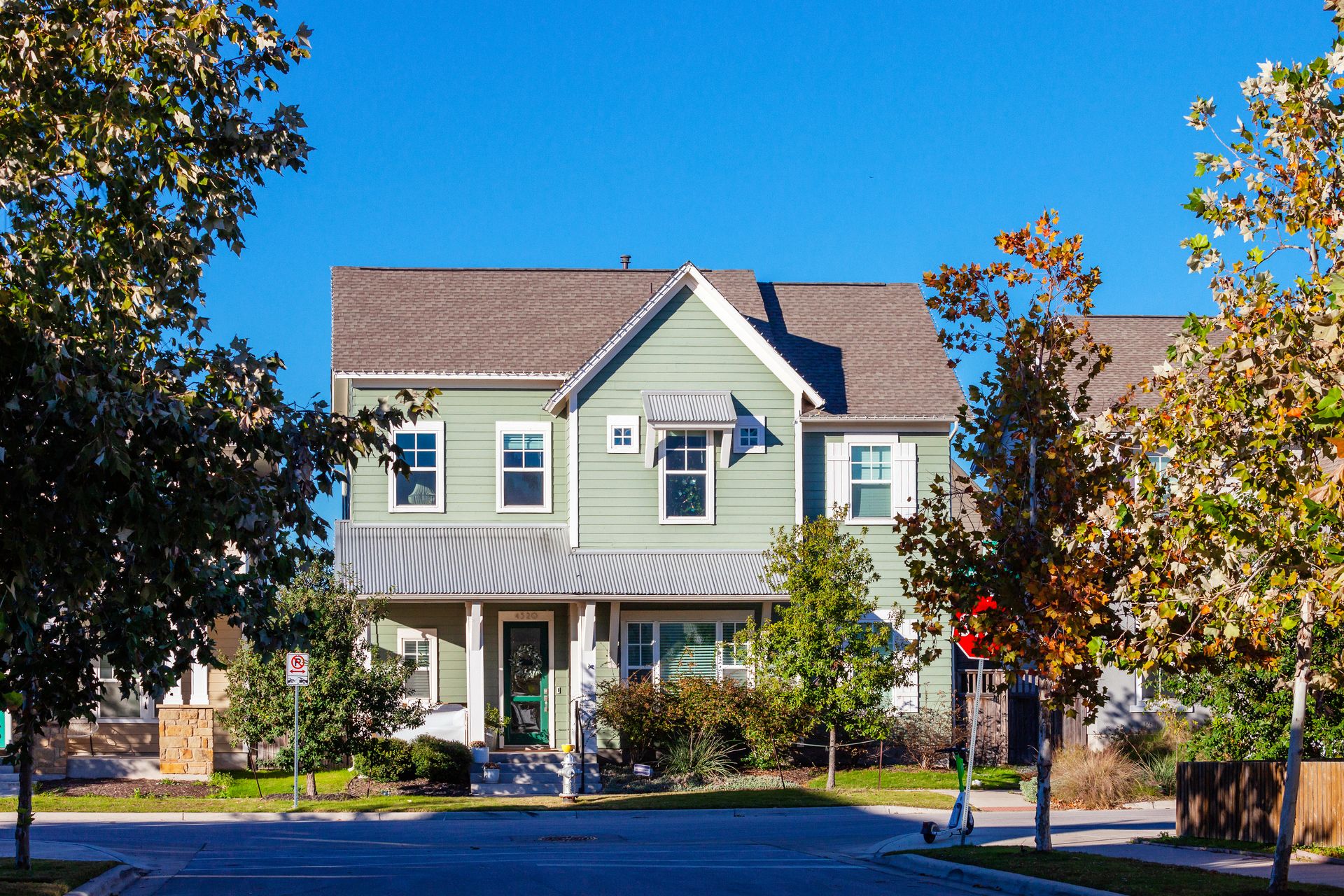
Austin carries the steepest year-over-year rent decline among the 50 largest U.S. metro areas, with typical asking rents falling 2.3% to $1,579 — a drop that, combined with income growth, leaves the typical renter household $3,182 better off annually than a year ago. That $265 in monthly savings is the largest figure in the country, and it reflects conditions specific to the Austin market and not a broader Texas trend.
The city built aggressively during the pandemic era. Developers responded to a surge in population and demand by approving and constructing a large volume of new apartment units, and that supply has now reached the market at a moment when migration into Austin has slowed from its pandemic peak. The result is a market with more available units than renters currently need, which gives prospective tenants negotiating power they haven't held in years.
That power is visible in incentive data as well. Nearly 65% of rental listings in Austin carried a concession in March — free rent, waived fees, or similar add-ons — a figure that reflects landlord competition for a smaller pool of active renters. Falling asking rents and widespread incentives together mean the effective cost of renting in Austin has declined more sharply than the headline figure alone captures. A renter who secures a month of free rent on a $1,579 lease reduces the effective annual rate well below what the asking price alone suggests.
Affordability in Austin has improved to the point where the typical household spends just 18.1% of income on rent, making it the most affordable large rental market in the country. That stands in stark contrast to markets such as New York, where the equivalent share sits at 38%. For renters who relocated to Austin during the boom years and watched budgets strain under rising costs, the current trajectory represents a meaningful change in their day-to-day financial standing.
2 / 10
Art Wager / Getty Images
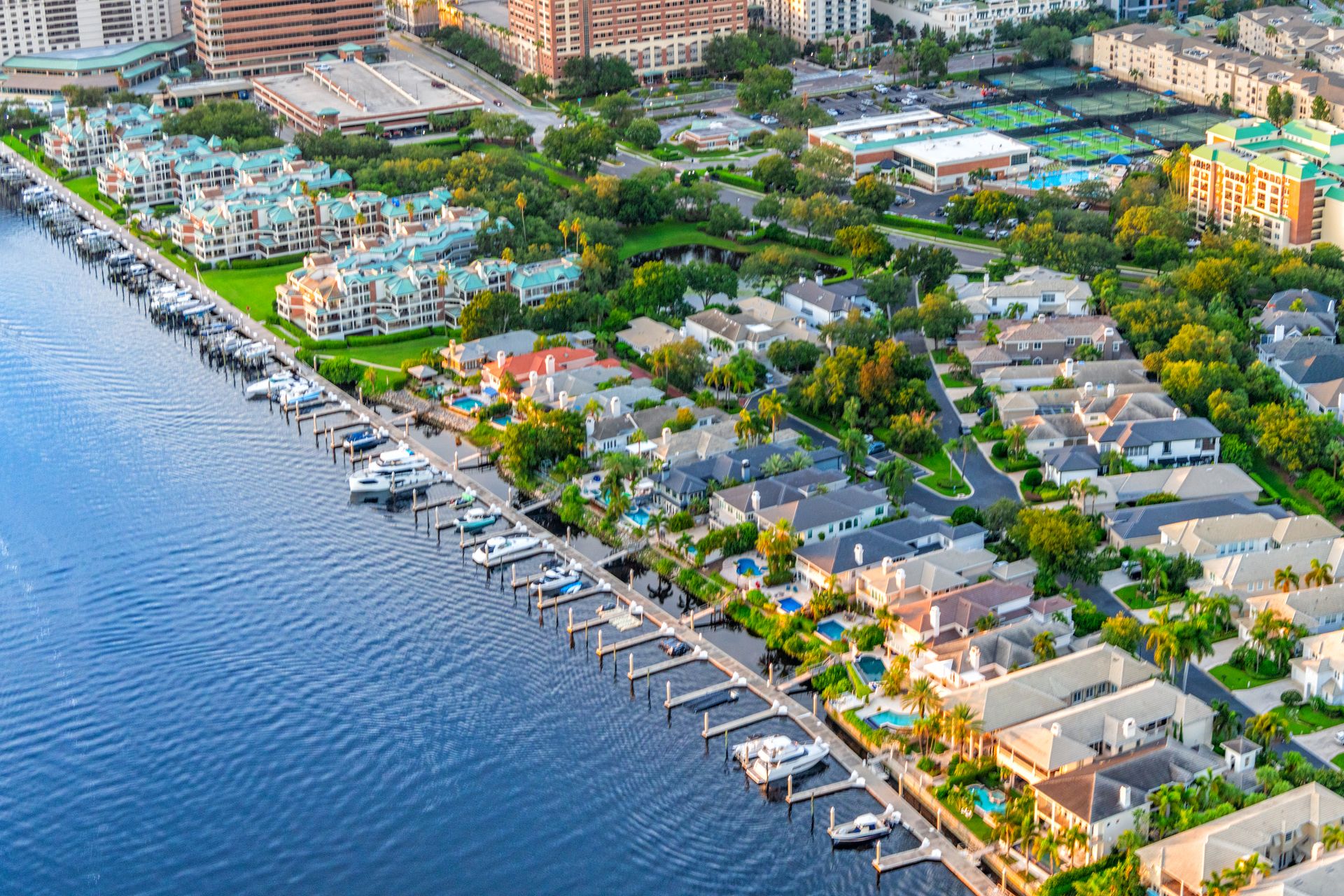
Tampa's asking rents fell 1.6% year over year to $1,988, placing the market among the top cities where renters are gaining ground, with typical households saving $3,110 annually — the second-largest annual savings figure in the country. Outright rent decline paired with income growth is significant for a metro that saw some of the most rapid rent appreciation during the pandemic era.
The share of Tampa rental listings offering a concession climbed 12 percentage points compared with a year earlier, the largest annual increase in that measure among all 50 metro areas tracked. In practical terms, roughly half of all available units in Tampa now include some form of incentive — a condition that reflects a meaningful shift in the balance between supply and demand. Landlords are actively competing for tenants, no longer simply receiving applications.
The rent figure itself — $1,988 for the typical unit — positions Tampa as a mid-tier market by cost, sitting below the national high-cost metros but above the most affordable Sun Belt cities. The current level represents a decline from the peak rents Tampa recorded during its period of fastest growth, when in-migration from higher-cost states drove demand well above what local supply could accommodate. That migration wave has moderated, and the construction pipeline it triggered has since filled the gap with units now entering a market that no longer absorbs them at the same pace.
Renters in Tampa who have remained in the market through the past several years are now seeing a payoff in the form of lower renewal offers and competitive new leases. The 51.8% concession rate — meaning more than half of listed units carry an incentive — gives tenants a concrete tool when negotiating. Free first-month rent or waived application fees reduce the effective annual cost beyond what the asking price suggests, compounding the gains from the underlying rent decline and producing real savings for households that act on the available leverage.
3 / 10
Matthew Busch / Bloomberg via Getty Images
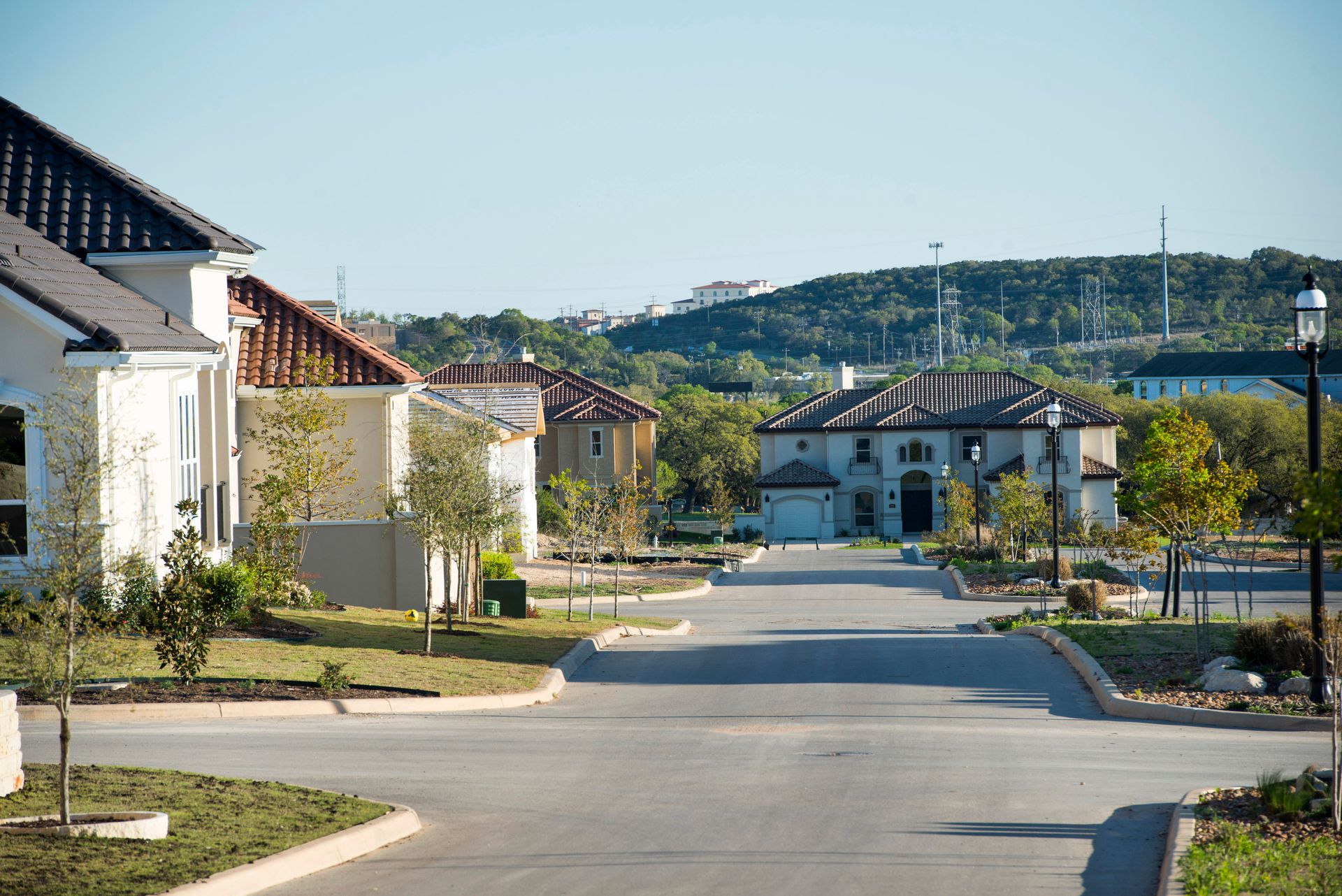
San Antonio's asking rents fell 1.6% year over year, matching Tampa's rate of decline, with a typical rent of $1,391 — the lowest absolute asking rent among the 10 cities where rents dropped in March. For renters, a low baseline paired with an outright decline produces annual savings of $2,990, just short of the $3,000 threshold that Austin and Denver cross.
The market's affordability extends beyond the headline rent figure. At $1,391 per month, San Antonio offers renters a significantly lower cost floor than most major metros in Texas or nationally. That baseline has historically made the city attractive to cost-conscious households relocating from higher-priced markets, and the current decline suggests that even this lower floor is softening under supply pressure.
More than 57% of rental listings in San Antonio carried a concession in March, continuing a pattern visible across Sun Belt markets where construction outpaced absorption. The concession rate means that a majority of available units are actively competing on price beyond the listed rent, whether through reduced deposits, free parking, or initial months at no cost. For a renter signing a new lease, that competition translates directly into a lower effective first-year payment than the asking price alone implies.
San Antonio's decline mirrors broader trends playing out across Texas, where several major metros simultaneously built new supply during the pandemic and are now working through that inventory. The city's rent trajectory — down from pandemic-era peaks and now declining year over year — positions it as one of the clearest examples of a market where renters hold significant leverage heading into the second half of 2026. Tenants who negotiate actively in this environment are likely to find that landlords respond in ways they did not when demand was at its peak. That shift in dynamics is one of the more durable features of the current market.
4 / 10
Dee Liu / Getty Images
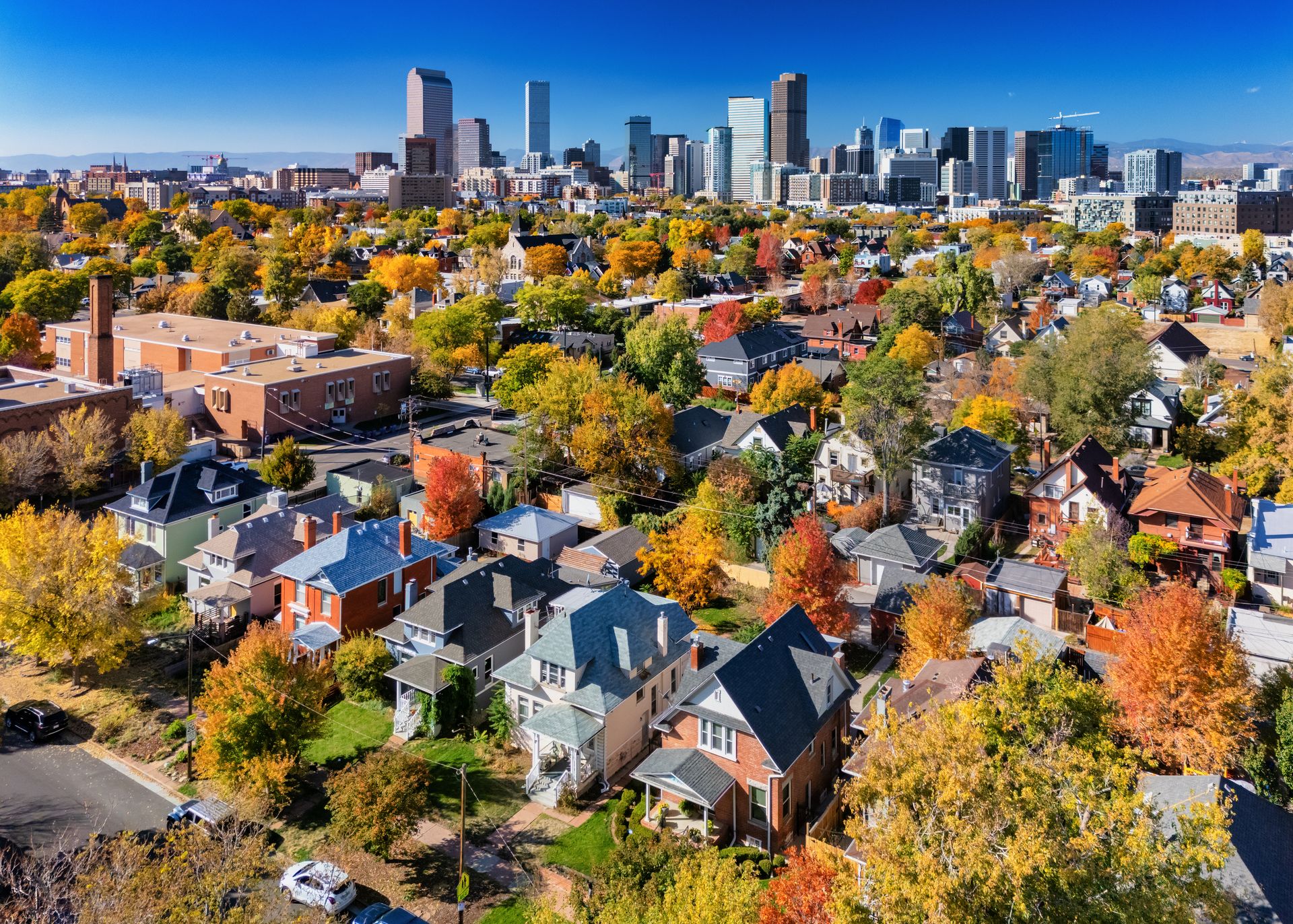
Denver's asking rents fell 1.2% year over year to $1,858, producing annual savings of $3,002 for the typical renter household — the third-largest figure in the country and one that crosses the $3,000 threshold. The $250 in monthly relief places Denver in a group of cities where the combined effect of rent decline and income growth has generated a substantial shift in household affordability.
The city also holds one of the most favorable affordability ratios among all large markets. At 19.5% of median household income spent on rent — tied with Minneapolis for fifth-lowest nationally — Denver gives the typical renter more financial breathing room than most other cities of comparable size and amenity. That affordability reflects both the decline in asking rents and income levels in the Denver metro that have kept pace with the broader national recovery.
Concession activity in Denver reached 68.9% of listings in March, the highest rate among all 10 cities with declining rents and one of the highest in the country. Nearly seven in 10 available units carried some form of incentive, a figure that points to a supply environment where landlords face real competition for tenants. New apartment construction in the Denver metro accelerated sharply in recent years, and that inventory has arrived at a moment when population growth has moderated from its post-pandemic peak.
For renters weighing whether to renew an existing lease or search the open market, the concession environment strengthens the case for exploring alternatives. A landlord offering incentives on nearly 69% of units has adjusted to conditions that favor tenants, and those who negotiate actively are likely to find offers that reflect that reality. The convergence of declining asking rents, strong monthly savings, and near-universal concession availability makes Denver one of the most renter-favorable markets in the Mountain West.
5 / 10
travelview / Getty Images
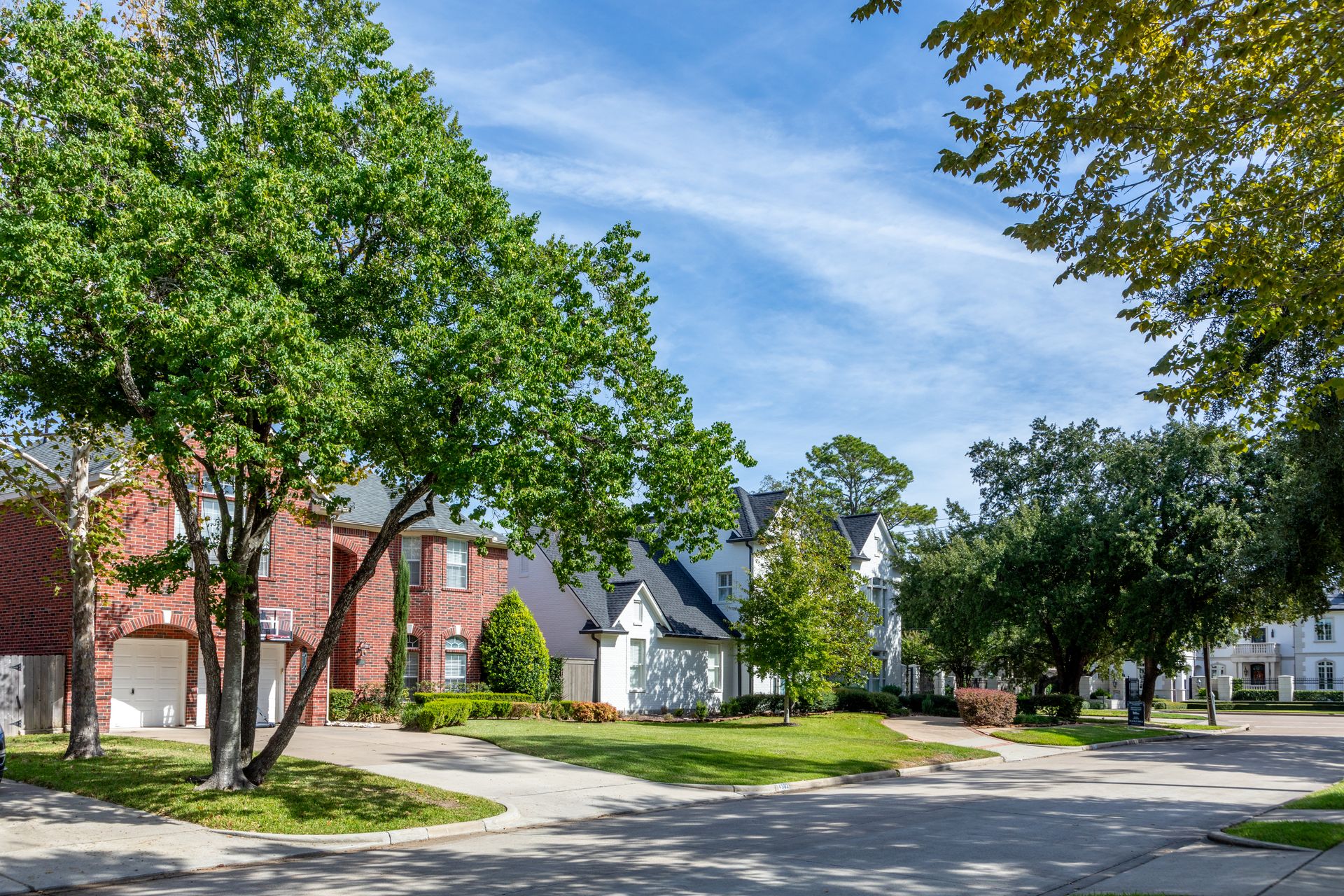
Houston's asking rents fell 0.9% year over year to $1,610, generating monthly savings of $241 and an annual total of $2,894 for the typical renter household — the fifth-largest annual figure among cities with declining rents. The decline is more modest than Austin's or Tampa's, but it plays out across a larger and more economically diverse renter population.
At $1,610 per month for the typical unit, Houston sits below the national median and well below the asking prices in coastal gateway markets. That price level has historically made the city accessible to a wide range of household incomes, and the current decline extends that accessibility further. A renter entering the Houston market today faces lower asking prices than someone who signed a lease a year ago, a condition that affects both new movers and residents considering relocation within the metro.
More than 53% of Houston rental listings carried a concession in March, continuing the pattern of landlord competition visible across Texas markets. The concession rate, combined with the underlying rent decline, reflects a supply environment where new construction has added inventory faster than demand has grown. Houston's development market has historically been among the most responsive in the country, with relatively few barriers to new construction, and that responsiveness is now producing measurable relief for renters.
The $241 in monthly savings Houston renters are capturing represents one of the more concrete examples of the affordability recovery the broader Zillow data describes. For households that stretched their budgets over the past several years to accommodate rising costs, that figure translates into options — whether additional savings, reduced debt service, or the ability to absorb other cost pressures without financial strain. A below-median national rent, an active concession environment, and positive monthly savings position Houston as a market where renter conditions have clearly improved over the past year.
6 / 10
John Scott Leigh III / Getty Images
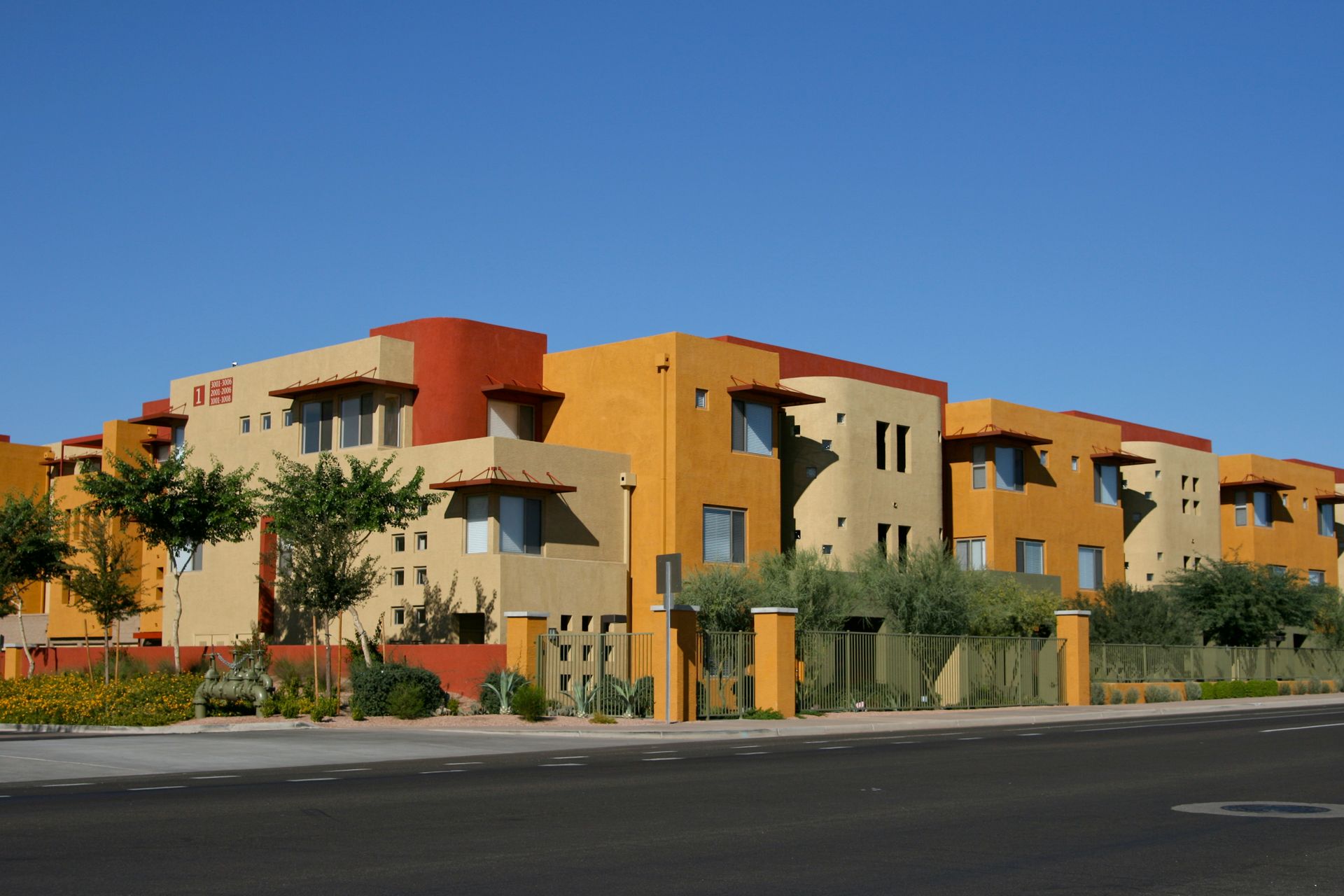
Phoenix's asking rents fell 0.8% year over year to $1,735, placing it sixth among cities with the largest rent drops. The monthly savings figure of $242 and annual total of $2,906 exceed what several markets with steeper percentage declines generate, because Phoenix starts from a higher absolute rent level than cities such as San Antonio or Houston.
The relationship between percentage decline and dollar savings matters for renters evaluating market conditions. A 0.8% decline on a $1,735 rent produces more absolute monthly relief than a larger percentage drop on a lower base. Phoenix renters are capturing real dollar gains even as the percentage change is smaller than in the top markets, and that dollar figure compounds over a full lease year into nearly $3,000 in combined savings — a sum that represents a tangible improvement in household financial capacity.
Nearly 60% of Phoenix rental listings carried a concession in March, reflecting a supply environment that has shifted decisively toward tenant leverage. The metro expanded its apartment inventory rapidly during the pandemic building cycle, and that supply has not yet been fully absorbed by the demand growth the area experienced during in-migration from California and other high-cost states. The concession rate signals that landlords have adjusted pricing strategies to attract tenants in a more competitive environment.
Phoenix's rent decline, combined with its concession rate and dollar savings figure, makes it one of the more favorable markets for renters in the Southwest. For households weighing a move within the region, a below-median national asking price and active landlord competition provide conditions that were largely absent during the peak rent years of 2021 and 2022. The current environment rewards renters who approach the market with the understanding that the balance of negotiating power has shifted in their favor for the first time since the pandemic cycle began.
7 / 10
Pgiam / Getty Images
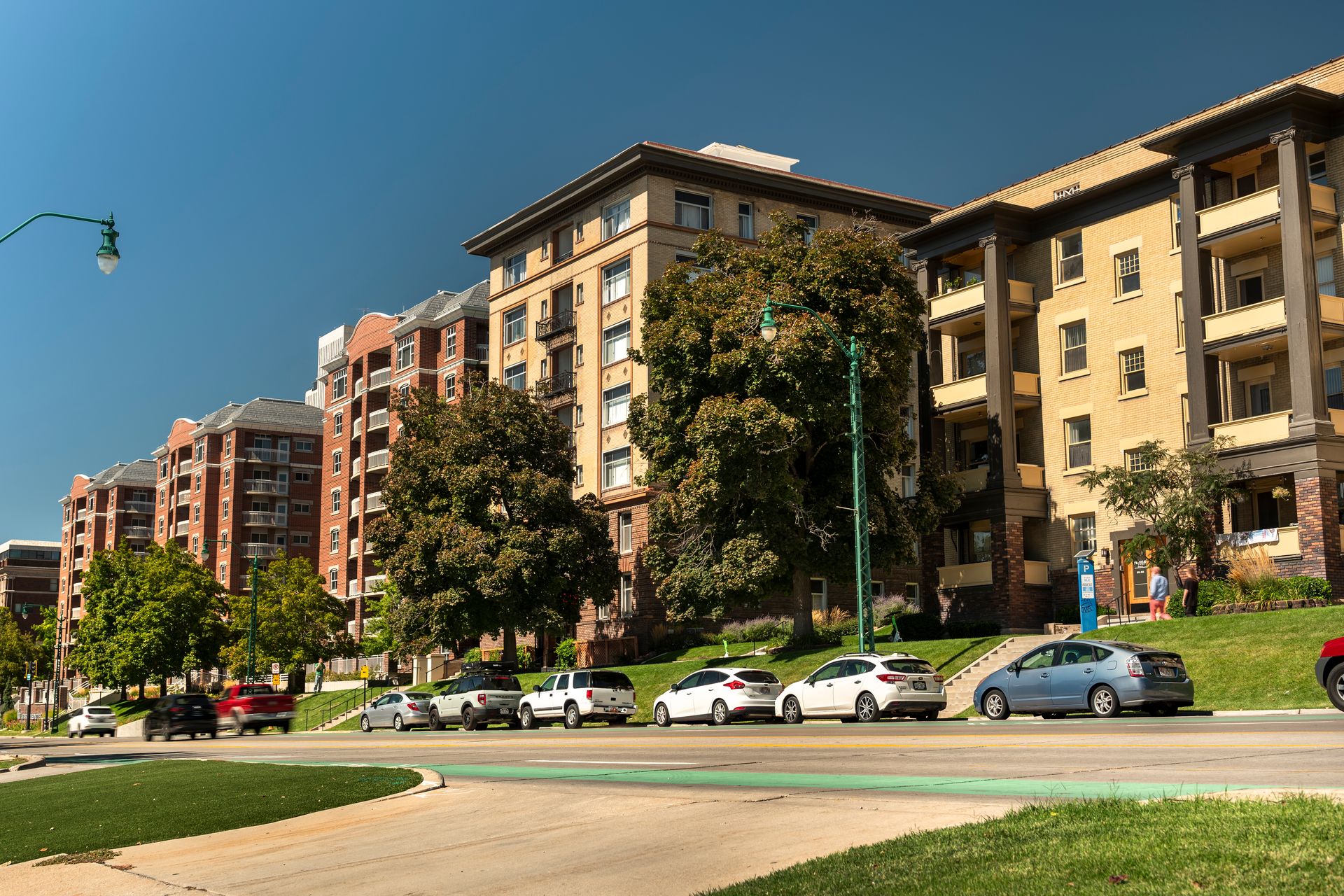
Salt Lake City's asking rents fell 0.6% year over year to $1,607, producing monthly savings of $237 and annual savings of $2,846. Those figures are noteworthy on their own, but the more striking data point for this market is the concession rate: 65.9% of rental listings on Zillow in Salt Lake City carried a concession in March, the highest share of any market in the country.
That 65.9% figure means nearly two in three available units are actively competing on price beyond the listed asking rent. The implication for renters actively searching is that the effective cost of leasing in Salt Lake City is lower than the headline rate suggests, and that negotiating leverage is available to tenants who know to ask for it. Waived fees, free initial rent periods, or reduced deposits on units already priced below their year-ago levels compound the benefit considerably.
Salt Lake City also holds the most favorable affordability ratio among the 50 largest U.S. metro areas, with the typical household spending just 18.2% of income on housing costs. That figure represents the lowest share in the country and gives households in this market more financial capacity — for savings, debt repayment, or other priorities — than those in virtually any other comparable city. A declining absolute asking price, a historically low cost burden, and the highest concession rate in the country make Salt Lake City one of the most tenant-advantaged markets in the U.S. at this moment.
The city's construction activity during the pandemic era contributed to the current supply surplus. Like other Mountain West markets, Salt Lake City attracted significant in-migration and investment between 2020 and 2023, triggering apartment development that is now completing and adding inventory just as demand growth has moderated. Renters who enter the market today benefit from that sequence directly, whether they realize it or not.
8 / 10
LPETTET / Getty Images
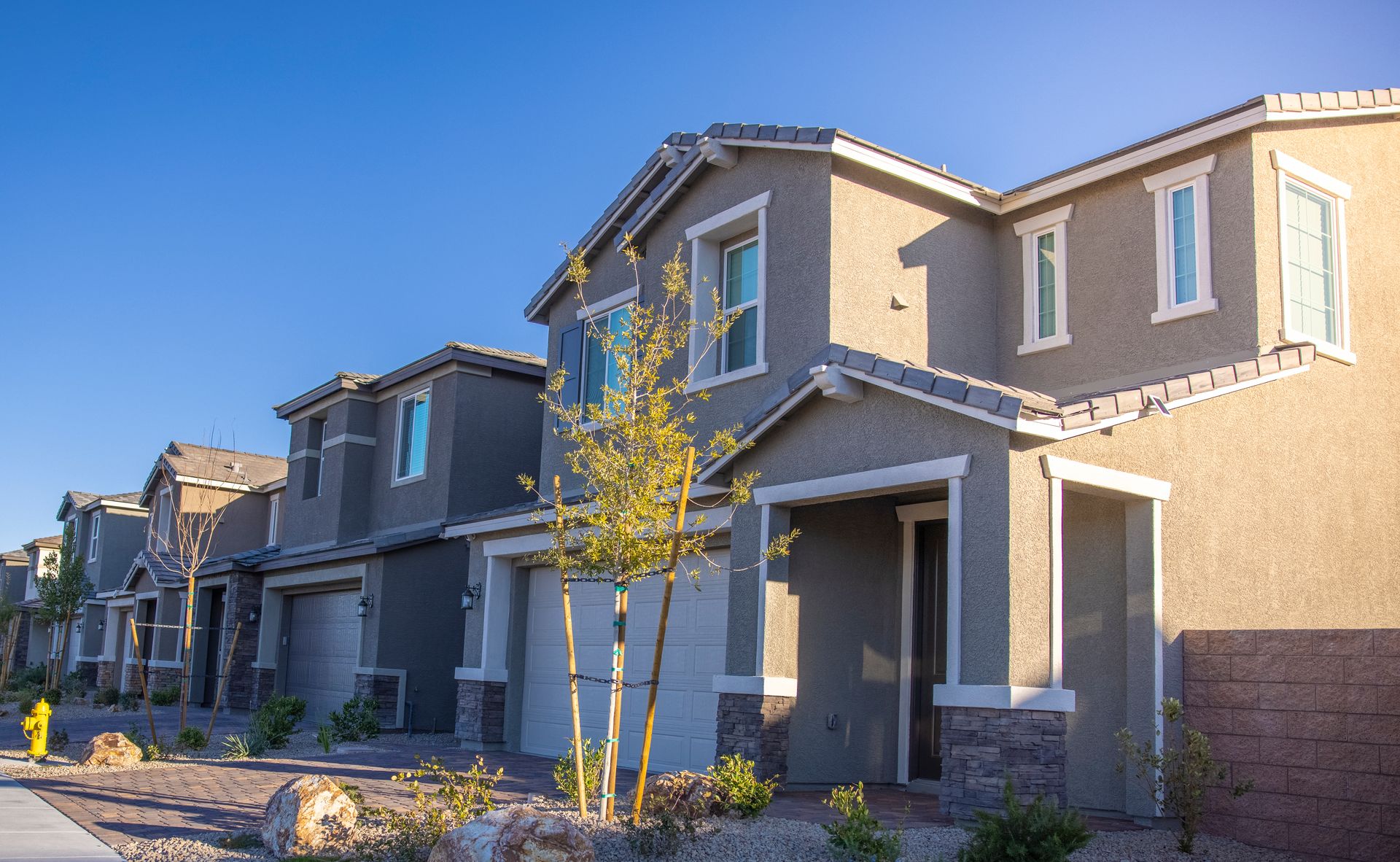
Las Vegas asking rents fell 0.4% year over year to $1,727, generating monthly savings of $233 and annual savings of $2,798. The decline is among the smaller of the 10 markets with falling rents, but the concession data reveals a market in an active transition toward greater tenant leverage.
The share of Las Vegas rental listings carrying a concession rose 8.5 percentage points year over year, the third-largest annual increase in that measure among all 50 metro areas tracked. That gain means landlords in Las Vegas are offering incentives at a substantially higher rate than they were 12 months ago, a shift that reflects the arrival of new supply in a market where construction accelerated during the years of peak demand. The concession expansion is running ahead of the actual rent decline, suggesting the effective cost to renters has fallen further than the asking price movement alone captures.
More than half of Las Vegas rental listings — 52.4% — offered a concession in March, placing the market among the more competitive environments for renters in the western U.S. For a renter entering the market today, more than one in two units they consider is likely to carry some form of incentive, whether that is reduced initial rent, a waived security deposit, or complimentary parking. The incentive environment gives renters tools to lower their effective first-year cost regardless of whether the asking price itself has moved dramatically.
At $1,727 per month for the typical unit, Las Vegas sits close to the national median and well below the asking rents in coastal California markets. That positioning, combined with an outright year-over-year decline and a rapidly expanding concession environment, gives renters in Las Vegas conditions that have improved meaningfully. Accessible base rents, positive monthly savings, and a concession rate crossing the majority threshold make Las Vegas one of the more renter-friendly markets in the western U.S. today.
9 / 10
Raul Rodriguez / Getty Images
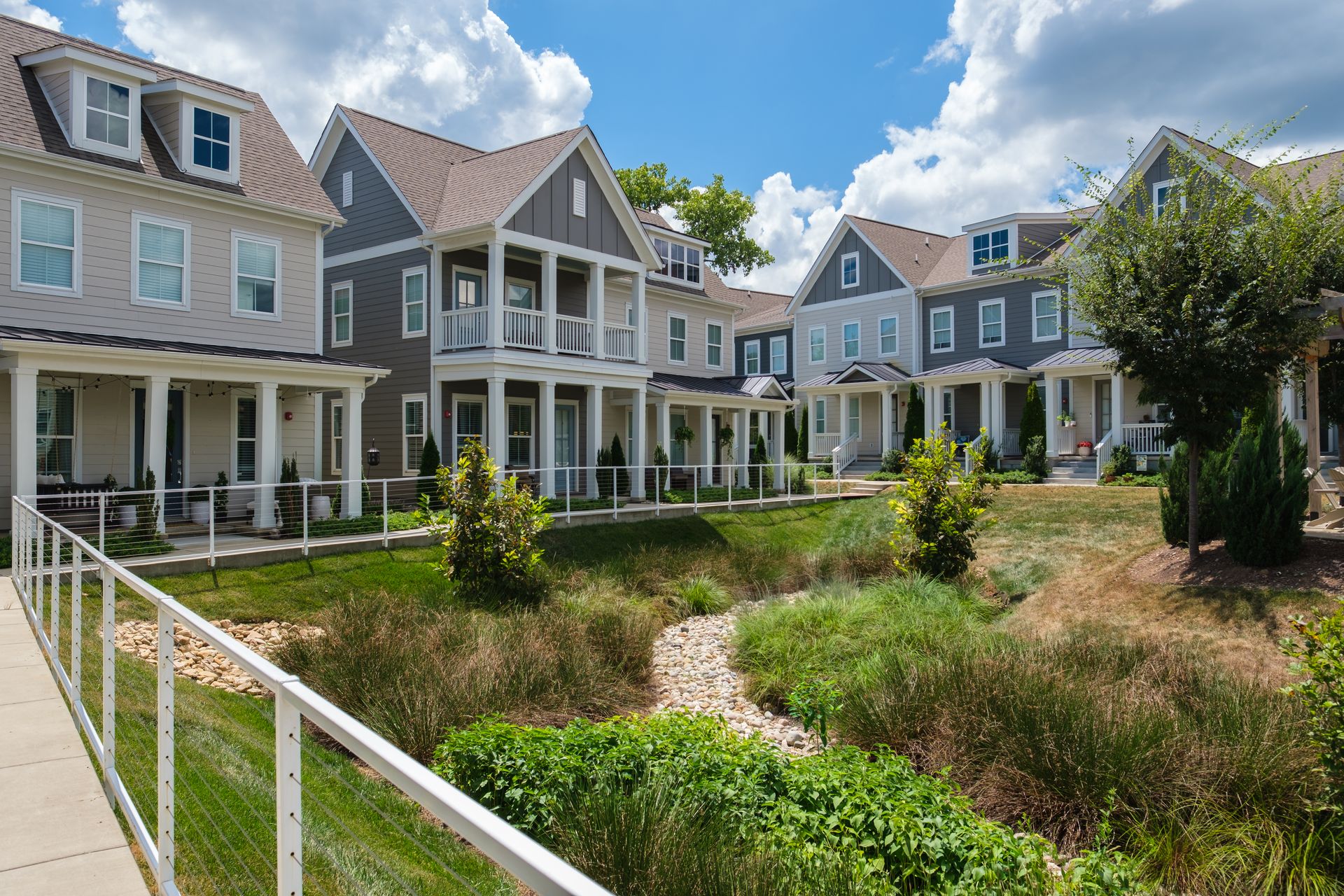
Nashville's asking rents fell 0.2% year over year to $1,784, placing it among the markets where tenants are gaining ground even as the absolute decline remains modest. The monthly savings figure of $231 and annual total of $2,774 reflect the combined effect of rent movement and income growth in a metro that has experienced substantial economic expansion over the past decade.
The concession environment tells a fuller story. Nearly 64% of Nashville rental listings carried a concession in March, one of the higher rates among all 50 major metros tracked. That figure indicates that landlords across the market are competing actively for tenants, offering incentives to fill available units in a supply environment that has grown considerably more competitive. For renters, a 63.7% concession rate means that well over half of the listings they consider will include some form of financial benefit beyond the stated asking price.
Nashville's rent trajectory reflects the arc of a market that attracted intense developer interest during the pandemic years. The city drew significant in-migration from higher-cost metros, and the resulting demand spike triggered a wave of apartment construction that has now added inventory to a market where population growth has stabilized. That sequence — accelerated building followed by demand normalization — is producing a supply overhang that gives renters leverage they haven't held in several years.
At $1,784, Nashville's typical asking rent sits just below the national median of $1,910. The decline, while small, reverses the direction of travel from the sharp increases the market recorded during its period of fastest growth. For long-term residents who absorbed repeated annual cost hikes, the current environment — lower asking prices, widespread concessions, and income gains outpacing changes in the cost of housing — represents a shift in financial standing. Those factors together make the city a market worth watching closely as the 2026 leasing season develops.
10 / 10
Skyhobo / Getty Images
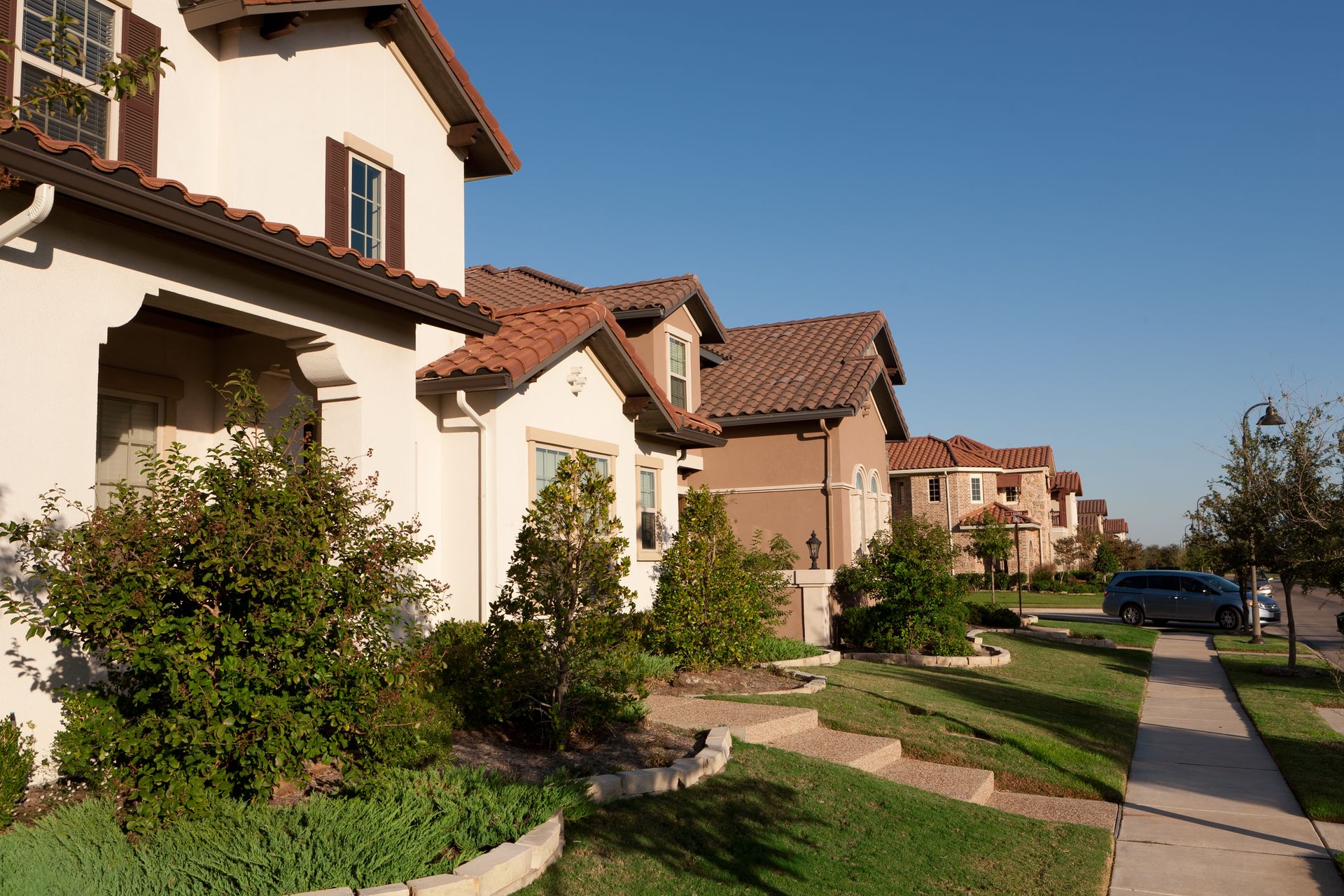
Dallas asking rents fell 0.1% year over year to $1,645, the smallest decline among the 10 markets where rents dropped, but a figure that carries meaning in the context of a market that saw significant appreciation during the pandemic years. The monthly savings total of $228 and annual figure of $2,738 place Dallas among the more financially favorable environments for renters in the country, driven as much by strong income growth as by the rent decline itself.
The concession rate in Dallas reached 63.1% in March, meaning nearly two in three available units came with some form of landlord incentive. That level of concession activity reflects conditions in a Texas development market that has consistently built new supply in response to demand — and that supply is now producing measurable pressure on asking prices. For renters negotiating a new lease in Dallas, a slight rent decline alongside a 63.1% concession rate means effective costs are lower than the headline number suggests.
Dallas's rent figure of $1,645 sits below the national median, making it one of the more accessible large markets in the country on an absolute basis. The -0.1% year-over-year change represents a shift in a market that was recording positive rent growth as recently as the prior year, and the direction of movement aligns with the broader Sun Belt pattern of supply-driven softening. The fact that Dallas joins Austin, Houston, and San Antonio in posting negative annual rent change underscores how comprehensively the Texas market has shifted toward tenants.
For renters who have tracked Dallas rent levels over the past several years, the current trajectory is a meaningful departure from the increases that characterized the 2021-2022 cycle. Whether the market stabilizes at current levels or continues to soften depends on how quickly the existing supply is absorbed, but renters operating in Dallas today hold more negotiating power than they have at any point since before the pandemic-era surge in costs.
