
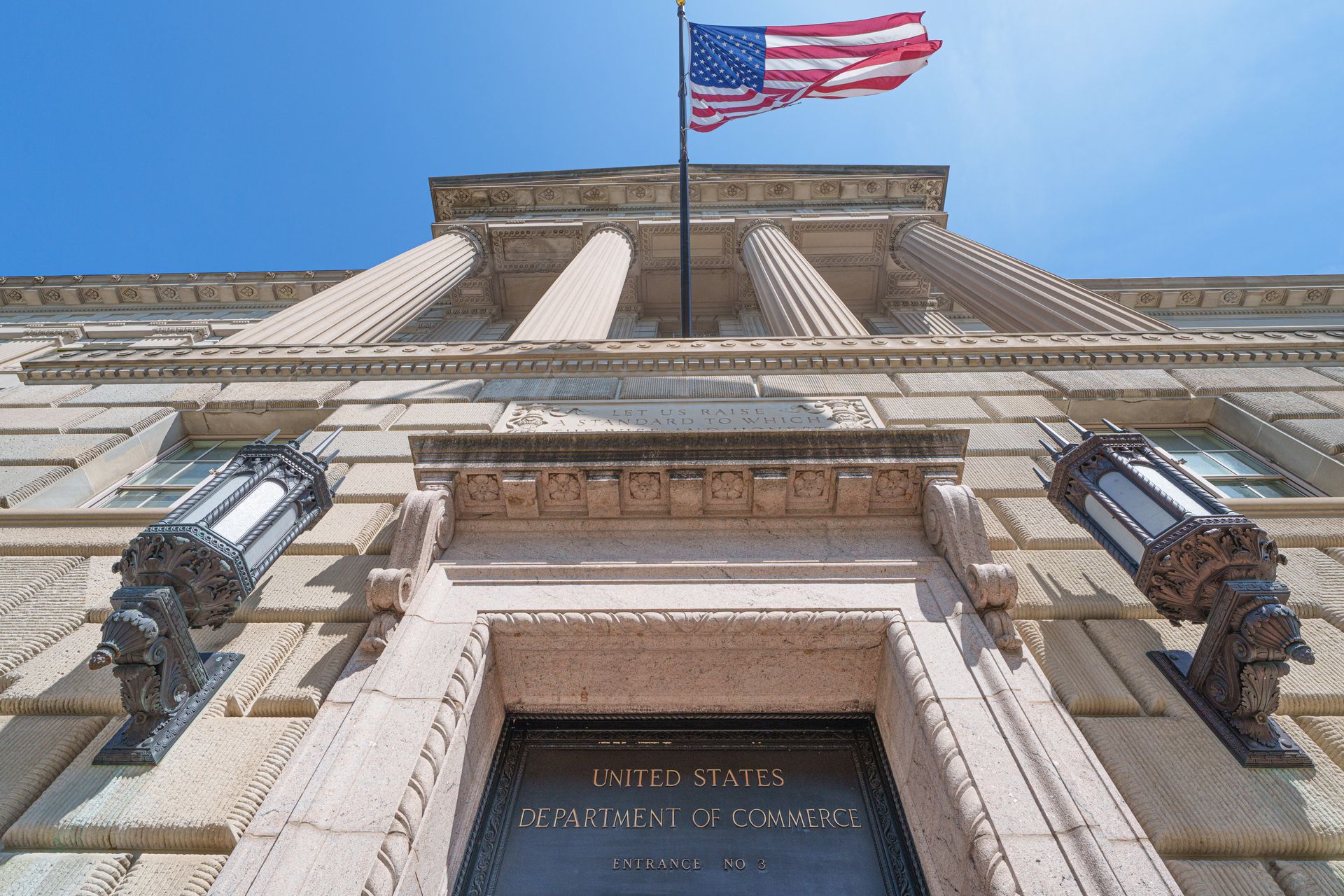
The U.S. economy grew at an annualized rate of 2.1% in the first quarter of 2026, the Bureau of Economic Analysis said Thursday, revising its prior estimate higher.
Import figures were revised downward during the January-through-March period, and that shift was the primary factor behind the stronger headline number, the Commerce Department said. Because imports are subtracted in GDP calculations, a lower import figure boosted the headline growth number.
Economists surveyed by The Wall Street Journal had expected the final reading to come in at 1.7%.
Not all of the underlying details improved. Household spending, however, posted only a 0.5% gain — a rate not seen since at least four years prior. Final sales to private domestic purchasers, a gauge of underlying demand that excludes government outlays, inventory changes, and trade flows, was marked down to 1.7% from an earlier reading of 2.4%.
Thursday's reading represents the third and final estimate of first-quarter growth. The Bureau of Economic Analysis had revised its initial 2.0% advance estimate down to 1.6% in its second reading, citing weaker investment and consumer spending. Within investment, the primary drag came from a drop in private nonfarm inventory investment, led by manufacturing and retail trade. Within consumer spending, a downward revision to services — particularly health care — was partly offset by stronger goods spending.
The first quarter still marked an acceleration from the fourth quarter of 2025, when real GDP grew just 0.5%. Inflation remained elevated heading into the period: the personal consumption expenditures price index rose 4.5% in the first quarter, while the core PCE index, which excludes food and energy, came in at 4.4%.