
New home construction dropped hardest in these 5 U.S. states
Homebuilding lagged in parts of the U.S. in 2025. The Building Permits Survey measured all 50 states on housing permits to find the steepest drops
Alan Schein / Getty Images
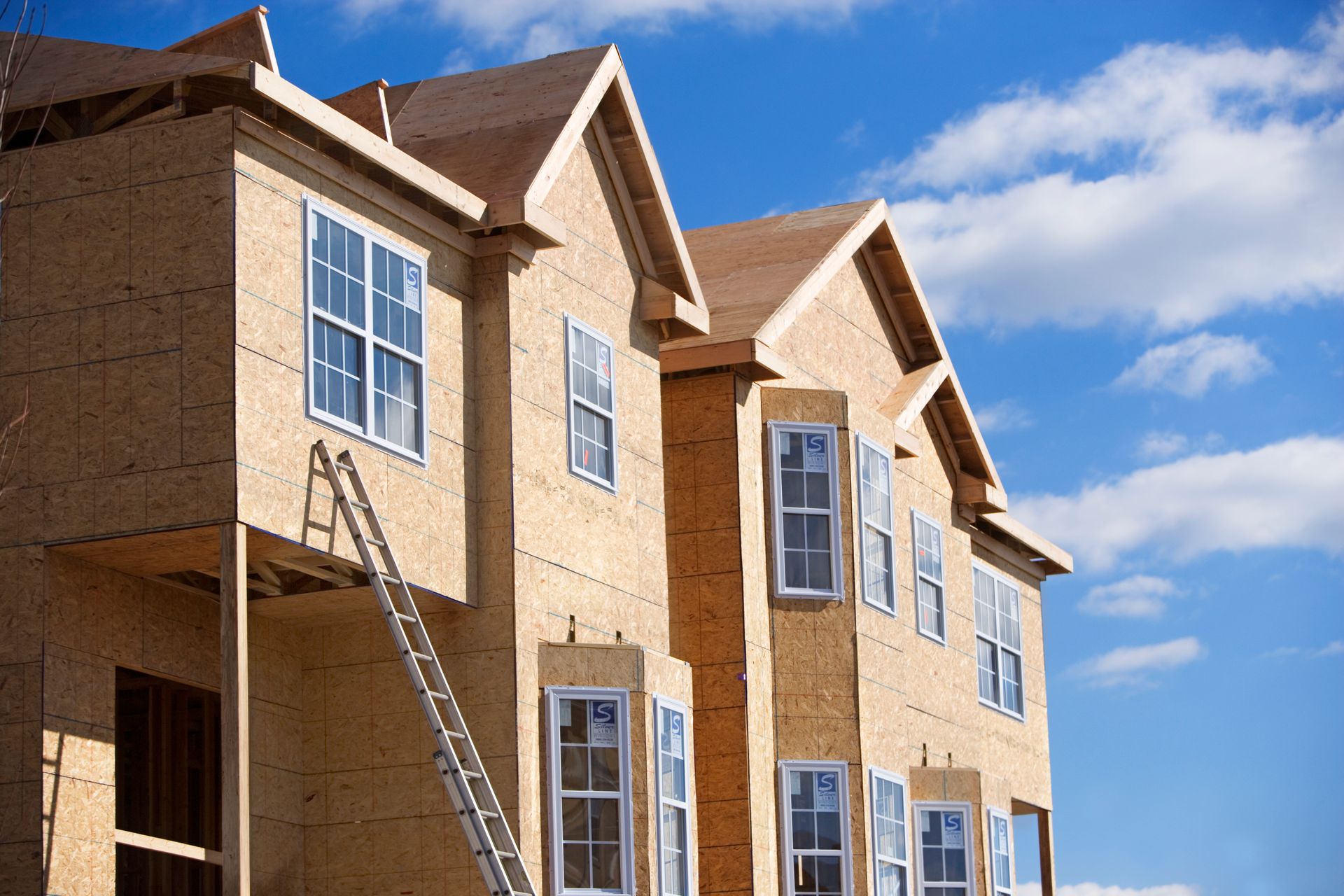
Building a home starts with a permit. A local official signs off on the project before a foundation is poured or a frame goes up, and that signature is one of the clearest early signals of where new housing supply is headed. Fewer homes reach completion in the months after authorization counts fall. A pullback in approvals means the inventory problem renters and buyers already face is about to get worse, compressing the options available to anyone looking for a place to live. That official go-ahead is a leading indicator: it translates today's building decisions into tomorrow's housing stock, and a year with fewer of them leaves less on the market for the people who need it most.
The slowdown is not uniform. Permit authorizations fell 3.1% nationally in 2025 compared with 2024. The decline is modest and does not signal a broad collapse in residential construction activity. That 3.1% figure masks wide variation from state to state. Approval volume held steady or climbed in some markets. The decline ran steep enough to reshape near-term supply in others, in ways that will outlast the calendar year. Construction activity in individual states responds to cost conditions, land availability, and regulatory environment, and those factors determine how quickly activity shifts when economic headwinds appear. The states at the bottom of the 2025 rankings absorbed losses that ran well beyond the national rate.
The Census Bureau's Building Permits Survey tracked new privately-owned housing unit authorizations in all 50 states and the District of Columbia in 2025 and released its findings on May 14. The survey counts permits issued by local building offices and is considered the most comprehensive measure of near-term residential construction activity in the country. The five states at the bottom of the rankings share a pattern of decline concentrated in the Northeast and mid-Atlantic corridor, with implications for housing supply that extend well into 2026 and beyond.
1. New Jersey leads all states in permit losses
Alan Schein / Getty Images
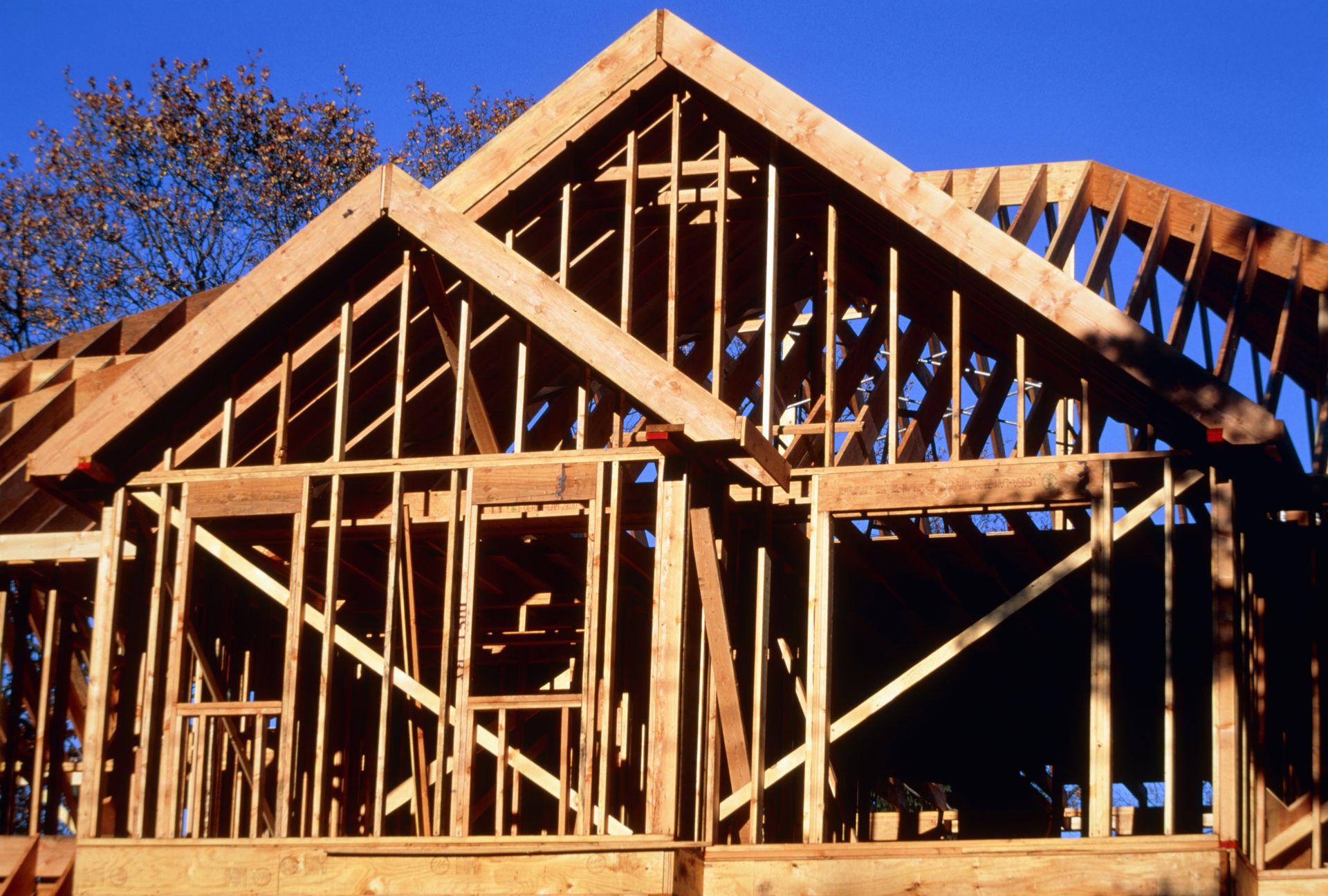
New Jersey's construction market contracted further than any other in 2025, recording a 20.8% decline that ranked it last among all 50 states and cut its authorized unit total from 34,932 to 27,661. The state shed roughly 7,271 approvals in a single year. No other jurisdiction combined a permit base of New Jersey's size with a percentage loss of this magnitude in 2025.
The losses were not distributed evenly within New Jersey. West New York town, a densely built municipality in Hudson County directly across the river from Manhattan, fell from 1,094 permitted units in 2024 to just 72 in 2025. A drop from over 1,000 units to 72 in a single locality represents a near-total loss of authorization activity, and contractions of that scale in high-permit jurisdictions can pull down a state's overall figures significantly, particularly in a small, densely populated one.
New Jersey operates in a region where construction costs rank among the highest in the country. Land is expensive, labor markets are tight relative to surrounding areas, and zoning restrictions in many of the state's most desirable municipalities have historically limited new housing approvals. Builders operating near those structural limits tend to pull back faster and further than those in markets where land and approvals are easier to obtain when financing conditions tighten or developer confidence weakens.
The 2025 contraction leaves New Jersey with its lowest authorized total in recent memory relative to its population size. Housing demand has not softened to match. The state remains one of the most densely populated in the country, with ongoing pressure from both in-migration from New York City and strong employment in the pharmaceutical, finance, and logistics sectors. Fewer authorizations in 2025 means a reduced number of completions in 2026 and 2027, tightening a supply picture that was already strained heading into the year.
2. Maryland's new home permits fall sharply
Robbie Becklund / Getty Images
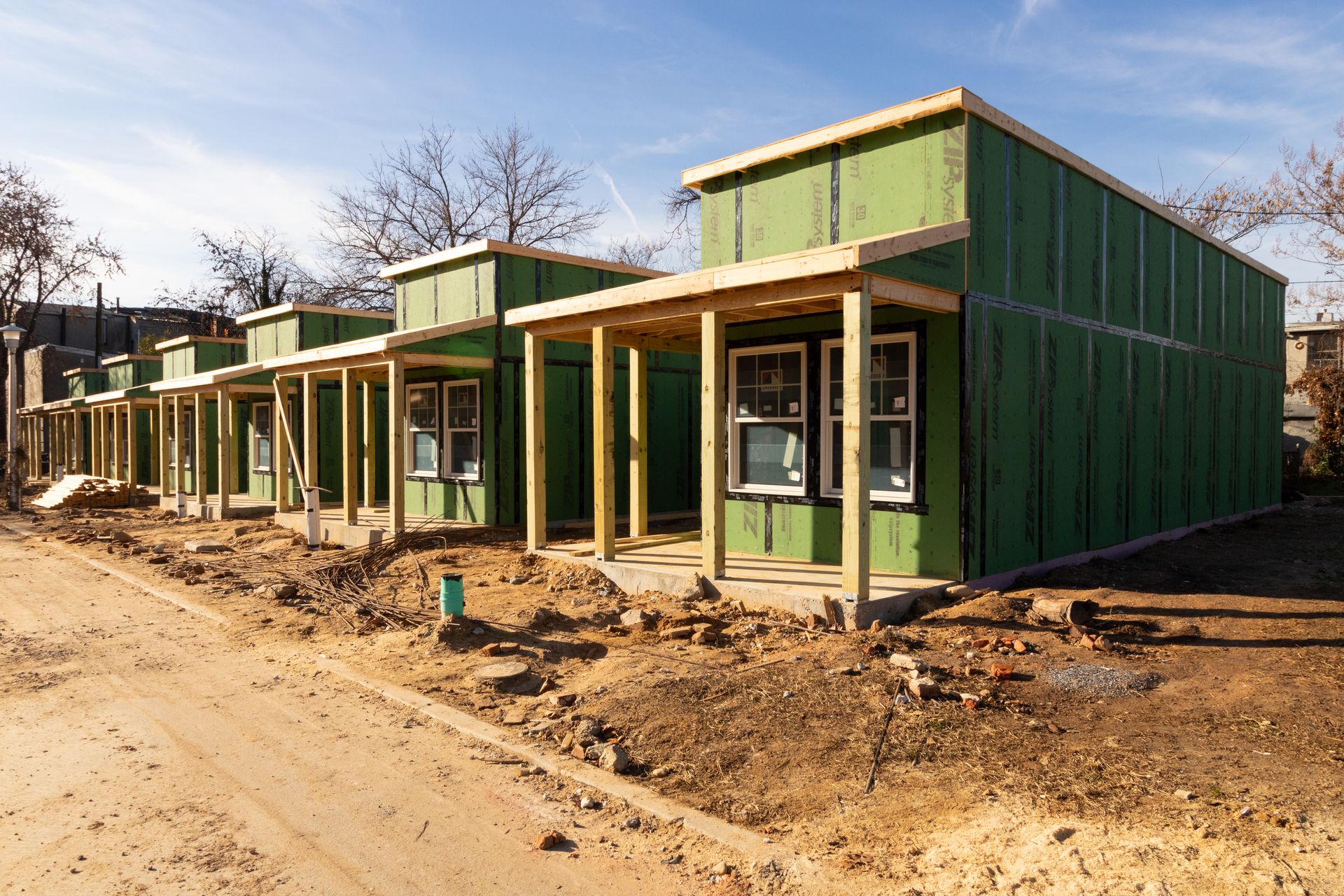
Maryland shed 20.6% of its residential permit volume in 2025, dropping from 16,823 authorized units to 13,358. The gap separating Maryland from New Jersey is razor-thin, with just 0.2 percentage points between them. Together, those two states make the mid-Atlantic corridor the most concentrated zone of construction decline in 2025.
Montgomery County Unincorporated Area was the single largest source of unit losses within Maryland, falling from 3,085 permitted units in 2024 to 1,304 in 2025. The loss of 1,781 units in that one locality accounted for more than half the state's total decline of approximately 3,465. Montgomery County is one of the most affluent and densely regulated counties in the region, where development faces layered approval processes and extensive environmental review requirements that can extend timelines and add significantly to project costs.
Maryland's housing market carries structural pressures that weigh heavily on construction across the mid-Atlantic. Land acquisition in the counties surrounding Washington, D.C., has grown consistently more expensive over the past decade. High building costs, combined with financing conditions that remained restrictive through much of 2025, compressed the economics of new development in ways that hit these markets particularly hard. Developers who could not underwrite projects at prevailing cost-and-rate levels chose not to pull permits.
The Washington, D.C., metropolitan area CBSA, which covers jurisdictions in Maryland, Virginia, and the District itself, issued 17,990 new residential permits in 2025, down from 21,487 in 2024. The broader metro's contraction tracks closely with Maryland's statewide loss, confirming that the forces restraining new construction are regional in nature. Maryland's permit shortfall in 2025 means a continued gap in housing availability in one of the country's most constrained and undersupplied markets.
3. Alaska's construction costs leave fewer projects viable
RyanJLane / Getty Images
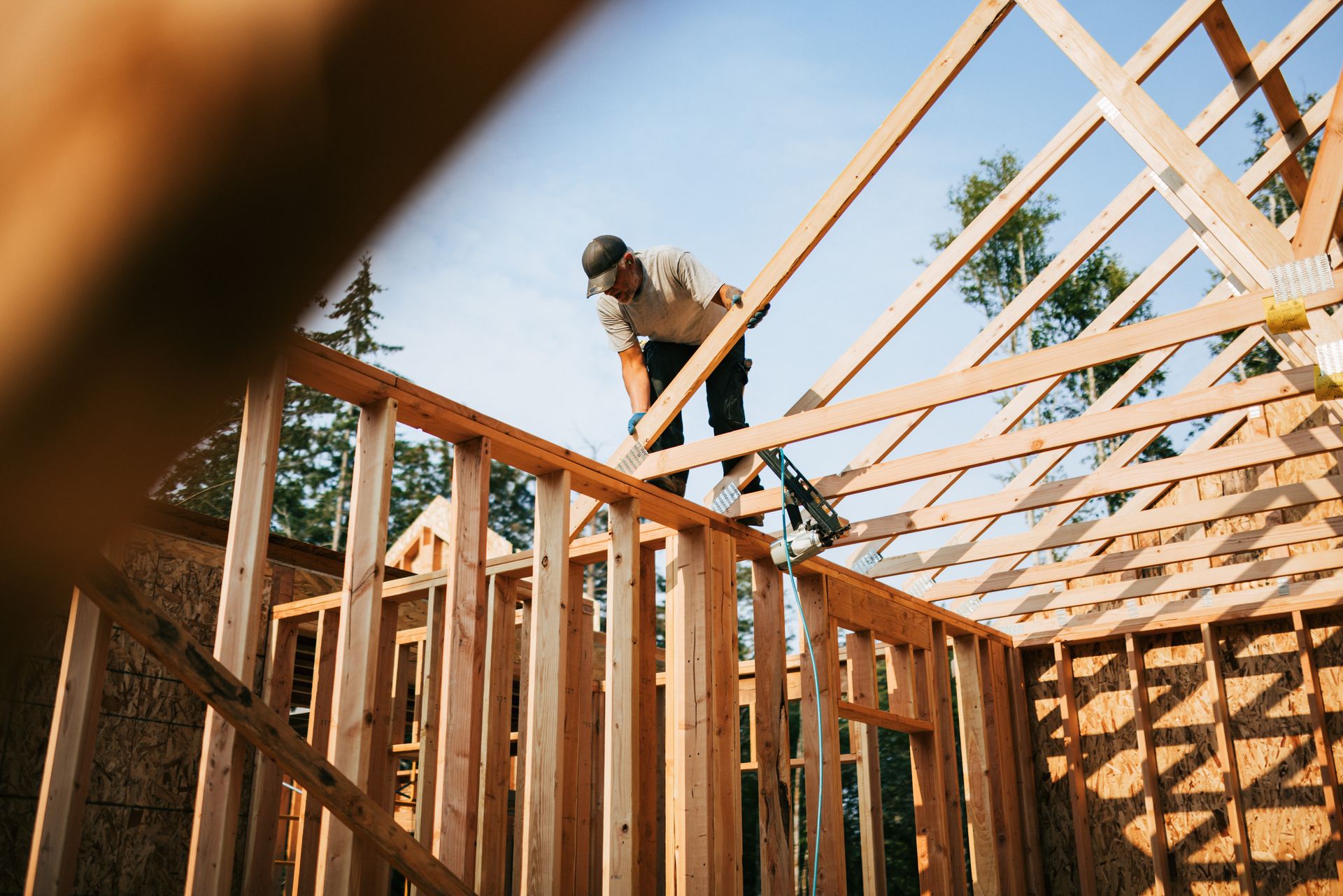
Alaska's permit total declined 17.8% in 2025, falling from 1,032 authorized units to 848, placing it third among states with the steepest percentage losses. The absolute numbers are the smallest of any state in the five-state group, reflecting Alaska's sparse population and the geographic constraints that limit where and how quickly new housing can be built. A loss of 184 permits may appear modest in raw terms, but in a market where total annual authorization volume is measured in the hundreds, a contraction of this size carries real weight.
The state's construction environment is unlike that of any other. Building in the interior and along the coastline requires materials and labor to be transported over long distances, often by air or across a limited road network. Those logistics add substantial cost to every project, making development economics in Alaska highly sensitive to changes in financing conditions, commodity prices, and fuel costs. When any of those inputs rises, the number of projects that can pencil out financially shrinks quickly.
Oil revenues remain the dominant force in Alaska's broader economy, shaping both government spending and private investment. Oil prices moved unevenly through 2025, creating uncertainty for the state's fiscal picture and dampening broader economic confidence. A weaker outlook tends to reduce household formation rates and curb demand for new construction, which is already thin in a state with one of the lowest population densities in the country.
Alaska's 2025 decline extends a pattern of constrained building in a state where residential activity has never reached the volumes seen in the Lower 48's growth markets. With 848 authorized units for the year, the housing pipeline remains among the thinnest of any state by both absolute count and permits per capita. The contraction in 2025 adds further pressure to a supply base that already struggles to meet demand in the state's most populated areas, particularly Anchorage, Alaska, where workforce housing has been a persistent challenge for employers and local government alike.
4. New York's multifamily pipeline shrinks sharply
golero / Getty Images
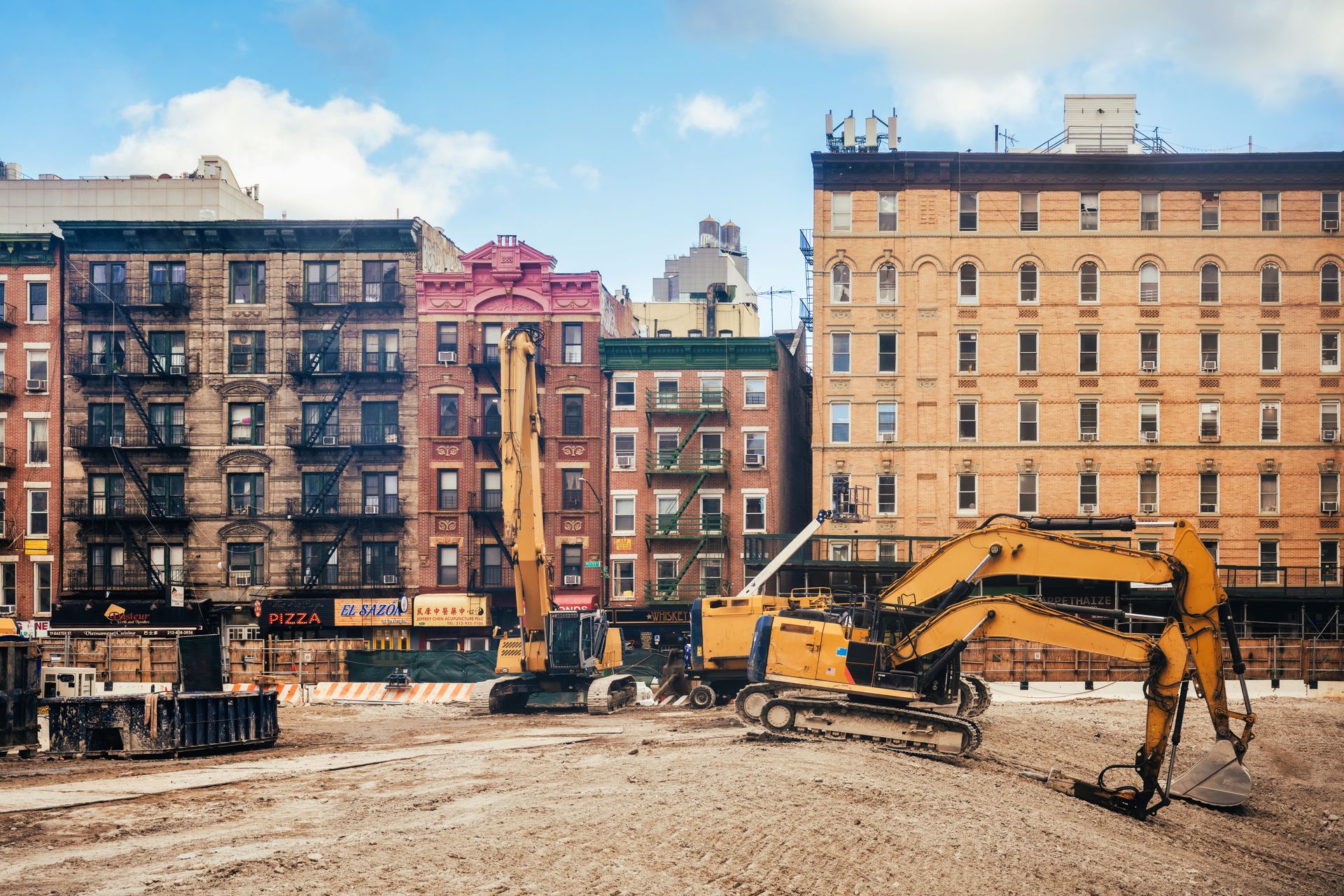
New York lost 16.9% of its residential permit volume in 2025, falling from 46,549 units to 38,667 and placing it fourth among states with the steepest percentage declines. The drop is particularly significant given the state's position as the ninth-ranked market by total permit volume that year. Displaced by Tennessee, New York fell from eighth to ninth as its raw count dropped by approximately 7,882 units. That figure represents the largest absolute loss of any state in the five-state group.
Permit activity in New York is concentrated heavily in multifamily construction. Buildings with five or more units accounted for 65.7% of all new residential authorizations in the state in 2025, with 25,389 multifamily permits out of 38,667 total. That dependence on large-scale apartment and condominium projects makes the state's overall authorization figures especially sensitive to financing conditions and policy changes affecting developers of tall and mid-size residential buildings.
The pullback concentrated in New York City. Brooklyn fell from 10,063 permitted units in 2024 to 6,844 in 2025, losing 3,219. Queens dropped from 5,302 to 3,395. Manhattan declined from 4,467 to 2,984, surrendering 1,483. The Bronx contracted from 6,929 to 6,032, down 897. Those four boroughs accounted for roughly 7,506 of the year's authorized-unit decline, nearly the entire statewide total. The metropolitan area CBSA issued 44,444 permits in 2025, down from 57,929 in 2024.
Tax incentives that had previously supported multifamily development in New York City changed substantially in the years leading up to 2025, removing a key financial support for large apartment projects and reducing the number of deals that developers could make financially viable. Higher interest rates, rising construction costs, and altered tax treatment compressed the pipeline of projects that could reach the permitting stage. What those combined factors reflect is not an absence of housing demand — the city's rental market remains under intense strain — but a sharp reduction in the conditions that make new residential development economically feasible for builders working there.
5. Vermont's rural housing market tightens further
Bilanol / Getty Images
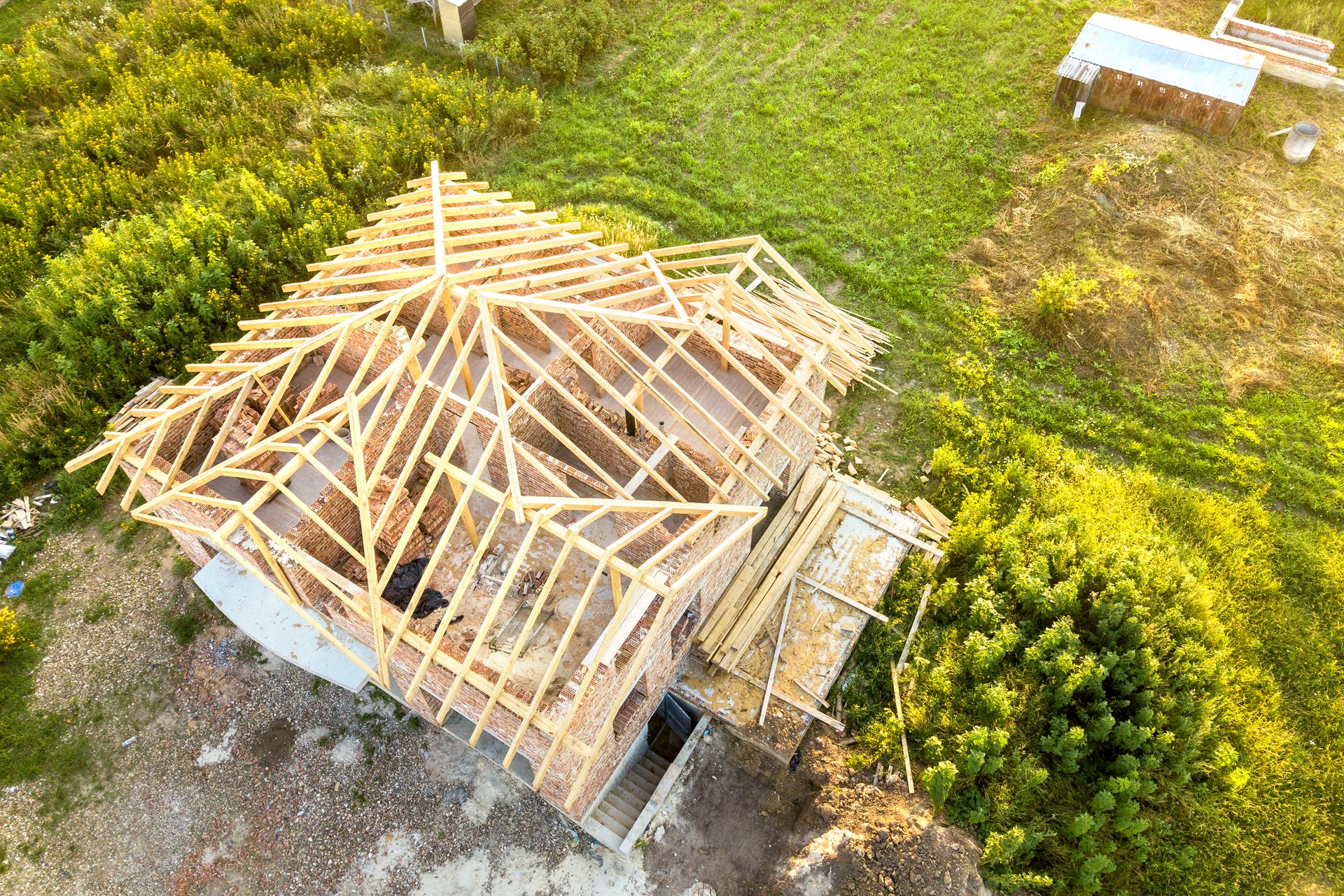
Vermont's construction base shrank 13.6% in 2025, falling from 2,654 authorized units to 2,294 and placing it fifth among the states with the steepest percentage losses. The absolute numbers are the smallest in the group, reflecting Vermont's status as one of the least populous states in the country. A loss of 360 permits may read as modest, but in a state where total annual authorization volume falls well short of the activity seen in larger markets, a contraction of this scale represents a meaningful tightening of an already thin supply pipeline.
Vermont has one of the most constrained housing markets in New England, marked by a small stock of available properties, a limited rate of new development, and a population that has grown more slowly than the national average for decades. The state's rural character and strict land-use regulations have historically kept building volumes low relative to peer states. Those conditions mean that even a modest contraction in approvals has a proportionally greater effect on housing availability than an equivalent reduction in a high-volume market.
Vermont's affordability pressures have grown in recent years as remote workers moved into the state from higher-cost urban centers, lifting demand in communities that had previously seen flat or declining population. That shift raised home prices and rents without a corresponding increase in new construction capacity. Vermont's 2025 permit volume confirms that building activity did not accelerate to meet that growth and that the gap between what buyers and renters want and what the market can supply continued to widen.
The 2025 permit count of 2,294 units positions Vermont at the lower end of all 50 states by authorization volume, ahead of only a handful of the country's least populated states. Vermont's construction environment was already under pressure from cost and regulatory factors heading into 2025 and weakened further over the course of the year. For a state where the housing shortage is already a defining economic challenge, fewer permits in 2025 means reduced options for residents in the years ahead.