Some U.S. states endure a drug crisis far more severe than the rest of the country. WalletHub scored each on key metrics to find the most in trouble
Sean Pavone / Getty Images
Drug crises do not distribute themselves evenly across the U.S. Residents of some states face a level of exposure — through their schools, their neighborhoods, and their medicine cabinets — that residents elsewhere simply do not. Parents, employers, policymakers, and anyone navigating a community ravaged by substance abuse need to know where the problem burns hottest and why.
The consequences stretch well past the individual. Communities absorb the cost of emergency services, lost productivity, and strained court systems. Children grow up in households where addiction shapes everything from nutrition to school attendance. Employers lose workers. Hospitals fill with overdose patients. Workers with untreated addictions cost businesses billions annually in absenteeism, diminished output, and turnover, and every dollar spent on emergency response is a dollar unavailable for schools, roads, or preventive health programs. Recognizing which states bear the heaviest burden is the first step toward directing resources, reforming policy, and giving the people most at risk a genuine chance at recovery.
The states carrying the worst drug burdens share almost nothing in geography, population size, or political identity — yet every one of them struggles in a specific, measurable way that leaves residents more exposed than those in most of the country. The most striking pattern across the five worst-ranked states in WalletHub's 2026 "Drug Use by State" report is that no single dimension of the drug crisis explains placement. Nevada, for example, ranks 33rd in drug use and addiction but sixth in law enforcement, meaning its residents face aggressive policing of drug activity even as direct usage metrics stay moderate by national standards.
WalletHub compared all 50 states and the District of Columbia across 20 metrics organized into three categories: drug use and addiction (worth 50 of the possible 100 points), law enforcement (25 points), and drug health issues and rehabilitation (25 points). Researchers graded each metric on a 100-point scale — with 100 representing the worst conditions — then calculated a weighted average to produce each state's total score. Data came from sources including the CDC, FBI, SAMHSA, Bureau of Labor Statistics, and the U.S. Census Bureau, collected as of April 1.
Sean Pavone / Getty Images
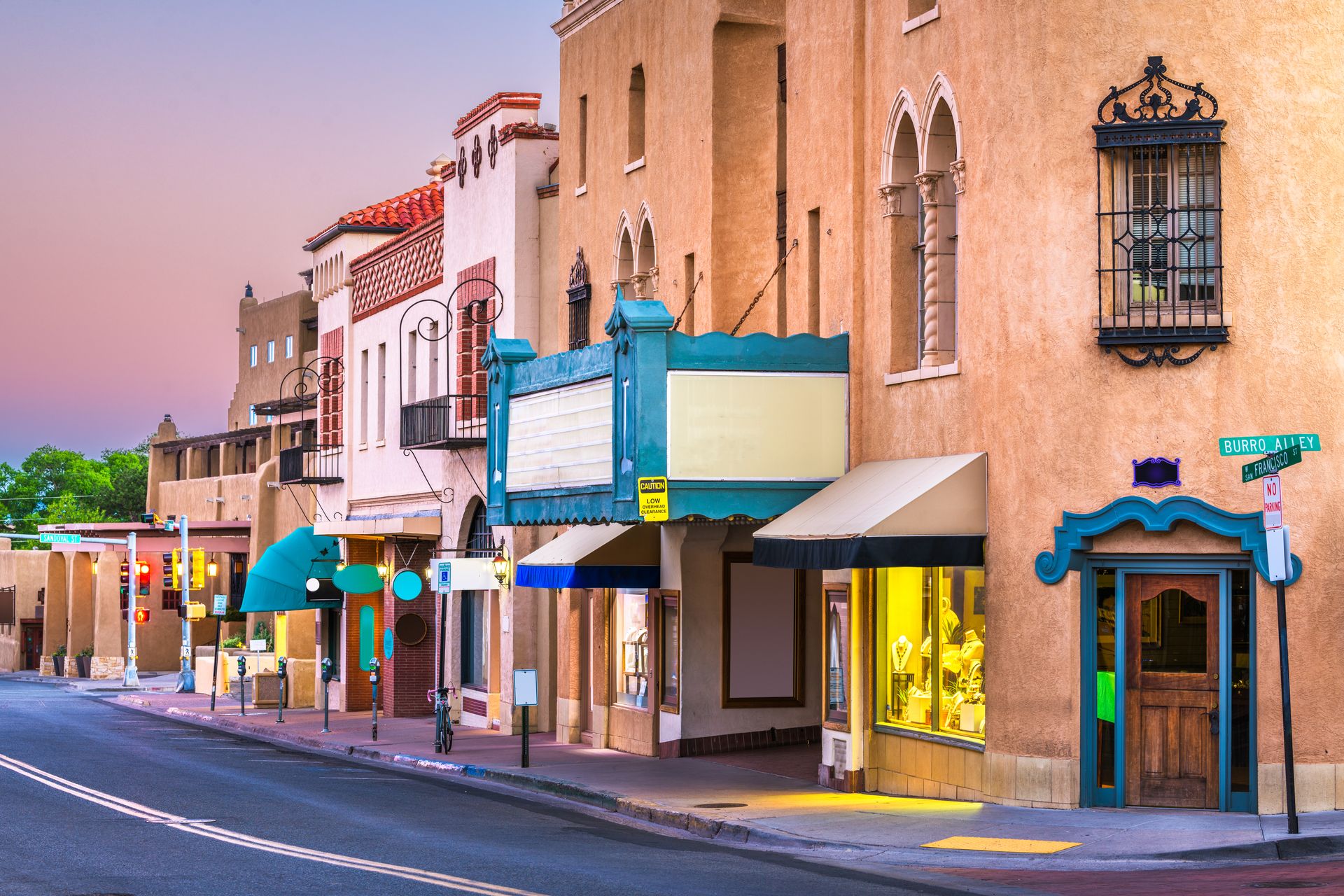
New Mexico earned the worst overall score in the country, 60.78. Its position at the top of the ranking reflects severe exposure across nearly every measured dimension.
Teenagers in New Mexico face a level of drug exposure that no other state matches. The state recorded the highest percentage of teens using illicit substances in the past month and the largest share of teenagers who reported trying marijuana before age 13. Young people who encounter drugs before adolescence face a longer and steeper path toward dependency, and New Mexico's numbers indicate the problem begins earlier here than anywhere else in the country.
Adults face severe exposure, too. New Mexico posted the second-highest percentage of adults using illicit drugs in the past month, trailing only Vermont in that specific metric. WalletHub assigns the adult usage figure triple weight in its scoring, so this result contributed substantially to New Mexico's overall total. New Mexico's steep teen and adult usage rates produced a drug-use-and-addiction score that no other jurisdiction came close to matching.
New Mexico policymakers have not installed key deterrents. The state does not have employee drug testing laws, ranked 13th-lowest in the share of Medicaid patients with addiction who received treatment for marijuana use, and is eighth-highest in the share of children living with someone who struggled with alcohol or drugs. WalletHub scored this as a binary metric, and absent laws yield a worse outcome. Families in New Mexico carry these burdens at a rate that places them among the most exposed in the country.
New Mexico ranked fifth in overdose deaths per capita, and that metric carries quadruple the weight of any in the study, worth approximately 12.5 points of the possible 100. A state can post moderate scores on several metrics and still rank near the top when its overdose death rate is this severe. New Mexico's overall score of 60.78 — more than seven points above second-place Arkansas — signals the crisis is operating at a scale that exceeds even the worst states.
larrybraunphotography.com / Getty Images
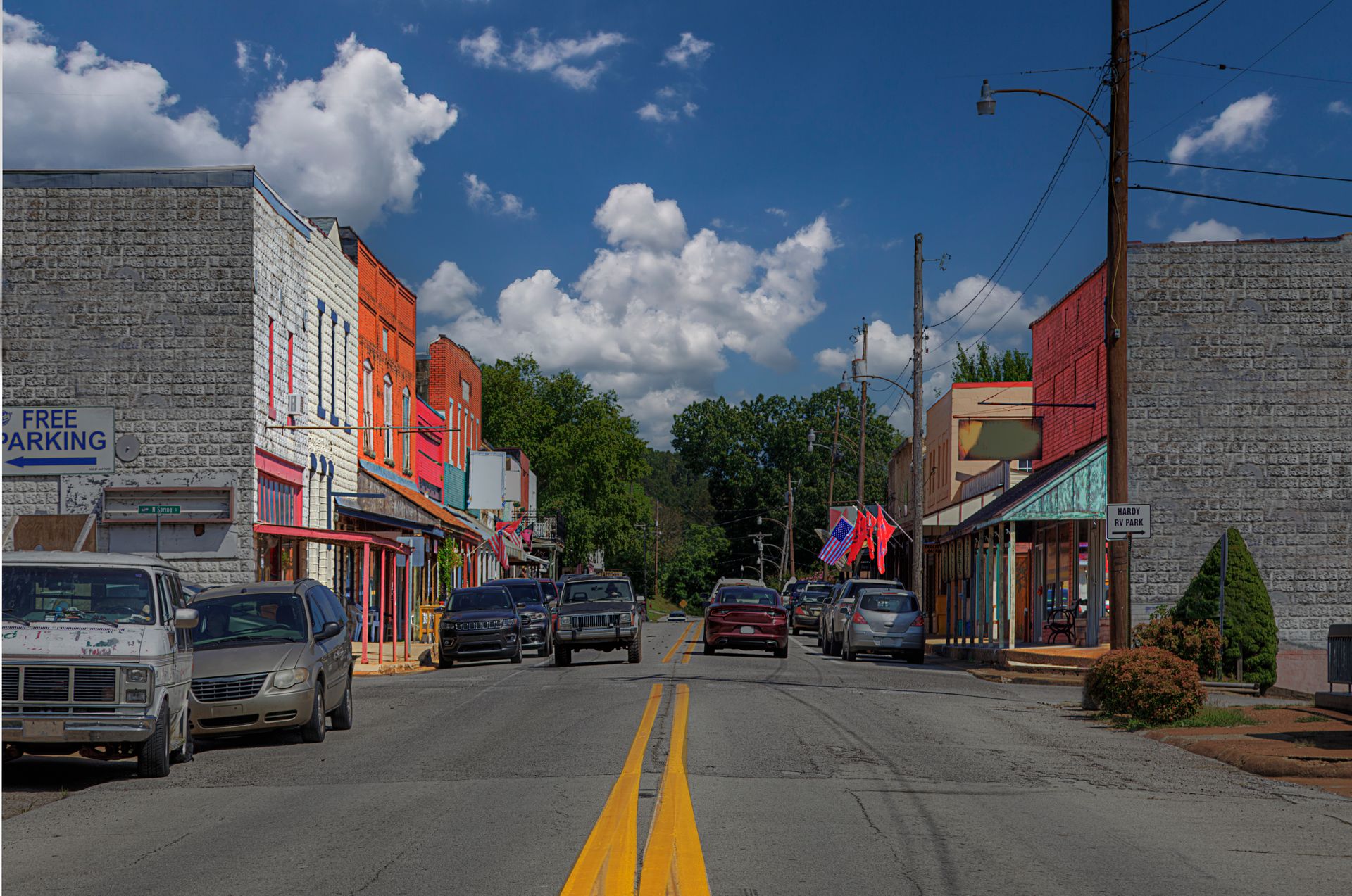
Arkansas earned the second-worst overall score, 53.42, and its most distinctive liability is the density of opioid prescriptions flowing through the state. Doctors in Arkansas dispense more opioid pain relievers per 100 people than physicians in any other state. WalletHub assigns this metric double weight in its scoring, and the figure points toward a systemic tendency to reach for prescription narcotics ahead of alternative treatments.
Prescribing opioids at this volume creates a pipeline from legitimate medical care to dependency. Patients who receive these medications for genuine pain relief can develop tolerance and then addiction over months or years, and a state that dispenses more prescriptions per capita exposes more of its population to that risk.
High school students in Arkansas also face significant exposure to illicit substances in and around school. The state ranked 10th for the share of students who reported being offered, sold, or given illegal substances on school property. Arkansas's performance in that metric places it among the worst 20% of states for direct peer-level access to controlled substances during adolescence. Teenagers who encounter drugs through social networks face one of the most reliable pathways toward adult dependency, and Arkansas's numbers suggest the pathway opens early.
Professional help remains scarce, compounding the impact of elevated prescription volumes and youth exposure. The state ranked ninth-lowest in the number of substance abuse, behavioral disorder, and mental health social workers and counselors per capita. Fewer counselors mean longer waits, fewer referrals, and more people cycling through crisis care without receiving sustained intervention. Arkansas also ranked second for college campus drug arrests per capita, illustrating how drug activity extends beyond lower-income neighborhoods and rural communities into higher-education institutions. Prescription opioid prevalence paired with thin counselor coverage leaves Arkansans with limited protection at both ends of the crisis — prevention and recovery.
John Elk / Getty Images
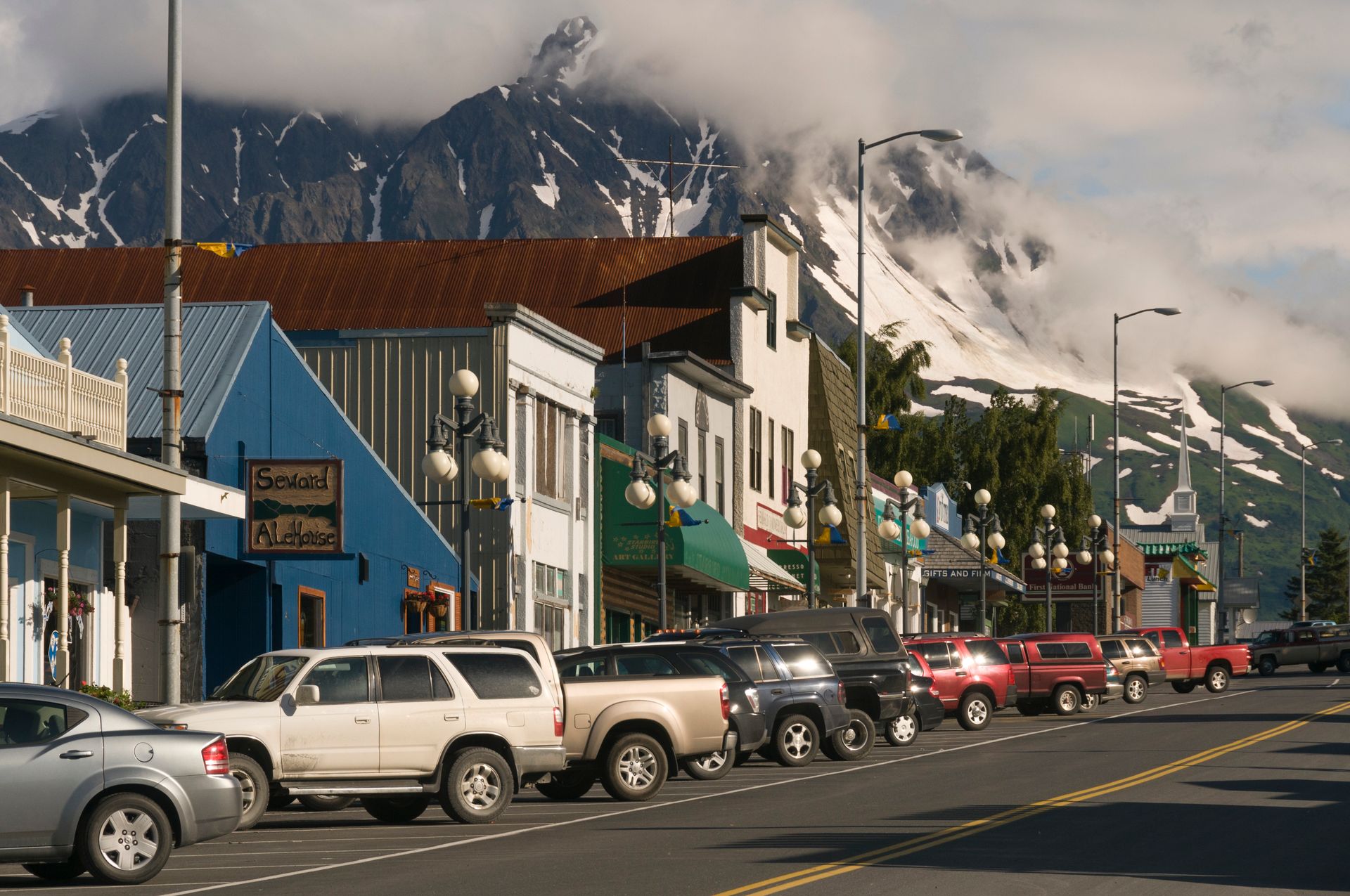
Alaska scored 52.91 overall, the third-worst total in the study, and its overdose death rate defines its ranking more than any other single factor. The state recorded the second-highest number of drug overdose deaths per capita in the country, and experienced the sixth-highest year-over-year increase in such fatalities.
Young people in Alaska encounter illicit substances through multiple channels. Alaska ranked ninth for the share of students who were offered, sold, or given an illegal drug on school property, with nearly 30% of students reporting that exposure in the latest available data year. The state also posted the second-highest share of teenagers who tried marijuana before age 13, placing Alaska behind New Mexico in early-onset cannabis exposure. These numbers put Alaska among the few states where drug access during adolescence is both widespread and documented at a young age.
Children living in homes where adult substance abuse is present carry a distinct burden in Alaska. The state recorded the highest share of children who have lived with someone struggling with alcohol or drug problems, a condition that research consistently links to elevated risk for substance use disorders in the next generation. A child affected by addiction faces a different developmental environment: irregular routines, emotional instability, and, in many cases, direct proximity to controlled substances. Alaska's first-place ranking in this category signals a generational dimension to its drug crisis that raw overdose numbers alone do not capture.
Adults in Alaska also struggle to access care when they need it. The state ranked fourth for the share of adults who could not get treatment for illicit drug use in the past year. A substantial portion of Alaskans who recognized their own need for help did not receive it. Geographic isolation, limited provider availability in remote communities, and barriers rooted in distance all contribute to this gap. Alaska earned a position among the five worst states in the country because of its severe overdose mortality, early youth exposure, household-level family disruption, and unmet treatment demand.

Jon Hicks / Getty Images
Nevada scored 52.85 overall — fourth-worst in the study — and its profile stands apart from the states above it on this list. Nevada ranked 33rd in drug use and addiction, placing it in the lower half of states in that category. Its sixth-place rank in law enforcement boosted its overall score, illustrating how a state with moderate direct-use metrics can still land among the worst overall when its legal and enforcement landscape around drug activity is severe.
People in Nevada have fewer residential or outpatient care options than in most states. The state ranked third among all jurisdictions for treatment facility scarcity, measured per 100,000 illicit drug users. Bottlenecks become inevitable when care facilities are scarce. People who decide to seek help encounter waiting lists, geographic barriers, or programs already operating at capacity. Nevada's thin treatment infrastructure relative to its user population sits alongside its law enforcement intensity as a defining structural disadvantage.
Teenagers in Nevada encounter drugs in school environments at a high rate. The state ranked second for the share of students who were offered, sold, or given illegal substances on school property, trailing only California. Nevada's adolescent school-level exposure rate places it among the most affected states for drug access in a setting where peer pressure, social belonging, and proximity to controlled substances converge.
The drug health issues and rehabilitation rank for the state came in at 25th, middling and not severe enough on its own to drive its overall standing. Enforcement-heavy conditions and inadequate treatment infrastructure drive the result instead. Arrests climb while treatment slots remain scarce, so people who could benefit from clinical intervention end up cycling through the legal system instead. The state's profile shows how a jurisdiction can reach the bottom five overall without leading on any single alarming metric. A structural imbalance between law enforcement pressure and rehabilitation capacity is sufficient to push its total score into the worst tier nationally.
Jeremy Woodhouse / Getty Images
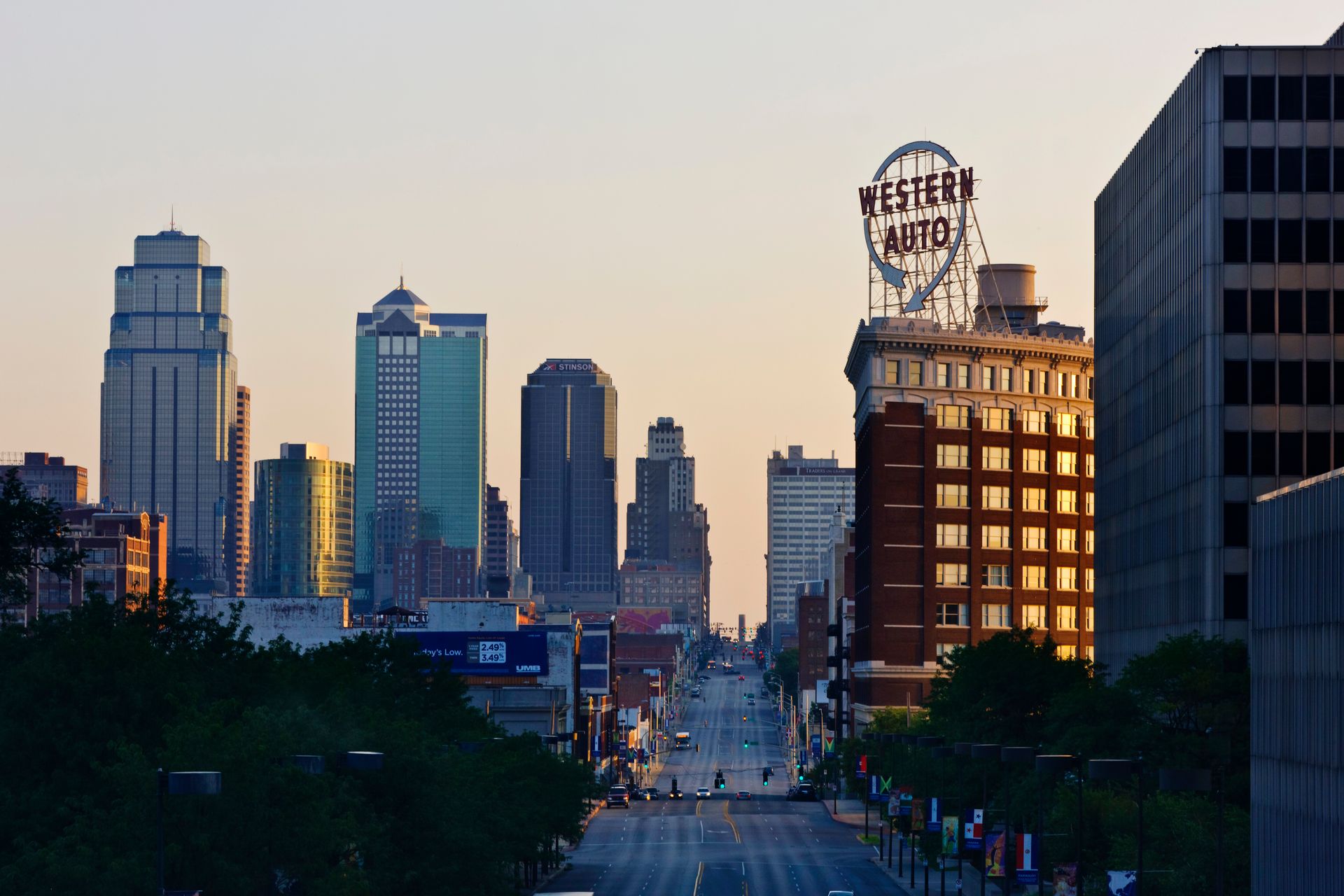
Missouri scored 51.95 overall — fifth-worst in the country — and its sixth-place rank in drug health issues and rehabilitation reveals a system that cannot keep pace with demand. The category captures treatment facility availability, counselor supply, admissions rates, and access for specific populations such as pregnant women. Missouri's standing in that category means the state performs worse than 45 other states and jurisdictions in providing the infrastructure people need to recover.
WalletHub ranked Missouri 13th in drug use and addiction, placing it in the upper tier of severity. Overdose mortality and adult usage rates drove that standing. The state's overall score again underscores how scoring at elevated levels across multiple weighted metrics compounds into a severe total, even when no single number is catastrophic.
Residents of Missouri who recognize a need for substance abuse care face a system stretched thin. The drug health issues and rehabilitation category aggregates metrics including the share of Medicaid patients treated for substance use disorders, the availability of substance abuse counselors per capita, the accessibility of Narcotics Anonymous and Alcoholics Anonymous meetings, and the presence of drug treatment programs for pregnant women. Performing worse than 45 other jurisdictions across those combined measures means Missouri's recovery infrastructure fails its residents at nearly every point where they might seek help.
Overdose deaths per capita also factor into Missouri's position. The state ranked 19th in that metric, keeping Missouri's overall score elevated even when other individual rankings fall in the moderate range.
