
Department of Energy data show the U.S. Strategic Petroleum Reserve shed about 5.1 million barrels in a single week, bringing total stocks to 311.4 million barrels — a level not seen since March 1983.
The SPR dropped to 311.4 million barrels last week as the government continues a 172 million-barrel emergency release tied to the war with Iran
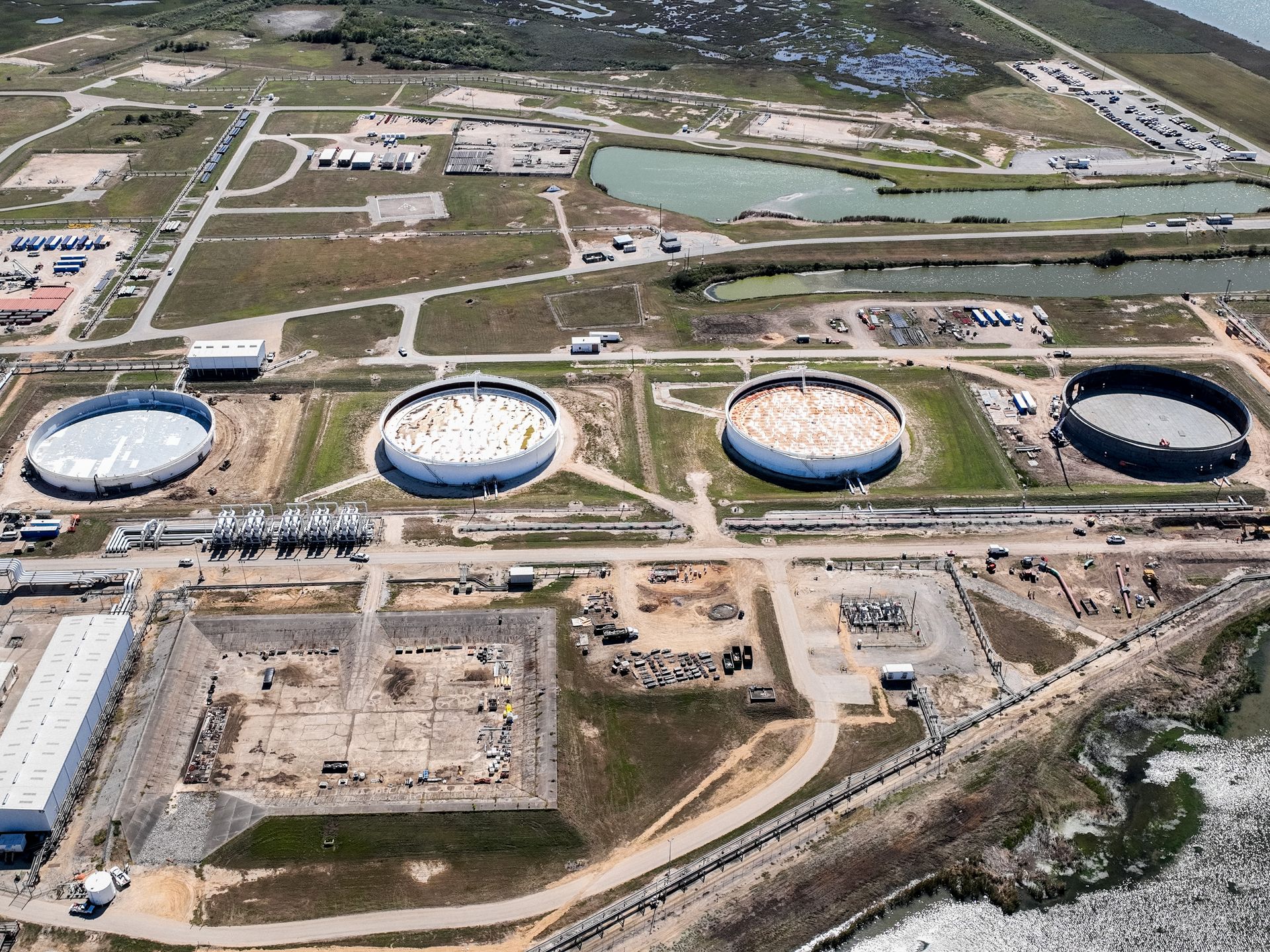
Brandon Bell / Getty Images
Department of Energy data show the U.S. Strategic Petroleum Reserve shed about 5.1 million barrels in a single week, bringing total stocks to 311.4 million barrels — a level not seen since March 1983.
The ongoing withdrawals stem from a U.S. pledge to release 172 million barrels from the reserve. Reuters reports that SPR inventories have dropped 104.04 million barrels since the war with Iran erupted at the end of February, measured through July 17.
The Trump administration announced the 172 million-barrel release on March 11 to counter supply disruptions caused by the conflict, which has disrupted shipping through the Strait of Hormuz — a chokepoint through which about 20% of the world's oil transited before the war began, according to The Wall Street Journal. The U.S. release was part of a broader 400 million-barrel action coordinated by the International Energy Agency across 32 member nations.
The mechanism differs from past SPR actions: rather than an outright sale, the government is lending crude to companies that must repay the same volume with an added premium at a future date, according to S&P Global $SPGI. Through a succession of solicitations launched from mid-March onward, the Department of Energy has contracted out more than 133 million barrels, with repayment premiums on individual deals running as high as 28% and no lower than 18%. U.S. Energy Secretary Chris Wright said in March that for every barrel released, the agency expects to receive back more than 1.2 barrels.
When commercial and SPR holdings are combined, total U.S. crude inventories stood at 726.2 million barrels as of July 10 — down 129 million barrels and the lightest since 1984, according to Reuters.
The reserve's declining volumes have also drawn attention to its physical condition. According to S&P Global, a Government Accountability Office report released in early July found that the SPR could draw down oil at only about 61% of its originally intended rate as of December 2025, while its capacity to accept returning crude had slipped to just 56% of design specifications. "The SPR's operational capability to meet mission demands is at risk," the GAO report said. The GAO further found that the agency's $1.4 billion, decade-in-the-making Life Extension Phase 2 overhaul has repeatedly slipped behind schedule and shrunk in scope, and that no update to the Department of Energy's overarching SPR strategy has been issued in nearly a decade.
At 311.4 million barrels, the reserve remains above its statutory minimum of 252.4 million barrels, which restricts certain limited drawdowns under the Energy Policy and Conservation Act.
Join 500,000+ readers who start their day with Quartz.
By subscribing, you agree to our Terms of Service and Privacy Policy.