A handful of states stand far above the rest for remote workers. WalletHub scored all 50 states on internet access, home size, and energy costs
O2O Creative / Getty Images
Remote work has changed where Americans live, how they spend their days, and what they expect from their employers. Millions of workers who once commuted to an office now build their routines around a home desk, a broadband connection, and however many square feet they can claim as a workspace. The shift has proved durable. Even as pandemic-era restrictions faded, flexible arrangements held on, and the infrastructure required to support them has become a genuine quality-of-life factor for workers choosing where to put down roots. Twelve percent of full-time employees now work fully remote, and another 27% follow a hybrid schedule.
Not every address supports that lifestyle equally well. Internet reliability, energy costs, and home size all shape the daily experience of someone whose commute is a hallway. A household with fast, affordable broadband and ample space for a dedicated office operates under very different conditions than a cramped home with unreliable connectivity and high utility bills. These differences compound over time, affecting productivity, spending, and comfort in ways that differ from one part of the country to another. The state a remote worker calls home can either reinforce or undercut everything else they do to build a productive setup.
To measure those differences, WalletHub ranked all 50 states and the District of Columbia across two dimensions — work environment and living environment — using 12 metrics. Factors evaluated include the share of workers already telecommuting, the share whose jobs could be done remotely, household broadband access, internet speeds, cybersecurity conditions, electricity prices, internet costs, and home size. WalletHub graded each metric on a 100-point scale, with a score of 100 representing the best conditions, then calculated each state's weighted average across all metrics to determine its final rank. WalletHub collected data as of March 9, 2026. Below are the five states that claimed the top spots.
O2O Creative / Getty Images
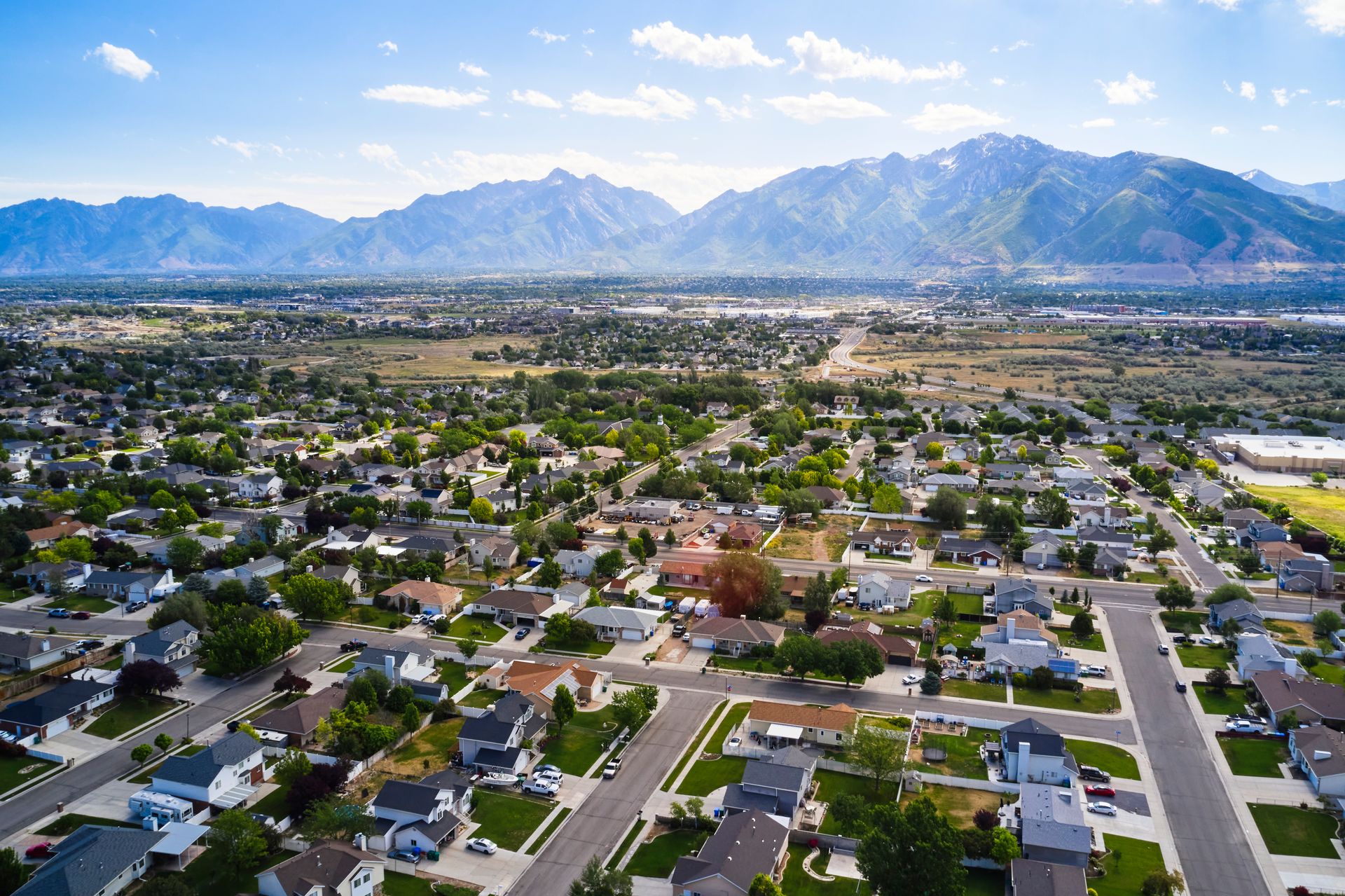
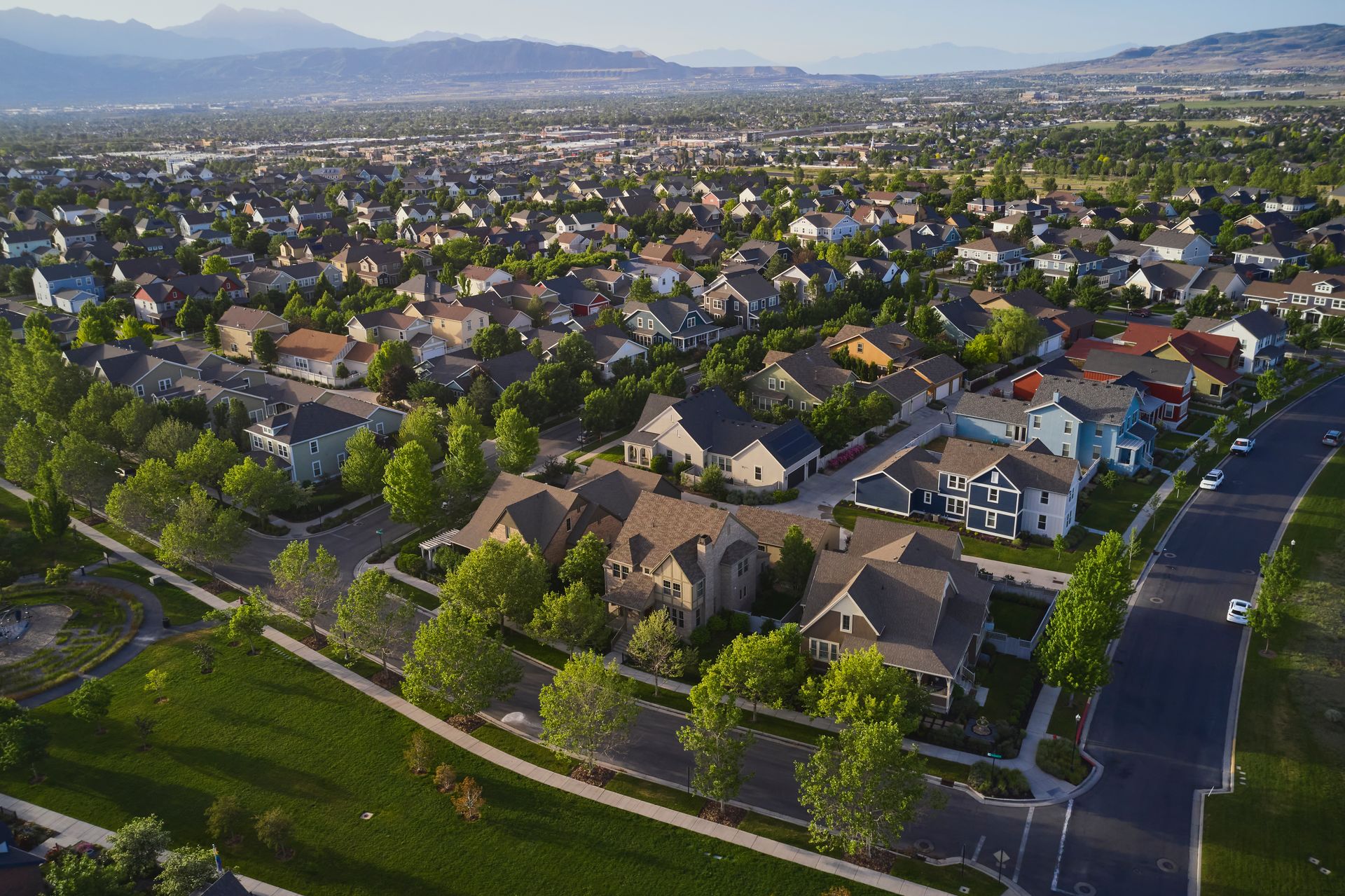
Utah earned the highest overall score in the ranking, 70.07 out of 100, and the gap between it and the second-place state is substantial. Multiple factors across both work and living environment dimensions pushed Utah above every other state, but its seventh-place living environment rank played a significant role in that result.
Home size stands out as Utah's most distinctive asset. The state has the largest homes in the country, averaging 2,459 square feet per household. For remote workers, square footage is practical infrastructure. Those with dedicated office space report higher productivity and sharper boundaries between work and personal time. Cramped homes erode both. Utah's advantage on this metric is substantial, and no other top-five state matches it.
Electricity and internet costs reinforce that foundation. Utah carries some of the lowest electricity prices in the country, and that matters when screens, routers, and climate systems run all day. Internet costs are reasonable, and the state holds the third-highest share of households with broadband internet access. Eighteen percent of Utah's employee base already works from home, and more than 95% of jobs can be performed without an office. The state's infrastructure appears well-positioned to absorb further growth in remote work without straining the systems workers depend on.
Briana Ingram / Getty Images
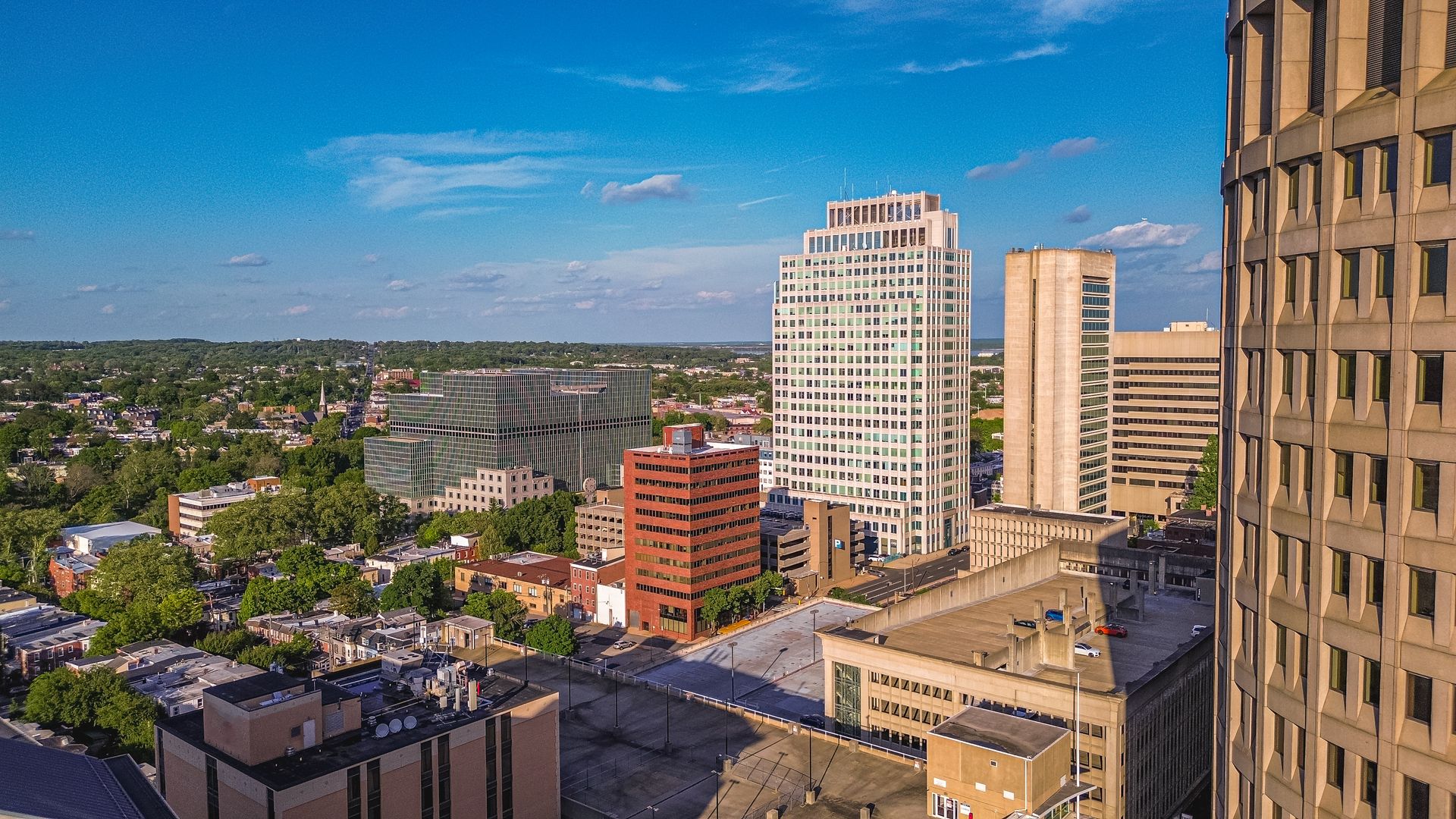
Delaware secured the second spot with an overall score of 67.25, and its fourth-place work environment rank reflects an infrastructure built for the demands of remote employment. The state's internet performance is its clearest differentiator. Among residents with internet access, nearly 97% have connections exceeding 25 Mbps, a speed that handles video calls, large file transfers, and cloud-based tools without interruption. Delaware also ranks ninth in the country for overall household broadband access, meaning the fast speeds available are widely distributed and not concentrated in select areas.
Space supports productivity in Delaware as well. The state holds the ninth-highest average home square footage nationally, at 2,064 square feet, providing enough room for a dedicated workspace. The median household square footage per person exceeds 832 square feet, indicating that even households with multiple occupants are not particularly crowded. Remote workers sharing a home with partners, children, or roommates benefit from that breathing room, both for focus during working hours and for the general quality of life outside them.
Fifteen percent of Delaware's workforce already does its job from home, and nearly 97% of workers have the potential to telecommute. That figure represents the share of workers in occupations the analysis classifies as remote-capable: executive, managerial, professional, technical, sales, and administrative roles. A state where nearly the entire workforce could function remotely faces less friction as employers expand flexible arrangements, and Delaware's physical and digital infrastructure appears ready for that expansion.
halbergman / Getty Images
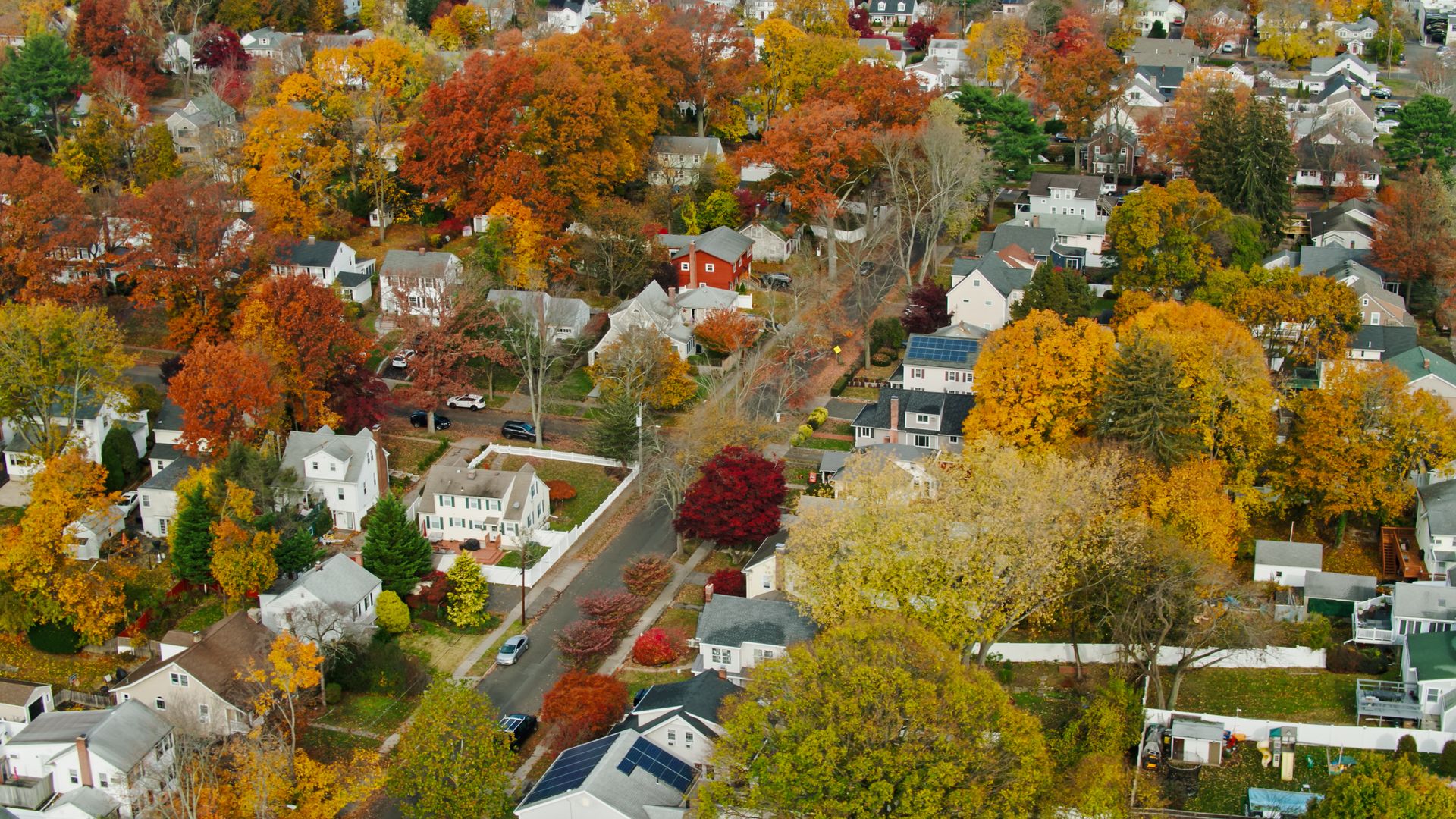
Connecticut's third-place finish, with an overall score of 66.64 and a living environment rank of seventh nationally, rests on an internet cost advantage no other state matches. Connecticut offers the cheapest internet prices in the country, measured by cost per Mbps, reducing one of the recurring expenses remote workers incur at home that office-based employees do not. Over months and years, those savings accumulate into a real financial benefit for households working remotely full time.
Broadband access reinforces the cost advantage. Connecticut's fast connections are not just affordable but broadly available across the state. Sixteen percent of the Connecticut workforce currently works from home, and approximately 96% have jobs that telecommuters could perform from a home office. Workers in professional, managerial, and knowledge-sector roles tend to need reliable, high-speed connections more than workers in other categories, and Connecticut's internet infrastructure appears built for those demands.
Home conditions add further support. Connecticut's average home size exceeds 1,950 square feet, placing it in the top half of states nationally. Workers who log eight or more hours per day in a home environment benefit from having enough square footage to maintain a dedicated workspace, and Connecticut's homes provide that margin for most households. The state's sixth-place ranking in work environment reflects the strength of its broadband infrastructure and workforce composition. Both factors determine whether remote work is sustainable as a long-term arrangement and not a temporary workaround.

Andrey Denisyuk / Getty Images
Maryland's fourth-place overall score of 65.65 comes alongside the strongest work environment rank among the top five states at third nationally. The dimension captures the conditions that determine whether remote work is structurally viable: current telecommuting rates, the potential for broader adoption, internet access, and cybersecurity. Maryland's third-place finish on those measures signals that the state's workforce and digital infrastructure both support remote employment at a high level.
The state's share of the population already working from home places Maryland fourth in the country. Workers who have shifted to remote arrangements in large numbers tend to cluster in states with the professional and technological infrastructure to support them: executive, managerial, technical, and knowledge-sector roles suited to home offices. Maryland's proximity to the Washington, D.C., metropolitan area concentrates a large share of exactly those occupations within its workforce, and the state's high current remote-work rate reflects that occupational composition.
Maryland's living environment rank of 31st nationally represents the weakest dimension score among the top five, and it introduces a point of contrast worth noting. States that score well on work environment metrics but trail in living environment tend to offer strong digital and professional infrastructure while carrying higher costs or less favorable home conditions. Maryland fits that profile. Workers considering the state's remote-work credentials will find the professional infrastructure compelling, even as living environment factors carry more weight for workers who expect to spend most of their working hours at home.

tunart / Getty Images
Massachusetts tied Maryland for the fifth position with an overall score of 65.65, and its fifth-place work environment ranking places it among the strongest states on the metrics that govern whether remote work functions day to day. The state's most distinctive achievement in the analysis is its first-place rank in the household infrastructure metric, which captures broadband subscription rates and access to speeds greater than 25 Mbps. No state exceeds Massachusetts on that measure.
Household infrastructure at that level means workers across the state can rely on the kind of connectivity that professional remote work demands. Video calls, cloud platforms, collaborative software, and data-intensive tools all require consistent high-speed access, and Massachusetts households have more consistent access than households in any other state. For employers evaluating distributed teams and for workers considering long-term remote arrangements, the reliability of that foundation matters more than headline internet speeds available only in select areas.
Massachusetts' fifth-place work environment ranking also reflects the state's workforce composition. The state holds a high concentration of professional, technical, managerial, and administrative workers, the categories the analysis identifies as telecommute-capable. A workforce built around those occupations has a larger share of jobs that transfer to home offices without requiring physical presence, which expands the pool of workers who stand to benefit from remote arrangements. Massachusetts' living environment rank of 30th nationally parallels Maryland's pattern, and workers prioritizing connectivity and workforce access over cost and space will find the tradeoff worthwhile.
