Pranjall Kumar / Pexels
The reputation of vegetarian cooking in much of the Western world has been shaped by its worst examples: the limp stir-fry, the underflavored grain bowl, the pasta with vegetables that is simply pasta with vegetables rather than anything with a name or a tradition. This reputation is a specific failure of imagination rather than an inherent limitation of cooking without meat, and the evidence against it is the entire history of vegetarian cuisines that developed not as a concession to dietary preference but as complete, ambitious cooking traditions in their own right.
Indian dal and paneer dishes, Italian pasta e fagioli, Middle Eastern mezze, Japanese miso-based broths, Mexican bean-centered cooking — these are cuisines in which vegetarian dishes are not adaptations of meat dishes with the meat removed but are genuine originals that have been refined over centuries because they were worth refining. They are satisfying not despite the absence of meat but because they have developed the specific techniques — the slow caramelization of onions, the layering of spices, the use of fat and acid and texture and umami from sources other than animal protein — that produce satisfaction through means other than the ones a steak uses.
The 25 dishes in this list have been selected for recognizability, photographability, and the specific quality of being better than they need to be. Each one has a clear cultural origin, a widely established recipe tradition, and a high enough ceiling that the best versions are genuinely extraordinary rather than merely acceptable. Several are dishes that experienced omnivore cooks may not have attempted primarily because they registered as "vegetarian" — a category that implied compromise — rather than as what they actually are: excellent food that happens not to contain meat.
Each slide covers the dish, its origin and cultural context, what makes it work, and the specific techniques that separate a good version from an average one. The goal is not a recipe (the format does not allow it) but the specific understanding of what each dish is and why it is worth making.
1 / 25
Kiran More / Pexels
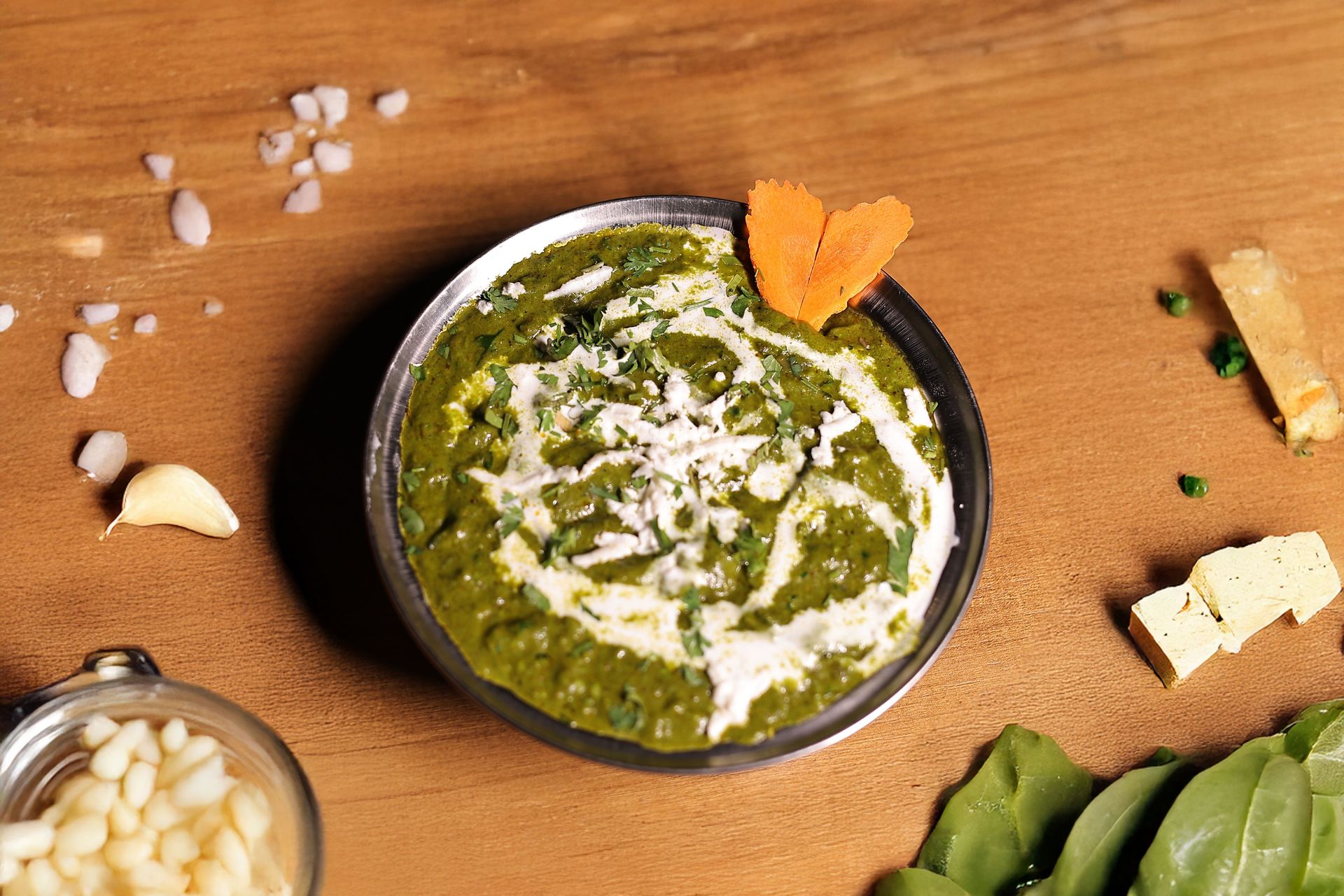
Palak paneer — spinach and fresh Indian cheese in a spiced sauce — is one of the most popular dishes in North Indian cooking and one of the most widely ordered vegetarian dishes in Indian restaurants globally. Its appeal is immediate: the contrast of the dark green, deeply spiced spinach sauce against the white cubes of firm, mild paneer is visually distinctive, and the combination of bitter spinach, creamy fat, warm spice, and the specific texture of paneer that holds its shape without melting is genuinely satisfying in a way that no other dish quite replicates.
The dish works because palak (spinach) is not treated as a vegetable side but as the sauce — blanched, blended with aromatics, and cooked down to a thick, intensely flavored base that carries cumin, coriander, garam masala, ginger, garlic, and green chilli in a way that is both robust and bright. The paneer — made by curdling whole milk with an acid and pressing the curds into firm blocks — contributes protein, fat, and a mild dairy richness that balances the spinach's bitterness and the spice's heat.
What separates a great version: using fresh spinach blanched and blended immediately (rather than pre-cooked or frozen spinach) retains the bright green color and fresh flavor. Frying the paneer cubes in ghee before adding them to the sauce gives them a golden crust that holds up in the sauce rather than breaking apart. The addition of a small amount of cream at the end is traditional and worth including.
2 / 25
Jana Ohajdova / Pexels
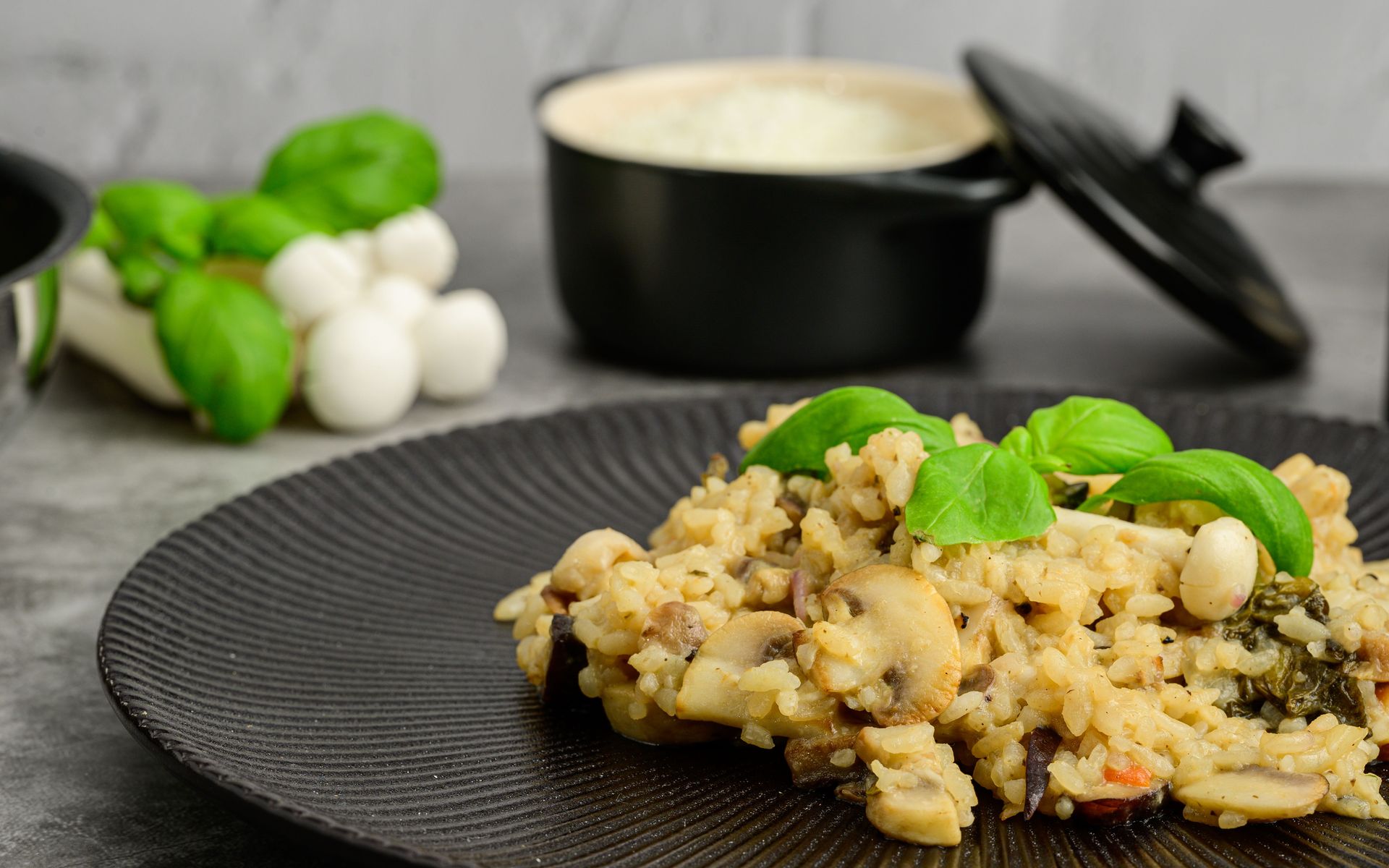
Mushroom risotto — Italian arborio rice cooked slowly in stock with mushrooms, white wine, parmesan, and butter — is the dish that most conclusively demonstrates what the Italian cooking principle of umami extraction can do without meat. Dried porcini mushrooms, soaked in hot water and added along with their soaking liquid, contribute a depth of savory flavor that is comparable in intensity to meat-based stocks, and the risotto technique — the slow addition of hot liquid to starchy rice with continuous stirring — produces a creaminess that comes from the rice itself rather than from cream.
The specific technique that makes risotto work — the constant stirring that releases starch from the arborio, carnaroli, or vialone nano rice into the cooking liquid — cannot be shortcut without losing the dish. The result of proper technique is a sauce created by the rice itself: each grain is tender but distinct, suspended in a glossy, lightly thickened liquid that is inseparable from the grain rather than sitting beneath it.
What separates a great version: the soffritto (gently cooked shallot and garlic in butter) before the rice goes in; the toasting of the rice in butter before any liquid is added; the quality of the stock (homemade mushroom or vegetable stock produces a noticeably better result than commercial); and the mantecatura — the vigorous stirring in of cold butter and parmesan at the very end, off the heat, that creates the final emulsified richness.
3 / 25
The Castlebar / Pexels
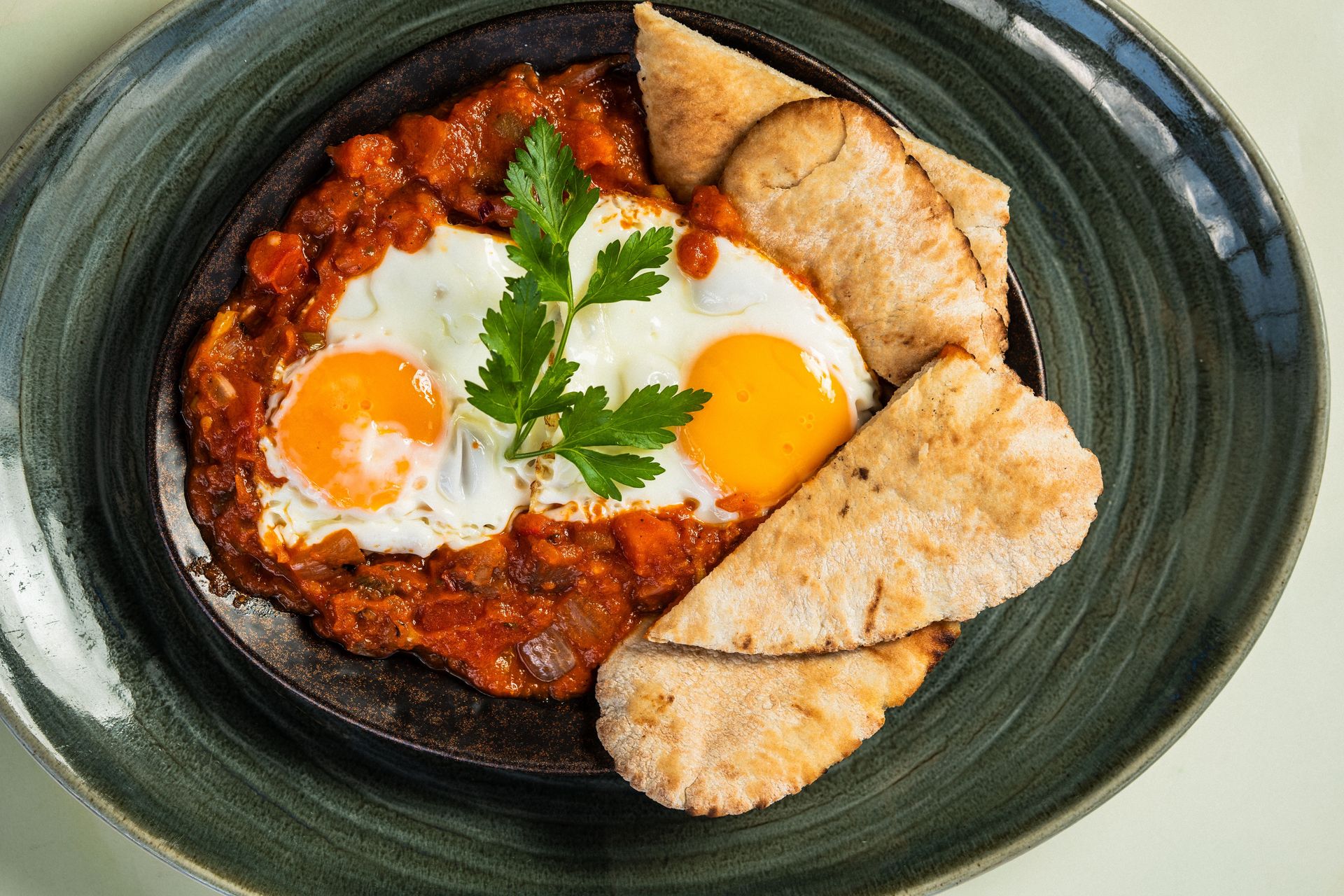
Shakshuka — eggs poached directly in a spiced tomato and pepper sauce — is the dish that has moved most successfully from its North African and Middle Eastern origins (it is claimed by Tunisia, Israel, Libya, and Morocco, among others) to global brunch and dinner menus in the past decade, and its success reflects how well it travels: the combination of rich, slightly sweet roasted tomato sauce, fragrant with cumin and smoked paprika and chilli, and the soft-set egg whites with runny yolks, served directly in the pan with good bread, is immediately satisfying to almost any palate.
The dish requires minimal technique: onions and peppers are cooked in olive oil until very soft, tomatoes are added (canned are standard and good), spices are stirred in, and eggs are broken directly into wells made in the sauce and cooked covered until the whites are just set. The difficulty, if there is one, is the timing of the eggs — they should be served with the whites fully opaque and the yolks still runny, which requires removing the pan from heat slightly earlier than seems correct.
What separates a great version: using a combination of sweet and smoked paprika for depth; cooking the onions and peppers long enough (15 to 20 minutes) that they are genuinely soft and sweet; adding a small amount of tomato paste before the tomatoes for body; finishing with fresh herbs (coriander, flat-leaf parsley) and crumbled feta.
4 / 25
Sutee Pheera / Pexels
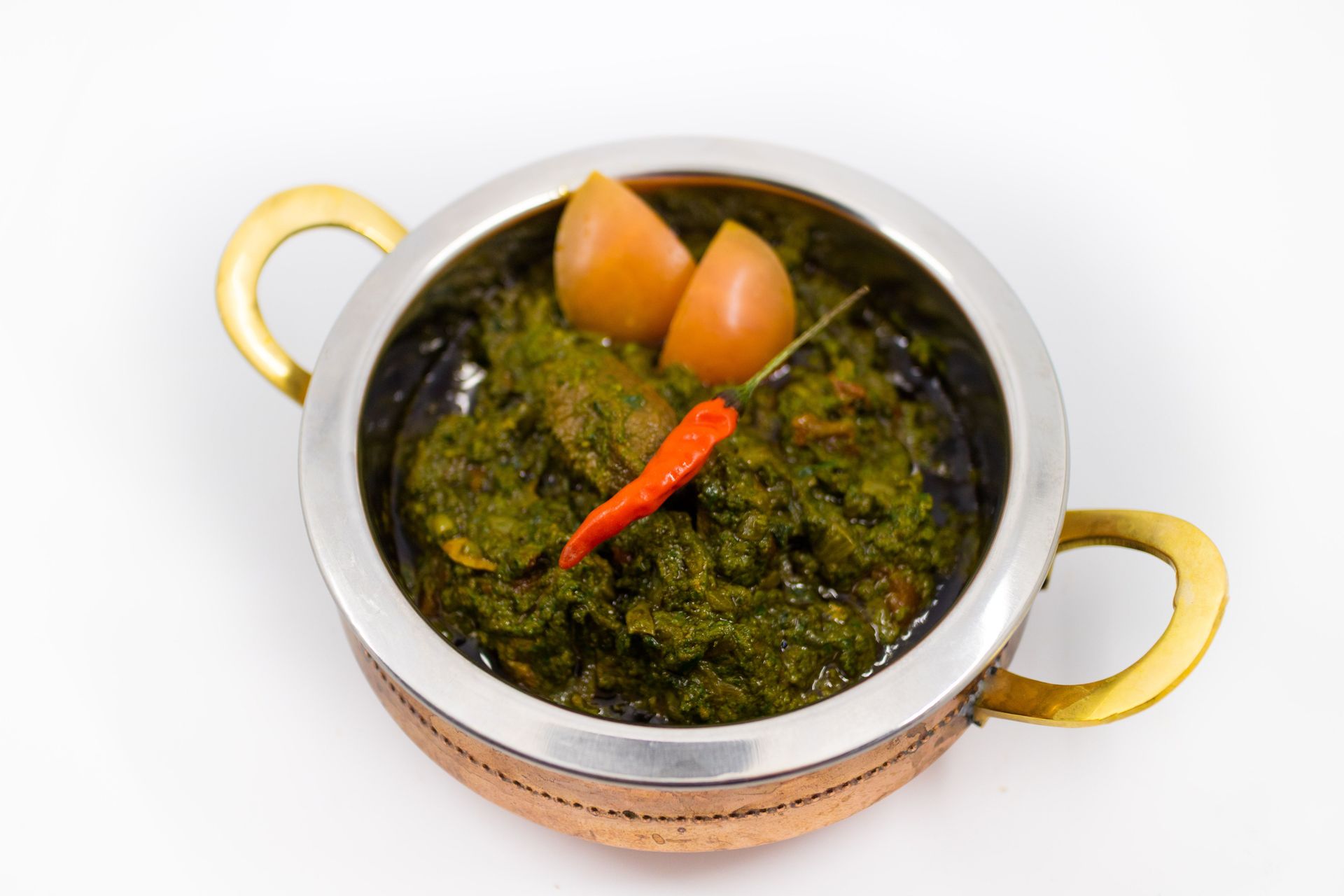
Saag aloo — spiced spinach and potato — is one of the most beloved dishes in British-Indian cooking and a reliable measure of a kitchen's ability to make simple vegetable ingredients deeply satisfying through spicing. The combination of floury potato, wilted spinach, and the warmth of turmeric, cumin, coriander, and garam masala is modest in ingredient cost and generous in flavor, and the dish requires skills transferable across all Indian cooking: the tempering of whole spices in hot oil, the cooking of an onion-ginger-garlic base until properly soft, and the judgment to add spices at the right moment.
Unlike palak paneer, saag aloo keeps the spinach as a recognizable vegetable rather than blending it — the leaves wilt into the potato mixture but retain their structure, and the dish has a drier, more textural character than the smooth sauce of palak paneer. The potatoes should be cooked separately (roasted or par-boiled) before being added to the spiced sauce, which prevents them from breaking down into the spinach.
What separates a great version: using waxy rather than floury potatoes for better texture; tempering mustard seeds, cumin seeds, and dried chilli in hot oil at the very start for a sharper, more aromatic base; finishing with lemon juice for brightness.
5 / 25
Spinoziano / Wikipedia (CC BY-SA 4.0)
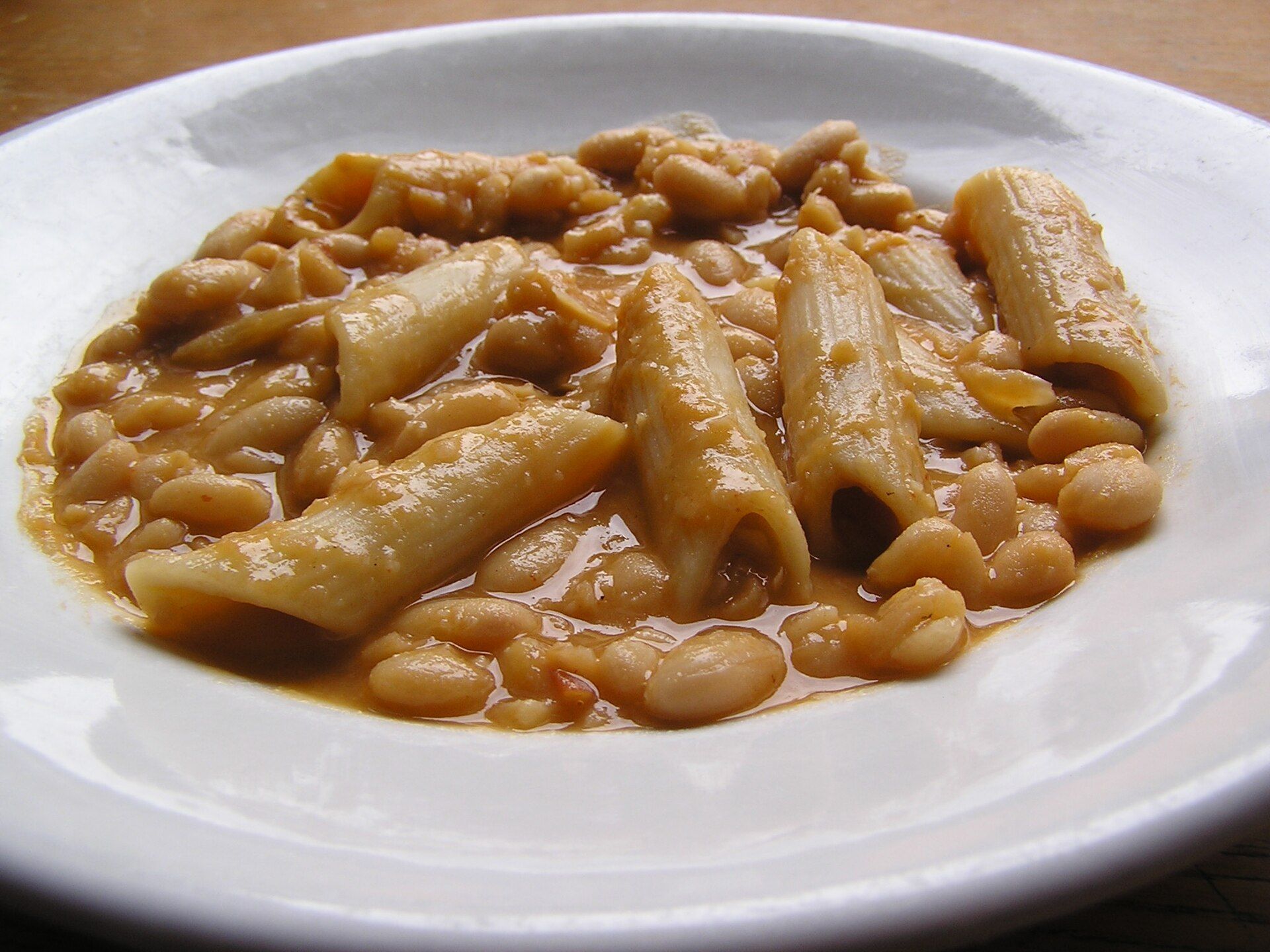
Pasta e fagioli — pasta and beans — is the canonical Italian peasant dish, a thick, brothy stew of small pasta, white beans (cannellini, borlotti, or a combination), tomatoes, garlic, rosemary, and Parmesan rind, whose simplicity conceals the depth that the combination of starchy pasta, creamy beans, and the umami of long-cooked aromatics and cheese rind produces. It is one of the most satisfying soups in Italian cooking — genuinely filling, genuinely flavorful, and representing the Italian genius for coaxing extraordinary results from ingredients of no particular distinction.
The Parmesan rind is the dish's secret weapon: added to the broth while the beans cook, it dissolves slowly into the liquid, releasing fat, protein, and a depth of savory flavor that elevates the broth from mild to complex. If you have been collecting Parmesan rinds in the freezer — which every cook should — this is their primary destination.
What separates a great version: using dried beans soaked overnight and cooked from scratch (canned beans produce a significantly flatter result); blending approximately a third of the beans into the broth for body without losing all the whole beans; cooking the pasta directly in the soup rather than separately (it absorbs flavor and thickens the broth); adding good olive oil and freshly ground black pepper at the table.
6 / 25
Muhammad Khawar Nazir / Pexels
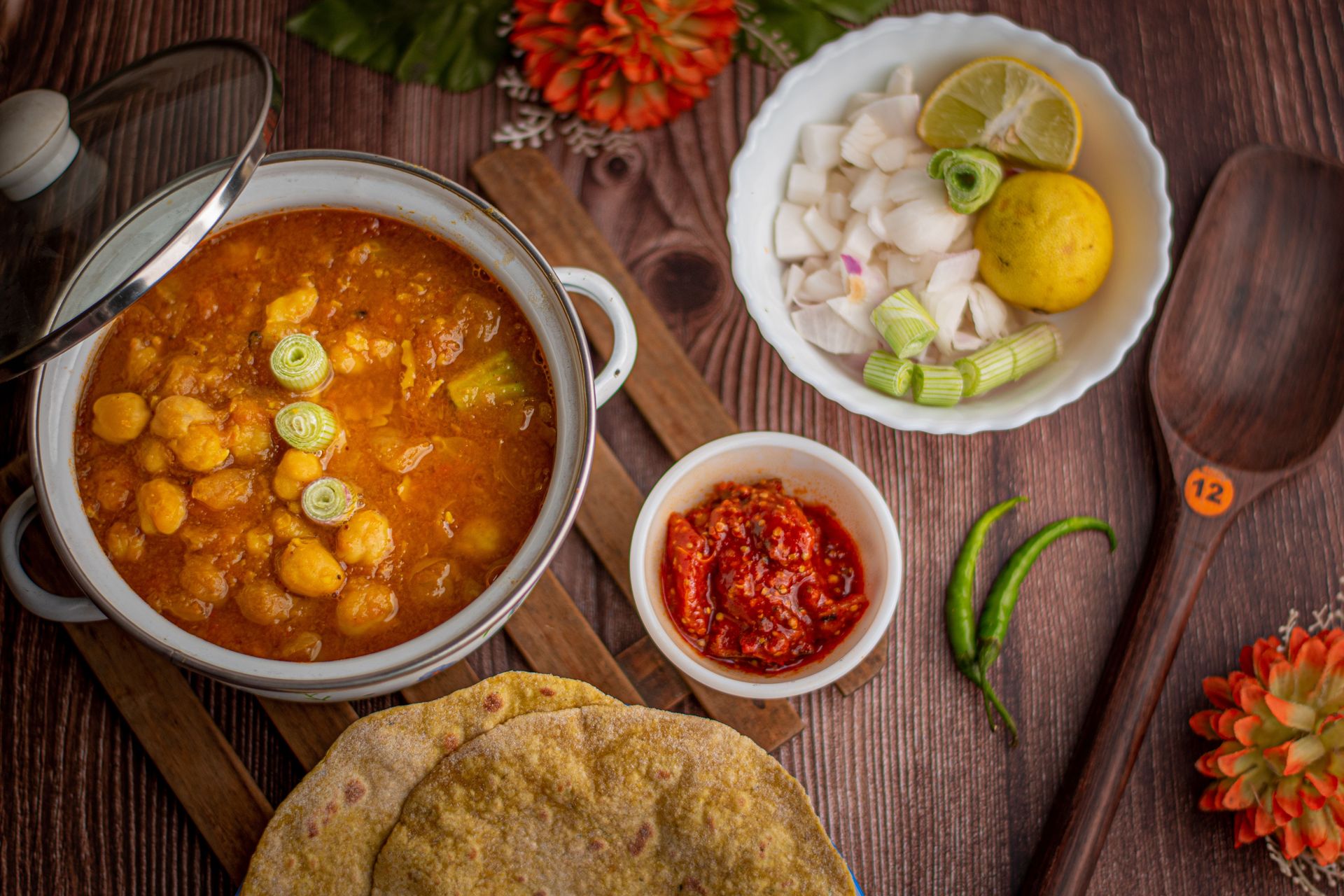
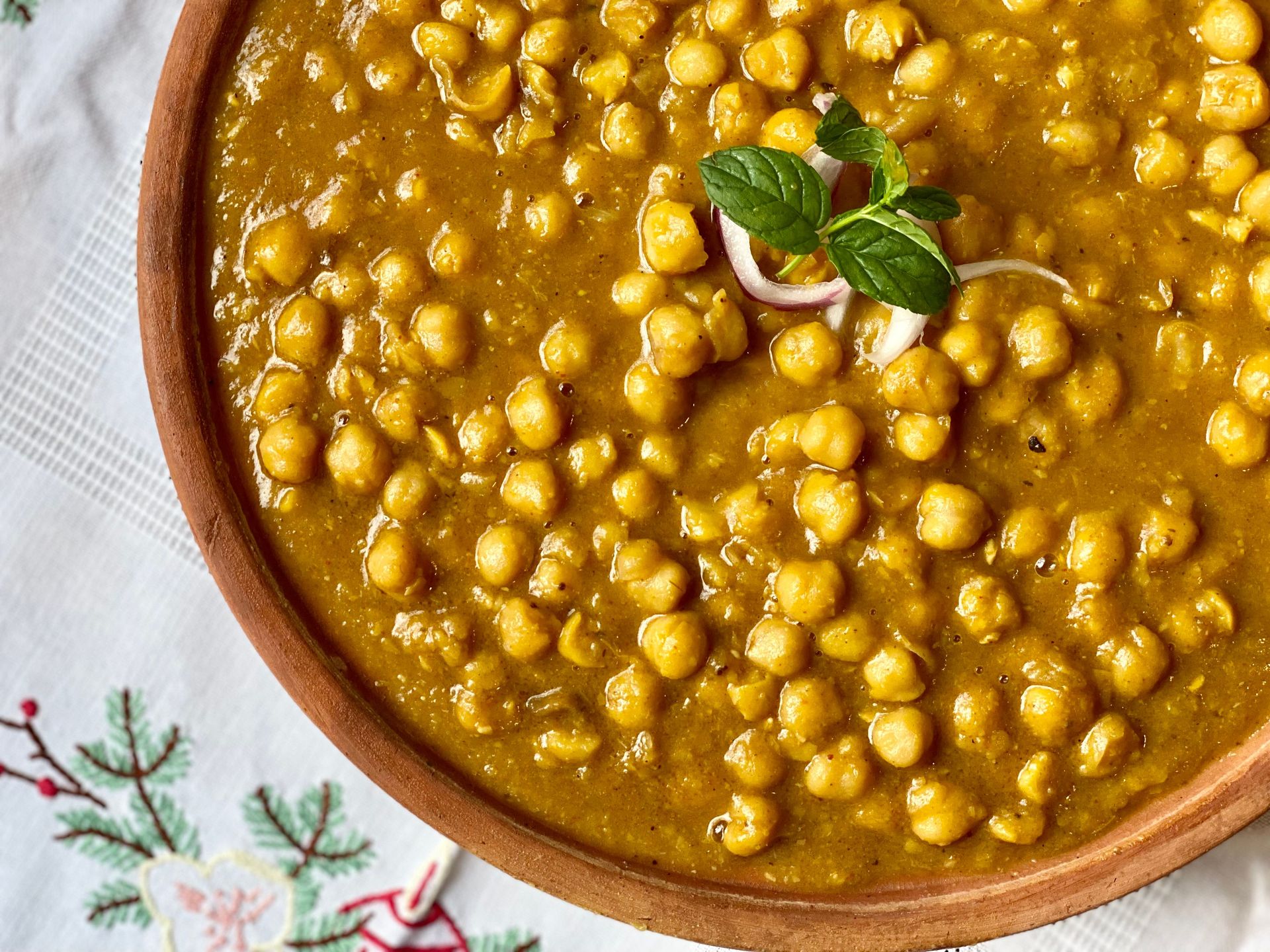
Chana masala — chickpeas in a tangy, deeply spiced tomato and onion sauce — is one of the most popular dishes in Punjabi cooking and one of the most protein-rich vegetarian dishes in any cuisine. The dish's characteristic flavor profile — the specific combination of dried mango powder (amchur) or tamarind that gives the sauce its sourness, combined with the warmth of coriander, cumin, and chilli — is unlike any other Indian curry and is immediately recognizable once encountered.
Chickpeas are one of the vegetables most suited to the long cooking and assertive spicing of Indian curry: they are firm enough to hold their shape through extended cooking, absorb flavors deeply, and contribute a creaminess to the sauce as they release starch. The sauce in chana masala is specifically designed around chickpea flavor — the sourness cuts through the chickpea's earthiness, the spices complement rather than overwhelm it, and the resulting dish is genuinely substantial.
What separates a great version: using dried chickpeas cooked with a tea bag and bicarbonate of soda (which darkens them and gives them the specific color of restaurant chana masala); cooking the onion base for a full 20 to 25 minutes until deeply golden; using both tomatoes and a tablespoon of tamarind paste for the sourness.
7 / 25
Sonali Mehta / Pexels
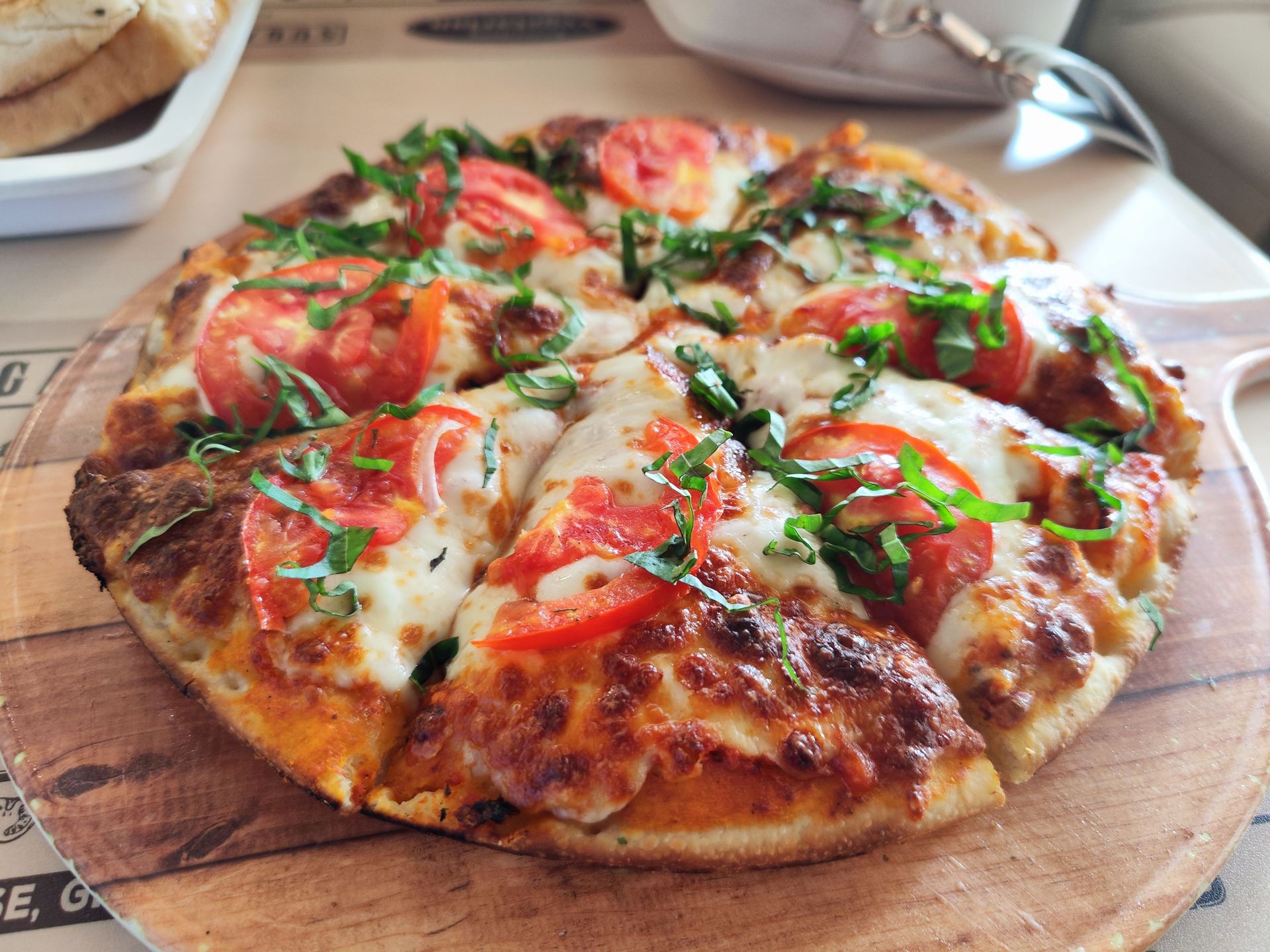
Margherita pizza — the canonical Neapolitan pizza of tomato, mozzarella, and basil — is both the simplest and the highest-ceiling pizza in existence. At its best, made with a properly fermented dough, San Marzano tomato sauce, fresh fior di latte or buffalo mozzarella, and good olive oil, cooked in a wood-fired oven at 450°C in 90 seconds, it is one of the great dishes of Italian cooking. At its worst, it is the international hotel buffet pizza. The gap between these versions is technique and ingredient quality rather than concept.
The dough is the primary variable: a properly fermented Neapolitan dough (72 hours at room temperature, made with Tipo 00 flour, water, salt, and a small amount of yeast) develops a complexity of flavor and a specific structure — blistered, slightly charred, chewy at the rim, thin and crisp in the center — that is fundamentally different from a quickly risen commercial dough. The home cook cannot replicate a wood-fired oven, but a very hot domestic oven (250°C or higher) with a pizza steel or stone preheated for an hour produces a significantly better result than lower temperatures.
What separates a great version: the dough quality; using crushed San Marzano tomatoes seasoned only with salt and applied cold; tearing fresh mozzarella and patting it dry; adding fresh basil after (not before) baking; finishing with a drizzle of good olive oil.
8 / 25
Karan Mridha / Pexels
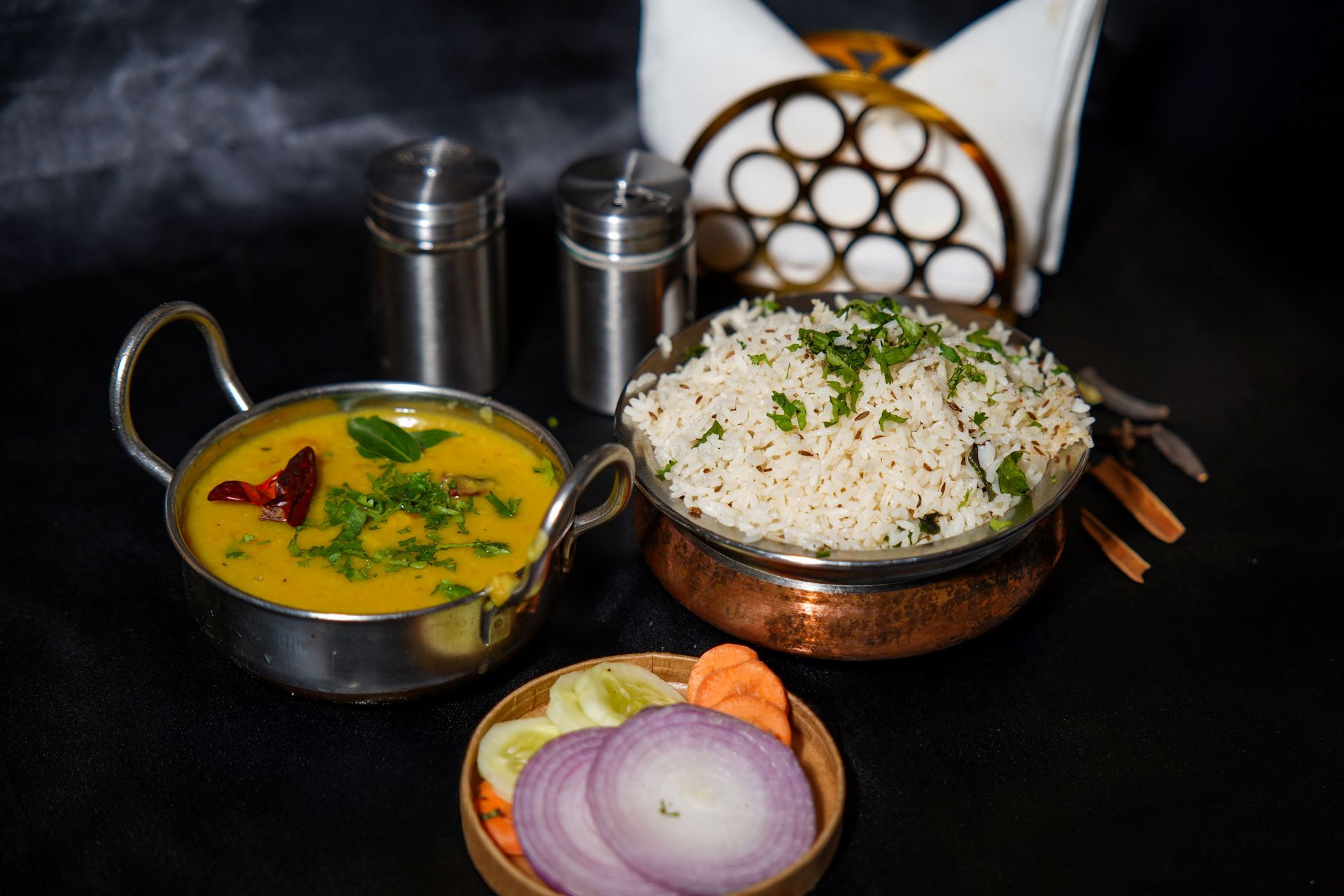
Dal tadka — yellow lentils finished with a hot spiced oil (tadka) of ghee, garlic, cumin, dried chilli, and sometimes tomato — is the most fundamental dish in everyday Indian cooking and the one that most directly demonstrates what the tadka technique does: pouring a sizzling, fragrant oil over a finished dish at the last moment adds a layer of aroma and flavor that is completely different from adding the same spices at the beginning of cooking.
The dal itself — toor dal (split pigeon peas) or chana dal (split chickpeas), cooked until completely soft and seasoned with turmeric, salt, and sometimes tomato and onion — is mild and comforting. The tadka is its transformation: the hot ghee extracts and amplifies the flavor of cumin seeds (which pop immediately), sliced garlic (which turns golden), and dried chilli (which blooms in the fat), and the entire preparation is poured over the dal seconds before serving, adding smokiness, fragrance, and heat.
What separates a great version: using a pressure cooker or Instant Pot for the dal (which produces a smoother, more integrated result than stovetop cooking); making the tadka last, in a very small pan, with very high heat so the spices bloom immediately rather than overcooking; serving with good basmati rice and a squeeze of lemon.
9 / 25
Willians Huerta / Pexels
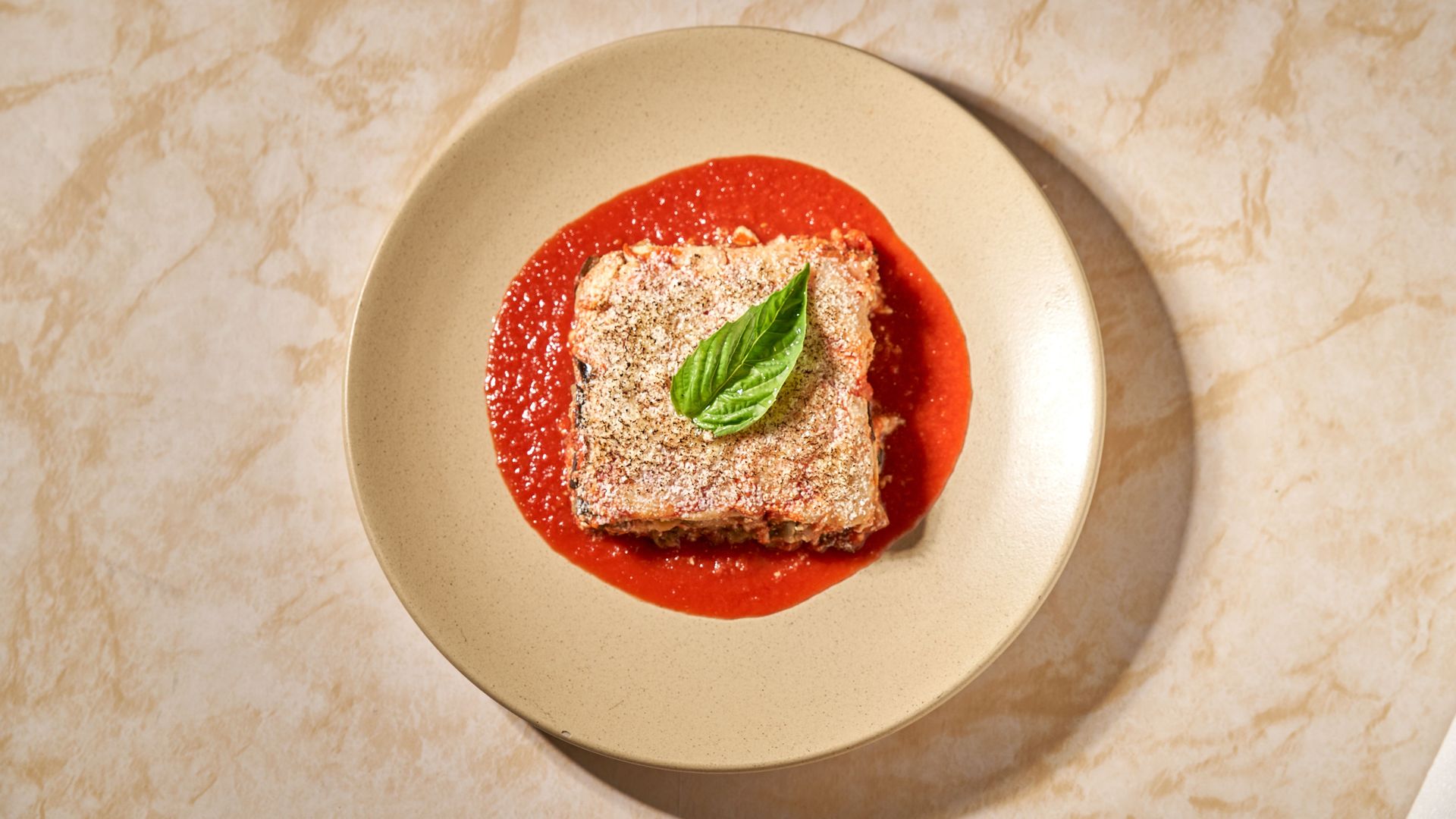
Eggplant parmigiana — layered fried eggplant, tomato sauce, and melted cheese, baked until bubbling — is the Italian-American dish most often cited by meat-eaters as genuinely satisfying vegetarian cooking, and the reason is the specific texture and umami that eggplant develops when properly cooked: salted, drained, fried in olive oil until deeply golden and soft inside, the eggplant has a richness and meatiness that is unusual among vegetables.
The dish requires patience: the eggplant must be salted for at least 30 minutes (to draw out moisture and bitterness), dried thoroughly, and fried slice by slice in hot olive oil — not shallow-fried quickly, but fried long enough that each slice is golden on both sides and completely tender inside. Shortcuts (baking instead of frying, insufficient salting) produce a technically similar but noticeably inferior result.
What separates a great version: frying (not baking) the eggplant in good olive oil; using a tomato sauce with depth (long-cooked with garlic and basil, not quickly made); layering generously with both mozzarella and Parmesan; allowing the assembled dish to rest 15 minutes after baking before serving so the layers set.
10 / 25
Prabal Pratap Singh / Pexels
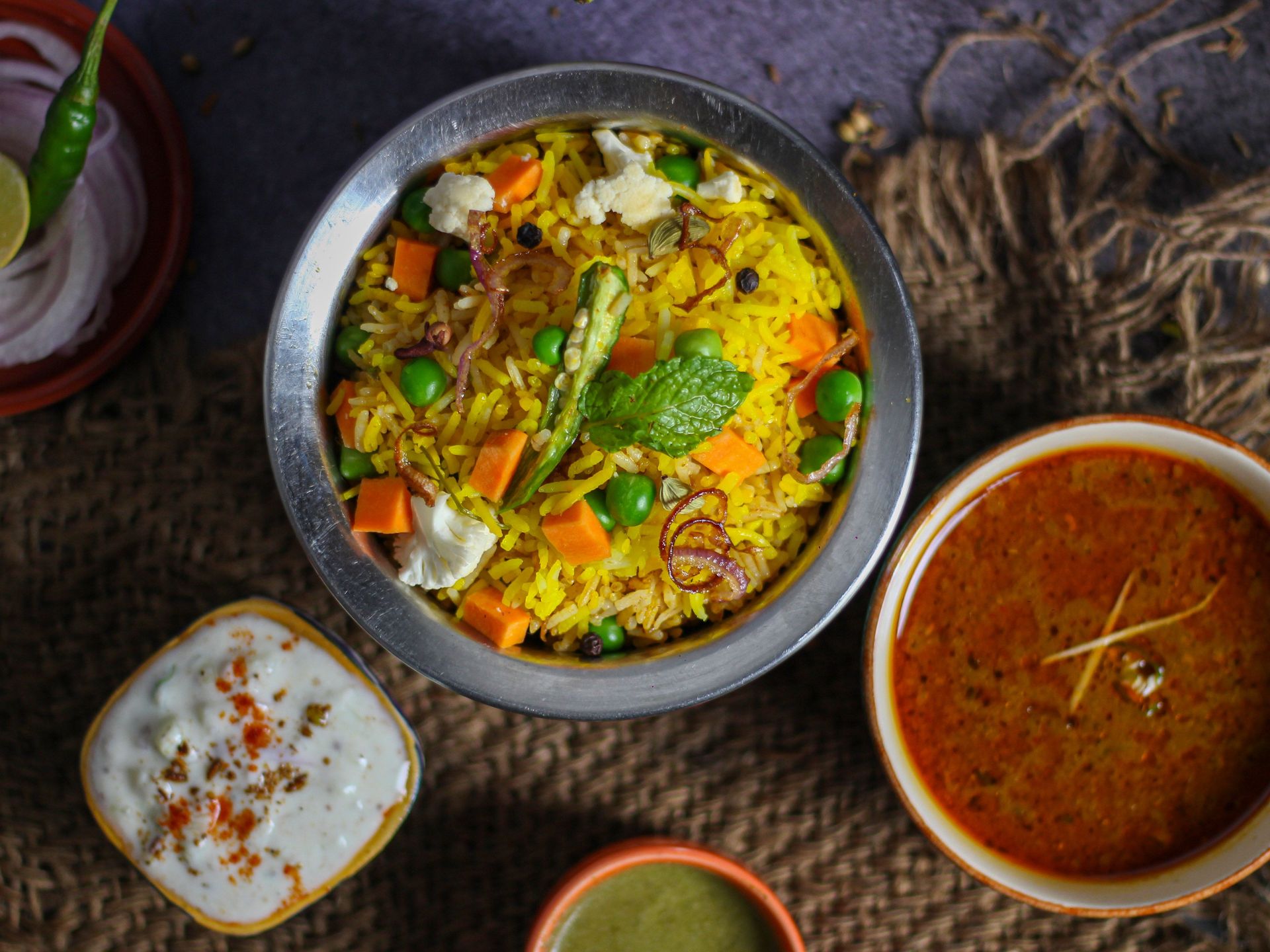
Vegetable biryani — fragrant basmati rice layered with spiced vegetables, caramelized onions, saffron, and fried nuts — is one of the most celebratory dishes in South Asian cooking and one of the most technically demanding vegetarian preparations, requiring the specific dum (sealed pot) cooking technique in which par-cooked rice and par-cooked vegetables are layered and then cooked together over low heat in a sealed pot, allowing the flavors to meld and the steam to finish cooking both components simultaneously.
The specific quality of a good biryani — the separate, long grains of saffron-tinged rice, the tender but distinct vegetables, the crunch of fried onions and nuts distributed through the layers — results entirely from technique: the par-cooking must be calibrated correctly (the rice must be 70% cooked, the vegetables 80% cooked, before the dum), the sealing must be complete (dough around the lid, or foil), and the dum must be on very low heat to avoid burning the bottom layer.
What separates a great version: soaking and rinsing the basmati rice until the water runs clear; blooming the saffron in warm milk before adding; making the fried onions (birista) separately, deeply caramelized and crisp; not rushing the dum.
11 / 25
Shameel Mukkath / Pexels
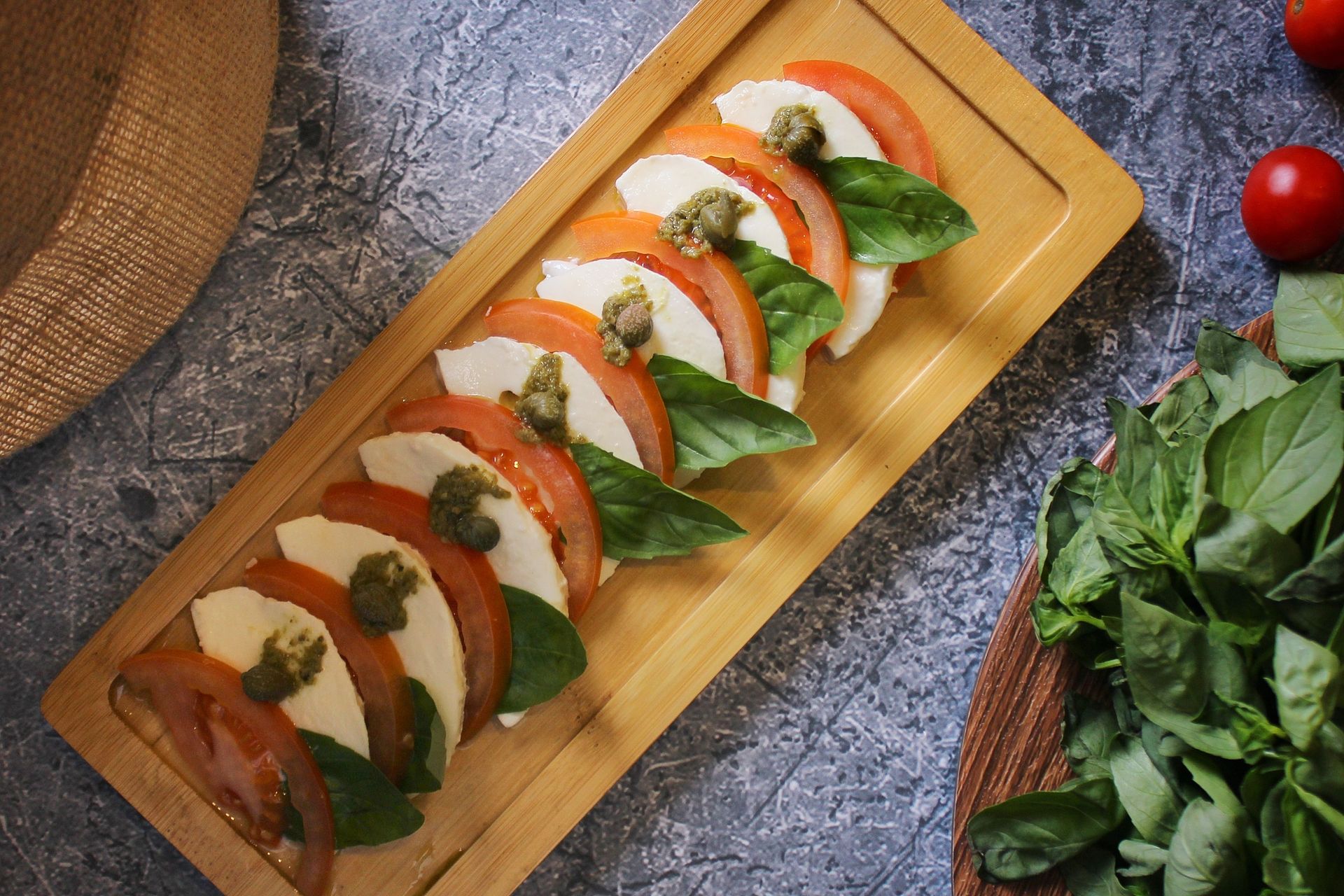
Caprese salad — sliced tomatoes, fresh mozzarella, basil, and good olive oil — is the Italian dish that most directly demonstrates what quality of ingredient does for simplicity of preparation. It is not cooking — there is no technique involved beyond the slicing — but it is one of the most satisfying summer dishes in any cuisine when made with ripe, in-season tomatoes, fresh buffalo mozzarella, and genuinely good extra-virgin olive oil.
The corollary is that a caprese made with winter supermarket tomatoes, commercial mozzarella, and standard olive oil is a mediocre dish that explains nothing about why the original is revered. The lesson — that the most minimal preparations are the ones most dependent on ingredient quality — is the primary lesson of Italian cooking.
What separates a great version: using only in-season, genuinely ripe tomatoes; buffalo mozzarella rather than fior di latte; a flaky sea salt; and olive oil of sufficient quality that it tastes distinctly of olives. The addition of a few drops of aged balsamic vinegar is Americanized but genuinely good. Serve immediately after assembling.
12 / 25
Ana Palade / Pexels
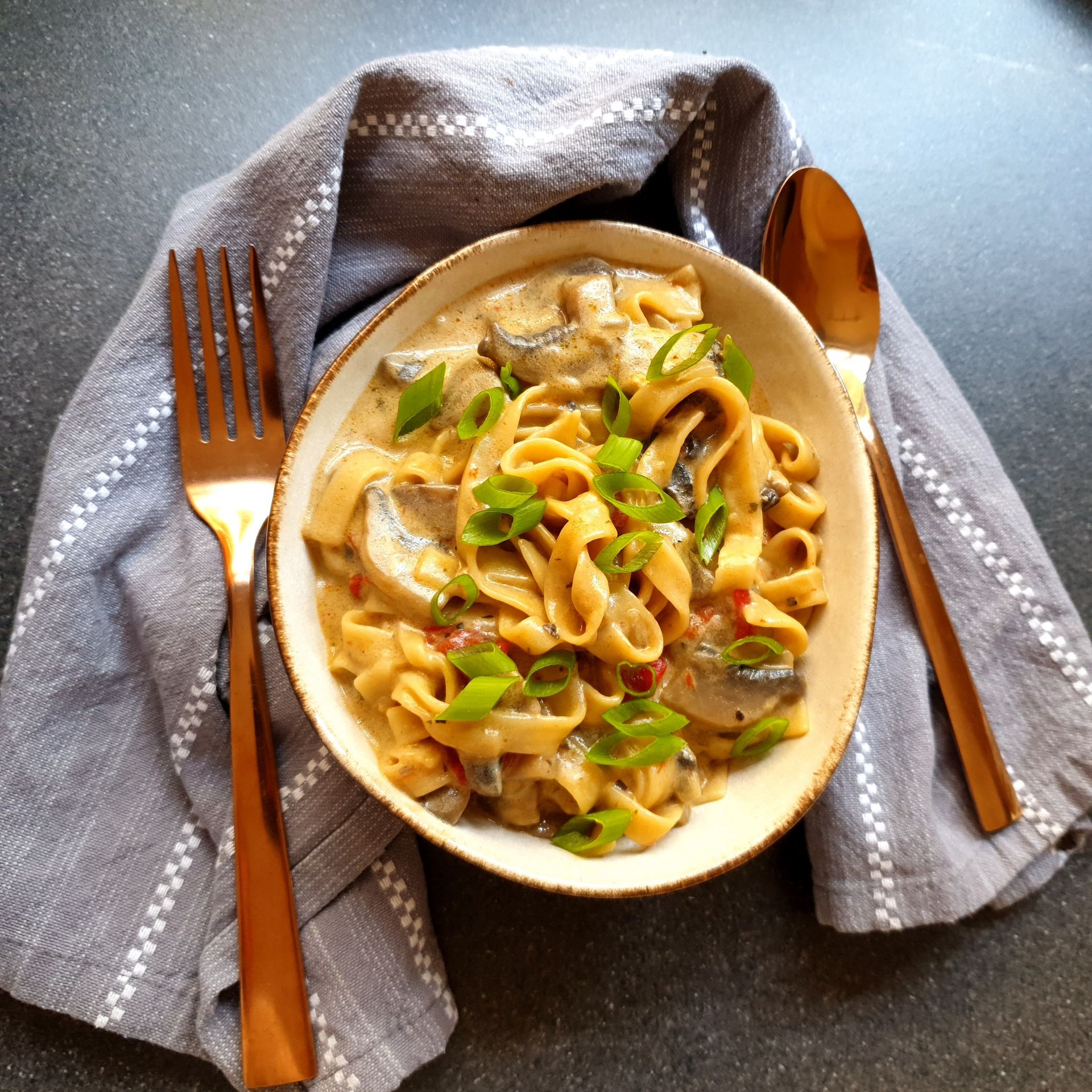
Mushroom stroganoff — mushrooms in a creamy sauce with onions, paprika, Dijon mustard, and sour cream, typically served over egg noodles or rice — is the vegetarian adaptation of the Russian classic that most successfully captures the original's character without the beef. The reason is that mushrooms, treated correctly, contribute the umami depth and meaty texture that the dish requires, and the cream-and-paprika sauce works equally well as a vehicle for mushroom flavor as for beef flavor.
The technique matters enormously: mushrooms must be cooked in small batches in very hot butter without crowding, so they brown rather than steam. Steamed mushrooms — the result of adding too many to a pan at once or using insufficient heat — are watery and flat. Browned mushrooms are concentrated, deeply savory, and almost meaty in flavor.
What separates a great version: using a mixture of mushrooms (cremini, portobello, and dried porcini rehydrated and added with their soaking liquid for depth); cooking in batches with very high heat; adding the paprika to the butter before the mushrooms for blooming; adding the sour cream off the heat to prevent curdling.
13 / 25
Valeria Boltneva / Pexels
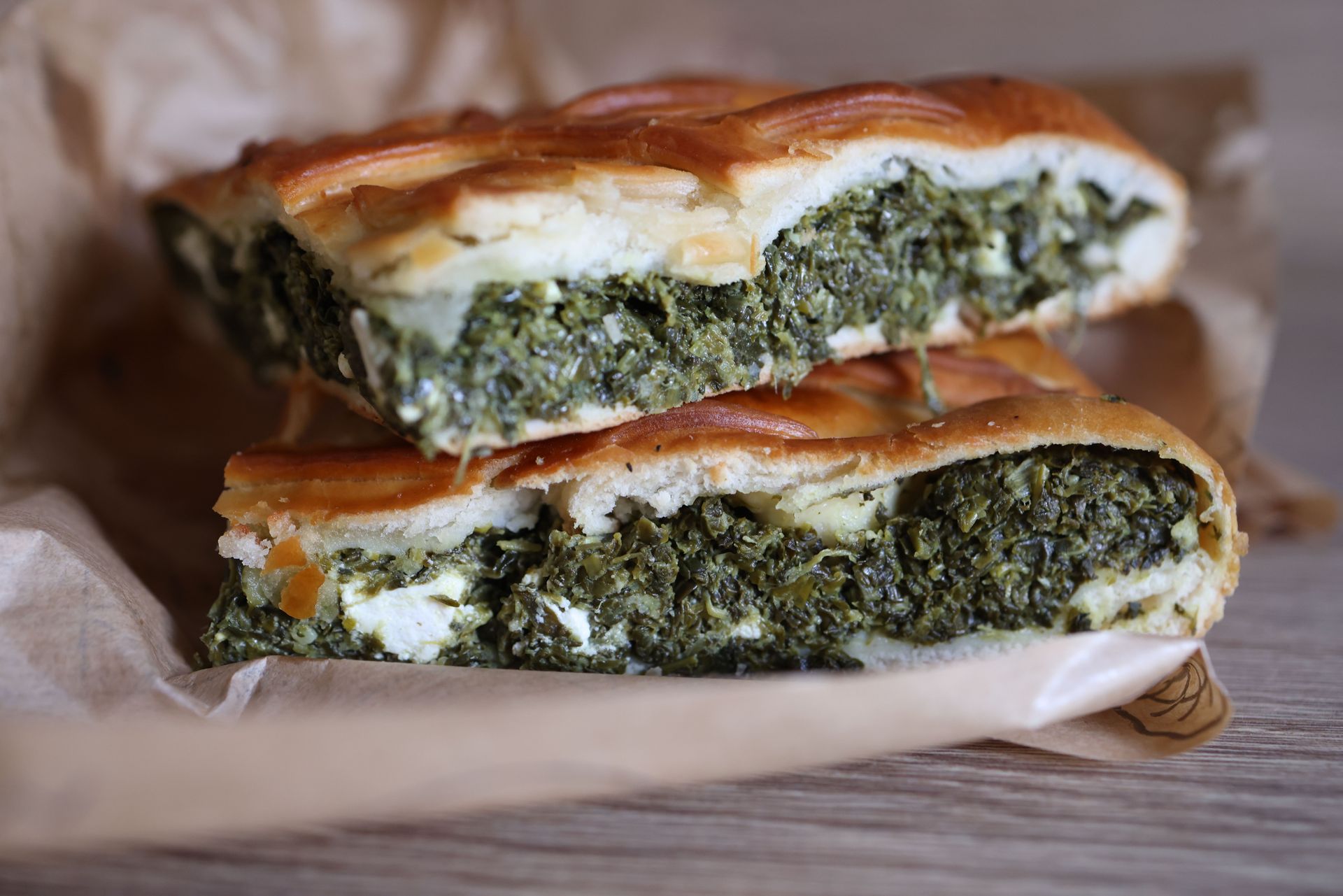
Spanakopita — Greek spinach and feta pie in phyllo pastry — is one of the most visually impressive vegetarian dishes to emerge from a home kitchen and one whose technique (working with phyllo pastry) is more approachable than its reputation suggests. The filling — wilted spinach, crumbled feta, eggs, spring onions, dill, and a generous amount of olive oil — is simple and deeply flavored; the challenge is entirely in the pastry, which requires brushing each layer with butter or olive oil and working quickly enough that the pastry does not dry out.
The combination of the shatteringly crisp, buttery pastry and the salty, herby, creamy filling is one of the most satisfying textural contrasts in savory cooking. The dish holds its shape well after baking and is equally good warm or at room temperature, making it one of the most practical dishes for entertaining.
What separates a great version: squeezing every possible drop of moisture from the wilted spinach (wet spinach produces soggy pastry); using good quality feta (a firm, salty Greek feta rather than a mild commercial variety); brushing generously with olive oil between layers; scoring the top layers before baking.
14 / 25
Marvin Sacdalan / Pexels
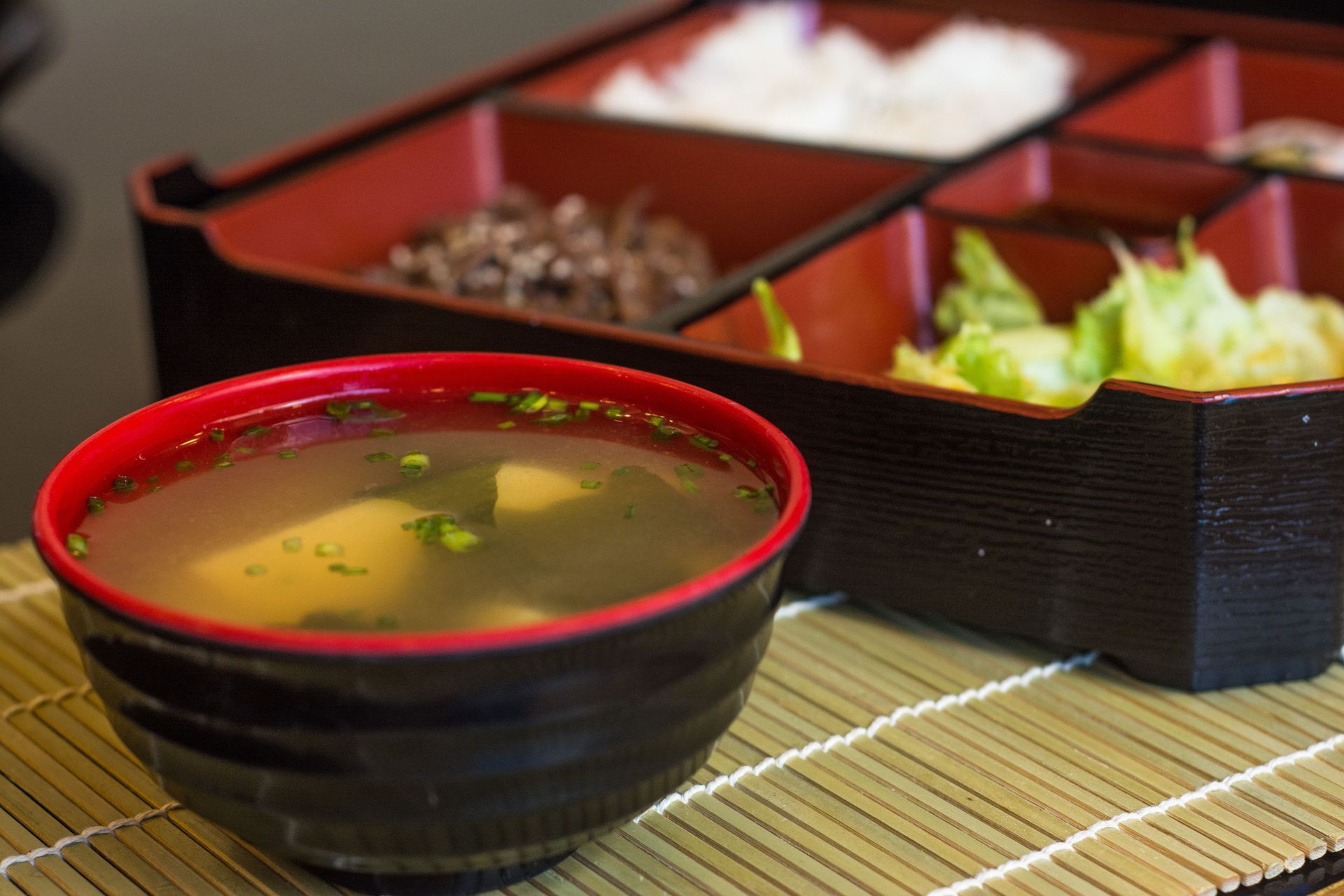
Japanese miso soup — dashi broth with dissolved miso paste, silken tofu, and wakame seaweed — is among the most deceptively simple dishes in any cuisine: the combination of the umami-rich dashi (made from kombu seaweed and katsuobushi bonito flakes — though a vegetarian version uses kombu alone), the complex fermented flavor of miso, and the gentle texture of silken tofu produces a broth of extraordinary depth from minimal ingredients and less than 10 minutes of preparation.
The key technical point is that miso must never boil — it is added to the hot dashi off the heat (or with the heat reduced to the lowest setting), stirred to dissolve, and served immediately. Boiling destroys the live cultures in the miso and diminishes its flavor. This single step distinguishes a good miso soup from a flat one.
What separates a great version: making dashi from scratch (kombu soaked in cold water then briefly heated produces a clear, subtly savory broth impossible to replicate from powder); using a combination of two miso types (white shiro miso for sweetness, red aka miso for depth); adding the tofu gently to avoid breaking it; the wakame added directly to the bowl, not to the pot.
15 / 25
Rachel Claire / Pexels
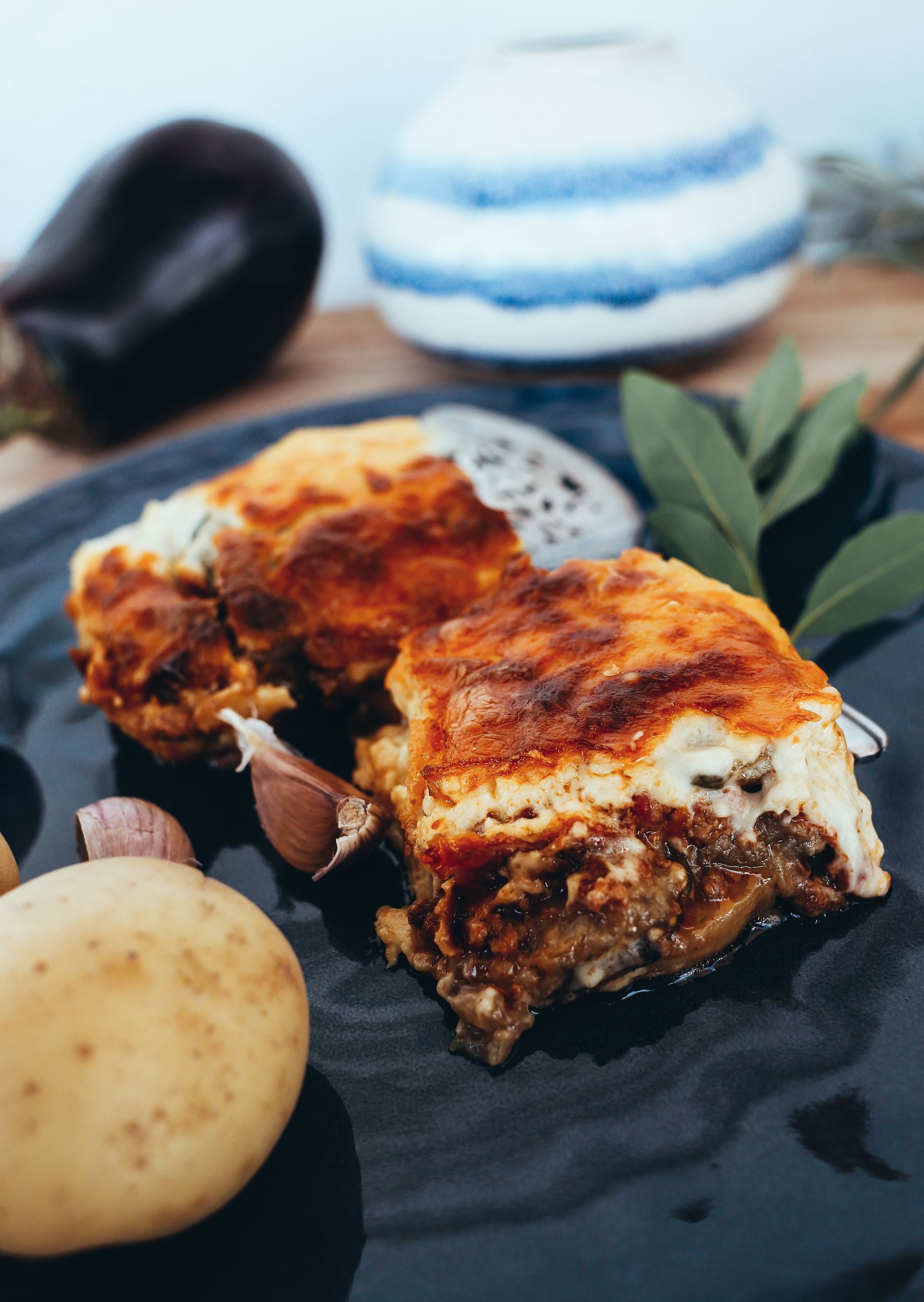
Vegetarian moussaka — the Greek casserole of roasted eggplant and spiced lentil sauce topped with béchamel — is the vegetarian adaptation of the classic that most fully earns its place alongside the original, because the lentil sauce (seasoned with cinnamon, allspice, dried oregano, and red wine in the Greek style) develops the same depth as the meat version when properly made, and the combination of roasted eggplant, spiced lentil, and creamy béchamel is independently excellent rather than merely a substitute.
The béchamel is the dish's crowning element and its most technically demanding component: it requires patience (the flour must be cooked in the butter for two full minutes before the milk is added, to eliminate the raw flour taste), continuous stirring, and the addition of egg yolks at the end to produce the thick, slightly custardy finish that a proper moussaka béchamel requires.
What separates a great version: roasting (not frying) the eggplant slices with olive oil until deeply golden; using Puy or green lentils rather than red (they hold their shape); the cinnamon and allspice in the lentil sauce (these are non-negotiable); making the béchamel thick enough to hold its shape when cut.
16 / 25
Loren Castillo / Pexels
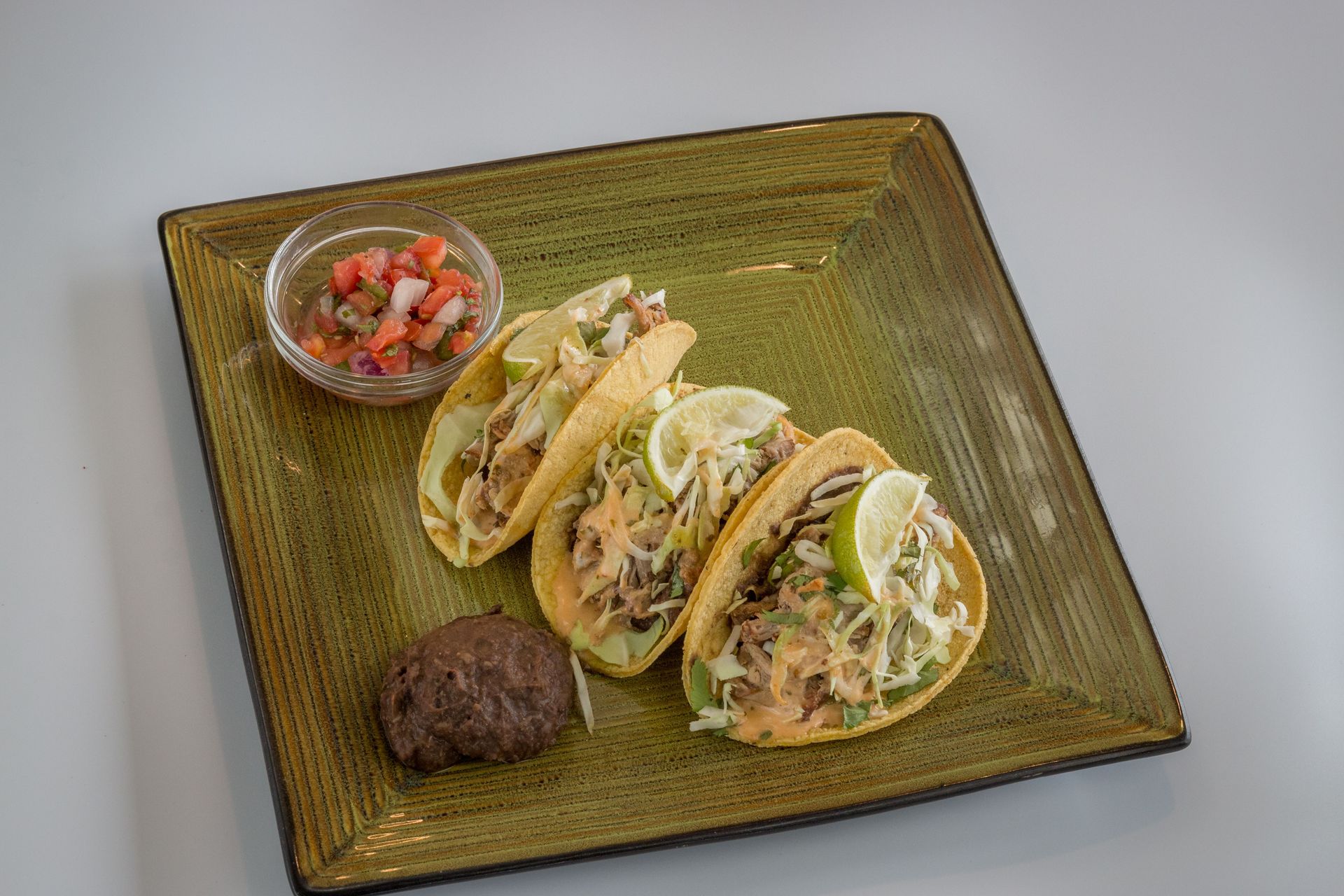
Black bean tacos — warm corn tortillas filled with spiced black beans, cabbage slaw, salsa, avocado, and crema — are the dish that most directly demonstrates what Mexican cooking's approach to bean preparation can produce: beans that are neither a side dish nor a meat substitute but the primary event, flavored with cumin, smoked paprika, garlic, and lime, creamy inside and slightly crisped from the pan, in a vehicle (the corn tortilla) with its own distinct flavor and texture.
The key to black bean tacos is treating the beans with the same respect and the same technique as any protein: they should be seasoned aggressively, cooked until their exterior is slightly textured from the pan, and served with accompaniments that add acid (the slaw), fat (the avocado and crema), and heat (the salsa) in the same way a meat taco filling would be constructed.
What separates a great version: using dried beans cooked from scratch for significantly better flavor and texture; crisping the beans in a dry pan with cumin and smoked paprika; using good corn tortillas warmed directly over a gas flame; the cabbage slaw dressed with lime juice and a small amount of fish sauce (or vinegar for fully vegetarian).
17 / 25
Jer Chung / Pexels
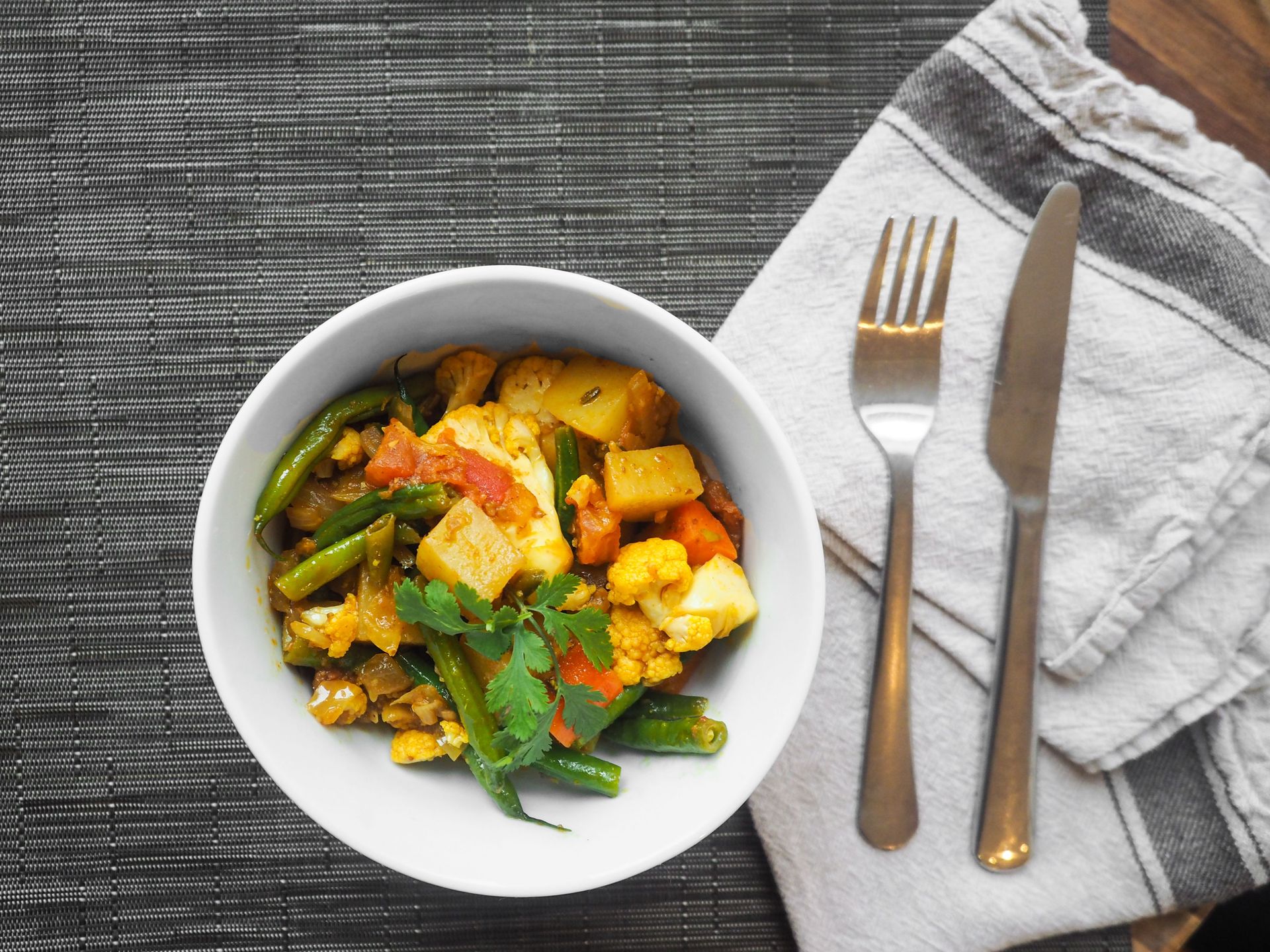
South Indian and Sri Lankan coconut milk vegetable curry — a richly spiced curry of mixed vegetables (sweet potato, cauliflower, green beans, chickpeas) in a sauce of coconut milk, tomatoes, and ground spices — is the dish that most fully demonstrates what coconut milk does for a vegetarian curry: it adds a richness, creaminess, and specific tropical sweetness that makes the dish genuinely luxurious without any animal product.
The spice base of a South Indian coconut curry — mustard seeds and curry leaves tempered in oil, combined with ground coriander, cumin, turmeric, chilli, and garam masala — is distinctly different from North Indian curry spicing, with a more aromatic, less heavy character that works particularly well with the sweetness of coconut milk and root vegetables.
What separates a great version: tempering the mustard seeds and curry leaves in very hot oil at the start (the mustard seeds must pop before anything else is added); using full-fat coconut milk; the addition of tamarind paste or a squeeze of lime at the end for acidity; cooking the sweet potato separately so it holds its shape.
18 / 25
Alesia Kozik / Pexels
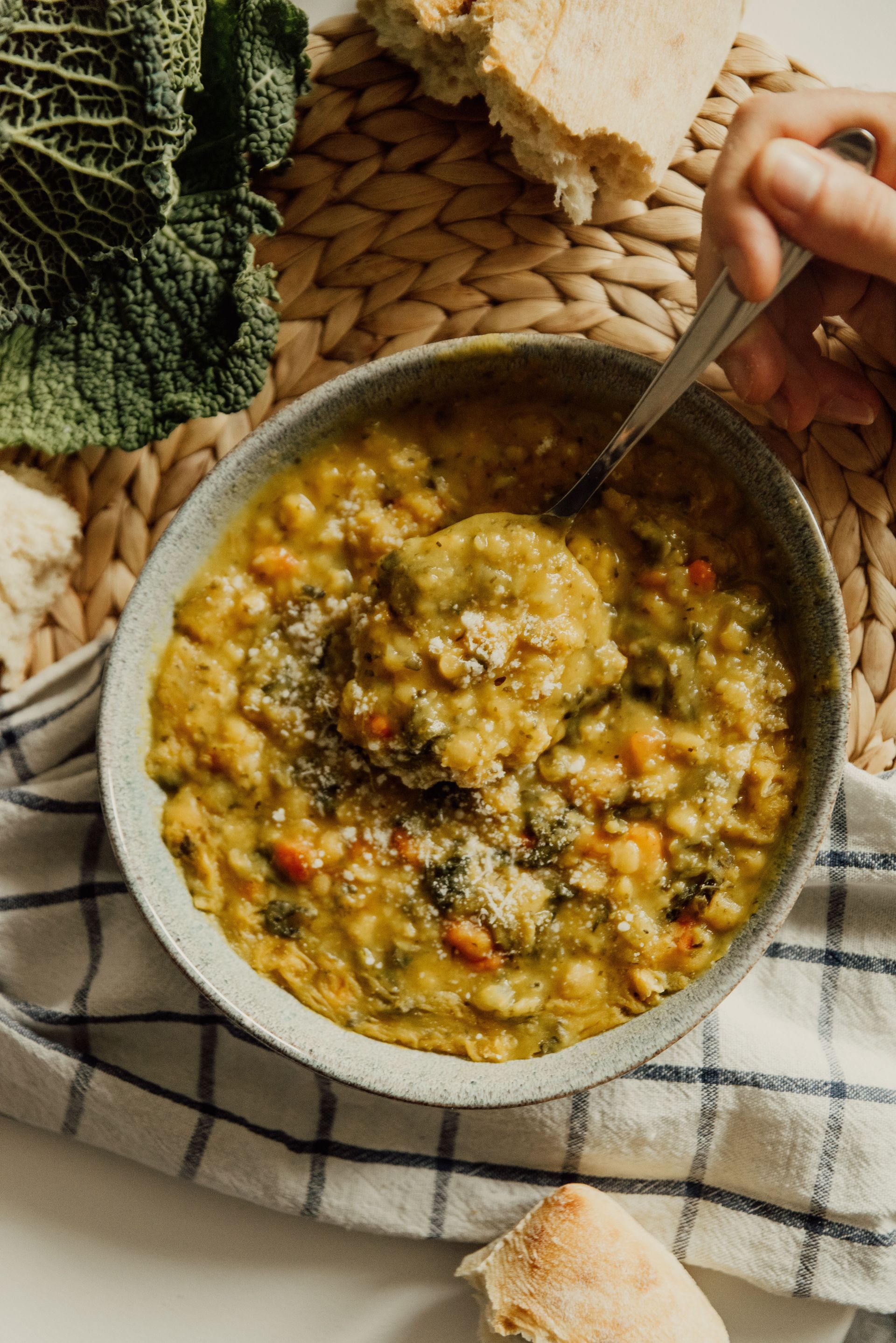
Ribollita — the Tuscan bread soup of cavolo nero, cannellini beans, tomatoes, and day-old bread — is the most substantial and most warming Italian soup, and the one whose name (from "reboil" — it is made in large quantities and reheated over several days, improving with each reheating) most directly describes its character. The bread thickens the soup until it is almost stew-like; the cavolo nero contributes bitterness and texture; and the beans provide protein, starch, and the creaminess that makes the soup filling.
The dish is correctly made with yesterday's bread — ideally Tuscan unsalted bread, which has a neutral flavor that absorbs the soup without adding competing flavor. The soup should be thick enough that a spoon drawn across the surface leaves a trail. It is not photogenic by most standards, but it is one of the most satisfying winter dishes in any cooking tradition.
What separates a great version: using cavolo nero specifically (not regular kale or savoy cabbage, which produce different results); tearing rather than slicing the bread; the very long cooking — at least two hours — that produces the dense, unctuous quality of the traditional dish; the generous drizzle of Tuscan olive oil at serving.
19 / 25
Muhammad Khawar Nazir / Pexels
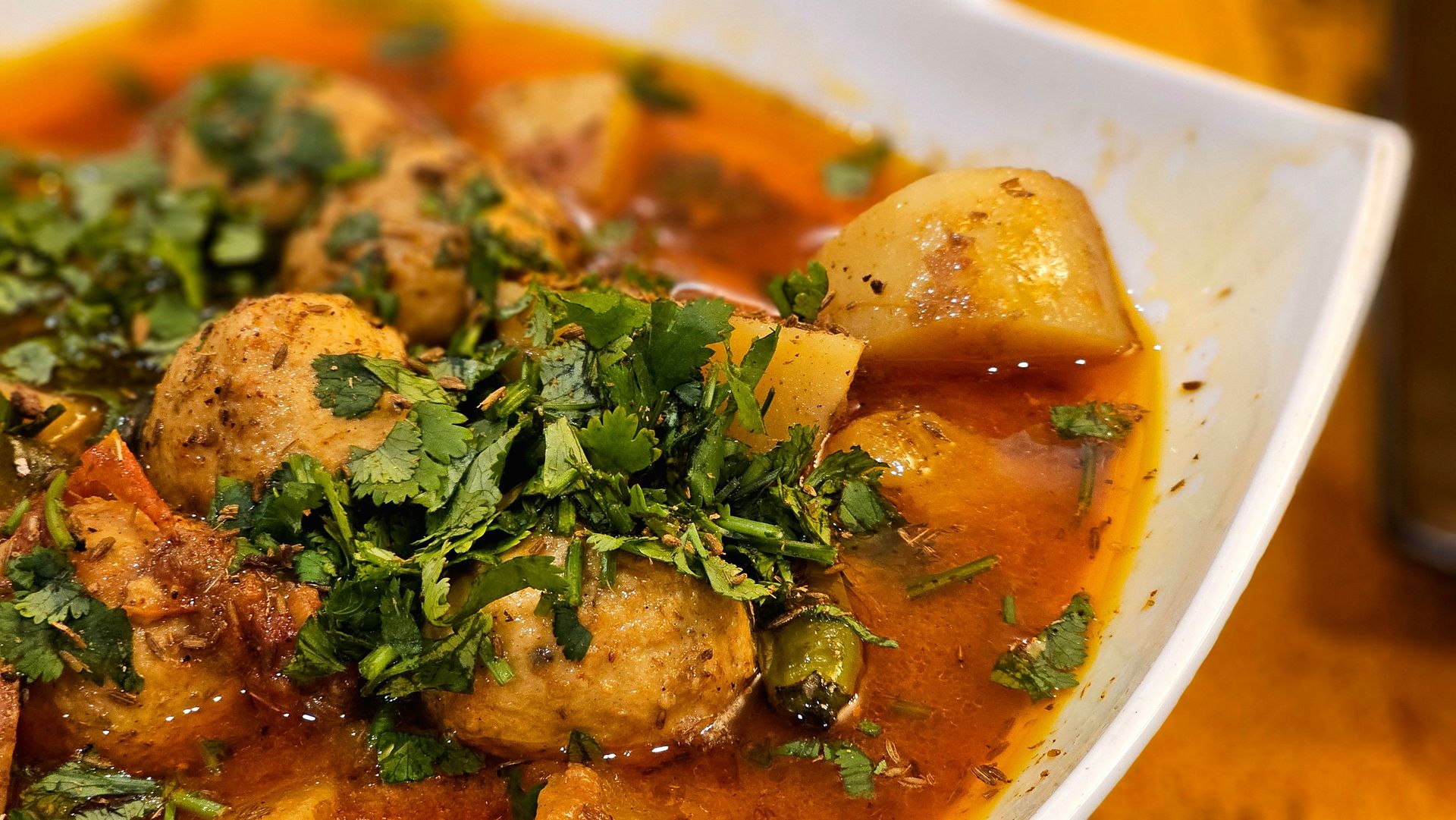
Aloo gobi — potatoes and cauliflower cooked with cumin, turmeric, coriander, and green chilli in the dry North Indian style — is one of the most frequently ordered dishes in Indian restaurants and one of the most underestimated for how good it can be when made with care. The dry cooking style (sabzi) — in which the vegetables are cooked in minimal moisture with the spices, rather than in a sauce — produces an entirely different character from a gravy-based curry: the vegetables develop caramelized edges from contact with the hot pan, the spices toast against the dry surface, and the result is concentrated, textured, and aromatic in a way a sauce-based dish cannot be.
What separates a great version: using small floury potatoes cut into similar-sized pieces to the cauliflower so both cook at the same rate; cooking covered for the first part (to steam the vegetables) then uncovered for the last part (to develop the dry, slightly caramelized exterior); the green chilli added whole at the beginning for heat that infuses without overwhelming.
20 / 25
Nataliya Vaitkevich / Pexels
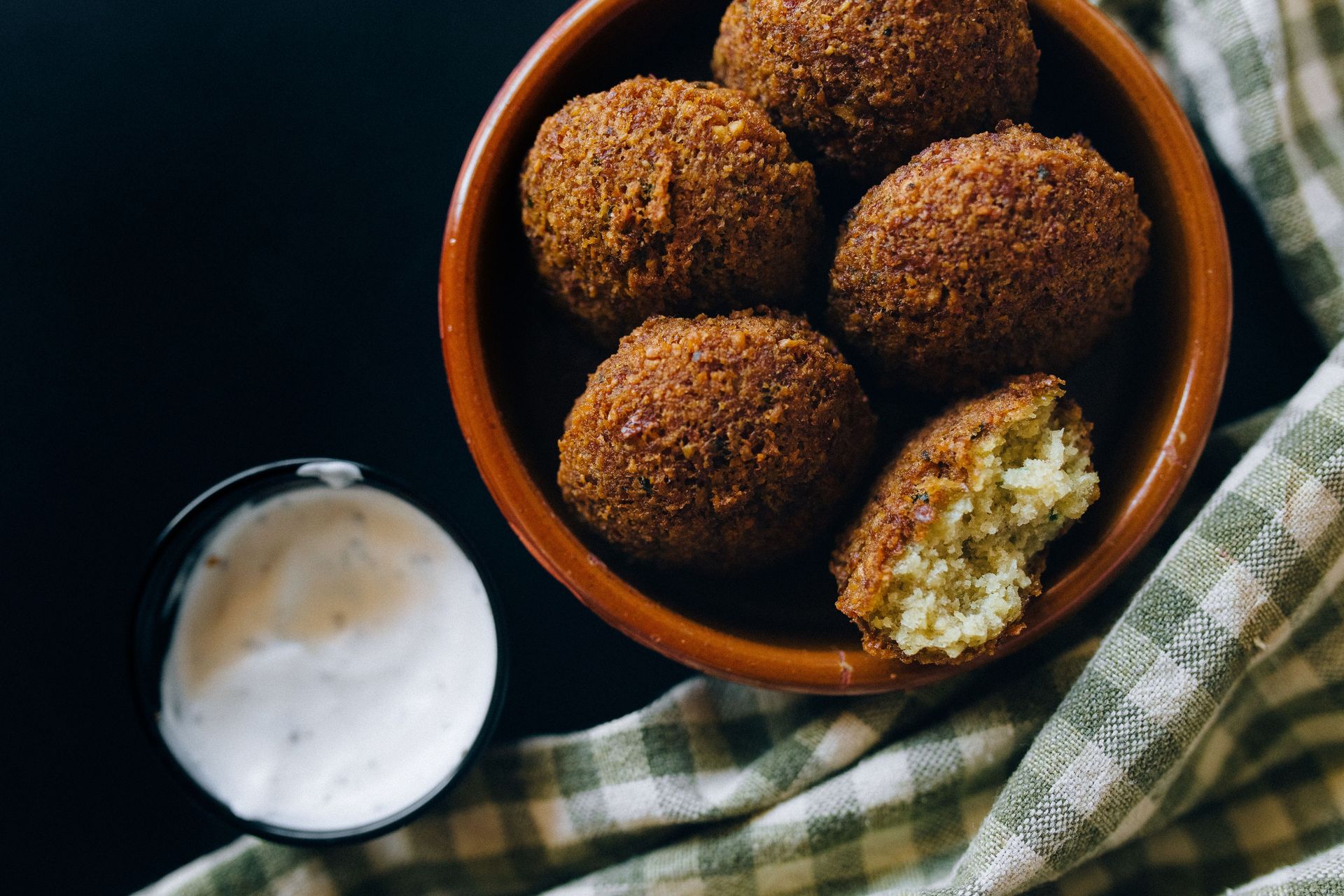
Falafel — deep-fried balls or patties of ground chickpeas or fava beans with herbs and spices, served in pita with tahini, tomato, cucumber, and pickles — is the street food of the Levant and the Middle East that has become one of the most globally replicated vegetarian dishes. The appeal is structural: the falafel's crisp exterior and dense, herby interior, combined with the richness of tahini, the freshness of the salad, and the softness of the pita, is a complete sandwich with more textural and flavor complexity than most.
The critical technical point: falafel must be made from dried chickpeas that have been soaked but not cooked (not from canned chickpeas, which are too wet and produce a dense, gummy interior rather than the light, slightly crumbly interior of proper falafel). The soaked chickpeas are ground to a rough, grainy paste with parsley, coriander, cumin, garlic, and onion and formed into balls that are fried immediately without any resting time.
What separates a great version: using dried chickpeas soaked 12 to 24 hours (never canned); grinding to a rough texture rather than a smooth paste; frying at exactly 180°C (too low and they absorb oil; too high and they brown before cooking through); making the tahini sauce with good sesame paste, lemon juice, garlic, and ice water.
21 / 25
Valeria Boltneva / Pexels
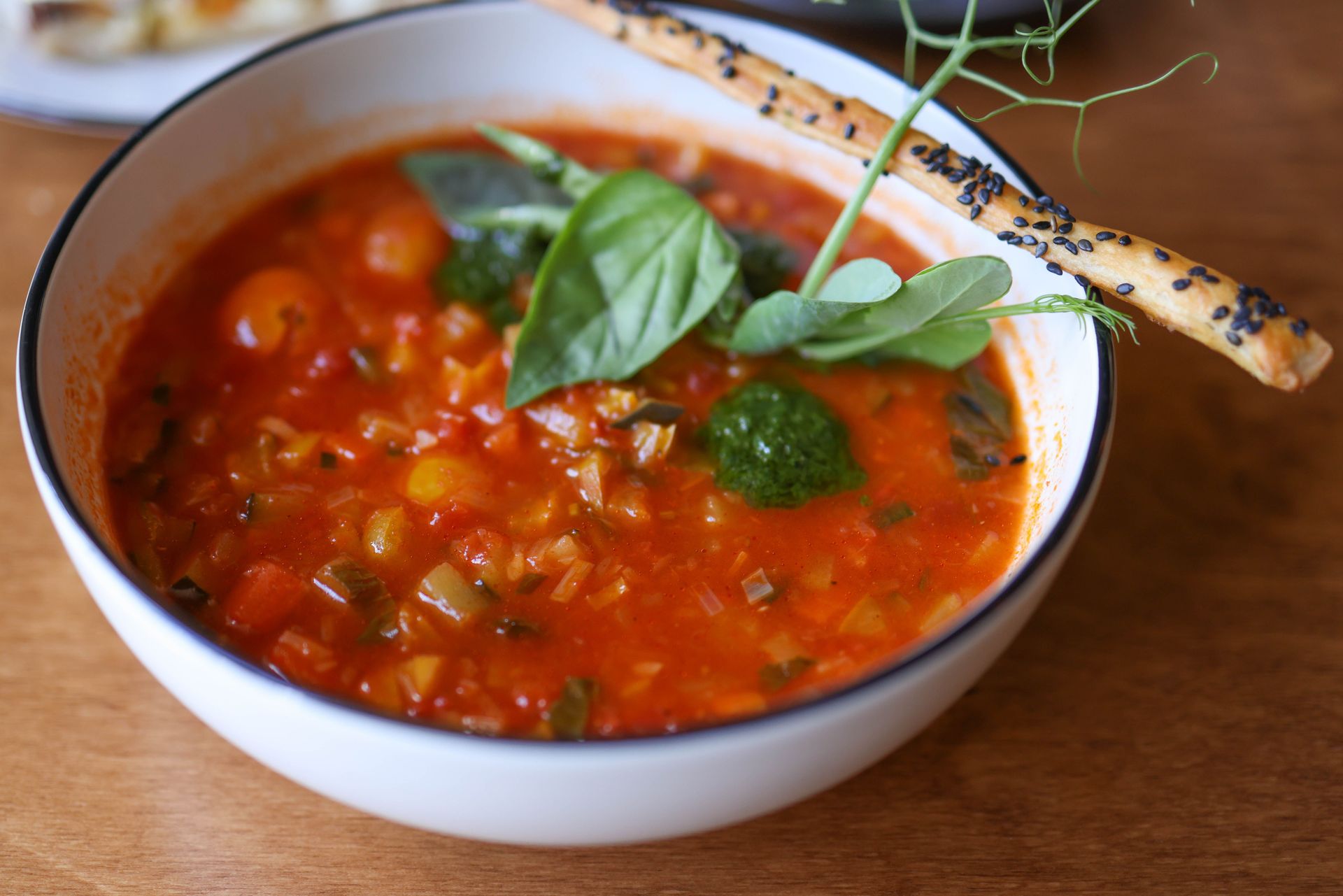
Minestrone — Italian vegetable and bean soup with pasta, at its most basic — is the most variable dish in this list, because there is no canonical recipe: it changes by region, by season, by what is available, and by family tradition. What the best versions share is the specific character of an Italian soffritto (the slow-cooked base of onion, celery, and carrot in olive oil) as the foundation; the use of seasonal vegetables at their peak; and the Parmesan rind treatment described in the pasta e fagioli entry, which gives any minestrone a depth impossible to achieve without it.
A winter minestrone is a completely different dish from a summer one: borlotti beans, cavolo nero, and squash in winter; courgettes, green beans, and fresh tomatoes in summer. The principle is the same but the result is as different as any two seasonal dishes can be.
What separates a great version: the soffritto cooked for a genuine 15 to 20 minutes until very soft; the Parmesan rind; cooking the pasta in the soup (not separately); a very generous finish of excellent olive oil and freshly grated Parmesan.
22 / 25
Valeria Boltneva / Pexels
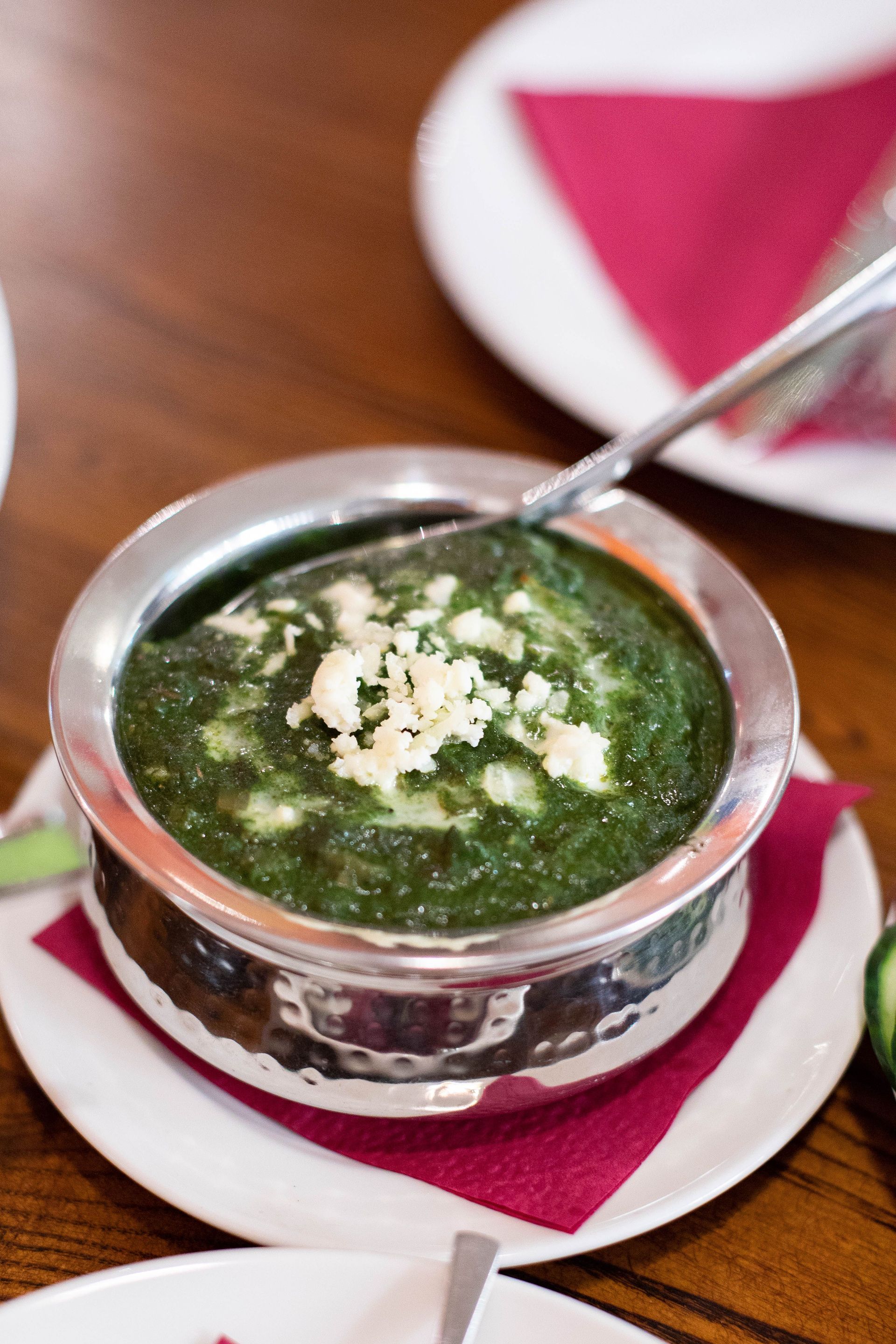
Saag tofu — the vegan version of palak paneer in which firm tofu replaces the paneer — works as a dish in its own right rather than merely as a substitute because firm tofu, when pressed dry and fried in a hot pan, develops a golden crust and a slightly bouncy interior that serves the same structural role in the dish as paneer without trying to taste identical to it. The spiced spinach sauce is identical; the primary difference is the character of the white cubes within it.
The success of the swap depends entirely on the treatment of the tofu: pressed dry (ideally for several hours under a weighted board), cut into cubes, and fried in a hot pan with a small amount of oil until all sides are golden — not soft and white, but genuinely browned. Under-prepared tofu is the reason saag tofu disappoints; properly prepared tofu is genuinely good.
What separates a great version: pressing the tofu for at least two hours; using extra-firm tofu; frying in batches in very hot oil; making the spinach sauce with exactly the same care as palak paneer.
23 / 25
Büşra Yaman / Pexels
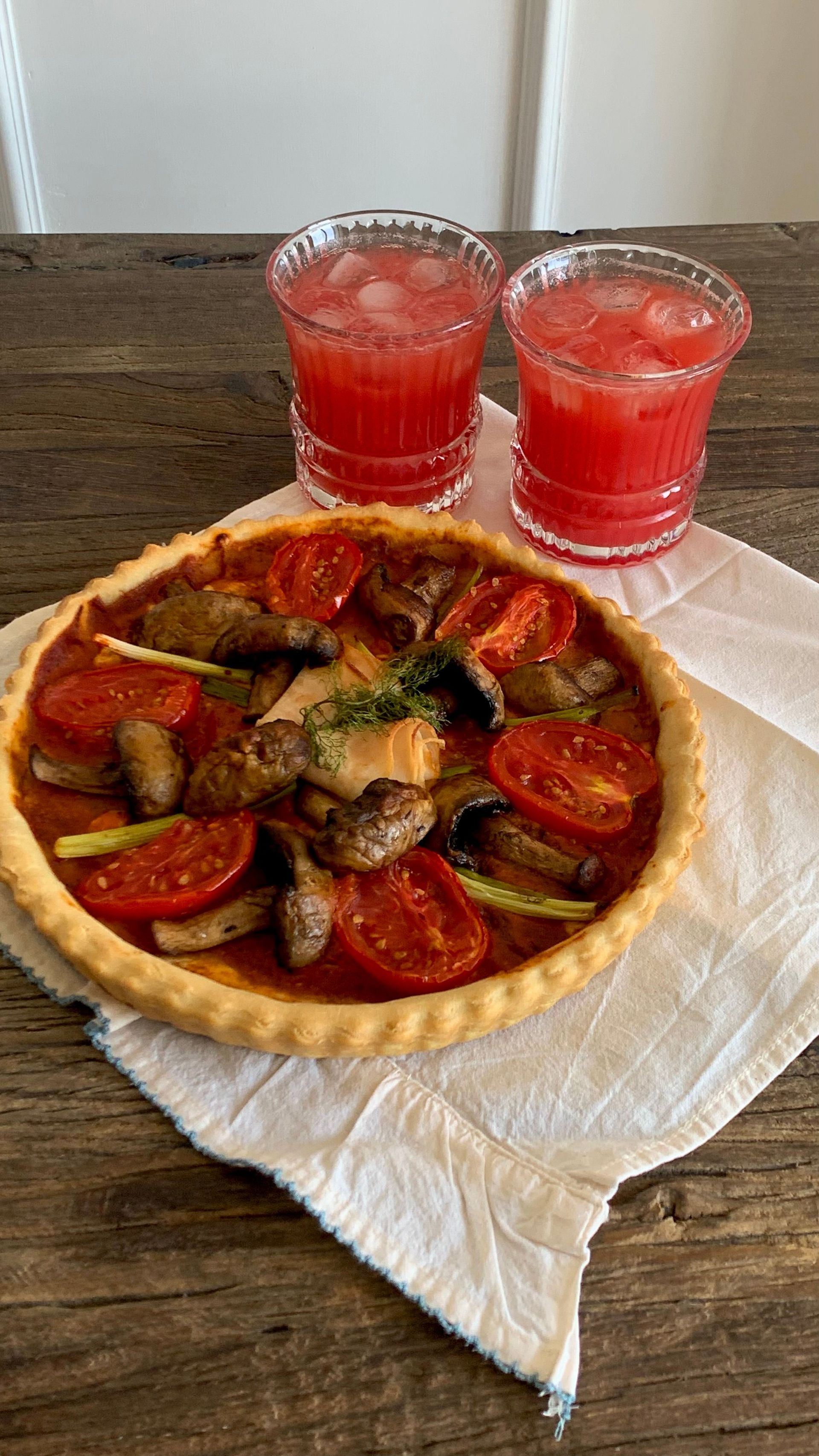
A roasted vegetable tart — a shortcrust or puff pastry case filled with a savory custard of eggs and cream and loaded with seasonal roasted vegetables (courgette, peppers, cherry tomatoes, red onion, aubergine) and good cheese — is the dish that most clearly occupies the intersection of impressive visual appearance, genuine cooking skill, and vegetarian satisfaction. When made well, it is genuinely beautiful and genuinely delicious; when made badly, it is a quiche that makes people not want quiche.
The primary variables are the pastry (shortcrust blind-baked until properly golden before filling, not pale and underdone) and the vegetable treatment (roasted with olive oil until caramelized and slightly collapsed, not raw or lightly steamed). The custard should be rich (equal parts cream and eggs, well-seasoned) and set just enough that it wobbles gently in the center when the tart is removed from the oven.
What separates a great version: blind-baking the pastry until genuinely golden; roasting the vegetables separately with high heat before adding; using a combination of cheeses (Gruyère for melting, Parmesan for sharpness); not overfilling with custard; allowing the finished tart to cool for 10 to 15 minutes before slicing.
24 / 25
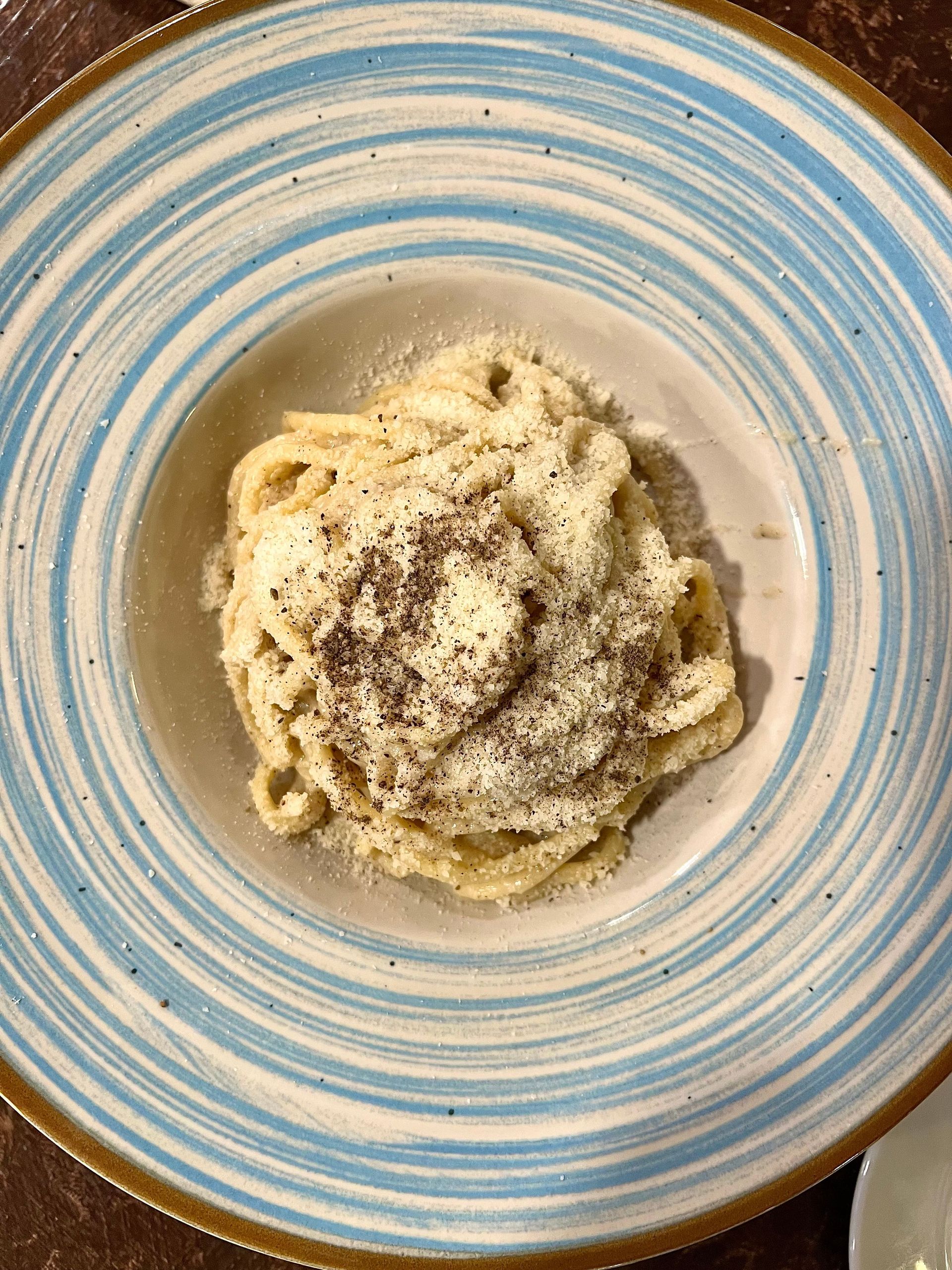
Luca Volpe Productions / Pexels
Cacio e pepe — Rome's pasta of Pecorino Romano, black pepper, and pasta water — is the dish that most purely demonstrates what pasta cooking technique produces when it is done correctly, and what it produces when it is not. The ingredients are three (plus the pasta): aged Pecorino Romano cheese, coarsely ground black pepper, and starchy pasta cooking water. The result, when executed correctly, is a silky, clinging, intensely flavored sauce that coats every strand of pasta without a trace of clumping or greasiness.
The difficulty — and the reason so many home versions fail — is the emulsification: the cheese must be finely grated, added off the heat, combined with a specific amount of starchy pasta water at the right temperature, and tossed vigorously enough that the fat in the cheese emulsifies with the starchy water rather than clumping into solid pieces or separating into pools of grease. The temperature window in which the cheese emulsifies rather than clumps is narrow — too hot, and it clumps; too cool, and it does not melt.
What separates a great version: using only Pecorino Romano (not Parmesan, which behaves differently); toasting the coarsely ground pepper in a dry pan before adding; reserving a full cup of pasta water; adding the cheese off the heat; tossing continuously for a full minute after adding the cheese.
25 / 25
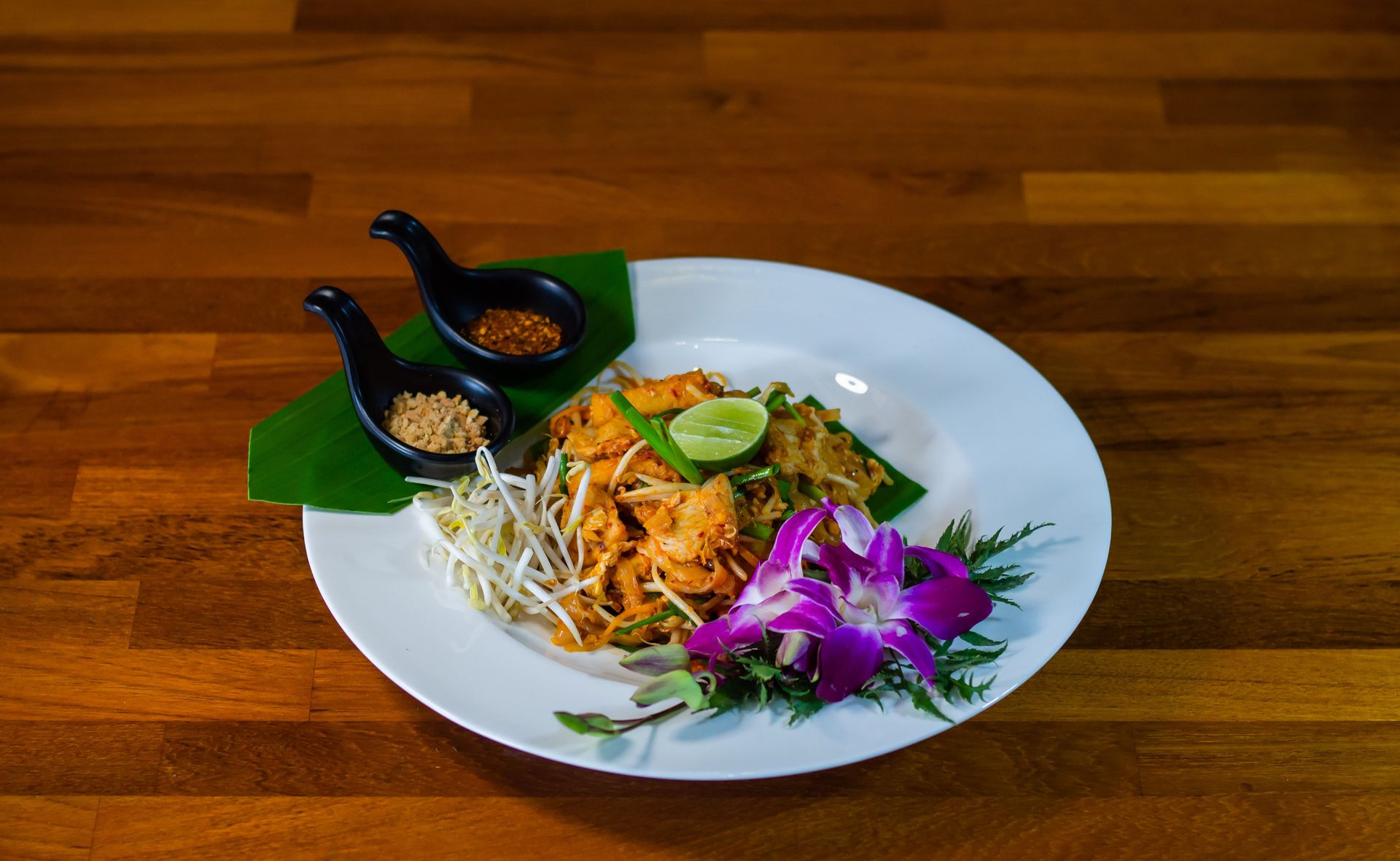
Augustinus Martinus Noppé / Pexels
Vegetable pad Thai — rice noodles stir-fried with egg, beansprouts, spring onions, peanuts, tofu, and the specific pad Thai sauce of tamarind, fish sauce (or soy sauce for fully vegetarian), and palm sugar — is the dish that most Americans and Europeans associate with Thai cooking and the vegetarian version of which is equally good as the original, because the dish's flavor profile is carried by the sauce rather than by any protein.
The specific challenge of pad Thai at home is the heat: the dish requires a wok at very high temperature to produce the wok hei (the slightly smoky, caramelized quality that comes from high-heat wok cooking) that distinguishes good pad Thai from the flat, steamed version that insufficient heat produces. Most home cooktops cannot achieve the necessary heat; the best workaround is a carbon steel wok on the highest burner, cooking in very small batches.
What separates a great version: making the pad Thai sauce from scratch with tamarind paste, fish sauce or soy sauce, and palm sugar (not using pre-made sauce); using dried rice noodles soaked but not boiled; cooking in very small batches at very high heat; the garnishes — fresh lime, extra peanuts, dried chilli flakes, white sugar — served separately at the table.
