
Veterinarians share 15 things every cat owner should know, from hidden signs of illness to overlooked care habits that protect a cat's health

Credit: Fred AUGÉ / Pexels
Most cat owners find out what their veterinarian actually meant only after a routine visit turns into unexpected news. Cats are built to hide pain, weight loss, and early disease, so the signals a vet relies on are often things an owner never thought to mention. A cat can look completely normal at home and still be diagnosed with kidney disease, dental infection, or arthritis at the next exam. That gap between visits is where most preventable problems take hold.
This list gathers 15 things vets wish every cat owner knew but rarely gets asked about directly. Some are about biology: cats are obligate carnivores with nutritional needs no other common pet shares, and their bodies process stress in ways that show up as physical illness rather than obvious anxiety. Others are about habits that seem harmless but quietly shape a cat's long-term health, like how litter boxes are counted in multi-cat homes or how much water actually ends up in a bowl of dry food.
None of this requires a dramatic change in how a cat is cared for. Most of it is about noticing sooner: a shift in appetite, a new hiding spot, a litter box skipped once too often. Cats do not narrate their own decline, so the burden of noticing falls on the person who sees them every day, even when nothing looks obviously wrong.
Each entry below stands on its own, drawn from established veterinary knowledge rather than trends or anecdote. Read straight through or jump to the one that matches a question already forming about a cat at home. Either way, the goal is the same: closing the distance between what a vet already knows and what an owner finds out only when it is almost too late to matter.

Credit: Ion Ceban @ionelceban / Pexels
Cats mask pain and illness as a survival instinct inherited from their wild ancestors, which means a cat that appears completely normal may already be sick. In the wild, showing weakness invites predators, so cats evolved to conceal limping, nausea, and discomfort until a problem becomes severe. Veterinarians see this pattern constantly: a cat arrives for what the owner assumed was a routine visit and turns out to have advanced kidney disease, arthritis, or a dental abscess no one at home had noticed.
The behaviors worth watching for are subtle. A cat eating a little less, sleeping in an unfamiliar spot, grooming less often, or hiding more than usual is often communicating discomfort in the only way available to it. Sudden aggression or withdrawal from a normally social cat can also point to pain rather than a change in personality. Because these shifts happen gradually, the owner who sees the cat every single day is often the last person to notice them.
Weight is one of the most reliable indicators veterinarians use, because it changes slowly and predictably with illness. A cat losing muscle along its spine or hips, even while its belly looks the same size, is often losing weight it cannot afford to lose. Checking body condition by hand once a month, running fingers along the ribs and spine, catches this shift long before a bathroom scale would.
Litter box habits also carry information a cat cannot express directly. Straining, crying out, or avoiding the box altogether can signal a urinary blockage, which in male cats especially can turn into a medical emergency within a day. Diarrhea or constipation lasting more than a day or two is not something to simply wait out.
The safest approach is to treat any change in a cat's normal routine as a reason to call a vet, rather than waiting for obvious signs of distress. Cats rarely vocalize pain the way dogs do, so quiet should never be mistaken for wellness. A short phone call describing what changed, even something as small as a new sleeping spot, gives a veterinarian more useful information than most owners realize.

Credit: Tahir Xəlfəquliyev / Pexels
Indoor cats need a veterinary exam at least once a year, because staying inside does not stop the two biggest threats to feline health: dental disease and age-related organ decline. Both develop silently, regardless of whether a cat ever sets foot outdoors, and both are far easier to manage when caught early through routine bloodwork and a physical exam rather than discovered later through symptoms.
An annual visit typically includes a weight check, a dental assessment, palpation of the abdomen to feel for organ changes, and a conversation about diet and behavior. Vets are trained to notice things owners miss during daily life, such as early muscle loss along the spine, a heart murmur that was not there the year before, or slightly enlarged kidneys felt through the abdominal wall. None of these show up as visible symptoms until the underlying problem has already progressed.
Owners sometimes assume indoor cats face fewer health risks overall, which is true for injury and infectious disease but not for the chronic conditions that account for most feline illness. Obesity, kidney disease, hyperthyroidism, and dental disease are all common in cats that have never left an apartment. Reduced activity indoors can actually make weight gain more likely, not less, since indoor cats burn fewer calories than their outdoor counterparts while often eating the same amount.
Bloodwork becomes especially valuable starting around age seven, when veterinarians typically recommend adding it to the annual visit rather than waiting for a problem to appear. A baseline set of values while a cat is healthy gives a vet something to compare against later, which often reveals a developing issue months before it would otherwise become obvious. Waiting until a cat "seems sick" to schedule bloodwork means skipping the window when treatment options are widest and least invasive.
Skipping annual visits because a cat seems fine is one of the most common reasons treatable conditions become expensive emergencies. A twenty-minute exam once a year is a small commitment compared to what it can catch. For cats that resist car rides, some veterinary practices now offer at-home visits specifically to make this easier, which is worth asking about directly.

Credit: Ralph / Pexels
Feline obesity usually develops one ounce at a time, which is why most owners do not notice their cat has crossed into an unhealthy weight range until a veterinarian points it out. Unlike a sudden illness, weight gain in cats tends to be so gradual that it blends into the background of daily life, especially when the same person feeds the cat every day and sees it constantly.
Free feeding, where dry food sits out all day, is one of the most common contributors. Cats naturally eat in small, frequent meals, but a bowl that is never empty removes any natural stopping point. Treats compound the problem further, since many are calorie-dense relative to a cat's small daily needs; a single treat can represent a meaningful percentage of a cat's total recommended calories for the day.
The health consequences of excess weight in cats are significant. Overweight cats face a substantially higher risk of type 2 diabetes, joint strain that accelerates arthritis, and a dangerous liver condition called hepatic lipidosis, which can develop if an overweight cat stops eating for even a few days. Extra weight also makes grooming harder for a cat to manage on its own, sometimes leading to a dull or matted coat that owners mistake for a separate problem.
Assessing weight properly means feeling for the body condition rather than relying on appearance alone, since a cat's fur can disguise real changes underneath. A healthy cat should have ribs that are easy to feel with light pressure but not visible, along with a visible waist when viewed from above. If ribs are difficult to find under a layer of fat, or if the belly hangs low and swings while walking, weight loss is likely worth discussing at the next visit.
Managing weight starts with measuring food rather than estimating it, since a slightly overfilled cup repeated twice a day adds up over months. A veterinarian can calculate a specific daily calorie target based on a cat's current weight and goal weight, which removes the guesswork. Switching from free feeding to two or three measured meals a day, and reserving treats for training rather than routine snacking, are usually the first steps recommended.
-1920x1285.jpg)
Credit: Ermelinda Maglione / Pexels
Dental disease is one of the most common conditions veterinarians diagnose in adult cats, and it often begins well before a cat turns three years old. Plaque buildup along the gumline leads to periodontal disease, which causes inflammation, pain, and eventually tooth loss if left untreated, yet it produces almost no visible symptoms until it has already progressed.
Cats also develop a condition unique to the species called tooth resorption, in which the tooth structure itself begins breaking down at or below the gumline. This can happen even in cats with otherwise clean-looking teeth, and it is often only detected through dental X $TWTR-rays taken during a professional cleaning. Resorption is painful, and affected teeth typically need to be extracted rather than saved.
Because cats hide pain so effectively, dental disease frequently goes unnoticed at home until it is advanced. Signs owners can watch for include bad breath, drooling, pawing at the mouth, dropping food while eating, or a preference for softer food over kibble. Any of these warrants a dental check at the next visit rather than being dismissed as a quirk.
Professional dental cleanings require general anesthesia, which is the only way to safely examine and clean below the gumline and take X-rays of the tooth roots. Some owners hesitate because of anesthesia risk, but modern veterinary anesthesia protocols for healthy cats are considered low-risk, and the alternative, untreated dental disease, causes chronic pain and can allow bacteria to enter the bloodstream.
At-home care can slow the buildup between professional cleanings. Daily brushing with a cat-specific toothpaste is the single most effective habit, though even brushing a few times a week provides some benefit over none at all. Dental-specific diets and treats formulated to reduce plaque can help as a secondary measure, but they are not a substitute for brushing or professional cleanings when a vet recommends one.
-1920x1281.jpg)
Credit: Neakasa / Unsplash
A cat that stops using its litter box is usually signaling a medical or stress-related problem, not misbehaving out of spite or confusion. Veterinarians consistently rank sudden litter box avoidance as one of the clearest signs something physical or emotional has changed, and it should prompt a vet visit before any behavioral fix is attempted.
Urinary tract problems are a leading medical cause, including infections, bladder stones, and inflammation. In male cats, straining to urinate outside the box can indicate a blockage, which is a true emergency since a blocked cat can develop life-threatening complications within a day if untreated. Any cat straining, crying while urinating, or producing little to no urine needs immediate veterinary attention rather than a wait-and-see approach.
Arthritis is a less obvious but common cause, particularly in cats over age eight or nine. Climbing into a high-sided box becomes painful, so a cat may choose a softer, more accessible surface like a rug or bed instead. Switching to a litter box with lower sides can sometimes resolve this immediately, which itself confirms the underlying cause was physical discomfort rather than behavior.
Stress and conflict between cats in multi-cat households can also drive avoidance, even when no other cat is ever seen guarding the box. One cat may associate the box with an ambush from another cat, or simply avoid a location that feels exposed or hard to escape from quickly. Box cleanliness matters as well, since cats are naturally particular about eliminating in a clean space and may refuse a box that has not been scooped recently enough.
The first response to litter box avoidance should always be a veterinary visit to rule out a medical cause, since punishing a cat for what is likely a health or stress signal only adds fear to an already uncomfortable situation. Once medical causes are ruled out, addressing box number, placement, litter type, and cleaning frequency usually resolves the remaining behavioral cases.

Credit: Valeria Makai / Pexels
Cats evolved from desert-dwelling ancestors and retain a naturally low thirst drive, which can leave them mildly dehydrated in ways that add stress to the kidneys over years. Unlike dogs, cats did not evolve near consistent water sources, so their bodies are adapted to extract most of their moisture from prey rather than drinking large amounts on their own.
This matters because chronic kidney disease is one of the most common conditions diagnosed in older cats, and long-term hydration status appears to play a role in how the kidneys age. A cat eating only dry food, which contains roughly ten percent moisture, takes in far less water overall than one eating wet food, which is closer to seventy or eighty percent moisture. Over years, that difference adds up.
Encouraging more water intake does not require forcing a cat to drink from a bowl it ignores. Many cats prefer moving water, which is why pet water fountains often increase intake simply by making water more appealing than a still bowl. Placing multiple water sources around the home, away from food and litter boxes, also tends to increase how often a cat drinks throughout the day.
Adding wet food to a cat's diet, even partially alongside dry food, is one of the most effective ways to raise total water intake without changing a cat's drinking behavior at all. Some owners add a small amount of water directly to wet food to increase moisture further, which most cats accept without resistance.
Watching for early signs of kidney trouble matters as much as prevention. Increased thirst, more frequent urination, and gradual weight loss are classic early indicators, though they are easy to miss since they develop slowly. Routine bloodwork starting around age seven is the most reliable way to catch declining kidney function before symptoms appear, since by the time a cat shows obvious signs, a significant portion of kidney function has often already been lost.
-1920x1280.jpg)
Credit: Tahir Xəlfəquliyev / Pexels
Indoor cats still need core vaccines and regular parasite prevention, because exposure risk never actually drops to zero. Fleas, ticks, and intestinal parasites can enter a home on another pet, on clothing, or through an open window or screen door, and a single escaped moment outside is often all it takes for an unprotected indoor cat to be exposed.
Rabies vaccination is legally required in many places regardless of whether a cat goes outside, since the law is written around the risk of any exposure to a rabid animal, including a bat that gets into a house. Core vaccines beyond rabies, most notably the combination vaccine covering feline viral rhinotracheitis, calicivirus, and panleukopenia, protect against diseases that can also be carried indoors on shoes, clothing, or by another pet in the household.
Parasite prevention matters even without outdoor access because fleas are resilient and mobile. A flea can hitch a ride into a home on a person's clothing after time spent near an infested area, and once established indoors, an infestation can be difficult and expensive to fully eliminate. Heartworm, while primarily associated with dogs, also affects cats and is transmitted by mosquitoes, which regularly enter homes through screens and open doors.
Multi-pet households raise the stakes further, since a dog that goes outside daily can bring parasites home even if the cat itself never leaves. Veterinarians typically recommend year-round parasite prevention for this reason, rather than seasonal use tied to when a cat might go outdoors, since the household's overall exposure risk depends on every animal and person coming and going, not just the cat.
The right vaccine and parasite prevention schedule depends on a cat's age, health history, and regional risk factors, which is a conversation worth having directly with a veterinarian rather than assuming indoor status removes the need entirely. Skipping this protection based on the assumption that indoor means risk-free is one of the more common gaps veterinarians see in otherwise well-cared-for cats.

Credit: GALINA BOGDANOVA / Unsplash
Declawing, medically called onychectomy, amputates the last bone of each toe rather than simply removing the claw itself. Because a cat's claw grows directly from that bone, there is no way to remove the claw permanently without also removing the bone it grows from, which makes the procedure closer to an amputation than a simple nail trim.
Recovery involves real pain, since the surgery cuts through bone, tendon, and nerve tissue in each toe. Cats walk directly on the surgical sites afterward, which can make the healing period uncomfortable even with proper pain management. Some cats develop long-term changes in how they walk, shifting their weight to compensate for altered paw sensation, which can contribute to joint stress later in life.
Behavioral changes are also documented in some declawed cats. Without claws as a natural defense, some cats become more likely to bite when frightened or cornered, since biting becomes one of their few remaining defenses. Litter box avoidance can also develop if a cat associates digging in litter with pain in its paws following surgery, which creates a new problem in place of the one the surgery was meant to solve.
Because of these welfare concerns, declawing is now banned or heavily restricted in a number of cities and countries, and many veterinary practices in the U.S. have stopped offering it except in rare medical circumstances, such as a tumor within the toe itself. The American Association of Feline Practitioners has taken a position discouraging the procedure for routine use.
Alternatives exist for owners concerned about scratching furniture. Soft nail caps can be glued over a cat's existing claws and replaced every few weeks as they grow out. Regular nail trims, done every couple of weeks, reduce sharpness significantly. Scratching posts placed near furniture a cat already targets, combined with consistent redirection, usually resolves the underlying scratching behavior without any surgical intervention.

Credit: Muneeb Khan / Pexels
Cats are obligate carnivores, meaning their bodies require nutrients found only in animal tissue, most notably an amino acid called taurine. Unlike dogs, which can survive on a more varied, partly plant-based diet, cats cannot synthesize enough taurine on their own and must get it directly from meat, making it a nutritional requirement rather than a dietary preference.
Taurine deficiency has serious, well-documented consequences. It can cause a form of heart disease called dilated cardiomyopathy, in which the heart muscle weakens and enlarges, eventually leading to heart failure if untreated. Taurine deficiency is also linked to a specific type of retinal degeneration that can cause permanent blindness. Both conditions were far more common decades ago before commercial cat food manufacturers began routinely adding taurine to their formulas.
This is why homemade or vegetarian diets for cats carry real risk if not carefully formulated with veterinary guidance. A diet built around human intuition about healthy eating, heavy in vegetables or grains, can look reasonable on a plate while still leaving a cat critically short on taurine and several other nutrients cats specifically require, including certain fatty acids and vitamin A in its pre-formed animal source.
Commercial cat foods labeled as complete and balanced are formulated specifically to meet these feline-specific requirements, which is different from dog food or generic pet food despite superficial similarities on packaging. Feeding a cat dog food regularly, even temporarily, can lead to the same deficiencies over time, since dog food is not required to contain the taurine levels cats need.
Owners interested in home-cooked diets for their cats should work directly with a veterinary nutritionist rather than following a general recipe found online, since getting the balance of taurine, amino acids, and vitamins wrong is not something that shows up immediately. The consequences of an unbalanced diet often take months to appear, by which point deficiency-related damage may already be underway.

Credit: Peyman Shojaei / Pexels
Feline idiopathic cystitis, a painful bladder inflammation, is one of the clearest examples of how a cat's environment affects its physical health. Cats with this condition show symptoms nearly identical to a urinary tract infection, including straining, frequent urination, and blood in the urine, yet no infection or bacteria are found on testing, which is what makes the condition "idiopathic," meaning without a clearly identified single cause.
What research has consistently connected to flare-ups is stress. Changes in routine, conflict with another cat in the household, a new pet or person in the home, or even rearranged furniture can trigger an episode in susceptible cats. The bladder lining in cats prone to this condition appears to respond to stress hormones in a way that produces inflammation, linking emotional state directly to a physical symptom in a way not seen in most other common feline conditions.
Because the symptoms overlap so closely with a urinary infection, and because male cats can develop a life-threatening blockage from the same underlying inflammation, any cat showing these signs needs a veterinary visit rather than a wait-and-see approach at home. A vet will typically test for infection and stones before settling on a diagnosis of idiopathic cystitis, since ruling out other causes is part of reaching that diagnosis.
Managing the condition long-term focuses heavily on reducing environmental stress rather than medication alone. Multiple studies referenced in veterinary behavior literature point to environmental enrichment, meaning consistent feeding routines, accessible resting and hiding spots, and reduced competition over resources, as effective at lowering the frequency of flare-ups over time.
Litter box cleanliness and placement matter more for these cats than for others, since a stressful or inaccessible box can itself become a trigger. Increasing water intake through wet food also appears to help by diluting urine and reducing bladder irritation. For cats with recurring episodes, a veterinarian may recommend a combination of dietary changes, environmental adjustments, and in some cases anti-anxiety medication as part of long-term management.

Credit: NaNa Photography / Pexels
Homes with more than one cat need one litter box per cat, plus one additional box, to prevent territorial stress and litter box avoidance. This guideline, sometimes called the "one plus one" rule among feline behaviorists, exists because cats do not naturally share elimination areas the way they might share food or sleeping space, even in households where the cats otherwise get along well.
A shortage of boxes creates competition that owners often do not witness directly, since conflicts over resources in cats tend to be quiet rather than obvious fights. One cat may simply avoid using a box that another cat uses frequently, or may feel unable to access a box at certain times of day if a more dominant cat tends to guard the area. The result often looks like random litter box avoidance, when the real cause is resource competition invisible to the owner.
Placement matters as much as the total count. Boxes clustered together in one room function, from a cat's perspective, closer to one large box than several separate options, since a cat blocking the doorway can still control access to all of them. Spreading boxes across different areas of the home, including different floors in multi-level homes, gives every cat a realistic option that does not require passing another cat to reach it.
Box type and cleanliness compound these effects. A shared box that is not scooped frequently enough discourages use faster in a multi-cat home than in a single-cat home, simply because more cats are contributing waste between cleanings. Covered boxes can also worsen tension in multi-cat households, since they limit visibility and create a single, easily blocked entry point.
Owners noticing one cat avoiding litter boxes in a multi-cat home should treat it as a resource and territory issue first, after ruling out medical causes with a vet. Increasing the number of boxes, spreading their locations, and scooping more frequently often resolves the behavior within days, without requiring any other intervention.
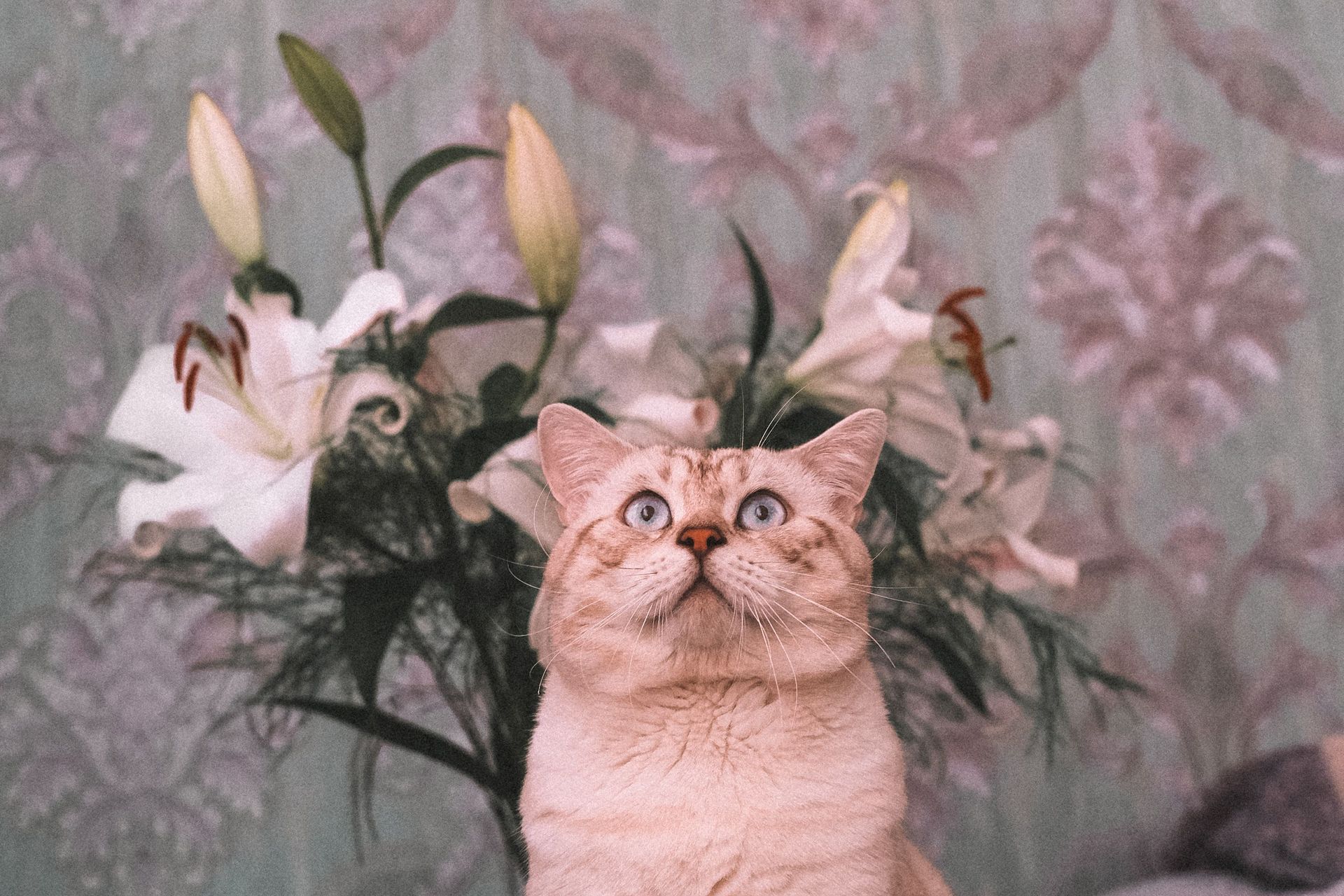
Credit: Sare / Pexels
True lilies, including Easter lilies, tiger lilies, and daylilies, are highly toxic to cats and can cause fatal kidney failure from a small amount of pollen or even a single bite of a leaf or petal. Every part of the plant carries the toxin, including water from a vase the flowers have been sitting in, and the effect is specific to cats; dogs and most other pets are not affected the same way by lily exposure.
Symptoms typically begin within a few hours of exposure and include vomiting, lethargy, and loss of appetite, followed by signs of kidney failure within one to three days if untreated. Because the toxin acts quickly and the damage to the kidneys can become irreversible, any known or suspected lily exposure in a cat is considered a true emergency requiring immediate veterinary care, even before symptoms appear.
Lilies are far from the only common household risk. Onions and garlic, in any form including powder used in cooked food, damage a cat's red blood cells and can cause anemia with repeated or significant exposure. Grapes and raisins, well known as a toxin in dogs, are generally considered lower risk in cats, though veterinarians still recommend avoiding them given limited specific research in cats. Chocolate contains theobromine, which cats process poorly, though cats are less likely than dogs to eat chocolate voluntarily due to their limited ability to taste sweetness.
Certain human medications pose a particular risk because cats metabolize drugs differently than humans or even dogs. A single regular-strength acetaminophen tablet can be fatal to a cat, and even topical products like certain essential oils, including tea tree oil, can cause toxicity through skin contact or ingestion during grooming.
Any suspected poisoning, whether from a plant, food, or medication, warrants an immediate call to a veterinarian or a pet poison control hotline rather than waiting to see if symptoms develop. Bringing a sample of the plant or product involved to the vet visit, when possible, helps confirm exposure and guide treatment faster.

Credit: Rudolf-Peter Bakker / Unsplash
Purring is not only a sign of contentment. Cats also purr when frightened, injured, or in labor, using the behavior as a self-soothing mechanism rather than strictly an expression of happiness. This means a purring cat at the veterinary clinic may be anxious rather than calm, which can lead owners and even first-time observers to misread the situation.
The mechanism behind purring involves rapid, repetitive contraction of the muscles in the larynx, producing a sound during both inhale and exhale. Researchers have measured purring frequencies in the range of twenty-five to one hundred fifty hertz, a range that some studies have associated with promoting bone and tissue healing, which may help explain why injured or recovering cats purr even while in visible pain or distress.
This dual purpose makes purring an unreliable signal on its own, and it should be read alongside other body language rather than in isolation. A relaxed cat purring with half-closed eyes, a loosely curled tail, and a soft posture is likely genuinely content. A cat purring with flattened ears, a tucked tail, dilated pupils, or a tense, crouched body is more likely purring through fear or pain rather than pleasure.
Veterinarians often see this misread play out during exams, when a purring cat is assumed to be relaxed and cooperative when it is actually stressed and trying to self-soothe through a frightening experience. Recognizing the difference matters because a stressed cat, even a purring one, may still be at risk of scratching or biting defensively if handling continues without adjustment.
Owners can use this knowledge at home by paying attention to the full picture rather than treating purring alone as reassurance that a cat is fine. A cat that suddenly starts purring during an unusual event, such as after a fall or during a car ride, may be signaling distress rather than comfort, which is worth noting rather than dismissing.

Credit: Berna / Pexels
Veterinary feline life-stage guidelines classify cats as mature or senior starting around age seven, much earlier than most owners assume based on how a cat looks or behaves. These guidelines, developed by veterinary organizations including the American Association of Feline Practitioners, exist because age-related disease risk in cats rises well before physical signs of aging become visible.
Several conditions become significantly more common once a cat crosses this age threshold. Chronic kidney disease, hyperthyroidism, diabetes, and arthritis all increase in likelihood with age, and each develops gradually enough that early bloodwork and physical exams catch them long before an owner would notice symptoms at home. Arthritis in particular is frequently missed in cats, since they tend to reduce jumping and climbing quietly rather than limping visibly the way a dog might.
Veterinarians typically recommend increasing checkup frequency from once a year to twice a year once a cat reaches senior status, along with adding routine bloodwork and blood pressure checks to the visit. High blood pressure in older cats is often linked to kidney disease or hyperthyroidism and can cause sudden blindness if left untreated, making it one of the more urgent things to monitor regularly in aging cats.
Weight changes take on different meaning in senior cats compared to younger ones. While weight gain is the primary concern in adult cats, unexplained weight loss becomes the more common warning sign in cats over ten, often linked to hyperthyroidism, kidney disease, or dental pain that makes eating uncomfortable. A senior cat that seems to be eating normally while still losing weight needs veterinary attention rather than reassurance.
Comfort adjustments at home also matter more once a cat reaches this age. Steps or ramps to reach favorite resting spots, litter boxes with lower sides, and softer bedding can meaningfully improve quality of life for a cat quietly managing joint pain. None of these changes require a diagnosis to implement, and most senior cats benefit from them regardless of whether arthritis has been formally confirmed.

Credit: Heri Susilo / Pexels
A microchip gives a lost indoor cat a far better chance of being returned home than a collar alone, because collars can slip off, break, or be removed, while a microchip remains in place permanently once implanted. The chip itself is small, about the size of a grain of rice, and is inserted just under the skin between the shoulder blades in a quick procedure that requires no anesthesia and causes minimal discomfort.
Indoor cats are statistically less likely to be microchipped than cats with regular outdoor access, largely because owners assume the risk of escape is low enough not to warrant it. In practice, indoor cats that do get out are often more disoriented and less equipped to find their way home than cats accustomed to being outside, since they lack the same familiarity with the surrounding area.
A microchip only works if its registration stays current, which is a step some owners complete once and then forget. If a cat is found and scanned at a shelter or veterinary clinic, the chip returns a number that is only useful if it links to accurate, up-to-date contact information. Moving, changing a phone number, or rehoming a cat are all moments that should trigger an update to the chip registry.
Collars still serve a purpose despite their limitations. A breakaway collar with visible identification allows a neighbor or passerby to immediately recognize a cat as someone's pet, without needing access to a scanner, which speeds up return in situations where the cat is found nearby rather than taken to a shelter. Breakaway designs are specifically built to release under pressure, reducing the risk of a collar catching on something and injuring the cat.
Using both a microchip and a collar together covers the two most common recovery scenarios: a nearby neighbor who spots visible tags, and a shelter or clinic equipped to scan for a permanent chip. Relying on only one leaves a real gap, particularly for a cat that has never been outside and would not know how to find its way back if it got out unexpectedly.