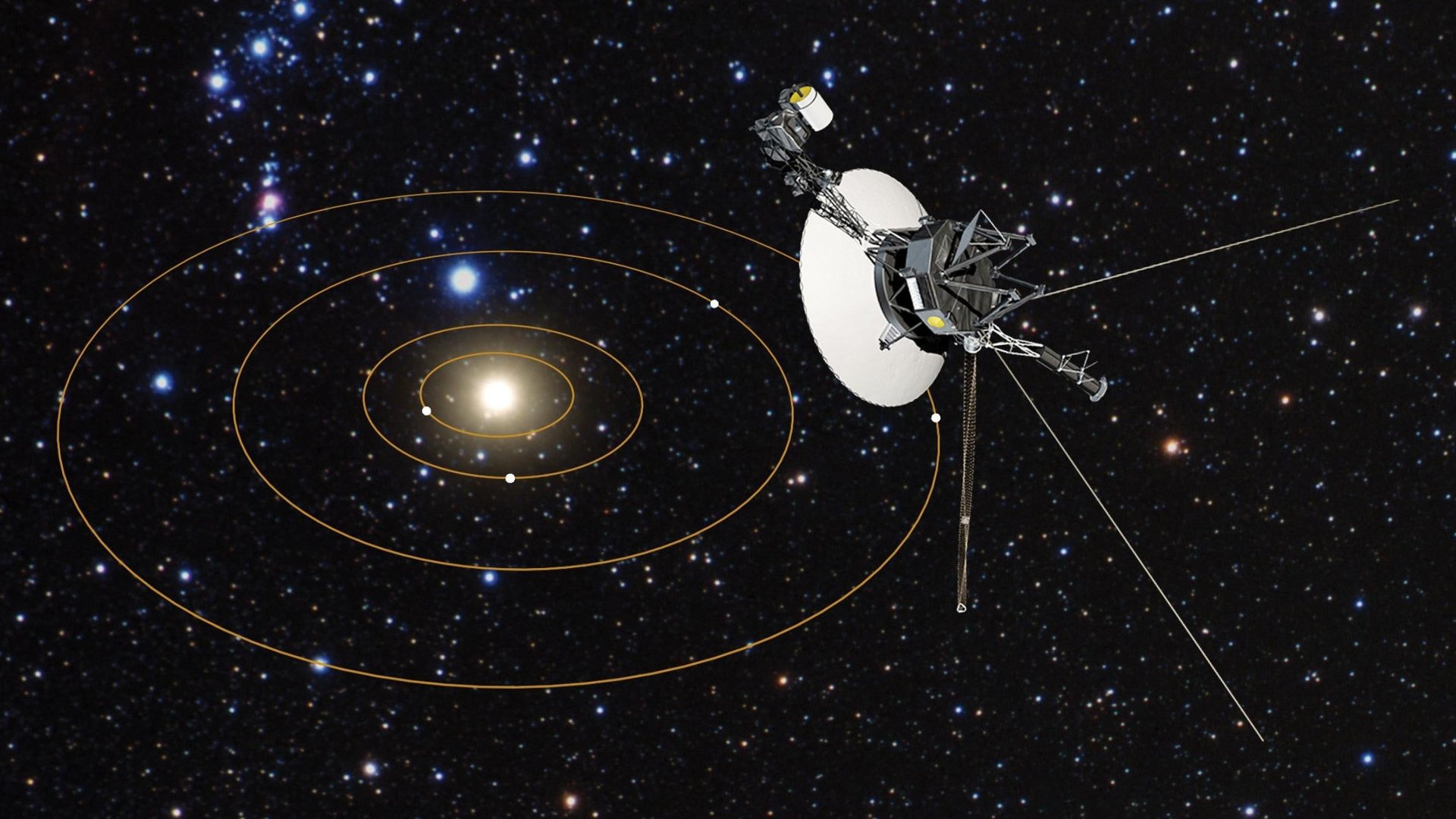
But the spacecraft’s age has introduced new challenges, primarily related to power supply and temperature. The mission has turned off all non-essential onboard systems, including some heaters, on both spacecraft to conserve their gradually shrinking electrical power supply, which is generated by decaying plutonium.
While those steps have worked to reduce power, they have also led to the spacecraft growing colder, an effect compounded by the loss of other non-essential systems that produced heat. Consequently, the attitude propulsion thruster branches have grown cold, and turning them on in that state could damage them, making the thrusters unusable.
Engineers initially feared that they would have to turn off a scientific instrument on Voyager 1 for the necessary power to turn on a heater for the thruster. The concern was that the instrument wouldn’t turn back on. The agency decided to just turn on a heater for an hour without turning a corresponding device off, and it worked! NASA stated that the thrust branch swap on August 27 was successful.