From creative thinking to blood sugar regulation, walking's benefits are broader and better evidenced than its reputation as gentle exercise suggests

Andrea Piacquadio / Pexels
Walking has an image problem. In a fitness culture organized around intensity — high-intensity interval training, heavy lifting, competitive endurance sports — walking occupies an awkward position as the thing you do when you are not really exercising. It is what sedentary people do to feel better about their inactivity, what doctors prescribe to patients who cannot tolerate anything harder, what people do on their lunch break when they mean to go to the gym but don't. The hierarchy of exercise effort places walking somewhere near the bottom, above sitting but well below anything involving a heart rate monitor or expensive shoes.
The research does not support this hierarchy. A substantial body of evidence accumulated over the past three decades consistently finds that walking — regular, brisk, sustained walking — produces health benefits that rival those of more intense exercise across a surprisingly wide range of outcomes. A 2019 study of over 4,000 middle-aged adults found that 8,000 steps per day was associated with a 51% lower risk of all-cause mortality compared to 4,000 steps per day, regardless of exercise intensity. A landmark Harvard study found that women who walked briskly for 30 minutes a day had a 35% lower risk of cardiovascular events than sedentary women — a risk reduction comparable to that produced by vigorous exercise in several comparison studies.
The benefits of walking relative to more intense exercise are not just a matter of degree. Several of the effects covered in this list are specifically associated with walking's low-intensity, sustained character — effects that high-intensity exercise does not produce, or produces less effectively, precisely because of the physiological differences between walking and running, between sustained moderate effort and interval-based intensity. The post-meal blood sugar regulation that a 10-minute walk produces is more effective than a 30-minute run earlier in the day. The creative thinking boost that walking produces is specifically associated with the undirected, low-demand nature of the activity. The cortisol management benefits of walking in nature require sustained, gentle activity rather than intense effort.
This list covers 15 specific, research-supported benefits of walking — effects that are documented in peer-reviewed studies, explained by known physiological mechanisms, and in several cases specific to walking rather than generalizable to all exercise. The goal is not to argue that walking is better than all other forms of exercise. It is to establish that walking is considerably more effective than most people give it credit for, and that the case for making it a consistent habit is stronger than the fitness culture's dismissal of it suggests.
Ahmed Mulla / Pexels
The cardiovascular benefits of regular walking are among the most thoroughly documented health effects of any physical activity, and the evidence consistently places walking in the category of effective cardiovascular exercise rather than the category of mild activity with marginal cardiovascular benefit. The distinction matters because cardiovascular disease remains the leading cause of death globally, and the evidence that walking substantively reduces its risk has direct practical implications.
The Harvard Nurses' Health Study, which followed over 70,000 female nurses for eight years, found that women who walked briskly for at least three hours per week had a 35% lower risk of coronary events compared to sedentary women — a risk reduction that was not significantly different from that produced by vigorous exercise in the same population. The mechanism operates through multiple cardiovascular pathways: walking improves endothelial function (the health and flexibility of the blood vessel lining), reduces arterial stiffness, lowers resting blood pressure, improves lipid profiles by increasing HDL cholesterol and reducing LDL cholesterol, and reduces systemic inflammation.
The brisk qualifier matters. Brisk walking — typically defined as a pace that raises heart rate to 50 to 60% of maximum, producing mild breathlessness but allowing conversation — produces significantly larger cardiovascular benefits than slow walking at the same duration. A 2018 analysis in the British Journal of Sports Medicine found that faster walkers had a 24% lower risk of all-cause mortality than slow walkers, independent of total walking time and volume.
Walking's cardiovascular benefits are particularly pronounced for people who are currently sedentary. The largest reductions in cardiovascular risk occur in the transition from no activity to moderate activity — the step from sedentary to regular walking — rather than in the transition from moderate to vigorous activity. For someone who currently does no exercise, beginning a regular walking habit produces a larger proportional reduction in cardiovascular risk than the same person would get from switching from regular walking to running.

Pavel Danilyuk / Pexels
Walking is one of the most effective and most accessible interventions for blood sugar management available, and its specific effectiveness in the post-meal period — when blood glucose levels are rising — makes it particularly relevant for people with type 2 diabetes, prediabetes, or anyone managing metabolic health. The mechanism is direct and well-characterized, and the dose required to produce measurable effects is smaller than most people assume.
A 2022 meta-analysis published in Sports Medicine found that three 10-minute walks after meals were significantly more effective at reducing daily blood glucose levels than a single 30-minute walk at another time of day, despite representing the same total walking time. The post-meal walk works because muscle contractions during walking activate glucose transporters — specifically GLUT4 — in skeletal muscle independently of insulin, allowing muscles to take up glucose from the bloodstream without requiring the insulin response that is impaired in type 2 diabetes. The effect peaks approximately 60 to 90 minutes after a meal and is most pronounced after high-carbohydrate meals.
For people with type 2 diabetes, the post-meal walk is one of the most reliable non-pharmacological blood sugar management tools available. A 15-minute walk after dinner reduces the post-dinner blood glucose spike by approximately 22% compared to remaining seated, a reduction comparable in magnitude to the effect of some oral diabetes medications. For people without diabetes, regular post-meal walking improves insulin sensitivity and reduces the chronic blood glucose variability associated with metabolic syndrome and eventual diabetes risk.
The accessibility of this intervention — no equipment, no gym, no preparation, no minimum fitness level required — makes it one of the most practically relevant findings in metabolic health research, and its specific post-meal timing requirement makes it distinct from general exercise prescriptions.

Tima Miroshnichenko / Pexels
Walking specifically enhances creative thinking in ways that sitting and that more intense forms of exercise do not reliably produce, and the research on this specific benefit is sufficiently robust that it has influenced how some writers, designers, and executives structure their working days. The effect is not a vague feeling of mental freshness after exercise but a measurable improvement in the specific cognitive capacity for divergent thinking — the generation of multiple novel ideas or solutions — that researchers have tested in controlled conditions.
A 2014 study by Marily Oppezzo and Daniel Schwartz at Stanford, published in the Journal of Experimental Psychology: Learning, Memory, and Cognition, found that walking produced an average 81% increase in divergent thinking output compared to sitting, whether the walking was done indoors on a treadmill or outdoors, suggesting the effect was driven by the walking itself rather than by the environmental stimulation of being outside. The effect was specific to divergent thinking — open-ended idea generation — rather than to convergent thinking, which requires focusing on a single correct answer and was not improved by walking.
The proposed mechanism involves the undirected, automatic nature of walking. Walking at a comfortable pace requires little conscious attention — the motor pattern is automated — leaving cognitive resources available for the mind-wandering and associative thinking that underlies creative ideation. The default mode network, the brain's resting state network associated with spontaneous thought, mind-wandering, and creative association, is more active during low-demand walking than during either sitting and working or intense exercise.
The historical record supports this mechanism. Darwin built a "thinking path" at his home in Kent specifically for daily walks during which he worked through scientific problems. Nietzsche wrote that great thoughts come while walking. Beethoven, Dickens, Freud, and Steve Jobs were all documented daily walkers who associated their walking habit with their creative productivity.

Aleksander Dumała / Pexels
Walking is a joint-loading exercise that strengthens the cartilage, tendons, and ligaments of the lower body in ways that non-weight-bearing exercise cannot, and the specific pattern of joint loading it produces — moderate, repetitive, impact-distributed across the foot, ankle, knee, and hip in a biomechanically natural sequence — is the type that appears most beneficial for long-term joint health. The common belief that walking wears out joints, particularly in people with osteoarthritis, is not supported by the evidence and is actively contradicted by it.
Cartilage in joints has no direct blood supply and receives nutrients through synovial fluid, which is distributed through the joint by the compression and decompression that accompanies movement. Sedentary joints — joints that do not experience regular loading — develop cartilage that is less thick, less well-nourished, and less resilient than joints that are regularly used. Regular moderate exercise, including walking, maintains cartilage health by maintaining the cyclic loading that drives synovial fluid circulation.
For people with knee osteoarthritis — the most common form of joint disease, affecting approximately 250 million people globally — a 2019 Cochrane review of 21 randomized controlled trials found that land-based exercise including walking reduced pain by approximately 12% and improved physical function by approximately 10% compared to no exercise, with a safety profile significantly better than that of anti-inflammatory medications. The American College of Rheumatology and the Osteoarthritis Research Society International both recommend walking as a first-line management strategy for knee osteoarthritis.
Hip strength and flexibility — critical for maintaining balance, preventing falls, and sustaining independent mobility in later life — are specifically supported by regular walking's activation of the hip flexors, extensors, and stabilizing muscles. Sedentary adults lose hip mobility and strength at rates that walking consistently attenuates.

Elina Fairytale / Pexels
Walking's effects on mood and mental health are among its best-documented benefits, supported by multiple systematic reviews and meta-analyses covering thousands of participants across a wide range of populations including people with clinical depression, anxiety disorders, and subclinical mental health difficulties. The effect sizes are modest — walking is not a treatment that replaces medication or psychotherapy for severe depression — but they are consistent, and the accessibility of the intervention makes it practically significant.
A 2016 meta-analysis of 17 randomized controlled trials found that walking interventions produced significant reductions in depression symptoms compared to control conditions, with effect sizes classified as moderate. A 2018 systematic review found similar effects for anxiety. The mechanisms parallel those of exercise more generally — increased BDNF (brain-derived neurotrophic factor), normalized HPA axis function, increased serotonin and dopamine — but walking has specific mood benefits that may be partly attributable to its typically outdoor and social character.
The acute mood effects of walking are detectable within a single session. A 2020 meta-analysis found that even a single bout of walking produced significant improvements in positive affect, energy, and subjective wellbeing, with the effects most pronounced for walks in natural environments. The neuroimaging evidence — showing reduced activity in the subgenual prefrontal cortex, the brain region associated with rumination, after outdoor walks compared to urban walks — provides a biological mechanism for the specific mood benefit of walking in green environments.
Walking as a social activity — the shared walk with a friend, colleague, or partner — adds the mood and social connection benefits of social interaction to the exercise benefits of walking, and research on the combined effect suggests the combination is more beneficial than either walking alone or social interaction without physical activity.

Cristina Gottardi / Unsplash
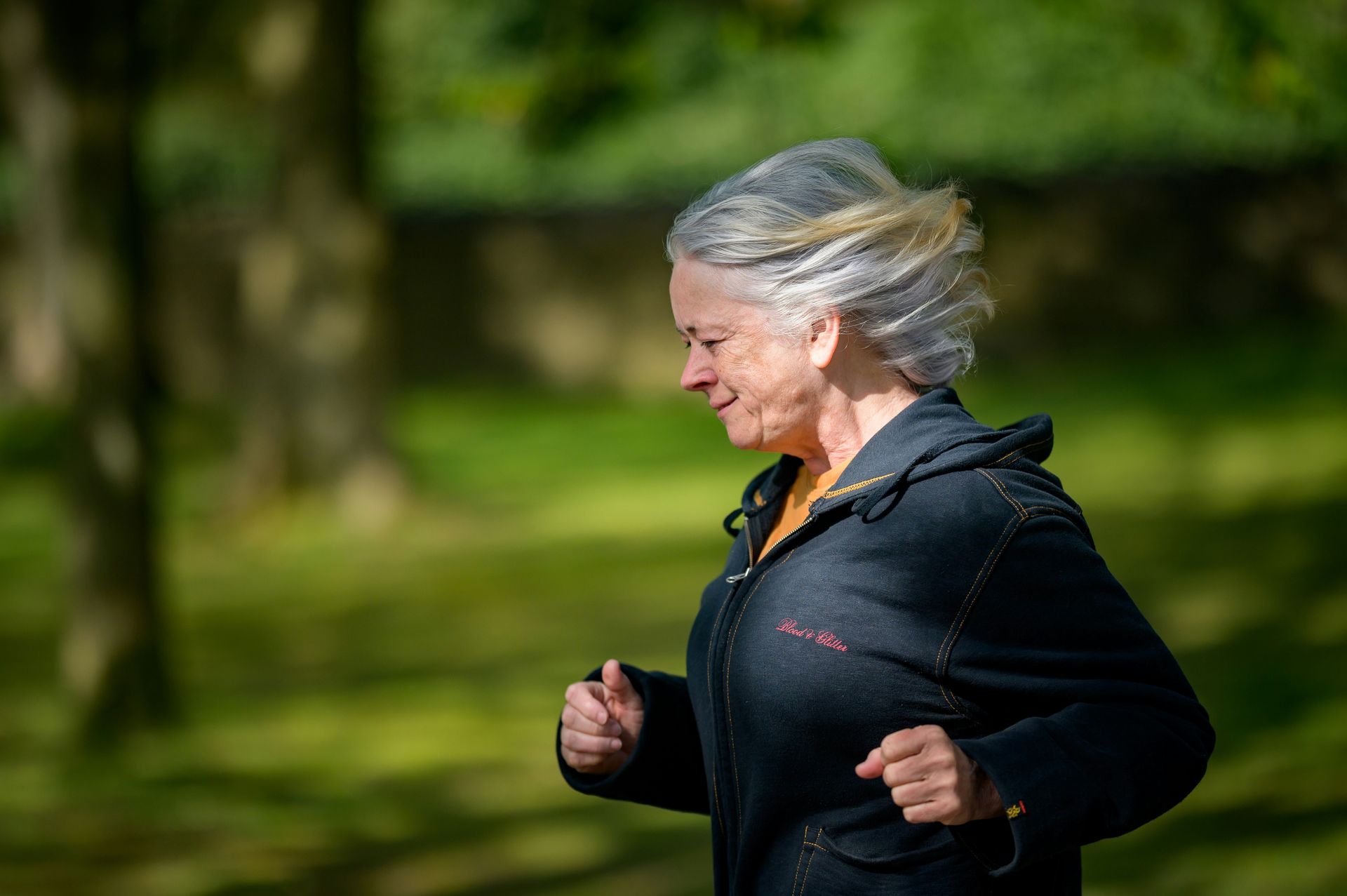
The relationship between walking and longevity is one of the most extensively studied dose-response relationships in epidemiology, and the consistency of the findings across populations, methodologies, and study designs gives the conclusion unusual strength: more walking is associated with longer life, across a wide range of ages, and the relationship holds at walking volumes well below the levels that most people would consider serious exercise.
The 2019 study by Pedro Saint-Maurice and colleagues at the National Cancer Institute, analyzing data from 4,840 U.S. adults wearing accelerometers, found that each increment of 1,000 steps per day above the average was associated with a 28% reduction in mortality risk, with the relationship continuing up to approximately 12,000 steps per day. The relationship was not dependent on step intensity — slow steps and fast steps provided comparable mortality benefits per step at lower activity levels, with brisk steps providing additional benefit primarily at higher step counts.
A 2022 meta-analysis published in The Lancet, covering 15 studies and over 47,000 participants, found that the greatest reduction in mortality risk — approximately 60% compared to the least active participants — occurred in those walking approximately 8,000 to 10,000 steps per day, with diminishing additional returns beyond that range. Participants walking 2,000 to 4,000 steps per day still showed a 40 to 45% lower mortality risk than those walking fewer than 2,000 steps, illustrating how large the benefit is even at relatively modest activity levels.
The specific mechanisms connecting walking to longevity operate through multiple pathways simultaneously: reduced cardiovascular disease risk, reduced cancer risk (particularly colon and breast cancer, for which physical activity is a documented protective factor), better metabolic health, maintained muscle and bone mass, and lower risk of the falls and mobility limitations that reduce quality and length of life in older adults.
Centre for Ageing Better / Pexels
Walking is a bone-loading exercise — an activity that applies mechanical stress to bones through the impact of footfall and the muscular forces transmitted through the skeleton — and bone responds to mechanical loading by increasing density and structural strength in the loaded regions. This adaptive response, governed by the mechanostat theory of bone remodeling, makes weight-bearing exercise including walking one of the most effective strategies for maintaining and improving bone density across the life course.
The bone density benefits of walking are most significant in the context of osteoporosis prevention. Osteoporosis — the reduction of bone density to levels that significantly increase fracture risk — affects approximately 200 million people globally and is responsible for an estimated 9 million fractures per year. The bones most vulnerable to osteoporotic fractures — the hip, the vertebrae, and the wrist — are all in regions loaded by regular walking, and epidemiological evidence consistently finds lower osteoporosis prevalence and hip fracture rates in people who maintain regular weight-bearing physical activity.
A 2014 meta-analysis of 20 randomized controlled trials found that walking interventions produced significant improvements in lumbar spine bone density in postmenopausal women — the population at highest risk for osteoporosis — compared to sedentary controls. The magnitude of the effect was modest on a per-session basis but accumulates significantly over years of consistent practice.
The bone-loading benefit of walking is specifically dependent on its weight-bearing character: swimming and cycling, while excellent cardiovascular exercises, do not load the skeleton in the same way and do not produce the bone density benefits of walking. For people seeking to maintain bone health specifically, walking (or other weight-bearing activities) cannot be substituted by non-weight-bearing alternatives without losing this specific benefit.

Aaron Andrew Ang / Pexels
Regular walking is associated with measurable improvements in cognitive function across multiple domains — memory, attention, processing speed, executive function — and with reduced risk of dementia and cognitive decline in aging populations. The evidence base for this relationship is substantial, and the mechanisms — through which physical activity influences brain structure and function — are increasingly well-characterized.
The most direct mechanism is BDNF production. Brain-derived neurotrophic factor promotes the growth, survival, and connectivity of neurons and is reduced in people with depression and Alzheimer's disease. Regular aerobic exercise including walking increases BDNF production, particularly in the hippocampus — the brain region most directly associated with memory formation and the region most severely affected in Alzheimer's disease. The hippocampal neurogenesis that BDNF supports is one of the few contexts in which adult brain tissue generates new neurons.
A landmark 2011 randomized controlled trial by Kirk Erickson and colleagues found that adults who walked 40 minutes three times per week for a year showed a 2% increase in hippocampal volume — reversing the approximately 1 to 2% annual hippocampal volume loss typical of sedentary aging — while a stretching control group showed continued hippocampal volume loss. The volumetric improvement was associated with better performance on spatial memory tasks and with higher serum BDNF levels.
Epidemiological evidence for dementia risk reduction from regular walking is consistent across multiple cohort studies. A 2022 analysis of data from 78,430 UK Biobank participants found that approximately 9,800 steps per day was associated with the largest reduction in dementia incidence — a 51% lower risk compared to sedentary participants — with step intensity providing additional benefit beyond step count alone. The optimal step count for dementia risk reduction was lower than that for cardiovascular mortality reduction, suggesting that moderate daily walking provides substantial protection against cognitive decline.

Los Muertos Crew / Pexels
Regular walking improves sleep quality in ways that are measurable through both subjective self-report and objective sleep monitoring, and the mechanisms through which physical activity influences sleep are well-established. For people experiencing insomnia, poor sleep quality, or age-related sleep deterioration, a regular walking habit is one of the most evidence-supported non-pharmacological sleep interventions available.
Walking's sleep benefits operate through several mechanisms. The rise and fall of core body temperature that accompanies exercise — elevated during activity, declining in the recovery period — is a physiological signal that prepares the body for sleep, complementing the natural circadian decrease in core temperature that accompanies the transition to the sleep period. Morning walking specifically, by providing bright light exposure and establishing the circadian cortisol rhythm, reinforces the biological timing of the sleep-wake cycle in ways that support reliable sleep onset at night.
A 2019 meta-analysis of 22 randomized controlled trials found that walking interventions significantly improved sleep quality as measured by the Pittsburgh Sleep Quality Index, reduced sleep latency (time to fall asleep), and increased total sleep time compared to sedentary controls. The effects were most pronounced in older adults and in people with existing sleep disorders, but were significant across age groups.
The timing of walking relative to sleep onset matters. Morning and afternoon walking are consistently associated with improved sleep quality. Evening walking, done within two hours of bedtime, has a more complex relationship with sleep: some research finds it stimulating in a way that delays sleep onset, while other research finds the sleep-promoting effects of the temperature decrease after the walk outweigh the stimulation. The individual variability is large enough that the specific timing recommendation should be based on personal experience rather than on a universal rule.

Annushka Ahuja / Pexels
Walking's role in weight management is frequently dismissed in fitness culture on the grounds that its caloric expenditure is modest compared to more intense exercise — a 30-minute brisk walk burns approximately 150 to 200 calories for a typical adult, compared to 300 to 400 calories for 30 minutes of running. This framing misrepresents both the evidence on walking and weight and the practical comparison between walking and more intense alternatives.
The most relevant evidence on walking and weight management comes from studies of daily step count and weight outcomes rather than from comparisons of single exercise sessions. A 2008 study in the International Journal of Obesity found that the most consistent predictor of weight maintenance over a three-year period in a population of formerly obese adults was daily step count, outperforming exercise intensity, diet composition, and several other measured variables. The pedestrian nature of the activity — something that could be integrated into daily movement patterns rather than requiring dedicated gym time — was identified as the primary explanation for its effectiveness in long-term weight maintenance.
Walking's specific advantage over more intense exercise for weight management comes from its effect on non-exercise activity thermogenesis (NEAT) — the energy expended in all movement outside of formal exercise. Research has found that people who engage in high-intensity exercise sometimes compensate by reducing their non-exercise activity (moving less for the remainder of the day, taking elevators rather than stairs), producing less total daily energy expenditure than anticipated. Walkers tend to show less compensatory reduction in other activity, producing more consistent total daily movement.
The hormonal response to walking — modest increases in cortisol and appetite-stimulating hormones — is also more favorable for weight management than the hormonal response to intense exercise, which produces larger appetite stimulation and can make caloric restriction more difficult to maintain.

Anna Shvets / Pexels
Walking — particularly walking in natural environments — is one of the most effective and best-documented behavioral interventions for managing the physiological stress response, reducing cortisol levels, and shifting the autonomic nervous system toward the parasympathetic (rest-and-digest) state. The evidence spans from laboratory-controlled cortisol measurements to real-world epidemiological studies linking green space access and walking to stress-related health outcomes.
The physiological mechanism operates through the activation of the parasympathetic nervous system that sustained, moderate, rhythmic movement produces. Walking's repetitive movement pattern — the bilateral, alternating rhythm of footfall — is a form of bilateral stimulation that activates the parasympathetic nervous system and reduces sympathetic (fight-or-flight) activation, producing reductions in heart rate, blood pressure, and cortisol that persist for hours after the walk ends.
Walking in natural environments — green spaces, parks, forests, near water — produces additional stress-reducing effects beyond those of walking in urban environments, through mechanisms including attention restoration theory (natural environments engage involuntary attention without demanding directed effort, allowing the directed attention system to recover) and stress recovery theory (natural environments activate the parasympathetic nervous system more effectively than urban environments through the specific sensory properties of natural stimuli).
A 2015 study published in Proceedings of the National Academy of Sciences found that a 90-minute walk in a natural environment reduced activity in the subgenual prefrontal cortex — the brain region associated with rumination and self-referential negative thought — compared to a walk in an urban environment, providing neuroimaging evidence for the specific mechanism through which natural walking reduces the ruminative thought patterns that accompany chronic stress and depression.

Miriam Alonso / Pexels
Walking is among the most effective non-pharmacological interventions for chronic lower back pain — the most common cause of disability globally, affecting approximately 619 million people — and its effectiveness is specifically linked to properties that distinguish it from both sedentary behavior and from more intense forms of exercise. The evidence for walking as a back pain intervention has strengthened considerably in the past decade.
The mechanisms are multiple. Walking activates the deep stabilizing muscles of the lumbar spine — the multifidus and the transversus abdominis — in a coordinated pattern that reinforces spinal stability without the compressive loads that heavier exercise imposes. It maintains the spinal mobility that prolonged sitting degrades. It improves the circulation to intervertebral disc tissue, which has limited direct blood supply and relies partly on movement-driven fluid exchange for nutrient delivery. And it produces the neurobiological effects — increased endorphin and serotonin — that reduce the central sensitization to pain that characterizes chronic lower back pain.
A landmark 2024 randomized controlled trial published in The Lancet, involving 701 adults with recurrent non-specific low back pain, found that a walking and education program designed to keep participants walking at a personalized pace for 30 minutes five days per week significantly reduced the recurrence of back pain episodes — participants had 28% fewer recurrences over three years compared to controls, and those who did experience recurrences recovered approximately two weeks faster than controls.
The walking intervention's effectiveness in preventing recurrence — rather than simply treating acute pain — is particularly significant because recurrence is the most common and most costly feature of lower back pain. Most people who experience a back pain episode recover within weeks regardless of treatment; the problem is that 70% of them experience a recurrence within a year. Walking's effect on recurrence addresses the chronic rather than the acute dimension of the condition.

Ryoji Iwata / Unsplash
One of walking's most practically significant advantages over more intense forms of exercise is its accessibility — across fitness levels, ages, incomes, and physical limitations — and its long-term sustainability as a habit. The evidence that people maintain walking habits more consistently than more intense exercise programs is robust and directly relevant to the actual health outcomes that real-world exercise behavior produces.
The dropout rate from vigorous exercise programs is high and well-documented. Studies of exercise interventions find that approximately 50% of people who begin a vigorous exercise program discontinue within six months, with injury, time pressure, cost, and access as the primary barriers. Walking has consistently lower dropout rates in intervention studies — partly because it requires no equipment, no facility access, no special skills, and no minimum fitness level, and partly because its intensity can be adjusted continuously to remain within a comfortable range as fitness varies.
The sustainability advantage is directly relevant to health outcomes because the health benefits of exercise accrue through consistent practice over years rather than through intensive short-term participation. A person who walks 30 minutes a day for ten years accumulates vastly more health benefit than a person who runs five times a week for six months and then stops. The research comparing the long-term health outcomes of different exercise modalities consistently finds that adherence is the most important predictor of outcomes, and walking's accessibility supports adherence in ways that more demanding modalities do not.
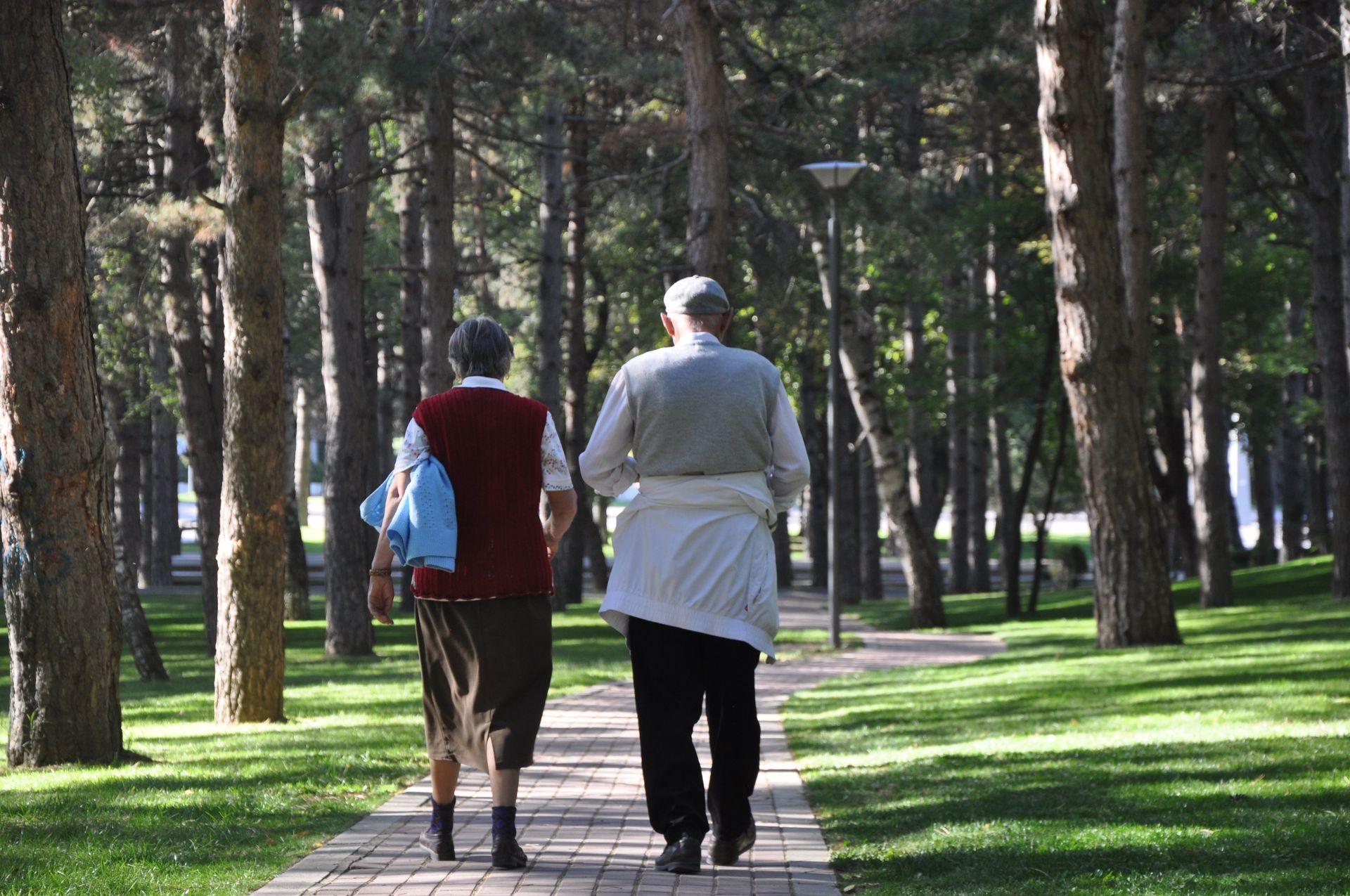
For older adults, the accessibility dimension is particularly significant. Walking is the form of exercise that remains feasible for the largest proportion of people across the widest range of health conditions and physical limitations, and its effectiveness in maintaining mobility, bone density, cognitive function, and cardiovascular health in older adults — the population that derives the largest absolute benefit from maintained physical activity — makes it the default recommendation of geriatric medicine and preventive health guidelines globally.

Barbara Olsen / Pexels
Regular moderate-intensity walking is associated with improved immune function and reduced frequency and severity of upper respiratory infections — a finding that positions it as a behavioral intervention for immune health alongside nutrition and sleep. The relationship between exercise intensity and immune function follows a J-shaped curve: sedentary behavior is associated with depressed immune function, moderate exercise with enhanced immune function, and very high-intensity training with temporary immune suppression. Walking sits in the optimal zone of this curve.
The mechanisms operate through multiple immune pathways. Walking increases the circulation of natural killer cells and T lymphocytes — the immune cells that identify and destroy virally infected and cancerous cells — through increased cardiac output and the mobilization of immune cells from peripheral tissues. A single walk of 45 minutes produces a measurable post-exercise increase in circulating immune cell activity that lasts several hours. Repeated over days and weeks, this repeated mobilization is thought to improve the surveillance capacity of the immune system.
A frequently cited study by David Nieman and colleagues at Appalachian State University followed 1,002 adults for 12 weeks during the autumn and winter and found that those who walked at least 20 minutes a day, five days a week, had 43% fewer sick days than sedentary participants. When walkers did contract upper respiratory infections, their illnesses were significantly shorter and milder than those of sedentary participants. The study was conducted without a controlled environment, limiting its ability to establish causation definitively, but it is consistent with the mechanistic evidence for walking's immune benefits.
Chronic psychological stress suppresses immune function through the same HPA axis and cortisol elevation mechanisms discussed in the stress slide. Walking's cortisol-reducing and parasympathetic-activating effects therefore support immune function indirectly as well as directly — reducing the immune suppression that chronic stress produces while simultaneously promoting the active immune surveillance that moderate exercise stimulates.

Social connection
Luke Porter / Unsplash
Walking is one of the most socially facilitative forms of physical activity available, and the combination of its physical health benefits with the psychological and social benefits of shared activity makes walking with others one of the highest-return behavioral investments in wellbeing available. The walking conversation — moving side by side rather than face to face — has specific social properties that stationary conversation does not, and these properties have been studied in therapeutic, educational, and interpersonal relationship contexts.
Walking side by side reduces the eye contact and face-to-face pressure of stationary conversation, producing a conversation format that many people find easier for discussing difficult topics, for honest self-disclosure, and for the kind of sustained, low-pressure conversation that deepens relationships. Therapists who conduct "walk and talk" therapy — conducting sessions while walking rather than in an office — report that clients disclose more easily, are less defensive, and engage more actively with the therapeutic process when walking than when sitting.
Educational research has documented similar effects: students who walk during learning activities show better engagement, better recall of discussed content, and better relationship quality with conversation partners than those who discuss the same topics seated. The physical co-activity of walking appears to reduce self-consciousness and social comparison in ways that facilitate genuine connection.
Walking groups — organized community walking groups that meet regularly — are among the most studied social interventions in public health. A systematic review of walking group research found that participants showed improvements in blood pressure, resting heart rate, body mass index, and depression, as well as strong self-reported improvements in social connection and perceived community belonging. The combination of regular physical activity with consistent social contact in a low-cost, low-barrier format makes organized walking groups one of the most cost-effective public health interventions documented.