Discover five warning signs of a bad car deal, from high-pressure sales tactics to hidden vehicle history issues, before you buy
Koons Automotive / Unsplash
Buying a car is one of the biggest financial decisions many people make, which is why it's important to recognize warning signs before signing any paperwork. While a shiny exterior or a seemingly unbeatable price can be tempting, the details behind the sale often reveal whether you're getting a great value or walking into an expensive mistake. Paying attention to how a seller behaves, how transparent they are about the vehicle, and whether they encourage you to inspect the car can save you thousands of dollars and plenty of frustration later.
Whether you're shopping at a dealership or buying from a private seller, the best deals are built on honesty and transparency. Sellers who pressure you, avoid answering questions, or discourage independent inspections should immediately raise concerns. Likewise, vehicles with missing documentation or suspiciously low prices deserve extra scrutiny before you hand over your money.
According to a report by Reader’s Digest, spotting a bad car deal doesn't require you to be a mechanic. A few simple observations can help you separate trustworthy sellers from questionable ones and prevent costly surprises after the purchase.
Here are five warning signs that should make you think twice before moving forward.
Clayton Cardinalli / Unsplash
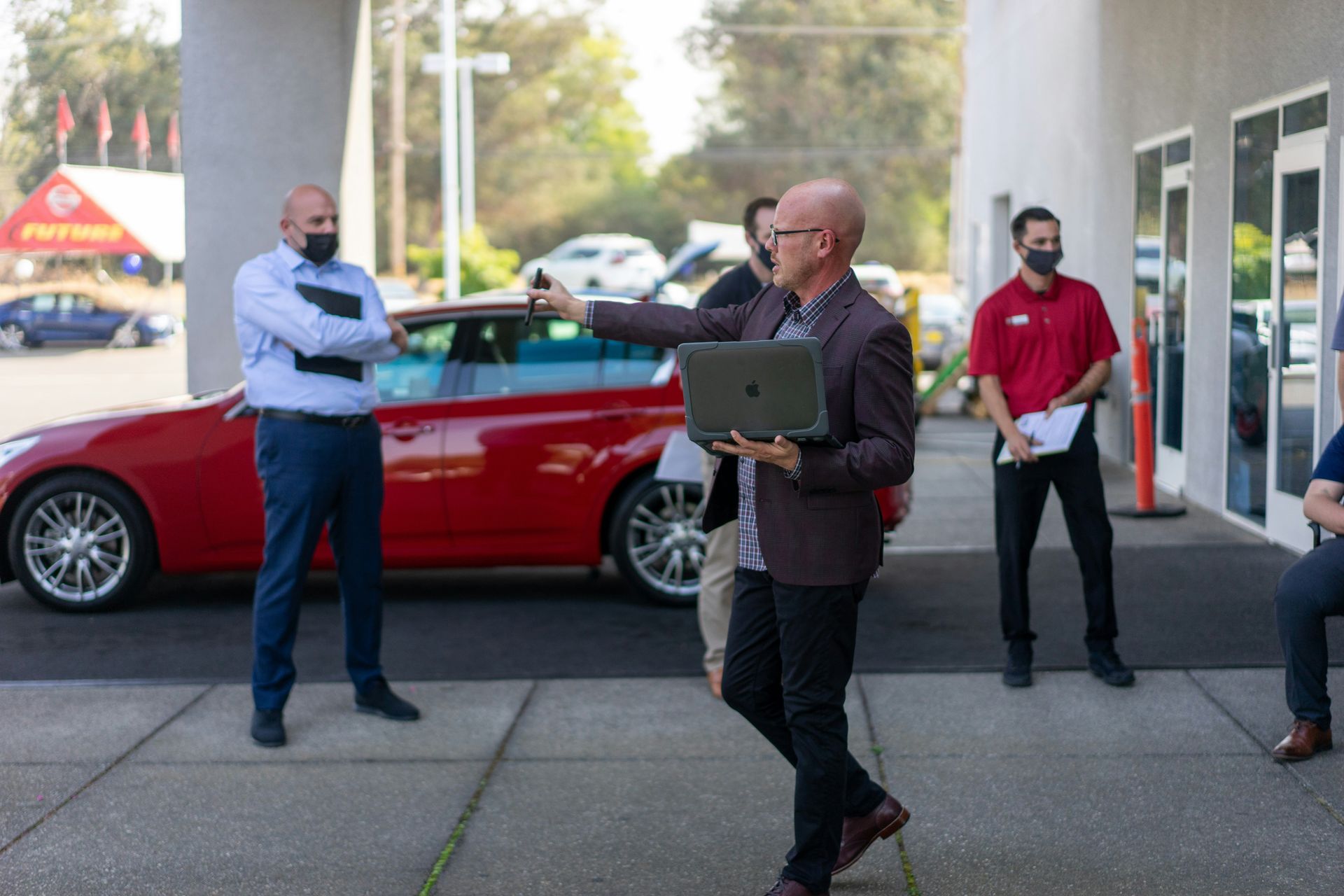
High-pressure sales tactics are one of the biggest warning signs that something isn't right. As Reader's Digest explains, some sellers create a false sense of urgency by claiming another buyer is interested or insisting a special price won't last. These tactics are meant to stop you from comparing prices, researching the vehicle, or thinking through your decision. A trustworthy seller should give you enough time to inspect the car, review the paperwork, and make an informed choice without feeling rushed.

Francesco Vantini / Unsplash
A reputable seller should have no problem sharing a vehicle history report or allowing you to verify ownership through the title and VIN. According to Reader's Digest, these records can reveal previous accidents, flood damage, salvage history, or other costly issues that may not be obvious during a test drive. If a seller avoids providing this information or makes excuses, it's a strong indication that you should walk away.
Koons Automotive / Unsplash
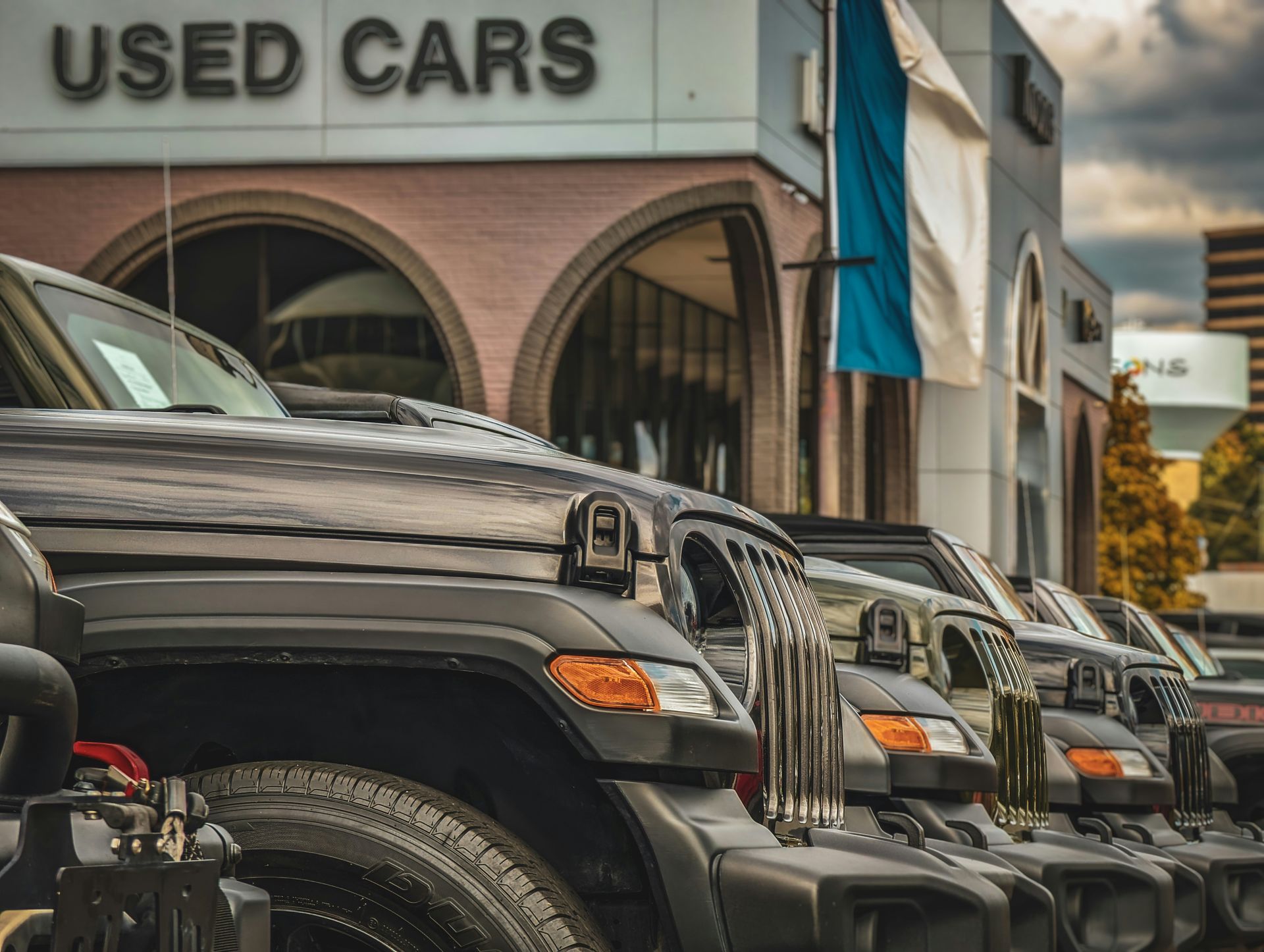
Everyone loves finding a bargain, but an unusually low asking price deserves extra scrutiny. Reader's Digest notes that a vehicle priced well below similar models may have hidden mechanical problems, accident damage, title issues, or could even be part of a scam. Comparing prices with similar vehicles before making an offer can help you determine whether the deal is truly legitimate or simply too good to be true.
Chuttersnap / Unsplash
One of the smartest steps you can take before buying a used vehicle is having it inspected by a trusted mechanic. Reader's Digest recommends treating any resistance to an independent inspection as a serious warning sign. Honest sellers generally have nothing to hide, while those who refuse an inspection may be trying to conceal expensive mechanical problems that could leave you with costly repairs after the purchase.

Kenjiro Yagi / Unsplash
If the conversation quickly shifts from the vehicle's actual price to an affordable monthly payment, proceed carefully. Reader's Digest warns that focusing only on monthly payments can make it easier for sellers to hide higher overall costs through longer loan terms, extra fees, or expensive add-ons. Understanding the total purchase price before discussing financing helps ensure you're evaluating the true value of the deal.
