From cane toads to ozone holes, the unintended consequences of human activity have reshaped ecosystems, altered climates, and produced some of the strangest chapters in natural history
Kevin Frayer / Getty Images
The natural world has been shaped by human decisions that were never meant to shape it. The ozone hole was a side effect of making refrigerators safe. The Aral Sea was drained to grow cotton. Four billion American chestnut trees were killed by a fungus that arrived on an ornamental plant. In each case the original decision was reasonable. The consequences were not foreseeable with the tools available. And the damage, in most cases, outlasted any ability to undo it.
This list covers 15 of the most consequential unintended alterations humans have made to the natural world. They range from single-species introductions that restructured entire ecosystems to chemical byproducts that altered the chemistry of the atmosphere. Some are still unfolding. A few have been partially reversed. All of them follow the same basic pattern: an intervention made without full understanding of the system it was entering, producing effects that rippled outward in ways nobody had traced in advance.
SOPA Images / Getty Images
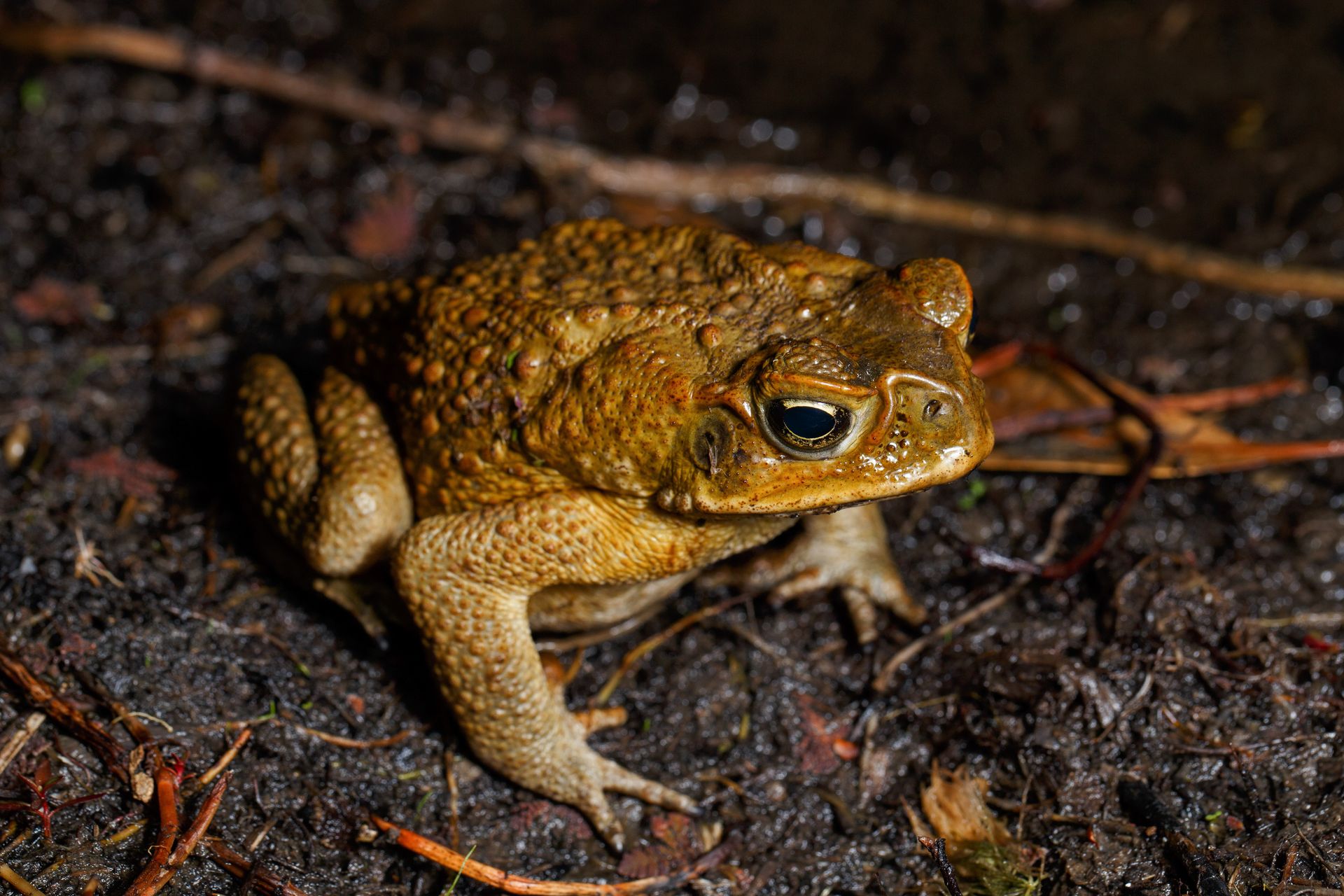
In 1935, the Bureau of Sugar Experiment Stations in Queensland introduced 102 cane toads — Rhinella marina, native to Central and South America — to Australian sugarcane fields, in the hope that they would control the cane beetle larvae that were damaging the crop. The toads were bred in captivity and released across North Queensland. The population today is estimated at over 200 million, distributed across Queensland, New South Wales, the Northern Territory, and Western Australia, advancing at a rate of roughly 40 to 60 kilometers per year. They have become one of the most ecologically damaging invasive species in Australian history.
The fundamental error was a mismatch between the pest and the solution. Cane beetles spend most of their life cycle underground as larvae, in the soil around the base of the sugarcane. Cane toads cannot burrow. They feed at ground level on whatever insects and small animals are available — not primarily on cane beetles, which were mostly inaccessible to them, but on native insects, small mammals, birds, and reptiles. The intended pest control function was largely ineffective. The unintended ecological disruption was enormous.
The mechanism of damage operates primarily through toxicity. Cane toads carry large parotoid glands behind their heads that secrete a powerful bufotoxin — a cardiac glycoside that causes cardiac arrest in animals that attempt to eat them. Australian predators — quolls, goannas, freshwater crocodiles, snakes, and others — had not evolved alongside cane toads and had no instinctive aversion to them. Many species were severely affected by consuming the toads. Quoll populations in affected areas declined by up to 90% in some regions. Some goanna populations were reduced by as much as 97%.
The spread of cane toads has been studied more intensively than almost any other invasive species introduction in history, and the research has produced one unexpected finding: in some predator populations, rapid evolutionary adaptation is occurring. In areas where cane toads have been present longest, some goanna and snake populations show measurable changes in mouth size — smaller mouths that cannot fit large toads — and behavioral aversion to toad-like stimuli. Evolution, it turns out, can operate faster than population ecologists once believed. The cane toad is now, inadvertently, one of the most important natural experiments in rapid evolution in the world.
Universal History Archive / Getty Images
In 1974, chemists Mario Molina and F. Sherwood Rowland published a paper in Nature arguing that chlorofluorocarbons — CFCs, the synthetic compounds used as refrigerants, aerosol propellants, and foam-blowing agents since the 1930s — were accumulating in the stratosphere and could catalytically destroy the ozone layer that shields Earth's surface from ultraviolet radiation. The paper was initially controversial. The chemical industry disputed the findings. The consequences, if the paper was correct, were described as potentially catastrophic for human health and terrestrial ecosystems. Molina and Rowland received the Nobel Prize in Chemistry in 1995.
CFCs were not designed to harm anything. They were designed to be inert — stable, non-toxic, non-flammable — specifically because earlier refrigerants, including ammonia and sulfur dioxide, were toxic and posed hazards in domestic settings. Thomas Midgley Jr., the chemist who developed CFCs in the 1920s, demonstrated their safety at a conference by inhaling a breath of the gas and using it to extinguish a candle — a performance that made the point about their non-toxicity while entirely missing the atmospheric chemistry that would take decades to manifest.
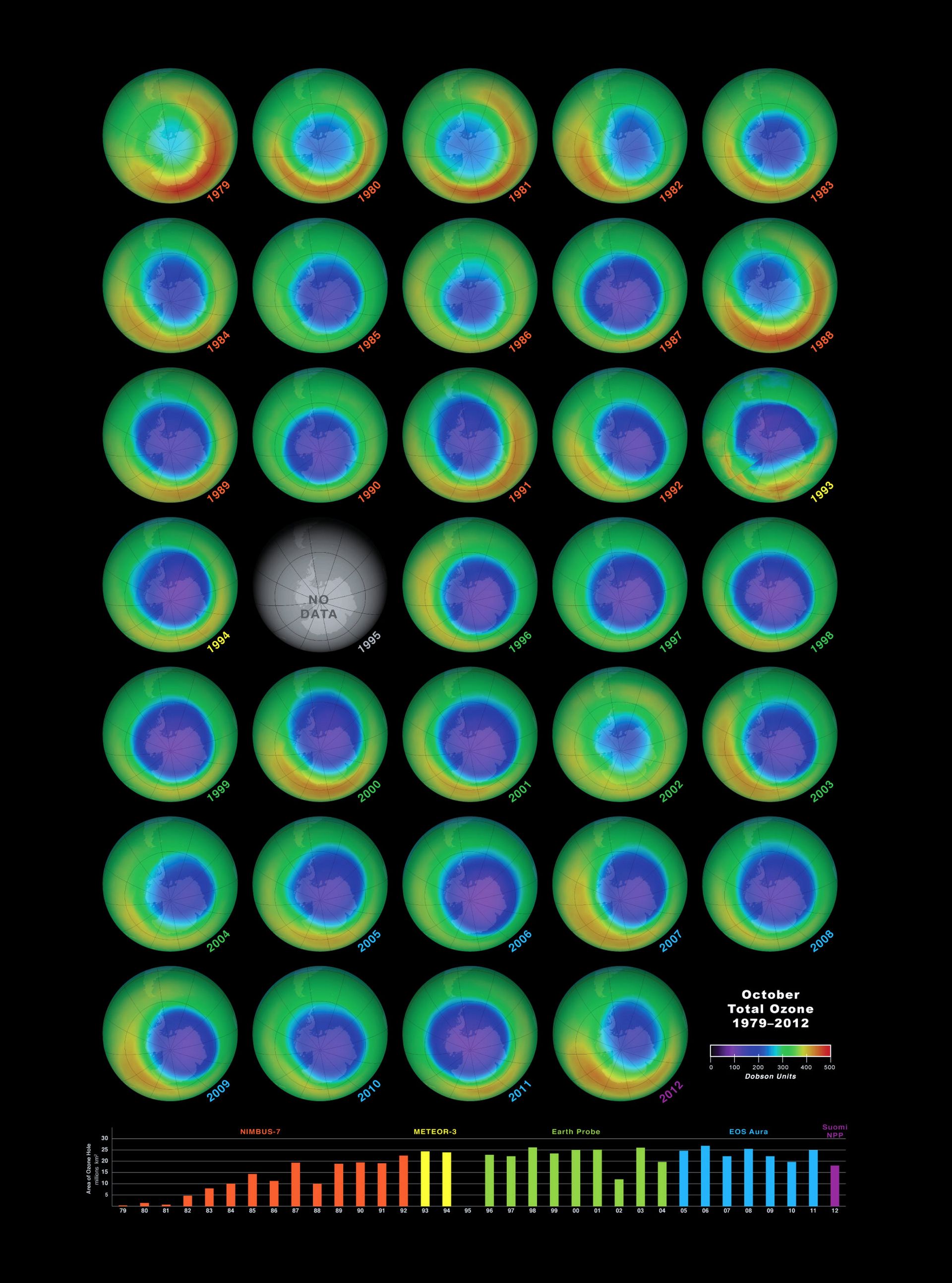
The mechanism of ozone destruction involves a catalytic chain reaction. When CFC molecules reach the stratosphere, ultraviolet radiation breaks them apart, releasing chlorine atoms. Each chlorine atom can destroy up to 100,000 ozone molecules before being deactivated. The destruction is most severe over Antarctica, where the specific meteorological conditions of polar winter create stratospheric ice clouds that accelerate the chemistry — producing the Antarctic ozone hole first observed in the 1980s.
The Montreal Protocol of 1987 — the international agreement to phase out CFC production — is widely considered the most successful environmental treaty in history. The ozone layer is recovering, slowly, and is projected to return to pre-1980 levels over Antarctica by roughly 2066. The story is one of the few in environmental history in which a major anthropogenic damage to the atmosphere was identified, its cause agreed upon, and an effective international response implemented — a model whose success has made the contrast with climate change all the more striking.
David Turnley / Getty Images
The Aral Sea, once the fourth-largest lake in the world — a body of water in Central Asia roughly the size of Ireland — had largely ceased to exist by the early 2000s, reduced to a series of disconnected, hypersaline remnants by one of the most extensive irrigation projects in history. The Soviet decision in the 1950s and 1960s to divert the two rivers that fed it — the Amu Darya and the Syr Darya — to irrigate cotton fields in the surrounding desert was made with full awareness that the sea would shrink. The scale of the shrinkage, and the ecological and human consequences, were not anticipated.
The rationale was cotton production. The Soviet Union wanted to be self-sufficient in cotton, and the Central Asian desert, given water, could grow it. The rivers were diverted through an enormous system of canals — the Karakum Canal, one of the longest irrigation canals in the world, was completed in 1956. Cotton production increased. The Aral Sea began to fall.
By 1987, the sea had split into two separate bodies. By 1997, it had lost more than 80% of its volume. The fishing industry that had supported a population of 60,000 people around the sea's shore — producing 40,000 tons of fish per year in the 1950s — was gone. The sea's former floor became a salt and pesticide desert, from which toxic dust storms now blow across hundreds of kilometers, affecting the health of populations in Kazakhstan and Uzbekistan. The regional climate changed: without the moderating influence of the large water body, winters became colder and summers hotter.
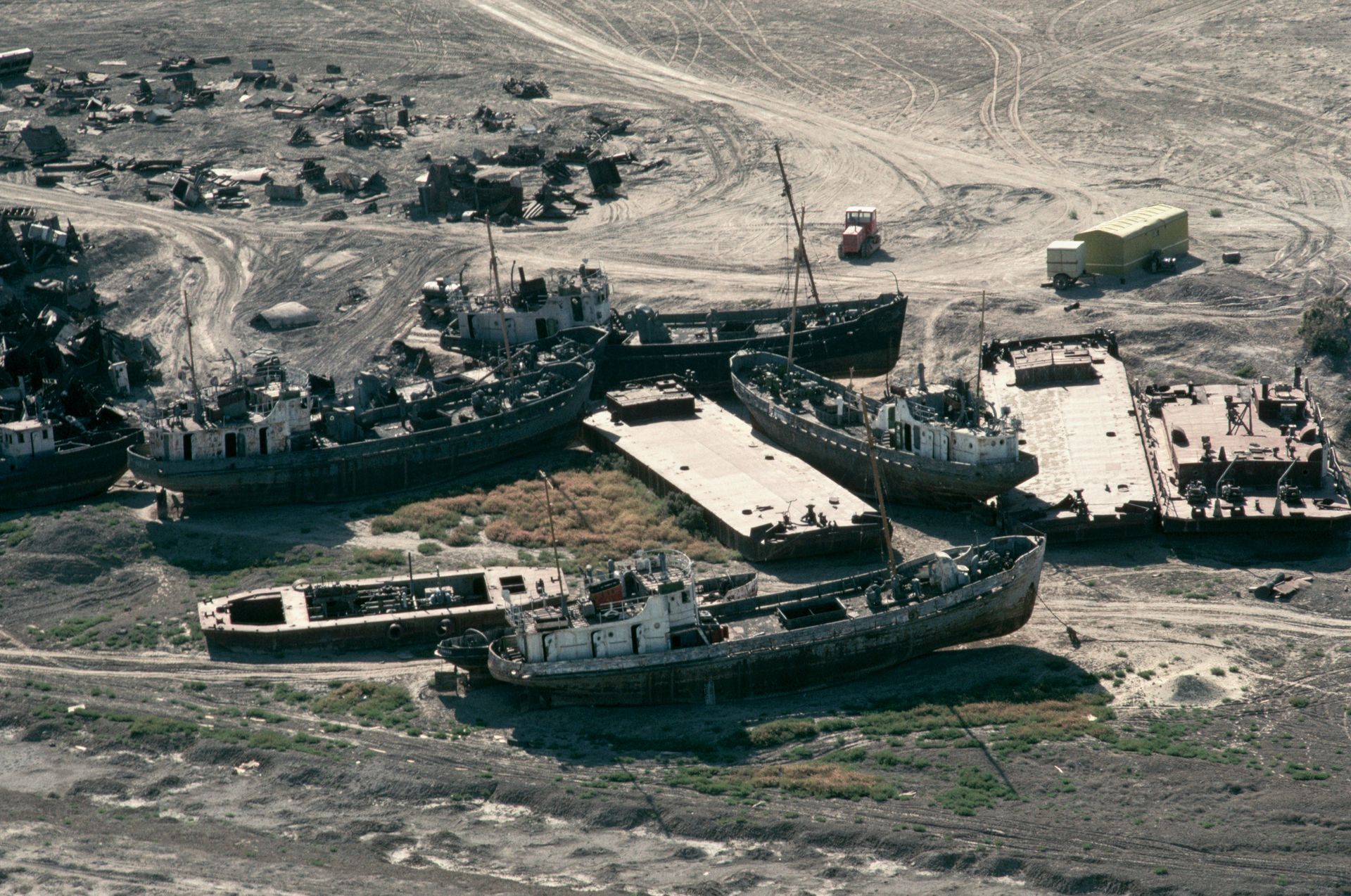
The ships that once sailed on the Aral Sea now sit in the desert, rusting. Photographs of them have become the most widely reproduced images of environmental catastrophe in the world. A partial recovery has occurred in the smaller northern portion — the North Aral Sea — following the construction of a dam by Kazakhstan in 2005, which has raised water levels and allowed some fishing to resume. The larger southern basin is considered unrecoverable.
Bettmann / Getty Images
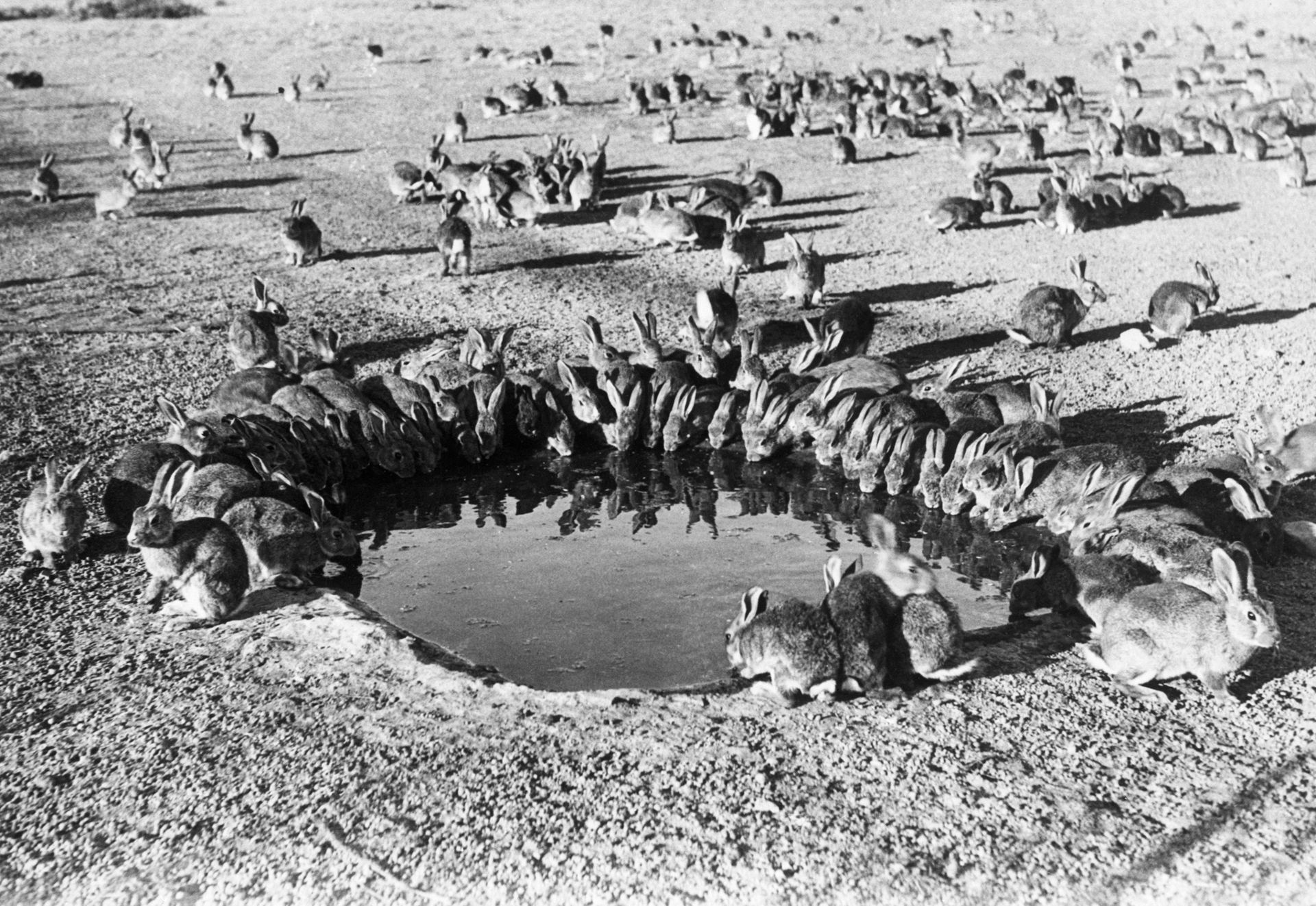
Twelve wild European rabbits were released on a property near Geelong, Victoria, in 1859 by English settler Thomas Austin, who wanted to hunt them for sport. Within ten years, rabbits were spreading across southeastern Australia at a rate that alarmed agricultural authorities. By 1920, Australia had an estimated ten billion rabbits — the fastest spread of any colonizing mammal in recorded history. The ecological consequences, combined with the subsequent attempts to control them, constitute one of the longest-running ecological disasters in Australian history.
The speed of the spread was enabled by Australia's specific conditions: a climate similar to the rabbit's Mediterranean homeland, an absence of natural predators, vast areas of degraded pasture that provided food, and a social and political environment that prioritized agricultural expansion over ecological caution. Rabbits compete directly with native herbivores — particularly wallabies, wombats, and bandicoots — for food and shelter, and they alter vegetation structure in ways that reduce habitat quality for a wide range of species.
The attempts to control the rabbit population have produced their own ecological consequences. The myxomatosis virus, introduced in 1950, initially killed 99% of infected rabbits but the population rapidly evolved resistance, and by the 1970s the effectiveness had dropped substantially. The calicivirus, introduced in 1996 (and escaped accidentally from a quarantine facility on Wardang Island before its official release), produced a second wave of population reduction, but again, resistance has developed.
The rabbit story is also an industrial-scale demonstration of natural selection in real time. The rabbits that survive myxomatosis have measurably different immune profiles from pre-introduction populations. The virus itself has evolved toward lower virulence — a pattern predicted by evolutionary theory, in which pathogens that kill their hosts too quickly are selected against. The Australian rabbit population is an ongoing experiment in host-pathogen co-evolution, conducted at continental scale.
Joe Sohm/Visions of America / Getty Images
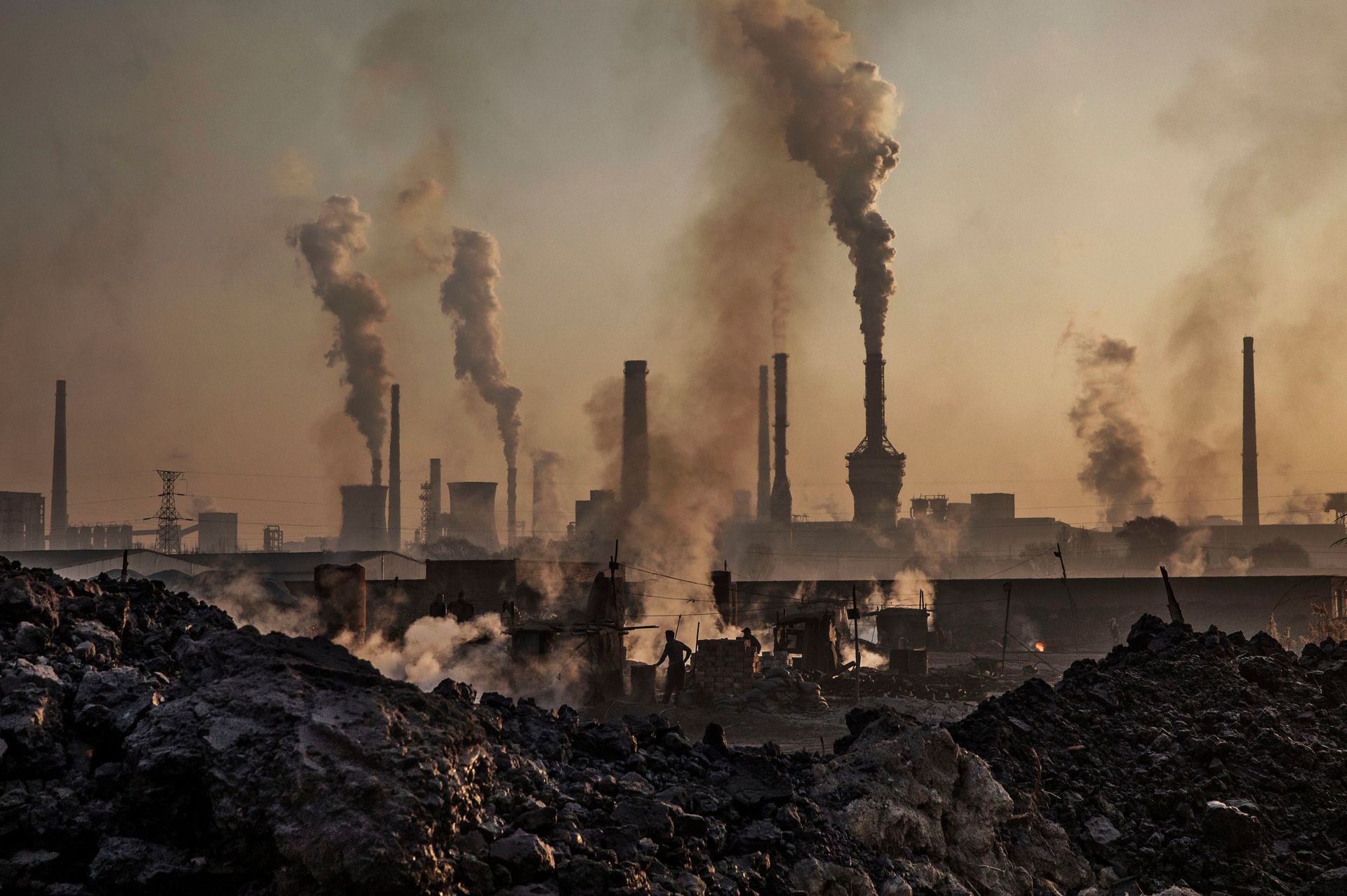
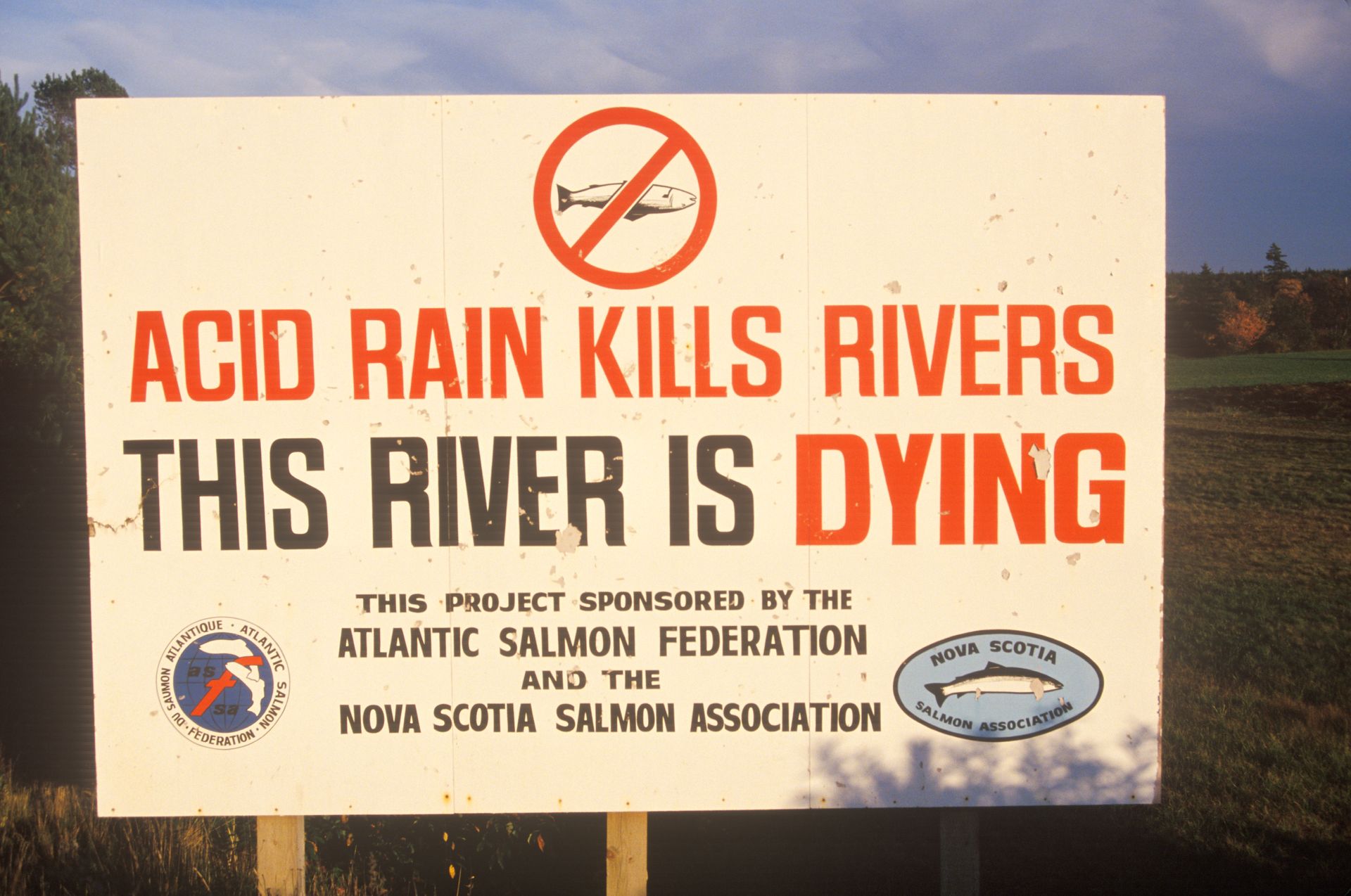
The burning of coal and oil releases sulfur dioxide and nitrogen oxides into the atmosphere. These gases dissolve in water vapor to form sulfuric and nitric acids, which return to Earth as acid rain — precipitation with a pH significantly lower than normal, capable of acidifying lakes and rivers, damaging forests, corroding stone buildings, and leaching nutrients from soil. The phenomenon was first described by English chemist Robert Angus Smith in 1872, but its significance as a widespread environmental problem was not recognized until the 1960s, when Swedish scientists began documenting the acidification of Scandinavian lakes and connecting it to industrial emissions from Britain and Central Europe.
The ecological damage was extensive and specific. Thousands of lakes across Scandinavia, Scotland, and eastern North America became so acidic that fish populations collapsed. The brown trout disappeared from rivers in southern Norway. Atlantic salmon runs declined sharply in affected river systems. Forest damage — yellowing and death of conifers in Germany's Black Forest and across the Appalachian mountains of the eastern United States — was documented through the 1970s and 1980s and attributed partly to acid rain's effect on soil chemistry and its direct damage to foliage.
The political response was complicated by the transboundary nature of the problem: the emissions that acidified Scandinavian lakes came largely from industrial centers in the U.K. and Germany, not from Scandinavia itself. Negotiations between countries with different industrial interests and different levels of damage took years. The 1979 Convention on Long-Range Transboundary Air Pollution and subsequent protocols requiring sulfur emission reductions eventually produced measurable improvements. Sulfur dioxide emissions in Europe fell by more than 70% between 1980 and 2004.
The recovery of acidified lakes following emission reductions was slower than expected in many cases — soil chemistry, once altered, takes decades to normalize — but significant recovery was documented in Scandinavian and North American lake systems through the 1990s and 2000s. Acid rain represents one of the clearest cases in which the environmental damage of industrial emissions was identified, causally linked to specific sources, and reduced through targeted regulation.
LILLIAN SUWANRUMPHA / Getty Images
The electrification of the night sky — the spread of artificial light across urban and suburban landscapes that has made the Milky Way invisible to roughly one-third of humanity — was not designed to harm wildlife. It was designed to extend human productive hours, improve safety, and make cities more navigable after dark. The ecological consequences, which have been studied seriously only since the 1990s, are now understood to be extensive and affect species across virtually every vertebrate and invertebrate group.
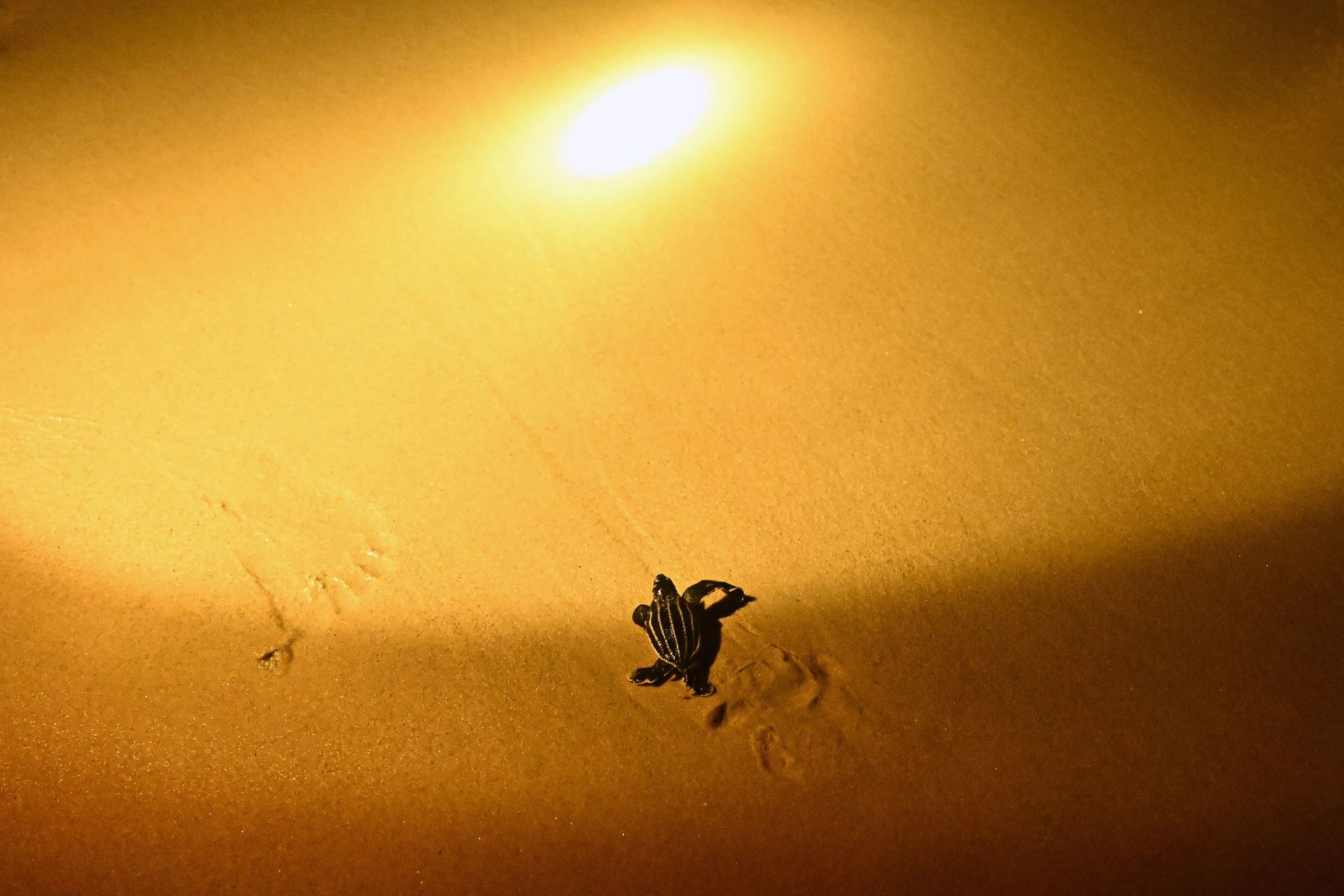
Sea turtle hatchlings navigate from the nest to the ocean by moving toward the brightest horizon, which on a natural beach is the sea reflecting the sky. On developed beaches, artificial lighting from hotels, roads, and houses creates false horizons that lead hatchlings inland, toward roads and parking lots, where they die from dehydration or vehicle strikes. This is among the most studied and most directly demonstrable effects of light pollution on wildlife, and turtle conservation programs on affected beaches now include lighting ordinances and the use of red lights, which turtles appear to find less disorienting.
Migratory birds navigate partly by starlight and partly by the polarization pattern of the night sky, and tall illuminated buildings in migration corridors attract and disorient them. Billions of birds are estimated to die annually from building collisions, with illuminated glass buildings during nocturnal migration contributing significantly to that number. Insects — which navigate and communicate using polarized light — are attracted to artificial lights and exhaust themselves flying around them, and the reduction of insect populations near artificial lights has downstream effects on the birds, bats, and fish that feed on them.
The most pervasive effect may be on circadian biology. Light suppresses melatonin production in vertebrates, and chronic exposure to artificial light at night disrupts the hormonal cycles that regulate sleep, reproduction, immune function, and metabolism. Research in birds has shown that urban birds living under artificial light begin singing earlier in the morning and have different reproductive timing than rural birds. Research in fish has demonstrated altered spawning behavior in artificially lit rivers. The scale of this disruption — affecting essentially all wildlife in urban and suburban environments globally — makes light pollution one of the most widespread ecological alterations humans have produced.
YASUYOSHI CHIBA / Getty Images
Lake Victoria — the largest tropical lake in the world, shared between Uganda, Kenya, and Tanzania — once contained one of the most diverse freshwater fish faunas on Earth: an estimated 500 species of cichlid fish, most of them found nowhere else, that had evolved in the lake over the past 15,000 years in one of the most rapid radiations of species diversity in the fossil record. By the 1980s, the majority of those species were extinct or severely depleted, the victims of one of the most thoroughly documented ecological disasters in the history of conservation biology.
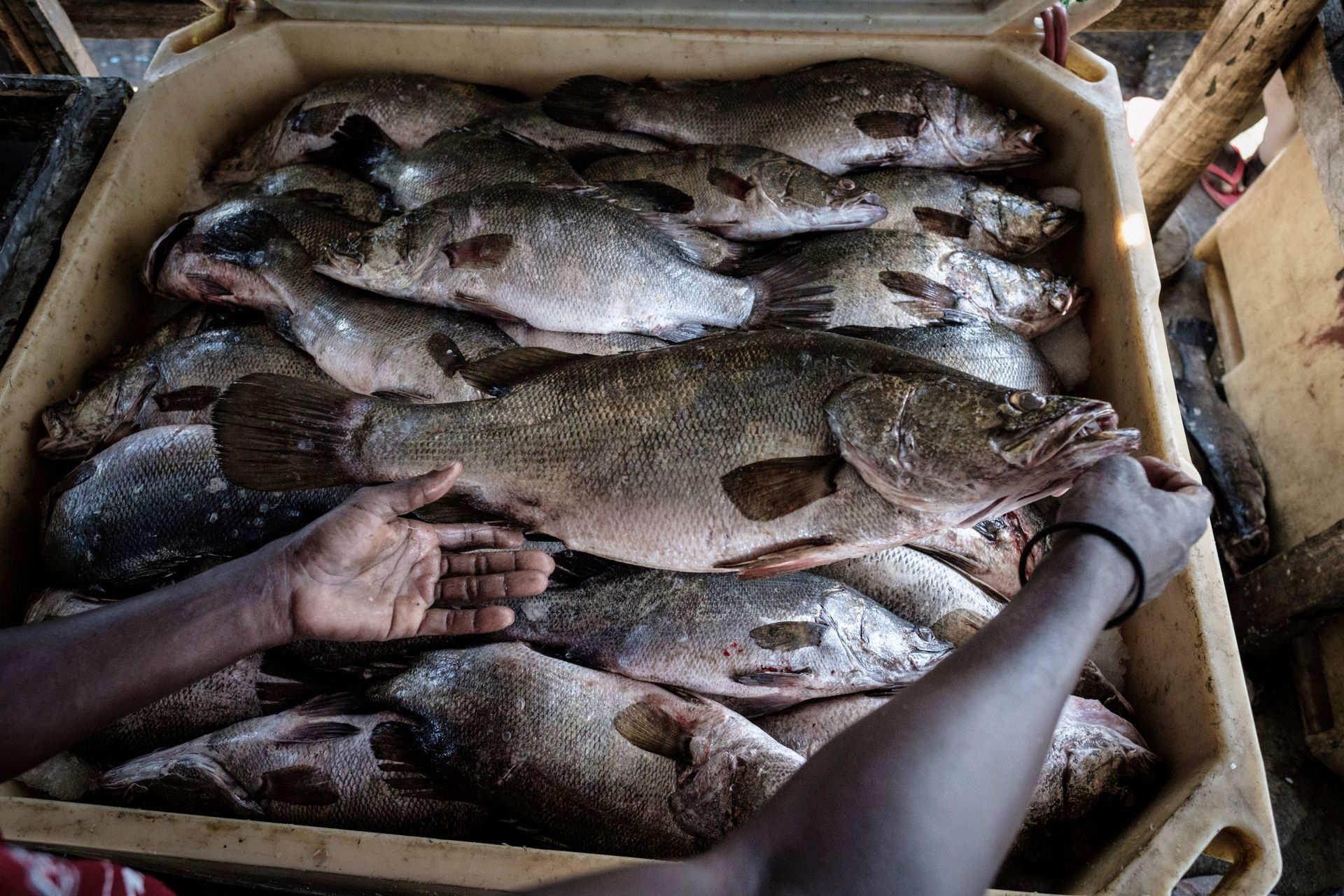
The cause was the Nile perch — Lates niloticus — a large, predatory fish introduced to the lake in the 1950s, possibly by British colonial authorities seeking to improve commercial fisheries. The introduction was not approved or formally planned in any documented record; it appears to have been made informally by fisheries officers who understood that a large commercially valuable fish would support the lake's fishing economy without fully anticipating the predatory effect on the existing fish community.
The Nile perch grew to maturity slowly, and the full ecological impact did not become apparent until the 1980s, when fisheries surveys began documenting the collapse of the cichlid community. The perch, which can reach 200 kilograms, ate its way through the lake's species diversity with an efficiency that the smaller cichlids — adapted to specialist niches rather than predator avoidance — could not survive. The eutrophication of the lake, driven by deforestation of the surrounding watershed and the decomposition of dead fish that deoxygenated the deeper water, compounded the damage.
The Nile perch export industry that developed in the 1980s and 1990s brought significant economic revenue to the lake's surrounding countries but reorganized the fishing economy in ways that displaced traditional fishers and concentrated wealth. The documentary film "Darwin's Nightmare," released in 2004, examined the social consequences of the industry alongside the ecological ones. Some cichlid species were saved through captive breeding programs. The majority were not.
Robert Alexander / Getty Images
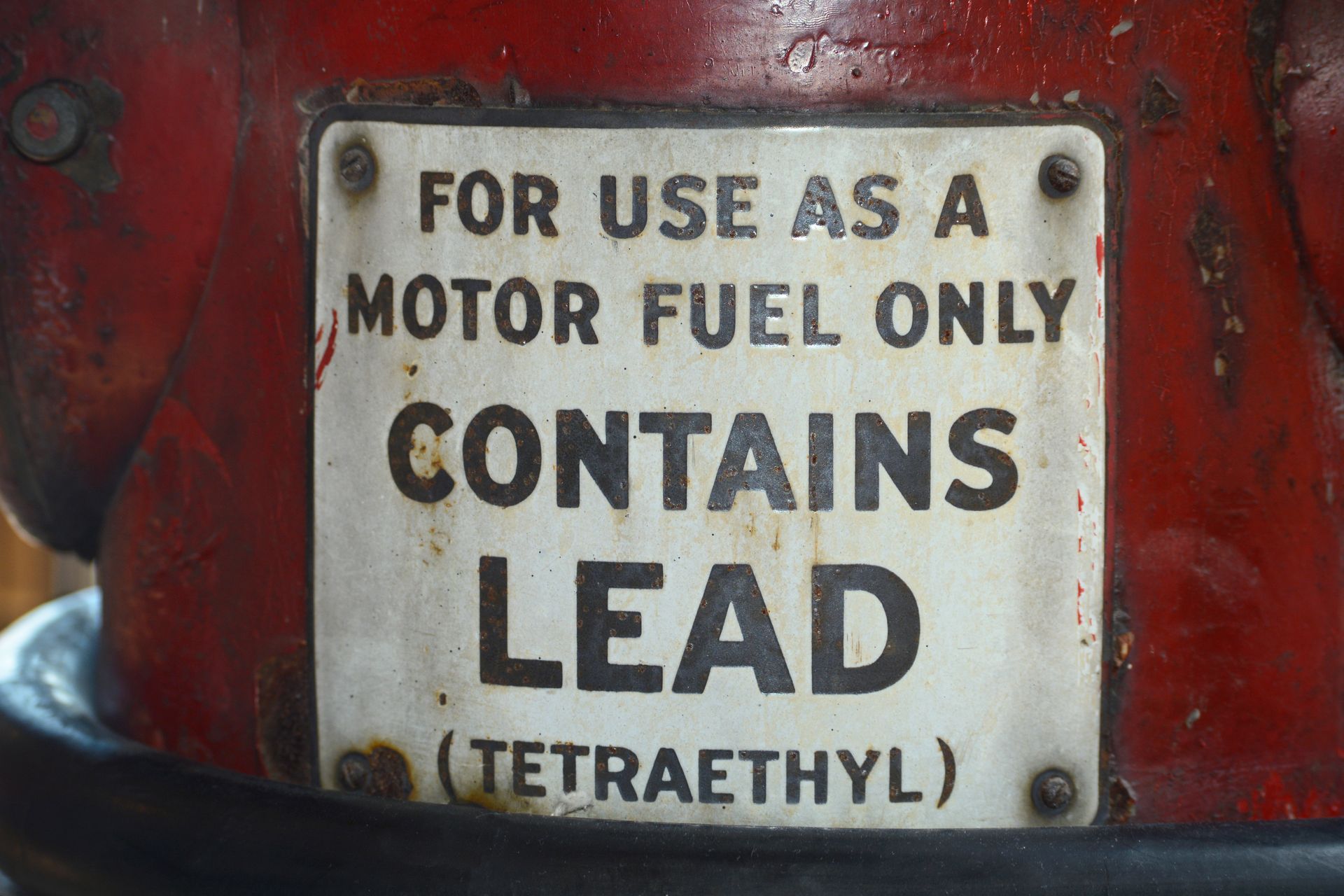
In 1921, Thomas Midgley Jr. — the same chemist who later developed CFCs — discovered that adding tetraethyl lead to gasoline eliminated the engine knock that plagued early internal combustion engines. The compound was branded as Ethyl and began commercial sale in 1923. By the mid-20th century, leaded gasoline was the dominant vehicle fuel globally, and lead was being released into the atmosphere at rates and in distributions that had no natural precedent. The global phaseout of leaded gasoline, substantially completed by the early 2000s, is one of the largest public health interventions in history — and the problem it addressed had been created entirely by one man's invention.
The health case against leaded gasoline was made earliest and most forcefully by Clair Patterson, a geochemist who had become interested in lead while developing techniques for dating the age of the Earth from lead isotope ratios. Patterson's measurements of lead concentrations in ocean sediments, ice cores, and human bones demonstrated that contemporary humans had blood lead levels roughly 100 times higher than pre-industrial humans — a finding that directly implicated industrially produced lead, primarily from vehicle fuel, as the source.
Lead is a neurotoxin with no known safe level of exposure. It damages the developing brain, reducing IQ, impairing impulse control, and increasing the risk of attention and behavioral disorders. Epidemiological research conducted in the 1990s and 2000s produced one of the more striking findings in environmental health history: the rise and fall in blood lead levels in the U.S. population, tracking the introduction and phaseout of leaded gasoline with a lag of several years, correlated strongly with the rise and fall of violent crime rates. The relationship remains controversial but has been replicated across multiple countries and has influenced thinking about the environmental determinants of criminal behavior.
The complete phaseout of leaded gasoline — Algeria was the last country to phase it out, in 2021 — has produced measurable declines in blood lead levels globally. Atmospheric lead concentrations in the U.S. fell by more than 90% between 1980 and 2014. The legacy contamination in urban soils, where lead deposited from vehicle exhaust persists for decades, continues to affect populations living in formerly high-traffic areas.
ANNE-CHRISTINE POUJOULAT / Getty Images
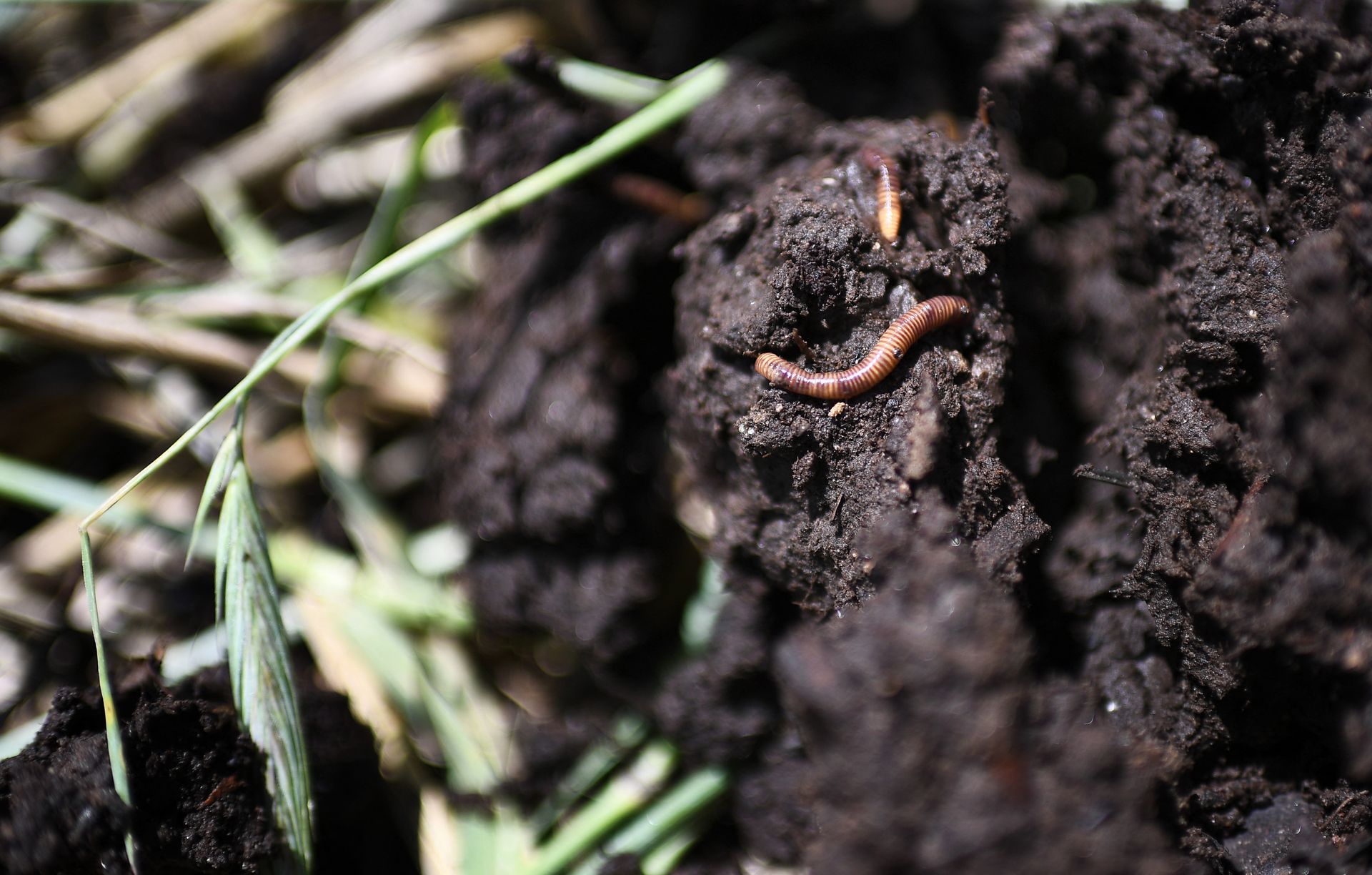
The earthworms in the forests of northern North America are almost entirely non-native. Following the last glaciation, which ended roughly 10,000 years ago, earthworms were absent from most of Canada and the northern United States — the ice had eliminated them, and they had not recolonized naturally in the millennia since. European earthworm species, introduced accidentally through ship ballast soil, plant imports, and the dumping of fishing bait, have been spreading through these forests since European colonization began in the 16th century.
The consequence has been the gradual transformation of forest floor ecology in ways that affect plant communities, soil chemistry, and ultimately the composition of the forest itself. In their natural state, northern hardwood and boreal forests accumulate a thick layer of slowly decomposing leaf litter — the duff layer — that insulates the soil, provides habitat for specialized invertebrates and fungi, and moderates soil temperature and moisture. Earthworms process this litter rapidly, incorporating it into the mineral soil and eliminating the duff layer over periods of years.
The loss of the duff layer has cascading effects. The specialized plants — trillium, trout lily, wild ginger — that grow in the forest understory and depend on the specific chemistry and physical structure of the duff layer decline or disappear. The mycorrhizal fungi that partner with tree roots and depend on the organic layer are disrupted. The soil structure changes in ways that affect water retention and erosion. In maple forests, where sugar maple regeneration depends heavily on the duff layer for seedling establishment, earthworm invasion has been associated with reduced regeneration rates.
The invasion continues to spread, partly through the movement of soil in landscaping and agriculture, and partly through the fishing bait industry, in which European earthworms — nightcrawlers — are sold and frequently released by anglers at the end of a fishing trip. The recommendation from ecologists is simple: never release fishing worms in or near forested areas. The recommendation is widely ignored.
Christopher Furlong / Getty Images
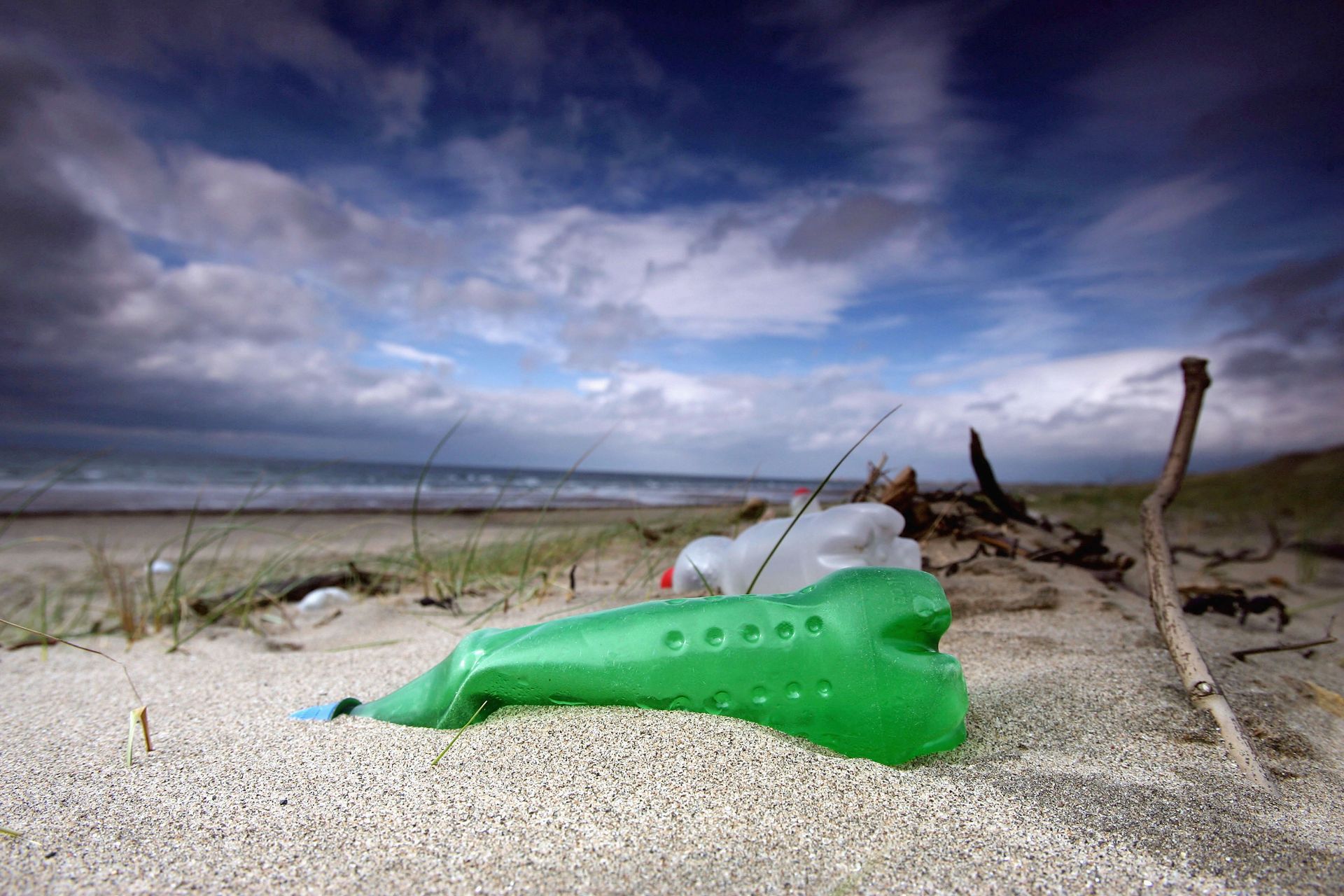
The ocean's plastic problem is not the result of a single decision, a single product, or a single industry. It is the cumulative consequence of 70 years of plastic production — accelerating from roughly two million tonnes per year in 1950 to over 400 million tonnes per year today — combined with waste management systems that were not designed to handle the volume, and consumer cultures that treated single-use plastic as inherently disposable. The result is a global contamination of the marine environment that extends from the surface to the deepest ocean trenches and from the equator to polar ice cores.
The mechanism of ocean plastic accumulation involves ocean circulation. Plastic debris that enters the ocean — from coastal littering, river transport, and losses from shipping — is concentrated by ocean gyres, the large rotating current systems in each ocean basin. The North Pacific Gyre contains the Great Pacific Garbage Patch — not a solid island of plastic, as it is sometimes depicted, but a diffuse accumulation of microplastic particles at concentrations orders of magnitude higher than surrounding water, distributed through the upper water column across an area roughly twice the size of Texas.
Microplastics — fragments smaller than five millimeters, produced by the breakdown of larger plastic items under UV radiation and mechanical action — are now found in virtually every marine environment sampled, including deep sea sediments, Arctic ice, and the bodies of organisms from zooplankton to whales. They have been found in human blood, human lung tissue, and placentas. The health consequences of chronic microplastic exposure in humans are not yet established, but research is ongoing and the precautionary concern is significant.
Marine animals experience plastic as a physical hazard — entanglement in fishing gear and ingestion of plastic debris — and as a chemical hazard, since plastic concentrates persistent organic pollutants from the surrounding water and introduces them into food chains when ingested. Seabird populations that nest on remote Pacific islands have some of the highest plastic ingestion rates recorded, in birds that have never been near a human settlement but whose feeding waters are contaminated.
ETIENNE LAURENT / Getty Images
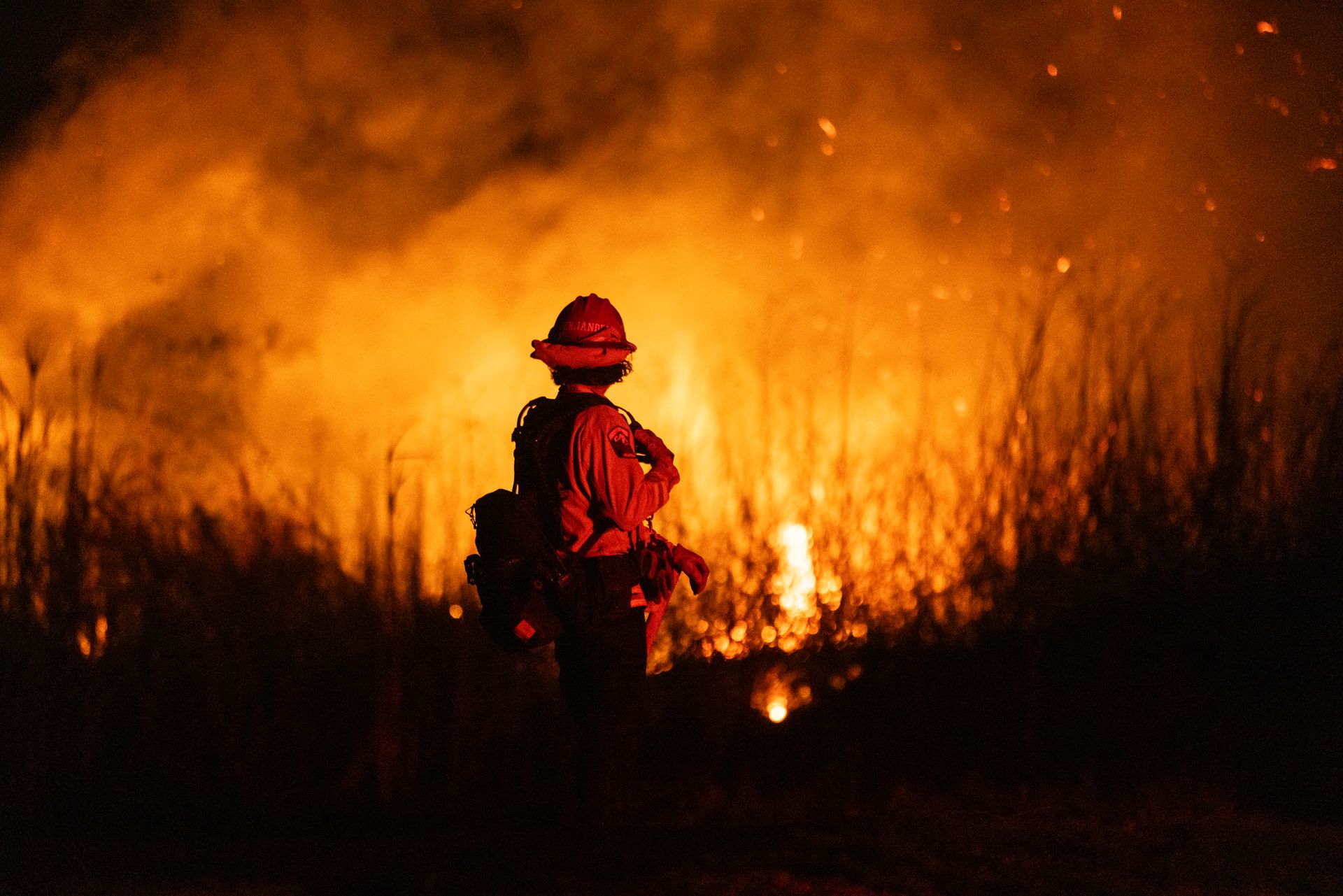
For most of the 20th century, the U.S. Forest Service operated under a policy of total fire suppression — the Smokey Bear policy, named after the advertising campaign launched in 1944, which treated all wildfires as threats to be extinguished as quickly as possible. The policy was effective in the short term: fire acreage burned annually in western U.S. forests declined dramatically from the 1930s through the 1970s. The long-term consequence was the accumulation of fuel loads — dead wood, dense undergrowth, closely packed trees — that made the fires that eventually occurred far more severe than the frequent, low-intensity fires that fire suppression had replaced.
Many western American forest ecosystems had evolved with fire as a regular component — natural ignitions from lightning and deliberate burns by Indigenous peoples had maintained open, park-like forest structures with low fuel loads for thousands of years. Ponderosa pine forests in particular are adapted to frequent, low-intensity surface fires that clear the understory without killing the fire-resistant mature trees. A century of suppression transformed these forests into dense, multi-layered stands with deep accumulations of dead fuel — conditions that produce stand-replacing crown fires rather than the surface fires the ecosystem was adapted to.
The consequences have been visible since the late 1980s, when a series of catastrophic fires began demonstrating that suppression had not prevented fire but deferred it in a more dangerous form. The 1988 Yellowstone fires, which burned approximately 36% of the park, were a turning point in public understanding. Fire science has since shifted substantially toward managed burns and the recognition that fire suppression was ecologically counterproductive — but the fuel loads accumulated over a century cannot be quickly reduced, and the transition to a new management paradigm is occurring against a backdrop of climate change that is extending fire seasons and increasing fire weather severity simultaneously.
Arterra / Getty Images
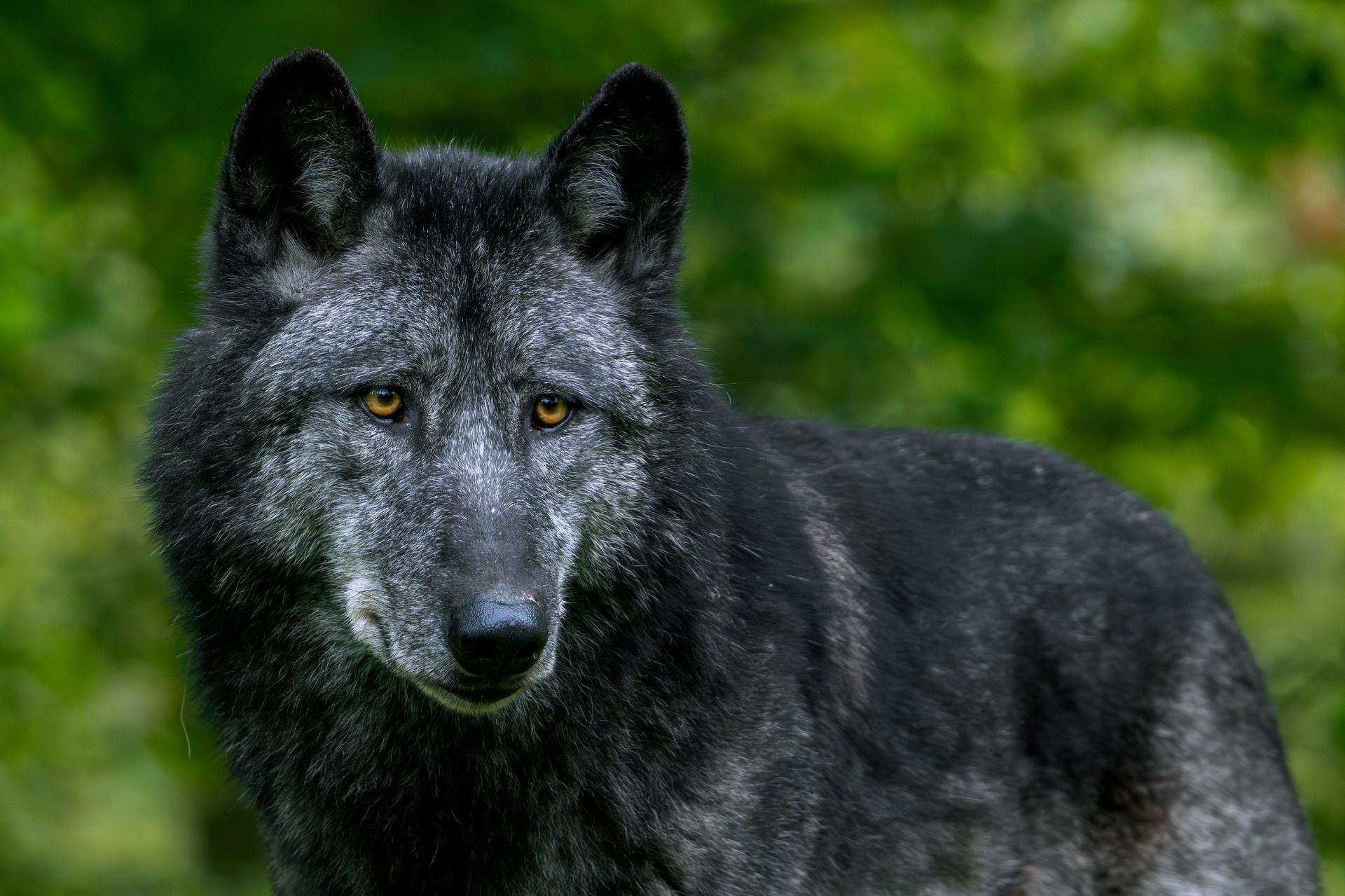
The extirpation of wolves from most of the contiguous United States — achieved through a combination of hunting, trapping, and a federal predator control program that paid bounties and employed professional hunters — was substantially complete by the 1930s. The wolves were removed because they killed livestock and because the prevailing ecology of the time did not recognize the functional role of apex predators in regulating ecosystems. The consequences of their absence, documented in the following decades, contributed to the development of trophic cascade theory — the understanding that predators at the top of a food chain affect ecosystem structure far beyond their direct prey.
The most studied case is Yellowstone. Following wolf reintroduction in 1995, researchers documented changes that extended far beyond wolf-elk interactions. Elk, which had previously grazed freely in riverine areas, began avoiding valley bottoms and riparian zones where wolves could ambush them — a change in behavior ecologists call the landscape of fear. With elk grazing pressure reduced in these areas, willow, aspen, and cottonwood recovered. The recovered vegetation stabilized stream banks, reducing erosion. Beaver, which depend on willow, returned to streams where they had been absent. The dams beavers built altered hydrology, creating wetland habitat for fish, amphibians, and birds. The physical course of some rivers changed as bank stabilization affected channel erosion patterns.
This cascade — wolf reintroduction producing river course changes — became one of the most cited examples in ecology and was dramatized in a widely viewed 2014 video essay that coined the phrase "trophic cascade" for a general audience. The science is real, though some ecologists have cautioned that the Yellowstone story has been simplified in popular accounts and that the direct and indirect effects of wolf reintroduction are more complex and contested than the clean narrative suggests.
The broader point stands: the removal of wolves from North American ecosystems had ecological consequences that extend far beyond livestock protection and that were not anticipated by those who ordered the removal.
picture alliance / Getty Images
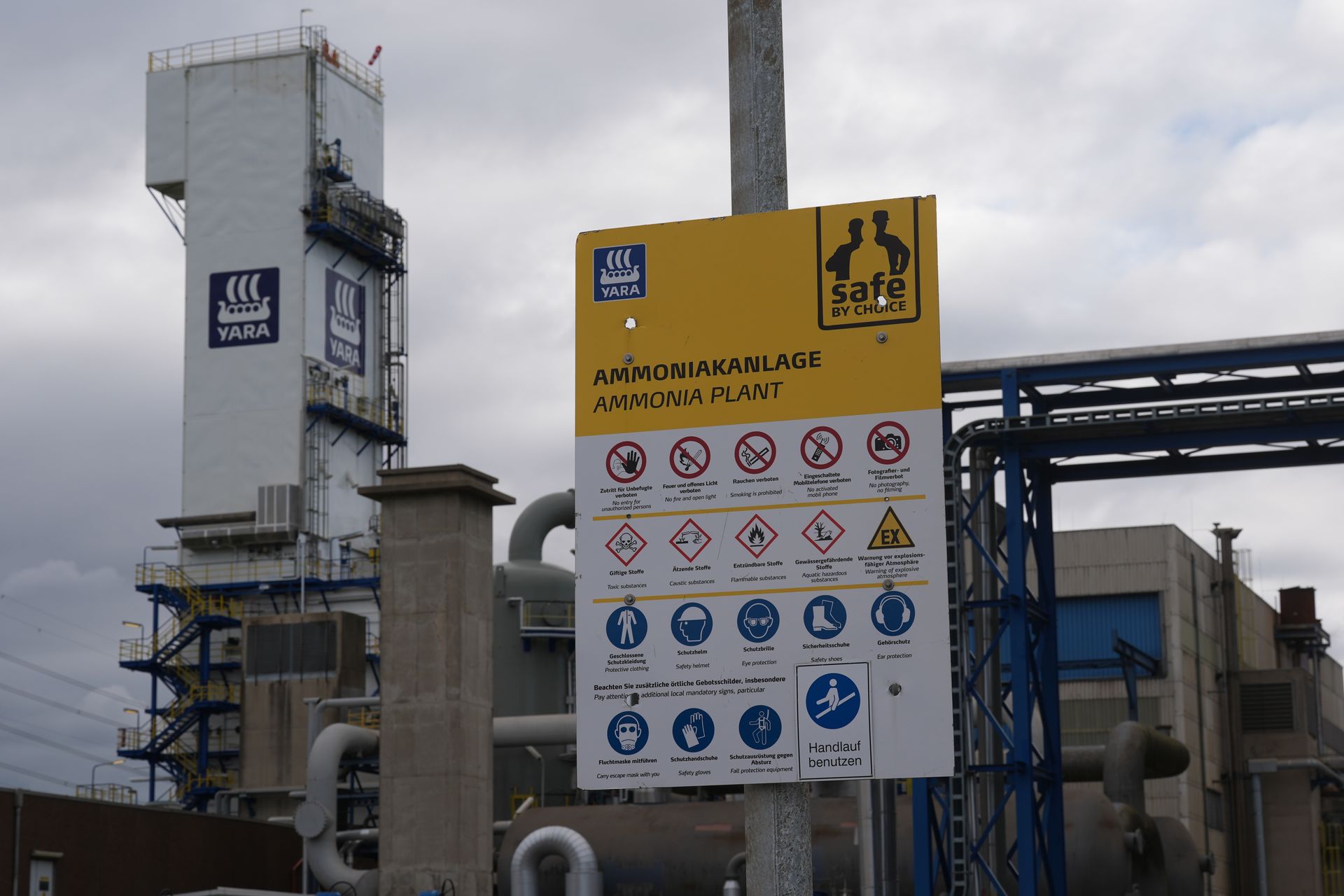
The Haber-Bosch process — the industrial synthesis of ammonia from nitrogen and hydrogen, developed by Fritz Haber and Carl Bosch in the early 20th century and first deployed at industrial scale in 1913 — is credited with enabling the food production that supports roughly half the world's current population. Without synthetic nitrogen fertilizer, agricultural yields could not have kept pace with population growth through the 20th century, and the famines that were widely predicted in the 1960s and 1970s would almost certainly have materialized on a much larger scale. The process is one of the most consequential inventions in human history for human welfare.
It is also one of the most consequential disruptions of a natural biogeochemical cycle ever produced. The nitrogen cycle — the set of processes by which nitrogen moves between the atmosphere, soil, water, and living organisms — had operated in approximate balance for billions of years. The Haber-Bosch process introduced synthetic fixed nitrogen into the cycle at a rate that now exceeds natural nitrogen fixation, fundamentally altering the chemistry of soils, freshwater, and coastal marine environments globally.
The excess nitrogen that runs off agricultural land into rivers and eventually reaches coastal waters produces the eutrophication and dead zones discussed elsewhere — but the disruption extends further. Nitrogen deposition from agricultural emissions and vehicle exhaust alters the competitive balance in ecosystems, favoring nitrogen-loving plants over the specialized species adapted to low-nitrogen conditions. Heathlands and grasslands in Europe — ecosystems of high biodiversity value that evolved on nutrient-poor soils — have been progressively invaded by nitrogen-responsive grasses as atmospheric nitrogen deposition has increased.
The disruption of the nitrogen cycle is one of the planetary boundaries — the nine Earth system processes identified by a group of scientists in 2009 as having safe operating limits beyond which the risk of large-scale and potentially irreversible environmental change increases. By the latest assessments, nitrogen cycle disruption is one of the boundaries that humanity has already exceeded.
Robert Alexander / Getty Images
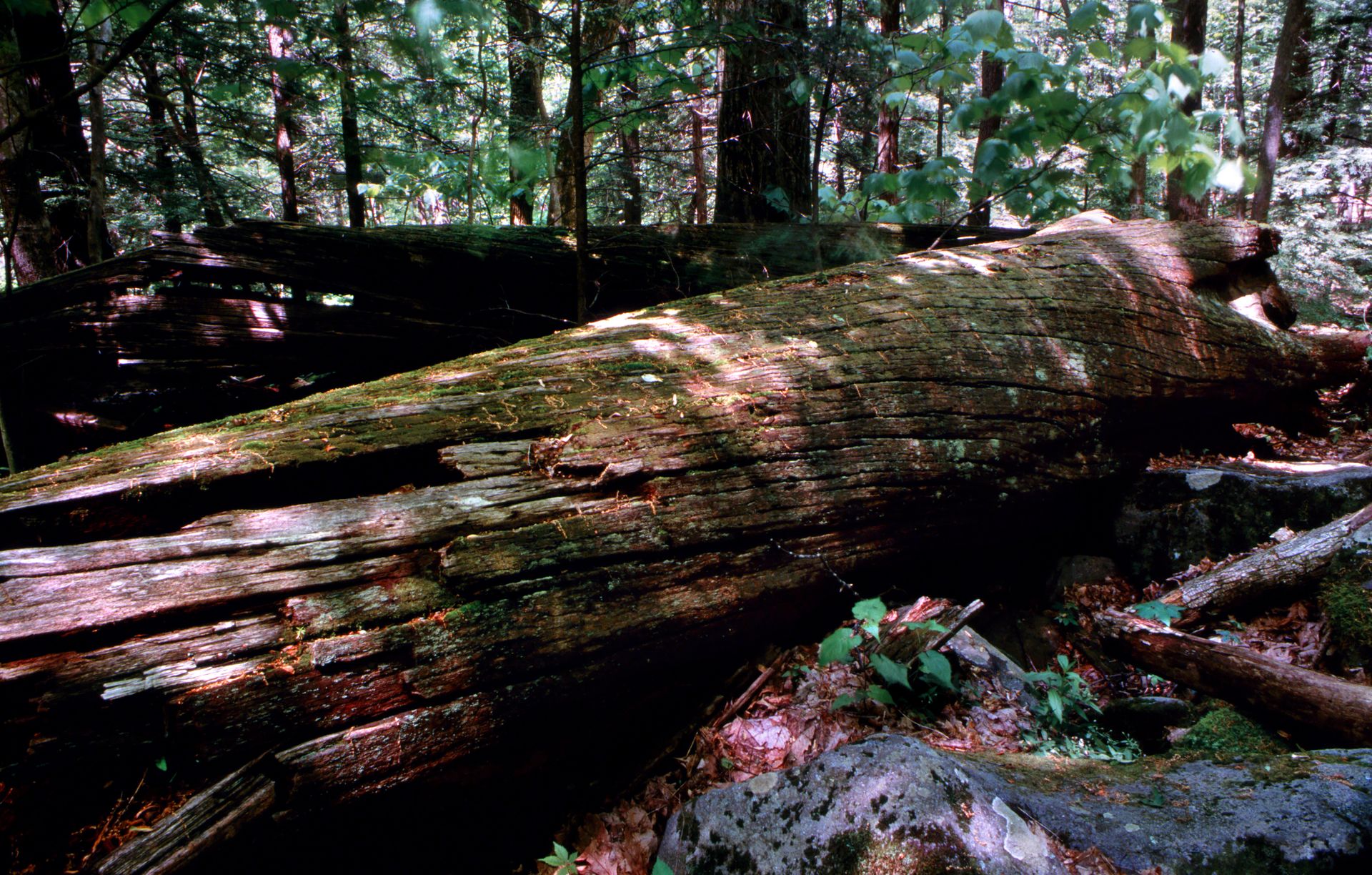
The American chestnut was, before 1904, one of the dominant trees of the eastern North American forest — an estimated four billion trees, comprising up to 25% of the canopy in Appalachian forests from Maine to Georgia. It produced abundant, nutritious nuts that supported deer, turkey, black bear, and dozens of other species, and provided timber of exceptional quality, rotting so slowly that chestnut fence posts and railroad ties from trees felled in the 19th century were still sound in the 1960s. The tree was, by any measure, a keystone species of the eastern forest.
In 1904, a fungal pathogen — Cryphonectria parasitica — was identified in chestnuts at the Bronx Zoo in New York. The fungus had arrived on Asian chestnut trees imported for ornamental purposes, on which it caused minimal damage because Asian chestnuts had co-evolved with the pathogen and developed resistance. The American chestnut had no such history and no such resistance. The blight spread through the eastern forest at a rate of approximately 80 kilometers per year, killing virtually every mature American chestnut it encountered.
By 1950, an estimated three and a half billion American chestnut trees were dead. The species was not technically extinct — the root systems of infected trees survive and continue to send up sprouts, which grow for a few years before the blight kills them again — but as a canopy tree, the American chestnut was functionally eliminated from the eastern forest within 50 years of the blight's arrival.
The ecological consequences of removing four billion large, mast-producing trees from an entire forest region are difficult to quantify precisely because the baseline no longer exists. Wildlife species that depended on chestnut mast shifted to other food sources, with measurable effects on population dynamics. The timber industry lost one of its most valuable species. The American Chestnut Foundation has been working since 1983 to develop blight-resistant trees through backcross breeding with Chinese chestnut, and the first restoration plantings of genuinely resistant trees began in the 2020s — more than a century after the blight arrived on a cargo ship from Asia.
Joe Raedle / Getty Images
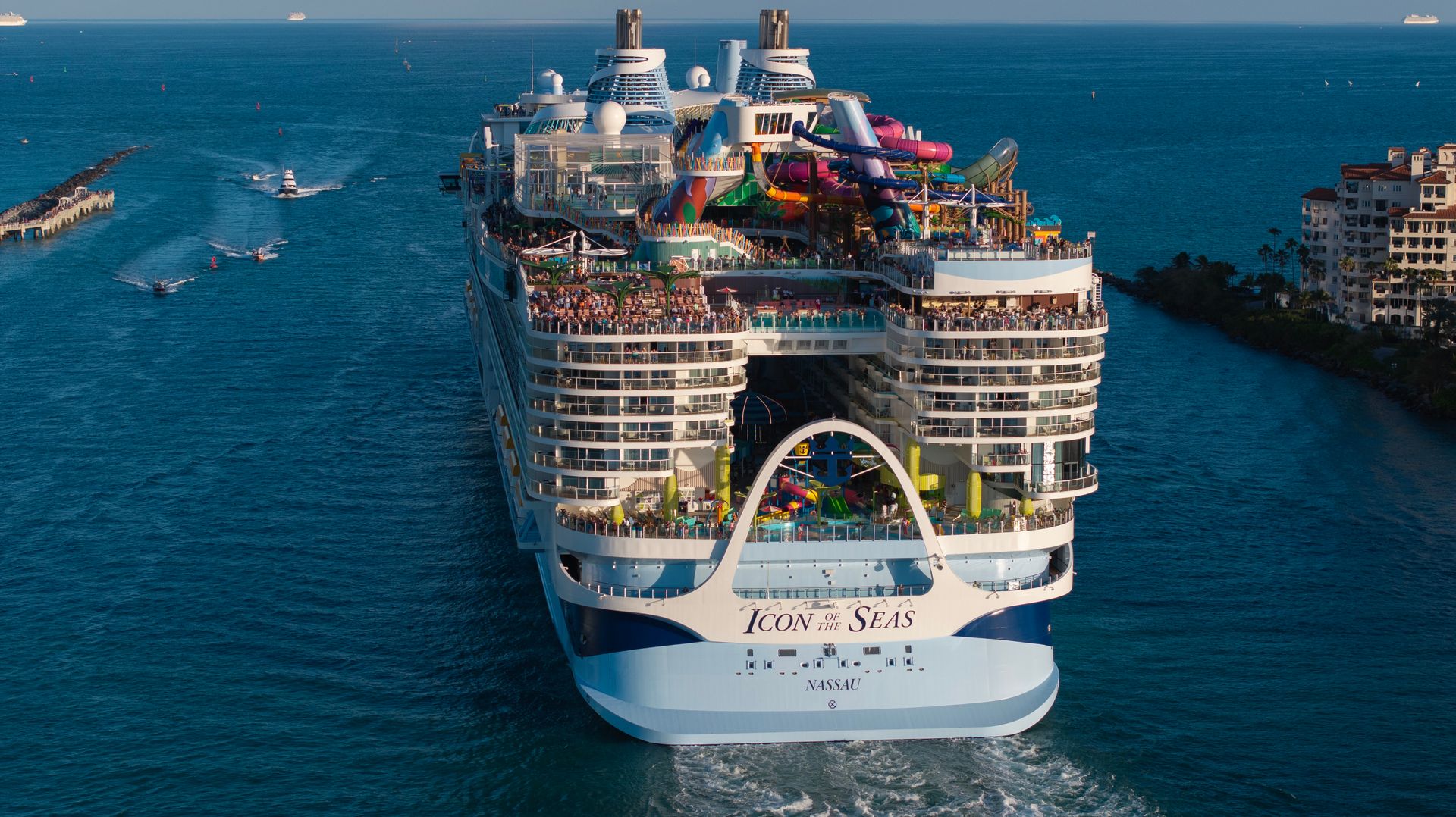
Every large ocean-going vessel carries ballast water — seawater taken on in port to stabilize the ship when it is not carrying cargo, and discharged in the next port of call to make room for the new load. A single large container ship may carry 100,000 tonnes of ballast water. That water contains organisms — plankton, larvae, bacteria, small invertebrates, fish eggs — collected from one part of the world's ocean and transported to another, bypassing the geographical barriers that have maintained the distinctiveness of the world's marine bioregions for millions of years.
The scale of ballast water transfer is enormous: an estimated 10 billion tonnes of ballast water are transferred globally each year, carrying an estimated 10,000 species in transit at any given time. Most of those species do not survive the journey or fail to establish populations in the new environment. But a significant fraction do, and the cumulative effect over more than a century of global shipping has been the homogenization of the world's coastal marine environments and the introduction of invasive species that have restructured native communities.
The zebra mussel — introduced to the North American Great Lakes in ballast water from a European vessel in the mid-1980s — is among the most economically consequential aquatic invasive species in history. It filters phytoplankton from the water with extraordinary efficiency, altering the food web base. It colonizes any hard surface — intake pipes, boat hulls, native mussel beds — in densities of up to 700,000 individuals per square meter. It has cost the U.S. economy an estimated $1 billion per year in infrastructure damage and management.
The European green crab, introduced to the east and west coasts of North America and to Australia and South Africa through ballast water and hull fouling, disrupts native crab communities and destroys eelgrass beds through its foraging behavior. The comb jellyfish Mnemiopsis leidyi, introduced to the Black Sea and Caspian Sea in ballast water from the U.S. east coast in the 1980s, consumed so much zooplankton that it triggered the collapse of the anchovy fishery — a fishery on which millions of people in the region depended.
The International Maritime Organization's Ballast Water Management Convention, which entered into force in 2017, requires ships to treat ballast water before discharge to kill or remove organisms. Implementation has been slow and compliance uneven. The organisms already introduced are not going back.
