25 ways the internet has changed human behavior
From the way we remember facts to how we fall in love, the internet has quietly rewired how humans think, connect, work, and spend their time
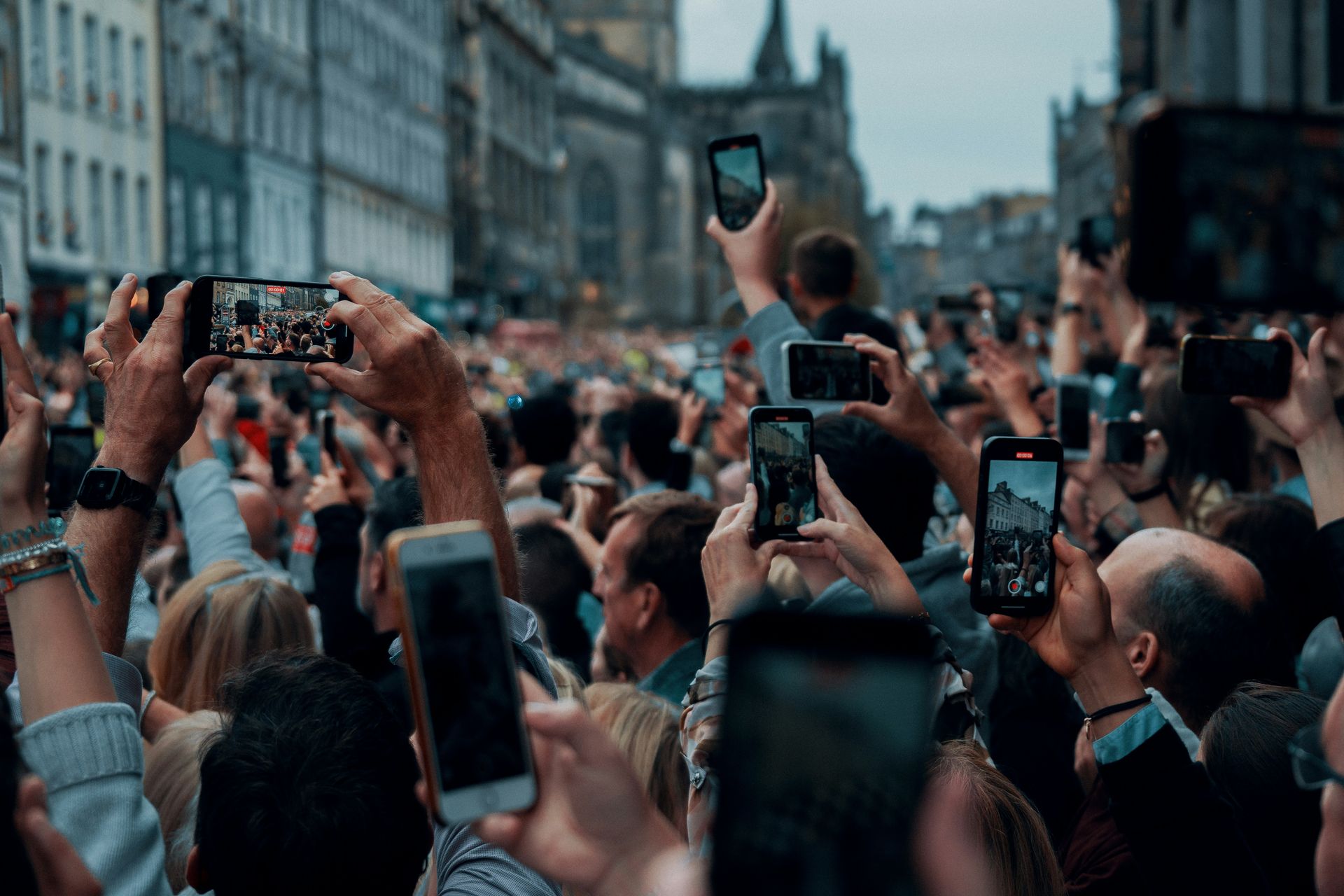
Credit: Ross Sneddon, Unsplash
The internet turned 55 in 2024 — and for most of that time, humans have been adapting to it more than the other way around. In the span of a single generation, a global network built by researchers to share data has restructured the most intimate parts of daily life: how people wake up, how they grieve, how they argue, how they shop, how they find community, and how they understand themselves.
The changes are easy to underestimate because they happened gradually, invisibly, one browser tab at a time. No single moment announced that memory would work differently now, or that loneliness would take a new shape, or that attention spans would become a contested resource. These shifts arrived through habit — through a billion small decisions to Google $GOOGL something instead of ask someone, to text instead of call, to share a photo rather than describe a moment in words.
Some of the changes are clearly beneficial. People have access to knowledge and community that would have been unthinkable before. Patients with rare diseases find each other. Diaspora communities maintain language and culture across borders. Small businesses reach global customers with almost no infrastructure. Self-taught skills that once required formal schooling are now available on demand.
Other changes are more troubling. Sleep is shorter. Anxiety is higher among people who spend the most time online. The platforms that promised connection have also engineered compulsion. The same networks that organize protest also spread misinformation. The same tools that give individuals a voice also enable coordinated harassment.
And some changes are simply neutral — neither good nor bad, just different. Humans now navigate with GPS rather than landmarks. They meet romantic partners through algorithms. They form opinions about strangers before they ever speak. These are behavioral shifts without clear moral valence, though they carry real consequences for how society functions.
What follows is a look at 25 of the most significant ways the internet has changed human behavior — not speculative futures, but documented present-tense realities that behavioral scientists, sociologists, and cultural observers have tracked over the past two decades. The goal is not to alarm or to reassure, but to describe what is actually different about being human in the age of the internet.
1 / 26
The collapse of the boredom gap
Credit: Samet Çolakoğlu, Pexels
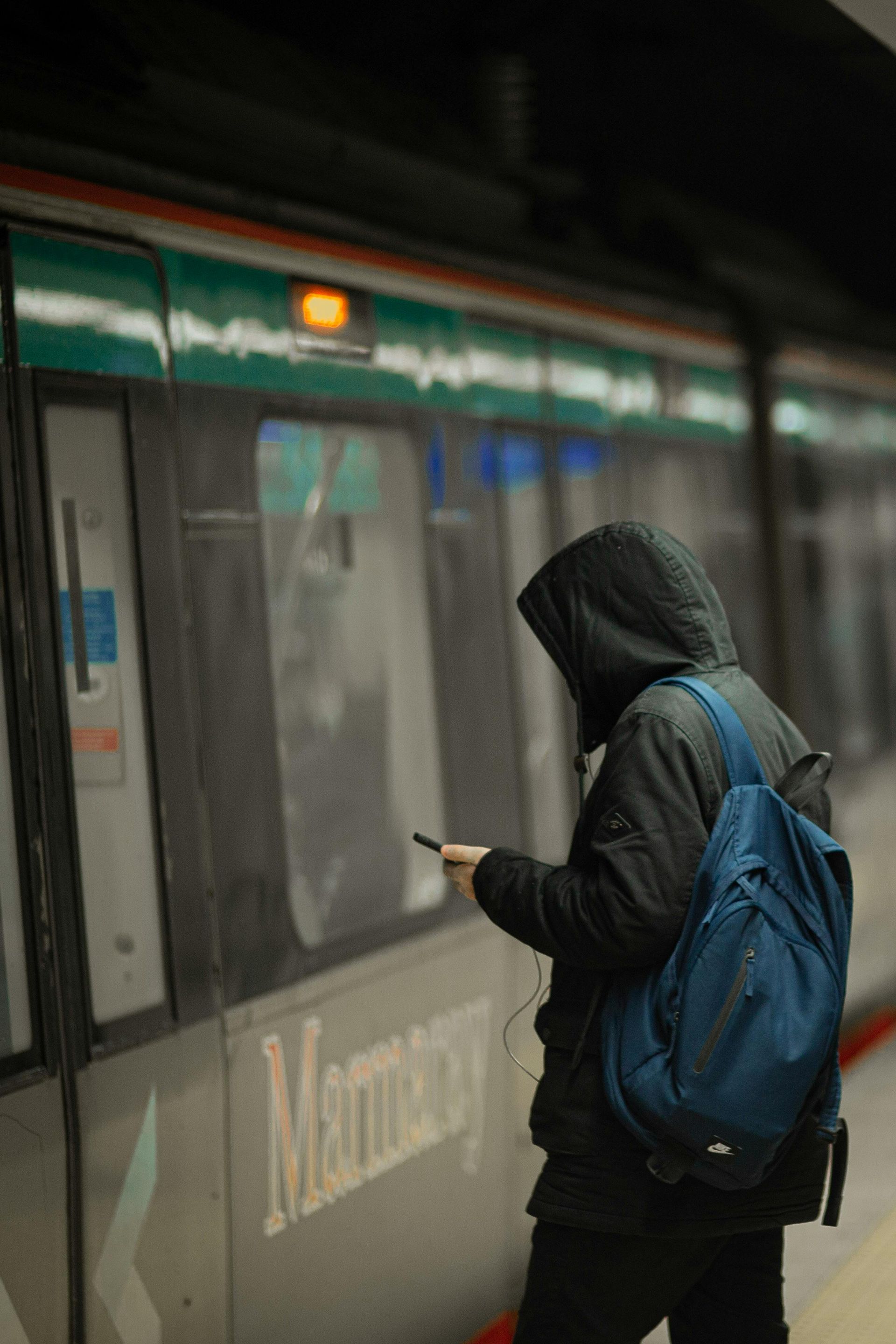
Before the internet reached mobile devices, boredom was structurally unavoidable. Waiting in line, riding public transit, sitting in a waiting room — these were periods of unstructured time that the human brain had to fill with thought, observation, or idle daydreaming. That gap has effectively disappeared.
The average person now checks their phone more than 140 times per day. Most of those checks happen during what would previously have been moments of unoccupied time. A two-minute wait at a coffee shop now tends to produce a reflex toward the phone — email, headlines, a scroll through a social feed. The behavior is so automatic that many people do it without conscious awareness.
Researchers who study mind-wandering have found that unstructured mental downtime is not, in fact, wasted time. The default mode network — the brain circuitry that activates during rest — appears to be involved in consolidating memories, processing emotions, and generating creative insights. When that network rarely gets a chance to run, some of those functions may be quietly impaired.
The implications are not fully understood, but there are signs of a real shift. Many people now report feeling acutely uncomfortable when they don't have a device within reach. The tolerance for silence, stillness, and boredom has decreased for large portions of the population — particularly among younger people who grew up with smartphones from early adolescence.
This is not simply a complaint about distraction. It represents a genuine change in the baseline experience of consciousness. Boredom was once a universal human condition that required active coping — creativity, conversation, observation. For hundreds of millions of people, it has now become nearly optional, outsourced to whatever is on the screen.
The long-term cognitive effects of this shift remain contested. What is not contested is that the shift is real, broad, and accelerating. The boredom gap has closed, and almost nothing in human evolutionary history prepared the brain for what replaced it.
2 / 26
Outsourced memory
Credit: Firmbee.com, Pexels
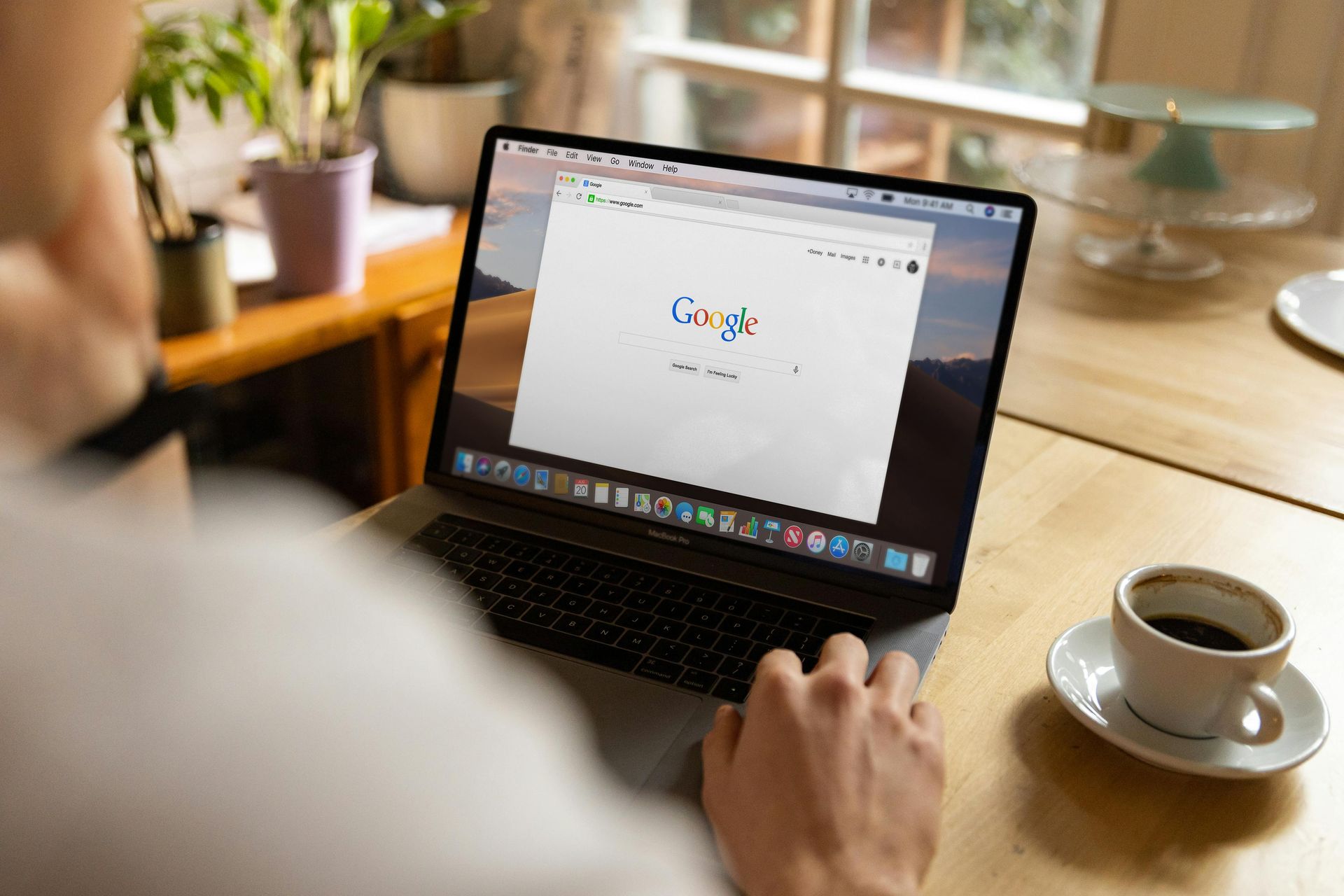
Humans no longer bother to memorize things they know they can look up. This is not laziness — it is a rational response to a change in the cognitive environment, and it has a name in psychology: the Google $GOOGL effect.
Studies conducted since the mid-2000s have shown that when people know information is stored somewhere retrievable, they are less likely to encode it in long-term memory. Instead of remembering the fact itself, the brain tends to remember where to find it. This is called transactive memory — a strategy humans have always used with other people ("ask Maya, she knows about taxes"), but now applied to a single global database available on any device.
The practical result is that phone numbers, addresses, historical dates, song lyrics, cooking temperatures, and thousands of other facts that previous generations held in memory are now largely outsourced. Very few people under 40 have memorized more than a handful of phone numbers. Almost no one bothers to retain a driving route after using GPS once.
The shift has real consequences for how knowledge is structured. Memorized facts form a substrate for deeper thinking — they allow for pattern recognition, analogy, and creative connection in a way that look-up knowledge does not. A doctor who knows drug interactions from memory thinks differently than one who looks them up each time. A writer who has internalized historical detail draws on it differently than one who Googles as needed.
None of this means the internet has made people less intelligent. It has changed the distribution of cognitive labor. Humans now spend less energy on storage and more on retrieval and synthesis — and for many purposes, that trade-off is productive. But it does mean that certain deep fluencies, the kind that come from having something truly inside one's head, are becoming less common.
3 / 26
The 24-hour news cycle becomes the 24-second news cycle
Credit: Wisam Alazawi, Pexels
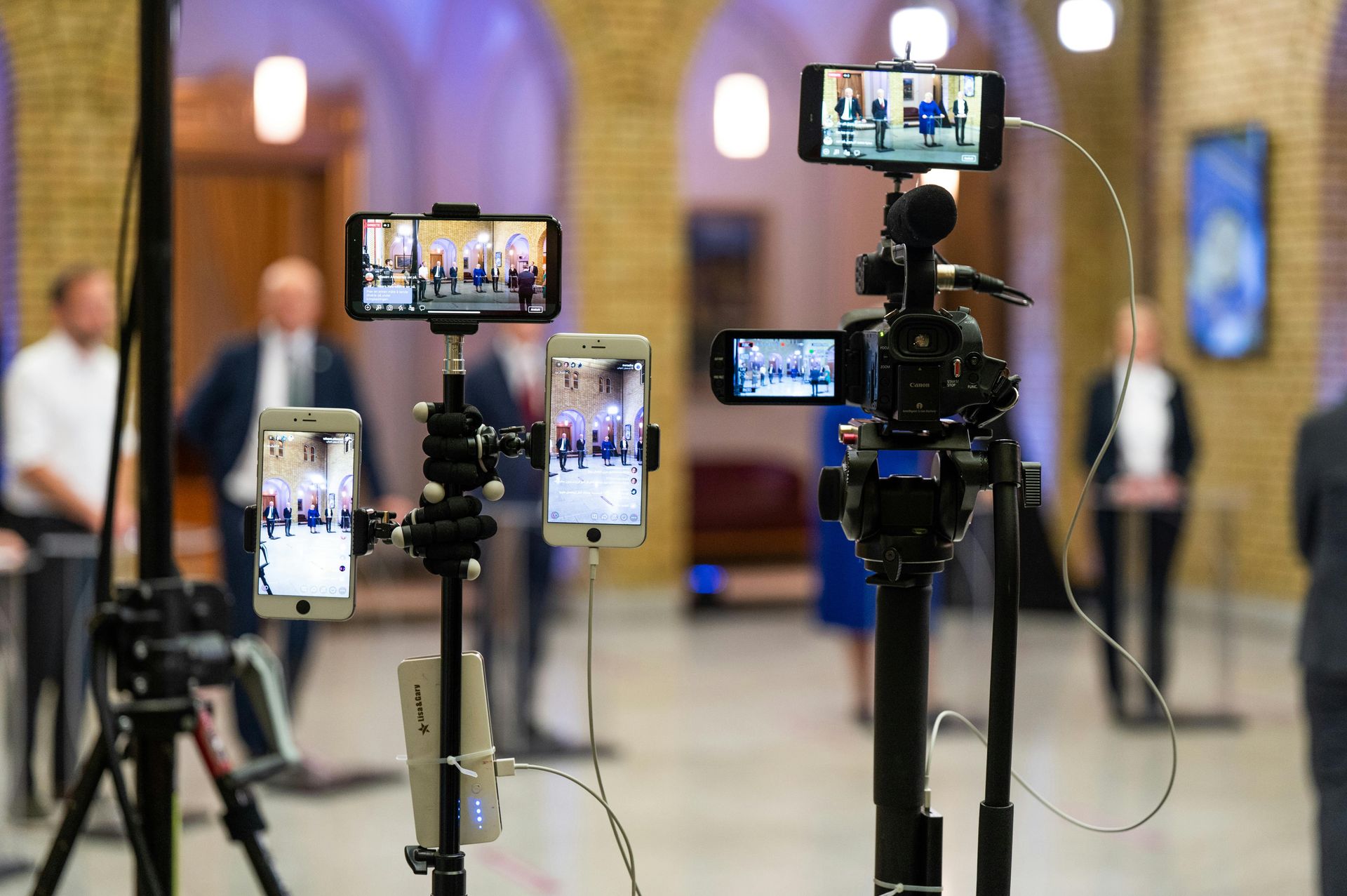
Print newspapers delivered a curated summary of the previous day's events. Television news offered three or four windows of coverage per day. Even early internet news sites updated every few hours. The current media environment has no such natural boundary — it is a continuous, undifferentiated stream that never closes.
The psychological consequences of this are significant. The human threat-detection system — the part of the brain that evolved to monitor the environment for danger — responds to news of violence, disease, conflict, and disaster as if those events are proximate and immediate. When that system is exposed to a global newsfeed running 24 hours a day, it has no mechanism to correctly calibrate distance or probability.
This produces a phenomenon sometimes called "headline stress" — a chronic background anxiety generated by the mere act of consuming news at modern volumes. People who read extensively about a crime wave, for example, often rate their neighborhood as less safe regardless of local crime statistics. The emotional brain does not easily distinguish between events happening nearby and events happening on the other side of the world.
The format of social media has amplified this effect. News is no longer presented in a bounded, edited package by a known institution. It arrives as fragments — a screenshot here, a video clip there, an unverified tweet — stripped of context and mixed with opinion, satire, and fabrication. Distinguishing reliable from unreliable information requires deliberate effort that many people, moving quickly through a feed, do not apply.
This has produced a population that is simultaneously more informed and more misinformed than any previous generation. The volume of information available is historically unprecedented. So is the proportion of that information that is misleading, decontextualized, or false. The human cognitive system was not built to handle either extreme.
4 / 26
The shift from oral to text-based communication
Credit: Radik 2707, Pexels
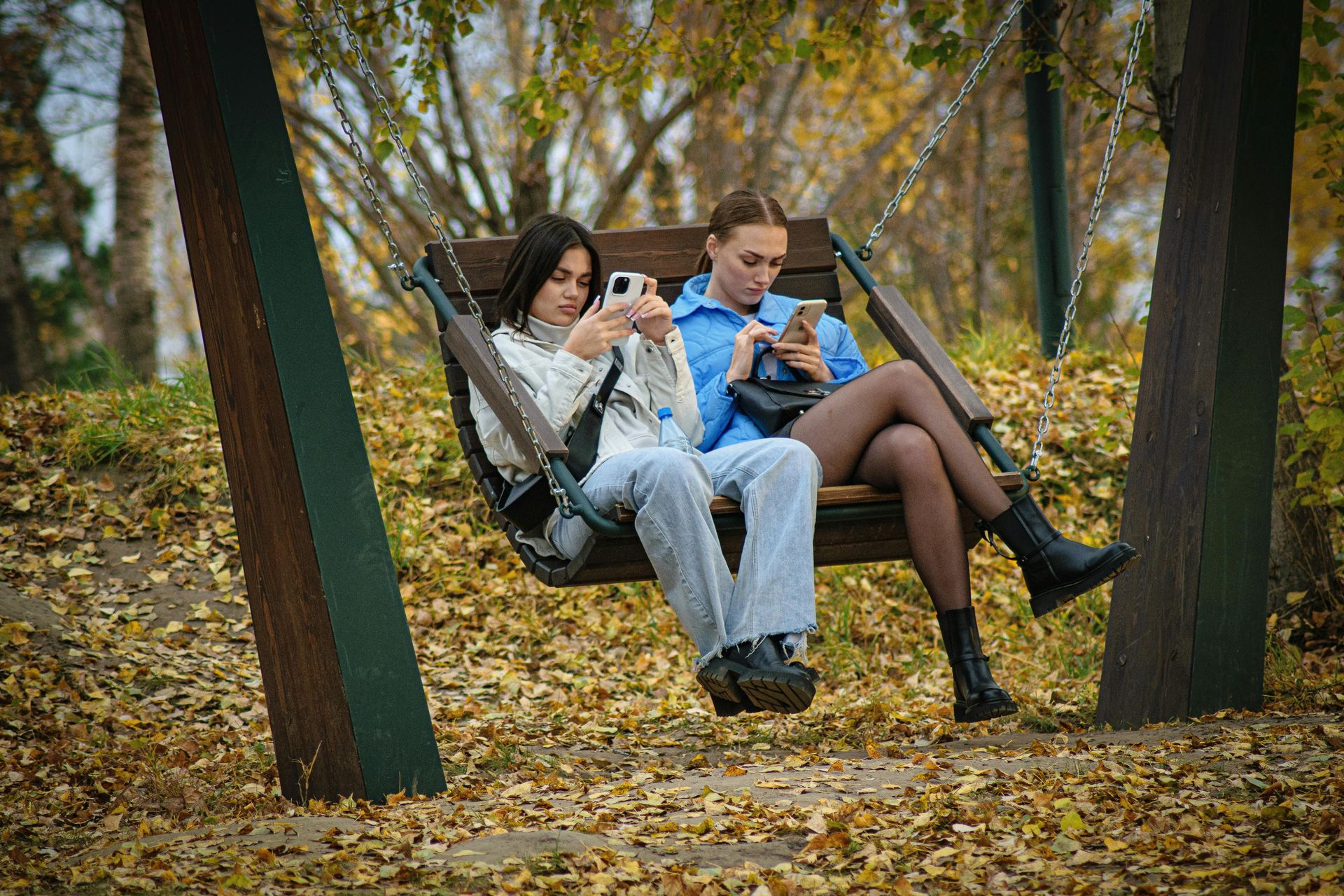
For most of human history, conversation was primarily spoken. Writing existed, but it was slow, formal, and mostly reserved for records, literature, or long-distance correspondence. The rise of text messaging and digital chat has created something new: casual, real-time, written conversation at scale.
The shift has altered how people communicate in subtle but meaningful ways. Written text removes paralinguistic information — tone of voice, facial expression, hesitation, laughter. In spoken conversation, these cues carry enormous amounts of meaning. A sentence like "that's a great idea" can be sincere, sarcastic, dismissive, or enthusiastic depending entirely on how it is said. In text, without added signals, the same sentence is ambiguous.
Humans have developed partial workarounds. Emoji serve as rough proxies for tone — a thumbs-up or a laughing face carries emotional signal that plain text can't. Capitalization, punctuation style, and response speed have all acquired social meaning: ending a text with a period can read as cold or passive-aggressive in casual exchanges, even though it is technically correct. The absence of a reply carries its own weight.
But these are imperfect substitutes, and miscommunication in text is endemic. The medium also encourages brevity at the expense of nuance. Arguments that would be resolved quickly in a face-to-face conversation — where tone and body language help calibrate — can spiral in text, with each party reading malice or condescension into neutral words.
For younger generations who grew up primarily communicating through text, voice calls have become something of a social oddity. Many people now find an unexpected phone call more intrusive than an unexpected knock on the door. The norms around communication have rearranged themselves dramatically, and the written word — informal, abbreviated, emoji-inflected — has moved to the center.
5 / 26
Attention as a resource under siege
Credit: Dalila Dalprat, Pexels
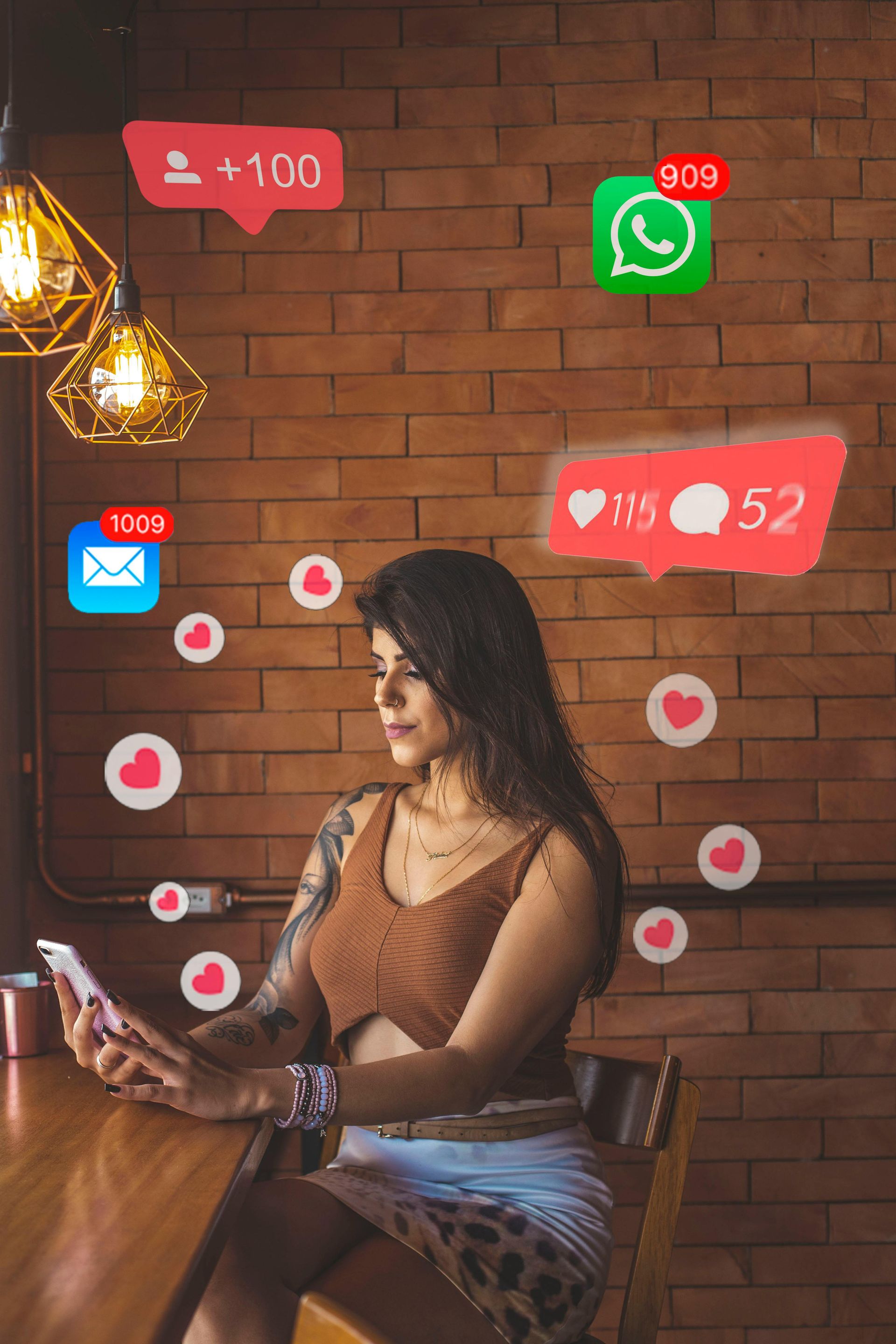
The attention economy is the name for a specific economic arrangement: digital platforms whose revenue depends on advertising, and whose product is, therefore, user attention. The longer a person stays on the platform, the more ads they see, the more data they generate, and the more valuable they are to the business.
This creates a structural incentive for platforms to capture and hold human attention by any means necessary — and the means chosen have been extensively refined through behavioral science. Variable reward schedules (the same psychology that makes slot machines addictive), infinite scroll, autoplay video, notification systems, social validation metrics — all of these are engineering choices made to maximize time-on-platform, and they work.
The result is an environment in which human attention is continuously competed for by systems designed by teams of engineers whose explicit goal is to win it. The average person is not equipped to resist this systematically. They can make individual choices — turn off notifications, put the phone away — but the architecture of the platforms is working against them at scale.
The behavioral consequence is a measurable shift in the way people engage with content. Deep reading — sustained, linear engagement with long-form text — has declined. People who read online tend to scan in an F-shaped pattern: across the top, down the left side, with little attention to the bottom or right. Academic research, long journalism, and books compete for cognitive resources that have been partly colonized by short-form media.
This does not mean people can no longer focus. It means focus now requires deliberate effort in a way it previously did not. Sustained attention has become a skill that must be cultivated rather than a default state.
6 / 26
Accelerated formation of identity
Credit: Maccy, Unsplash
The internet has given people access to communities built around nearly any interest, orientation, or subculture, and in doing so, it has changed how people form their identities — particularly during adolescence and early adulthood.
A teenager in a small town who is gay, or who loves obscure music, or who has a rare medical condition, or who holds unusual political views, now has access to communities of people like them. In the pre-internet era, that teenager might have spent years believing they were uniquely strange, without language for their experience or models to look to. The internet compressed that period of isolation dramatically.
The consequences are visible across multiple dimensions. LGBTQ+ youth report coming out at younger ages on average than previous generations — in part because online communities provide resources, language, and a sense of safety that make the process easier. Subcultures that once required physical proximity to sustain (a local scene, a club, a scene) now exist and thrive globally online.
But the same dynamic also produces fragility. Identity formed in echo chambers — where views are constantly reinforced and never challenged — can become rigid and intolerant of complexity. Online communities sometimes demand ideological conformity as a condition of belonging, which creates its own kind of pressure.
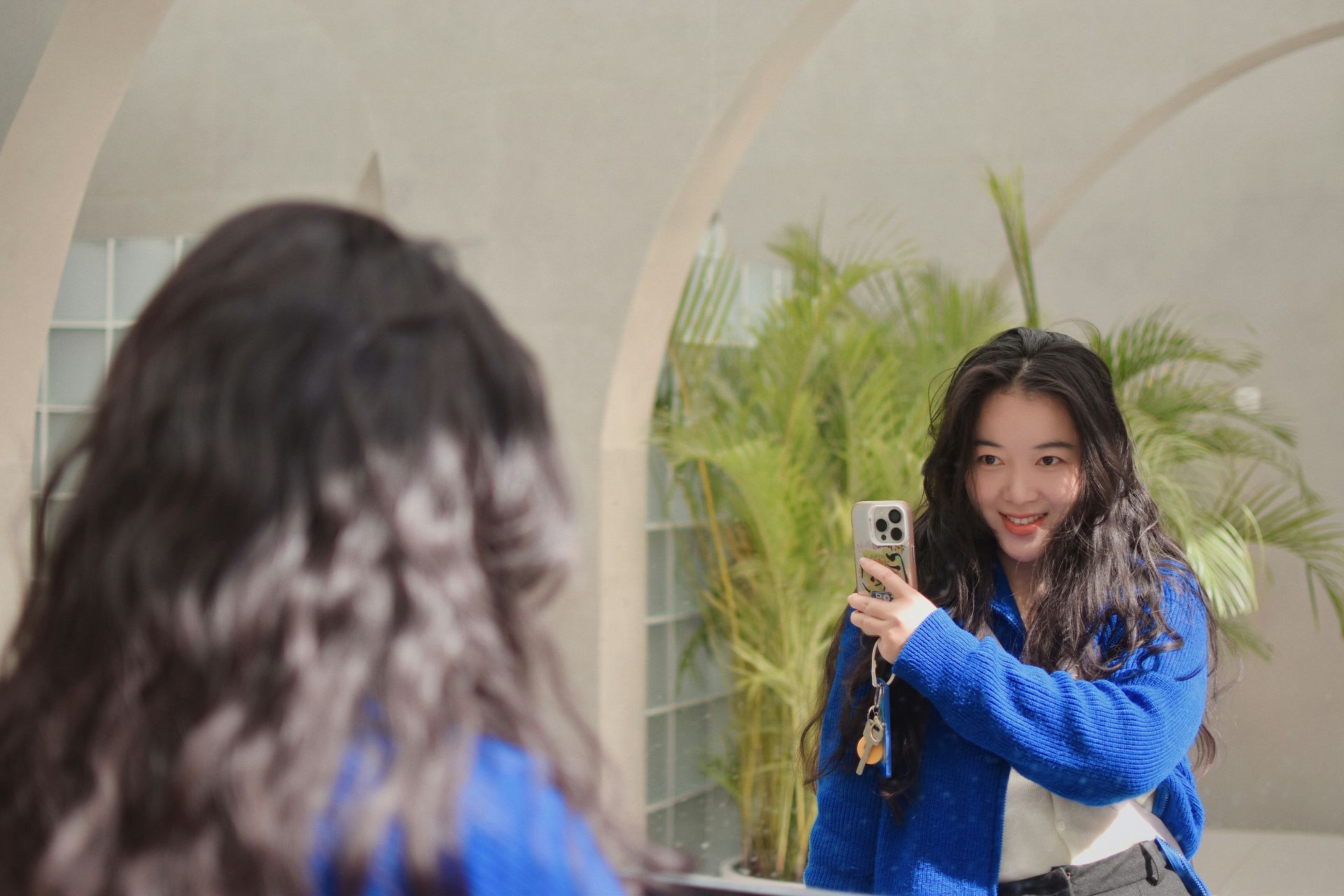
There is also a performance dimension that did not exist before. Social media turns identity into content. The version of themselves that a person presents online is curated, edited, and evaluated in real time through metrics — likes, followers, engagement. The feedback loop between performed identity and internal self-concept is difficult to fully separate, especially during the years when identity is still forming.
7 / 26
The transformation of romantic partnership
Credit: cottonbro studio, Pexels
The majority of couples in the U.S. now meet online. This represents the most significant structural change in how humans find romantic partners since the invention of the personal introduction — and possibly ever.
Matchmaking in the pre-digital era depended heavily on proximity. People overwhelmingly married others from their neighborhood, church, school, or workplace. The pool was geographically bounded, and first impressions formed through in-person encounter. Algorithms did not exist. Shared social networks provided implicit vetting.
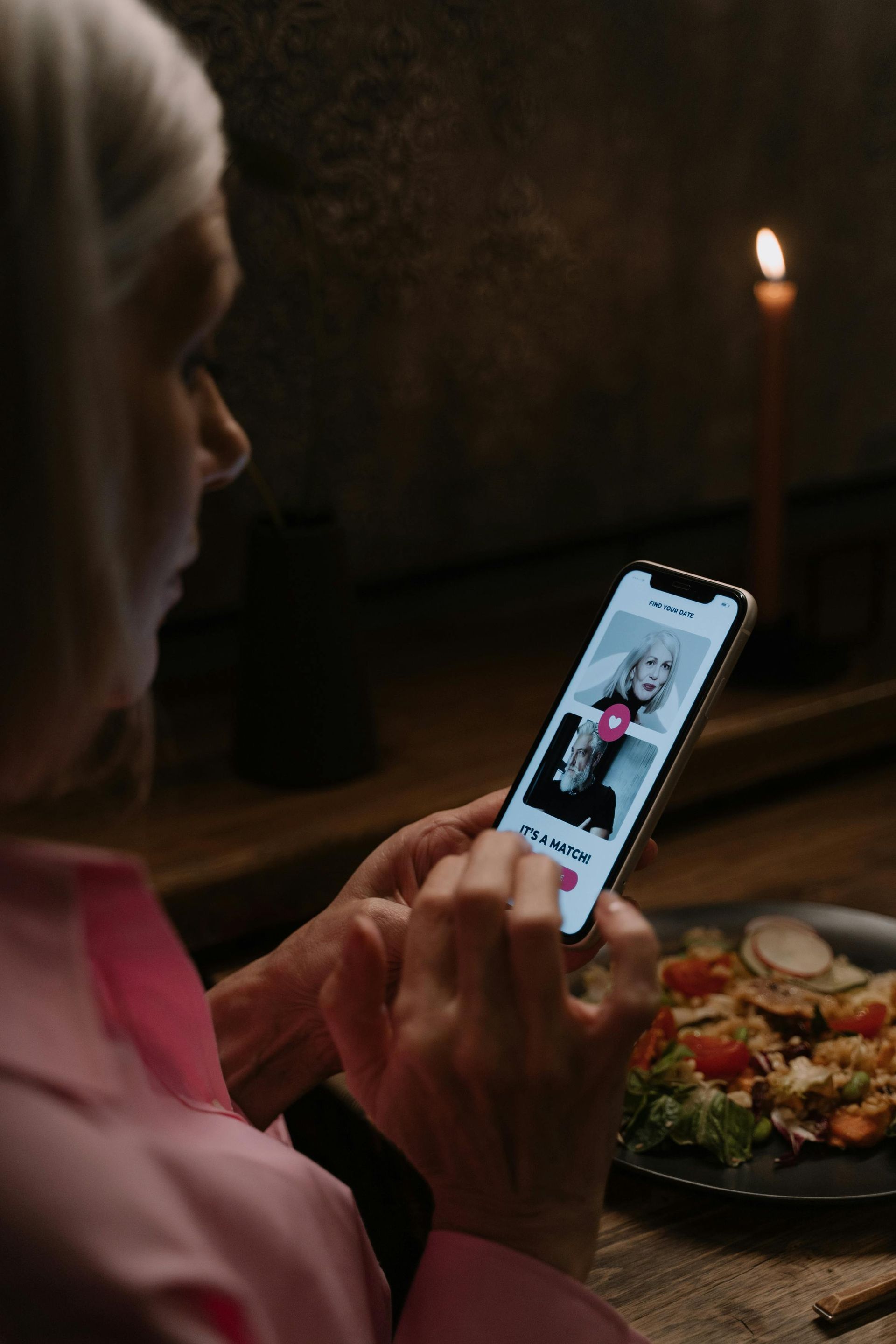
Dating apps changed the logic of search entirely. They turned partner selection into a browsable catalog, sorting potential partners by location, appearance, and self-reported attributes. The experience of meeting someone became front-loaded with assessment — people form initial judgments from photos and brief bios before any conversation occurs. The swiping interface, designed to be fast and decision-efficient, has encouraged a mode of evaluation that treats people more like products than persons.
This is not uniformly bad. Dating apps have enabled people to find partners across social and geographic boundaries that would previously have been nearly impassable. Interracial couples, same-sex couples, and couples with significant age differences all form more easily in a dating app environment. The pool is larger and more diverse.
But the pool's size has also introduced what behavioral economists call the paradox of choice: when options are effectively unlimited, satisfaction with any one option declines. People who meet through apps report higher rates of wondering what else might be out there — a phenomenon that is structurally difficult to avoid when the next potential match is one swipe away.
8 / 26
The reordering of privacy norms
Credit: CardMapr.nl, Unsplash
Privacy norms are not fixed — they shift with technology. What feels intrusive in one era becomes normal in the next. The internet has produced the largest and fastest normative shift in privacy that human society has ever experienced.
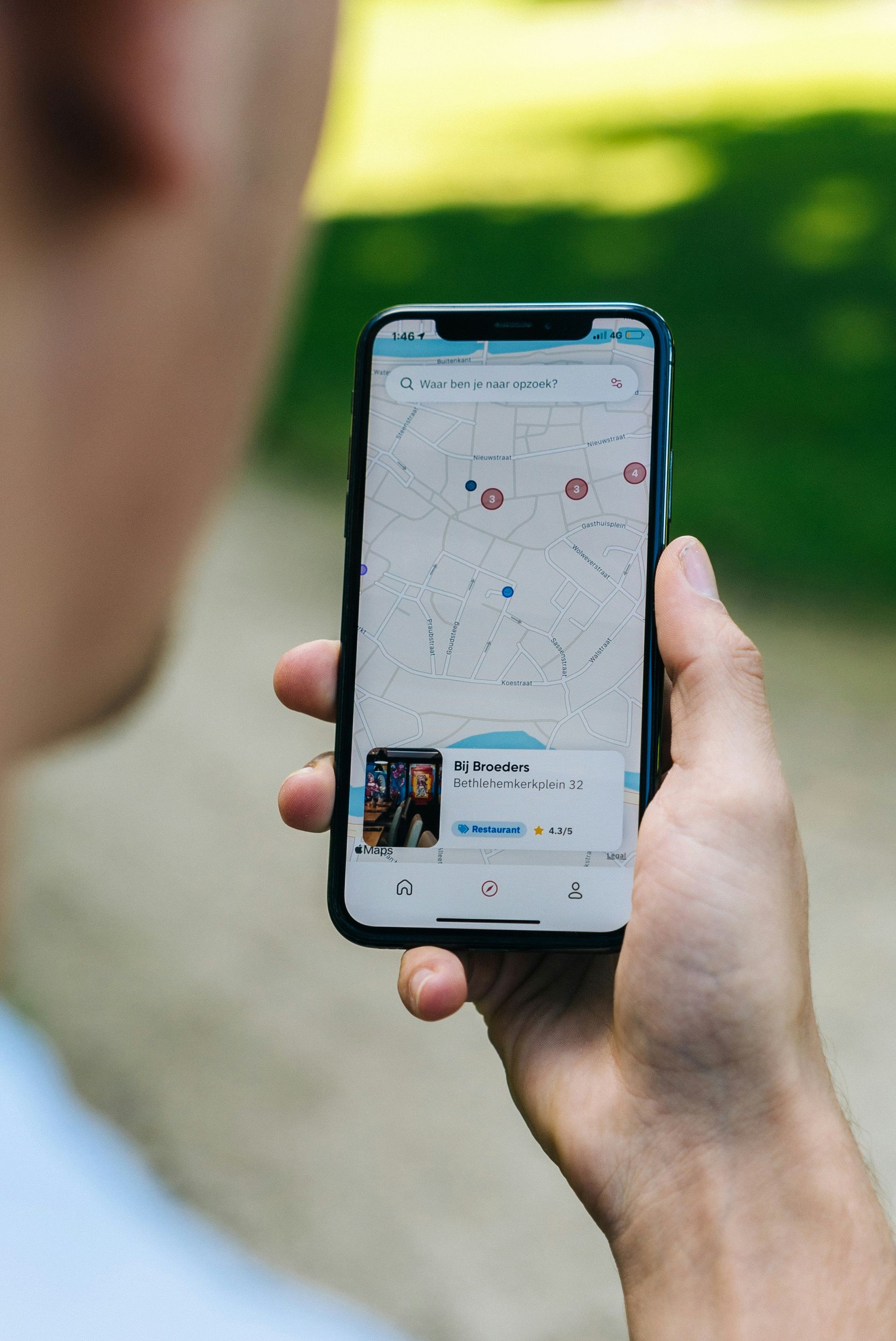
A generation ago, most people would have found it bizarre to share their physical location with friends in real time, post photographs of their meals, announce relationship changes publicly, or document a vacation for an audience of hundreds. Each of these is now ordinary behavior for large portions of the global population.
The shift happened partly through incremental normalization. Each new feature — location sharing, stories, check-ins — seemed like a small additional step from the one before it. And it happened partly through social incentive: when everyone else was sharing, opting out felt like absence, antisocial behavior, or eccentricity.
The consequence is a society in which individuals routinely generate enormous quantities of personal data — behavioral, locational, relational, commercial — most of which is collected, stored, and monetized by corporations without the sharing person fully understanding what they are giving up. The legal and regulatory frameworks governing this collection vary widely by country and are generally considered inadequate by technologists and civil liberties advocates.
The norms around professional and personal privacy have also blurred. Employers routinely search job candidates online before interviews. Romantic partners are researched before first dates. Personal information shared in one context — a photo, a political comment, a dating profile — can be extracted and deployed in entirely different contexts.
9 / 26
Political mobilization and polarization
Credit: Ross Sneddon, Unsplash
The internet has simultaneously made political organizing easier and political discourse harder. Both effects are real and documented.
On the organizing side, the tools for collective action have been radically democratized. Movements that would once have required years of infrastructure-building — printing newsletters, renting meeting halls, building phone banks — can now mobilize thousands of people in days. Protests are organized over social media. Petitions gather millions of signatures online. Fundraising happens through distributed small-donor networks. The speed and scale of political coordination have increased by orders of magnitude.
At the same time, the same platforms that enable organizing also sort people into ideological clusters where they are primarily exposed to views they already hold. This is partly a product of algorithmic recommendation systems, which tend to serve users more of what they engage with, and partly a product of human nature — people choose to follow accounts that confirm their existing beliefs.
The combination produces filter bubbles: informational environments in which a person's political reality can diverge substantially from that of their neighbors. When two people are operating from genuinely different factual premises — not just different values, but different facts — productive disagreement becomes nearly impossible. The result is a form of polarization that is structural, not merely ideological.
This effect is not evenly distributed. Highly engaged media consumers are more vulnerable to filter bubbles than casual users. People who primarily consume political content through social media face different informational environments than those who primarily read newspapers, even online ones. But the overall direction of the shift — toward greater political sorting, reduced cross-cutting exposure, and more hostile cross-partisan interaction — is broadly documented.
10 / 26
Sleep disruption at scale
Credit: cottonbro studio, Pexels
Human sleep architecture evolved under consistent conditions: darkness after sundown, quiet at night, no artificial stimulation. The smartphone dismantled those conditions for a significant portion of the global population.
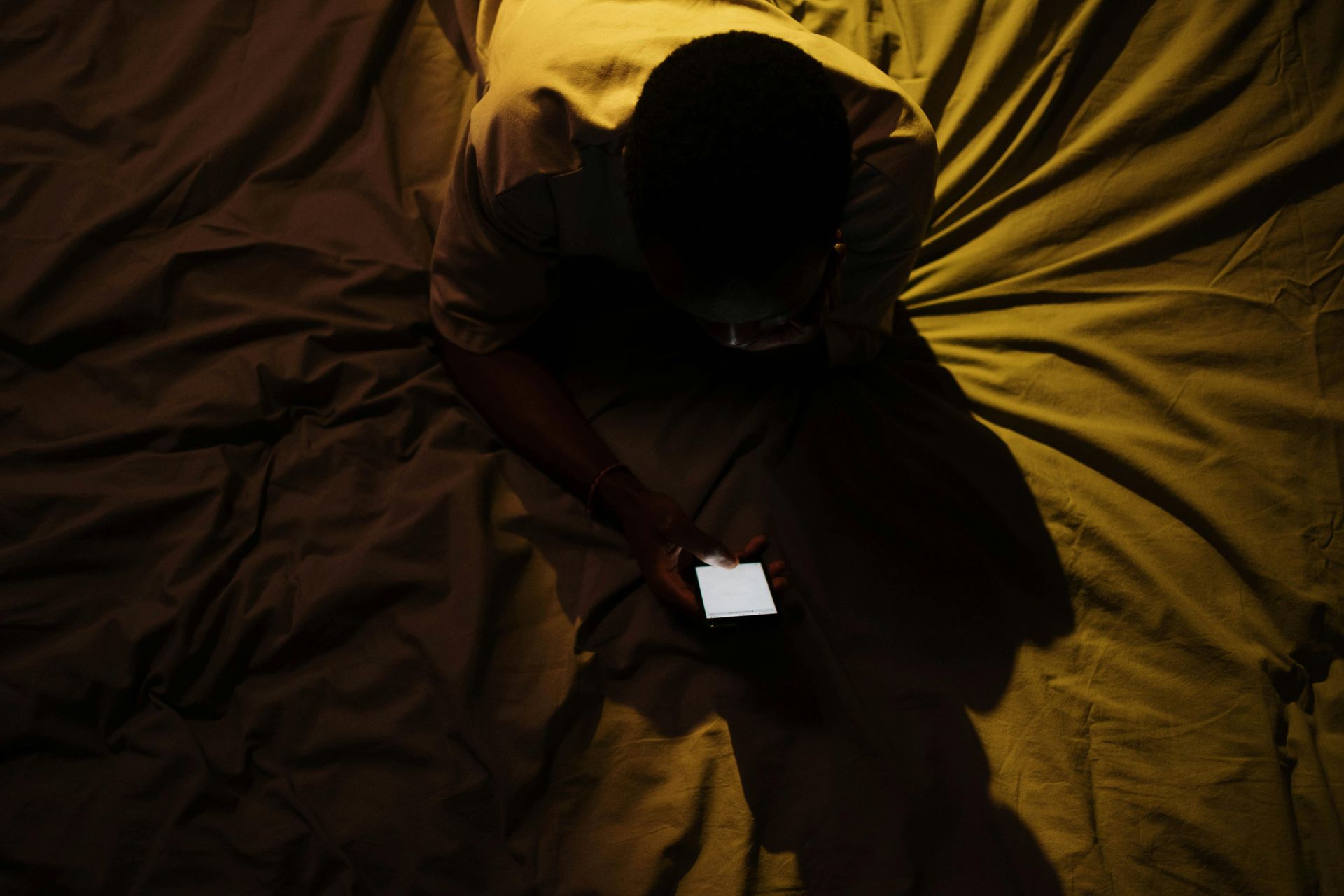
The average adult who owns a smartphone uses it within the last 30 minutes before bed and checks it within the first 10 minutes of waking. Many people sleep with the device within arm's reach and check notifications during the night. The behavioral norm — that the phone is never fully put away, never fully off — is relatively new, and it is having measurable effects on sleep quality and duration.
The mechanism is both physiological and psychological. Blue light emitted by screens suppresses melatonin production, shifting the circadian clock toward wakefulness. But beyond the light effect, the content consumed at night — news, social media, work email — activates arousal and anxiety responses that make sleep onset harder. The brain, having just processed conflict, comparison, or bad news, is not well positioned to relax.
The psychological tether of the phone also means that many people do not experience the gradual mental decompression before sleep that previous generations had — reading, quiet conversation, darkness — because the phone keeps the mind engaged right up until the moment of attempted sleep.
Sleep deprivation of even moderate severity impairs cognition, mood regulation, immune function, and long-term cardiovascular health. At the population level, the shortening of average sleep duration over the past two decades tracks closely with the rise of smartphones — though attributing causality is complicated by the many other factors affecting sleep.
11 / 26
The democratization of expertise

Credit: Annie Spratt, Unsplash
The internet has not created a world without expertise, but it has fundamentally changed the relationship between experts and non-experts — distributing knowledge that was previously gated behind professional credentials, expensive education, or geographic access.
A person who wants to learn to code can now do so through free online courses. Someone with a chronic illness can research their condition in medical databases that were once accessible only to physicians. A small business owner can learn tax law, digital marketing, and contract drafting from free resources that replace what previously required paid professionals.
This has real and positive consequences. Healthcare decisions are better informed when patients understand their diagnoses. Communities in low-income countries have gained access to educational resources that were previously available only to the wealthy. Self-taught programmers, designers, chefs, and craftspeople have built careers on knowledge acquired online.
But the same dynamics that distribute genuine expertise also distribute confident misinformation. The internet has produced a generation of people who have researched their condition extensively on unreliable forums, who have developed detailed theories of history or medicine that contradict the scholarly consensus, or who believe they understand a field more deeply than its practitioners because they have read around it online.
This is sometimes called the Dunning-Kruger dynamic at scale: broad access to surface-level information creates the cognitive conditions for overconfidence. The solution is not less access to information — it is better media literacy, which is itself a skill unevenly distributed across populations.
12 / 26
The transformation of grief and memory
Credit: 碧 maruneko, Pexels
How humans process grief and maintain the memory of the dead has changed more in the past 20 years than in the previous several centuries.
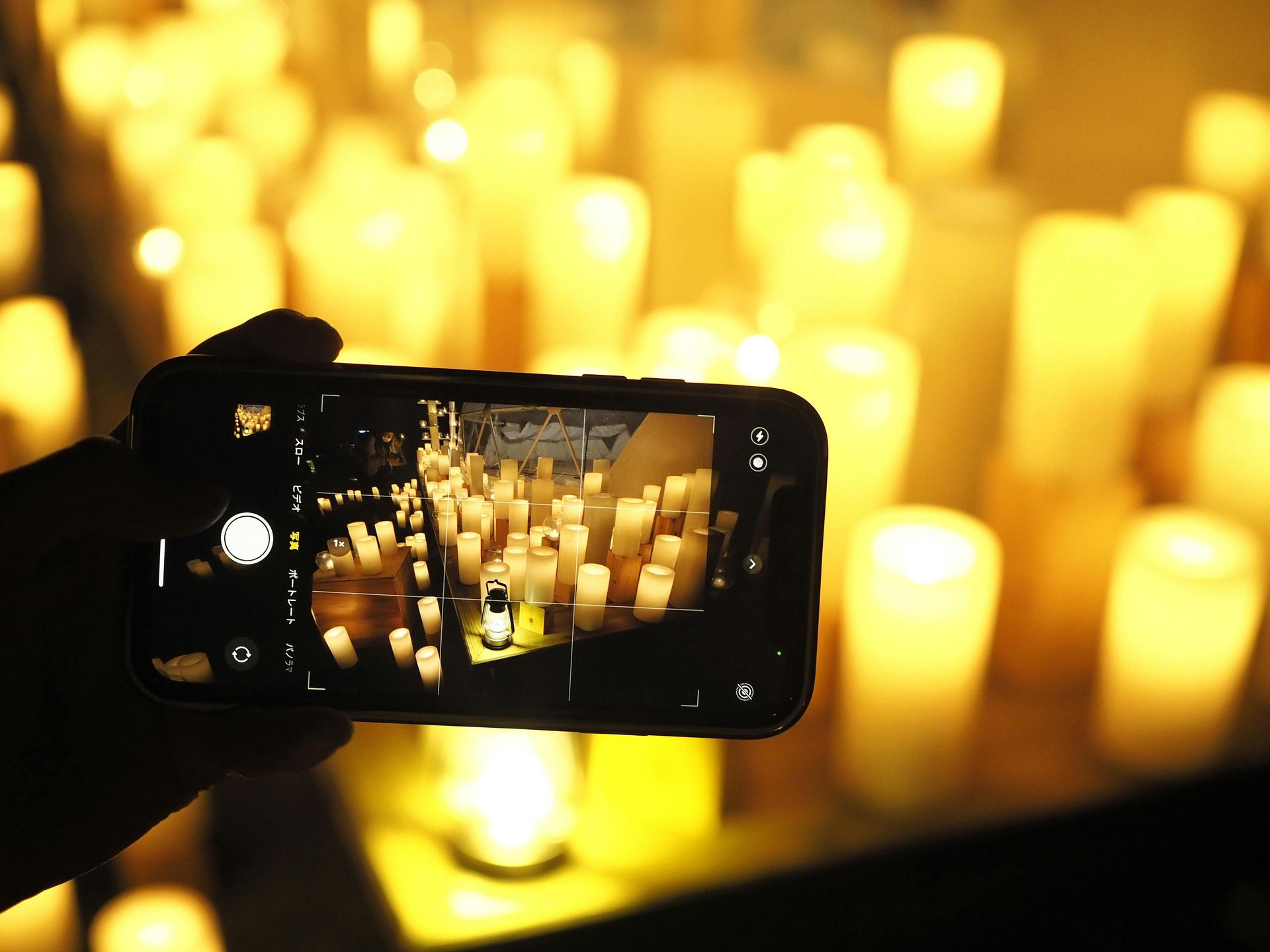
Social media profiles persist after death. Facebook $META now has more dead users than living ones in some demographic cohorts. These profiles become sites of communal mourning — people post to dead friends' walls on birthdays, share memories, maintain a public record of the life that was lived. For the bereaved, this creates something with no historical precedent: the ongoing presence of the dead as a social media entity.
This has benefits. Grief, which was once primarily private or contained within immediate social networks, can now be expressed and witnessed publicly. Distant friends and acquaintances who would never have known of a death now participate in mourning. The record of a life is preserved in detail — photographs, posts, messages — that no previous generation had.
But it also creates new forms of complicated grief. The deceased continues to appear in memories and "on this day" features on platforms. The bereaved may feel pressure to maintain or curate the person's digital presence. The line between memory and presence blurs in ways that can inhibit processing.
The internet has also changed how death is anticipated and understood. Medical information about terminal diagnoses is widely accessible. Online communities exist for people with life-limiting conditions and their families. End-of-life planning resources are freely available. The death of a public figure generates an immediate, global wave of shared mourning that plays out in real time across platforms.
13 / 26
The reshaping of work and productivity

Credit: Polina Tankilevitch, Pexels
Remote work did not begin with the internet, but the internet made it technically feasible at scale, and the COVID-19 pandemic demonstrated that it was operationally viable across a much wider range of industries than previously assumed.
The behavioral changes this produced are still playing out. Workers who spend significant portions of their time working from home develop different habits around focus, collaboration, and the boundary between work and personal life. The commute — long criticized as wasted time — turns out to have served a transition function: it was a buffer between work mode and home mode that disappearing into a home office does not replicate.
The internet has also changed the temporal shape of work. Email and messaging platforms make it possible — and, in many workplaces, expected — for workers to be available outside standard hours. The always-on office culture this creates is a behavioral shift with real consequences: it reduces recovery time, blurs the psychological distinction between work and rest, and can produce chronic low-level stress.
On the other side of the ledger, the internet has made certain categories of work dramatically more efficient. Research, communication, coordination, and information retrieval are all faster at every level. The long-run productivity effects of the internet are difficult to measure precisely — economists have debated why measured productivity growth has been modest despite the scale of technological change — but the behavioral experience of work has been fundamentally altered.
14 / 26
The rise of parasocial relationships

Credit: George Milton, Pexels
A parasocial relationship is a one-sided emotional bond in which a viewer or reader feels a genuine sense of connection to a media figure who has no knowledge of their existence. This phenomenon predates the internet — fans have long formed attachments to actors, musicians, and athletes — but the internet has radically expanded its scope.
YouTube creators, podcasters, Twitch streamers, and social media personalities now produce content that is intimate, conversational, and frequent in a way that television celebrities never did. A person who listens to a podcast host for two hours a week for several years, hears them discuss their marriages, health problems, and doubts, and receives personalized-feeling content — that person develops a sense of knowing the host that is not entirely irrational. The host has shared more than most acquaintances share.
The behavioral consequence is that people now draw genuine emotional sustenance from parasocial relationships. During periods of loneliness — including the extended isolation of the pandemic — parasocial bonds provided a form of social connection that partially substituted for real relationships. This is not pathological; it is a predictable response to available stimuli.
But parasocial relationships have limits that real relationships do not. They cannot offer reciprocity, support, or the adaptive friction of genuine human encounter. When they substitute for real relationships rather than supplement them, they can reduce the motivation to invest in the harder work of actual intimacy. And when the public figure behaves in ways that betray the audience's sense of knowing them, the emotional hurt is real — even though the "relationship" was entirely imaginary on one side.
15 / 26
The compression of geographic distance
Credit: RDNE Stock project, Pexels
Before digital communication, staying connected across geographic distance required significant effort. Letters took days or weeks. International phone calls were expensive enough to be reserved for significant occasions. Families separated by immigration often went months without communication.
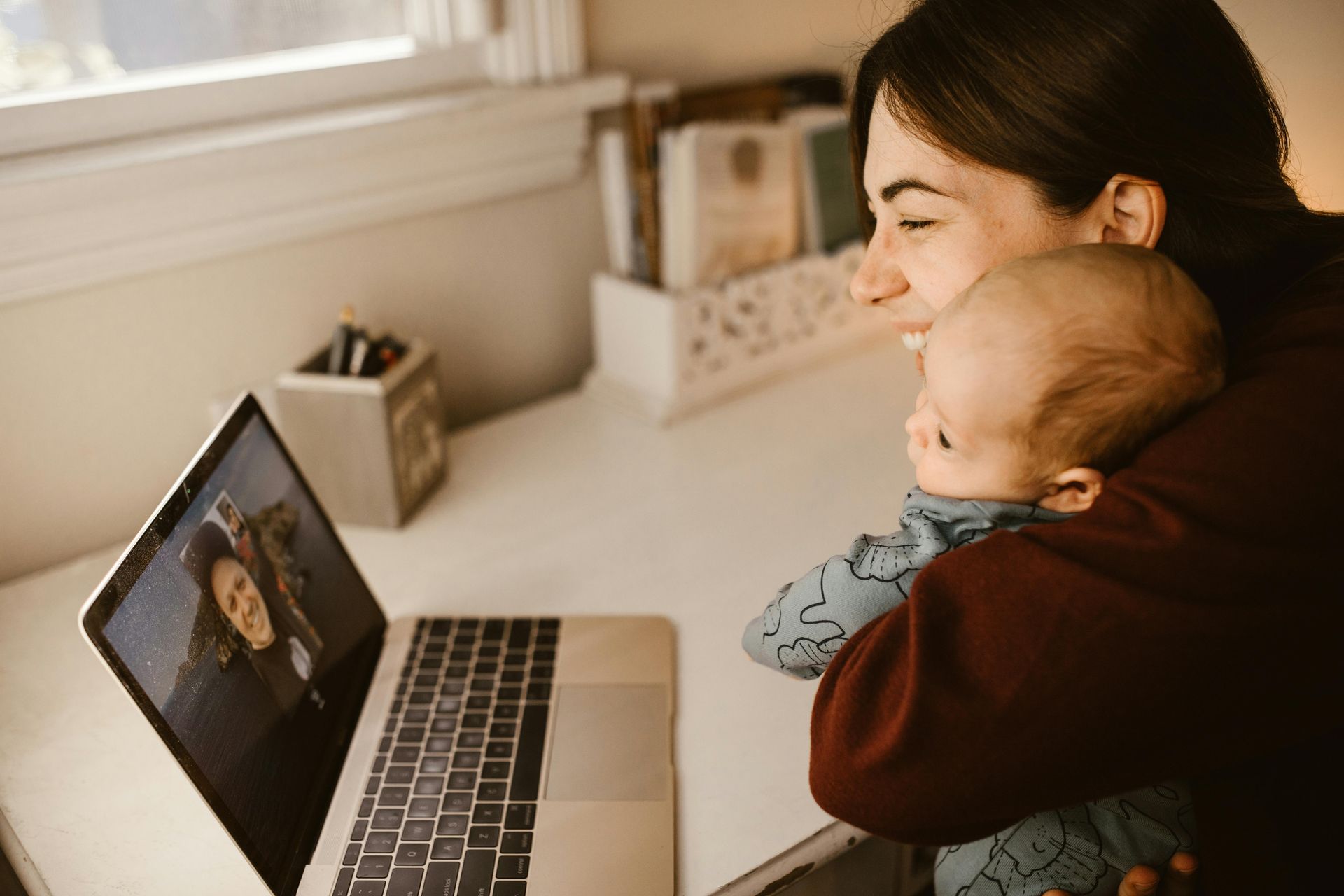
The internet collapsed those barriers almost entirely. Video calls are free. Messaging is instantaneous. A family spread across three continents can maintain daily contact at effectively zero cost. The emotional geography of human relationships has changed: proximity is no longer a prerequisite for closeness.
This has produced real benefits for global migration. Immigrants can maintain meaningful, daily relationships with family in their home countries in a way that previous generations could not. The painful severance that immigration once often required — from language, family, and culture — is partially mitigated by digital connection.
It has also changed the labor market profoundly. Knowledge workers can be hired and managed across national borders without physical relocation. Entire industries have shifted production to where labor is cheapest without losing operational coordination. This has had complex economic effects — expanding opportunity in some regions, displacing workers in others — that national economic policies are still struggling to address.
The emotional consequence of collapsed distance is not entirely straightforward. The ease of maintaining long-distance relationships has made geographic mobility easier, which means people move away from home communities more readily. This has contributed, in some analyses, to weakened local social ties — the neighborhood, the local institution, the geographically bounded community — even as digital connections to dispersed social networks remain strong.
16 / 26
Crowdsourced knowledge and its limits
Credit: Planet Volumes, Unsplash
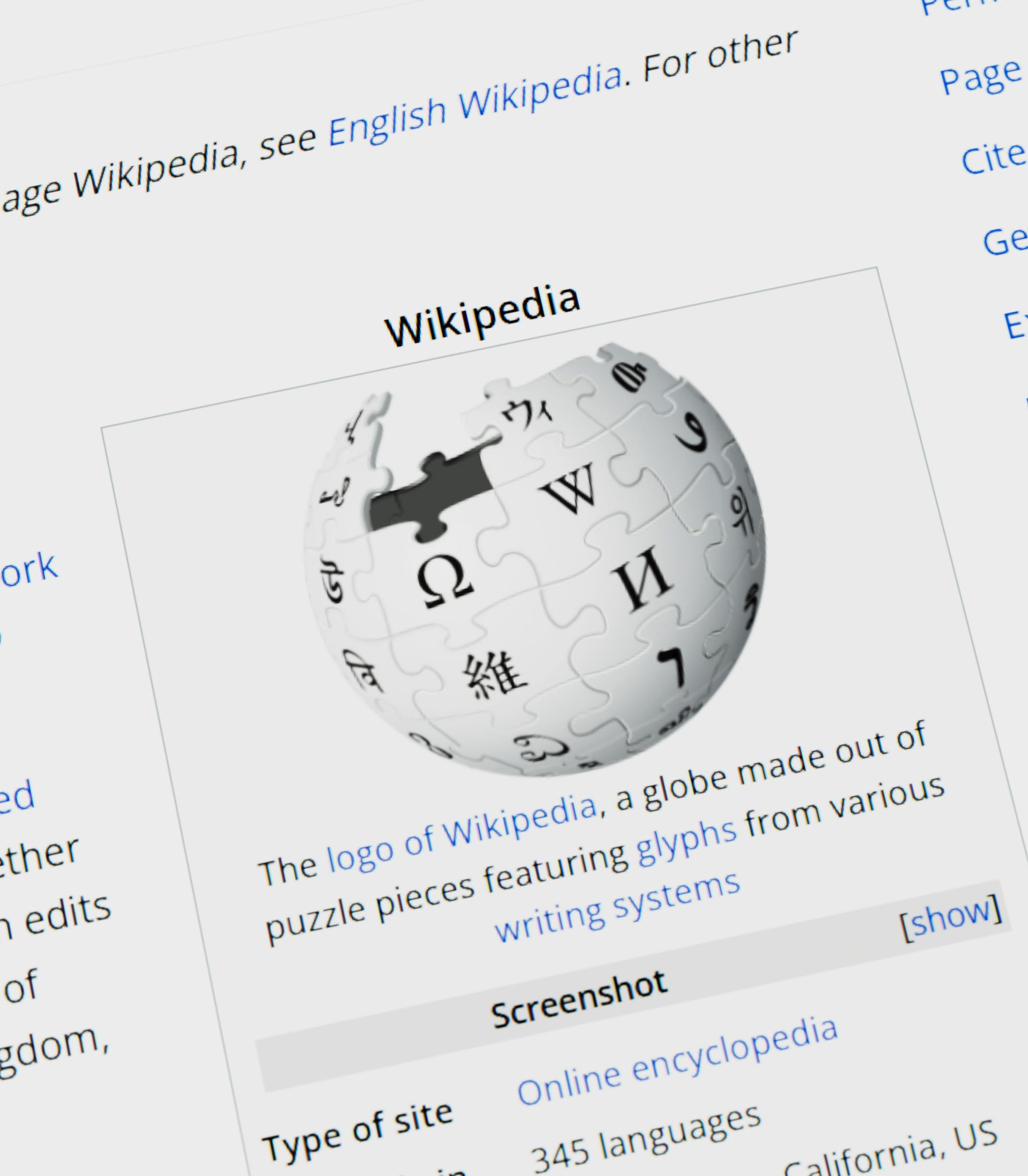
Wikipedia is one of the most visited websites in the world. It is compiled and maintained almost entirely by volunteers without formal credentials in most of the topics they edit. It is also, in most assessments, roughly as reliable as professionally edited encyclopedias for mainstream topics — and far more current and comprehensive.
This is an extraordinary fact. The collaborative production of knowledge at scale, by unpaid amateurs operating under a set of behavioral norms and editorial rules, has produced something of genuine value. The model — often called "wisdom of crowds" — works in domains where errors can be caught and corrected by many eyes, and where contributors have reasons to care about accuracy.
But crowdsourced knowledge has structural weaknesses. Wikipedia's editor base skews heavily male, Western, and English-speaking, producing gaps and biases in coverage. Contentious topics attract editing wars that can produce instability or consensus views that reflect the loudest voices rather than the most credible ones. Areas without large interested communities — obscure regional history, minority languages, niche sciences — are covered sparsely or not at all.
More broadly, the crowdsourced knowledge model has produced a norm of treating all information as equally reviewable and equally provisional. This is epistemically appropriate for encyclopedias. Applied to established science, medicine, or history, it produces a false equivalence between expert consensus and lay opinion. The habit of mind that sees all knowledge as a wiki — editable, debatable, a matter of community consensus — can erode the distinction between well-established findings and contested claims.
17 / 26
The transformation of consumer behavior

Credit: Marcial Comeron, Pexels
Online shopping is not simply a faster version of going to a store. It has restructured the entire psychology and economics of consumption.
The price comparison that once required visiting multiple stores is now instantaneous. Consumers can access reviews from thousands of previous purchasers, compare competing products across dozens of attributes, and purchase from the cheapest available source with a few clicks. The information asymmetry that once let retailers profit from customer ignorance has been substantially reduced.
The behavioral consequences extend beyond individual transactions. The friction of purchasing has dropped so close to zero — particularly with one-click buying and subscription services — that impulse buying has become structurally easier. The physical act of going to a store, carrying items, waiting in line, handing over cash, served as a minor friction that encouraged at least minimal deliberation. Online, the path from desire to purchase can take seconds.
This has contributed to documented increases in consumer spending in categories where the decision is driven by convenience rather than careful consideration. Return rates for online purchases are substantially higher than for in-store ones — partly because the product often doesn't match its online presentation, and partly because the low-friction purchasing process was never built on solid deliberation.
The platform economy has also restructured the labor market around consumption. The gig economy — rideshare, food delivery, home services — exists primarily because smartphone apps reduced the coordination cost of matching supply and demand to nearly zero. Workers in these systems often lack the protections of traditional employment, raising structural questions about the labor bargain that underpins on-demand services.
18 / 26
The globalization of culture

Credit: cottonbro studio, Pexels
Cultural exchange between nations predates the internet, but it has been accelerated and democratized in ways that are without precedent. A South Korean TV show can become a global phenomenon without theatrical release in a single non-Korean market. A musician from Lagos can build a fanbase in Oslo before they have ever performed outside Nigeria. A slang term coined by Black teenagers in the U.S. can spread globally in days.
This is genuinely new. Previous waves of cultural globalization largely flowed from a small number of wealthy nations — primarily the U.S. — outward to the rest of the world. The internet has not reversed that asymmetry entirely, but it has introduced meaningful counter-flows. The global streaming era has surfaced content from dozens of national industries that would never have had international distribution under the old model.
The behavioral consequence is a population that is culturally porous in ways previous generations were not. Young people around the world share media references, aesthetic tastes, and consumer preferences across national borders with a fluidity that makes traditional national cultural identity harder to sustain and define. Whether this is welcomed depends significantly on where you sit: in a small cultural community watching its norms diluted by global flows, it can feel threatening. In a minority community gaining global visibility for the first time, it can feel like arrival.
It has also produced new forms of cultural appropriation and commodification, in which elements of specific cultural communities are extracted from their context and circulated widely — sometimes without credit, sometimes without understanding — on the same platforms that gave those communities global visibility.
19 / 26
The restructuring of trust

Credit: MART PRODUCTION, Pexels
Trust in institutions — government, media, religion, science, business — has declined across most developed democracies over the past two decades. The internet did not cause this on its own, but it has accelerated and deepened the trend.
Before the internet, gatekeeping institutions controlled the flow of information. Newspapers decided what was published. Broadcasters decided what was broadcast. This gatekeeping was frequently used to protect powerful interests, and its failures are well-documented. But it also served a function: it filtered the information environment in ways that maintained a rough shared reality.
The internet bypassed these gatekeepers. Anyone can publish. Anyone can broadcast. The resulting information abundance has produced a paradox: more information available has, in many cases, led to lower trust in information itself. When authoritative and false claims are presented in identical formats, and when institutions have a documented record of errors and self-serving behavior, the rational response for many people is generalized skepticism.
This skepticism has not been evenly applied. It has tended to cluster around specific institutions — legacy media, public health authorities, government — while leaving others relatively unquestioned. It has also been weaponized by political actors who benefit from low public trust, who use the tools of democratic discourse to undermine the institutions that sustain it.
The restructuring of trust has created a fragmented epistemic environment in which different communities operate from different factual premises, accept different authorities, and find different evidence compelling. This makes collective decision-making on shared problems — climate change, pandemics, economic policy — substantially harder.
20 / 26
The permanent record

Credit: Ron Lach, Pexels
Human beings have always left traces — letters, diaries, photographs, legal documents. But the traces left in the digital era are more comprehensive, more durable, and more easily retrieved than anything in previous history.
A person's digital footprint includes every search they have ever made (stored by search engines), every website they have visited (stored by browsers and advertisers), every purchase (stored by retailers and banks), every message (stored by platforms), every location (stored by phones and apps), and every social media post ever made. Most of this data is retained indefinitely by the companies that collect it and is available, under varying legal conditions, to law enforcement, employers, and data brokers.
The behavioral consequence is a world with essentially no forgetting. Previous generations could expect that youthful mistakes, embarrassing statements, and private struggles would fade from public record over time. That expectation no longer holds for anyone who grew up digital. The 19-year-old who posts something offensive may find it surfacing in a background check at 35.
This has produced a documented chilling effect on self-expression. People who are aware of persistent surveillance — whether by platforms, employers, or governments — engage in self-censorship. The knowledge that a record exists changes behavior, even when no one is actively watching. Privacy researchers call this the panopticon effect: the mere possibility of observation is enough to alter conduct.
The permanent record also has benefits that are easy to overlook. Cold cases are solved using digital evidence. Missing persons are found. Historical events are documented in detail that was previously impossible. Authoritarian abuses are recorded and distributed in ways that make denial harder.
21 / 26
Accelerated spread of misinformation

Credit: beytlik, Pexels
False information has existed in every era of human history. Rumors, propaganda, hoaxes, and deceptive reporting predate the internet by centuries. But the speed, scale, and architecture of the internet have changed the dynamics of misinformation in ways that make it qualitatively different from what came before.
A false claim posted on social media can reach millions of people before a correction is even written. Algorithms optimized for engagement have a structural tendency to favor outrage-inducing content — because outrage drives clicks, shares, and time-on-platform — and false or exaggerated claims tend to produce more outrage than accurate ones. The correction, when it comes, reaches a smaller audience and produces less emotional response.
The architecture of sharing — particularly the reshare or retweet mechanic — allows false information to travel through social networks via trusted relays. A person is more likely to believe information that arrives through a trusted friend than through an unknown source. Social media exploits this by making friend-to-friend distribution the primary mechanism of information spread.
The result is an information environment in which false narratives — about health, politics, economics, crime — can embed themselves deeply in large communities before any corrective process takes hold. Some of these narratives have demonstrably harmed public health (vaccine misinformation during disease outbreaks), political stability (electoral fraud claims), and interpersonal relationships (online rumors spreading about private individuals).
The social cost of misinformation at current scale is difficult to measure but clearly real. What is also clear is that the human cognitive system — built for a world where information spread slowly and social networks were small — has no reliable built-in defense against false claims that arrive at algorithmic velocity.
22 / 26
The rise of the creator economy
Credit: Kampus Production, Pexels
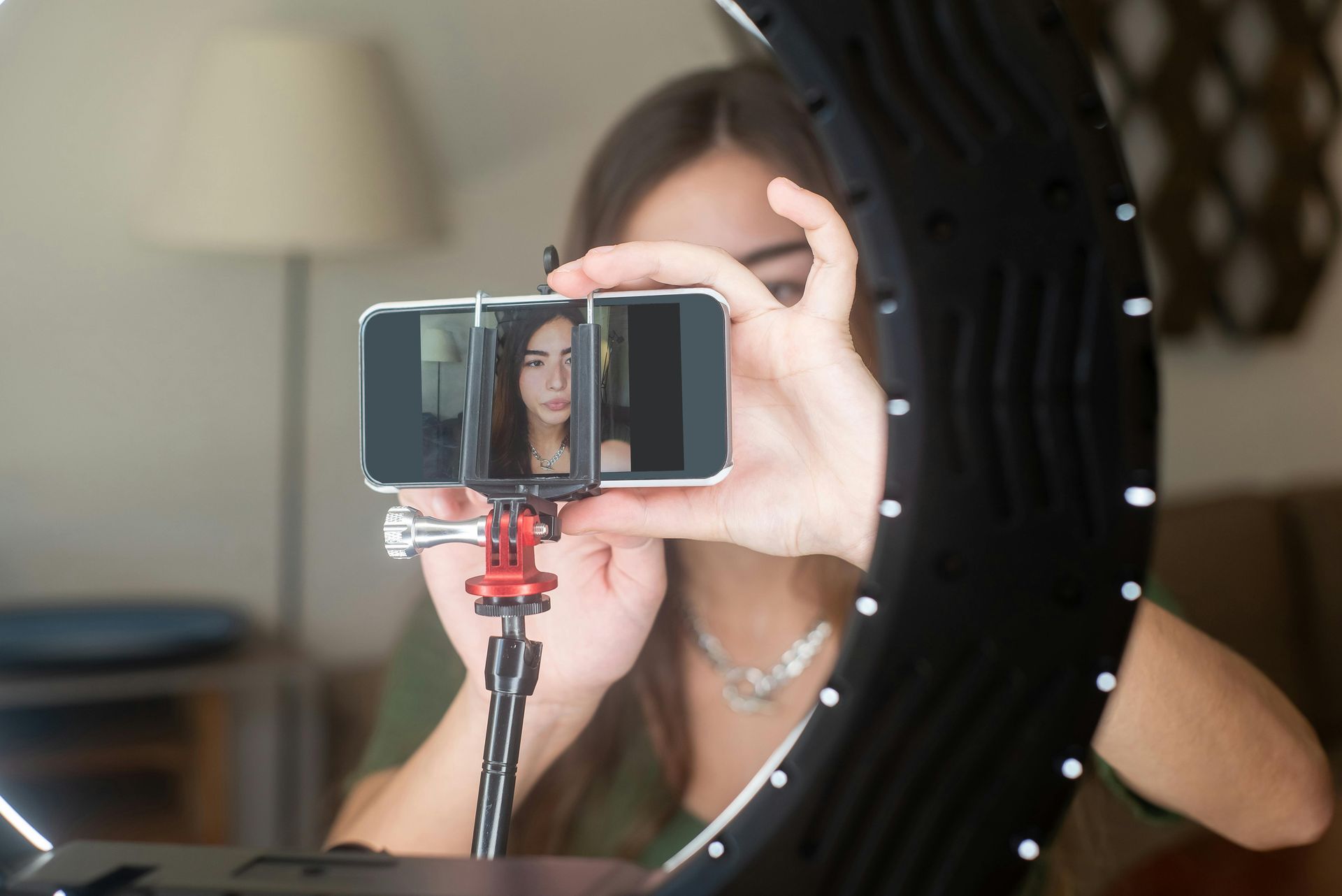
For most of the 20th century, the means of cultural production — film studios, record labels, publishing houses, television networks — were concentrated in the hands of a small number of large institutions. Creating and distributing content to a mass audience required their cooperation. The internet changed that, and over the past 15 years it has produced an entire economic category built on individual content creation.
The creator economy now includes millions of people globally who earn income — some modest, some substantial — from YouTube channels, newsletters, podcasts, Instagram accounts, Twitch streams, and similar platforms. The barriers to entry are low: a camera, a microphone, and an internet connection are sufficient to begin. The ceiling, for successful creators, can be quite high.
This has changed the nature of work for a significant number of people. The aspiration to "become a creator" — to build an audience and monetize attention — has become a legitimate career path in a way that would have seemed absurd 20 years ago. Among teenagers in many countries, it is now among the most frequently cited career ambitions.
The structural realities of this economy are more complicated than the aspiration. The distribution of income among creators follows a power law: a small number capture enormous audiences and income, while the vast majority earn little or nothing. The platforms that host creators take significant revenue shares and retain the right to change algorithms, demonetize content, or ban accounts — leaving creators with little structural power.
The behavioral effect on the broader population is also notable. Growing up with content created by individuals rather than institutions changes the relationship to authenticity, authority, and expertise. When a 24-year-old with a camera is as accessible and relatable as any major media entity, the distinction between credentialed expert and charismatic amateur can erode.
23 / 26
The transformation of activism and social movements
Credit: Markus Spiske, Pexels
Social movements of the pre-internet era built slowly. Organizers recruited through personal networks, built infrastructure over years, and relied on trusted intermediary organizations — unions, churches, civic groups — to mobilize members. The civil rights movement, the labor movement, and second-wave feminism all followed this pattern.
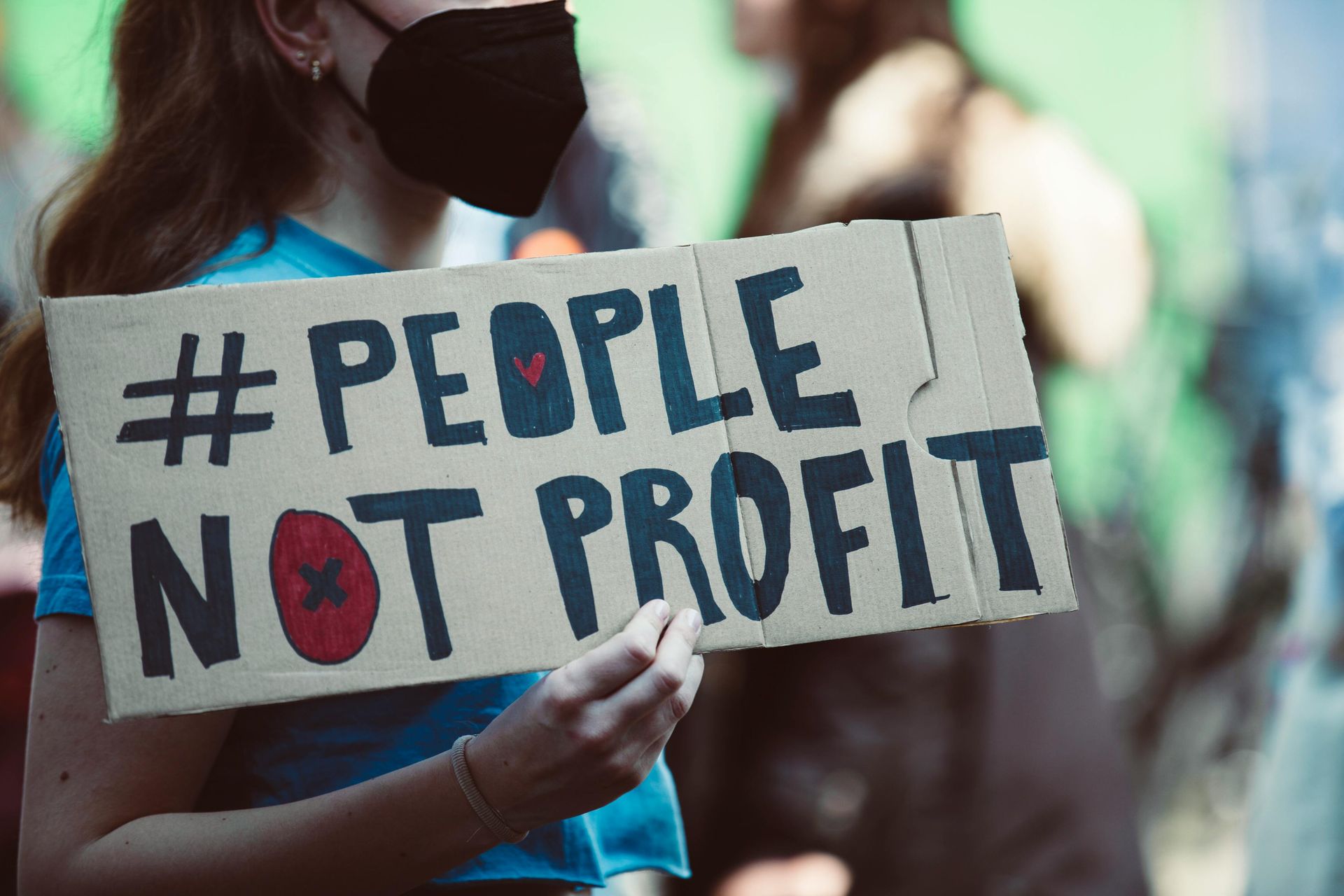
Digital activism has changed the pace and shape of mobilization. The Arab Spring, Occupy Wall Street, Black Lives Matter, #MeToo — each of these movements used social media as a primary organizing and awareness-building tool. Information traveled faster than any previous movement's communications infrastructure could manage. Participation thresholds dropped: joining a movement once required physical presence; now it can mean a social media follow, a hashtag, or a donation.
This lower threshold has genuine value. Movements have built public awareness, changed laws, and altered institutional behavior in ways that were facilitated by digital mobilization. #MeToo prompted measurable changes in workplace harassment policies and legal outcomes across multiple countries and industries.
But the same characteristics that make digital activism fast also make it shallow. High-visibility online campaigns can produce intense attention for short periods without building the durable organizational infrastructure needed for sustained change. Participating in a hashtag campaign gives a person the emotional experience of collective action without necessarily creating the long-term commitment that movements have historically required.
Critics of "slacktivism" — the term for low-effort digital participation in social causes — argue that the ease of online activism may actually reduce participation in more demanding forms. Whether this substitution effect is real and significant is debated, but the tension between fast, scalable digital mobilization and slow, durable institution-building is a structural challenge for contemporary movements.
24 / 26
The medicalization of online behavior

Credit: Adrian Swancar, Unsplash
Behavioral scientists, clinicians, and public health researchers have spent the past decade debating whether various patterns of internet use constitute diagnosable conditions. The answer, in several cases, is increasingly yes.
Gaming disorder was included in the World Health Organization's International Classification of Diseases in 2018. Research on compulsive social media use has documented patterns consistent with behavioral addiction — loss of control, withdrawal symptoms, interference with daily functioning, continued use despite negative consequences. Smartphone use in adolescents has been associated, in multiple large-scale studies, with elevated rates of anxiety and depression, particularly among girls.
These are not straightforward findings, and the research is contested. Correlation and causation are difficult to separate — anxious adolescents may use social media more, rather than social media causing anxiety. But the weight of evidence has shifted toward concern. Mental health professionals have increasingly incorporated digital behavior into assessment and treatment.
Clinically, this has produced new specializations: therapists who work specifically on tech-related compulsions, pediatricians who include screen time in developmental assessments, researchers studying the neurological effects of heavy digital use. Insurance companies in some countries have begun covering treatment for gaming disorder.
At the population level, the fact that behavioral patterns native to the digital environment can produce clinical-level harm is significant. The design choices of platform engineers — the variable reward schedules, the notification systems, the social validation metrics — are not neutral. They interact with human psychology in ways that produce measurable suffering in some proportion of users, and the entities that design these systems have known about these effects for years.
25 / 26
The rewiring of social comparison
Credit: Alex Green, Pexels
Humans have always compared themselves to others. This is a deep social instinct, involved in status assessment, motivation, and self-evaluation. The internet, and social media in particular, has expanded the comparison group from the immediate social environment to effectively the entire world.
Before social media, most people compared themselves to people they actually knew: neighbors, classmates, colleagues. The comparison was imperfect and often unflattering, but it was made against a realistic sample of human experience. Social media replaced that sample with a curated, filtered, optimized highlight reel — the best moments of the most attractive, most successful, most adventurous people from across the global population.
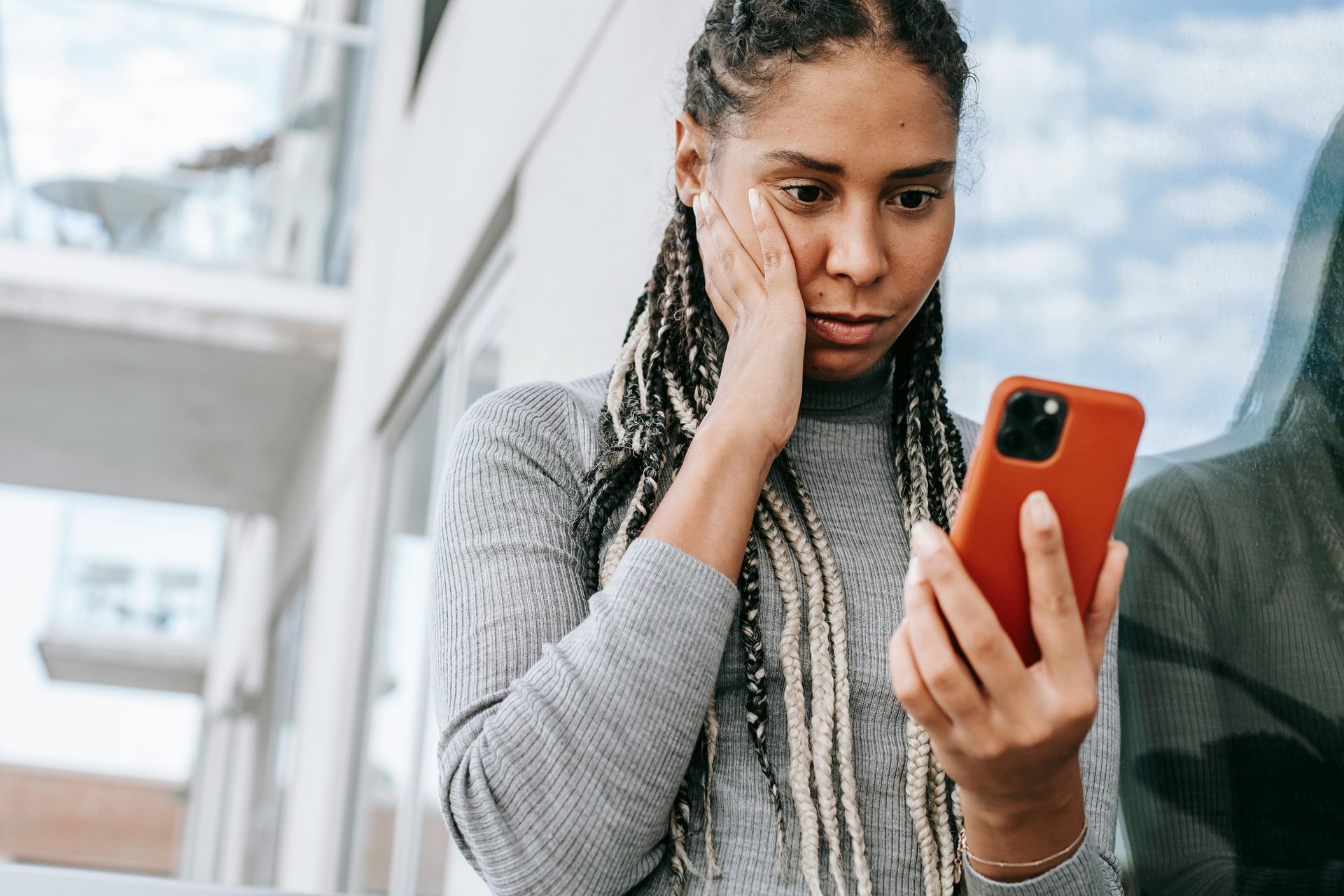
The behavioral consequence is a documented increase in upward social comparison — comparing oneself unfavorably to those who appear to be doing better. This is structurally built into the platform. No one posts their failed job applications, their bad skin days, their dull Tuesday evenings. The feed is a continuous presentation of peaks, and it is experienced by many users as representative of normal life rather than as the selective construction it is.
Research has consistently found that passive consumption of social media — scrolling without interacting — is more negatively associated with wellbeing than active use — commenting, posting, connecting. The passive scrolling mode is a comparison mode, and the comparison is almost always unfavorable.
For adolescents, whose sense of self is still forming and who are acutely sensitive to social standing, this dynamic has been associated with elevated rates of body image disturbance, feelings of inadequacy, and mood disruption. Internal research from Meta $META — revealed through leaked documents — showed that the company's own researchers had identified these effects in teenage girls as early as 2019, raising questions about corporate responsibility for knowingly harmful design.
26 / 26
The long tail of human interest

Credit: AI25.Studio Studio, Pexels
The internet has made it economically viable to serve audiences of almost any size. This is called the long tail — a concept introduced by writer Chris Anderson to describe how digital distribution eliminates the shelf-space constraint that previously forced producers to focus only on hits.
A physical record store could stock only a few thousand titles. A streaming platform can stock tens of millions. A physical bookstore could carry perhaps 50,000 titles. Amazon $AMZN carries hundreds of millions. The result is that obscure, niche, and minority-interest content is now economically sustainable in a way it previously was not.
The behavioral consequence is a proliferation of highly specific interests and communities. People who love a particular sub-genre of music, who follow a minor sport, who are passionate about a narrow historical period, who share an uncommon hobby — all of these can now find content, community, and commerce built specifically for them. The shared monoculture of the broadcast era, in which everyone watched the same handful of television shows and heard the same handful of pop songs, has fractured into an enormous number of parallel niche cultures.
This has benefits that are often undersold. Minority communities — linguistic minorities, diaspora communities, people with uncommon interests or conditions — find each other and build genuine culture. The flattening of cultural taste that the mass media era enforced is no longer mandatory.
But it has also reduced the shared cultural substrate that once provided common reference points across a society. When people occupy vastly different informational and cultural worlds, they have fewer shared experiences to draw on in encounter with strangers. The common culture — imperfect and often exclusionary as it was — also served as social glue, and its fracture has contributed to the general difficulty of collective life in the current era.
