The effects of blue light and screen use extend far beyond eye strain into systems most people have never connected to their devices
Kampus Production / Pexels
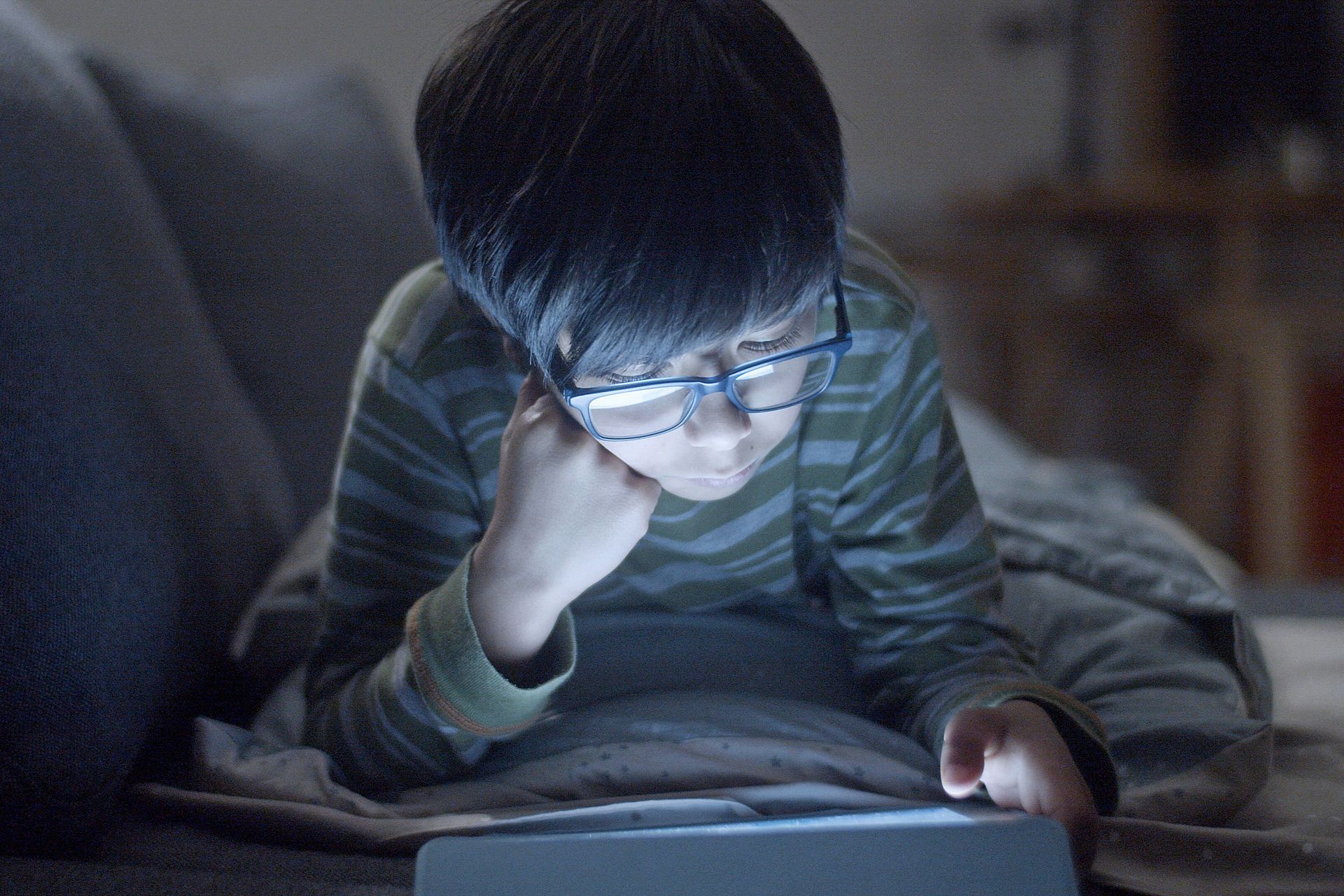
Eye strain is the obvious one. Everyone knows that staring at a screen for hours produces tired, dry, or irritated eyes — the condition that optometrists call computer vision syndrome and that affects an estimated 50 to 90% of people who work at screens. The solutions to eye strain are well-known: the 20-20-20 rule, adjusted screen brightness, anti-reflective coatings. Most people have heard of these. Most people ignore them.
What most people have not heard of is the 14 other ways their screens are affecting their bodies. The circadian rhythm disruption that blue light produces is not an eye problem; it is a hormonal problem, mediated by a specific photoreceptor in the eye called the intrinsically photosensitive retinal ganglion cell that is not involved in vision at all and that communicates directly with the brain's clock. The posture damage of prolonged screen use is not an eye problem; it is a musculoskeletal problem that produces the specific cascade of neck, shoulder, back, and jaw pain described in other pieces in this series. The attention fragmentation produced by screen-based multitasking is not an eye problem; it is a prefrontal cortex problem that research has linked to measurable structural changes in the brain.
The category error in most screen health discussions is the assumption that screens are primarily a visual technology and that their health effects are therefore primarily visual. The light is the entry point; the body is the system. Blue light suppresses melatonin not because it damages the eye but because the eye is the organ through which the brain's circadian clock reads the environment, and the brain cannot distinguish between the blue light of a midday sky and the blue light of a smartphone screen at midnight. The phone has not tricked your eyes; it has tricked your brain.
Each entry in this list covers a specific documented effect of screen use or blue light exposure beyond eye strain — the mechanism, the evidence quality, and the magnitude of the effect. Several of these effects are well-established in the research literature; several are more recent and warrant more cautious interpretation. All of them operate in systems that most screen users have not connected to their device habits.
SHVETS production / Pexels
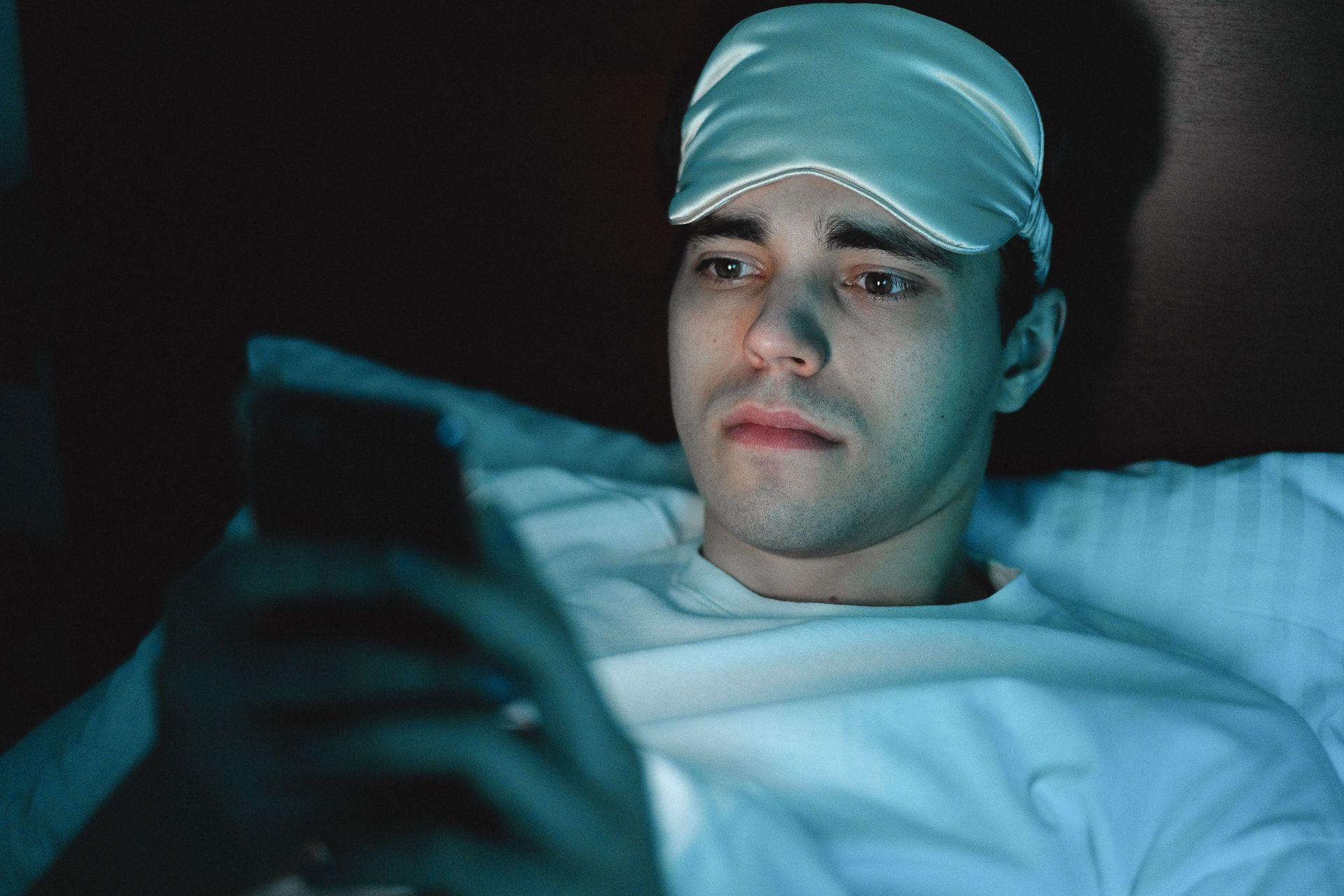
The most documented non-visual effect of blue light exposure is its suppression of melatonin — the hormone that signals nightfall to the brain and prepares the body for sleep. The specific photoreceptor responsible is the intrinsically photosensitive retinal ganglion cell (ipRGC), which contains a photopigment called melanopsin that is maximally sensitive to short-wavelength blue light (approximately 480nm) and projects directly to the suprachiasmatic nucleus, the brain's master circadian clock.
When the ipRGC detects blue light, it signals to the suprachiasmatic nucleus that it is daytime, suppressing melatonin secretion from the pineal gland. Evening screen use introduces this daytime signal at night, delaying the melatonin rise that normally begins two to three hours before sleep and producing a corresponding delay in sleep onset. Research by the Harvard Medical School's Division of Sleep Medicine found that two hours of evening tablet use before bed suppressed melatonin by approximately 23% and delayed the onset of REM sleep.
The practical consequence is not merely feeling sleepy later — the melatonin suppression also delays the circadian phase itself, meaning that consistent evening screen use can shift the body's internal clock forward, producing the chronic circadian misalignment associated with the health consequences described in subsequent entries. Night mode settings on devices reduce blue light emission and produce some reduction in melatonin suppression, but research suggests the effect is modest and that the cognitive arousal from screen content may be a larger contributor to sleep delay than the light wavelength alone.

Andrea Piacquadio / Pexels
Cortisol — the primary stress hormone, produced by the adrenal glands in response to perceived threat and in a normal daily rhythm that peaks in the morning (the cortisol awakening response) and declines through the day — is disrupted by the circadian misalignment that evening screen use produces. Because cortisol production is regulated by the same circadian clock that blue light affects, the delayed circadian phase from evening screen exposure produces a corresponding delay in the morning cortisol peak and altered cortisol levels throughout the day.
Research on shift workers and people with chronic circadian misalignment (whose situations share features with habitual late-night screen users) consistently finds elevated evening cortisol, blunted morning cortisol awakening response, and flattened cortisol diurnal variation — a cortisol pattern associated with increased risks of metabolic syndrome, cardiovascular disease, depression, and impaired immune function.
The morning impact is particularly specific: the cortisol awakening response, which normally produces a 50 to 100% increase in cortisol in the first 30 to 45 minutes after waking, is the primary mechanism by which the body prepares for daytime activity — mobilizing energy, sharpening attention, and calibrating the immune system. Disruption of this response, produced by the preceding night's circadian misalignment, is one of the mechanisms through which poor sleep produces the daytime fatigue and cognitive impairment that cannot be fully resolved by sleeping longer.
Max Bonda / Pexels
Screen-based platforms — social media, video games, streaming services — are designed around variable reward schedules: the specific pattern of intermittent, unpredictable positive feedback that produces the highest rates of behavioral repetition in operant conditioning research. The neurobiological substrate of this effect is dopamine, the neurotransmitter that mediates anticipation of reward and that is released not primarily when a reward is received but when a reward is anticipated or when a reward-predicting stimulus is encountered.
Chronic exposure to variable-reward screen environments produces the specific dopamine dysregulation pattern associated with habituating behaviors: the baseline dopamine response to familiar rewards decreases (producing tolerance, in which more stimulation is required to produce the same response), while the craving response to reward-anticipating stimuli increases. The practical consequence is the characteristic pattern of screen use that is unsatisfying in experience but compulsive in behavior — the scrolling that continues past the point of interest because the anticipation of the next interesting item remains even after each item fails to satisfy.
Research using neuroimaging has found measurable differences in dopamine receptor density and reward circuit activation between heavy and light smartphone users, with heavy users showing patterns similar to those found in substance use disorders. The comparison to addiction is contested but the dopamine mechanism is not: screen platforms are designed to maximize dopamine-mediated engagement, and the neurological consequences of extended exposure to maximally dopamine-activating environments include the adaptation responses that make disengagement difficult.

Pixabay / Pexels
The habitual multitasking of screen use — switching between applications, receiving notifications, managing multiple simultaneous communication channels — fragments sustained attention in ways that persist beyond the screen use period and have been associated with measurable structural changes in the prefrontal cortex, the brain region most responsible for executive function, sustained attention, and deliberate decision-making.
Research by Kep Kee Loh and Ryota Kanai published in PLOS ONE in 2014 found that higher media multitasking index scores were associated with lower gray matter density in the anterior cingulate cortex — a region involved in attention regulation and cognitive control — after controlling for other variables. The finding is correlational (it does not prove that media multitasking caused the structural difference), but it is consistent with the broader research showing that habitual attention patterns produce structural brain changes through neuroplasticity.
The functional attention deficit from screen multitasking is better established than the structural finding: multiple studies have found that people who frequently switch between media sources show worse performance on sustained attention tasks, are less able to filter irrelevant information, and are more susceptible to attentional capture by irrelevant stimuli than people who do not multitask heavily with media. The specific cognitive training effect of habitual screen multitasking appears to train the brain to expect and produce interruption rather than to sustain attention.
Alfredo Lau-Tam / Pexels
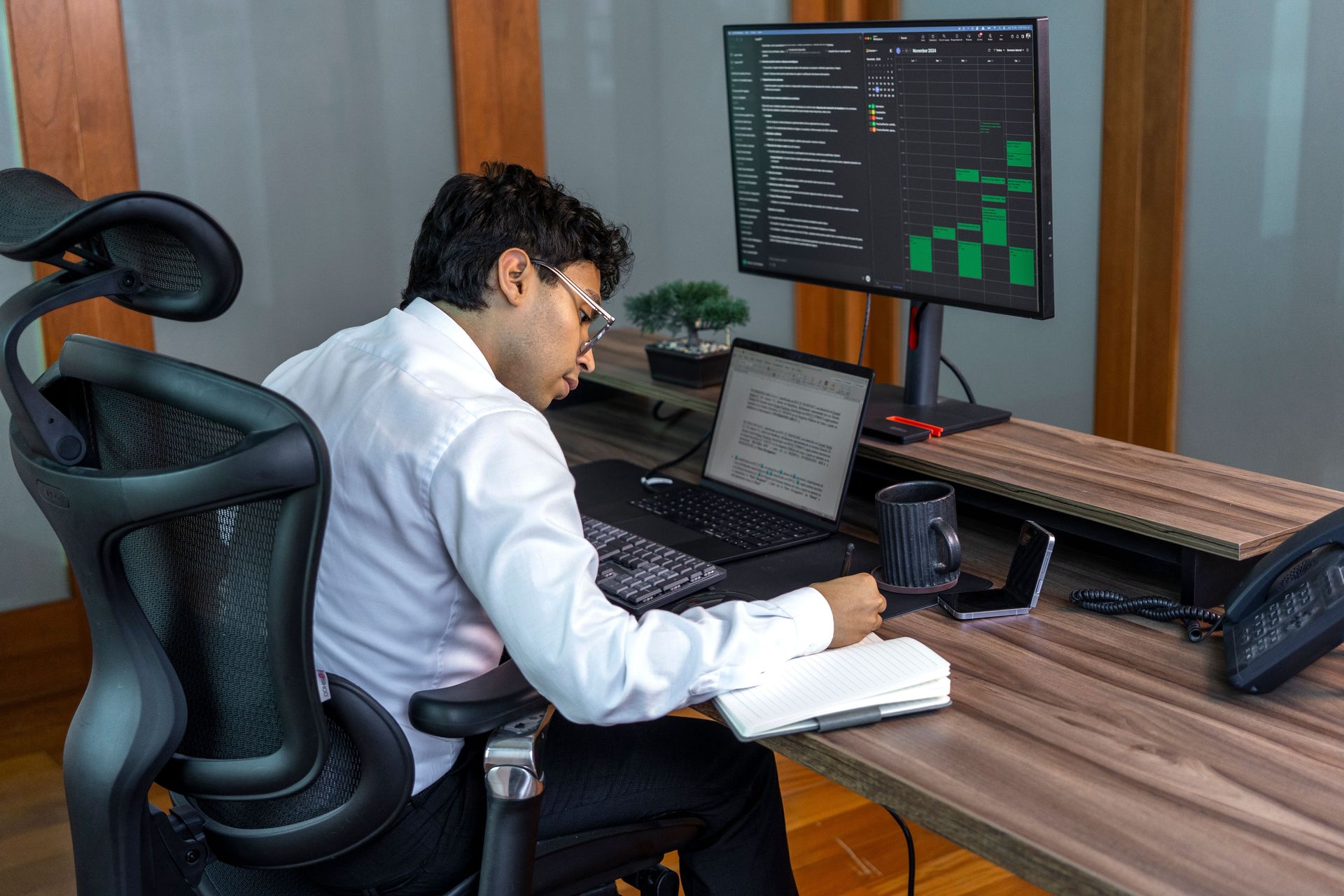
The specific postural position adopted during screen use — forward head, rounded shoulders, thoracic flexion, sustained static position — is one of the most prevalent musculoskeletal stressors in developed-world populations and produces the specific cascade of secondary effects described in the posture piece in this series: neck and shoulder pain from the mechanical loading of forward head posture, headache from suboccipital muscle tension, jaw pain from TMJ loading, reduced breathing capacity from thoracic flexion, and the downstream effects on cognition, mood, and energy that chronic pain and impaired breathing produce.
The specific loading calculation for forward head posture: the head weighs approximately 5 to 6 kilograms in neutral alignment; for every inch of forward displacement, the effective load on the cervical spine increases by approximately 4.5 kilograms. People looking down at a phone screen at a typical angle of 45 to 60 degrees from vertical have displaced the effective load on their cervical spine to approximately 22 to 27 kilograms — a sustained mechanical stress that produces the chronic cervical muscle tension and accelerated cervical disc degeneration documented in populations with high smartphone use.
The term "tech neck" describes this specific postural syndrome, and its prevalence has increased dramatically with smartphone adoption. The musculoskeletal consequences of this postural pattern accumulate over years and are not reversed by the occasional yoga session or stretching break; they require the systematic postural correction described in the posture piece, applied consistently over months.

Kaboom Pics / Pexels
High-energy visible (HEV) light — the blue-violet portion of the visible spectrum (400 to 450nm) emitted by LED screens, LED lighting, and the sun — penetrates the skin more deeply than UVA and UVB radiation and has been found in recent research to contribute to oxidative stress in skin cells, pigmentation changes, and potentially accelerated skin aging through mechanisms distinct from UV radiation.
Research published in the Journal of Investigative Dermatology found that HEV light produced more hyperpigmentation (dark spots) in darker skin tones than UVB radiation at equivalent doses, and that the specific oxidative stress pathway activated by HEV light differed from the UV pathway, suggesting that sunscreens formulated specifically for UV protection do not fully protect against HEV light effects.
The evidence base for screen HEV light's skin effects is more limited than for sunlight HEV effects — the intensity of HEV light from screens is significantly lower than from sunlight, and most dermatologists consider the skin aging risk from screen use to be modest compared to UV sun exposure. The effect is real at the cellular level; its clinical significance from typical screen use (as distinct from prolonged sun exposure) remains under investigation. The entry is included with this qualification: it is a documented cellular mechanism whose population-level significance in screen users is not yet fully established.
Kaboom Pics / Pexels
Chronic sleep disruption from evening screen use — through the melatonin suppression and circadian misalignment mechanisms described earlier — produces measurable impairment of immune function through several pathways. Melatonin itself has direct immunomodulatory effects: it stimulates natural killer cell activity, promotes the production of cytokines that coordinate immune responses, and has antioxidant properties that reduce oxidative damage in immune cells. Its suppression by evening blue light exposure therefore reduces not only sleep quality but the immune-enhancing effects of the normal melatonin rise.
The circadian regulation of immune function is independent of melatonin: many immune functions follow circadian rhythms — the timing of T cell activation, cytokine production, and the inflammatory response all show time-of-day variation that is disrupted by circadian misalignment. Research on shift workers (whose circadian disruption is chronic and severe) consistently finds elevated inflammatory markers, increased rates of autoimmune conditions, and higher susceptibility to infectious illness. Screen-use-induced circadian misalignment produces a milder version of the same disruption.
The most practically significant immune consequence of screen-related sleep disruption is vaccination response: research by Aric Prather and colleagues found that people who slept fewer than six hours per night showed significantly reduced antibody response to hepatitis B vaccination compared to people who slept seven or more hours. The immune system's ability to mount a protective response to vaccination depends on sleep adequacy in the preceding nights, and screen-driven sleep disruption in the days before and after vaccination meaningfully reduces the protection the vaccine provides.

Tima Miroshnichenko / Pexels
The circadian system coordinates metabolic function — the timing of insulin secretion, glucose uptake, lipid metabolism, and energy expenditure — with the daily cycle of activity and rest. When the circadian clock is misaligned by evening light exposure, the metabolic systems it coordinates are also misaligned: the body receives hormonal signals appropriate for daytime activity at nighttime rest, and vice versa.
Research on circadian misalignment has found that even short-term (one-week) exposure to circadian disruption produces measurable metabolic consequences: elevated fasting blood glucose, reduced insulin sensitivity, and altered glucose tolerance. A 2012 study by Buxton and colleagues found that circadian disruption produced changes in resting metabolic rate (reduced), postprandial glucose response (elevated), and insulin secretion (reduced relative to glucose challenge) — a metabolic profile consistent with increased type 2 diabetes risk.
Evening screen use that delays sleep onset and shifts the circadian phase also shifts the timing of metabolic processes relative to feeding and activity: people who are awake later tend to eat later, and the metabolic processing of food eaten late at night is less efficient than the same food eaten earlier, because the circadian system's glucose tolerance and insulin sensitivity are lower in the late evening and early morning than at midday.

Ketut Subiyanto / Pexels
Research on blue light exposure and reproductive hormone levels is in relatively early stages but has produced findings that warrant inclusion. A 2018 study in the journal PLOS ONE found that men exposed to blue light for two hours before bed showed significantly lower salivary testosterone levels the following morning compared to men exposed to dim red light — a finding attributed to the testosterone-suppressing effects of cortisol elevation and circadian disruption produced by the blue light exposure.
The pathway proposed: evening blue light suppresses melatonin, elevates cortisol, and disrupts the testosterone secretion that normally peaks during and after sleep. Testosterone secretion follows a circadian rhythm that depends on the normal sleep-wake cycle, and the circadian disruption from evening screen use displaces the timing and potentially the magnitude of nocturnal testosterone production.
The effect size in existing studies is modest and the research is not yet sufficient for confident clinical recommendations. The mechanism — circadian disruption affecting sleep-dependent hormonal processes — is biologically plausible and consistent with the broader literature on sleep and reproductive hormone regulation. The entry is included as a documented but preliminary finding rather than as an established effect.

Tima Miroshnichenko / Pexels
The increased screen use has been associated with a significant increase in dry eye syndrome — not primarily through the light exposure that is the focus of this piece but through the specific behavioral change that screen use produces: blink rate reduction. Normal blink rate at rest is approximately 15 to 20 blinks per minute; during focused screen use, blink rate decreases to approximately 5 to 7 blinks per minute, reducing the distribution of tear film across the corneal surface and accelerating its evaporation.
Dry eye syndrome is not merely an annoyance: chronic tear film instability produces micro-abrasions on the corneal surface, inflammatory changes in conjunctival cells, and over time can reduce visual acuity and corneal clarity. The prevalence of dry eye syndrome has increased significantly with the increase in screen use, and it is now among the most common ocular conditions presenting to ophthalmologists and optometrists in screen-using populations.
The specific inclusion of dry eye in a list focused on effects beyond the eyes is deliberate: the systemic inflammatory changes associated with chronic dry eye — elevated IL-6, IL-1β, and other inflammatory markers in the tear film — are not confined to the eye but are consistent with a systemic pro-inflammatory state. Chronic ocular surface inflammation is increasingly recognized as a component of the broader inflammatory burden that chronic screen use may contribute to through multiple simultaneous pathways.

Kaboom Pics / Pexels
Screen ergonomics — the relationship between screen position, viewing angle, and the body position required to look at the screen — produces two specific pain patterns that most screen users experience and almost none connect to their screen habits. The first is neck and shoulder pain from forward head posture (described in the posture entry). The second is jaw pain from the clenching and bruxism that cognitive stress and postural changes from screen use produce.
The jaw-screen connection operates through two pathways: first, the postural chain from forward head posture loads the temporomandibular joint (TMJ) through the suprahyoid and infrahyoid muscles that connect the cervical spine to the jaw; second, the cognitive stress and sympathetic nervous system activation of intense screen use produces the muscle tension and jaw clenching that are among the most common contributors to TMJ disorders.
The combination of cervical and jaw load from screen use explains the specific pain pattern that many heavy screen users report: neck and shoulder pain that is worse after long screen sessions, headaches that seem to originate at the base of the skull, and jaw tension or clicking that the person has not connected to their screen habits. The connection between screen use and jaw pain is rarely made in either popular health communication or in clinical contexts, but it is anatomically specific and mechanically clear.

Thirdman / Pexels
Screen use before bed — and the sleep disruption it produces — impairs memory consolidation, the process by which experiences and information encoded during the day are transferred from short-term to long-term storage during sleep. This process occurs primarily during slow-wave sleep (deep NREM sleep) and REM sleep, both of which are reduced or disrupted by the melatonin suppression and circadian misalignment from evening screen use.
Research on sleep and memory consolidation is among the most robust in cognitive neuroscience: sleeping after learning consistently produces better retention than equivalent waking periods, and sleep deprivation before learning impairs the hippocampus's ability to encode new memories. The specific finding most relevant to screen users: a single night of poor sleep following a day of new learning produces significantly worse retention one week later compared to a night of normal sleep, suggesting that the memory consolidation impairment from even occasional screen-induced sleep disruption has lasting consequences.
For students, this finding is directly actionable: studying until midnight while using a bright screen, then sleeping poorly, and then performing less well on examinations the following week is a specific causal chain that the research clearly describes. For professionals, the impairment of memory consolidation from chronic screen-related sleep disruption may contribute to the subjective experience of reduced cognitive performance that many heavy screen users report.

Towfiqu barbhuiya / Pexels
The chronic sympathetic nervous system activation from screen use — through the social monitoring anxiety, the variable reward dopamine cycle, the notification-triggered arousal responses, and the cognitive load of multitasking — produces sustained low-level physiological stress responses that, accumulated over years of heavy use, may contribute to cardiovascular risk in ways that are only beginning to be investigated.
Research linking social media use specifically to cardiovascular risk markers is in early stages, but the pathway is mechanistically coherent: chronic sympathetic activation elevates cortisol, and chronic cortisol elevation is associated with hypertension, endothelial dysfunction, and increased cardiovascular disease risk through well-established pathways. A 2019 study found that adolescents who used social media passively (scrolling without posting) showed elevated cortisol levels and higher rates of self-reported cardiovascular symptoms than low-use controls.
The difficulty in this research area is isolating screen use effects from confounders: people who use screens heavily also tend to be more sedentary, sleep less, and engage in other behaviors associated with cardiovascular risk. The specific contribution of screen use to cardiovascular risk, independent of these confounders, is not yet precisely characterized. What is clear is that the physiological stress response mechanisms activated by screen use are the same mechanisms whose chronic activation is associated with cardiovascular disease, and the magnitude and chronicity of screen-related activation in heavy users warrants research attention that the field is beginning to provide.

Miriam Alonso / Pexels
Heavy screen use is associated with extended indoor time, and the specific light environment of indoor spaces — dominated by artificial LED and fluorescent lighting rather than full-spectrum sunlight — may disrupt the skin microbiome in ways that are only recently beginning to be investigated. Research published in 2018 found that exposure to simulated solar light significantly altered the composition of the skin microbiome within hours, increasing the diversity of commensal bacteria and reducing the relative abundance of potentially pathogenic species — suggesting that light exposure is a regulator of skin microbial communities as well as a direct cellular stressor.
The indoor light deficit that accompanies heavy screen use — people who spend most of their day in front of screens typically receive significantly less total light exposure than people who spend time outdoors, and indoor artificial light has a different spectral composition than sunlight — may therefore contribute to the skin microbiome changes associated with increased rates of inflammatory skin conditions (eczema, acne, rosacea) in screen-heavy populations.
The evidence base for this specific pathway is preliminary: the research linking indoor light environments specifically to skin microbiome changes is very recent, and the clinical implications for screen users have not been studied directly. It is included here as a documented biological mechanism rather than as an established clinical effect — the connection between the spectral quality of our light environment and the microbial communities on our skin is real, and its consequences for people who live predominantly in artificial-light environments warrant investigation.

Social anxiety and FOMO
Yan Krukau / Pexels
The notification-driven social comparison dynamics of smartphone use produce a specific form of low-grade social anxiety — characterized by persistent monitoring of social media for social signals, heightened sensitivity to social acceptance and rejection cues, and the anticipatory anxiety of potentially missing social events or conversations — that research has linked to measurable changes in the neural processing of social stimuli.
Research by Jean Twenge at San Diego State University documented a significant correlation between smartphone adoption rates and increasing rates of self-reported loneliness, anxiety, and depression in American adolescents, with the sharpest increases in mental health problems beginning around 2012 — coinciding with the point at which smartphone ownership became nearly universal among American teenagers. While the correlation does not prove causation, it is consistent with the experimental findings from studies that randomly assigned participants to reduce social media use and found improvements in subjective wellbeing.
The neurological mechanism involves the amygdala (which processes social threat signals) and the reward circuit (which processes social approval signals): social media environments provide high rates of both social approval cues (likes, positive comments) and social threat cues (unfavorable comparisons, social exclusion signals), producing the sustained activation of both systems that characterizes anxiety states. The phone is not merely a communication device; it is a continuous social monitoring system whose alerts are calibrated for maximum psychological engagement.