Explore five healthier ways to decompress that can help take the edge off without turning to alcohol or junk food
Max van den Oetelaar / Unsplash
There’s a very specific kind of exhaustion that tends to show up around 6:17 p.m. It’s not dramatic. Nobody is fainting onto chaise lounges. But the inbox is still open, your shoulders have migrated somewhere near your ears, and dinner feels complicated. Suddenly, an entire family-sized bag of chips starts sounding emotionally supportive.
Modern stress has a branding problem because most of it looks deceptively ordinary. It hides inside calendar notifications, group chats, delayed flights, unread texts, and the low-grade psychological warfare of trying to remember every password you’ve ever created. Food and alcohol often become the fastest shortcuts to relief because they ask almost nothing from you. Open package. Pour drink. Become horizontal.
The issue, according to a piece published by The Healthy by Reader’s Digest, is that these fixes tend to work for about five minutes before handing the baton back to your nervous system. The article, medically reviewed by Ashley Matskevich, explores a handful of alternatives that aim less for instant oblivion and more for actual decompression.
None of these habits require becoming a wellness person. There’s no expectation that you suddenly begin harvesting herbs from a windowsill while speaking softly about alignment. Most of the suggestions are refreshingly low-stakes.
That may be the real appeal because healthy coping mechanisms often get packaged as self-improvement projects, complete with expensive water bottles and impossible morning routines. These ideas feel smaller than that. More human. Less optimized. The goal isn’t to emerge as a radically transformed person by sunrise. It’s just to feel marginally less like throwing your phone into a river.
Here are five ways to take the edge off that don’t involve cocktails, cookies, or pretending stress management comes naturally to anybody.
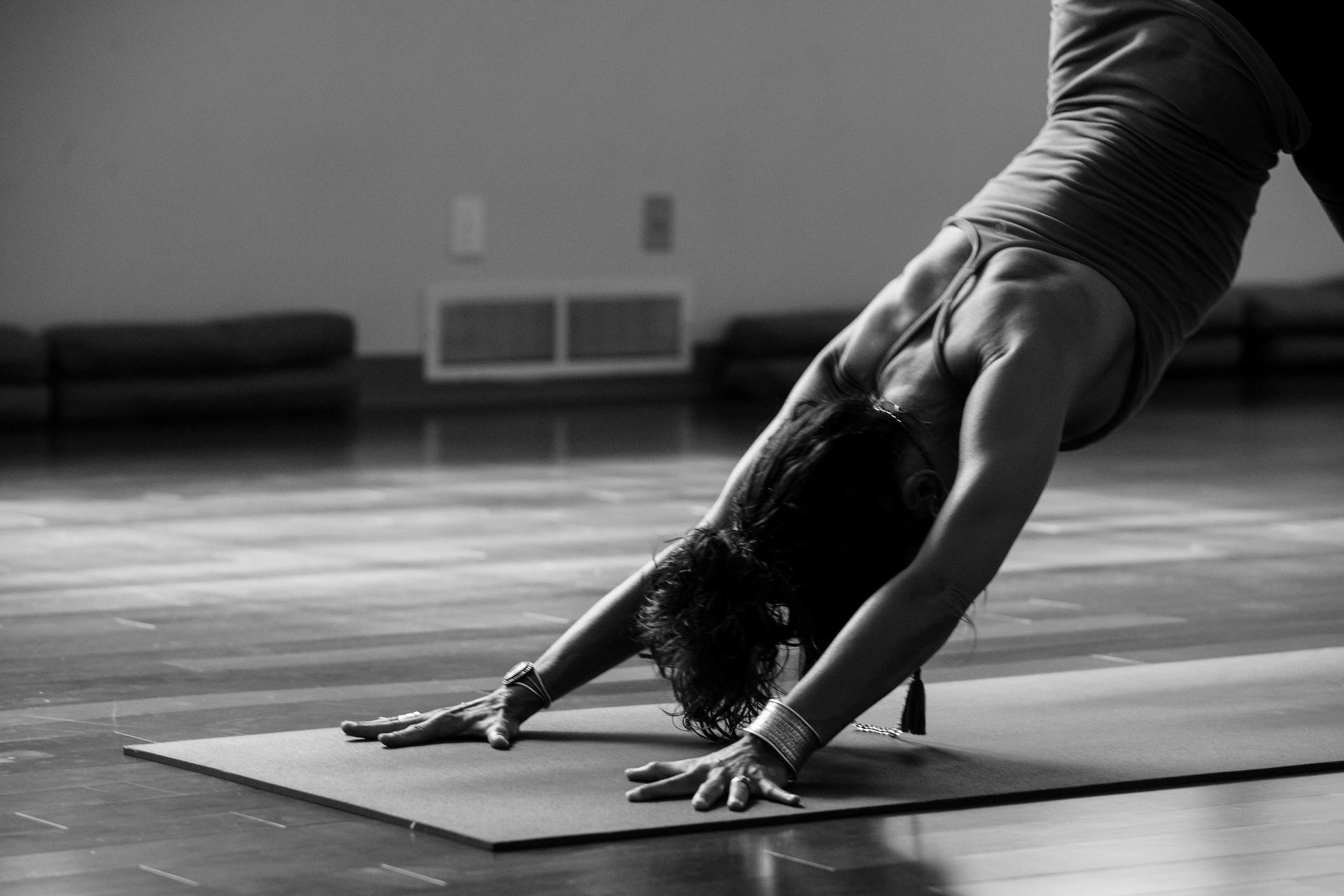
Photo by Ginny Rose Stewart on Unsplash
Yoga’s reputation occasionally suffers from overexposure. Somewhere along the way, it became associated with intimidating flexibility, expensive leggings, and people who describe almonds as “activating.” The version highlighted by The Healthy sounds much more approachable. Registered yoga teacher Lisa Rosenthal describes yoga as a way to integrate the mind, body, and heart while reducing the “fight-or-flight” reflex. In practice, that seems to mean fewer stress loops and slightly more oxygen reaching your brain.
The appeal is partly physical. Stretching releases muscle tension that many people don’t even notice they’re carrying. Breathing exercises slow things down internally. Your nervous system gets a chance to stop behaving like a smoke alarm reacting to burnt toast. Rosenthal also notes that yoga may increase mindfulness and release endorphins, which helps explain why people often emerge from classes looking strangely serene and hydrated.
There’s also something psychologically useful about focusing on balancing in a pose instead of mentally replaying a conversation from 2018. Attention has limits. Yoga gives it somewhere else to land.
Yoga can feel intimidating for beginners, and few wellness experiences are more humbling than wandering into an advanced class and immediately realizing everyone else appears to have extra joints. Rosenthal recommends beginner sessions or streaming classes at home instead. That removes the social pressure and replaces it with the much safer environment of quietly wobbling in your living room.
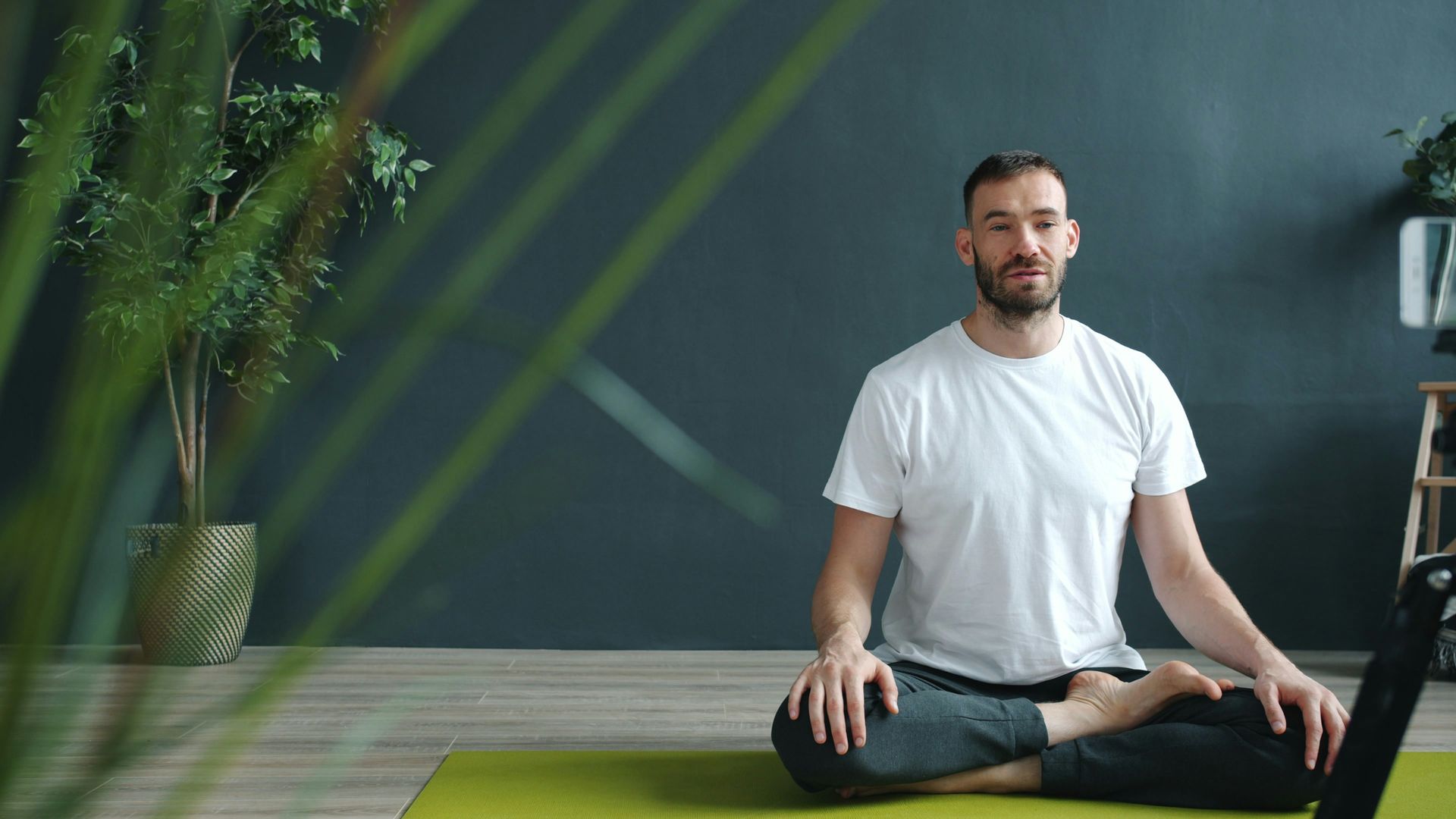
Photo by Vitaly Gariev on Unsplash
People who meditate at sunrise often sound suspiciously calm. It can feel a little unfair. Meanwhile, the average person wakes up and immediately begins negotiating with alarms, emails, and existential dread. The Healthy suggests that a short mindfulness meditation practice in the morning may help interrupt that cycle before it gathers momentum.
Licensed clinical social worker Lisa Schuman references researcher Herbert Benson’s work on the relaxation response, which explored how meditation affects the body. According to the article, even modified meditation practices may help lower blood pressure and improve heart health while teaching the body to steady itself during stressful moments. That sounds ambitious for something involving sitting quietly, but stress management is often less dramatic than people expect.
The underlying idea is fairly practical. Your brain tends to establish a tone early in the day. If the first 20 minutes involve panic-scrolling headlines and responding to Slack $WORK notifications while half-awake, your nervous system receives a very clear message that danger is everywhere. Meditation appears to create a buffer before the chaos arrives.
Not everyone wants to greet dawn by achieving inner peace on a floor cushion. Schuman notes that meditation during a lunch break, commute, or before bed may also help. Flexibility matters because wellness routines tend to collapse the second they become emotionally exhausting.
There’s also a refreshing lack of mysticism here. Nobody claims meditation will unlock cosmic truths or transform you into a perfectly centered woodland philosopher. The pitch is simpler. You may become slightly less emotionally hijackable during the day. That alone feels useful.
Photo by Alexander Grey on Unsplash
Hypnosis occupies a strange cultural space. People either associate it with stage performers making tourists cluck like chickens or with thriller movies involving sinister pocket watches. The version described in The Healthy is considerably less theatrical. Licensed therapist Helen Adrienne frames hypnosis as “a focused daydream” that helps reconnect the mind and body.
That distinction matters because stress often creates the opposite effect. People drift through difficult days almost entirely inside their heads, mentally ricocheting between worries while barely noticing what’s happening physically. Adrienne’s approach encourages people to imagine calming places or successful outcomes while paying close attention to bodily sensations such as relaxed stomach muscles or softened facial tension.
The fascinating part is how small the adjustments sound. Nobody is entering a trance and forgetting their own name. The process involves noticing micro-movements and allowing the body to respond gradually. Stress relief becomes less about dramatic transformation and more about interrupting the constant internal alarm system.
Adrienne also recommends self-hypnosis for people practicing at home. That may initially sound suspiciously close to lying on the couch pretending you live near a waterfall. Then again, visualization techniques appear in plenty of mainstream stress-management strategies. Athletes use them. Therapists use them. Your brain already spends half the day imagining disasters that haven’t happened yet. Redirecting some of that imagination toward calmer scenarios may not be the worst idea.
The article describes hypnosis as a way to make physical surroundings temporarily lose relevance. That probably explains part of its appeal. Stress narrows your focus until every notification feels urgent and every inconvenience becomes emotionally loaded. Hypnotherapy attempts to widen that mental frame again.
There’s also something oddly comforting about a relaxation technique that admits the mind is suggestible. Human beings routinely convince themselves they’re doomed because someone replied “K” in a text. Perhaps we can also convince ourselves to unclench a little.

Photo by Chelsea shapouri on Unsplash
Scent has a sneaky relationship with memory and emotion. One smell can transport you directly into childhood, vacation mode, or a regrettable department store candle phase you thought you buried years ago. The Healthy points to aromatherapy as a surprisingly effective stress-management tool, particularly when lavender enters the conversation.
Fragrance expert Sue Phillips explains that lavender has long been associated with relaxation and purification. According to the article, aromatherapy studies indicate lavender may slow the nervous system while improving sleep quality and relaxation. Phillips recommends placing lavender oil on the wrists during the day or using a lavender sachet over the eyes before bed.
The ritual itself may be part of the effectiveness. Stress tends to push people into autopilot. Aromatherapy interrupts that pattern with a deliberate sensory moment. You pause. You notice something pleasant. Your brain receives evidence that not every experience today is alarming or urgent.
The article notes that vanilla and jasmine may have similarly soothing effects for people who dislike lavender. Scent preferences can vary from person to person, so you’ll want to find the one that works best for you.
People often try to think their way out of stress even though stress is profoundly physical. Engaging smell creates a different pathway into relaxation.
Also, there’s something charmingly old-fashioned about scent-based comfort. It belongs to the same category as fresh sheets, warm tea, or hearing rain against windows.

Photo by Vitaly Gariev on Unsplash
Silent reading is relaxing. Reading aloud feels almost suspiciously effective. The Healthy recommends it as a way to become more present while quieting intrusive thoughts, which makes sense once you consider how much concentration speaking requires.
When you read aloud, your attention has to cooperate. There’s less room left for spiraling about tomorrow’s meeting or replaying awkward interactions from middle school. The activity occupies enough mental bandwidth to crowd out stress temporarily.
The article suggests everything from children’s books to young adult fiction. Reading aloud is less about literary prestige and more about immersion. Nobody receives extra relaxation points for selecting dense historical nonfiction after a draining workday. Comfort matters more than intellectual performance.
Additionally, the article describes families gathering under blankets to read together, which sounds less like productivity culture and more like actual restoration. In a world where many people consume stories while simultaneously checking three other screens, shared reading feels almost rebelliously focused.
Reading aloud also restores rhythm to language in a way silent reading doesn’t always achieve. Sentences slow down. dialogue becomes playful, and stories feel embodied again.
Adulthood could probably use more harmlessly theatrical moments. Doing character voices for a children’s book at 9 p.m. may not sound groundbreaking. But it does sound healthier than stress-eating crackers directly over the sink while staring into the void.
