
Unusual things that only happen in summer
These unusual summer phenomena include everything from the Eiffel Tower growing taller to fireflies putting on synchronized light shows
Raphael Biscaldi / Unsplash
Summer has a reputation for being predictable. The days get longer, temperatures climb and people flock outdoors to soak up as much sunshine as possible. But beneath the beach trips, backyard barbecues and vacation plans, the season is packed with strange phenomena that most people never notice. Some affect our bodies, while others transform the natural world in surprising ways.
Many of these quirks happen only during the warmest months of the year. Landmarks physically change size, wildlife behaves differently, and certain health conditions become more common. Even the night sky puts on a special show that is largely unique to summer. Together, these events reveal a side of the season that goes far beyond ice cream cones and pool days.
Reader's Digest recently highlighted a collection of unusual summer facts that demonstrate how dramatically the season influences daily life. Some of the changes are rooted in science, including the way heat affects metal structures or how bacteria thrive in warm weather. Others stem from natural cycles that have occurred for centuries, from sea turtle nesting seasons to the annual arrival of dazzling meteor showers.
What makes these summer oddities so fascinating is that many happen right in front of us. Yet most people never stop to consider why they occur. If you think summer is just another season, these surprising facts may change your perspective.
Here are five weird things that only happen during the hottest months of the year.
The Eiffel Tower actually grows taller when temperatures rise
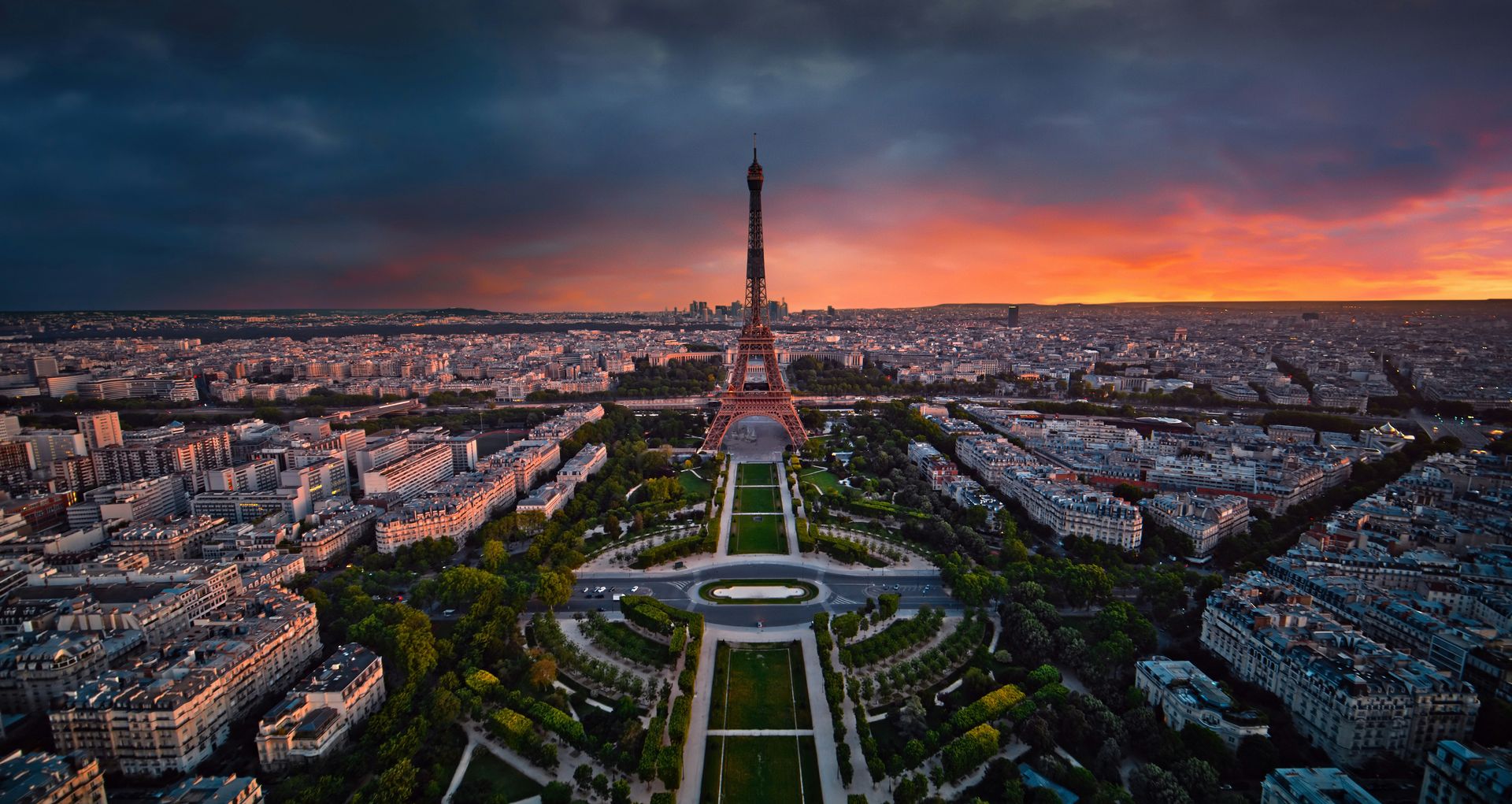
Most people think of the Eiffel Tower as one of the world's most recognizable landmarks, but few realize it changes size every summer. According to Reader's Digest, the iconic Paris structure can grow by roughly six inches during warmer months. The reason comes down to a basic scientific principle: thermal expansion. Because the tower is primarily constructed from metal, it expands as temperatures increase. As the metal heats up, the molecules move farther apart, causing the entire structure to become slightly taller.
The changes do not stop there. Reader's Digest notes that the top of the tower can also shift away from the sun by several inches because the side facing direct sunlight expands more than the shaded side. While visitors would never notice the difference without precise measurements, the seasonal transformation is very real. The phenomenon serves as a reminder that even massive structures respond to environmental conditions. Engineers account for these changes when designing buildings, bridges and other large-scale projects. The Eiffel Tower's summer growth may sound like a strange piece of trivia, but it offers a fascinating example of physics at work in everyday life. The next time you see a photo of the famous landmark, remember that its height depends partly on the season.
Thousands of baby sea turtles begin their journey during summer
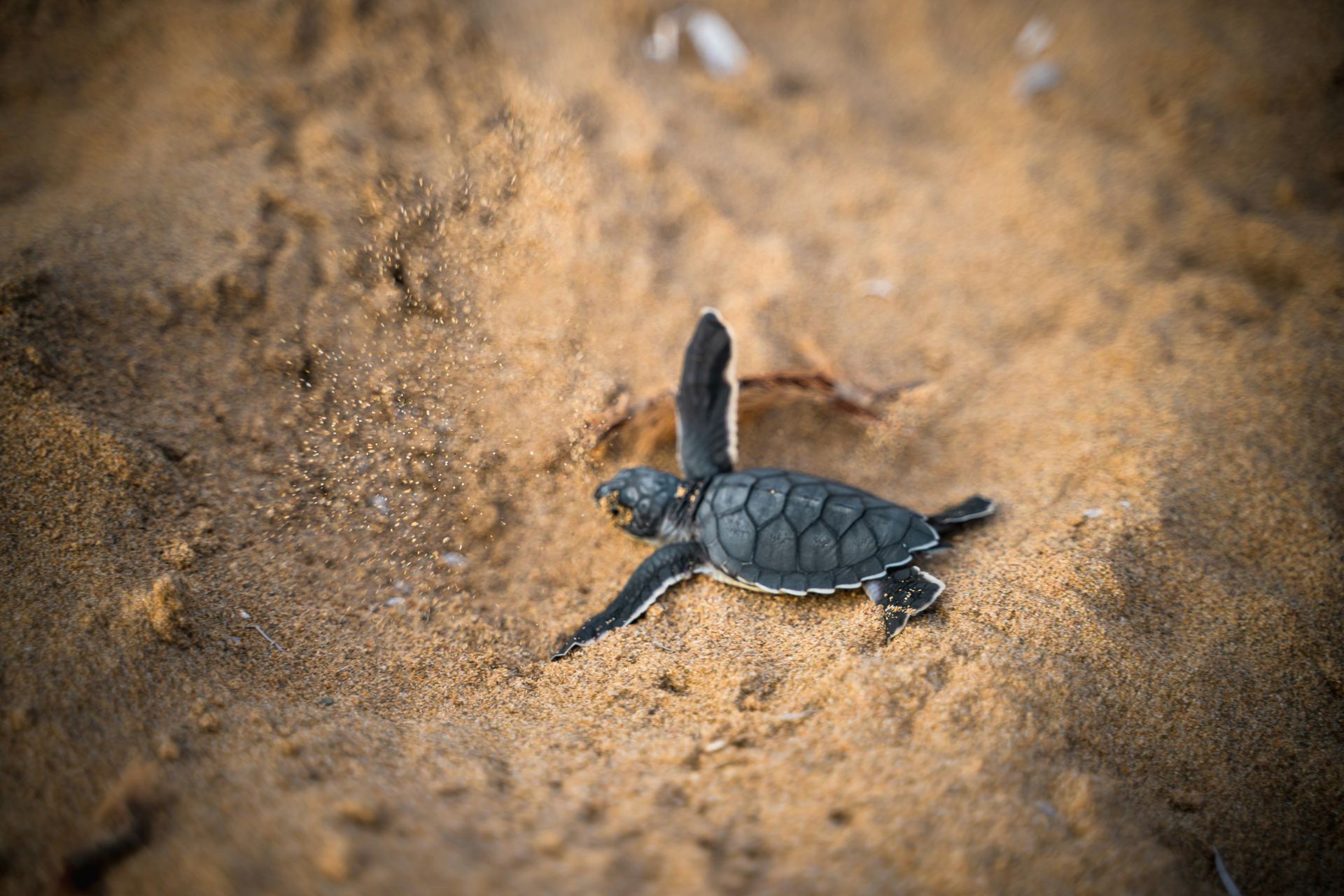
Photo by David Levêque on Unsplash
Summer marks one of the most important times of the year for sea turtles. According to Reader's Digest, June and July are peak nesting months on many Florida beaches, when massive female sea turtles come ashore to lay their eggs. These mothers can weigh hundreds of pounds, yet they return to the sand to continue a cycle that has existed for millions of years.
Roughly two months later, an even more remarkable event takes place. Tiny hatchlings emerge from their nests and begin making their way toward the ocean. Rather than rushing out immediately after hatching, the turtles often wait until nighttime when the sand has cooled and conditions are safer. This timing helps reduce the threat posed by predators and extreme heat. Reader's Digest also notes that artificial lights can disrupt the hatchlings' sense of direction, potentially leading them away from the water instead of toward it. That is why conservation groups encourage beachgoers to avoid shining lights near nesting areas.
The annual migration may seem routine to wildlife experts, but watching dozens or even hundreds of baby sea turtles instinctively head toward the ocean remains one of nature's most extraordinary sights. Summer provides a front-row seat to this remarkable survival story.
Meteor showers light up the summer sky
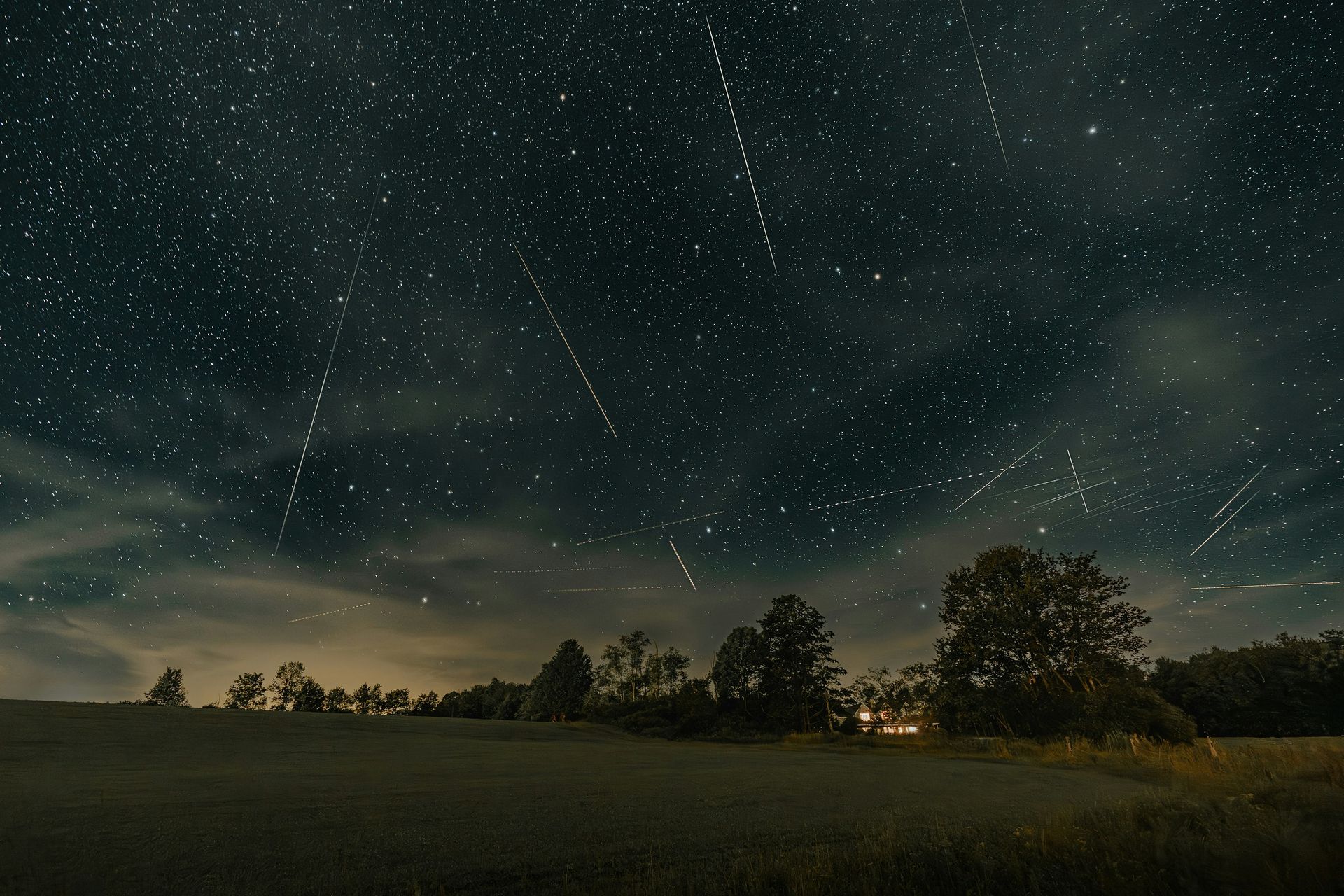
Photo by Clay Banks on Unsplash
Summer nights offer more than warm temperatures and late sunsets. They also provide one of the year's most spectacular celestial events. According to Reader's Digest, the Perseid meteor shower returns every summer and remains a favorite among amateur astronomers and casual stargazers alike. The annual display occurs as Earth passes through debris left behind by Comet 109P/Swift-Tuttle. As tiny particles enter Earth's atmosphere, they burn up and create bright streaks of light commonly referred to as shooting stars.
While the meteor shower is active from mid-July through late August, Reader's Digest notes that peak viewing typically occurs around Aug. 12 or 13. During that period, observers can often see dozens of meteors per hour under favorable conditions. Unlike many astronomical events that require special equipment, the Perseids can usually be enjoyed with nothing more than a clear sky and a little patience. The meteor shower's popularity stems partly from its reliability. Every summer, it returns to provide a reminder that space is far more dynamic than it appears from the ground. For many people, spotting a meteor streak across the night sky becomes one of the season's most memorable experiences.
Fireflies gather for a synchronized summer light show
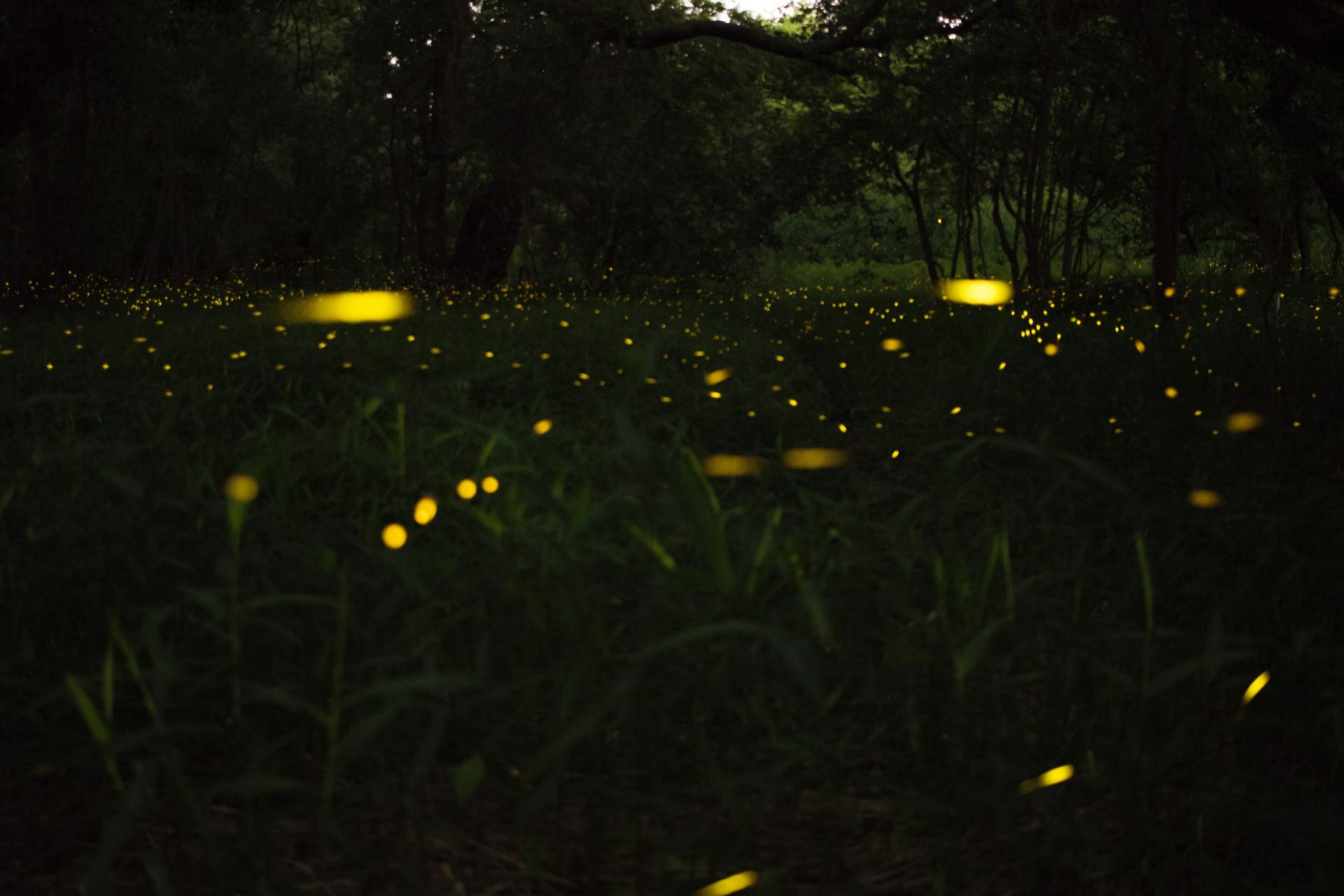
Every summer, one of nature's most magical displays takes place in the Great Smoky Mountains National Park. According to Reader's Digest, thousands of synchronous fireflies gather for a brief annual mating event that transforms the forest into a sea of flashing lights.
Unlike most firefly species, synchronous fireflies coordinate their blinking patterns. The flashes occur in near-perfect unison, creating a mesmerizing display designed to attract mates. The event lasts only a couple of weeks each year, making it one of the most sought-after wildlife experiences in the country. What makes the phenomenon even more remarkable is how brief the insects' adult lives are. Reader's Digest reports that although firefly larvae may take one to two years to mature, adult fireflies live for only about three weeks. During that short time, finding a mate becomes their primary goal.
The synchronized flashing has become so popular that visitors often enter lotteries for a chance to witness it in person. It is a reminder that some of the most extraordinary natural events occur on a schedule that lasts only a few days each year.
Bears become expert fishermen during salmon season
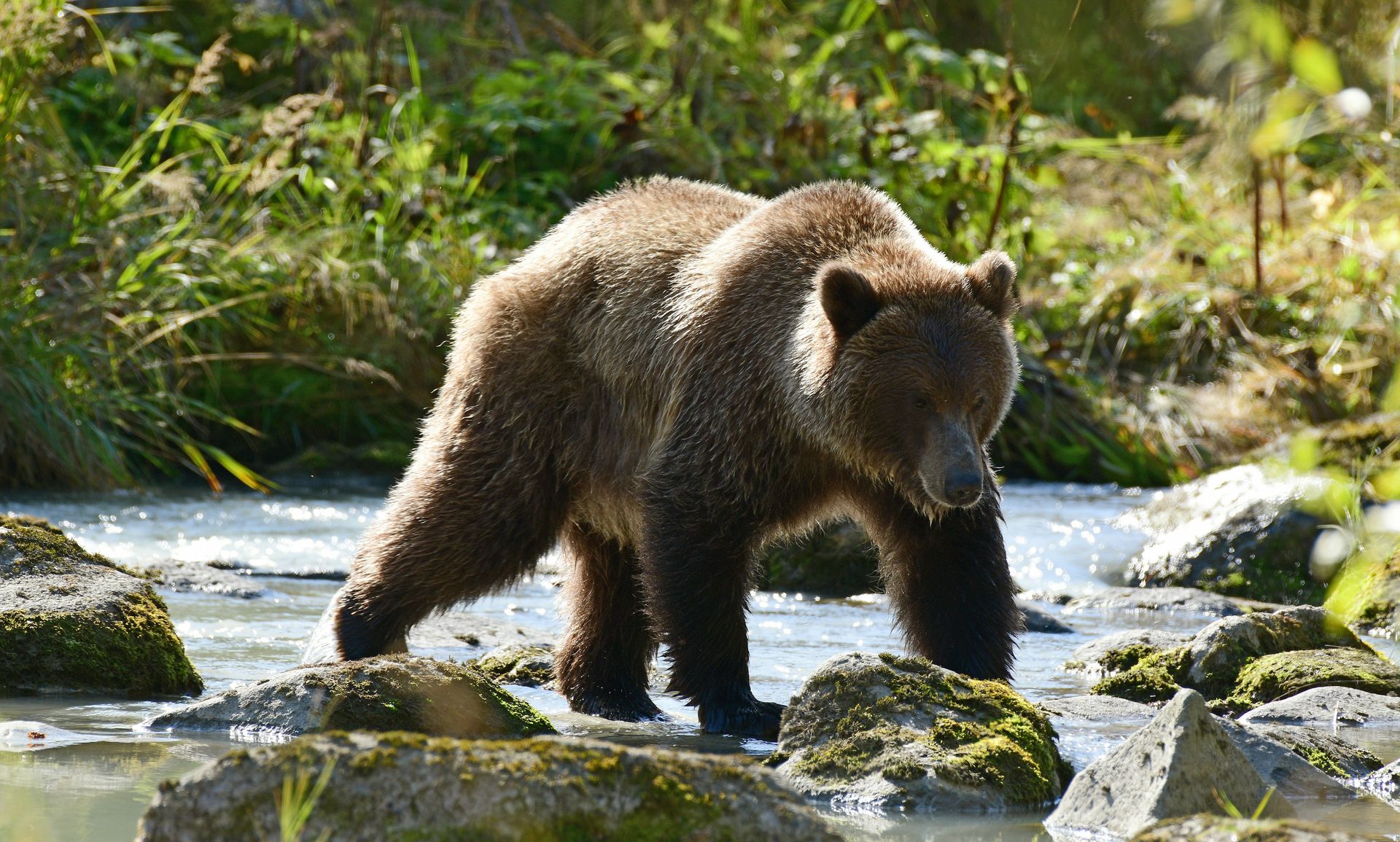
Photo by Greg Johnson on Unsplash
Summer in Alaska brings one of nature's most dramatic feeding frenzies. According to Reader's Digest, wild bears gather around rivers and waterfalls as enormous numbers of sockeye salmon swim upstream during spawning season. The annual migration creates an all-you-can-eat buffet for hungry bears preparing for future months.
The sheer scale of the event is astonishing. Thousands of salmon move through the waterways at the same time, creating ideal hunting conditions. Reader's Digest notes that a single bear may catch hundreds of fish in a day during peak season. The spectacle has become a major attraction for wildlife photographers and nature enthusiasts hoping to witness bears displaying impressive fishing skills. Although bears hunt throughout the year, summer provides a unique opportunity because salmon become concentrated in predictable locations.
The seasonal abundance allows bears to consume the calories they need while offering observers a rare glimpse into the natural world. Watching a bear pluck a salmon from rushing water is one of the clearest signs that summer has arrived in Alaska.