
15 documented ways living in a city changes you that most urban dwellers never notice
Noise, air, light, density, green space — the urban environment shapes brain and body through mechanisms that are well-documented and almost entirely invisible to the people living with them
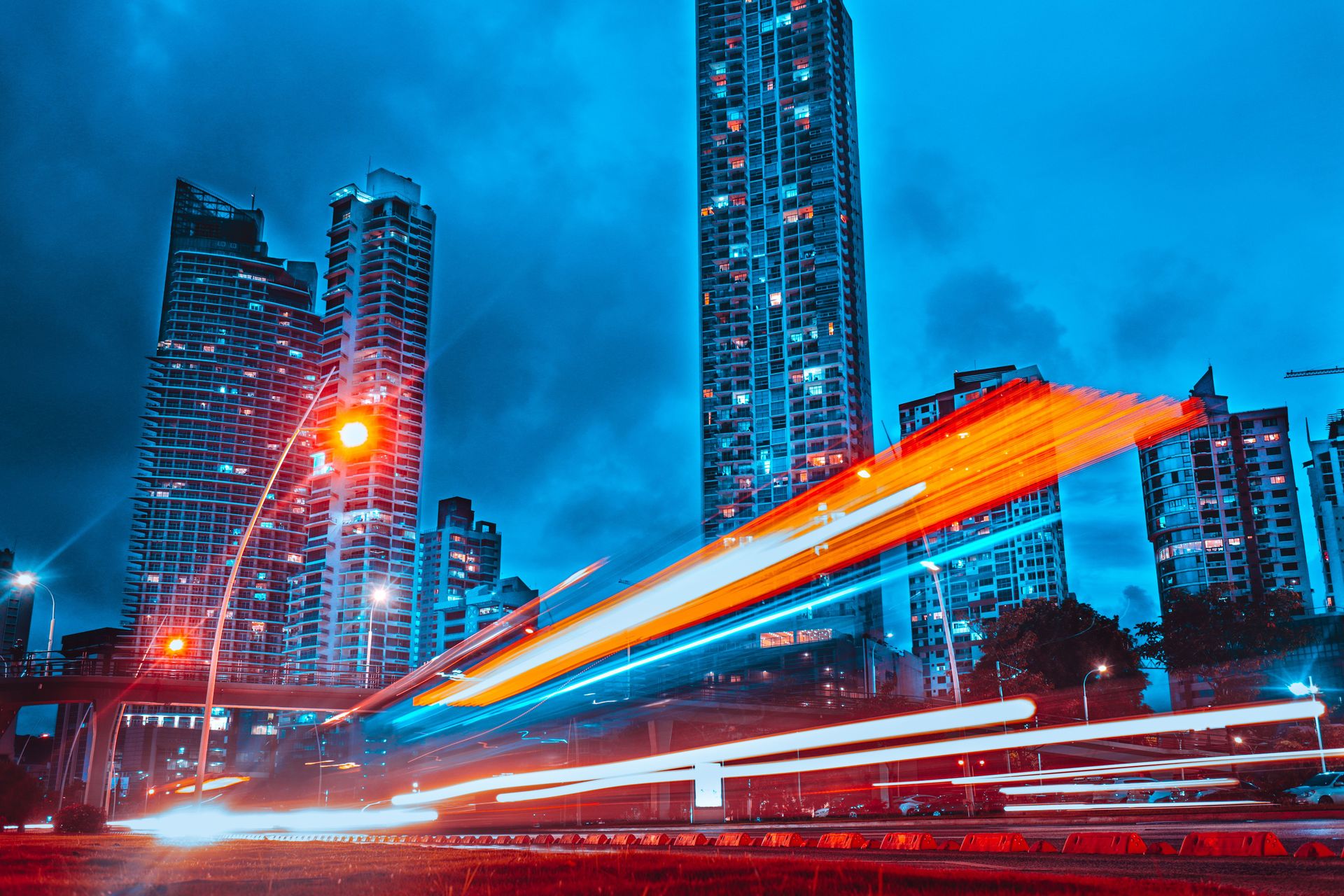
Luis Quintero / Pexels
More than half of the world's population now lives in cities, and that proportion is rising. Most people who live in cities chose to do so — for work, for culture, for proximity to other people — and most of them spend very little time thinking about what the city is doing to them in return. The city is not a neutral container. It is an environment, and like all environments, it shapes the organisms that live in it: through the quality of the air they breathe, the sounds that interrupt their sleep, the light that disrupts their circadian rhythms, the density of people that modifies their social cognition, and the absence of natural spaces that affects their stress response in ways that are only recently being understood at the neurological level.
The research on urban health effects has expanded significantly in the past two decades, driven partly by the scale of global urbanization and partly by the development of neuroimaging and epidemiological tools that can detect effects — on brain structure, on hormonal systems, on immune function — that were previously too subtle to measure. What this research has established is a specific picture of urban life's costs and benefits that is more nuanced and more specific than either the urban-optimist or the back-to-nature-pessimist narrative would suggest.
Cities are not simply bad for health. They are associated with better access to healthcare, greater social connectivity for some populations, and the economic opportunities that correlate with better health outcomes. They are also associated with specific, measurable costs: elevated stress hormone levels, impaired attention, increased rates of certain psychiatric conditions, and specific physiological changes from air and noise pollution that accumulate over years of exposure. Understanding both sides is more useful than choosing one.
Each entry in this list covers a specific, documented effect of urban living — the mechanism, the evidence, and the magnitude of the effect. Several of these are effects that urban dwellers are partially aware of in the abstract but have not thought about in the specific. Several are effects that most urban dwellers would not have guessed are happening to them at all.
Chronic noise raises cortisol and disrupts sleep
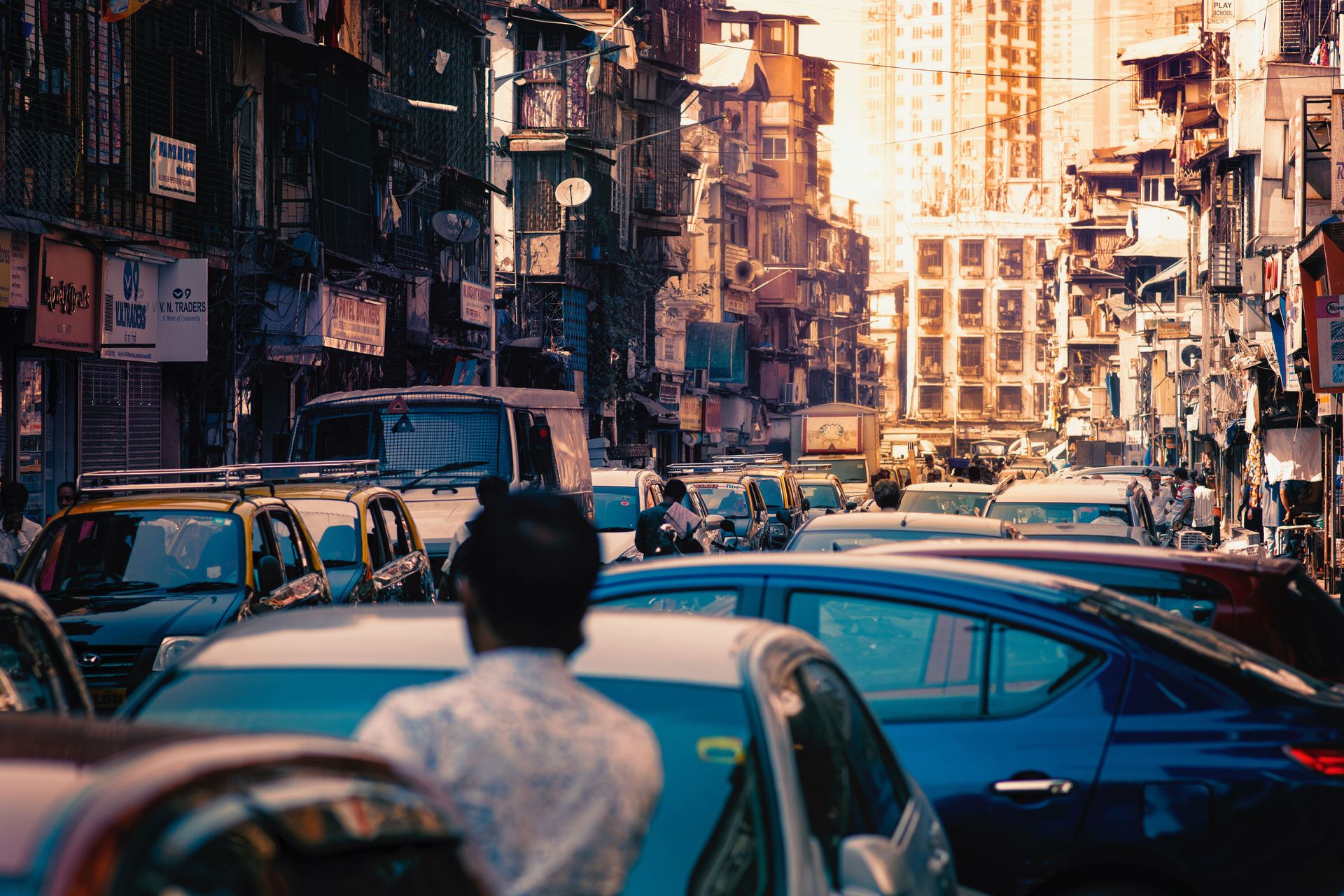
Vijit Bagh / Pexels
Urban noise — traffic, construction, sirens, aircraft, and the general acoustic background of a city — is a chronic stressor whose physiological effects are independent of whether the person exposed consciously perceives the noise as disturbing. The body's stress response is triggered by sounds below the threshold of conscious attention, and the autonomic nervous system responds to noise during sleep at levels that do not wake the sleeper but do elevate cortisol and heart rate.
Research by the World Health Organization estimated that noise pollution in Western Europe is responsible for the loss of at least one million healthy life years annually — through sleep disturbance, cardiovascular effects, and cognitive impairment in children. A 2011 WHO report specifically identified road traffic noise as the second most harmful environmental stressor in Europe after air pollution, based on the quantified health burden attributable to it.
The sleep disruption mechanism is the most directly measurable: cortisol levels in urban residents measured through the night show elevations corresponding to traffic noise events, even when the residents report sleeping through them. The accumulated cortisol exposure from years of noise-disrupted sleep contributes to the elevated rates of cardiovascular disease and metabolic dysfunction found in populations living near major roads and airports, independent of socioeconomic factors.
Air pollution damages the brain, not just the lungs
Muneeb Babar / Pexels
Air pollution's effects on respiratory and cardiovascular health are well-established in public health literature. The effects on the brain are less well-known and have become a research priority only in the past decade. Particulate matter smaller than 2.5 micrometers (PM2.5) — the fine particles produced by vehicle combustion, industrial activity, and wood burning that are the primary air quality concern in most cities — crosses the blood-brain barrier and has been found in brain tissue.
A landmark 2019 study by researchers at the University of Southern California found that elderly women living in areas with higher PM2.5 exposure had significantly smaller white matter volume in their brains — a measure of cognitive reserve that decreases with dementia — even after controlling for other risk factors. A 2020 study published in PNAS found that higher long-term exposure to PM2.5 was associated with increased rates of dementia, with an effect size comparable to having an extra copy of the APOE4 gene, the strongest known genetic risk factor for Alzheimer's disease.
In children, studies have found that exposure to traffic-related air pollution is associated with reduced cognitive development, lower academic performance, and structural differences in brain development. The mechanism — neuroinflammation triggered by particulates that cross the blood-brain barrier — is distinct from the lung damage pathway and operates at pollution levels common in many large cities globally.
Green space deprivation impairs attention and stress recovery
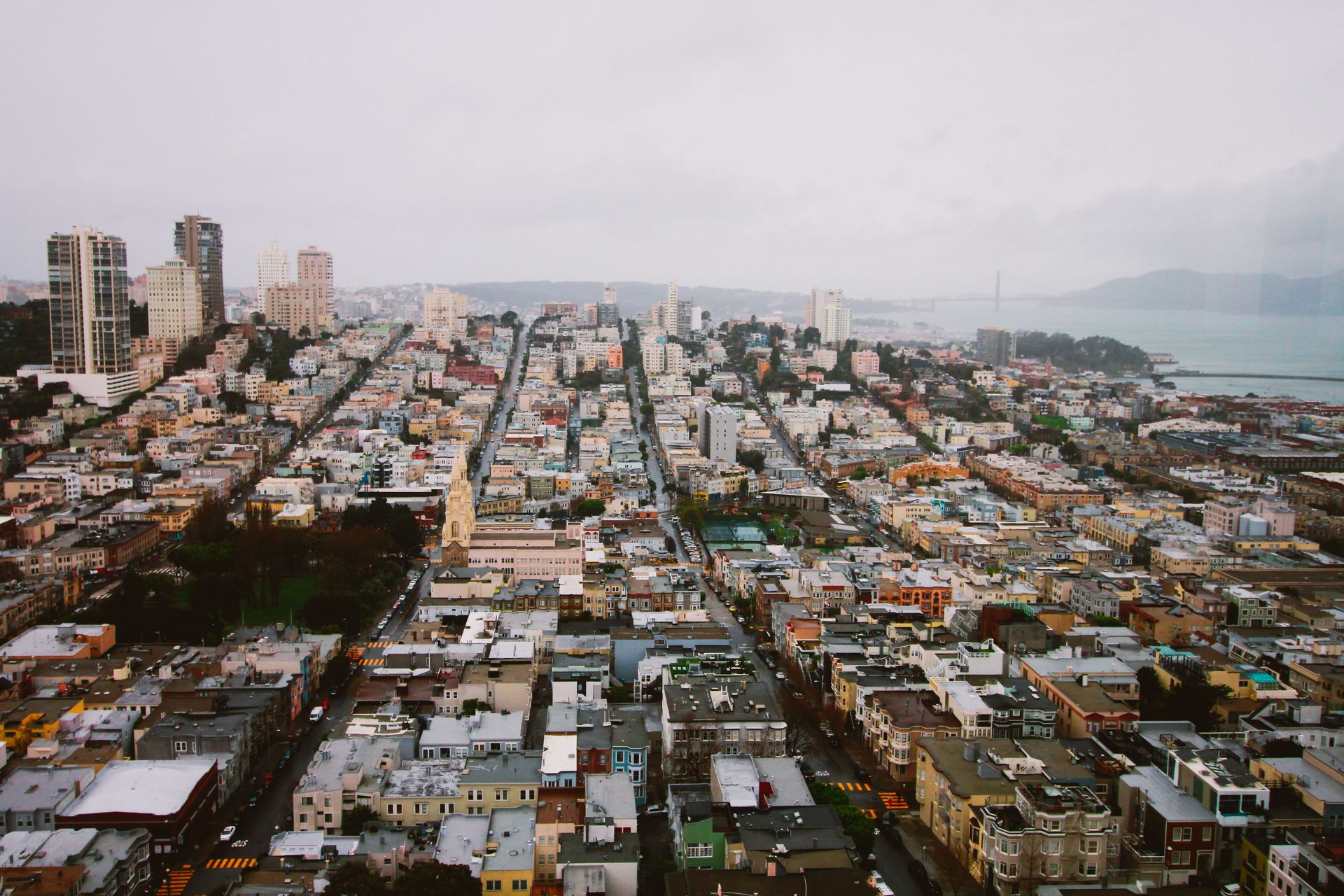
Belle Co / Pexels
The psychological and physiological benefits of exposure to natural environments — documented in research under the frameworks of Attention Restoration Theory (ART) and Stress Recovery Theory — are specific and measurable. Natural environments restore directed attention capacity (the effortful attention used for focused cognitive work) that becomes fatigued through sustained use, and they reduce physiological markers of stress (cortisol, heart rate, blood pressure) more rapidly than urban environments.
Research published in the Proceedings of the National Academy of Sciences in 2015 found that participants who walked for 90 minutes in a natural environment showed reduced neural activity in the subgenual prefrontal cortex — a brain region associated with rumination and depressive thought patterns — compared to participants who walked for the same duration in an urban environment. The difference was not merely subjective; it was measurable in brain imaging.
The implication for urban dwellers with limited access to natural environments: the specific type of attention fatigue that accumulates from sustained directed cognitive work — the impaired focus, the increased irritability, the difficulty switching tasks — is more persistent in urban environments because the natural stimuli that restore directed attention are absent. The research suggests that even brief (20 to 30 minute) exposures to green spaces produce measurable attention restoration, which has driven urban planning interest in accessible green space provision.
Urban density reshapes social cognition
Vincent Tan / Pexels
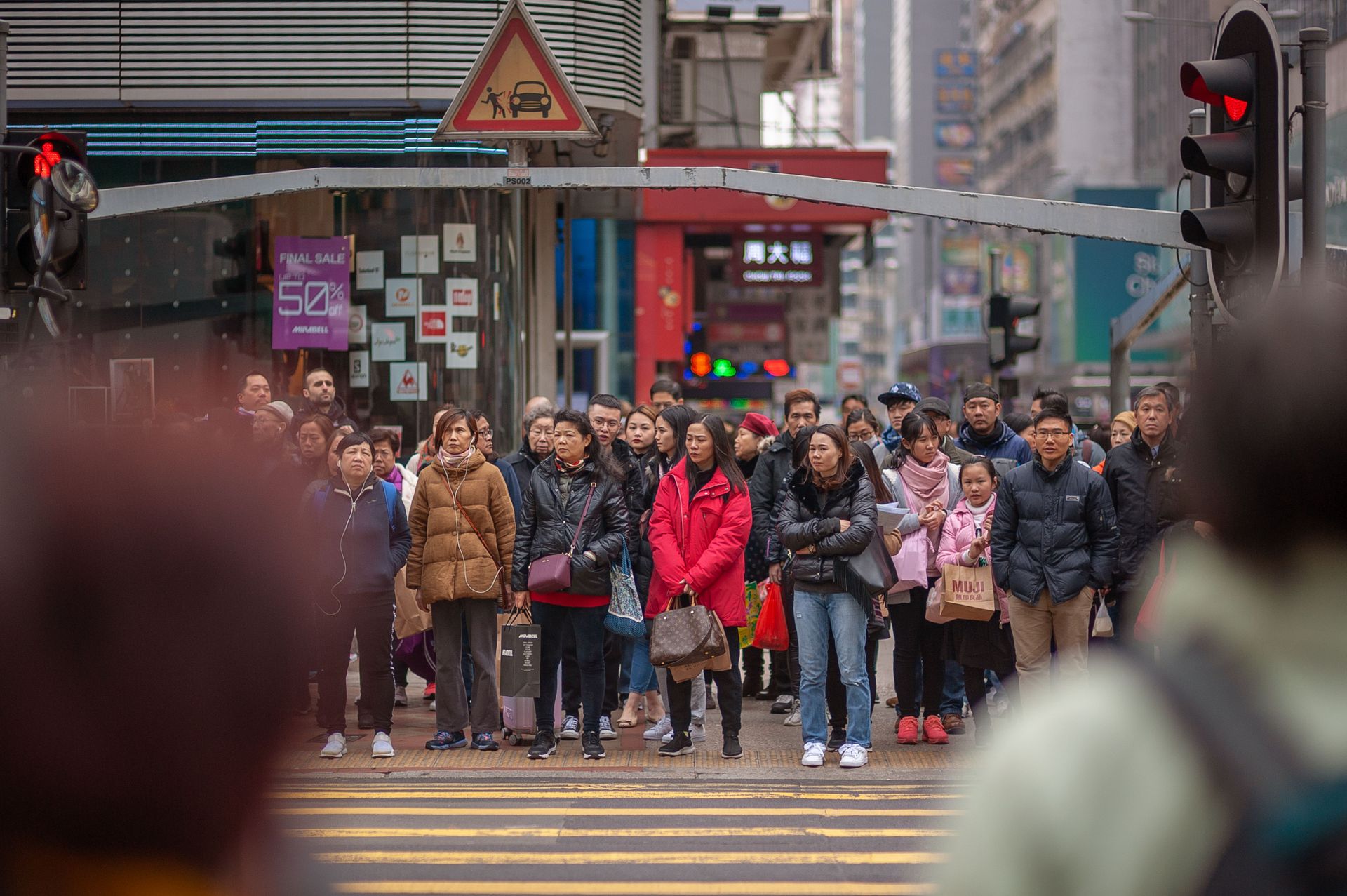
The density of human presence in cities — the constant exposure to strangers, the management of social boundaries in shared public spaces, the specific social interactions of crowded transit, elevators, and pedestrian infrastructure — produces measurable differences in social cognition between urban and rural populations, including differences in how the brain processes social signals and social threat.
A 2011 study published in Nature by Andreas Meyer-Lindenberg and colleagues found that urban residents showed significantly higher amygdala activation in response to social stress compared to rural residents, and that the effect was proportional to the population density of the city where subjects currently lived. The amygdala is the brain region most associated with threat processing and anxiety response, and its heightened reactivity in urban residents reflects the specific adaptation to the higher social density and higher social threat signal rate of urban environments.
The study also found that the perigenual anterior cingulate cortex — a region involved in regulating stress responses — showed different activation patterns in people who had grown up in cities compared to those who had grown up in rural areas, suggesting that the urban environment's effects on social cognition begin in childhood and produce lasting structural changes rather than merely transient functional adaptations.
Light pollution disrupts circadian rhythms
Jimmy Liao / Pexels
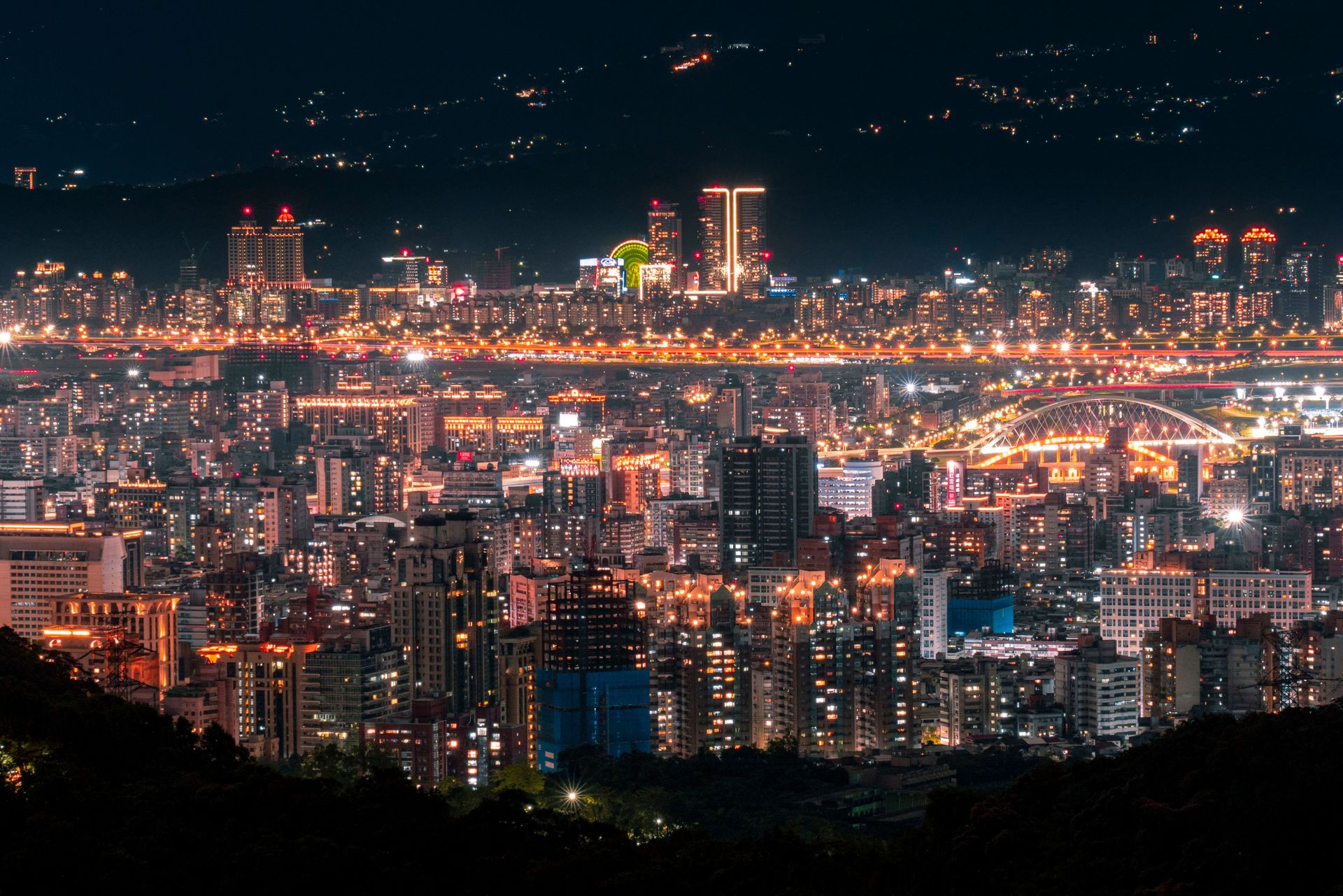
Artificial light at night — the streetlights, illuminated signage, and ambient light spillage from neighboring windows that make urban environments significantly brighter at night than the natural environment for which human circadian biology evolved — disrupts the circadian clock by delaying melatonin onset and shifting the body's sense of when night begins.
The human circadian clock calibrates itself primarily through light: specifically, short-wavelength (blue-spectrum) light signals the brain's suprachiasmatic nucleus that it is daytime, suppressing melatonin secretion and advancing the internal clock. Urban light pollution introduces this signal at night, delaying melatonin onset by up to two hours in highly illuminated urban environments compared to dark rural environments, according to research comparing indoor and outdoor light exposure in urban and rural populations.
A 2016 study using satellite light-at-night data found a significant association between artificial light exposure at night and rates of sleep disorders and depression in urban populations globally. The sleep disruption from light pollution compounds the sleep disruption from noise pollution described earlier — two overlapping mechanisms that both contribute to the reduced sleep quality documented in urban compared to rural populations — and the combined effect represents a significant and largely invisible toll on urban dwellers' health.
Heat island effect elevates cardiovascular and respiratory stress
Kasuma f.g. / Pexels
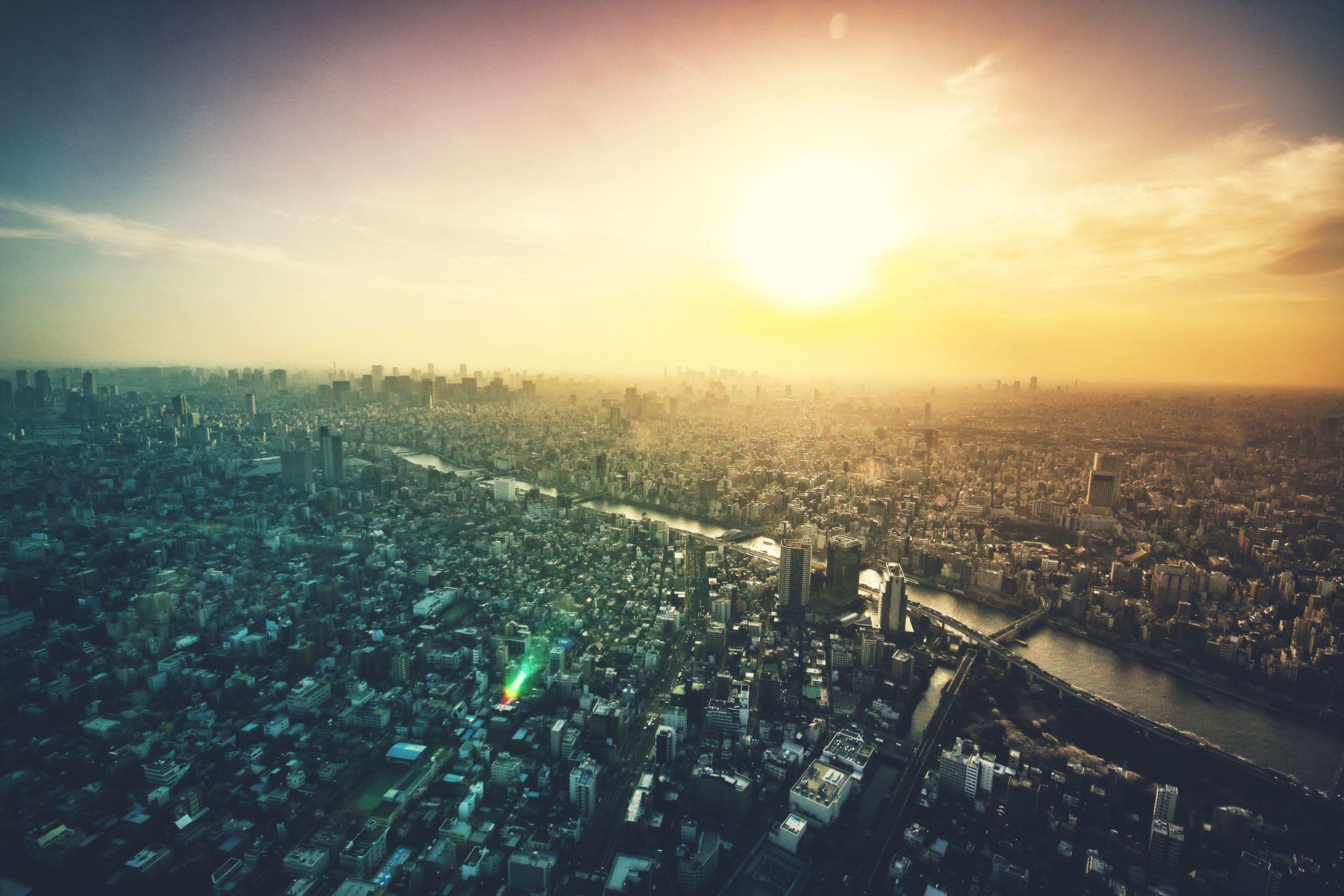
The urban heat island — the elevation of urban temperatures above surrounding rural temperatures by three to five degrees Celsius on average, and by up to ten degrees during heat events, produced by heat-absorbing surfaces (asphalt, concrete, dark roofing), reduced vegetation, and waste heat from buildings and vehicles — creates a specific physiological stress for urban residents during heat events that rural residents do not experience to the same degree.
Extreme heat is the deadliest weather-related hazard in most of the world, killing more people annually than all other weather events combined in the United States. The urban heat island amplifies the health burden of heat events: the 2003 European heat wave that killed approximately 70,000 people was significantly more lethal in urban centers than in surrounding rural areas, and the mortality differential tracked directly onto the urban heat island intensity.
For urban dwellers without air conditioning — disproportionately the elderly, the poor, and residents of lower-income neighborhoods where urban heat islands tend to be more severe due to less tree cover and more heat-absorbing surfaces — summer heat events represent a compounding health risk whose magnitude increases with climate change. The physiological stress of chronic moderate heat — sustained body temperature elevation, increased cardiovascular load from the effort of thermoregulation, reduced sleep quality in hot nights — is less visible than heat stroke but accumulates as chronic cardiovascular and metabolic burden.
Urban microbiomes differ from rural ones — and it matters

Gustavo Fring / Pexels
The human microbiome — the community of approximately 38 trillion microorganisms that live in and on the human body, primarily in the gut — develops through exposure to the microbial environment of early life and maintains its diversity through ongoing environmental exposures throughout life. Urban environments expose their residents to a different and typically less diverse microbiome than rural environments, with measurable consequences for immune function and inflammatory disease rates.
Research on the "old friends" hypothesis (formerly called the hygiene hypothesis) proposes that the immune system requires exposure to the range of microorganisms present in natural environments — soil bacteria, animal microbiomes, diverse food-associated microbes — to calibrate its inflammatory response appropriately. Urban environments reduce this exposure through cleaner water, reduced contact with animals and soil, greater dietary processing, and the specific antimicrobial surfaces of urban infrastructure.
The epidemiological evidence: rates of allergic diseases (asthma, hay fever, eczema), autoimmune conditions, and inflammatory bowel disease are significantly higher in urban than rural populations globally, with the urban-rural gradient most pronounced in the most industrialized and most sanitary urban environments. Children who grow up on farms have significantly lower rates of allergic and autoimmune disease than matched urban controls, a difference attributed to the greater microbial diversity of farm environments.
Commuting is one of the most consistently miserable activities studied
Rishiraj Parmar / Pexels
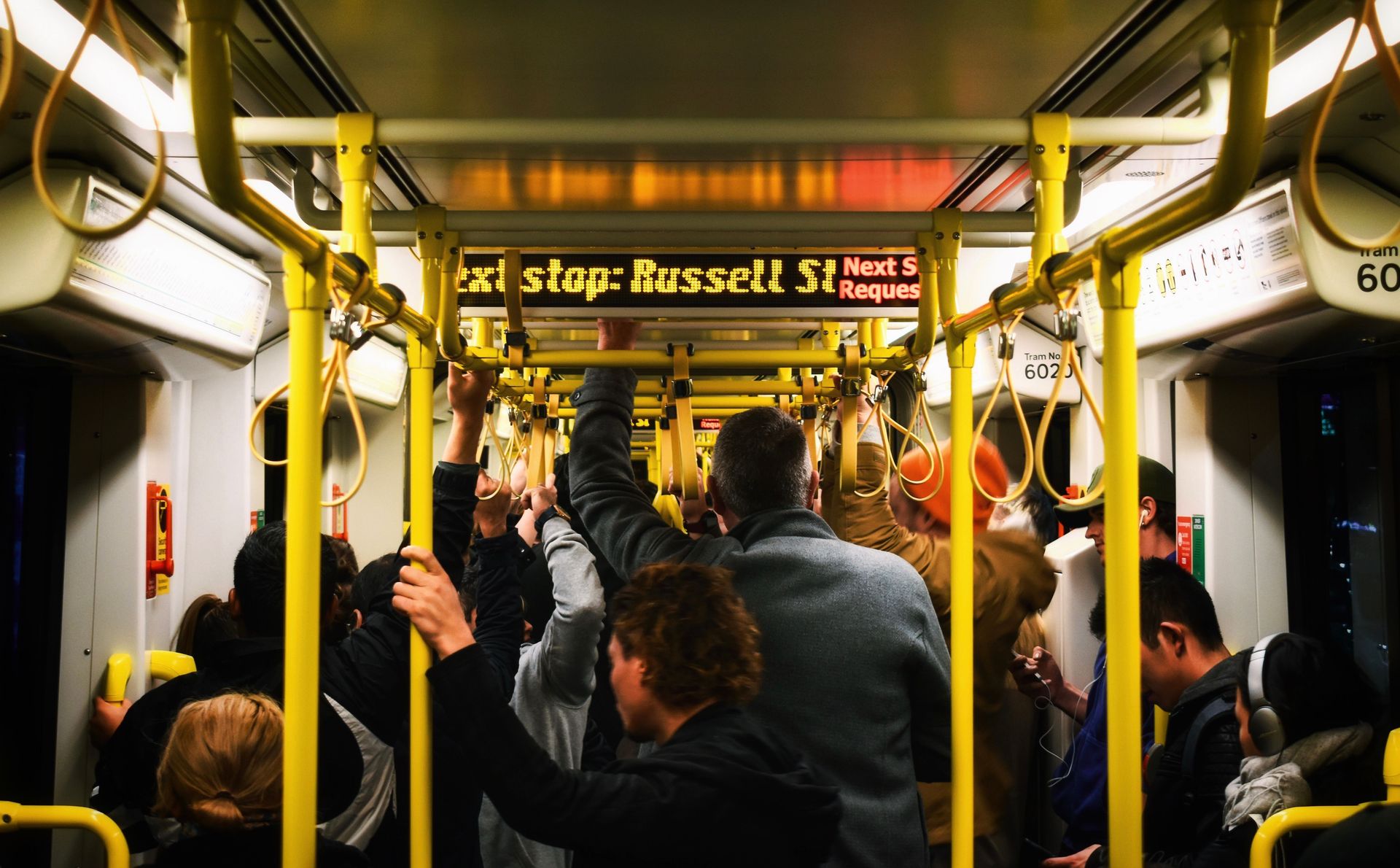
The daily commute — for the majority of urban workers who do not live within walking distance of their workplace — is one of the most consistent predictors of reduced subjective wellbeing in the economic research on happiness, and its effects are more persistent than most people's adaptation ability accommodates.
Research by economists Daniel Kahneman and Alan Krueger found that commuting ranks among the activities people most consistently rate as unpleasant in experience sampling studies — worse than housework, better only than being sick in bed — and that people who commute long distances report lower life satisfaction that does not fully habituate over time. The commute is unusual among unpleasant activities because it combines loss of time, loss of control (being subject to traffic or transit delays), social density stress (crowded transit), and noise in a daily package that is both unavoidable and unpredictable.
A UK study found that each additional minute of commuting time above zero is associated with reduced job satisfaction and mental health, with the effect pronounced above 30 minutes each way. The finding that people consistently underestimate how much they will dislike their commute when making housing decisions — the commuting adaptation bias — is one of the most robust findings in the behavioral economics of urban living, and contributes to the consistent research finding that remote workers report higher wellbeing than office commuters with otherwise comparable jobs.
Urban parks produce measurable health effects — even small ones
Archie McNicol / Pexels
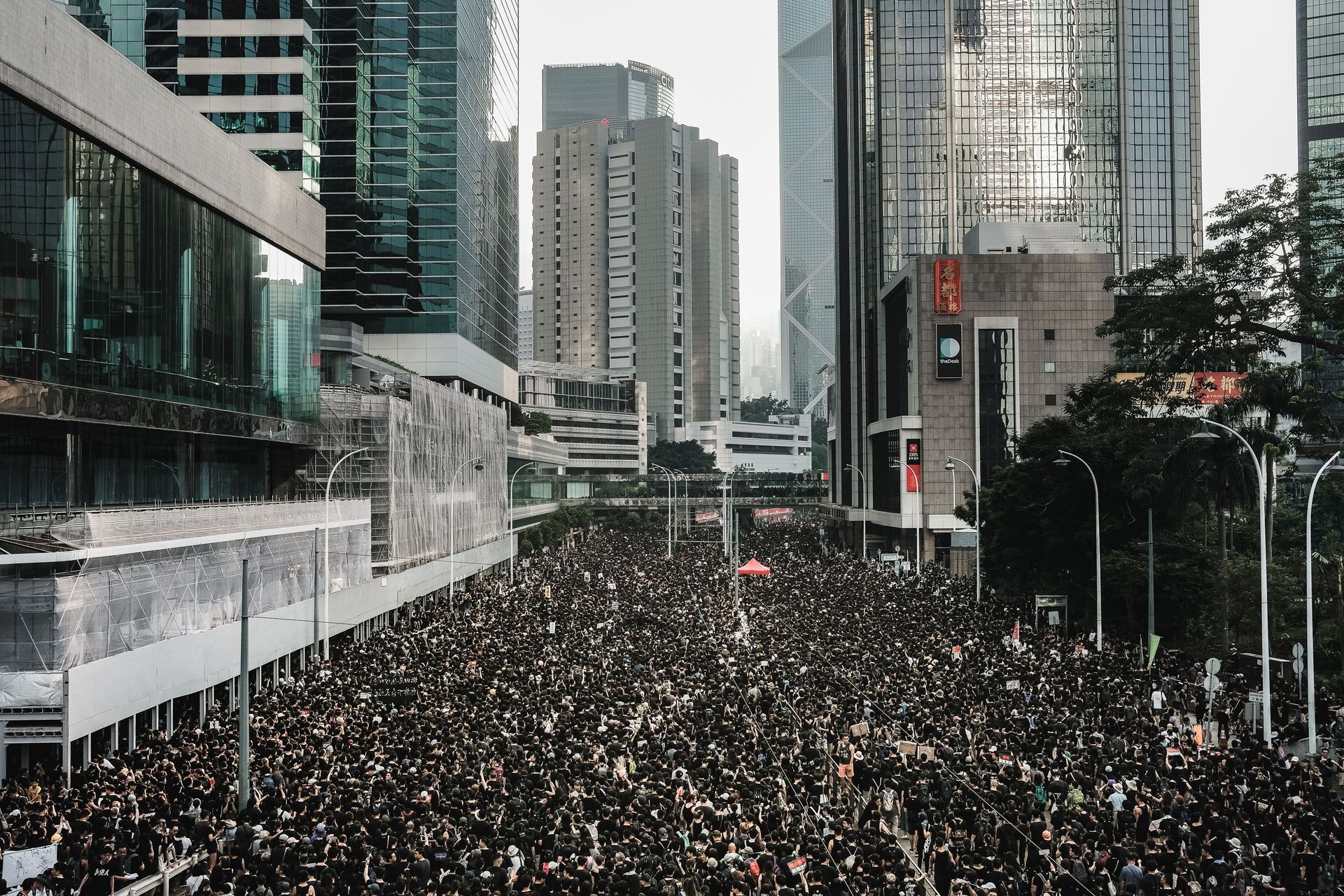
The health benefits of urban green space are sufficiently well-documented that public health researchers now express them in quantitative terms: a study published in The Lancet in 2019 found that residents of greener neighborhoods had significantly lower rates of depression, anxiety, and poor physical health, with the effect independent of socioeconomic status. A Japanese study found that the presence of trees on residential streets was associated with reduced cardiovascular disease mortality.
The mechanism operates through several pathways simultaneously: phytoncides (volatile organic compounds released by trees) have been found to increase natural killer cell activity and reduce cortisol; visual exposure to natural elements activates parasympathetic nervous system responses that reduce heart rate and blood pressure; and the physical activity that green spaces encourage produces the well-documented cognitive and cardiovascular benefits of exercise.
Critically, the health effects of urban green space are not confined to large parks: research has found that smaller, neighborhood-scale green spaces produce measurable health benefits for residents within approximately 300 meters of them. This finding has significant urban planning implications — the distribution of small green spaces throughout a city's residential fabric may produce larger aggregate health benefits than the concentration of green space in large central parks accessible primarily to those who live nearby or can afford the transport to reach them.
Urban environments alter the gut-brain axis

Tim Samuel / Pexels
The gut-brain axis — the bidirectional signaling pathway between the enteric nervous system of the gastrointestinal tract and the central nervous system — is increasingly recognized as a significant contributor to mental health, with the gut microbiome playing a specific role through the production of neurotransmitter precursors, immune signaling molecules, and vagal nerve activation. Urban environments affect this system through multiple mechanisms simultaneously.
The dietary patterns of urban populations — more processed food, less dietary fiber, less fermented food, more food variety but less traditional food — produce a different gut microbiome composition than rural dietary patterns. The chronic stress of urban environments elevates cortisol, which alters gut permeability and microbiome composition. The reduced physical activity of sedentary urban occupations reduces the gut motility that supports healthy microbiome diversity.
Research specifically examining urban-rural differences in gut microbiome composition has found consistently lower gut microbiome diversity in urban compared to rural and indigenous populations, with urban microbiomes showing reduced representation of the bacterial families most associated with immune calibration and anti-inflammatory signaling. The health consequences — increased rates of irritable bowel syndrome, inflammatory bowel disease, and the psychiatric conditions linked to gut microbiome disruption — are documented urban health disparities whose gut-brain axis mechanism is an active research area.
Pedestrian and cycling infrastructure affects physical health at the population level
Martijn Stoof / Pexels
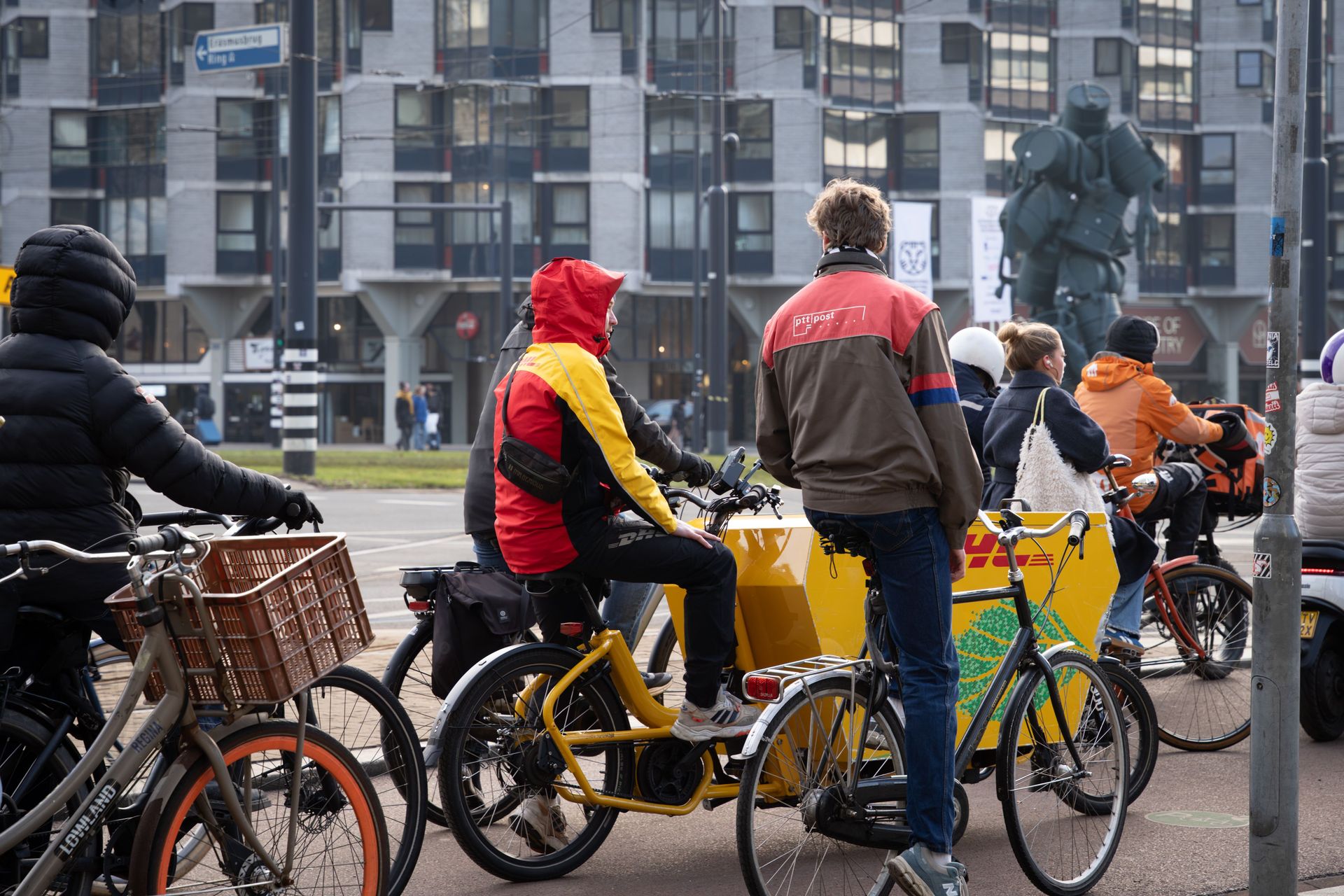
The built environment of cities — whether it is designed for walking and cycling or for automobile use — is one of the most powerful determinants of physical activity levels in urban populations, and physical activity levels are among the most powerful determinants of health outcomes across virtually every chronic disease category.
Cities designed around automobile infrastructure — the suburban sprawl model — are associated with significantly lower levels of walking and cycling, higher rates of obesity, cardiovascular disease, and diabetes, and lower rates of incidental physical activity than cities designed around pedestrian and transit infrastructure. The "built environment effect" on physical activity has been estimated by researchers at Harvard to account for a measurable proportion of the obesity prevalence difference between car-dependent American cities and walking-oriented European and Asian cities of comparable income levels.
The implication for urban residents: the amount of physical activity you get in your daily life is substantially determined by decisions made by city planners and developers, not only by your personal exercise choices. A resident of a walkable neighborhood with nearby amenities and good transit will accumulate significantly more incidental physical activity than an identical person living in a car-dependent neighborhood, without making any deliberate exercise decision. This structural determination of physical activity is one of the most powerful and least visible health effects of urban design.
Urban lighting and screen exposure compound into severe circadian disruption

cottonbro studio / Pexels
The combination of artificial light at night (described in the light pollution entry) and the blue-spectrum screen light from smartphones, laptops, and televisions — which are used disproportionately in urban and sedentary lifestyles — produces a compound circadian disruption that is more severe than either source alone.
Urban dwellers are typically exposed to a specific pattern of light that is almost the inverse of what the circadian system was designed for: insufficient bright light during the day (indoor office work, overcast urban skies, buildings that block direct sunlight), and excess light at night (city ambient light and screen use). The circadian clock depends on the contrast between high daytime light and low nighttime light to maintain its calibration; the urban pattern of moderate light all day and moderate light all night degrades this contrast and produces circadian drift.
Chronobiologist Till Roenneberg has documented a phenomenon he calls "social jet lag" — the systematic misalignment between biological and social time caused by irregular sleep schedules and circadian disruption — that affects approximately two-thirds of the working population and is more severe in urban populations. Social jet lag is associated with increased rates of depression, obesity, metabolic dysfunction, and cardiovascular disease, independent of total sleep duration.
Urban economic inequality creates measurable health gradients within cities
Conrad Rotor / Pexels
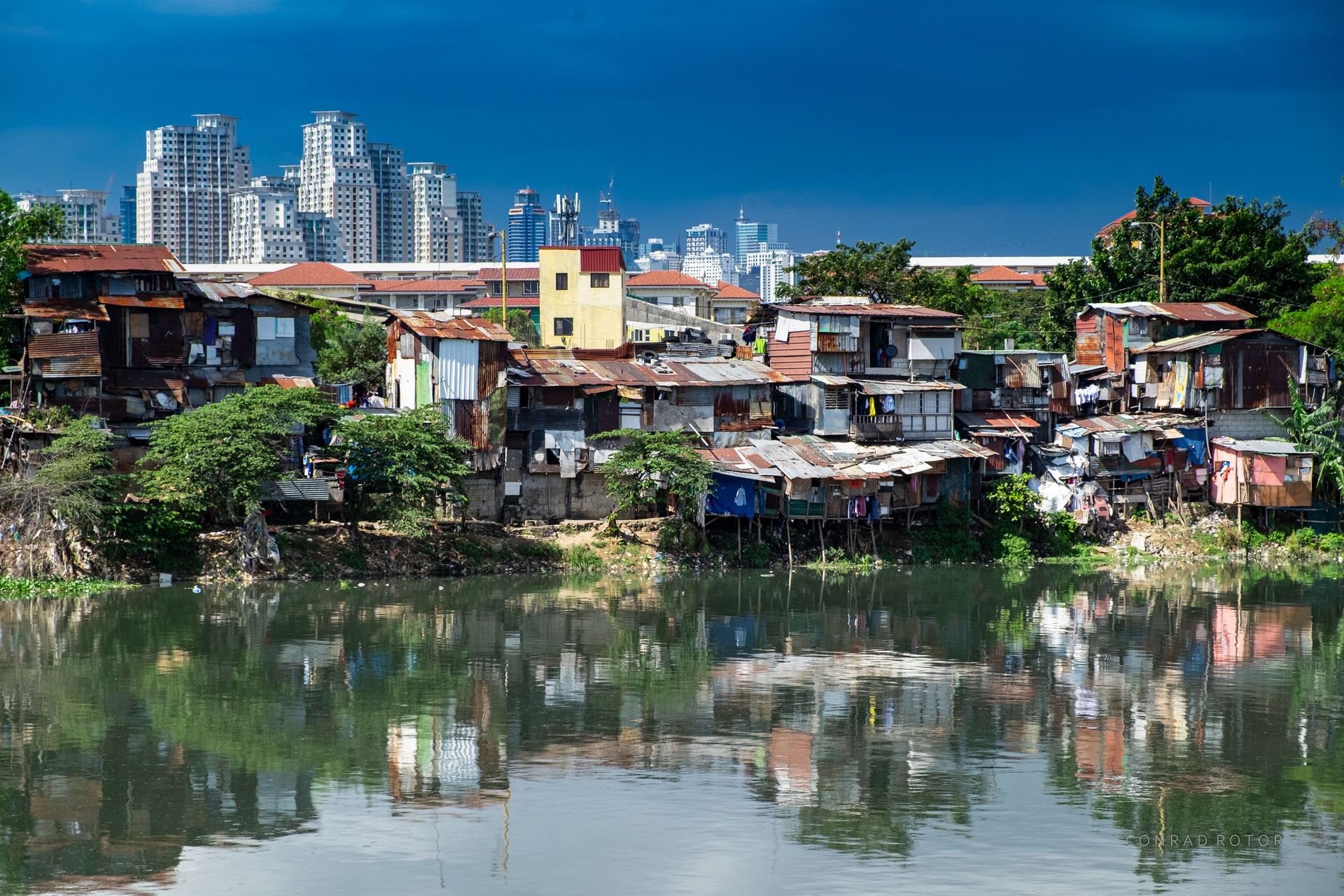
The health effects of urban living are not distributed equally across urban populations. Within cities, health outcomes follow income and socioeconomic gradients with a specificity that reflects the spatial concentration of urban poverty and wealth: residents of lower-income neighborhoods experience higher levels of noise pollution, worse air quality, less green space, more food deserts, worse housing quality, and higher crime rates than residents of higher-income neighborhoods in the same city.
Research on the social determinants of health has found that the zip code a person lives in is a better predictor of life expectancy than their genetic code — a finding that reflects the health-relevant differences between neighborhoods that accumulate across multiple environmental factors simultaneously. In Chicago, the life expectancy difference between the wealthiest and poorest neighborhoods is approximately 30 years. In London, it is approximately 19 years. In Seoul, approximately 10 years.
The specific urban mechanisms that create these health gradients are mostly the same mechanisms described throughout this list — noise, air pollution, green space, heat, social stress — but distributed unequally across the city's geography in ways that concentrate multiple risk factors in the same populations simultaneously. The health effects of urban living are not the health effects of all urban dwellers equally; they are the health effects of urban disadvantage, felt most severely by those with the least ability to mitigate them.
Crime and urban safety perception alter stress physiology chronically

RDNE Stock project / Pexels
Perceived safety — whether or not a neighborhood feels safe to walk in at night, whether or not residents feel vulnerable to crime — has documented physiological effects independent of whether actual crime occurs. The chronic vigilance produced by living in a neighborhood perceived as unsafe activates the same stress response as acute threat, elevating cortisol, reducing sleep quality, impairing immune function, and producing the same physiological wear that chronic stress from any source produces.
Research by epidemiologists studying neighborhood effects on health has found that perceived neighborhood safety is a significant independent predictor of mental and physical health outcomes — significant after controlling for actual crime rates, socioeconomic status, and other neighborhood characteristics. The anticipatory stress of living in a high-perceived-risk environment impairs cognitive function, particularly the executive function and working memory tasks that depend on prefrontal cortex activity, which is suppressed under chronic stress conditions.
For urban residents in neighborhoods with genuine safety concerns — which tend to concentrate in lower-income areas with the multiple disadvantages described in the previous entry — the physiological cost of chronic safety vigilance compounds with the other stressors of urban disadvantage. The cognitive impairment from chronic safety stress affects the academic performance of children, the decision-making of adults navigating difficult economic circumstances, and the mental health of elderly residents whose mobility is restricted by safety concerns — a cycle in which environmental stress impairs the cognitive resources most needed to address the environmental stressors.
Social isolation and loneliness coexist with density
Airam Dato-on / Pexels
Cities contain more people per square kilometer than anywhere else on Earth, and urban residents consistently report higher rates of loneliness than rural residents in surveys conducted across multiple countries. This apparent paradox — loneliness in the most populated places — reflects the specific quality of urban social interaction: high density of strangers, low density of sustained intimate relationships, and the specific norm of non-engagement with neighbors and fellow commuters that urban anonymity produces.
Robert Putnam's research on social capital — the networks of reciprocal social relationships that provide mutual support and produce community cohesion — found significant declines in social capital in urban environments, driven partly by population heterogeneity (urban diversity reduces some forms of social trust), the transience of urban populations (high mobility reduces investment in local relationships), and the time demands of urban professional life that reduce the time available for relationship maintenance.
Loneliness has documented health consequences — the mortality risk associated with chronic loneliness is comparable to smoking 15 cigarettes per day, according to research by Julianne Holt-Lunstad — and the urban loneliness paradox means that the environment that offers the most potential for social connection also creates the conditions that most reliably prevent it from being formed. This tension is one of the most important and least addressed aspects of urban public health.