20 things that happen to your body when cold showers become a habit
These 20 effects are the ones that are actually documented — with the mechanisms, the timelines, and the specific claims that don't hold up noted clearly
Caleb Wright / Unsplash
Cold water exposure has been practiced as a health intervention for centuries — from the cold baths of ancient Rome to the 19th-century hydrotherapy movement to the Wim Hof phenomenon of the 2010s — and the contemporary wellness industry has elevated it to the status of a near-universal morning ritual whose claimed benefits range from improved immune function to weight loss to mental clarity to emotional resilience. The gap between these claims and what the research actually demonstrates is significant and worth closing before the shower handle is turned.
The evidence base for cold water exposure is real but narrower than the wellness narrative implies. Several effects are well-documented and mechanistically understood: the acute neuroendocrine response to cold immersion, the cardiovascular adaptations to repeated cold exposure, the metabolic activation of brown adipose tissue, the mood effects of cold-induced norepinephrine release. Several other claimed effects — significant fat loss, immune system transformation, dramatic improvement in depression — are either preliminary, overstated from small studies, or dependent on immersion protocols (ice baths, cold plunge pools) rather than cold showers specifically.
The distinction between cold showers and cold immersion matters throughout this list. Most of the highest-quality research on cold water exposure uses immersion protocols — submerging the body in cold water, typically below 15°C — whose physiological effects are larger and better-documented than those of a cold shower, which wets only the skin surface and produces lower thermal stress. Where the evidence is primarily from immersion studies, this is noted, and the applicability to cold showers specifically is assessed honestly.
The 20 entries in this list are organized roughly from the most immediate and best-documented effects to the more gradual and more contested ones. Each entry covers the effect, the mechanism, the strength of evidence, and — where relevant — the specific claim that circulates online that the evidence does not support. The goal is the accurate version of a piece that the wellness internet has already written inaccurately dozens of times.
1 / 20
Norepinephrine spikes sharply
Anna Tarazevich / Pexels
The most immediate and best-documented physiological effect of cold water exposure is a large, rapid increase in circulating norepinephrine — the catecholamine neurotransmitter and hormone that is the primary mediator of the acute stress response and that produces the alertness, focus, and mood elevation associated with cold exposure. A 2000 study in the European Journal of Applied Physiology found that cold water immersion at 14°C for one hour increased plasma norepinephrine by approximately 300%.
Cold showers produce a smaller but qualitatively similar response: the cold water's contact with thermoreceptors in the skin triggers the sympathetic nervous system's threat response, which releases norepinephrine from the adrenal medulla and from sympathetic nerve terminals throughout the body. The subjective experience of this release — the sharp alertness, the involuntary deep breath, the sensation of wakefulness that follows cold water contact — is the direct experiential correlate of the norepinephrine spike.
The norepinephrine response is immediate (within seconds of cold water contact), dose-dependent (colder water and longer exposure produce larger responses), and well-replicated across multiple studies. It is also the mechanism underlying most of the mood, energy, and alertness effects attributed to cold showers — many of which are, in mechanistic terms, downstream consequences of this single response.
Evidence quality: high for cold immersion; moderate for cold showers specifically. Timeline: immediate; occurs with every cold exposure. The overclaimed version: that cold showers "rewire" the brain's baseline norepinephrine system — sustained structural changes require far more evidence than currently exists.
2 / 20
Heart rate and blood pressure spike then recover

Los Muertos Crew / Pexels
Cold water contact produces an immediate cardiovascular response: heart rate increases rapidly (the cold shock response), blood pressure rises sharply, and breathing accelerates involuntarily — responses mediated by the sympathetic nervous system activation described in the previous entry. In people with cardiovascular disease or hypertension, this acute response carries genuine risk; cold water immersion has been associated with sudden cardiac death in susceptible individuals.
In healthy people, the acute cardiovascular spike is followed by a recovery phase as the body adapts to the thermal stress. With regular cold exposure, the magnitude of the initial spike decreases — a cardiovascular adaptation that reflects improved autonomic regulation of the heart rate response to cold. Habitual cold water swimmers show significantly attenuated cold shock responses compared to non-habituated controls, indicating that the cardiovascular system adapts to repeated cold stress.
The practical consequence of this adaptation is improved heart rate variability (HRV) — the measure of the variation in time between heartbeats that reflects the balance between sympathetic and parasympathetic nervous system tone. Multiple studies find that regular cold water exposure improves HRV, which is associated with improved cardiovascular health, better stress recovery, and reduced mortality risk.
Evidence quality: high for cold shock response and cardiovascular adaptation; moderate for HRV improvement from cold showers specifically. Timeline: acute response is immediate; cardiovascular adaptation develops over weeks to months of regular exposure. Safety note: people with diagnosed cardiovascular conditions should consult a doctor before beginning cold exposure practice.
3 / 20
Brown adipose tissue activates

Yaroslav Shuraev / Pexels
Brown adipose tissue (BAT) — a type of fat that generates heat by burning calories rather than storing them, through a process called non-shivering thermogenesis — is activated by cold exposure and is the primary mechanism through which regular cold exposure is claimed to improve metabolic function and contribute to fat loss.
BAT contains mitochondria (unlike white adipose tissue) and burns glucose and fatty acids to generate heat through the uncoupling protein UCP1, which dissipates the proton gradient in mitochondria as heat rather than ATP. Cold exposure activates BAT through the sympathetic nervous system (norepinephrine stimulates UCP1 expression), and regular cold exposure increases both the volume of BAT and its metabolic activity.
The honest qualification: BAT activation from cold showers is real but its contribution to caloric expenditure in a cold shower context is modest. Research by Wouter van Marken Lichtenbelt found that cold acclimatization increased BAT activity and improved whole-body glucose uptake significantly — but the experimental protocol involved 6 hours of daily cold exposure at 16°C, not a cold shower. The metabolic benefit of a 2-minute cold shower is measurable but not large.
Evidence quality: high for BAT biology; moderate for cold shower-specific BAT activation magnitude. Timeline: BAT volume increases over weeks of regular cold exposure. The overclaimed version: that cold showers produce significant weight loss — the caloric expenditure from a brief cold shower is not large enough to drive meaningful fat loss without other dietary and behavioral changes.
4 / 20
Skin blood vessels constrict then dilate

Sora Shimazaki / Pexels
Cold water contact causes immediate vasoconstriction — the narrowing of blood vessels near the skin surface — which reduces heat loss by keeping warm blood in the body's core. When the cold exposure ends and the skin rewarms, vasodilation (the widening of blood vessels) occurs, producing increased blood flow to the skin and the flush of warmth that follows a cold shower.
This alternating constriction and dilation — sometimes called vascular exercise or contrast hydrotherapy when combined with hot and cold exposure — has been proposed as a mechanism for improving peripheral circulation and reducing the symptoms of conditions associated with poor peripheral circulation, including Raynaud's phenomenon (a condition of excessive cold-triggered vasoconstriction in the fingers and toes).
The evidence for cold shower-specific vascular training effects is limited but the mechanism is sound: repeated cycles of vasoconstriction and dilation in response to cold and warming stimuli could, in principle, improve the vascular smooth muscle's responsiveness over time. The effect is likely small for a brief cold shower compared to more sustained cold water swimming or ice bath protocols.
Evidence quality: moderate; the vascular response is well-documented but the training adaptation from cold showers specifically is not well-studied. Timeline: acute response is immediate; any training adaptation would develop over weeks to months.
5 / 20
Breathing changes immediately

Giovanna Kamimura / Pexels
The involuntary gasp that accompanies cold water contact — the sharp inhalation triggered by cold thermoreceptors in the skin activating the breathing centers in the brainstem — is one of the most immediate physiological responses to cold exposure and the response that Wim Hof's breathing protocols are partly designed to work with. The gasp is followed by rapid, shallow breathing as the cold shock response activates.
Learning to control this breathing response — to take deliberate slow breaths rather than hyperventilating in response to the cold shock — is a specific skill that regular cold shower practitioners develop, and it has been proposed as a mechanism for improving breath control and respiratory resilience more broadly. The controlled breathing practice required to remain calm in cold water activates the parasympathetic nervous system (through vagal activation from extended exhalation), partially counteracting the sympathetic activation of the cold shock response.
The specific value of cold shower breathing practice is the training of the voluntary control of an involuntary response — a capacity that transfers to other high-stress situations. Research on combat divers and cold water swimmers consistently finds improved autonomic regulation in response to stress in people who have habituated to cold water breathing challenges.
Evidence quality: high for the acute breathing response; moderate for the training transfer to other stress contexts. Timeline: breathing adaptation begins immediately and improves with practice.
6 / 20
Mood improves acutely

Andrea Prochilo / Pexels
The mood-elevating effect of cold showers — the sense of energy, clarity, and positive affect that follows a cold shower — is one of the most consistently reported subjective effects and has a mechanistic basis in the norepinephrine spike and the endorphin release that cold exposure produces. A 2008 study by Nikolai Shevchuk published in Medical Hypotheses proposed that cold shower-induced norepinephrine and beta-endorphin release could explain the mood effects and proposed cold showers as a potential treatment for depression.
The Shevchuk paper is the most frequently cited study for cold shower mood benefits and also the most frequently miscited: it is a hypothesis paper, not a clinical trial, and it has not been followed by large randomized controlled trials of cold showers for depression. The hypothesis is biologically plausible — norepinephrine and endorphins do affect mood — but the clinical evidence for cold showers as a depression treatment is insufficient to support the confident claims made in popular wellness content.
What is well-supported is the acute mood improvement: multiple studies find that cold water immersion produces short-term improvements in self-reported mood, energy, and subjective wellbeing. Whether these acute effects accumulate into sustained mood improvement with regular practice is less clearly documented.
Evidence quality: moderate for acute mood effects; low for cold showers as a clinical intervention for depression. Timeline: acute mood improvement occurs with each cold shower; sustained effects require more evidence. The overclaimed version: that cold showers treat depression — the hypothesis paper is not clinical evidence.
7 / 20
Inflammation markers may decrease
Jonathan Borba / Pexels
Cold water immersion is used in sports recovery specifically for its anti-inflammatory effects: the vasoconstriction produced by cold water reduces blood flow to exercised muscles, limiting the inflammatory response to exercise-induced muscle damage and reducing soreness and recovery time. This use — cold water immersion for post-exercise recovery — is the best-supported application of cold water exposure in clinical research.
Regular cold water exposure's effects on baseline inflammatory markers (outside the post-exercise context) are less well-documented. Some studies find reductions in circulating inflammatory markers (IL-6, TNF-α) in regular cold water swimmers, but these studies are typically conducted in populations of habitual cold water swimmers whose overall health behaviors may differ from the comparison group in ways that confound the attribution to cold exposure specifically.
The anti-inflammatory effect of cold water is real in the acute post-exercise context; whether it produces a meaningful reduction in chronic low-grade inflammation from brief daily cold showers without accompanying exercise is less clearly established.
Evidence quality: high for post-exercise cold water immersion; moderate for baseline inflammation reduction from regular cold showers. Timeline: acute anti-inflammatory effect is immediate post-exercise; chronic effects less documented.
8 / 20
Metabolic rate increases briefly

Rio Pepper / Pexels
Cold exposure increases metabolic rate through two mechanisms: shivering thermogenesis (the involuntary muscle contractions that generate heat through physical activity) and non-shivering thermogenesis (the BAT activation described earlier). Both mechanisms consume energy, and the combined effect is a brief increase in caloric expenditure during and immediately after cold exposure.
The magnitude of this metabolic increase in a cold shower context is modest: a study examining whole-body metabolic rate during cold water exposure found increases of approximately 90% above baseline during cold immersion — but this applies to extended immersion in cold water, not a brief cold shower. A two-minute cold shower's contribution to daily caloric expenditure is small relative to the total daily energy budget.
The more interesting metabolic effect of regular cold exposure is the longer-term increase in BAT volume and activity described in the brown fat entry, which can produce a sustained small increase in resting metabolic rate. This effect is real but has been documented primarily in cold acclimatization studies rather than in cold shower-specific research.
Evidence quality: high for the mechanism; moderate for cold shower-specific magnitude. Timeline: acute metabolic increase is immediate; BAT-mediated increase in resting metabolism develops over weeks.
9 / 20
Sleep quality may improve

Andrea Piacquadio / Pexels
Cold showers taken in the morning may improve sleep quality through the mechanism of circadian thermoregulation: the body's core temperature follows a circadian rhythm, rising in the morning and falling in the evening as a signal for sleep onset. A morning cold shower produces a temporary cooling effect followed by a rewarming response, and there is some evidence that this temperature cycling reinforces the circadian temperature rhythm when it occurs in the morning.
The direct evidence for cold showers improving sleep is limited. Research on sleep and body temperature manipulation has found that cooling the body before bed (through cool room temperature, cool baths, or cooling mattress pads) improves sleep onset, but morning cold showers produce the opposite thermal trajectory (cooling then warming) and their effect on evening temperature may be negligible.
The indirect mechanism through which cold showers might improve sleep is more plausible: the norepinephrine and cortisol release from morning cold exposure may help establish a clear morning alertness signal that supports a more defined circadian rhythm, which is associated with better sleep at night. This is speculative and not well-supported by cold shower-specific research.
Evidence quality: low to moderate; the mechanism is plausible but cold shower-specific sleep research is limited. Timeline: any effect would develop over weeks of consistent morning cold exposure. The overclaimed version: that cold showers dramatically improve sleep — the evidence does not support confident claims in this direction.
10 / 20
Skin and hair may benefit

Yan Krukau / Pexels
Cold water's effects on skin and hair are the claims most frequently made in beauty and wellness contexts and the ones with the weakest scientific support. The claims — that cold water "closes pores," makes hair shinier, and improves skin tone — circulate widely but reflect a misunderstanding of skin biology.
Pores do not open and close with temperature: they are structural features of the skin, not muscle-lined tunnels that respond to thermal stimuli. What cold water does to the skin is cause temporary vasoconstriction, which reduces the flushed appearance of skin and temporarily tightens the appearance of the skin surface — a cosmetic effect that is real but transient and not the same as "closing pores."
Cold water on hair is more plausible: the hair cuticle (the outer layer of the hair shaft) lies flatter when exposed to cold water and rougher when exposed to hot water, and flatter cuticles reflect light more evenly, which may produce a shinier appearance. The effect is real but small and temporary.
Evidence quality: low; skin and hair cold water claims are largely cosmetic lore rather than clinical research findings. The accurate version: cold water produces temporary cosmetic effects on skin appearance and possibly modest hair shine improvement; it does not produce the structural skin improvements that "closing pores" implies.
11 / 20
Mental resilience may build

Sam Lion / Pexels
The behavioral and psychological adaptation to regular cold shower practice — the deliberate entry into an uncomfortable experience, the management of the initial shock response, the development of the habit of doing something difficult first thing in the morning — has been proposed as a mechanism for building a broader capacity for tolerating discomfort and managing stress.
The specific claim is that cold shower practice is a form of deliberate discomfort training that transfers to other contexts: that people who regularly do cold showers become better at facing other difficult or uncomfortable situations. The evidence for this transfer is primarily anecdotal, but the underlying psychological principle — that repeated voluntary exposure to aversive stimuli reduces avoidance behavior and builds tolerance — is well-supported in cognitive behavioral therapy research on exposure therapy.
The cold shower's utility as a discomfort-tolerance training tool is plausible specifically because the discomfort is brief, controllable (you can end it at any time), and repeated — the same structure that makes exposure therapy effective. Whether cold shower practice specifically transfers to improved performance under other kinds of stress has not been rigorously tested.
Evidence quality: low to moderate; plausible mechanism but limited research on cold shower-specific psychological adaptation. The overclaimed version: that cold showers build "mental toughness" — this is a hypothesis, not a demonstrated effect.
12 / 20
Immune response may strengthen

Armin Rimoldi / Pexels
The claim that cold showers strengthen the immune system is one of the most widely circulated cold exposure health claims and one of the most context-dependent in the evidence. A 2016 Dutch randomized controlled trial by Geert Buijze and colleagues — the most rigorous cold shower clinical trial published — found that people who ended their showers with 30 to 90 seconds of cold water had a 29% lower rate of sick day absence from work, without a significant difference in the number of illness episodes reported.
The distinction matters: cold shower participants reported getting sick at similar rates but missing fewer work days when they did get sick — a result that suggests cold showers may affect the experience of illness rather than the underlying immune response. One proposed mechanism is the norepinephrine-mediated reduction in symptoms and improvement in functional status during illness rather than a reduction in infection frequency.
The broader evidence on cold water exposure and immune function is mixed: some studies find increases in natural killer cell activity and lymphocyte counts following cold water immersion; others find immunosuppressive effects from extreme cold stress. The relationship is likely U-shaped — mild cold stress may stimulate immune surveillance; extreme cold stress suppresses immunity.
Evidence quality: moderate; the Buijze trial is the best available evidence and its results are specific and limited. Timeline: immune effects in the Buijze trial began within the first month of cold shower practice.
13 / 20
Alertness and focus improve acutely

Yan Krukau / Pexels
The improvement in alertness and cognitive performance that follows a cold shower is one of the most consistent subjective reports and has a well-supported neurological basis: the norepinephrine release from cold exposure activates the locus coeruleus (the primary norepinephrine-producing nucleus in the brainstem), which projects broadly throughout the cerebral cortex and modulates attention, working memory, and cognitive arousal.
Norepinephrine's effect on cognition follows an inverted U-shaped dose-response: too little (characteristic of fatigue, low arousal states) produces impaired cognition; the right amount (characteristic of moderate alertness) produces optimal performance; too much (characteristic of extreme stress or anxiety) produces performance impairment. The cold shower-induced norepinephrine release brings most people from the low end of the curve toward the optimal zone, which is why the cognitive benefits of a morning cold shower are reported most strongly by people who describe themselves as slow to wake or cognitively sluggish in the morning.
The acute alertness effect of cold showers is well-supported and immediate; whether this effect translates to measurably better cognitive performance on objective tests (rather than subjective reports) is less well-documented.
Evidence quality: high for the neurological mechanism; moderate for the cognitive performance outcome. Timeline: immediate; occurs with each cold shower exposure.
14 / 20
Stress tolerance adapts over time
Bobby Brown / Pexels
Regular cold water exposure is one of the most reliable ways to activate and train the autonomic nervous system's stress response — specifically, to reduce the magnitude of the sympathetic activation produced by a given stressor and to accelerate the parasympathetic recovery that follows stressor removal. This adaptation, documented in research on habitual cold water swimmers and cold water immersion protocols, reflects a recalibration of the autonomic stress response through repeated, controlled stress exposures.
The mechanism is similar to the cardiovascular adaptation described earlier: the body's stress response system, repeatedly activated and then allowed to recover through cold exposure, becomes more efficient at mounting the initial response and faster at recovering from it. This produces the specific quality that cold water practitioners describe as "stress resilience" — a reduced reactivity to stressors that is detectable in both subjective reports and in physiological measures like heart rate variability and cortisol response magnitude.
This adaptation is real and well-supported in cold water immersion research; its magnitude from cold showers specifically (rather than the more severe cold immersion protocols used in most research) is likely smaller but in the same direction.
Evidence quality: high for cold immersion; moderate for cold showers. Timeline: adaptation develops over weeks to months of regular cold exposure.
15 / 20
Recovery from exercise improves

Pavel Danilyuk / Pexels
Cold water immersion after exercise — reducing muscle temperature, limiting inflammatory response, and reducing perceived soreness — is the most evidence-supported application of cold water exposure in sports science. Professional athletes, sports teams, and high-performance training programs have used post-exercise cold water immersion (cold baths, ice baths, cold pools) for recovery since the 1990s, and the evidence base is substantially larger than for any other claimed cold exposure benefit.
Cold showers after exercise produce a smaller version of the same effect: the reduction in muscle temperature from cold shower water contact reduces the acute inflammatory response to exercise, which reduces delayed onset muscle soreness (DOMS) and may accelerate functional recovery between training sessions. The effect is smaller than ice bath immersion because the thermal stress is lower, but it is real and immediately practical.
The honest qualification: some research suggests that cold water immersion after strength training blunts the adaptive hypertrophic response — that the anti-inflammatory effect that reduces soreness also reduces the inflammatory signaling that drives muscle adaptation. People training primarily for strength or muscle mass may want to delay cold exposure until several hours after strength training sessions.
Evidence quality: high for post-exercise cold immersion; moderate for cold shower-specific recovery effects. Timeline: acute recovery effect is immediate; the strength training caveat applies to each post-workout cold exposure.
16 / 20
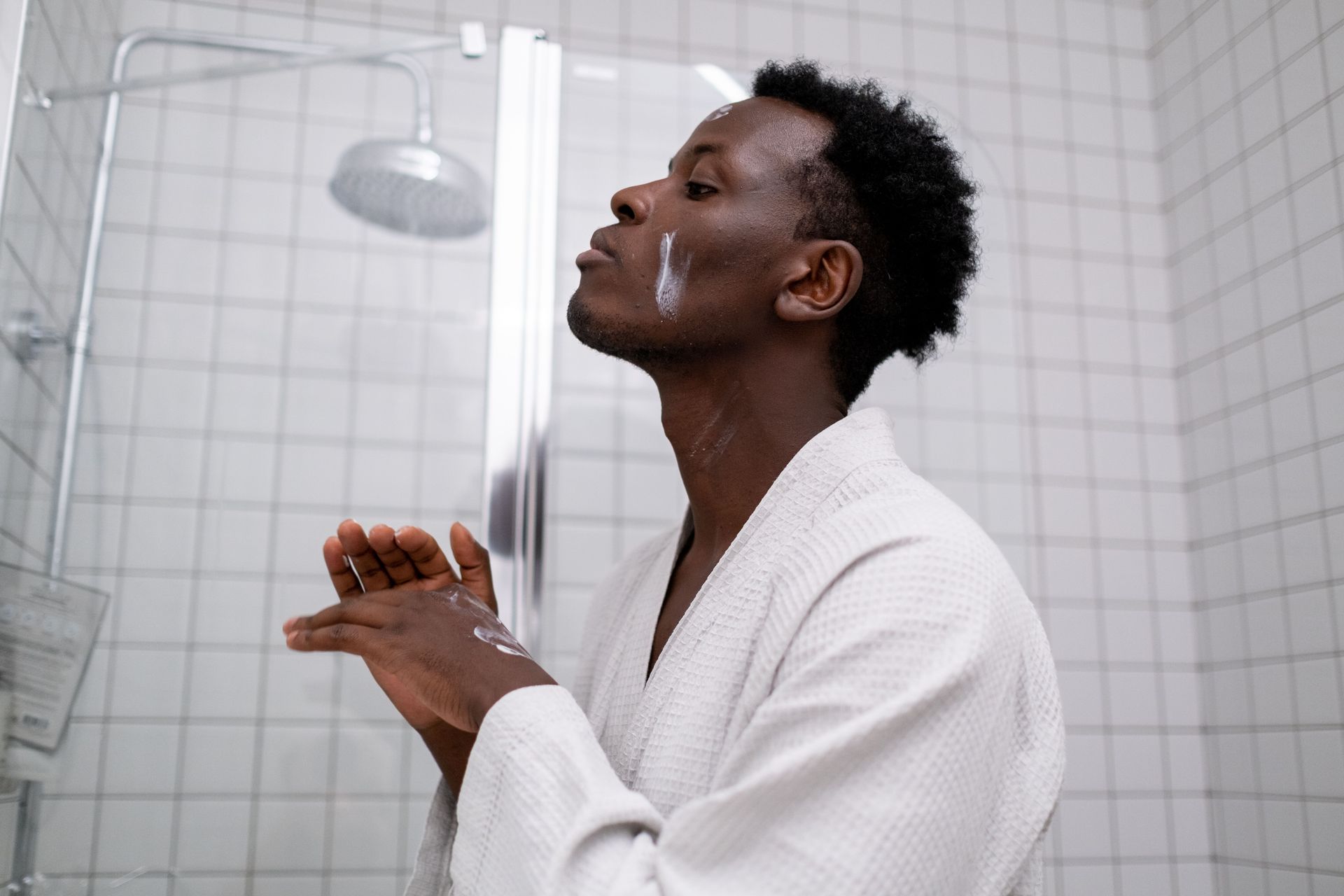
Testosterone levels — the contested claim
cottonbro studio / Pexels
The claim that cold showers increase testosterone is one of the most widely repeated and least well-supported of all cold shower benefit claims. The biological basis cited is usually a study from the 1990s that found that testicular temperature affects sperm production — which is true (the testes are external to the body in part because sperm production is optimal at slightly below core body temperature) — but this finding is extrapolated without evidence to the claim that cold showers raise circulating testosterone levels.
The actual research on cold water exposure and testosterone is limited and inconsistent. Some studies find transient increases in testosterone following cold water immersion; others find decreases or no change. The acute testosterone response to cold stress is context-dependent and small in magnitude. No study has demonstrated that regular cold showers produce a clinically meaningful sustained increase in testosterone levels in healthy men.
The popularity of the testosterone claim in cold shower content reflects its appeal to a specific demographic (young men interested in performance optimization) rather than its evidentiary basis. It should be treated as an unproven hypothesis rather than an established effect.
Evidence quality: low; not well-supported by clinical evidence. The overclaimed version: that cold showers significantly raise testosterone — the evidence does not support this claim.
17 / 20
Dopamine increases significantly

RDNE Stock project / Pexels
A 2008 study by Tihomir Makinen and colleagues found that whole-body cold water immersion produced a 250% increase in dopamine levels — one of the most striking findings in cold exposure research and the basis for the specific claim that cold showers produce a "dopamine spike" that explains their mood-boosting effects.
The finding is real but context-specific: the study used whole-body cold water immersion at 14°C for one hour — not a cold shower. The dopamine increase was substantial but was also accompanied by a large norepinephrine increase, and the relative contributions of each to the subjective mood effects are not easily separated. Cold shower-specific dopamine research is limited.
The biological plausibility is sound: cold exposure activates the same dopaminergic pathways that other rewarding stimuli activate, and dopamine's role in motivation, reward, and mood makes a cold-exposure-induced dopamine increase a plausible contributor to the sense of accomplishment and wellbeing that cold shower practitioners consistently report.
Evidence quality: moderate; good evidence for cold immersion-specific dopamine increase, limited cold shower-specific research. Timeline: acute effect with each cold exposure. The overclaimed version: that cold showers produce a dramatic lasting dopamine elevation — the evidence supports an acute spike, not a sustained increase.
18 / 20
Pain sensitivity decreases

Kaboom Pics / Pexels
Cold water exposure produces analgesia — reduction in pain sensitivity — through multiple mechanisms: the cold itself reduces nerve conduction velocity in pain-sensing nerve fibers (which is why ice is applied to acute injuries), and the norepinephrine and endorphin release from cold stress activates endogenous analgesic pathways that reduce pain sensitivity more broadly.
Regular cold water swimmers and habitual cold exposure practitioners consistently report reduced pain sensitivity and improved pain tolerance on experimental pain tests compared to non-habituated controls. This finding is consistent with the general principle that repeated exposure to a painful stimulus, combined with demonstrated ability to tolerate and recover from it, reduces the aversive quality of pain through both peripheral (reduced nerve sensitivity) and central (altered pain processing) mechanisms.
The clinical implication for people with chronic pain conditions is potentially significant — several small studies have found that cold water swimming reduces chronic pain in conditions including fibromyalgia, arthritis, and chronic back pain — but the specific contribution of cold water versus exercise, social connection, and other features of cold water swimming programs is difficult to isolate.
Evidence quality: moderate to high for acute analgesia; moderate for chronic pain reduction from regular cold exposure. Timeline: acute pain reduction is immediate; any chronic pain benefit develops over weeks to months.
19 / 20
Skin condition may improve for some

Sora Shimazaki / Pexels
The effects of cold showers on specific inflammatory skin conditions — eczema, psoriasis, seborrheic dermatitis — are medically discussed but not well-studied in controlled trials. The general principle is that hot water strips the skin of its natural oil layer (sebum) and can worsen inflammatory skin conditions, while cold or tepid water is less stripping and may reduce the inflammatory flare that hot water triggers in sensitive skin.
For people with eczema specifically, the recommendation to use cooler water for bathing is standard dermatological advice, not a cold shower-specific wellness claim. The anti-inflammatory mechanism of cold water is relevant here — the vasoconstriction and reduction in inflammatory mediator release from cold water contact may reduce the inflammatory response in already-irritated skin.
The evidence is primarily clinical observation rather than controlled trials, and the improvement is specific to inflammatory skin conditions rather than a general benefit for all skin types.
Evidence quality: low to moderate; clinical consensus for inflammatory skin conditions but limited controlled trial evidence. The overclaimed version: that cold showers universally improve skin health — the benefit appears to be condition-specific rather than universal.
20 / 20
Willpower and habit formation strengthen
Ketut Subiyanto / Pexels
A cold shower requires a deliberate act of will at the moment when the warm option is available — the specific structure of a willpower challenge that research on self-regulation and habit formation finds most effective for building behavioral consistency. The cold shower is not willpower training in the abstract; it is a specific, repeated, daily encounter with the choice between comfort and the deliberate decision to do the harder thing.
The evidence for cold shower practice specifically strengthening willpower or improving habit formation in other domains is, again, primarily anecdotal and mechanistically proposed rather than empirically demonstrated. The general principle — that repeated successful execution of difficult voluntary behaviors strengthens the self-regulatory capacity applied to other behaviors — is supported in behavioral psychology research, but cold showers specifically have not been studied as a willpower training intervention.
The practical observation that many people who develop cold shower habits report improvements in their consistency with other health behaviors (exercise, diet, sleep) is real but confounded: the people who successfully maintain cold shower habits may simply be people with stronger existing self-regulatory capacity, and the cold shower habit may reflect that capacity rather than build it.
Evidence quality: low; plausible mechanism but insufficient direct evidence. The honest framing: cold showers may reinforce self-regulatory habits through the consistency of a daily difficult act, but this is not the same as claiming they build willpower transferably.
