The changes that regular exercise produces in the body are more specific, more varied, and more surprising than most people realize

Andrea Piacquadio / Pexels
Exercise advice tends to describe outcomes — the improved fitness, the weight management, the reduced disease risk — without describing the mechanisms that produce them or the timeline on which they unfold. This matters because the gap between beginning to exercise regularly and experiencing the most significant benefits is months to years, not days, and most people who abandon new exercise habits do so during the period when the adaptations are occurring but not yet perceptible. Understanding what is happening inside the body — and when — converts the experience of beginning an exercise program from an act of faith into an informed investment.
The physiological adaptations to regular exercise are also more surprising, more varied, and more consequential than the conventional summary of "exercise is good for you" implies. The heart adapts structurally. The brain grows new neurons. The immune system is recalibrated. Mitochondria multiply in muscle cells. The composition of gut bacteria shifts. Fat cells change their behavior. Inflammatory markers fall. DNA repair mechanisms improve. The bones become denser. These are not metaphors or approximations — they are specific, documented, measurable changes in the biological structure and function of the body, each with its own mechanism and its own timeline.
This list covers 25 of those changes, organized roughly from the fastest-appearing to the slowest. Each entry covers the specific change, the mechanism that produces it, the typical timeline, and the strength of the evidence — with the specific caveat that individual variation is enormous. The timeline at which any particular adaptation appears depends on the individual's starting fitness level, their age, the type and intensity of exercise, the consistency of the exercise habit, and genetic factors that are not yet fully characterized.
The evidence base is peer-reviewed exercise physiology, sports medicine, and related research. Where findings are preliminary or where the evidence is primarily from animal rather than human studies, this is noted. The goal is accuracy rather than motivation — the honest account of what the research shows, not the enthusiastic account of what exercise advocates want it to show. Both are largely consistent, but the honest version includes timelines, conditions, and qualifications that the enthusiastic version tends to omit.

Puwadon Sang-ngern / Pexels
The resting heart rate — the number of times the heart beats per minute when the body is at complete rest — begins to decline within two to four weeks of beginning regular aerobic exercise, and this reduction is one of the most reliably detectable early markers of cardiovascular fitness improvement. A typical untrained adult has a resting heart rate of 60 to 80 beats per minute; trained endurance athletes commonly achieve resting heart rates of 40 to 50, with elite cyclists and distance runners occasionally reaching the low 30s.
The mechanism is specific: regular aerobic exercise increases stroke volume (the amount of blood pumped per heartbeat) through cardiac adaptations — the left ventricle enlarges slightly, its walls thicken, and it becomes more efficient at filling and emptying with each beat. With a higher stroke volume, the heart can deliver the same amount of blood per minute at fewer beats. The resting heart rate reduction is the direct arithmetic consequence of this increased stroke volume.
The reduction is detectable within two to four weeks of consistent aerobic exercise at moderate to vigorous intensity, three or more days per week. The magnitude of the reduction depends on the starting fitness level (deconditioned people show larger initial reductions) and the exercise volume and intensity. A reduction of 5 to 10 beats per minute over the first eight weeks is typical for previously sedentary adults.
The clinical significance of resting heart rate reduction is independent of fitness: epidemiological studies consistently find that lower resting heart rate is associated with lower cardiovascular mortality, even after controlling for fitness level, suggesting that the resting heart rate itself — rather than just the fitness it reflects — has direct health relevance.
Gustavo Fring / Pexels
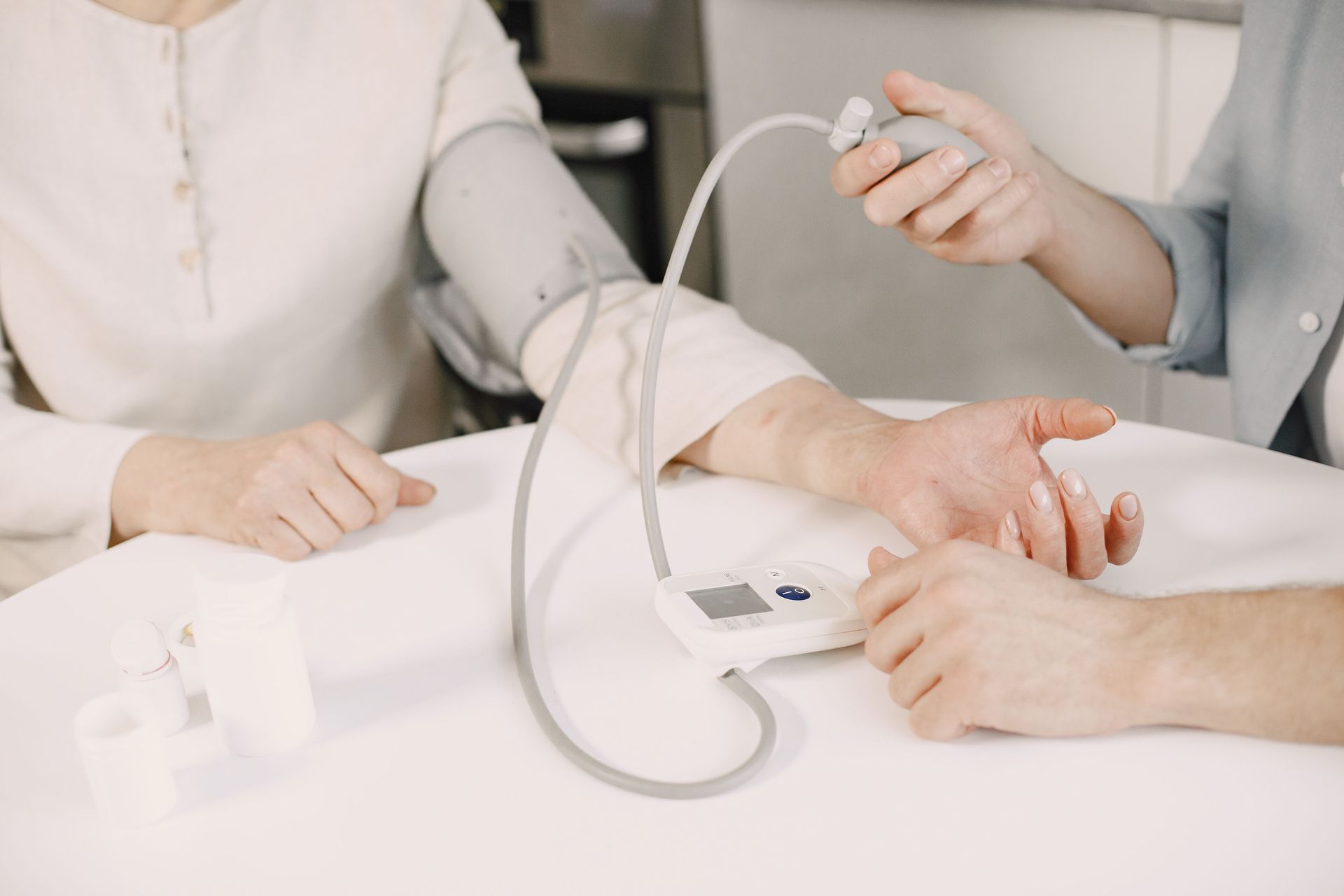
Regular aerobic exercise produces a modest but consistent reduction in blood pressure — the force exerted by circulating blood against arterial walls — within four to eight weeks of beginning an exercise program, and this reduction is clinically meaningful at the population level. A 2013 meta-analysis covering 93 randomized controlled trials found that aerobic exercise training reduced systolic blood pressure by an average of 3.5 mmHg and diastolic blood pressure by 2.5 mmHg — effects comparable to those of low-dose antihypertensive medication for people with mildly elevated blood pressure.
The mechanism involves multiple pathways: exercise reduces sympathetic nervous system tone (the "fight-or-flight" activation that elevates blood pressure), improves endothelial function (the ability of blood vessel walls to dilate in response to blood flow), reduces arterial stiffness, and decreases circulating norepinephrine (a vasoconstricting hormone). The combination of these effects produces the observed blood pressure reduction.
The effect is most pronounced in people with elevated baseline blood pressure (hypertension) — people with normal baseline blood pressure show smaller reductions, because their blood pressure regulation is already functioning near its optimum. For people with hypertension, regular exercise is recommended as a first-line treatment before medication, with effects sufficient to bring mild hypertension within the normal range in many individuals.

Maksim Goncharenok / Pexels
The acute mood-enhancing effect of a single exercise session — the improvement in positive affect, the reduction in anxiety and tension, and the specific sense of accomplishment that follows physical effort — appears within the first session and does not require weeks of training to establish. This immediate effect is distinct from the longer-term mood improvements that accumulate with regular exercise and is mediated by a different set of mechanisms.
The immediate mood effect is produced by the acute release of endorphins, endocannabinoids, dopamine, serotonin, and norepinephrine during exercise. The endocannabinoid system — the same system activated by cannabis — is now believed to be more responsible for the "runner's high" (the state of euphoria, analgesia, and reduced anxiety that some people experience during prolonged exercise) than the endorphins that were the original proposed mechanism, because endocannabinoids (unlike endorphins) can cross the blood-brain barrier.
The longer-term mood improvement from regular exercise accumulates over weeks to months and is mediated by neuroplastic changes — the growth of new neurons in the hippocampus, the upregulation of BDNF (brain-derived neurotrophic factor), and the normalization of the HPA axis stress response. A 2016 meta-analysis of 23 randomized controlled trials found that regular exercise was as effective as antidepressant medication for mild to moderate depression, and more effective than placebo, in reducing depressive symptoms.

RDNE Stock project / Pexels
Within two to four weeks of beginning regular aerobic exercise, the mitochondria in skeletal muscle cells — the organelles responsible for producing ATP through oxidative phosphorylation — begin to increase in number (mitochondrial biogenesis) and improve in function (mitochondrial efficiency). This adaptation is one of the most fundamental responses to endurance exercise and is the primary mechanism through which aerobic capacity improves with training.
The trigger for mitochondrial biogenesis is the energy demand of exercise: when muscle cells are repeatedly required to produce large amounts of ATP rapidly, the cell responds by increasing the mitochondrial capacity that produces ATP. The molecular pathway involves the activation of AMPK (AMP-activated protein kinase, a cellular energy sensor) and the upregulation of PGC-1α (peroxisome proliferator-activated receptor gamma coactivator 1-alpha), a transcription factor that promotes the expression of genes involved in mitochondrial biogenesis.
The practical consequence is an improvement in the muscle's ability to produce energy aerobically — the same intensity of exercise requires less glycolytic (anaerobic) contribution and less fatigue-producing lactate accumulation as mitochondrial capacity increases. This is the mechanistic basis for the observation that exercise that feels very hard in week one feels progressively less hard in week four and week eight.
Mitochondrial biogenesis is detectable within seven to fourteen days of beginning regular aerobic exercise in previously sedentary individuals, with significant increases in mitochondrial density (measured by citrate synthase activity, a mitochondrial marker enzyme) after four to eight weeks of training.

Niels from Slaapwijsheid.nl. / Pexels
Regular exercise is one of the most consistently effective behavioral interventions for improving sleep quality — specifically for increasing slow-wave sleep (the deepest and most restorative sleep stage) and for reducing sleep onset latency (the time taken to fall asleep). A 2015 meta-analysis of 66 randomized controlled trials found that exercise interventions significantly improved overall sleep quality, sleep efficiency, and slow-wave sleep duration compared to sedentary controls.
The mechanisms connecting exercise to sleep quality are multiple: exercise reduces pre-sleep arousal (both physiological — lowering core body temperature and heart rate — and psychological, through the mood and anxiety effects described above); it increases adenosine accumulation during waking hours (adenosine is the sleep drive molecule that accumulates with waking and is cleared during sleep); and it synchronizes circadian rhythms (the timing of exercise influences circadian clock gene expression, and morning or early afternoon exercise appears particularly effective for circadian synchronization).
The timing of exercise matters for the sleep effect: exercise within two to three hours of bedtime has historically been advised against on the grounds that the acute arousal from exercise might delay sleep onset. More recent research has been more nuanced — moderate exercise close to bedtime does not significantly impair sleep for most people, though high-intensity exercise within an hour of bedtime does appear to delay sleep onset in some individuals.
The sleep quality improvement from regular exercise typically becomes consistently noticeable within two to four weeks and is one of the most commonly reported improvements by people who establish regular exercise habits.

Maina Shot / Pexels
Body composition — the ratio of lean mass (muscle, bone, connective tissue, organs) to fat mass — begins to change within the first four to eight weeks of regular exercise, though the specific changes depend on the type of exercise, the individual's diet, and their starting composition. Aerobic exercise primarily reduces fat mass; resistance training primarily increases lean mass; combined programs produce both effects simultaneously.
The mechanism of fat loss from aerobic exercise is straightforward: exercise increases caloric expenditure, and if dietary intake is not increased proportionally, the caloric deficit is met by mobilizing stored fat. The fat is mobilized from adipose tissue through the action of lipolytic hormones (primarily epinephrine and glucagon), converted to fatty acids in the circulation, and oxidized in mitochondria in working muscle.
The mechanism of lean mass gain from resistance training is more complex: the mechanical stress of resistance exercise activates satellite cells (muscle stem cells) and triggers a cascade of signaling events that produces muscle protein synthesis in excess of muscle protein breakdown over the subsequent 24 to 48 hours, gradually increasing muscle fiber cross-sectional area (hypertrophy).
The timeline for visible body composition changes is typically eight to twelve weeks for most people, though measurable changes (detectable by DEXA scan or body composition measurement) occur earlier. The frustrating period between weeks one and eight — when exercise is being performed consistently but visible changes are not yet apparent — is the period during which most important metabolic and cellular adaptations are occurring.

Roman Biernacki / Pexels
VO₂ max — the maximum rate at which the body can consume oxygen during maximal exercise, measured in milliliters of oxygen per kilogram of body weight per minute — is the single best physiological predictor of cardiovascular health, longevity, and aerobic performance. It begins to improve within four to eight weeks of regular aerobic exercise and continues to improve with increasing training volume and intensity for months to years.
The mechanisms of VO₂ max improvement involve both central factors (cardiac adaptations — increased stroke volume and therefore increased maximal cardiac output) and peripheral factors (mitochondrial adaptations in working muscles — increased capacity to extract and utilize oxygen from the blood). In previously sedentary individuals, early VO₂ max improvements are predominantly due to central (cardiac) adaptations; in already-fit individuals, further improvements require peripheral adaptations.
A VO₂ max of below 25 mL/kg/min in an adult male is associated with a significantly elevated risk of all-cause mortality; improving from this range to 35 mL/kg/min through regular exercise reduces mortality risk substantially, independent of other risk factors. Research by Peter Schnohr and colleagues found that low cardiorespiratory fitness was a stronger predictor of mortality than most established cardiovascular risk factors.
The specific exercise type most effective for VO₂ max improvement is interval training — alternating between high-intensity bouts (above 85% of maximum heart rate) and recovery periods — which produces greater VO₂ max improvements than continuous moderate-intensity exercise at the same total training volume.
i-SENS, USA / Pexels
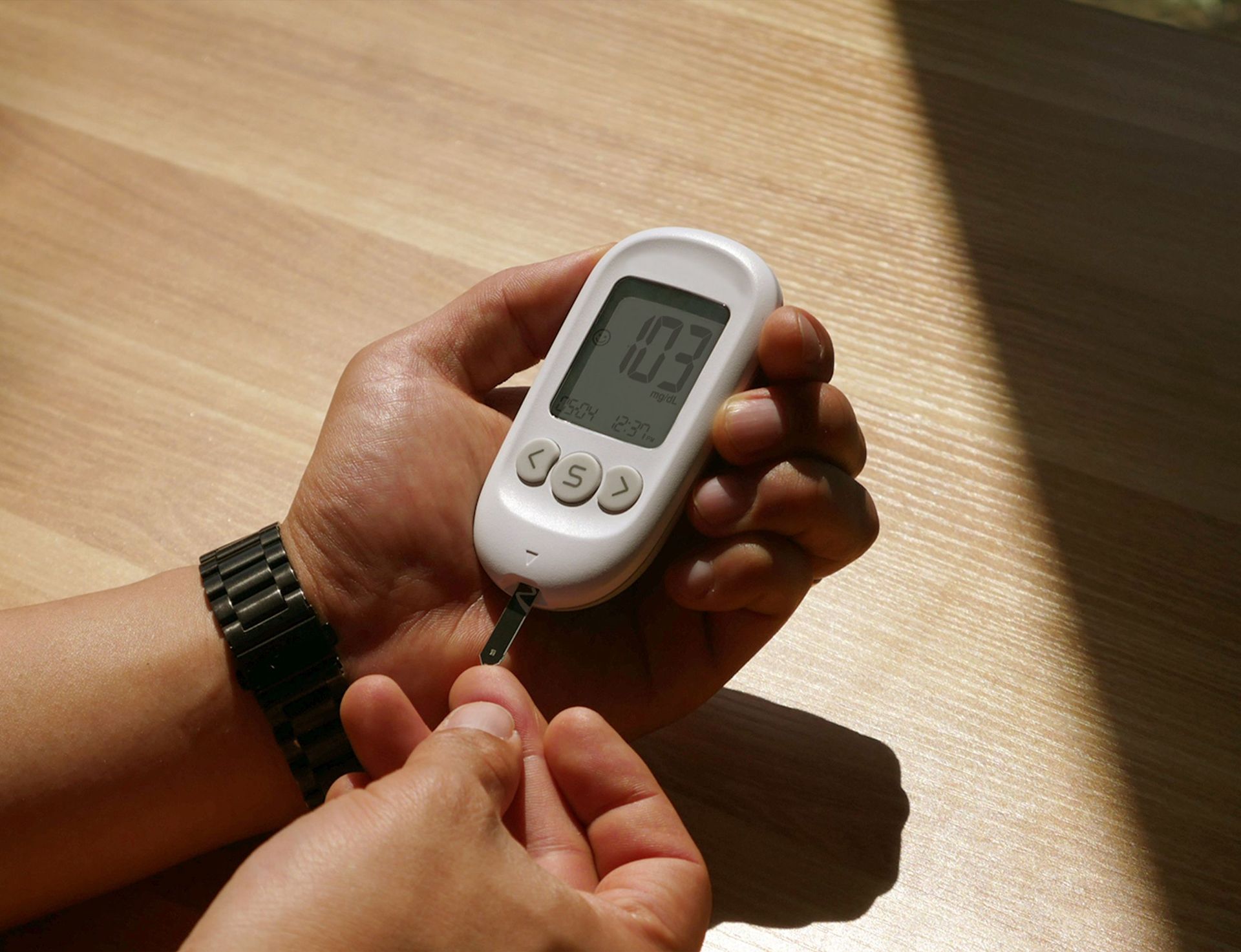
Insulin sensitivity — the efficiency with which cells respond to insulin's signal to absorb glucose from the blood — improves with regular exercise through mechanisms that operate both acutely (in the hours following an exercise session) and chronically (accumulating with regular training over weeks to months). The improvement in insulin sensitivity is one of the most important metabolic benefits of exercise and is the primary mechanism through which regular exercise reduces the risk of type 2 diabetes.
The acute mechanism: during exercise, muscle cells activate glucose transporters (primarily GLUT4) through an insulin-independent pathway involving AMPK activation, allowing them to absorb glucose directly without requiring insulin signaling. This insulin-independent glucose uptake continues for 24 to 48 hours after exercise, effectively lowering the insulin requirement for the same glucose disposal.
The chronic mechanism: regular exercise increases GLUT4 protein expression in muscle cells, increases mitochondrial capacity (reducing the metabolic stress that contributes to insulin resistance), reduces visceral fat (which secretes inflammatory cytokines that impair insulin signaling), and improves the structural function of the insulin receptor and its downstream signaling cascade.
The insulin sensitivity improvement is among the fastest-appearing metabolic adaptations to exercise — significant improvements are measurable after a single bout of moderate-intensity exercise and accumulate substantially within two to four weeks of regular training. For people with pre-diabetes or metabolic syndrome, regular exercise can normalize fasting blood glucose and insulin levels in four to twelve weeks without dietary changes, though combined exercise and dietary intervention produces larger and faster effects.

Victor Freitas / Pexels
Bone mineral density — the concentration of minerals (primarily hydroxyapatite) in bone tissue, which determines bone strength and resistance to fracture — increases in response to mechanical loading, through the activity of osteoblasts (bone-building cells) that deposit new mineral in response to the stress signals generated by exercise. The specific exercises most effective for bone density are those that impose high mechanical loads on the skeleton: running, jumping, resistance training, and racket sports are more osteogenic than swimming and cycling, which apply low mechanical load to the skeleton.
The timeline for bone density improvement is among the slowest of the exercise adaptations: meaningful changes in bone mineral density (detectable by DEXA scan) typically take three to six months of consistent loading exercise to appear, and peak bone density improvements require years of regular training. The adaptation is age-dependent: bone density is most responsive to loading exercise during childhood and adolescence (when peak bone mass is established), but meaningful improvements occur at all ages, including in postmenopausal women for whom bone loss is a primary health concern.
The clinical significance of exercise-induced bone density improvement is primarily in fracture prevention. Osteoporotic fractures — particularly hip fractures in older adults — are a major cause of disability and mortality, and the prevention of bone density loss through regular weight-bearing exercise is one of the most effective long-term strategies available.

Cedric Fauntleroy / Pexels
Chronic low-grade inflammation — measured by biomarkers including C-reactive protein (CRP), interleukin-6 (IL-6), and tumor necrosis factor-alpha (TNF-α) — is reduced by regular exercise through multiple mechanisms, including the reduction of visceral adipose tissue (which secretes pro-inflammatory adipokines), the increase in anti-inflammatory cytokines released by contracting muscle (myokines including IL-10 and IL-1 receptor antagonist), and the normalization of the HPA axis stress response.
The apparently paradoxical relationship between exercise and inflammation — exercise acutely increases inflammatory markers during and immediately after each session, but chronically reduces them with regular training — is one of the more interesting aspects of the physiology. Each bout of moderate to vigorous exercise produces a transient inflammatory response (the acute phase response to muscle damage and metabolic stress) followed by an anti-inflammatory rebound that, accumulated across repeated training sessions, shifts the chronic inflammatory baseline downward.
A 2019 meta-analysis found that regular aerobic exercise reduced CRP by approximately 0.3 mg/L and IL-6 by approximately 0.2 pg/mL in adults, with larger reductions in people with elevated baseline inflammatory markers. The reduction in chronic low-grade inflammation is one of the primary mechanisms through which regular exercise reduces the risk of cardiovascular disease, type 2 diabetes, several cancers, and neurodegenerative disease.

Kaboom Pics / Pexels
The hippocampus — the brain region most directly involved in the formation of new memories and the regulation of spatial navigation — shrinks with age at a rate of approximately 1 to 2% per year in adulthood, contributing to the age-related memory decline that most people experience. Regular aerobic exercise reverses this shrinkage and actually increases hippocampal volume — one of the most striking examples of neuroplasticity available and a finding that substantially changed the understanding of whether the adult brain can grow.
The mechanism is primarily through brain-derived neurotrophic factor (BDNF), a protein that supports the survival of existing neurons and promotes the growth of new neurons (neurogenesis) in the hippocampus. Aerobic exercise increases BDNF expression in the hippocampus more than any other known behavioral intervention, and the increase in BDNF drives hippocampal neurogenesis — the production of new neurons that integrate into existing circuits and support memory function.
The landmark study by Kirk Erickson and colleagues, published in PNAS in 2011, randomized 120 older adults to either aerobic exercise or stretching for one year and found that the aerobic exercise group showed a 2% increase in hippocampal volume — effectively reversing approximately two years of age-related shrinkage — while the stretching group showed a 1.4% decrease. The exercise group also showed improvements in spatial memory performance.
The timeline for hippocampal volume changes is months to a year — the neurogenesis process is slow, and the structural changes require sustained regular exercise over an extended period to accumulate.

RDNE Stock project / Pexels
The gut microbiome — the community of trillions of microorganisms in the gastrointestinal tract — changes in composition with regular exercise, with exercising individuals consistently showing higher microbial diversity and higher abundance of beneficial bacteria compared to sedentary controls. The specific changes include increased abundance of butyrate-producing bacteria (including Faecalibacterium prausnitzii and Roseburia hominis), increased microbial diversity (a consistent marker of gut health), and reduced abundance of potentially harmful species.
The mechanism connecting exercise to microbiome composition is not fully established but likely involves multiple pathways: the increased intestinal motility during and after exercise changes the physical environment for bacteria; exercise reduces inflammatory cytokines that directly affect bacterial growth; and exercise-induced changes in body composition and metabolic state alter the substrate availability for different bacterial species.
A 2019 study in Gut found that professional athletes had significantly higher microbial diversity than sedentary controls matched for body mass index, with the athletic microbiome particularly enriched in bacteria associated with energy metabolism and reduced inflammation. Importantly, when athletes' dietary fiber intake was controlled for, exercise still had an independent positive effect on microbiome diversity — the exercise effect is not entirely explained by the dietary differences between athletes and non-athletes.
The timeline for microbiome shifts in response to new exercise habits is relatively fast — significant compositional changes are detectable within four to eight weeks of beginning regular moderate-intensity exercise.

Ketut Subiyanto / Pexels
Regular exercise improves cognitive function across multiple domains including memory, attention, processing speed, and executive function, through mechanisms that include the hippocampal neurogenesis and BDNF effects described above and additional effects on cerebral blood flow, inflammation, and the integrity of white matter tracts (the long-range connections between brain regions).
The cognitive benefits of exercise are most pronounced for executive function — the set of higher-order cognitive processes including planning, cognitive flexibility, and working memory that are mediated by the prefrontal cortex. A 2014 meta-analysis of 37 randomized controlled trials found that aerobic exercise training produced significant improvements in executive function in healthy adults, with effect sizes comparable to those achieved by cognitive training programs and pharmacological interventions.
The cerebral blood flow mechanism is particularly relevant to the acute cognitive effects of exercise: a single bout of moderate-intensity aerobic exercise increases cerebral blood flow to the prefrontal cortex and hippocampus for approximately 20 to 30 minutes post-exercise, producing a window of enhanced cognitive performance that has practical implications for the timing of cognitively demanding work relative to exercise sessions.
The cognitive benefits of exercise are most clearly demonstrated in older adults (for whom cognitive decline is a primary health concern) and in children (for whom physical activity during school hours improves academic performance), but are detectable in healthy young adults as well.

Ketut Subiyanto / Pexels
Resistance training produces acute increases in testosterone and growth hormone — anabolic hormones that drive muscle protein synthesis and fat mobilization — during and immediately after each training session, with the magnitude of the hormonal response determined by the exercise volume, intensity, and the muscle mass engaged. Large multi-joint exercises (squats, deadlifts, pull-ups) performed at moderate to high intensity with short rest periods produce the largest hormonal responses.
The chronic (training adaptation) effect on testosterone is more complex: while acute spikes in testosterone occur with each resistance training session, the chronic resting testosterone level does not consistently increase with resistance training in young men who already have normal testosterone levels. In older men (for whom testosterone naturally declines) and in women, regular resistance training has clearer evidence for sustained hormonal improvements.
Growth hormone is chronically elevated in people who exercise regularly, particularly in those who perform high-intensity interval training or resistance training with high metabolic demand. Chronic growth hormone elevation supports the body composition changes — muscle gain and fat loss — associated with regular training, and also contributes to the connective tissue and bone adaptations.
The hormonal effects of exercise are among the most variable across individuals — genetic factors, training history, nutritional status, sleep quality, and psychological stress all significantly affect the hormonal response to the same exercise stimulus.

Tima Miroshnichenko / Pexels
Skeletal muscle contains two primary fiber types: Type I (slow-twitch) fibers, which are highly fatigue-resistant and rely primarily on oxidative metabolism, making them suited for endurance activity; and Type II (fast-twitch) fibers, which are more powerful but fatigue quickly and rely primarily on glycolytic metabolism, making them suited for strength and power activities. The proportion of each fiber type is largely determined by genetics, but regular training shifts the composition within each type category and can produce transitions between fiber type subcategories.
Endurance training shifts Type II fibers toward the more oxidative IIA subtype (fast-twitch oxidative-glycolytic), improving their fatigue resistance without converting them to true Type I fibers. Resistance training increases the size of both Type I and Type II fibers through hypertrophy but has a selective hypertrophic effect on Type II fibers, increasing the force-producing cross-sectional area of the fast-twitch fibers that generate most of the power in strength and power activities.
The fiber type shift that most commonly occurs with aging — a selective loss of Type II fibers with preservation of Type I fibers, contributing to the age-related decline in muscle power and strength — is partially counteracted by regular resistance training, which maintains Type II fiber size and quality and is the most effective known intervention for preventing the sarcopenia (age-related muscle loss) that contributes to frailty and falls in older adults.
The timeline for detectable fiber type composition changes is months to years of consistent targeted training.

Andrea Piacquadio / Pexels
Regular exercise improves skin health through mechanisms including increased skin blood flow (which improves oxygen and nutrient delivery to skin cells), the systemic anti-inflammatory effects of regular training (which reduce the inflammatory processes contributing to acne, psoriasis, and other inflammatory skin conditions), and — specifically — through the recently discovered role of exercise in reversing age-related changes in skin structure.
A 2014 study by Mark Tarnopolsky and colleagues at McMaster University found that previously sedentary adults over 65 who began a regular exercise program (moderate-intensity cycling twice weekly for three months) showed changes in skin composition that made their skin structurally resemble the skin of people 20 to 40 years younger. Specifically, the proportion of the dermis occupied by stratum corneum (the outer dead skin layer) decreased and the dermal layer increased — a reversal of the age-related skin thinning that had been established before the exercise program began.
The mechanism appears to involve exercise-induced increases in myokines (proteins secreted by contracting muscle into the circulation) that act on skin cells to promote collagen synthesis and reduce dermal aging markers. The specific myokine responsible has not been fully characterized, but interleukin-15 is a candidate.

Ketut Subiyanto / Pexels
The cardiovascular protective effect of regular exercise is among the most consistently documented findings in preventive medicine and operates through the accumulation of the individual mechanisms already described: lower resting heart rate, lower blood pressure, improved lipid profile (higher HDL, lower triglycerides), improved insulin sensitivity, reduced inflammation, improved endothelial function, and the structural cardiac adaptations that increase cardiac efficiency.
The magnitude of the cardiovascular risk reduction is large: a 2012 meta-analysis of prospective cohort studies found that physically active individuals had approximately 35% lower risk of cardiovascular disease than sedentary individuals, independent of other cardiovascular risk factors. This effect size is larger than that achieved by most individual cardiovascular medications.
The dose-response relationship is continuous: more exercise produces more cardiovascular benefit, with no plateau up to very high exercise volumes. The WHO recommendation of 150 to 300 minutes per week of moderate-intensity aerobic activity captures most of the available benefit, but vigorous activity at half this volume produces comparable benefits, and activity above these levels provides additional risk reduction.
The specific cardiac adaptation that most distinguishes regular exercisers from sedentary individuals in cardiac imaging studies is the "athlete's heart" — the constellation of left ventricular hypertrophy (enlarged heart muscle), increased left ventricular volume, and reduced resting heart rate that reflects the heart's structural adaptation to the sustained demand of regular training.

Andres Ayrton / Pexels
Regular exercise increases pain tolerance — the ability to endure painful stimuli — through mechanisms involving the endogenous opioid system, the endocannabinoid system, and the central sensitization processes that determine pain threshold. People who exercise regularly show consistently higher pain thresholds and pain tolerances in experimental pain studies than sedentary individuals, and this effect is specific to regular exercise rather than to acute exercise bouts.
The mechanism is primarily through hypoalgesia — the reduction in pain sensitivity produced by endogenous analgesic systems activated by exercise. Regular exercise upregulates the endogenous opioid system (the same system targeted by opioid analgesic drugs), increasing the density and sensitivity of opioid receptors and the production of endogenous opioids (endorphins, enkephalins) that modulate pain signaling.
The exercise-induced hypoalgesia effect has clinical relevance for conditions involving chronic pain. A 2012 meta-analysis of exercise interventions for chronic pain conditions found that regular exercise significantly reduced pain in fibromyalgia, low back pain, osteoarthritis, and rheumatoid arthritis, with the pain reduction partially attributable to the direct analgesic effects of exercise on the central pain processing system rather than only to the structural improvements (muscle strengthening, weight loss) that reduce mechanical pain loads.

Engin Akyurt / Pexels
The mental health benefits of regular exercise extend beyond the immediate mood effects described earlier to include durable reductions in anxiety disorders, depressive disorders, and stress-related conditions that persist for weeks to months after each training session and accumulate with the establishment of regular exercise as a habit. These effects are mediated by a different set of mechanisms from the acute effects — neuroplastic changes, hormonal normalization, and the psychological benefits of competence, self-efficacy, and behavioral activation.
The neuroplastic mechanisms include the hippocampal neurogenesis described earlier (which is specifically relevant to depression, because hippocampal volume is reduced in major depressive disorder and normalizes with successful treatment), the normalization of the HPA axis stress response (reducing the sustained cortisol elevation that characterizes chronic stress and anxiety disorders), and the upregulation of serotonin, dopamine, and norepinephrine neurotransmitter systems.
The psychological mechanisms are equally important: regular exercise provides a domain of predictable challenge and mastery that builds self-efficacy; it creates structure in the day; it provides social connection through group exercise; and it activates behavioral engagement — the opposite of the withdrawal and inactivity that characterize and perpetuate depression. The combination of biological and psychological mechanisms makes regular exercise one of the most broadly effective mental health interventions available.

Mike Jones / Pexels
The relationship between exercise and immune function is a classic dose-response curve with an important nuance: moderate regular exercise improves immune function, while extreme overtraining suppresses it. The moderate exercise window — roughly consistent with the WHO's recommended 150 to 300 minutes per week of moderate-intensity activity — produces a range of immune improvements including enhanced natural killer cell activity, improved neutrophil function, and better regulation of the systemic inflammatory response.
The mechanism of immune enhancement from regular moderate exercise is primarily through the anti-inflammatory effects of exercise (reducing the chronic low-grade inflammation that impairs immune surveillance), the improved lymphocyte circulation during exercise (each exercise bout temporarily increases the number of immune cells in circulation, providing a regular immune surveillance benefit), and the hormonal environment that regular exercise creates (moderate cortisol responses to exercise prime the immune system without suppressing it, unlike the sustained cortisol elevation of chronic stress which clearly impairs immunity).
Regular moderate exercisers consistently show lower rates of upper respiratory infections (common colds) than sedentary individuals in prospective studies — a clinically meaningful benefit that reflects the optimized immune surveillance of the regular exerciser. The effect is most pronounced for infections acquired through the respiratory tract, consistent with the specific immune enhancement of the mucosal immune system that exercise produces.

Vlada Karpovich / Pexels
Telomeres — the repetitive DNA sequences that cap chromosome ends and shorten with each cell division, serving as a biological clock that limits replicative lifespan — are longer in people who exercise regularly than in sedentary individuals of the same age, and the exercise-induced preservation of telomere length is one of the more direct molecular links between regular exercise and cellular aging.
A 2017 study by Larry Tucker at Brigham Young University analyzing data from 5,823 adults found that people with high physical activity levels had telomeres equivalent to those of sedentary people approximately nine years younger — one of the largest telomere length differences associated with any behavioral factor. The effect was most pronounced for vigorous regular exercise; sedentary individuals showed the fastest telomere attrition.
The mechanism involves the enzyme telomerase, which adds telomere sequences back to chromosome ends and is upregulated by regular exercise. Additionally, regular exercise reduces oxidative stress and chronic inflammation — both of which accelerate telomere shortening through oxidative damage to the telomeric DNA — producing a dual benefit of reduced attrition and increased repair.
The clinical significance of telomere preservation is not that exercise produces immortality but that it slows one of the fundamental molecular processes of cellular aging, with downstream effects on tissue function, immune senescence, and chronic disease risk that operate on a timescale of decades.

Wellness Gallery Catalyst Foundation / Pexels
With months of regular aerobic exercise, the body's resting metabolic rate — the number of calories burned at rest — increases modestly (primarily through increased lean mass, which is metabolically more active than fat mass), and the metabolic efficiency of exercise itself improves substantially. The same absolute intensity of exercise requires fewer calories and less metabolic stress as fitness improves, because the oxygen delivery and utilization systems are operating more efficiently and the muscular economy (the oxygen cost per unit of mechanical work) improves.
The specific metabolic adaptation of greatest practical significance is the improvement in fat oxidation at a given intensity: as aerobic fitness improves, the body shifts its fuel preference toward fat at the same absolute exercise intensity, preserving glycogen stores for higher-intensity efforts and allowing longer duration of exercise at moderate intensity before glycogen depletion becomes limiting. This "fat-burning" adaptation is a real metabolic shift, not a wellness-content invention, but it requires months of consistent aerobic training to establish rather than the weeks that much popular content implies.
The metabolic efficiency improvements also include reduced oxygen cost per unit of work (improved running economy in runners, improved cycling efficiency in cyclists) that allows faster performance at the same physiological cost — the primary mechanism through which consistent endurance training improves performance over months and years.

SHVETS production / Pexels
The long-term neurological effect of a lifetime of regular exercise — specifically the preservation of cognitive function with aging — is perhaps the most consequential benefit of exercise for long-term quality of life. Longitudinal studies consistently find that physically active older adults show less cognitive decline over time than sedentary peers, with the effects most pronounced for the executive function and memory domains that are most vulnerable to age-related decline.
A 2011 meta-analysis of prospective cohort studies found that physically active individuals had approximately 38% lower risk of cognitive decline and 35% lower risk of developing Alzheimer's disease than sedentary individuals, independent of other health behaviors and demographics. The effect size is larger than that associated with any currently available pharmaceutical intervention for dementia prevention.
The mechanisms of exercise-induced cognitive protection include the accumulation of the neuroplastic benefits described earlier (hippocampal neurogenesis, BDNF upregulation, improved cerebral blood flow) over years of regular training; the cardiovascular benefits that reduce the vascular risk factors (hypertension, diabetes, dyslipidemia) that contribute to vascular dementia; and the reduction in chronic inflammation and oxidative stress that contribute to neurodegeneration across multiple pathways.
The protective effect is most clearly established for aerobic exercise and appears to require sustained long-term commitment — the cognitive protection associated with exercise is strongest in people who have been exercising regularly for years or decades rather than months.

Josh Hild / Pexels
Regular physical activity is associated with reduced risk of at least 13 types of cancer, according to a 2016 analysis of data from 1.44 million adults published in JAMA Internal Medicine — one of the largest and most comprehensive investigations of the exercise-cancer relationship. The risk reductions ranged from 10% for breast cancer to 42% for esophageal cancer, with consistent reductions across colon, endometrial, kidney, stomach, bladder, lung, and myeloid leukemia.
The mechanisms connecting exercise to reduced cancer risk are multiple and vary by cancer type. For hormonally sensitive cancers (breast and endometrial), the primary mechanism is the reduction of circulating estrogen levels — regular exercise reduces estrogen production by reducing adipose tissue (which is the primary source of estrogen in postmenopausal women) and by increasing sex hormone-binding globulin (which reduces the fraction of free, bioavailable estrogen). For colon cancer, the primary mechanism is reduced transit time — exercise increases intestinal motility, reducing the duration of contact between potential carcinogens in fecal matter and the colonic epithelium.
For all cancer types, the reduction in chronic inflammation and the improvement in immune surveillance (particularly natural killer cell activity) that regular exercise produces contribute to reduced cancer risk through mechanisms that are relevant to cancer initiation, promotion, and immune clearance of early malignant cells.
The cancer risk reduction benefit accumulates with sustained exercise over years rather than weeks or months, and the dose-response relationship is continuous — more exercise produces more risk reduction, with no plateau in the evidence up to high exercise volumes.

Joaquin Carfagna / Pexels
The association between regular physical activity and longevity is one of the most robustly established findings in epidemiology, supported by decades of prospective cohort studies across multiple countries, demographic groups, and health conditions. People who meet or exceed the WHO's recommended physical activity levels have approximately 30 to 35% lower all-cause mortality than sedentary individuals, with the dose-response relationship extending to higher activity levels for additional mortality reduction.
The mechanisms of the longevity benefit are the aggregate of all the specific health improvements described in the previous entries: the cardiovascular protection, the metabolic improvements, the cancer risk reduction (physical activity is associated with reduced risk of colon, breast, endometrial, and bladder cancers), the cognitive protection, the immune optimization, and the musculoskeletal preservation that prevents the frailty and falls that are major causes of mortality in older adults.
A 2012 study by Steven Moore and colleagues at the National Cancer Institute, analyzing data from 650,000 adults with a median follow-up of 10 years, found that 75 minutes per week of vigorous activity (equivalent to the WHO minimum recommendation for vigorous exercise) was associated with a 3.4-year increase in life expectancy compared to inactivity. Meeting the full WHO recommendation for moderate-intensity exercise (150 minutes per week) was associated with a 3.5-year gain; higher activity levels extended this gain to 4.5 years at the equivalent of 7 times the recommended minimum.
The specific framing that matters most for motivation is the ratio: 75 minutes per week of vigorous exercise — slightly more than ten minutes per day — is associated with 3.4 additional years of life, representing a return on investment that few other time allocations can match.
