
20 things that happen to the planet when humans aren't around
What happens to the planet without humans reveals how fast nature reclaims cities, wildlife rebounds and infrastructure collapses once people vanish
Credit: Romeo Varga / Unsplash
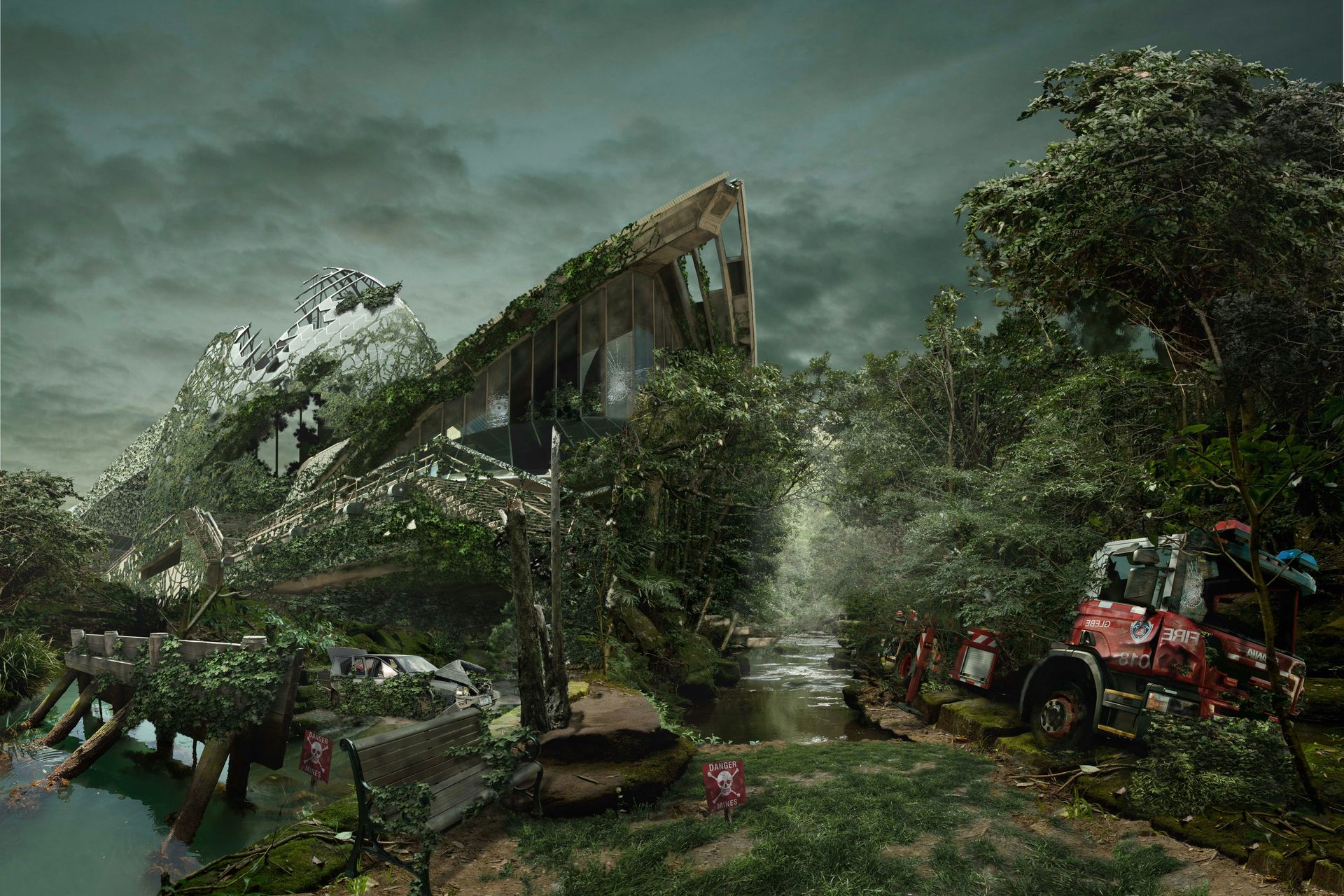
Humans shape almost every visible surface of Earth, from the pavement under a commuter's feet to the chemical balance of the atmosphere overhead. The question of what happens to the planet without humans is not just a thought experiment for disaster films. Scientists, urban planners and ecologists have studied it seriously, using real-world stand-ins — the Chernobyl exclusion zone, the abandoned temples of Angkor, the measurable dip in pollution during COVID-19 lockdowns — to map out what would actually unfold if people disappeared tomorrow.
The answer breaks into two very different timelines. Some changes happen within days: subways flood, food-dependent animals go hungry, and the air over major cities starts to clear. Other changes take centuries or millennia: plastic keeps drifting through oceans, radioactive waste stays dangerous, and the carbon dioxide already in the atmosphere keeps warming the planet long after the source of new emissions has gone quiet. In between sit the decades-long stories of steel corroding, forests swallowing skyscrapers, and wildlife populations swelling in places people once dominated.
This list draws on documented science rather than speculation. The Chernobyl studies on wolf and elk populations are real, peer-reviewed research. The NYC subway flooding estimate comes from infrastructure engineers who track how much water the system pumps out every day just to stay dry. The ozone layer's recovery timeline comes from United Nations environmental assessments already in motion, humans or not.
Reading through what happens to the planet without humans is also, in a roundaband way, a portrait of how much daily maintenance keeps the modern world running. Bridges don't fail because they were poorly built — they fail because nobody tightens the bolts anymore. Cities don't flood because of some hidden design flaw — they flood because pumps stop. Removing people doesn't reveal a fragile planet. It reveals a heavily managed one.
Nuclear power plants start failing within days
Credit: Wolfgang Weiser / Pexels
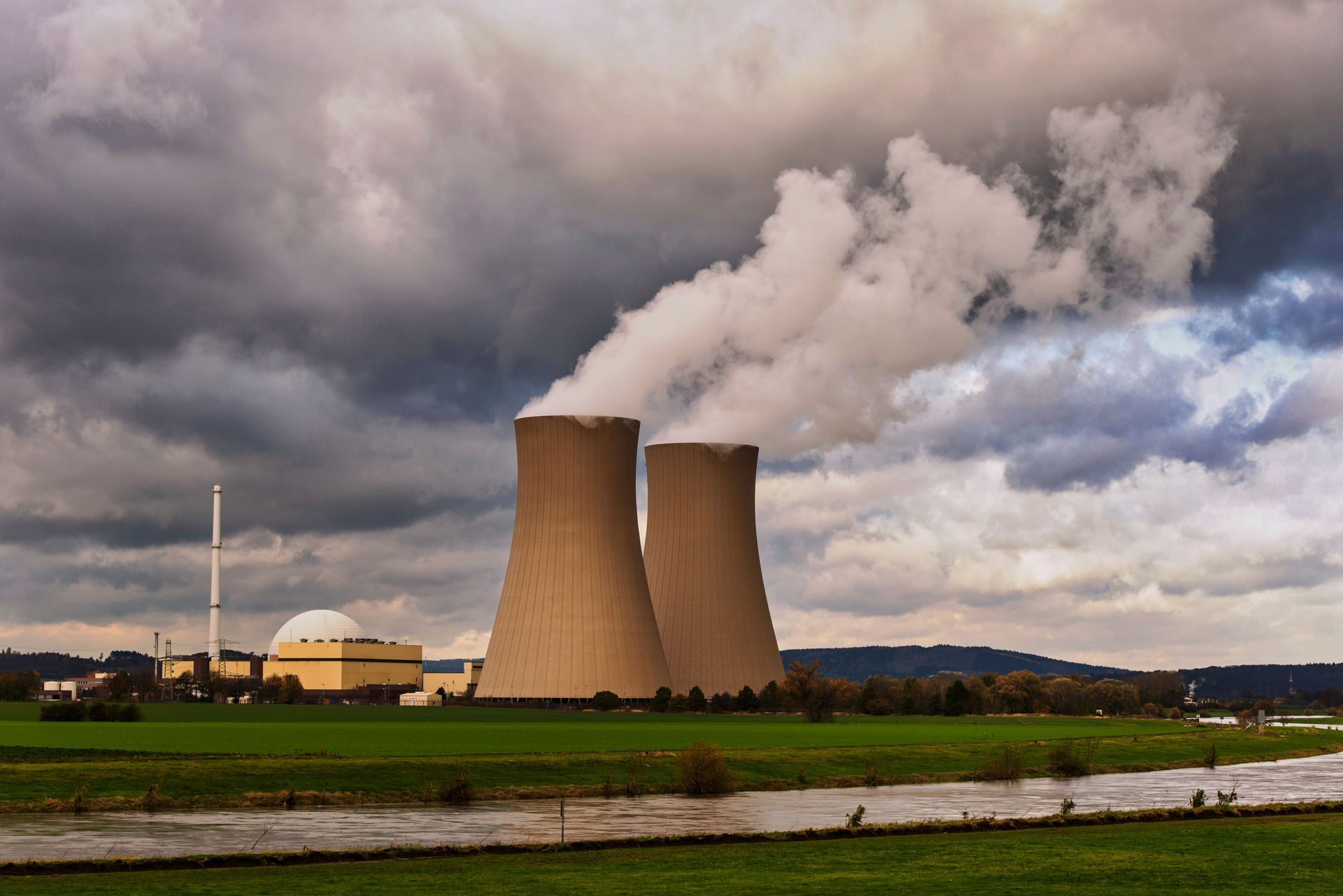
Nuclear plants require constant human oversight, and without it, several reactors would overheat within days to weeks as cooling systems lose power and backup generators run out of fuel. Roughly 440 commercial nuclear reactors operate worldwide, and each one depends on continuous electricity, water flow and staff intervention to keep radioactive fuel from overheating.
Most reactors are designed with passive safety features that trigger automatic shutdowns, called scrams, when they lose external power or operator input. That shutdown stops the primary fission reaction quickly. The problem is what happens next. Spent fuel rods and the reactor core itself keep generating decay heat for days or weeks after shutdown, and that heat has to go somewhere. Cooling pumps need electricity, and backup diesel generators typically carry only about a week's worth of fuel.
Once the generators run dry, cooling water stops circulating, and the fuel begins to heat the surrounding water until it boils away. That is functionally the same failure sequence that caused the meltdowns at Fukushima Daiichi in 2011, after a tsunami knocked out the plant's backup power. In a scenario with no humans at all, no one would be available to truck in replacement fuel or restore power, so a similar failure would likely play out at reactors across the globe within roughly one to two weeks of the last operator leaving.
Spent fuel storage pools pose a longer-term version of the same risk. Plants store used fuel rods in deep pools of water for years after removing them from the reactor because the rods stay hot and radioactive for a long time. Without power to keep the pools circulating and topped up, water would eventually evaporate, exposing the rods to air and risking a fire that could scatter radioactive material into the atmosphere.
The scale matters here. Even a small fraction of the world's reactors failing this way would release far more radioactive contamination than Chernobyl and Fukushima combined, because those were isolated single-site accidents rather than a simultaneous, unattended global failure. It is one of the fastest and most consequential changes on this list, and one of the only ones driven entirely by the absence of ongoing maintenance rather than the passage of time.
New York's subway system floods within about 36 hours
Credit: Metropolitan Transportation Authority of the State of New York / Wikimedia Commons (CC BY 2.0)
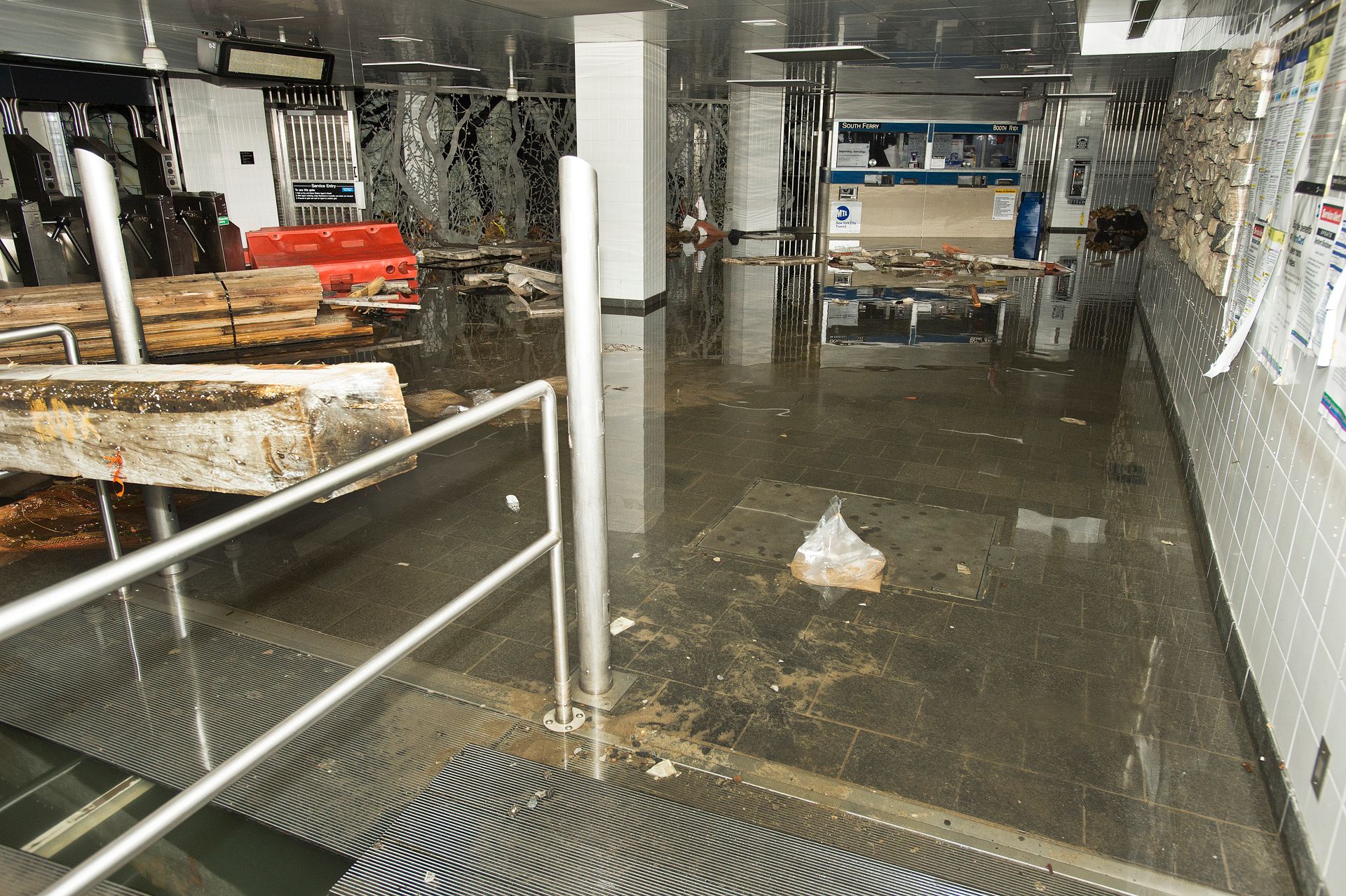
New York City's subway system would begin flooding within roughly a day and a half without power to run its pumps, because the tunnels sit below the water table and groundwater seeps in constantly. Transit engineers have long cited a figure of around 13 million gallons of water pumped out of the system on an average day, even when it isn't raining.
That water comes from several sources: groundwater seepage through tunnel walls, water mains, and storm runoff that finds its way underground through vents, stairwells and construction gaps. The system relies on hundreds of pump rooms distributed throughout the network, each one drawing power from the same electrical grid that runs the trains and signals. When that grid goes dark, every pump stops at once.
Without continuous pumping, groundwater has nowhere to go but up. Engineers who have studied the system's vulnerability, including during planning for Hurricane Sandy in 2012, have pointed to the same basic math: remove the pumps, and the tunnels return to their natural state as underground waterways within one to two days. Sandy itself offered a preview, flooding several tunnels and stations with saltwater and knocking parts of the system out of service for weeks even with a functioning recovery effort behind it.
Flooding does more than fill the tunnels with water. Standing water corrodes steel rails, rots wooden ties, and short-circuits the electrical and signal equipment embedded throughout the system. Within a few years, unmaintained tunnels would likely see partial ceiling collapses as water works into cracks in the surrounding rock and concrete, especially in older sections of the system that date to the early 1900s.
New York is not unique here. Any subway or underground rail system built below the local water table faces the same basic vulnerability, including systems in London, Washington D.C. and Boston. The specific timeline varies with local geology and rainfall, but the underlying mechanism is the same everywhere: modern underground infrastructure isn't naturally dry, it's actively kept dry, every single day, by machines that need people to run them.
Chernobyl already shows what happens to wildlife
Credit: Mehmet Turgut Kirkgoz / Pexels
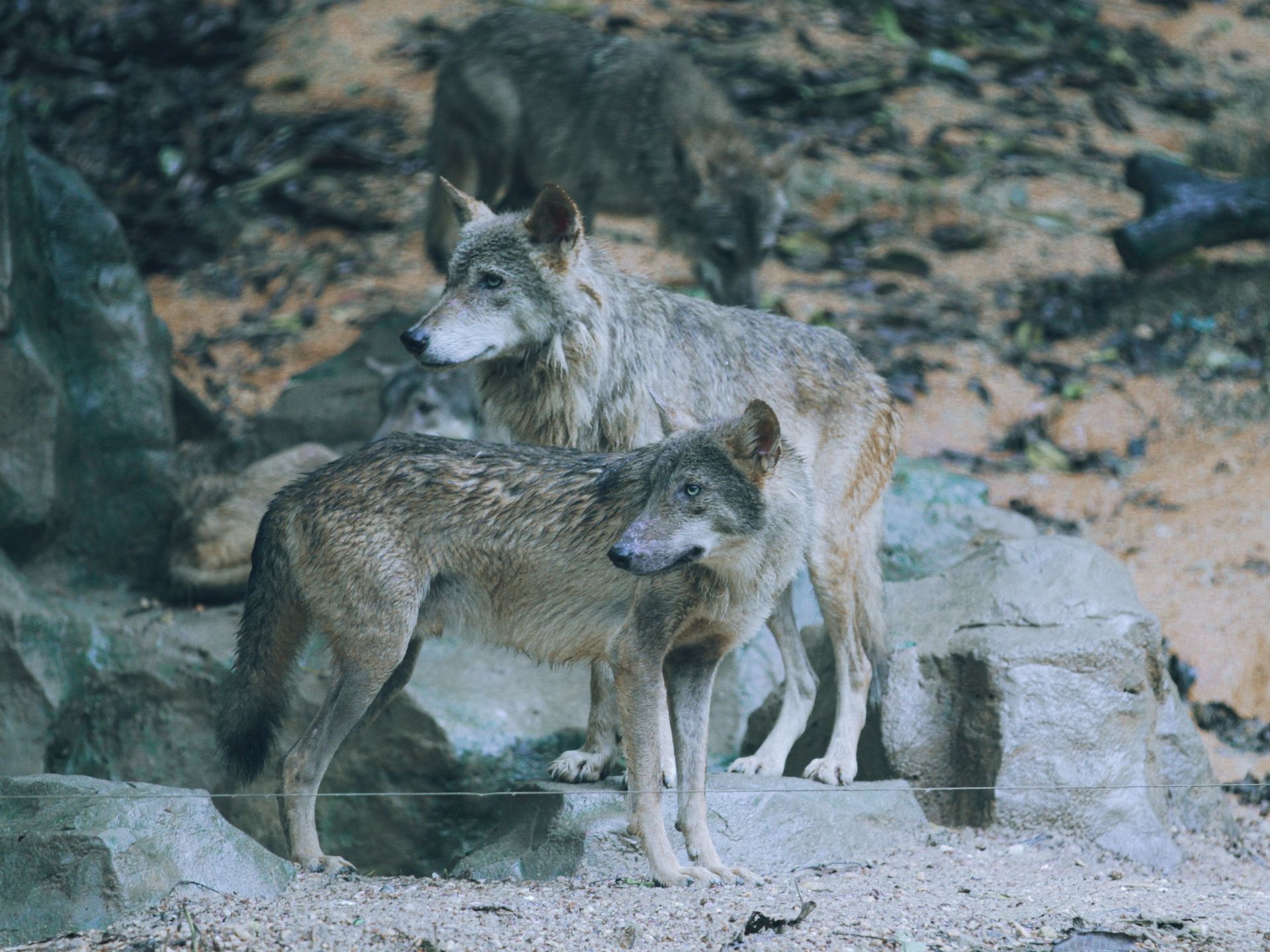
Wildlife populations inside the Chernobyl exclusion zone in Ukraine have grown substantially since the 1986 nuclear disaster forced roughly 350,000 people to evacuate, giving researchers a real, already-running experiment in what happens to animals once people leave an area entirely. A 2015 study published in the journal Current Biology, led by researcher Tatiana Deryabina, used long-term census data and helicopter surveys to compare wildlife density inside the zone to nearby uncontaminated nature reserves.
The results showed elk, roe deer, and wild boar populations in the exclusion zone at levels similar to or higher than those in the comparison reserves. Wolf density came in about seven times higher than in the surrounding reserves. The researchers concluded that whatever harm lingering radiation was doing to individual animals, it mattered far less to overall population numbers than the removal of human activity — hunting, farming, and construction — that normally suppresses wildlife in populated areas.
Camera trap studies conducted in the years since have documented lynx, brown bears and even the Przewalski's horse, a rare wild horse species, moving through the zone. None of these species had been regularly recorded in the area before the evacuation. Radiation does carry real costs — some studies have found elevated mutation rates and reduced lifespans in certain rodent and bird populations close to the reactor itself — but at a landscape level, the absence of people has outweighed those costs for most large mammal populations.
The Chernobyl case offers the clearest available evidence for how quickly and dramatically wildlife rebounds once human pressure disappears, because it removed people from a large, ecologically varied landscape all at once and left scientists decades to observe what followed. Fukushima's own exclusion zone in Japan, evacuated after the 2011 disaster, has shown a similar pattern with wild boar, Japanese macaques and other species expanding into abandoned towns and farmland. Both sites suggest that a planet without humans would see wildlife numbers climb steadily within the first decade, well before radiation levels or other lingering effects had meaningfully declined.
Roads and sidewalks start cracking apart within a few years
Credit: Chris F / Pexels
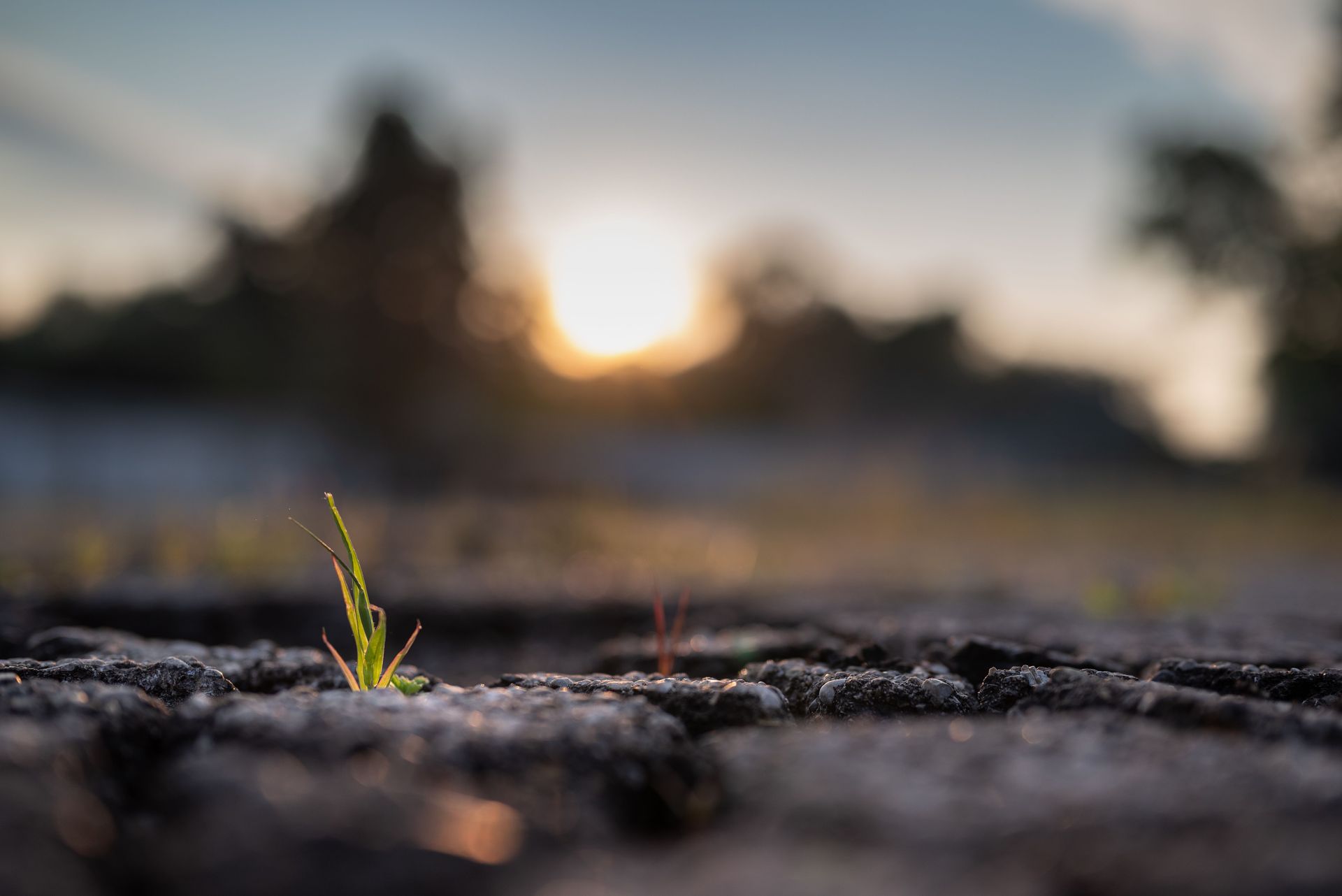
Pavement begins breaking apart within just a few years of losing regular maintenance, as freeze-thaw cycles, plant roots and unchecked drainage attack surfaces that road crews normally repair before small problems become large ones. Asphalt and concrete are not permanent materials. They are maintained materials, resurfaced, patched and drained on a routine schedule that keeps minor cracks from becoming structural failures.
Water is the main driver of the damage. Rain that would normally run off into storm drains instead pools on the surface, seeping into any existing crack. In climates that freeze, that water expands as it turns to ice, widening the crack a little more with every cycle. Repeat that process for a few winters and a hairline crack becomes a pothole, then a missing section of road.
Vegetation moves in just as fast. Grass seeds and tree seedlings that blow onto pavement normally get mowed, weeded or paved back over. Left alone, their roots find their way into the same cracks that water is already widening, and roots exert enough force over time to lift and shatter concrete slabs. Photographs of the Pripyat, the Ukrainian city evacuated after the Chernobyl disaster, show this process well underway: streets and building foundations there are visibly buckled and overgrown after roughly four decades without upkeep.
Storm drains present a related failure. Drains clog with leaves, sediment and debris under normal conditions and need periodic clearing to keep functioning. Without that clearing, water backs up onto roads instead of draining away, accelerating the freeze-thaw damage and, in low-lying areas, turning streets into shallow ponds after almost every significant rainfall.
Within about 10 to 20 years, most paved surfaces in temperate and wet climates would be substantially broken up, with grass and small trees growing directly through what used to be roads and parking lots. Drier climates would see slower degradation, since less water means fewer freeze-thaw cycles and less plant growth, but ultraviolet exposure and temperature swings would still gradually make asphalt brittle and prone to cracking even without any water at all.
Skyscrapers deteriorate from the inside out
Credit: Liam Andrew / Unsplash
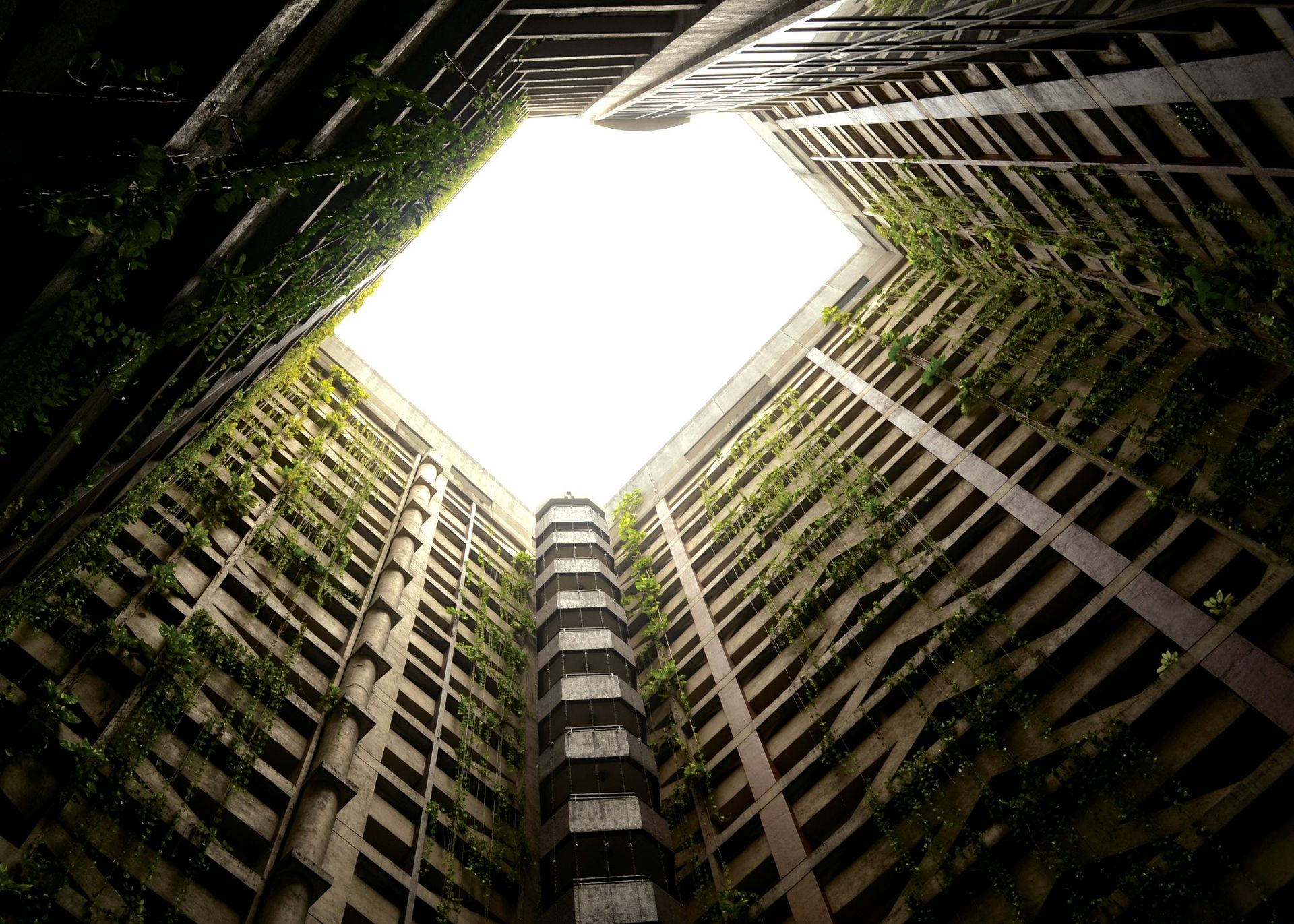
Skyscrapers would start showing serious structural damage within about 10 to 20 years, not because their steel frames collapse quickly, but because water intrusion attacks the building from the inside once climate control and drainage systems stop running. Modern high-rises depend on a continuous, powered system of pumps, seals and ventilation to manage moisture, and without electricity, that system fails almost immediately.
Roof drains and gutters clog the same way street-level storm drains do, but the consequences compound faster in a tall building. Water that can't drain off a roof pools and eventually finds its way through roofing membranes, seeping into the floors below. Once water gets behind a building's exterior cladding or curtain wall, it accelerates corrosion in the steel reinforcement bars inside concrete floors and columns, a process that engineers call spalling, where rusting rebar expands and cracks the concrete around it from within.
Glass curtain-wall towers, the glass-heavy skyscraper style common since the 1960s, face a particular vulnerability. The sealant between glass panels degrades under ultraviolet light and temperature swings within a matter of years even under normal conditions, which is why buildings need periodic resealing. Without that maintenance, panels loosen and eventually fall, letting rain and snow into the building's interior and dramatically accelerating water damage to floors below.
Heating and cooling systems matter more than people tend to assume. Without climate control, temperature and humidity swings inside a sealed building can be more extreme than outdoors, since heat has nowhere to escape in summer and no source in winter. That swings encourage mold growth, wood rot in interior finishes, and faster corrosion of exposed metal fixtures, elevator cables and mechanical equipment.
Detroit's abandoned skyscrapers, several of which sat empty for two to three decades before recent redevelopment efforts, offer a real-world preview: collapsed ceilings, rusted structural elements, and trees growing out of upper-floor windows where wind-blown seeds took root in accumulated debris. Left unattended for a century or more, most steel-framed towers would eventually fail structurally, though the exact timeline depends heavily on local climate, construction quality and each building's specific design.
Bridges corrode and eventually collapse over a century or more

Credit: Shaojie / Unsplash
Most modern bridges would remain structurally intact for decades without maintenance but would likely fail within roughly 100 to 300 years, as corrosion attacks the steel and rebar that give them their strength. Bridges are engineered with safety margins that account for gradual wear, which is exactly why they don't fail the moment inspections stop.
Steel bridges face a straightforward enemy: rust. Paint and protective coatings on steel bridge components typically need reapplication every 10 to 25 years under normal maintenance schedules specifically because unprotected steel corrodes when exposed to moisture and oxygen. Once that protective coating fails and isn't replaced, rust spreads steadily, thinning the steel and weakening load-bearing cables, trusses and connections over the following decades.
Suspension bridges, including large examples like the Golden Gate Bridge or the Brooklyn Bridge, depend on steel cables under enormous tension to hold up the roadway. Those cables are built with multiple redundant strands specifically so that individual strand failures don't bring down the whole structure, but corrosion doesn't respect that redundancy forever. As more strands fail over the decades, the remaining ones bear increasing load until the cable's overall margin of safety disappears.
Concrete bridges face a related but distinct failure mode. Water works its way into the concrete through hairline cracks that form naturally as the material ages, reaching the steel rebar inside. Once that rebar starts rusting, it expands, cracking the surrounding concrete from within and exposing more rebar to moisture in a self-accelerating cycle that engineers already monitor closely on aging infrastructure today.
Vegetation adds a slower but steady threat. Seeds landing in expansion joints, drainage channels and deck cracks put down roots that widen existing gaps over years, much like they do on roads and sidewalks. Combined with unmanaged storm drainage, this vegetation growth speeds up the water infiltration that ultimately drives most bridge failures. Bridges built with corrosion-resistant materials, like the stainless steel rebar used in some modern designs, would likely outlast conventional structures by a wide margin, but the great majority of bridges standing today would not survive past a few centuries without people to maintain them.
Air quality improves within days, based on real lockdown data
Credit: Regan Dsouza / Pexels
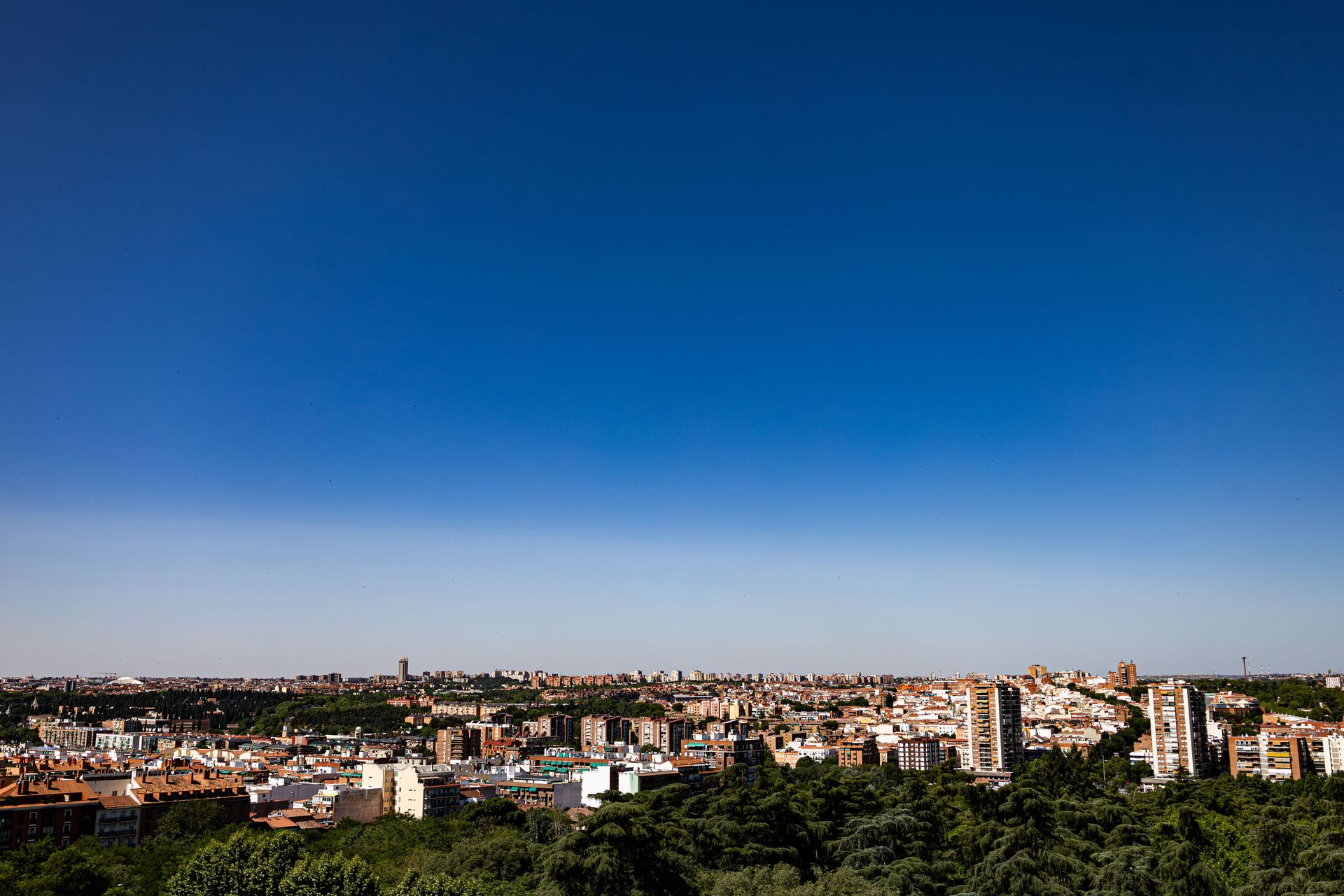
Air pollution over major cities would drop sharply within days of vehicle traffic and industrial activity stopping, a pattern already documented during COVID-19 lockdowns in 2020. Satellite data collected by NASA and the European Space Agency showed nitrogen dioxide levels, a pollutant closely tied to vehicle exhaust and power generation, fall by 20 to 30% or more over major cities in China, India and parts of Europe within the first few weeks of lockdown measures.
Nitrogen dioxide clears from the atmosphere relatively fast because it doesn't linger the way carbon dioxide does; it breaks down or gets absorbed within days to a couple of weeks once the source stops. That is why cities like Delhi and Los Angeles, both known for persistent smog, saw visibly clearer skies and longer sightlines within roughly two to three weeks of reduced traffic in 2020, based on both satellite readings and ground-level air quality monitors.
Particulate matter, the fine soot and dust particles linked to respiratory illness, followed a similar but slightly slower pattern, since some particulates come from sources beyond daily traffic, including construction, agriculture and natural dust. Even so, several major cities recorded measurable drops in fine particulate readings within the first month of reduced human activity.
Without any humans at all, every combustion source driving urban air pollution would disappear at once: car engines, power plants, factories and heating systems. The exception would be wildfires, which would likely become more frequent and larger without firefighting crews to suppress them, adding smoke pollution back into the mix in fire-prone regions during dry seasons.
Within a matter of months, most cities would likely see air quality readings return to levels not recorded since before large-scale industrialization, roughly comparable to rural background levels today. That change would happen far faster than almost any other item on this list, precisely because the pollutants responsible clear from the atmosphere quickly once their source disappears, unlike the carbon dioxide already built up from more than a century of fossil fuel use.
Light pollution disappears and the night sky returns
Credit: Dns Dgn / Unsplash
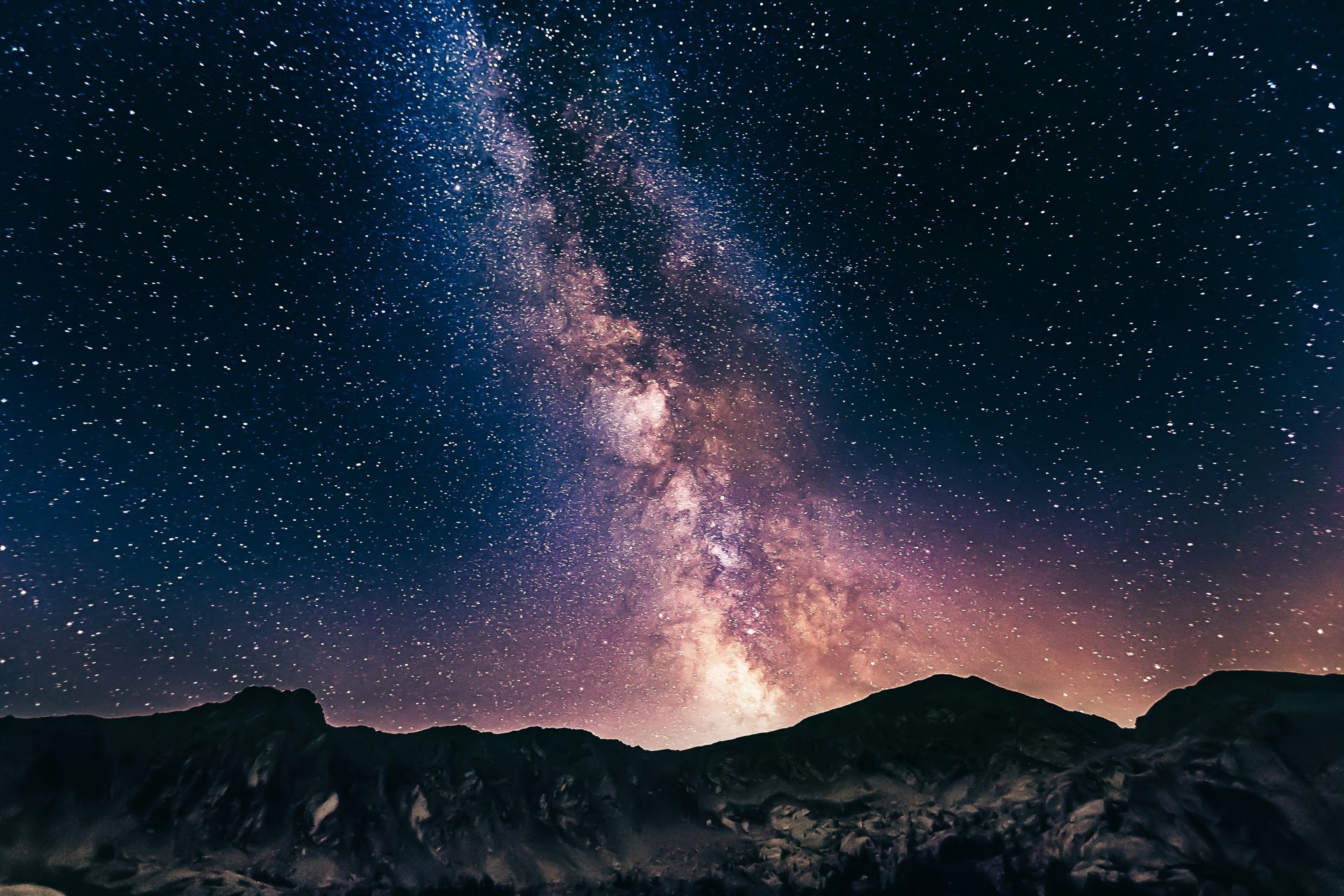
The night sky would go dark within hours of the electrical grid failing, since streetlights, building lights and illuminated signage all depend on continuous power that no plant would keep generating without human operators. Roughly 80% of the world's population currently lives under skies bright enough to obscure the Milky Way, according to a widely cited 2016 study published in Science Advances that mapped global light pollution using satellite data.
Power grids don't fail instantly everywhere at once, since some plants would keep running briefly on automated systems or stored fuel, but most electrical generation requires active human oversight to maintain the balance between supply and demand. Once that oversight disappears, grids would likely fail within hours to at most a few days, cutting power to the artificial lighting that currently washes out star visibility across most inhabited regions.
The effect would be immediate and dramatic in places that are currently among the most light-polluted on Earth, including major metro areas across the U.S. East Coast, Western Europe, and East Asia. Areas that already have naturally dark skies, like remote parts of Chile's Atacama Desert or northern Canada, wouldn't see much change since they were never heavily affected by artificial lighting.
Beyond aesthetics, the disappearance of light pollution would affect wildlife behavior almost immediately. Migratory birds, many of which navigate partly by starlight and lunar cues, currently suffer disorientation and fatal building collisions in brightly lit urban areas during migration seasons, a well-documented pattern tracked by ornithologists in cities including Chicago and Toronto. Removing that artificial light would likely reduce those collision deaths within the very first migration season after the lights went out.
Sea turtle hatchlings offer another documented example. Hatchlings instinctively crawl toward the brightest visible horizon, which under natural conditions is moonlight reflecting off the ocean. Artificial lighting from coastal development currently draws many hatchlings inland instead, a problem conservation groups in Florida have worked to fix for decades through targeted lighting ordinances. Without electric lighting at all, that particular danger to hatchlings would simply end, restoring one of the clearest survival advantages nesting turtles had before coastal development began.
The ozone layer keeps healing on a timeline already set
Credit: Pixabay / Pexels
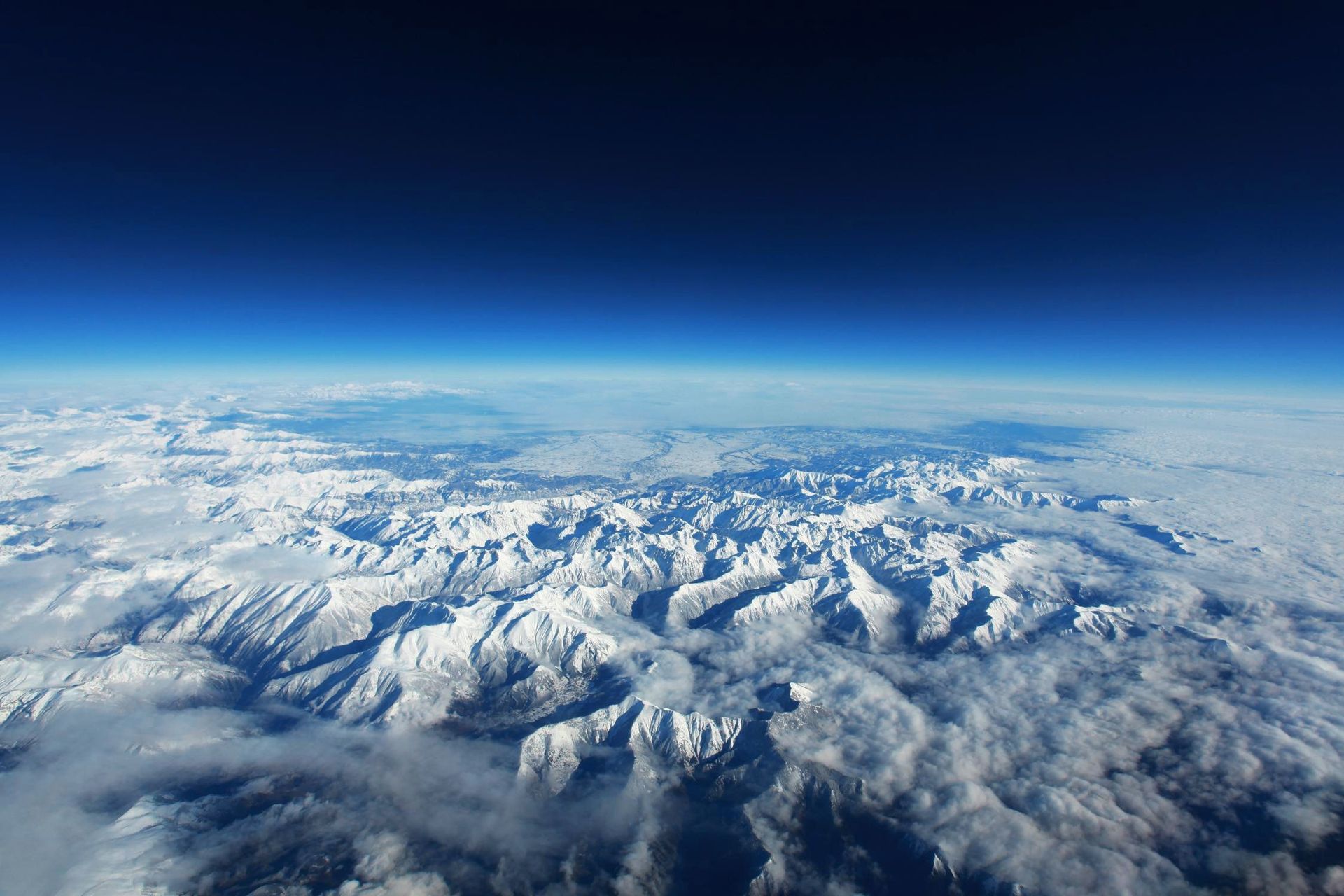
The ozone layer would continue recovering largely on the same timeline it is already following today, since that recovery is driven by an international ban on ozone-depleting chemicals that took effect decades ago rather than by any ongoing human presence. The Montreal Protocol, signed in 1987 and since ratified by every United Nations member state, phased out the production of chlorofluorocarbons, or CFCs, the chemicals mainly responsible for thinning the ozone layer.
A 2022 scientific assessment coordinated by the World Meteorological Organization and the United Nations Environment Programme projected that ozone levels over most of the world would return to 1980 levels, before major depletion began, by around 2040. The assessment projected recovery over the Arctic by around 2045 and over Antarctica, where the seasonal ozone hole is largest, by around 2066.
Because CFC production is already banned worldwide and most existing CFCs have either broken down or are slowly being released from old refrigeration and insulation equipment, removing humans from the picture wouldn't meaningfully speed up or slow down this recovery. The chemicals already in the atmosphere would continue breaking down at the same rate regardless of whether anyone is around, since that breakdown depends on stratospheric chemistry and sunlight, not human activity.
One modest acceleration is plausible. Certain industrial processes, along with specific banned uses of CFCs that persist illegally in a small number of countries, currently add a small trickle of new ozone-depleting emissions each year, an issue confirmed by atmospheric monitoring stations that detected unexpected CFC-11 emissions from parts of China between 2013 and 2017, later traced to unauthorized manufacturing. Removing all human industrial activity would eliminate even that small ongoing source, marginally speeding up full recovery.
The ozone layer stands out on this list as one of the few global environmental systems already on a firm, monitored path to recovery, independent of whether humans stick around to see it finish. It is a rare case where past environmental policy, not the absence of people, is doing most of the work.
Global temperatures keep rising for a while before slowly falling
Credit: Sergey Guk / Pexels
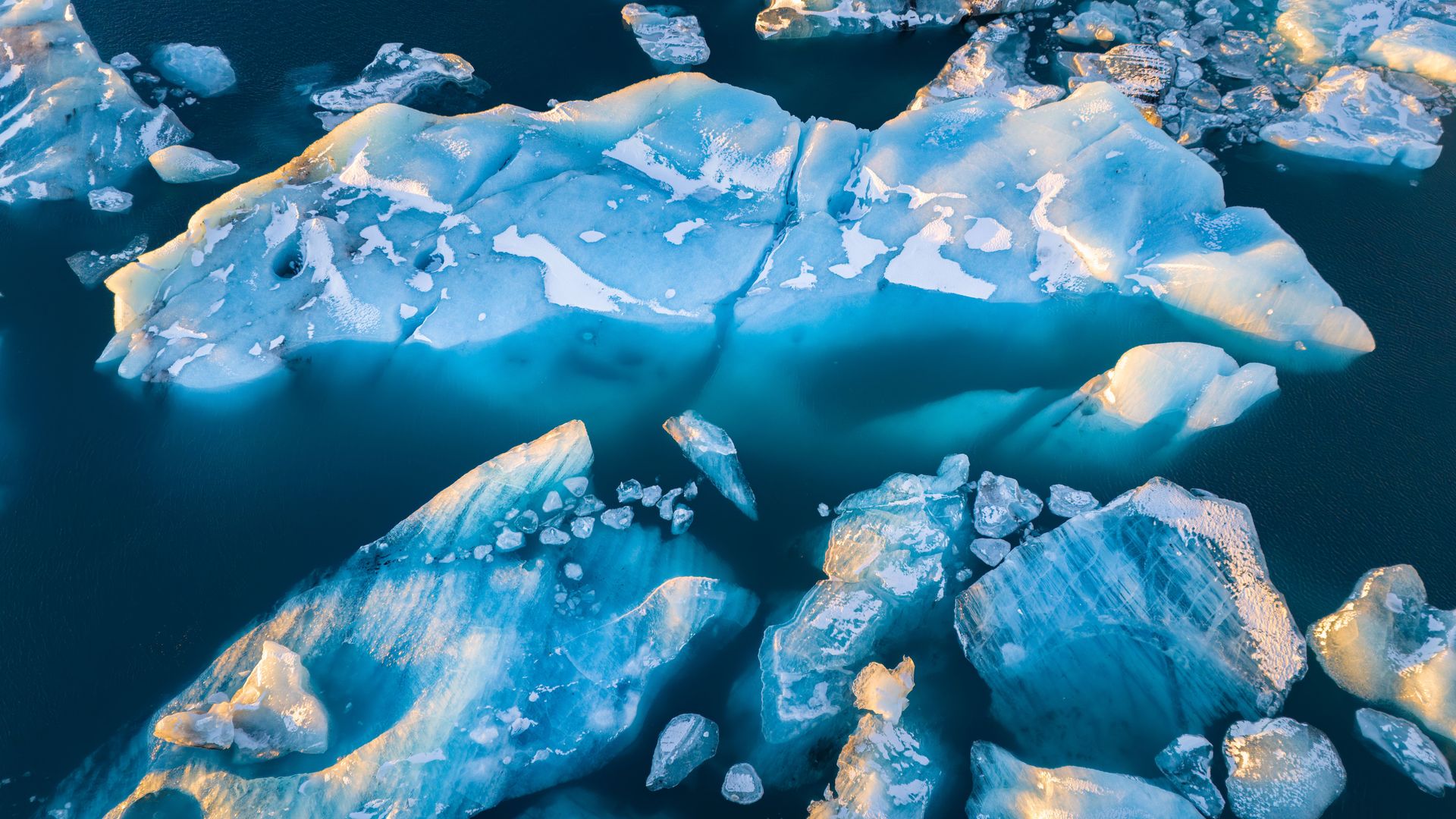
Global average temperatures would likely keep climbing for years to decades even after every human-caused source of new emissions stopped completely, because carbon dioxide already released into the atmosphere doesn't disappear quickly. A meaningful share of the CO2 emitted since industrialization began will remain in the atmosphere for centuries, according to climate science consensus reflected in reports from the Intergovernmental Panel on Climate Change.
Carbon dioxide differs from short-lived pollutants like nitrogen dioxide in one crucial way: the ocean and land absorb it slowly, over decades and centuries, rather than the days or weeks it takes shorter-lived gases to clear. Even with zero new emissions starting immediately, the CO2 already in the atmosphere would continue trapping heat for a long time, meaning temperatures would likely keep rising for at least another decade or two before beginning a very gradual decline.
Some warming already locked into the system would also continue playing out regardless of emissions. Oceans absorb the vast majority of excess heat trapped by greenhouse gases, and that heat takes time to fully transfer through ocean layers and influence surface temperatures, a lag climate scientists call thermal inertia. That means some warming already "in the pipeline" from past emissions would still show up even in a world with no new human activity at all.
Methane, a shorter-lived but more potent greenhouse gas mostly released through agriculture, livestock and fossil fuel extraction, would clear from the atmosphere much faster than CO2, breaking down within roughly a decade. Its removal would provide a faster, if smaller, cooling effect earlier in the process than carbon dioxide's slower decline would allow.
Over centuries, natural carbon sinks including forests, soil and the ocean would gradually draw down atmospheric CO2 toward pre-industrial levels, a process that unfolds on a timescale measured in hundreds of years rather than decades. Regrowing forests on formerly farmed and deforested land, something that would happen quickly without agriculture to maintain cleared fields, would meaningfully speed up that carbon drawdown compared to a scenario where land stayed cleared.
Plastic pollution outlasts almost everything else on this list
Credit: Collab Media / Pexels
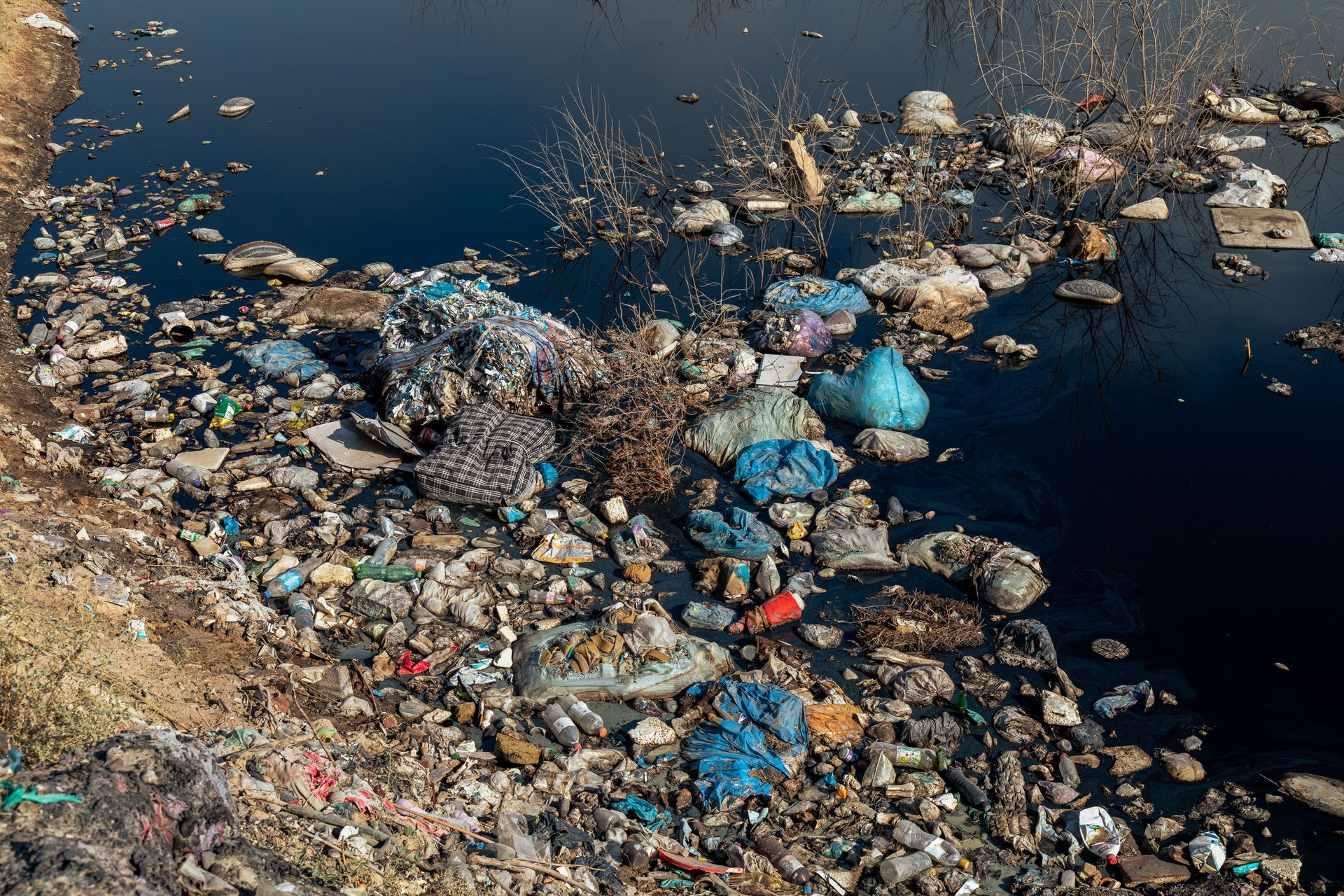
Plastic waste already in the environment would persist for centuries regardless of what else changes, since plastic doesn't biodegrade the way organic material does and instead breaks down slowly into smaller and smaller fragments called microplastics. Estimates from environmental scientists commonly put the breakdown time for a plastic bottle at 450 years or more, and some plastic types are expected to persist far longer than that.
The Great Pacific Garbage Patch, a concentration of floating plastic debris in the North Pacific Ocean between California and Hawaii, illustrates the scale of the problem. Research led by the nonprofit Ocean Cleanup and published in Scientific Reports in 2018 estimated the patch covers an area roughly three times the size of France and contains an estimated 1.8 trillion pieces of plastic. That plastic wouldn't meaningfully diminish just because no new plastic entered the ocean, since the material already there would keep circulating and slowly fragmenting for generations.
Microplastics present a particularly stubborn problem because they have already worked their way into soil, freshwater systems, Arctic ice and the deep ocean floor, based on sampling studies conducted over the past two decades. Fragmentation from sunlight exposure and wave action doesn't eliminate plastic, it just makes the pieces smaller and easier for marine organisms to ingest, a process already documented in fish, seabirds and shellfish across ocean basins worldwide.
Landfills packed with plastic waste would remain largely intact for centuries as well, since burying plastic in a landfill mostly stops it from breaking down at all by limiting its exposure to sunlight and oxygen. Archaeologists studying older landfills have found decades-old plastic packaging, including newspapers and food wrappers, still legible and intact after 40 or more years underground.
Without new plastic production, the total volume in circulation would at least stop growing, which is itself a meaningful change from the roughly 400 million metric tons produced globally each year in recent data from the United Nations Environment Programme. But the plastic already spread across oceans, rivers, soil and landfills would remain one of the most durable traces of human presence on the planet, likely outlasting most buildings, roads and even some nuclear waste in terms of sheer physical persistence.
Dams fail gradually, and rivers return to older paths
Credit: Arseniy Smaragdov / Unsplash
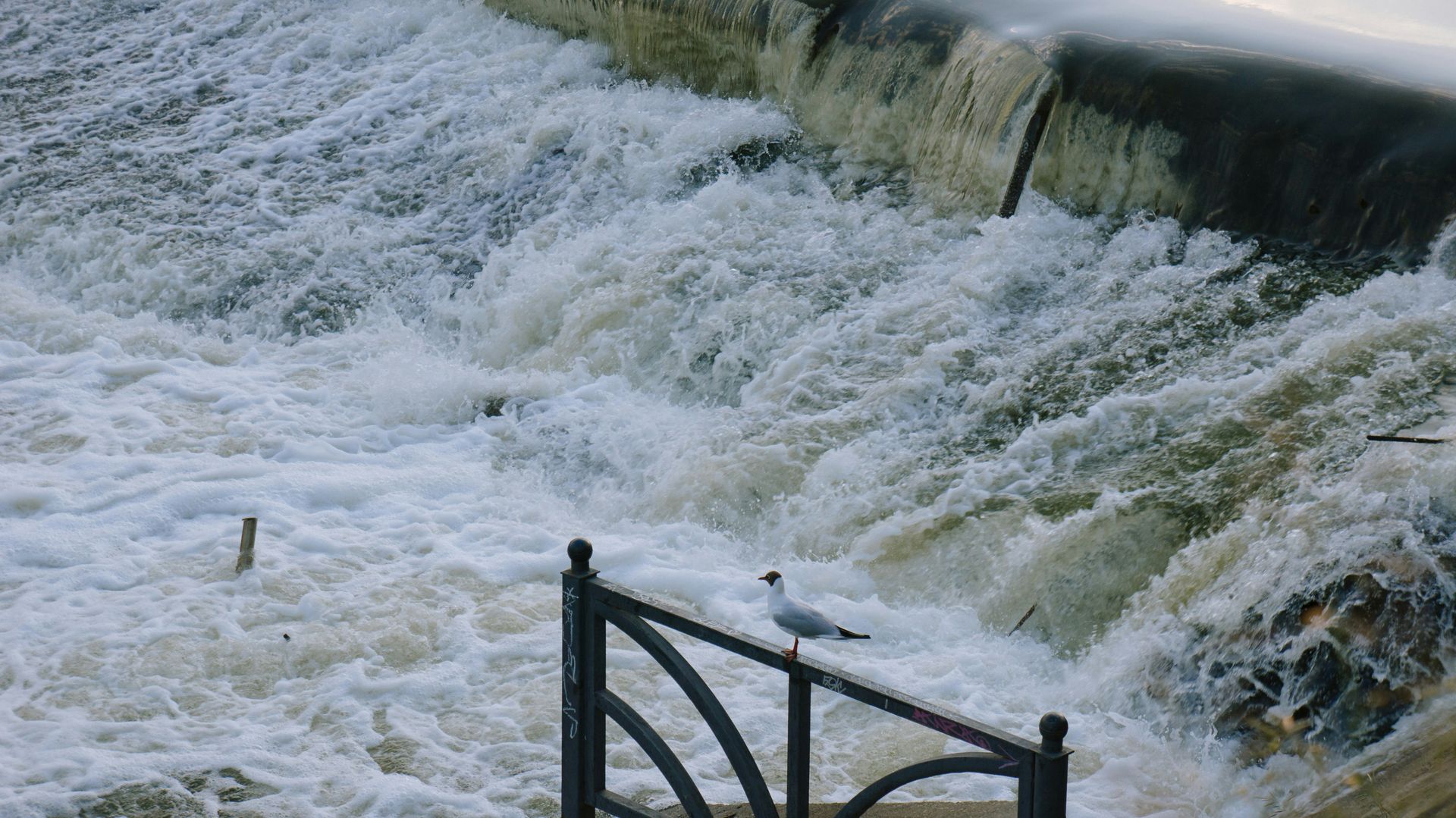
Dams would begin failing within decades as concrete cracks, spillway gates rust shut, and sediment buildup behind the dam wall increases pressure on aging structures no one is monitoring. The Hoover Dam and similar large concrete gravity dams are built with wide safety margins and could likely stand for a century or more, but many smaller dams, especially older earthen dams, would fail much sooner.
Earthen and small concrete dams face the fastest failure risk because they depend on active maintenance of spillways and drainage systems to manage the constant pressure of the water held behind them. The U.S. alone has more than 90,000 dams tracked by the National Inventory of Dams, and a meaningful share of those are already classified by federal inspectors as needing repair even with regular human oversight in place. Without any maintenance at all, erosion around spillways and clogged drainage systems would likely cause a rising number of failures within the first 20 to 50 years.
When a dam fails, the river behind it doesn't just flow differently, it often reclaims a channel closer to its natural, pre-dam path, particularly in cases where the dam had backed up a reservoir over what used to be a narrower river valley. Sediment that built up behind the dam over years or decades gets released downstream all at once during a failure, temporarily reshaping the riverbed and floodplain in ways that can look dramatic but generally mirror the river's undammed historical behavior.
Large hydroelectric dams add another layer of risk during failure because of the sheer volume of water they hold back. A catastrophic failure at a major dam could release a flood wave capable of reshaping miles of downstream terrain within hours, a scenario dam safety engineers plan around today specifically because of how destructive an uncontrolled release can be.
Over one to two centuries, most dams without ongoing maintenance would likely fail or become so degraded that they no longer meaningfully hold back water, and the rivers behind them would settle back into channels shaped primarily by natural sediment flow and terrain rather than human engineering. Reservoirs, meanwhile, would gradually fill with sediment and revert toward wetlands or floodplains resembling what existed before the dam was built.
Forests reclaim cities within a few decades
Credit: Gáspár Ferenc / Pexels
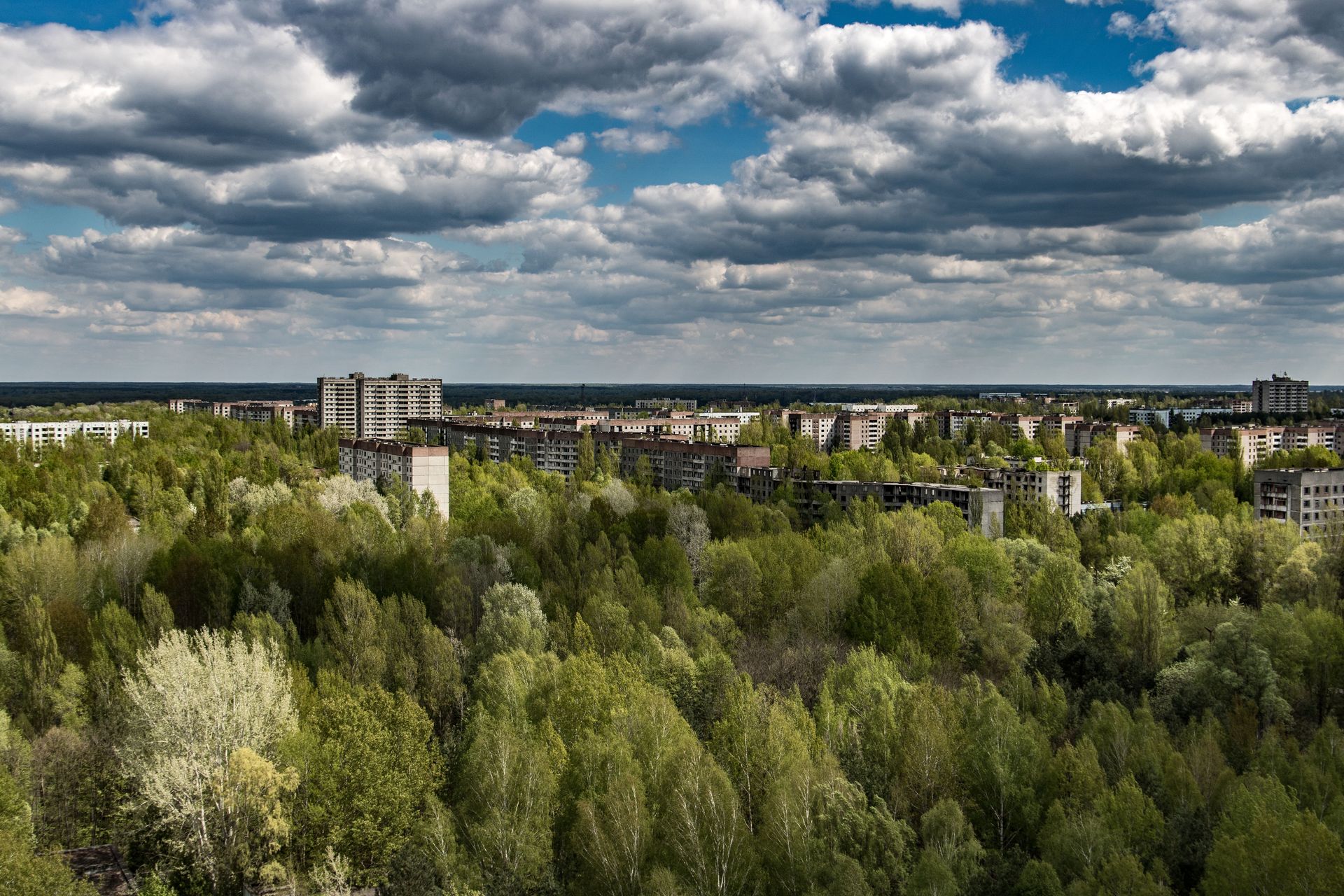
Vegetation would begin visibly overtaking urban areas within just a handful of years, and within a few decades, many cities in temperate and tropical climates would be substantially covered by trees and undergrowth. Ta Prohm, a 12th-century temple at Angkor in Cambodia, offers one of the clearest real-world examples: massive silk-cotton and strangler fig trees have grown directly through the temple's stone walls and rooftops over the centuries since it was abandoned, their roots prying stone blocks apart as they grew.
The process starts small. Wind-blown seeds land in gutters, cracks and unmaintained planters, and without anyone weeding or mowing them out, some take root. Trees grow fastest in climates with regular rainfall and warm temperatures, which is why tropical and humid temperate cities would see forest reclaim buildings and streets faster than dry or cold climates would.
Detroit offers a modern preview of the early stages of this process. Large sections of the city lost population steadily from the 1950s through the 2010s, leaving thousands of vacant lots and abandoned buildings. Over just two to three decades, many of those lots reverted to meadow and, in some cases, young forest, with trees growing through abandoned houses and cracked driveways in neighborhoods that once held dense residential blocks.
Root systems do most of the structural damage. As trees mature over 20 to 50 years, their roots expand outward and downward, cracking foundations, buckling pavement and, in some cases, toppling smaller structures entirely as roots undermine what they were built on. Ivy and other climbing vines add a faster, if less structurally damaging, layer of cover, often blanketing building exteriors within just five to 10 years of being left unchecked.
By the century mark, most cities in wetter climates would likely be substantially forested, with building foundations, road grids and utility infrastructure visible mainly as buried or overgrown outlines rather than functioning structures, much like Ta Prohm's walls are now more a scaffold for trees than a freestanding building. Arid cities, including many in the U.S. Southwest, would see a slower, sparser version of the same process, since less rainfall limits how quickly and how much vegetation can establish itself.
Feral pigs already show how fast livestock reverts to the wild

Credit: Aliaksei Semirski / Pexels
Domestic pigs would revert to wild behavior within a single generation, based on the well-documented example of feral hogs already spreading across the United States after escaping or being released from captivity. The U.S. Department of Agriculture estimates the country's feral hog population at more than 6 million animals spread across at least 35 states, most of them descended from domestic pigs that escaped confinement decades or, in some regions, centuries ago.
Pigs adapt unusually fast because they retain much of their wild ancestor's biology even after generations of domestication. Within a matter of months without human feeding, domestic pigs develop longer bristles, grow tusks, and shift toward a leaner, more muscular build suited to foraging rather than the fast weight gain bred into commercial livestock. Their diet becomes opportunistic almost immediately, since pigs are natural omnivores capable of eating roots, insects, small animals and crops without any human-provided feed.
Cattle would fare differently. Most modern beef and dairy cattle breeds have been selectively bred for traits like rapid growth and high milk output that depend on regular feeding and, for dairy cows specifically, regular milking to avoid painful and potentially fatal complications from unmilked udders. Without human care, many dairy cattle would likely die within the first year, while beef cattle bred for less human-dependent traits would have somewhat better odds, particularly breeds already raised on open range with minimal intervention.
Horses have the strongest track record of reverting successfully, based on real populations of feral horses already established across the western U.S. and Australia. Descendants of horses brought by Spanish colonizers centuries ago now live as wild mustangs across states including Nevada and Wyoming, sustaining stable populations without any human management beyond periodic culling to control their numbers.
Sheep and goats sit somewhere in between. Wool sheep bred to grow continuous fleece can develop serious health problems without periodic shearing, a real issue documented in escaped sheep found matted with years of overgrown wool. Goats, by contrast, already establish successful feral populations in various parts of the world, including on several isolated islands, and would likely adapt to life without humans about as readily as pigs do.
Rats and pigeons decline sharply without human food waste

Credit: cottonbro studio / Pexels
Urban rat and pigeon populations would drop significantly within the first year or two, a counterintuitive outcome given how strongly both species are associated with cities, because both rely heavily on food waste and shelter that only exist because of ongoing human activity. Studies of urban rat populations have consistently found that food availability, mostly garbage and discarded food, is the single biggest factor limiting or enabling rat population growth in any given city.
Without functioning waste systems, restaurants, or households generating food scraps, the calorie-dense, easily accessible food source that currently sustains dense urban rat colonies would disappear almost overnight. Rats are adaptable omnivores capable of eating a wide range of food, including insects, plant matter and even each other under food stress, but the population densities seen in major cities today depend specifically on the abundance and convenience of human food waste, not on rats' general dietary flexibility.
Pigeons face an even steeper decline. Feral pigeons descend from domesticated rock doves originally bred for food and message-carrying, and they have spent centuries adapting to depend heavily on human handouts and discarded food in public spaces. Multiple studies of urban pigeon diets have found that direct feeding by people and scavenged food waste make up the majority of calories for pigeons in major cities, far more than any natural foraging.
Building ledges and architectural features that pigeons use for nesting would remain available for a long time even as buildings deteriorate, so shelter wouldn't be the limiting factor. Food would be. Within a couple of breeding seasons, a lack of reliable food would likely cut urban pigeon populations dramatically, pushing survivors back toward the more limited diet of seeds, grain and insects that supported their wild rock dove ancestors before domestication.
Both species wouldn't disappear entirely. Rural and cliff-dwelling rock dove populations, along with rat populations that already survive in agricultural and wild settings without depending on cities, would likely persist and could eventually recolonize abandoned urban areas at much lower densities than today, once forests and grasslands reclaim enough of the urban landscape to support a more natural diet.
Ocean fish stocks rebound once commercial fishing stops
Credit: adiprayogo liemena / Pexels
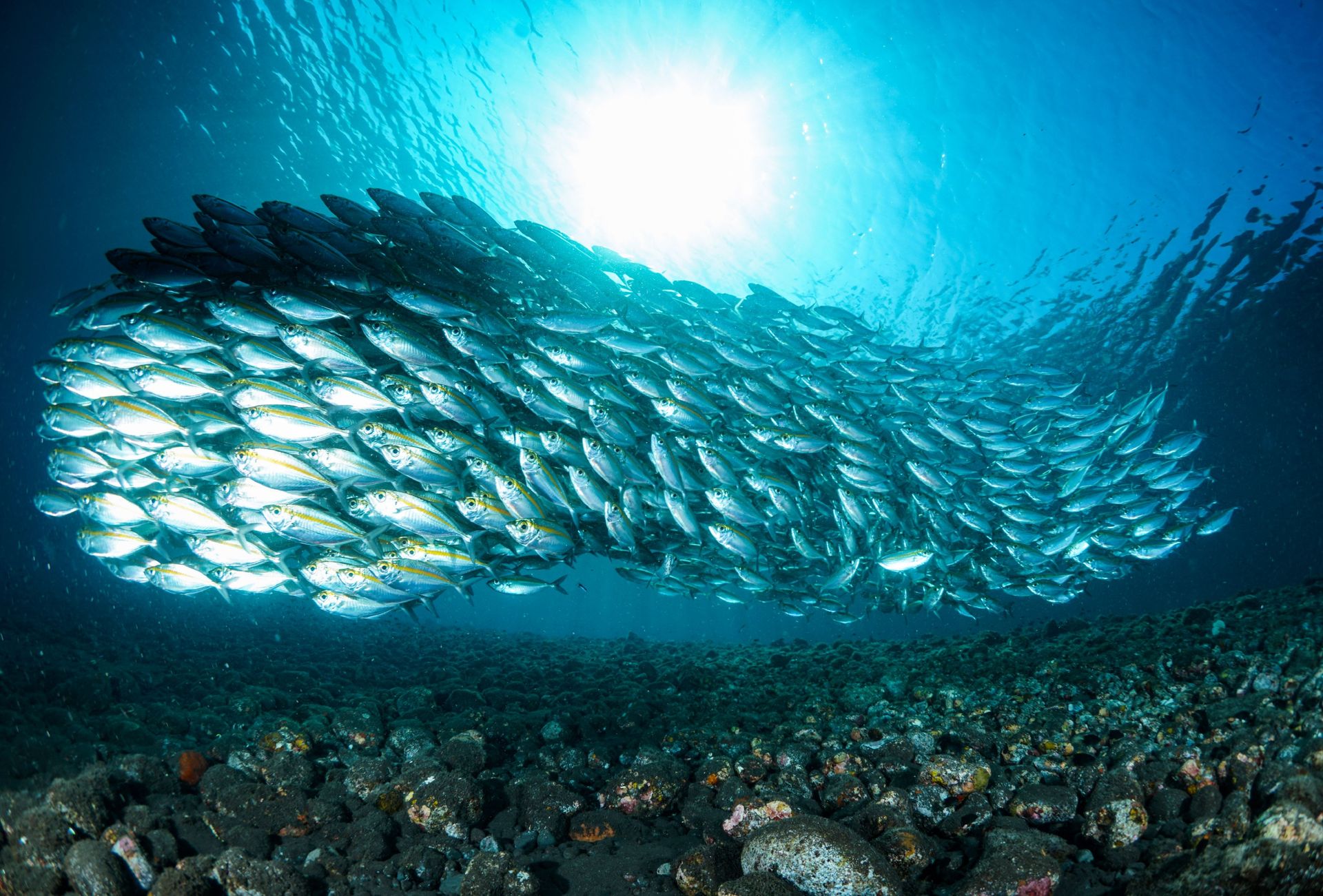
Fish populations would begin recovering within just a few years of commercial fishing stopping worldwide, based on real historical evidence from periods when fishing pressure dropped sharply. Fisheries scientists studying the North Sea found that several fish stocks, including plaice and sole, increased notably during and immediately after World War II, when large-scale commercial fishing across much of the North Sea and North Atlantic was disrupted for roughly six years.
The mechanism is straightforward. Overfishing reduces populations mainly by removing more fish, particularly larger, reproductively mature individuals, than natural reproduction can replace. Once that removal stops, fish that would otherwise have been caught are left to reproduce instead, and populations of most commercially fished species can rebound within five to 15 years given the chance, according to stock assessments tracked by fisheries management bodies like the International Council for the Exploration of the Sea.
Species with longer lifespans and slower reproduction, including several shark and ray species, would take considerably longer to recover, sometimes multiple decades, since their populations grow more slowly even under ideal conditions. Species that reproduce quickly and in large numbers, like many smaller fish species and some cephalopods, would likely show visible population increases within just a handful of years.
Coral reefs, while not fish themselves, would benefit indirectly from the end of destructive fishing practices including bottom trawling and dynamite fishing, both of which physically damage reef structures that take decades to regrow even once the immediate threat stops. Reduced fishing pressure wouldn't reverse the larger threat coral reefs face from ocean warming and acidification tied to atmospheric CO2, since that pressure would persist for decades regardless of fishing activity.
Larger marine predators, including several tuna species and various shark populations that have declined sharply due to commercial and recreational fishing, would likely see some of the most dramatic proportional recoveries, since these species sit at the top of ocean food chains and their declines have been particularly steep in recent decades. Fisheries scientists generally view the end of fishing pressure as one of the single fastest ways to restore ocean ecosystems compared to slower-moving threats like warming water and acidification.
The oceans grow quieter, and marine mammals communicate farther
Credit: Ben Phillips / Pexels
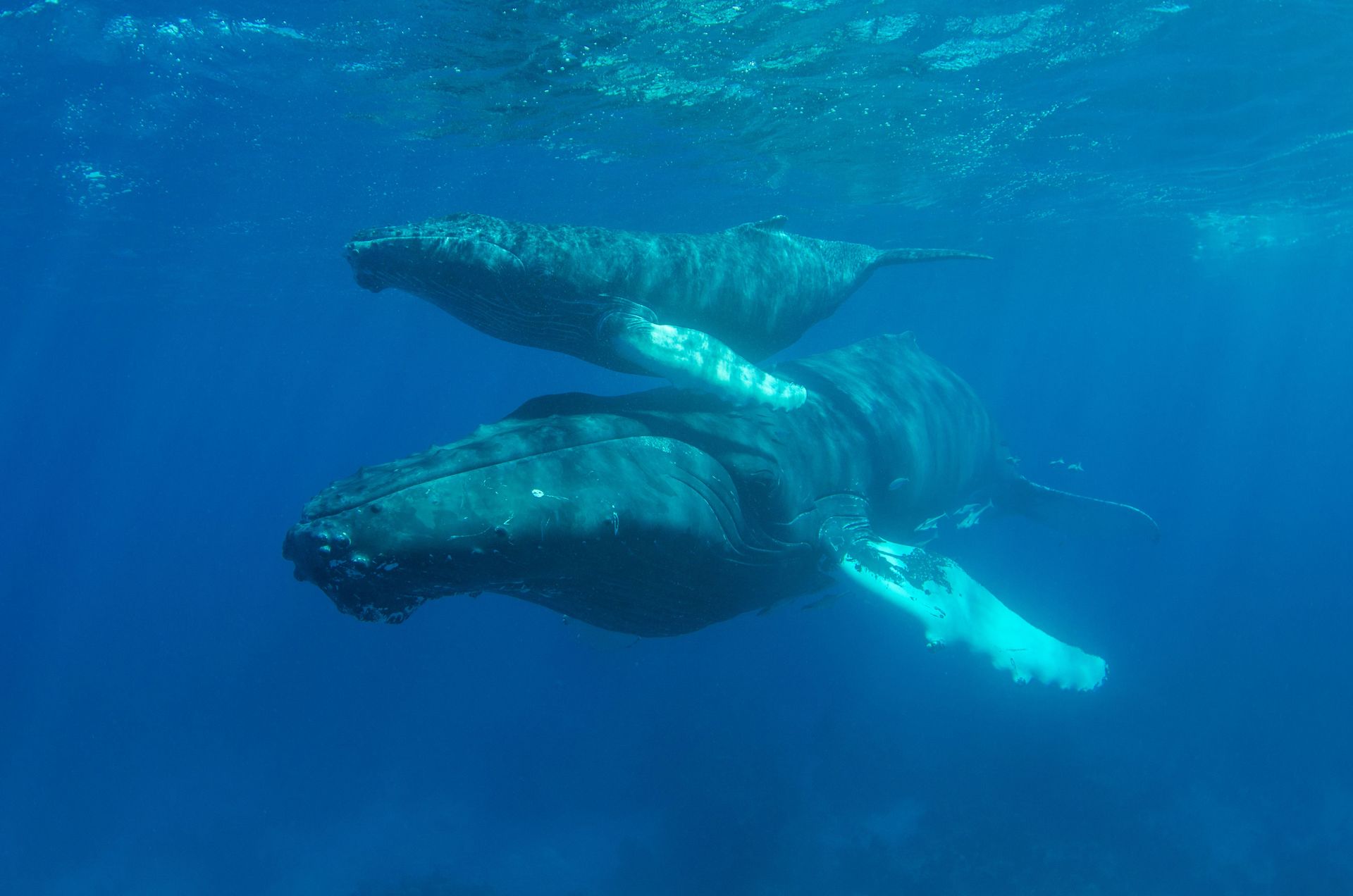
Ocean noise pollution from ships would disappear within days of global shipping stopping, and marine mammals that communicate over long distances would benefit almost immediately, based on measurements taken during the sharp, if temporary, drop in ship traffic during COVID-19 lockdowns in 2020. Researchers monitoring underwater sound off the coast of Vancouver, Canada, recorded a measurable drop in low-frequency ocean noise as shipping traffic slowed, and linked that quieter environment to reduced stress hormone levels in nearby whale populations based on sampling of their waste.
Commercial shipping is one of the largest sources of underwater noise pollution, since ship engines and propellers generate continuous low-frequency sound that travels extremely far underwater and overlaps with the frequency range many whale species use to communicate over long distances. Blue whales and fin whales, in particular, rely on low-frequency calls that can travel hundreds of miles in ideal ocean conditions, a range that shipping noise currently interferes with significantly in busy shipping lanes.
Without any ships at all, that interference would end immediately, letting whale calls travel their full natural range again. Researchers who study whale communication have suggested this could make it easier for whales to locate mates, coordinate feeding, and navigate over long distances, functions that current shipping noise measurably disrupts in heavily trafficked areas like the English Channel and the shipping lanes off major Asian ports.
Ship strikes represent a separate but related risk that would disappear alongside the noise. Collisions with large vessels are already a documented leading cause of death for several whale species, including the North Atlantic right whale, a species with fewer than 350 individuals remaining according to recent population estimates from NOAA Fisheries. Removing all ship traffic would eliminate this risk entirely and could meaningfully support recovery for the most severely depleted whale populations.
Underwater seismic surveys used in oil and gas exploration, along with military sonar exercises, add further noise sources that have been linked in various studies to disrupted feeding and, in some documented cases involving sonar, to mass whale strandings. The complete absence of both activities would remove two more significant, if less constant, sources of acoustic disruption from ocean environments that whales and other marine mammals rely on for navigation and communication.
Domestic cats become one of the planet's most efficient predators
Credit: Rahime Gül / Pexels
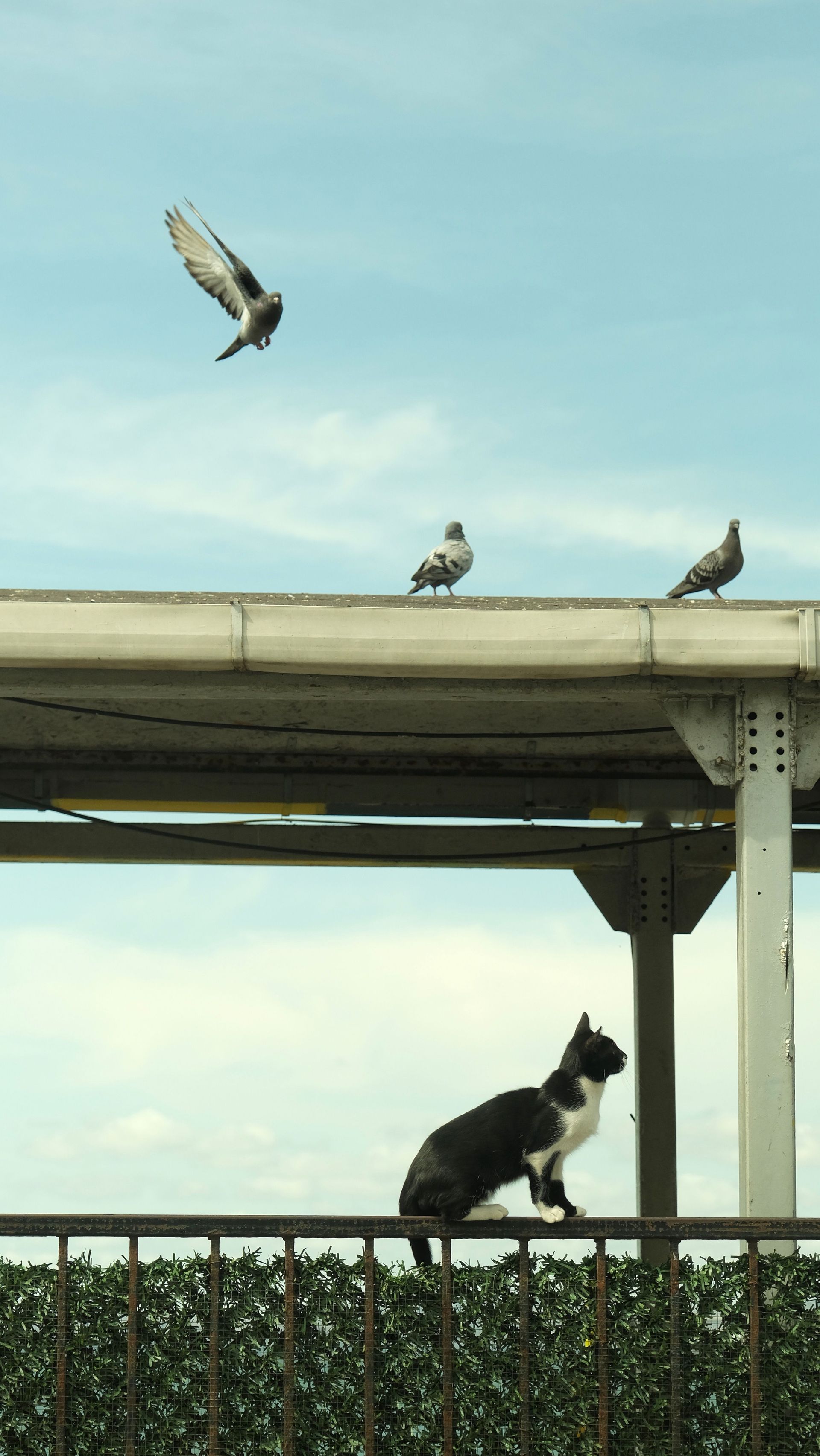
Cats would adapt to life without humans faster and more successfully than almost any other domesticated species, largely because they retain nearly all of their wild hunting instincts even after generations of domestication. Studies tracking outdoor and feral cat behavior have found that cats hunt effectively with little to no learning curve, since the behavior is largely innate rather than taught by human owners.
The ecological impact would be significant. Research published in Nature Communications in 2013 estimated that domestic and feral cats in the U.S. alone kill somewhere between 1.3 billion and 4 billion birds and up to 22.3 billion mammals annually, making cats one of the largest human-linked causes of wildlife mortality in the country even today, while people are still around to provide most cats with food.
Without human-provided food, that hunting pressure would likely intensify rather than ease, since cats currently supplement rather than fully rely on hunting for calories in many settings. Feral cat colonies already established on islands around the world offer a preview of the ecological effect at scale. On several islands with no native predators, introduced cats have been directly linked to the extinction or severe decline of ground-nesting seabird species that evolved with no defense against a mammalian predator, a pattern documented on islands from New Zealand to the sub-Antarctic.
Cat populations themselves would likely grow initially, given an abundant and newly undisturbed prey base of birds, rodents and small reptiles, before leveling off once prey populations adjusted to the increased predation pressure, a standard predator-prey dynamic that ecologists have documented in other introduced-predator scenarios. Interbreeding with other feral cat populations would continue much as it already does in cities and rural areas worldwide, since domestic cats already interbreed freely with existing feral populations.
Over the following decades, cats would likely establish themselves as a dominant small predator across a wide range of climates and terrains, similar to the ecological role they already occupy on many islands and in rural areas globally, given their proven ability to survive across nearly every continent and climate zone humans have introduced them to over the past several thousand years.
Domestic dogs split into two very different outcomes
Credit: Abdallah Egbareia / Pexels
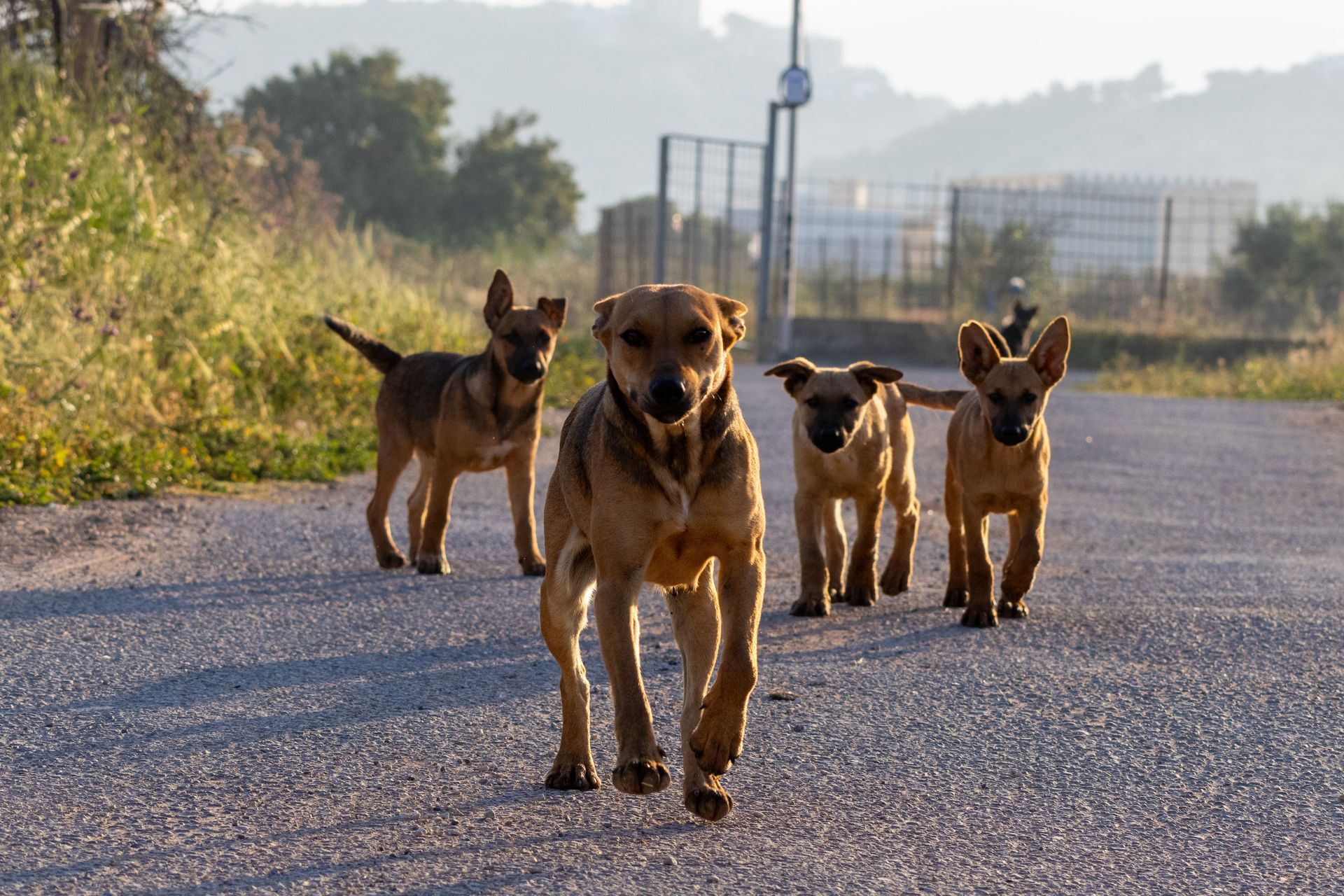
Dogs would split into two distinct groups within the first few generations: a smaller number that successfully form self-sustaining feral packs, and a larger number of specialized breeds that would struggle or fail to survive without human care. Feral dog populations already exist in various parts of the world, including India, where free-ranging dogs number in the tens of millions and survive largely without direct human ownership, offering a real preview of how the more adaptable dog breeds might fare.
Medium-sized, less specialized breeds and mixed-breed dogs would have the best odds, since they retain enough of the wolf ancestor's physical build and hunting instinct to form functional packs capable of scavenging and hunting small prey. Research on free-ranging dog populations has found that these dogs typically revert to a loose social structure resembling that of wolves within a relatively short number of generations, forming packs with informal hierarchies centered on access to food and mates.
Highly specialized breeds would face steeper odds. Brachycephalic breeds with shortened snouts, including bulldogs and pugs, already suffer breathing difficulties that complicate strenuous activity like sustained hunting, making survival without human care considerably harder. Very small breeds bred primarily as companions, along with breeds selectively bred for extreme physical traits like elongated backs, would likely see high mortality rates within the first year, since many of these traits create health complications even with veterinary care readily available.
Interbreeding between surviving dogs and wild canid populations, including wolves and coyotes in North America, has already been documented in limited cases and would likely increase over subsequent generations, gradually blending domestic dog genetics back into wider wild canid gene pools in regions where the two populations overlap geographically.
Within a handful of generations, surviving dog populations would likely converge toward a more uniform, medium-sized build resembling generalized wild canids, a pattern already observed in long-established feral dog populations around the world, including dingoes in Australia, which descended from domestic dogs introduced by early human settlers thousands of years ago and have since evolved into a distinct, self-sustaining wild population.
Satellites fall from orbit, but not all on the same schedule
Credit: SpaceX / Pexels
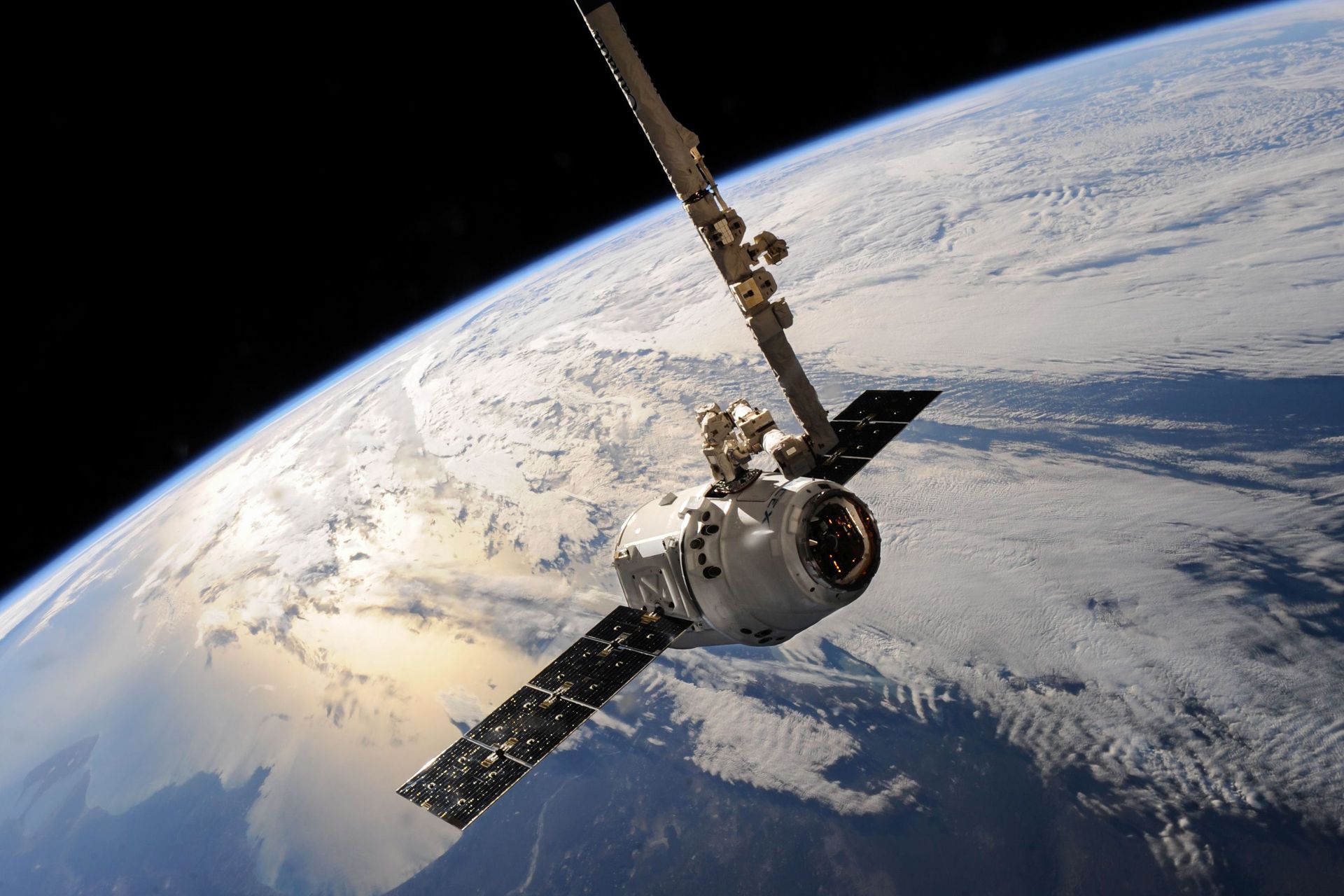
Satellites in low Earth orbit would begin falling out of the sky within a few years of losing the periodic engine burns that currently keep them in place, while satellites in higher orbits would remain in place for centuries or longer. Every satellite orbiting close to Earth, generally below about 1,200 miles altitude, experiences a small amount of atmospheric drag from the thin remnants of atmosphere that extend far higher than most people realize.
That drag gradually slows a satellite down, causing its orbit to decay over time unless the satellite fires small thrusters periodically to boost itself back up, a routine maintenance task performed by ground control teams for active satellites and the International Space Station alike. The ISS itself requires regular reboosts roughly every one to three months to counteract this drag and stay in its intended orbit, a maintenance need that would disappear the moment ground control stopped operating.
Without those periodic boosts, the ISS and most other low Earth orbit satellites, a category that includes the bulk of the roughly 10,000 active satellites currently in orbit according to tracking data from the U.S. Space Force, would gradually lose altitude and burn up in the atmosphere within a time frame ranging from a few years to a couple of decades, depending on each satellite's starting altitude and mass.
Satellites in geostationary orbit, roughly 22,000 miles above Earth, face far weaker atmospheric drag because the atmosphere is dramatically thinner at that distance. These satellites, which include most communications and weather satellites, would likely remain in orbit for thousands to millions of years, drifting gradually out of their precise assigned positions over the surface but not falling to Earth on any meaningful human timescale.
Space debris already in orbit, including spent rocket stages and fragments from past collisions, would follow the same basic pattern: lower debris would gradually reenter and burn up over years to decades, while debris in higher orbits would persist far longer, continuing to pose a collision risk to any remaining functional satellites for a very long time after the last human stopped tracking it.