
20 things that happen to your body when you finally start getting enough sleep
Getting enough sleep every night triggers a wide range of changes to your brain, heart, hormones and immune system that most people never notice happening

Credit: Pavel Danilyuk / Pexels
Sleep is not downtime. It is one of the most active repair processes the body runs, and skipping it does measurable, compounding damage that most people underestimate. The Centers for Disease Control and Prevention has called insufficient sleep a public health problem, and roughly one in three U.S. adults report averaging less than seven hours a night. That gap matters because seven to nine hours is the range most sleep researchers consider adequate for the average adult, and the space between getting by on six hours and consistently getting enough sleep is where a long list of physiological changes take place.
Some of these changes happen within a single night, as blood pressure begins to fall and stress hormones settle into their normal overnight rhythm. Others take weeks of consistent sleep to show up, including shifts in insulin sensitivity, immune resilience and the skin's ability to repair itself while a person rests. Understanding what happens to your body when you get enough sleep helps explain why the effects of one good night rarely match the effects of a sustained pattern, and why sleep researchers increasingly describe adequate sleep as preventive medicine rather than a lifestyle preference.
This list walks through 20 of the most well documented changes, drawn from research in sleep medicine, endocrinology, cardiology and neuroscience. Some involve organs most people do not associate with sleep at all, including the pancreas, the immune system and the cardiovascular system. Others involve the brain directly, from memory consolidation to the overnight cleanup process researchers call the glymphatic system. None require a drastic intervention. They start to appear once sleep duration and consistency move into a healthy range and stay there.
Each entry below stands on its own, so readers can skim for whatever matters most to them, whether that is athletic recovery, mental sharpness, skin health or long-term disease risk. Together, they explain why sleep is treated less like a luxury and more like one of the basic conditions the body needs to function well.
Memory consolidation gets stronger

Credit: Mikhail Nilov / Pexels
Getting enough sleep strengthens memory consolidation, the process by which the brain converts short-term experiences into stable, long-term memories. This happens largely during slow-wave sleep and REM sleep, the two stages that make up the deepest portions of a normal sleep cycle.
During slow-wave sleep, the hippocampus, the brain's short-term memory hub, replays the day's experiences in compressed bursts. Neuroscientists have recorded this replay directly in animal studies, and similar patterns show up in human brain imaging. That replay effectively transfers information from the hippocampus to the neocortex, where it gets stored more permanently. Skipping this stage does not just make memories fuzzier. It can prevent them from being properly filed away at all, which is why a single missed night can affect recall the next day even when the underlying event was never forgotten in the moment.
REM sleep, which increases in duration through the second half of the night, plays a different role. It appears to help the brain extract patterns and connections across memories rather than storing individual facts. This is part of why problem-solving and creative insight often improve after a full night of sleep, and why people frequently wake up with a solution to a problem that eluded them the evening before. Procedural memory, the kind involved in learning a physical skill like a golf swing or a musical passage, depends heavily on this stage as well.
The practical effect shows up quickly. Students who sleep a full night after studying consistently outperform those who pull an all-nighter, even when both groups spend the same number of hours reviewing material. Athletes retain new techniques better after sleep-protected training blocks. Because memory consolidation depends on cycling through multiple stages of sleep in sequence, fragmented or shortened sleep undercuts the process even if total time in bed looks adequate on paper. Consistency, not just duration, is what allows this nightly repair work to run to completion.
The brain's glymphatic system clears out waste

Credit: Canva Images
The brain clears out metabolic waste more efficiently during sleep through a system called the glymphatic system, a network of channels that flushes cerebrospinal fluid through brain tissue. Researchers at the University of Rochester first described this system in detail in 2013, and follow-up studies have shown it operates far more actively during sleep than during waking hours.
The glymphatic system works by shrinking the space between brain cells slightly during sleep, which lets cerebrospinal fluid move through brain tissue more freely and carry away byproducts of the day's cellular activity. One of those byproducts is beta-amyloid, a protein fragment that accumulates in the brains of people with Alzheimer's disease. A 2013 study published in the journal Science, conducted on mice, found that sleep deprivation allowed beta-amyloid to build up faster, while normal sleep cleared it at a noticeably higher rate.
This is one reason sleep researchers describe adequate sleep as a form of brain maintenance rather than simple rest. The clearance process does not run at a constant rate throughout the night. It appears to peak during the deeper stages of non-REM sleep, which is part of why sleep quality, not just total hours in bed, affects how well this system functions.
Chronic short sleep, the kind common among shift workers and people who consistently sleep fewer than six hours, has been linked in observational studies to higher long-term risk of cognitive decline, though researchers are still working out how much of that risk is directly attributable to impaired glymphatic clearance versus other factors tied to poor sleep. What is well established is that a single night of recovery sleep measurably increases clearance markers compared with a night of sleep restriction, suggesting the system responds relatively quickly once healthy sleep resumes. For a reader who wants one concrete takeaway, it is this: the brain does its housekeeping while a person is unconscious, and consistently cutting sleep short interrupts that housekeeping night after night.
Immune defenses rebuild

Credit: Andrea Piacquadio / Pexels
Enough sleep allows the immune system to rebuild the defenses it depletes during the day. Sleep researchers have documented this through both blood tests and real-world infection studies, and the pattern is consistent: people who sleep well mount stronger immune responses than people who do not.
A widely cited study led by Sheldon Cohen at Carnegie Mellon University exposed volunteers to a cold virus after tracking their sleep for a week beforehand. Volunteers who slept fewer than seven hours a night were roughly three times more likely to develop a cold than those who slept eight hours or more. The mechanism traces back to T cells, the white blood cells responsible for identifying and destroying infected cells. Sleep helps T cells bind more effectively to their targets, in part because deep sleep reduces circulating levels of adrenaline and cortisol, hormones that otherwise interfere with this binding process.
Sleep also supports the production of cytokines, signaling proteins the immune system releases to coordinate a response to infection or inflammation. Certain protective cytokines are released mainly during sleep, which is one reason people often feel an urge to sleep more when they are fighting off an illness. That urge reflects a real physiological need rather than simple fatigue.
The effect extends to vaccination as well, though that mechanism gets its own separate entry later in this list. Chronic short sleep, sustained over weeks rather than a single bad night, is associated with elevated baseline inflammation, measured through markers like C-reactive protein. That kind of low-grade, ongoing inflammation has been linked to a wide range of chronic conditions. The practical implication is straightforward: consistent sleep functions as routine maintenance for the immune system, not just a response to being sick. This is part of why sleep specialists now recommend prioritizing rest during cold and flu season as a preventive step, not only as part of recovering after symptoms already appear, and why some employers in fields with high infection exposure have started factoring adequate rest into shift scheduling.
Blood pressure drops to a healthier nighttime low
Credit: SHVETS production / Pexels
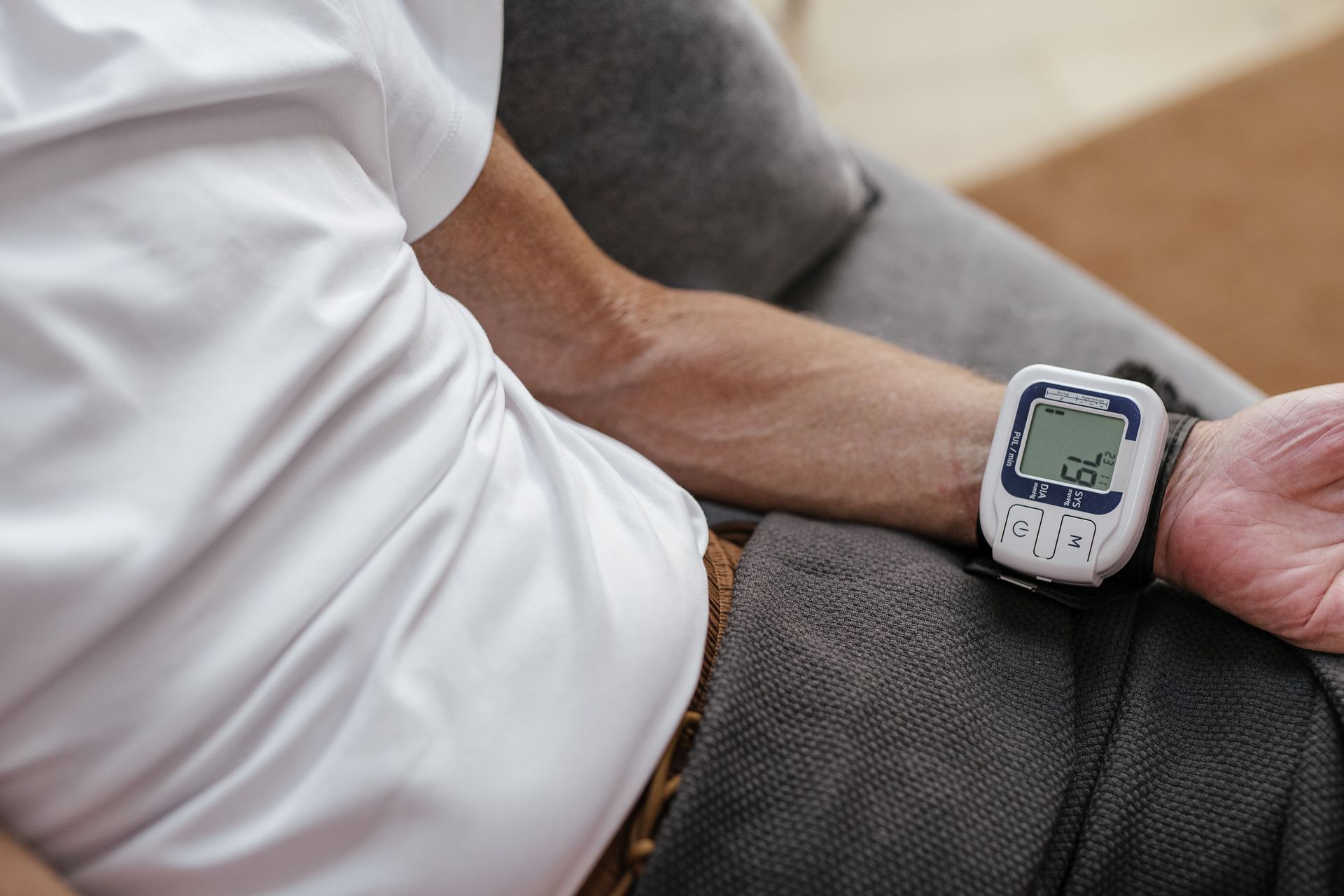
Blood pressure drops to its healthiest levels of the day during deep sleep, a pattern researchers call nocturnal dipping. In people with normal cardiovascular function, blood pressure typically falls by 10 to 20 percent overnight compared with daytime readings.
This dip gives the heart and blood vessels a period of reduced strain each day. Cardiologists use the size of this drop as a diagnostic signal. People classified as non-dippers, whose blood pressure fails to fall significantly at night, face a higher long-term risk of cardiovascular events, including heart attack and stroke, even when their daytime blood pressure readings look normal. Sleep fragmentation and short sleep duration are both associated with a blunted nocturnal dip, which is part of why sleep quality gets increasing attention in cardiology clinics rather than being treated as a separate lifestyle issue.
The mechanism involves the autonomic nervous system shifting from its daytime, sympathetic-dominant state into a parasympathetic-dominant state during sleep. This shift slows heart rate, relaxes blood vessel walls and reduces the release of stress hormones like cortisol and norepinephrine, all of which contribute to the overnight drop in pressure. Consistent, uninterrupted sleep supports this shift; sleep that is repeatedly interrupted, including sleep disrupted by conditions like obstructive sleep apnea, prevents the nervous system from settling fully into its nighttime pattern.
Over months and years, the cumulative effect of a healthy nocturnal dip appears to reduce wear on artery walls and lower the workload on the heart. This is one reason sleep specialists increasingly screen patients with hard-to-control high blood pressure for sleep disorders before adjusting medication, since correcting sleep can sometimes address the underlying pattern medication alone does not fix. Home blood pressure monitors that track overnight readings have made this pattern easier to spot outside a sleep lab, giving patients and physicians a clearer picture of whether nighttime blood pressure is actually falling the way it should.
Insulin sensitivity improves
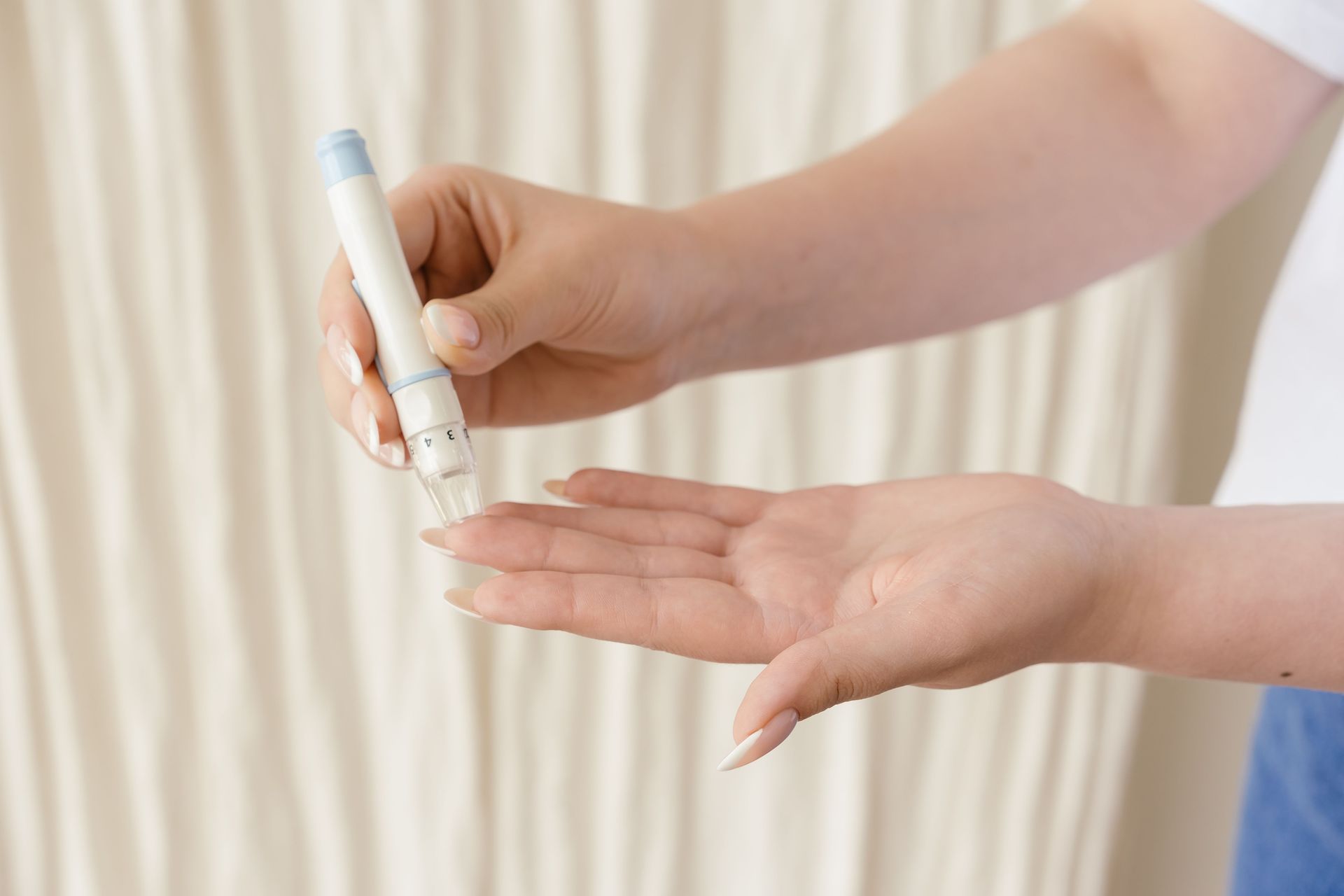
Enough sleep improves insulin sensitivity, meaning the body's cells respond more efficiently to insulin and clear glucose from the bloodstream at a healthier rate. Research led by endocrinologist Eve Van Cauter at the University of Chicago has shown this effect clearly: after just one week of restricting healthy young adults to four hours of sleep a night, their insulin sensitivity dropped to levels typically seen in people with early type 2 diabetes.
The mechanism runs through several overlapping pathways. Short sleep raises evening cortisol levels, and elevated cortisol makes cells less responsive to insulin. Short sleep also increases activity in the sympathetic nervous system overnight, which interferes with how effectively the pancreas releases insulin in response to rising blood sugar. On top of that, sleep loss increases levels of free fatty acids in the blood, and elevated free fatty acids are independently linked to reduced insulin sensitivity in muscle and liver tissue.
Recovery sleep reverses much of this fairly quickly. Volunteers in follow-up studies who returned to seven to eight hours of sleep after a period of restriction saw insulin sensitivity measurably improve within days, though full recovery to baseline levels can take longer depending on how prolonged the sleep debt was.
This matters beyond individual metabolic health. Population studies have consistently linked chronic short sleep, generally defined as six hours or less on a regular basis, with a higher long-term risk of developing type 2 diabetes, independent of body weight and diet. Sleep duration is now recognized as a modifiable risk factor for metabolic disease alongside diet and physical activity, which is part of why some diabetes prevention programs have started incorporating sleep counseling directly into their guidance rather than treating it as a side note. Even people who already eat well and exercise regularly can see impaired glucose metabolism from short sleep alone, which suggests sleep operates as its own independent lever rather than simply reinforcing the effects of diet.
Ghrelin and leptin rebalance to curb overeating

Credit: Canva Images
Adequate sleep rebalances ghrelin and leptin, the two hormones that regulate hunger and fullness, which helps curb the kind of overeating linked to sleep deprivation. Ghrelin, produced mainly in the stomach, signals hunger to the brain. Leptin, produced by fat tissue, signals fullness. When sleep is cut short, ghrelin rises and leptin falls, a combination that pushes a person toward eating more than they otherwise would.
A study led by Eve Van Cauter and colleagues, published in 2004, restricted healthy volunteers to four hours of sleep for two nights and measured a rise in ghrelin alongside a drop in leptin, matched by self-reported increases in hunger and appetite, particularly for calorie-dense foods high in carbohydrates. Follow-up research using brain imaging found that sleep-deprived volunteers showed heightened activity in reward-related brain regions when shown pictures of food, alongside reduced activity in areas associated with impulse control.
This combination helps explain a pattern seen repeatedly in sleep and nutrition research: people who are sleep deprived tend not just to eat more but to specifically crave higher-calorie, higher-carbohydrate foods rather than simply eating slightly more of whatever they would normally choose. The shift in hunger hormones is not something most people notice consciously. It operates below the level of willpower, which is part of why diet advice alone often falls short for people who are chronically underslept.
Restoring consistent, adequate sleep allows ghrelin and leptin to return to their normal daily rhythm within a matter of days in most people. Because these hormones respond fairly quickly to a change in sleep habits, sleep is now considered a legitimate part of weight management guidance rather than a separate issue from diet and exercise. Some weight management programs have started screening new patients for sleep duration and sleep disorders such as sleep apnea before finalizing a nutrition plan, on the theory that unaddressed sleep debt can undercut even a well-designed diet.
Growth hormone release peaks during deep sleep

Credit: Ketut Subiyanto / Pexels
Growth hormone release peaks during deep, slow-wave sleep, the stage that dominates the first third of the night. This single pulse accounts for a large share of the total growth hormone the body releases across a full 24-hour period, which is why this stage of sleep is closely tied to physical repair and recovery.
Growth hormone stimulates protein synthesis, supports the repair of muscle tissue broken down during exercise, and helps regulate fat metabolism. Athletes and coaches pay close attention to this pulse because it plays a direct role in recovery between training sessions. Studies on sleep-restricted athletes have found measurable declines in strength and endurance performance within days, a pattern researchers partly attribute to reduced growth hormone release when slow-wave sleep is cut short or interrupted.
The pulse is tightly tied to sleep stage rather than simply to time of day. Even when researchers keep volunteers awake at night but let them nap during the day, growth hormone release still concentrates around the periods when volunteers reach slow-wave sleep, rather than following a fixed clock-based schedule. This is part of why sleep quality, and specifically the amount of time spent in deep sleep, matters as much as total hours logged in bed.
Age changes this picture. Slow-wave sleep, and the growth hormone pulse tied to it, naturally declines starting in early adulthood and continues to shrink through middle age, which is one reason recovery from intense exercise tends to take longer as people get older. Maintaining consistent sleep habits, avoiding alcohol close to bedtime, which suppresses slow-wave sleep, and keeping a stable sleep schedule can all help preserve as much of this deep sleep stage as possible. Sleep clinics that track sleep architecture, the pattern of stages across a full night, sometimes flag reduced slow-wave sleep as a contributing factor for patients reporting slower recovery from exercise or injury, even when total sleep duration looks unremarkable.
Cortisol settles into a healthier daily rhythm

Credit: Erik Schereder / Pexels
Cortisol settles into a healthier daily rhythm when sleep is consistent, falling to its lowest point shortly after sleep onset and rising sharply in the 30 to 45 minutes after waking, a pattern researchers call the cortisol awakening response. This rhythm helps regulate energy, alertness and inflammation throughout the day.
Cortisol is often described only as a stress hormone, but its daily rhythm is just as important as its response to acute stress. In people with regular, adequate sleep, cortisol drops to its lowest level around bedtime, which supports the transition into deep sleep, then rises predictably before waking to help mobilize energy for the day ahead. Chronic sleep restriction disrupts this pattern. Studies have found that people who sleep poorly over extended periods show flatter cortisol curves, with less of a drop at night and a blunted rise in the morning, a pattern also seen in people with chronic stress and certain mood disorders.
A flattened cortisol rhythm has been linked in research to a range of downstream effects, including impaired glucose regulation, since cortisol influences blood sugar, and increased abdominal fat storage, since cortisol affects where the body stores fat. It has also been associated with reduced immune function over time, since cortisol at the wrong levels or wrong times interferes with normal immune signaling.
Because cortisol's rhythm is so closely tied to the sleep-wake cycle, one of the more reliable ways to support a healthy pattern is to keep sleep and wake times consistent, including on weekends. Irregular sleep schedules, even when total sleep duration looks adequate, have been shown to disrupt this rhythm nearly as much as short sleep does, which is part of why sleep specialists emphasize consistency alongside duration. Shift workers, whose schedules force a mismatch between sleep timing and the body's internal clock, are a commonly studied group for this reason, since many show a flattened cortisol pattern even when they manage to log a full night of sleep during the day.
The amygdala calms its reaction to stress

Credit: Oluremi Adebayo / Pexels
Getting enough sleep reduces the amygdala's reactivity to stress, helping the brain respond to daily frustrations and setbacks with more proportion and less immediate alarm. The amygdala is the brain region primarily responsible for detecting threats and generating fear and anxiety responses.
Research led by sleep scientist Matthew Walker at the University of California, Berkeley, used brain imaging to compare sleep-deprived volunteers with well-rested volunteers as both groups viewed a series of increasingly disturbing images. In the sleep-deprived group, the amygdala showed roughly 60 percent greater activation than in the well-rested group. The connection between the amygdala and the prefrontal cortex, the brain region that normally helps regulate and contextualize emotional reactions, was also measurably weaker in the sleep-deprived volunteers. That weaker connection meant the amygdala was, in effect, less supervised.
REM sleep appears to play a particular role in recalibrating this system overnight. During REM sleep, the brain reprocesses emotionally charged memories from the day in an environment with lower levels of norepinephrine, a stress-related neurochemical, than during waking hours. Some sleep researchers describe this as a kind of overnight therapy session, in which the emotional intensity attached to a memory is gradually stripped away even as the memory itself, and the useful information within it, is retained.
The practical effect shows up in everyday behavior. People who are underslept tend to react more intensely to minor irritations, misread neutral facial expressions as more negative than they are, and have a harder time regulating frustration. None of this reflects a change in character. It reflects a temporary shift in how the brain's threat-detection system is calibrated, one that a return to consistent sleep can help correct. Therapists who treat anxiety sometimes ask about sleep habits early in treatment for this reason, since a heightened amygdala response driven by poor sleep can mimic or intensify symptoms that might otherwise be attributed purely to an anxiety disorder.
Reaction time and alertness sharpen

Credit: Rahib Hamidov / Pexels
Reaction time and alertness sharpen measurably once sleep duration returns to a healthy range, an effect researchers can quantify using standardized tests like the psychomotor vigilance task, which measures how quickly a person responds to a simple visual cue.
Psychomotor vigilance task research conducted by sleep scientist David Dinges at the University of Pennsylvania found that losing even two hours of sleep a night for a week produced reaction time slowdowns comparable to those seen after a single night of total sleep deprivation. The effect compounds with each additional night of insufficient sleep, and unlike subjective sleepiness, which people sometimes adapt to psychologically, objective reaction time continues to decline even when a chronically underslept person no longer feels dramatically tired.
This has direct safety implications. The National Highway Traffic Safety Administration has linked drowsy driving to tens of thousands of police-reported crashes each year in the U.S., and reaction times after 18 hours awake are comparable to those associated with a blood alcohol concentration around the legal driving limit in most states. Shift workers and people recovering from jet lag show the same pattern of slower response times and more errors on tasks that require sustained attention.
Restoring adequate sleep reverses these declines within a single night of recovery sleep for occasional short-term deprivation, though people carrying a longer-term sleep debt typically need more than one good night to fully catch up. Alertness also depends on sleep timing, not just duration. Sleep that is misaligned with a person's natural circadian rhythm, such as sleeping during the day after a night shift, tends to produce worse next-day alertness than the same number of hours slept at night, since the body's internal clock continues pushing for wakefulness even while a person is trying to rest. This is one reason sleep researchers distinguish between total sleep time and sleep timing when assessing alertness, since two people who sleep the same number of hours can show very different next-day performance depending on when those hours occurred.
Skin barrier repair speeds up

Credit: cottonbro studio / Pexels
The skin's barrier repair process speeds up during sleep, which is why dermatologists routinely describe overnight hours as the skin's primary window for recovery from daily exposure to sun, pollution and friction. Skin cell turnover, the process by which new cells replace older ones at the surface, runs on its own roughly 24-hour cycle, with peak proliferation typically occurring at night.
A study published in Clinical and Experimental Dermatology by researchers at University Hospitals Case Medical Center compared skin barrier recovery in women classified as good sleepers against those classified as poor sleepers, using a controlled skin-stripping test that removes part of the outer skin layer and then tracks how quickly it repairs. Poor sleepers showed slower barrier recovery and higher signs of premature skin aging, including fine lines and reduced elasticity, compared with good sleepers of similar age.
Blood flow to the skin also increases during sleep, delivering more oxygen and nutrients to support this repair work. At the same time, cortisol levels fall overnight in well-rested people, and lower cortisol supports collagen production, since elevated cortisol is known to break down collagen, the structural protein responsible for skin firmness.
Growth hormone, which peaks during deep sleep and plays a role elsewhere in this list for muscle repair, also supports skin cell regeneration and collagen synthesis. The combined effect of increased blood flow, lower cortisol and higher growth hormone release helps explain why consistently short or poor-quality sleep shows up on the skin over time, not just in how a person feels the next day. Dermatologists increasingly ask about sleep habits during consultations for premature aging or slow-healing skin issues, treating sleep as a relevant clinical factor rather than a cosmetic aside. Some skincare regimens now time active ingredients like retinoids for nighttime use specifically to work alongside this natural repair window, rather than simply following convention about when a product should be applied.
Under-eye puffiness and dark circles fade
Credit: Canva Images
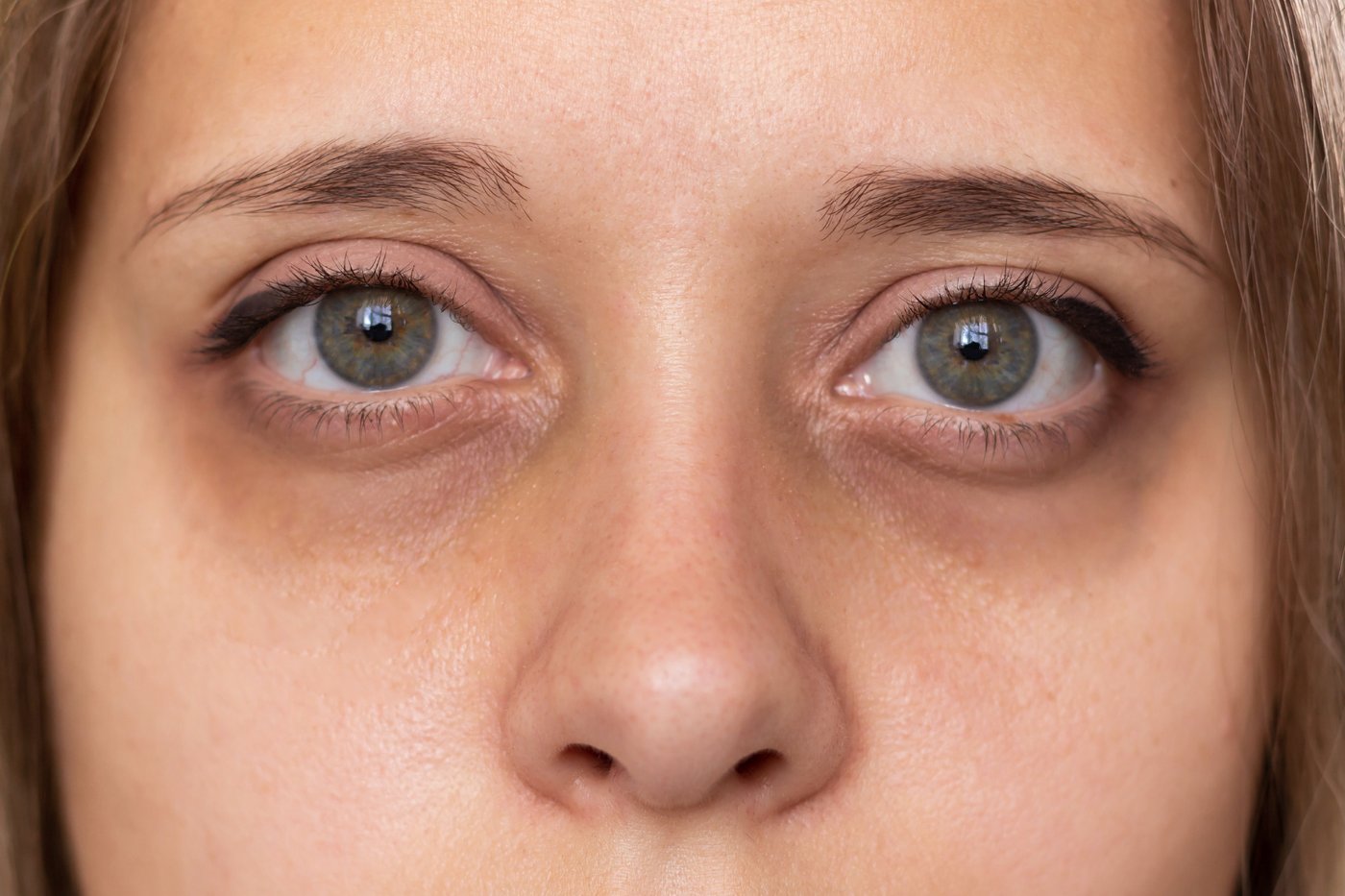
Under-eye puffiness and dark circles fade with consistent, adequate sleep, largely because sleep supports better fluid regulation and blood flow around the eyes. The skin under the eyes is thinner than skin elsewhere on the face, which makes both fluid buildup and visible blood vessels more noticeable there than in other areas.
Poor or insufficient sleep can lead to fluid retention around the eyes overnight, partly because lying down for extended, disrupted periods allows fluid to pool in the loose tissue beneath the eyes rather than draining normally. Sleep also affects circulation. When sleep is restricted, blood vessels under the thin under-eye skin can dilate and become more visible, contributing to the darker appearance people describe as under-eye circles. Reduced oxygen delivery to the skin during poor sleep can compound this, since less-oxygenated blood tends to appear darker under the skin's surface.
Sleep position plays a role as well. Sleeping flat, without any elevation, gives fluid more opportunity to settle around the eyes overnight, which is part of why people sometimes notice more puffiness after a night of poor sleep even if total sleep duration was not dramatically short. Elevating the head slightly during sleep is a common recommendation for this reason, independent of overall sleep quality.
While genetics and thinning skin with age both influence how prominent under-eye circles and puffiness become for a given person, consistent sleep addresses the piece of the picture that is actually modifiable day to day. Improvement is not always immediate. People recovering from a period of chronic short sleep often see gradual rather than overnight change in this area, since fluid regulation and circulation adjust over a series of nights rather than reversing after a single good one. Cold compresses and caffeine-based eye creams can temporarily narrow blood vessels and reduce visible puffiness, but dermatologists generally describe these as short-term cosmetic fixes rather than a substitute for addressing the underlying sleep pattern.
Heart rate variability improves
Credit: ahmed akeri / Pexels
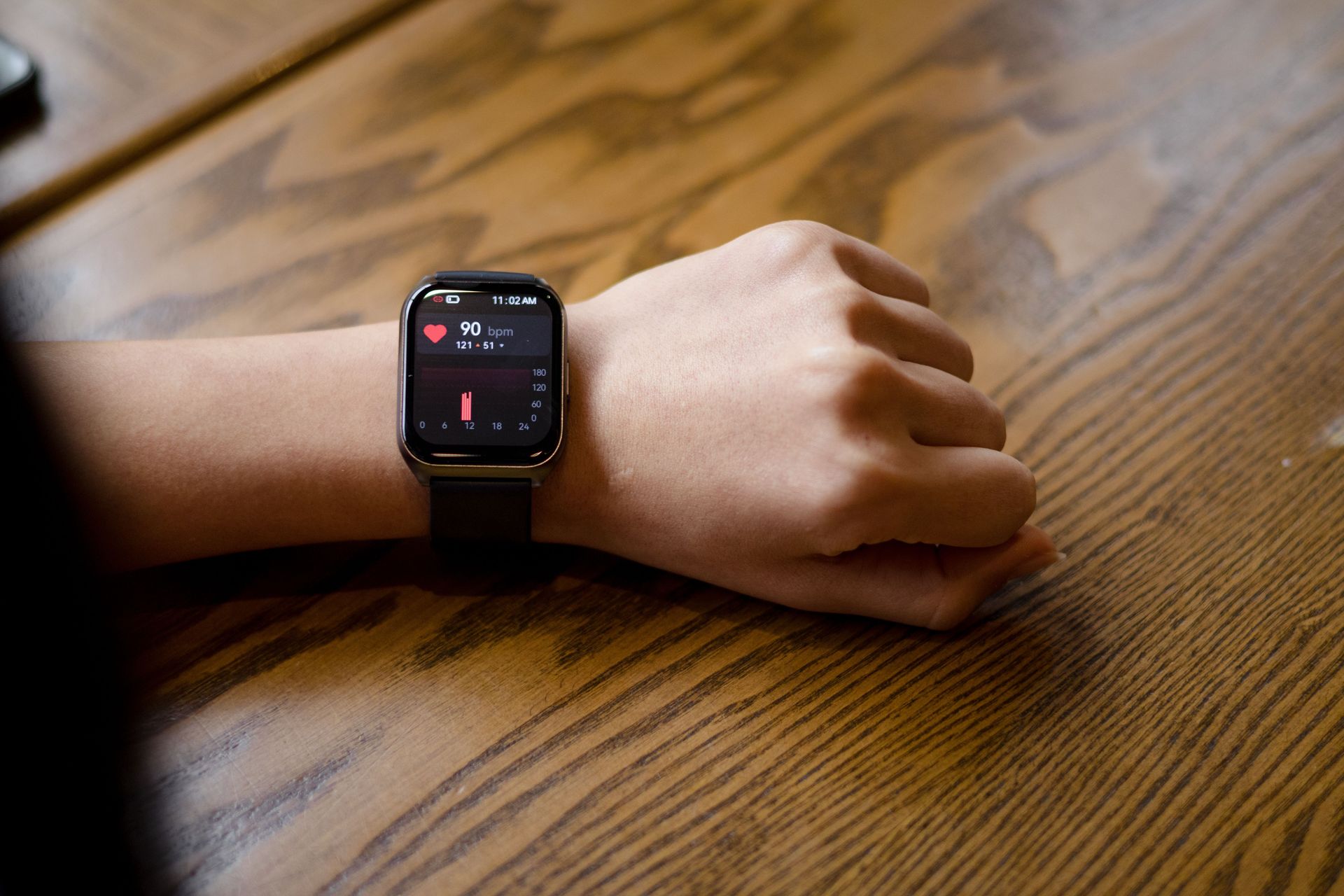
Heart rate variability improves with consistent, adequate sleep, a shift that reflects a healthier balance between the two branches of the autonomic nervous system. Heart rate variability measures the small variations in time between consecutive heartbeats, and, despite the name, higher variability is generally a sign of good cardiovascular and nervous system health.
Sleep, particularly deep non-REM sleep, is associated with increased parasympathetic activity, the branch of the nervous system responsible for rest and recovery, and this shows up directly as higher heart rate variability during those sleep stages. Sleep restriction and fragmented sleep push the balance the other way, toward greater sympathetic activity, the fight-or-flight branch, which lowers heart rate variability both during sleep and into the following day.
Researchers use heart rate variability as a practical, noninvasive marker of recovery and stress resilience, which is why it has become a common metric in consumer wearable devices marketed to athletes. Studies on sleep-restricted volunteers have consistently found reduced heart rate variability compared with well-rested control periods, even when total heart rate itself does not change dramatically. This matters because heart rate variability is not just a fitness statistic. Lower heart rate variability over the long term has been associated in population studies with higher risk of cardiovascular events.
Sleep quality affects heart rate variability more than sleep duration alone. Fragmented sleep, including the kind caused by frequent awakenings from conditions like sleep apnea, can suppress heart rate variability even when a person spends a full eight hours in bed. This is one reason cardiologists increasingly view sleep quality, not just quantity, as a relevant factor when assessing a patient's cardiovascular risk profile. Wearable devices that track overnight heart rate variability have made this metric visible to everyday users, though clinicians caution that a single night's reading matters far less than the overall trend across several weeks of consistent sleep habits.
Pain sensitivity decreases

Credit: Kindel Media / Pexels
Pain sensitivity decreases when sleep is adequate, since sleep loss has been shown to directly lower the body's pain threshold, making ordinary aches and existing pain conditions feel more intense than they otherwise would. Researchers describe this as hyperalgesia, an increased sensitivity to painful stimuli.
A study led by Adam Krause and Matthew Walker at the University of California, Berkeley, found that a single night of sleep deprivation amplified pain-related activity in the somatosensory cortex, the brain region that processes physical sensation, while dampening activity in brain regions involved in pain relief and pain regulation, including parts of the striatum and insula. In practical terms, sleep-deprived volunteers in the study rated the same level of applied heat as more painful than they did after a full night of sleep.
This relationship runs in both directions. Chronic pain conditions often disrupt sleep, and disrupted sleep in turn amplifies pain sensitivity, creating a cycle that pain specialists now treat as a combined problem rather than two separate issues. Clinical studies on patients with conditions like fibromyalgia and chronic back pain have found that improving sleep, sometimes through cognitive behavioral therapy for insomnia, can reduce reported pain intensity even without any direct change to pain medication.
The effect is not limited to people with diagnosed pain conditions. Everyday aches, tension headaches and general physical discomfort tend to register as more bothersome after a poor night of sleep, independent of whether the underlying physical cause has changed at all. This is part of why sleep is now recommended as a first-line consideration in some pain management guidelines, alongside physical therapy and medication, rather than treated as unrelated to how much pain a person reports feeling. Post-surgical recovery units have also started paying closer attention to patient sleep for this reason, since better sleep during recovery has been associated with lower reported pain levels and, in some studies, reduced use of opioid pain medication during a hospital stay.
Risk of depression and anxiety drops

Credit: Liz Sanchez-Vegas / Unsplash
The risk of depression and anxiety drops with consistent, adequate sleep, reflecting a relationship researchers now describe as bidirectional rather than one condition simply causing the other. Poor sleep is both a symptom of mood disorders and, separately, a risk factor that can help trigger them in people who did not previously have one.
A widely cited meta-analysis led by Chiara Baglioni, published in 2011, reviewed longitudinal studies and found that people with insomnia at the start of a study had roughly double the risk of later developing depression compared with people who slept well, even after accounting for other risk factors. Sleep disruption affects several of the same brain systems implicated in mood regulation, including the amygdala's stress response, described elsewhere in this list, and serotonin and dopamine signaling, both of which play central roles in mood and motivation.
This connection has led to a meaningful shift in clinical treatment. Cognitive behavioral therapy for insomnia, a structured, short-term treatment that addresses sleep habits and sleep-related thought patterns directly, has been shown in clinical trials to reduce depressive symptoms even in patients who did not receive separate treatment targeting mood directly. Some sleep clinics now treat insomnia as a standalone priority in patients with co-occurring depression or anxiety, rather than assuming mood treatment alone will resolve the sleep problem.
None of this means sleep alone prevents or treats clinical depression or anxiety disorders, both of which have multiple contributing causes and generally require professional evaluation. What the research does show clearly is that consistent, adequate sleep removes one significant, modifiable risk factor, and that addressing sleep problems directly can meaningfully improve outcomes for people already managing a mood disorder. Primary care physicians increasingly screen for sleep problems during routine mood-related visits, on the basis that treating a sleep issue is often more straightforward and faster than adjusting medication, and can sometimes reduce how much medication adjustment is needed in the first place.
Athletic performance and coordination improve

Credit: Pexels User / Pexels
Athletic performance and coordination improve once sleep returns to a healthy range, an effect documented across a range of sports from basketball to swimming to tennis. Sleep affects several of the specific components that make up athletic performance, including reaction time, accuracy, endurance and decision-making under fatigue.
A frequently cited study led by Cheri Mah at Stanford University tracked members of the men's basketball team as they extended their sleep to roughly 10 hours a night for several weeks. Sprint times improved, shooting accuracy from both the free-throw line and three-point range increased, and players reported better mood and less daytime fatigue during practices and games compared with their typical sleep habits before the study. Similar studies on swimmers and tennis players found improvements in reaction time off the blocks and stroke accuracy, respectively, after extending sleep duration.
Part of the effect ties back to growth hormone release and muscle repair, covered elsewhere in this list, which supports faster recovery between training sessions. Part of it ties to reaction time and alertness, since many sports depend on split-second decisions that measurably slow down with insufficient sleep. Coordination in particular depends on fine motor control, which research has shown to decline noticeably after even one night of significant sleep restriction, affecting tasks as specific as hand-eye coordination and balance.
Professional sports organizations have taken notice. Several teams across the National Basketball Association and other major leagues now employ sleep consultants and have adjusted travel schedules specifically to protect players' sleep around game days, treating sleep as a performance variable on par with nutrition and strength training rather than a personal habit left entirely to individual players. College and youth sports programs have started adopting similar practices on a smaller scale, adjusting early morning practice times and travel logistics specifically to protect athletes' sleep windows around competition days.
Vaccine response strengthens
Credit: Jorge López / Pexels
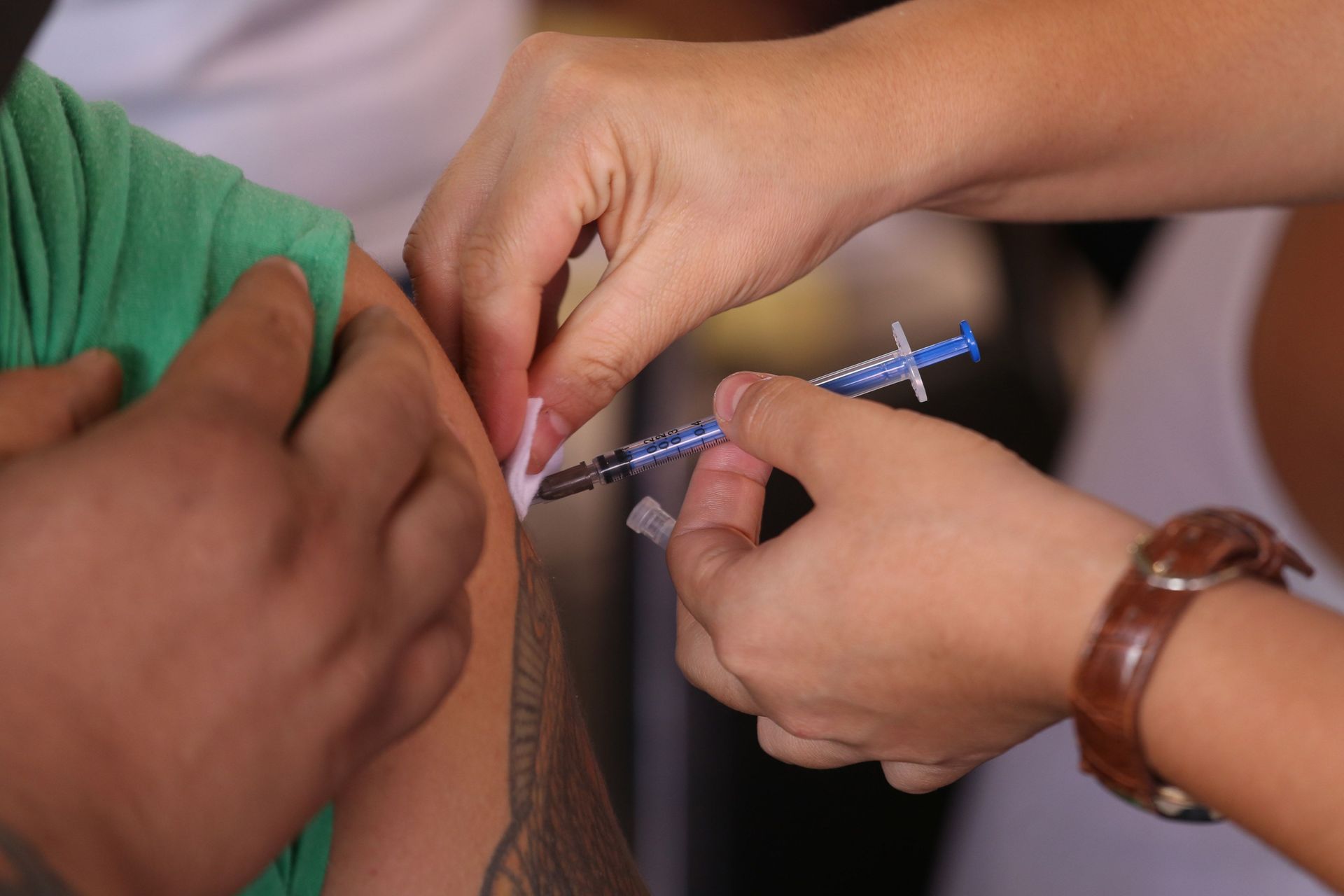
Vaccine response strengthens with adequate sleep in the days surrounding vaccination, meaning the immune system produces a stronger and more durable antibody response when a person is well rested. This effect has been documented across several different vaccines, including those for hepatitis A, hepatitis B and influenza.
A study led by Aric Prather at the University of California, San Francisco, found that people who slept fewer than six hours a night in the week before receiving a hepatitis B vaccine were significantly less likely to develop adequate antibody protection compared with people who slept seven hours or more, even after accounting for factors like age and body weight. Earlier research on the influenza vaccine found a similar pattern: volunteers restricted to four hours of sleep for several nights around the time of vaccination produced roughly half the antibody response of volunteers who slept normally.
The mechanism connects to T cell function and cytokine signaling, both covered earlier in this list in the context of general immune defense. Sleep supports the specific coordination between immune cells needed to build a strong, lasting antibody response, a process that is measurably less efficient when sleep is cut short during the period immediately before and after vaccination.
This research has practical implications beyond individual health choices. Some public health researchers have suggested that sleep guidance could reasonably be included alongside standard vaccination advice, particularly during periods like flu season or mass vaccination campaigns, when maximizing population-level protection matters. For an individual, the takeaway is specific and actionable: prioritizing sleep in the days before and after a vaccine appointment is one of the few modifiable factors shown to directly affect how well that vaccine works. This does not mean a single poor night before an appointment cancels out a vaccine's effectiveness, since the research points to a pattern of short sleep across several days rather than one isolated night as the factor that weakens antibody response.
Decision-making in the prefrontal cortex sharpens

Credit: www.kaboompics.com / Pexels
Decision-making sharpens with adequate sleep because the prefrontal cortex, the brain region responsible for planning, weighing risk and controlling impulses, depends heavily on sleep to function at full capacity. This region is disproportionately affected by sleep loss compared with many other brain areas.
Brain imaging studies have found that sleep-deprived volunteers show reduced activity in the prefrontal cortex during decision-making tasks, alongside weaker connectivity between the prefrontal cortex and the amygdala, a pattern also described earlier in this list in the context of emotional reactivity. That weaker connectivity affects more than mood. It shows up directly in how people evaluate risk, with sleep-deprived volunteers in several studies showing a tendency toward riskier financial decisions and reduced ability to learn from previous mistakes during repeated decision-making tasks.
Sleep deprivation also impairs a specific cognitive function researchers call cognitive flexibility, the ability to adjust a plan or strategy when circumstances change. In practical settings, this shows up as underslept people sticking with an approach that is clearly not working, rather than recognizing the need to switch strategies, a pattern documented in military and aviation research where decision-making under fatigue has direct safety consequences.
Sleep-deprived decision-making does not typically feel impaired from the inside, which is part of what makes it a genuine hazard rather than simply an inconvenience. Studies comparing self-rated confidence with actual task performance have found that sleep-deprived participants often rate their own decisions as sound even as objective accuracy drops, a gap that widens the longer sleep deprivation continues. Restoring consistent sleep restores prefrontal cortex activity and connectivity within a matter of days for most people, according to recovery studies that tracked brain function after a period of sleep restriction ended. Organizations in high-stakes fields, including hospital residency programs and commercial aviation, have used this research to justify limits on consecutive working hours, treating well-rested decision-making as a safety requirement rather than simply a matter of individual performance.
Testosterone and reproductive hormones normalize

Credit: Canva Images
Testosterone and other reproductive hormones return to healthier levels with adequate sleep, since a large share of daily testosterone production in men occurs during sleep, particularly during REM sleep in the second half of the night.
Research led by Eve Van Cauter at the University of Chicago found that restricting healthy young men to five hours of sleep a night for one week reduced daytime testosterone levels by 10 to 15 percent, a decline comparable to aging 10 to 15 years in terms of typical hormone levels. Because testosterone plays a role in muscle mass, mood, energy and libido, this kind of sleep-related drop can produce effects that get mistakenly attributed to aging, stress or diet rather than to inadequate sleep.
The relationship is not limited to men. Sleep also affects the hormones involved in the menstrual cycle, including luteinizing hormone and follicle-stimulating hormone, both of which follow patterns influenced by sleep timing and duration. Sleep disruption has been associated in research with menstrual cycle irregularities and can affect fertility-related hormone patterns in women, which is part of why sleep is increasingly discussed in fertility clinics alongside diet and stress management.
Recovery appears relatively responsive to behavior change. Volunteers in sleep studies who returned to seven to eight hours of nightly sleep after a period of restriction saw testosterone levels begin recovering within days, though full recovery to baseline can take longer depending on how extended the prior sleep debt was. This is one reason some endocrinologists now ask new patients with low testosterone or irregular reproductive hormone levels about sleep habits before pursuing hormone-focused treatment, since a sleep-related cause is both common and directly addressable. This screening step matters because treating a sleep-related hormone dip with hormone therapy alone, without addressing the underlying sleep pattern, can mean ongoing treatment for a problem that consistent sleep might resolve on its own within weeks.
Long-term disease risk drops

Credit: SHVETS production / Pexels
Long-term disease risk drops with consistent, adequate sleep, a pattern that shows up across some of the largest population studies ever conducted on health and lifestyle. Sleep duration is now recognized as an independent risk factor for chronic disease, alongside diet, physical activity and smoking status.
Large cohort studies, including data drawn from the Nurses' Health Study and other long-running population studies, have found that adults who consistently sleep fewer than six hours a night face a higher long-term risk of cardiovascular disease, type 2 diabetes and, in several studies, all-cause mortality, compared with adults who sleep seven to eight hours. These same studies have also found that sleeping significantly more than nine hours a night is associated with elevated risk in some populations, suggesting a U-shaped relationship rather than a simple more-is-better pattern, though researchers note that excessive sleep in these studies is sometimes a marker of underlying illness rather than a direct cause of it.
Several of the mechanisms behind this long-term risk appear throughout this list individually: elevated blood pressure from disrupted nocturnal dipping, reduced insulin sensitivity, chronic low-grade inflammation from impaired immune regulation and disrupted cortisol rhythms. Rather than acting as separate, unrelated problems, these effects compound over years of insufficient sleep, contributing to measurable increases in disease risk that show up clearly at the population level even when any single night of poor sleep seems minor in isolation.
Public health researchers increasingly treat sleep as a modifiable factor worth addressing at the same level as diet and exercise in chronic disease prevention. The American Heart Association added sleep duration to its list of key measures of cardiovascular health in 2022, formally placing it alongside blood pressure, cholesterol and physical activity as a factor worth tracking and improving for long-term health. That decision reflects a broader shift in how the medical field now frames sleep, moving it from an afterthought in health advice to a core, trackable measure of long-term wellbeing.