
15 things most cat owners don't realize their cat is communicating
The slow blink, the exposed belly, the 3am zoomies — cat communication is specific, consistent, and almost entirely misread by the humans who live with them
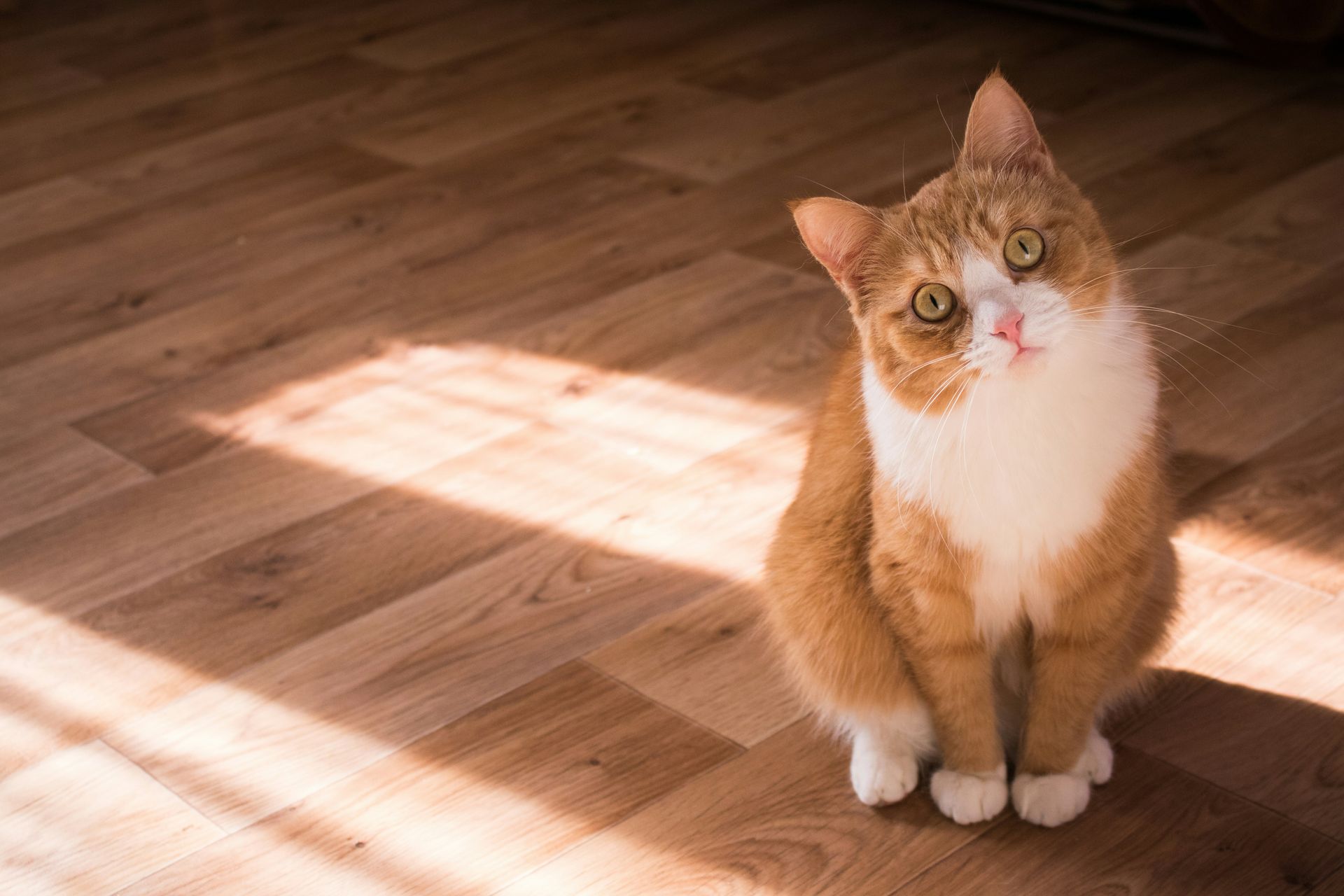
Kristina Yadykina / Unsplash
Cats have a reputation for being inscrutable — for communicating nothing, wanting nothing, and tolerating their owners with aristocratic indifference. This reputation is almost entirely wrong, and it is wrong in a specific and interesting way: cats are not uncommunicative. They are communicating constantly, in a language that most humans have never been taught to read. The slow blink across the room. The specific angle of the tail. The way the cat turns its head away at a particular moment. The chirping sound it makes at the window. These are not random behaviors; they are signals with specific meanings that ethologists and animal behaviorists have documented across decades of research.
The complexity of cat communication is partly a product of their dual nature as both predator and prey animal. As a predator, the cat has evolved a highly developed system for reading environmental signals. As a small prey animal vulnerable to larger predators, it has evolved a tendency to conceal pain, illness, and vulnerability — a tendency that extends into its communication patterns and makes some of its most important signals easy to miss. A cat in significant pain will often continue to purr, eat, and move normally; the signs of its discomfort are subtle, require specific knowledge to read, and are easily misinterpreted as contentment by an owner who does not know what to look for.
The signals in this list fall into several categories: body language (tail position, ear orientation, body posture), facial expression (whisker position, eye state, slow blink), vocalization (the specific sounds cats direct at humans versus at other cats), and behavioral patterns (the 3am activity burst, the kneading, the head-butt). Each category has a vocabulary that is specific, consistent, and learnable. The cat is not being mysterious; it is being a cat, in a communication register that humans have mostly not learned to tune into.
Each entry covers the specific signal, what it means, the common misinterpretation, and what the correct response looks like. Several of these signals have been documented in peer-reviewed animal behavior research; several are drawn from the applied feline behavior literature that informs veterinary and behavioral practice. None requires special equipment or training to observe — only the awareness that the signal is there.
The slow blink
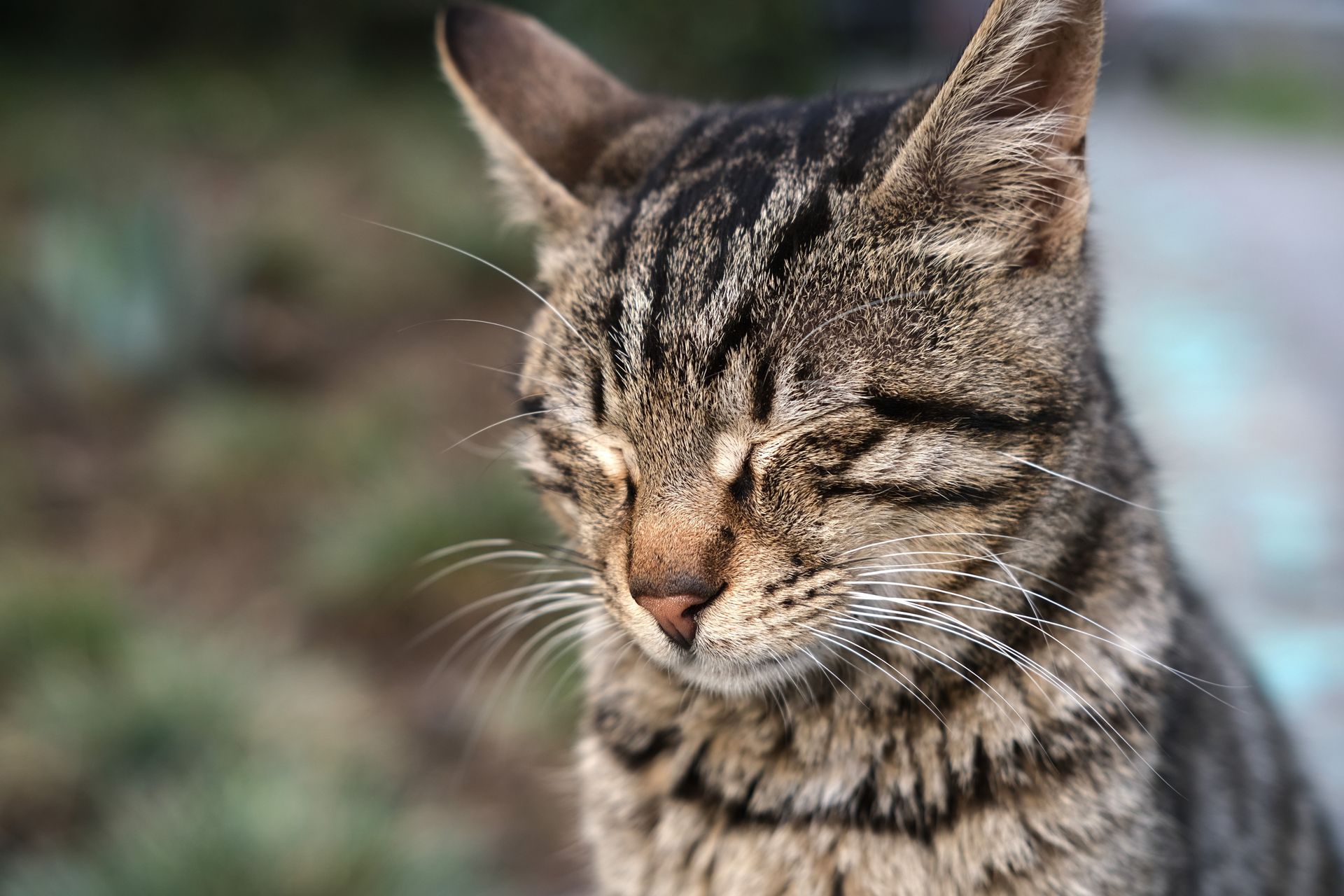
emre varışlı / Pexels
The slow blink — a deliberate, unhurried closing and reopening of both eyes directed at another cat or at a human — is one of the clearest affiliative signals in the feline behavioral repertoire. It is the cat’s way of communicating that it is relaxed, non-threatening, and comfortable in the presence of the person it is looking at. In cat-to-cat communication, the slow blink signals trust: a cat that is willing to close its eyes in another’s presence is communicating that it does not perceive them as a threat.
Research by animal behaviorist Karen McComb and colleagues, published in Scientific Reports in 2020, found that cats responded to human slow blinks with slow blinks of their own at significantly higher rates than in control conditions, and that cats were more likely to approach an unfamiliar human who had slow-blinked at them than one who had not. The finding confirmed experimentally what cat owners and behaviorists had observed anecdotally: the slow blink is a genuine affiliative signal that cats both produce and recognize across the species boundary.
The most common misinterpretation is to overlook the signal entirely — to register it as the cat blinking rather than communicating. The correct response is to slow-blink back: a deliberate, gentle closing and reopening of the eyes directed at the cat. Most cats will respond with another slow blink, initiating the form of non-verbal exchange that veterinary behaviorists sometimes call the “cat kiss.”
Tail position and movement
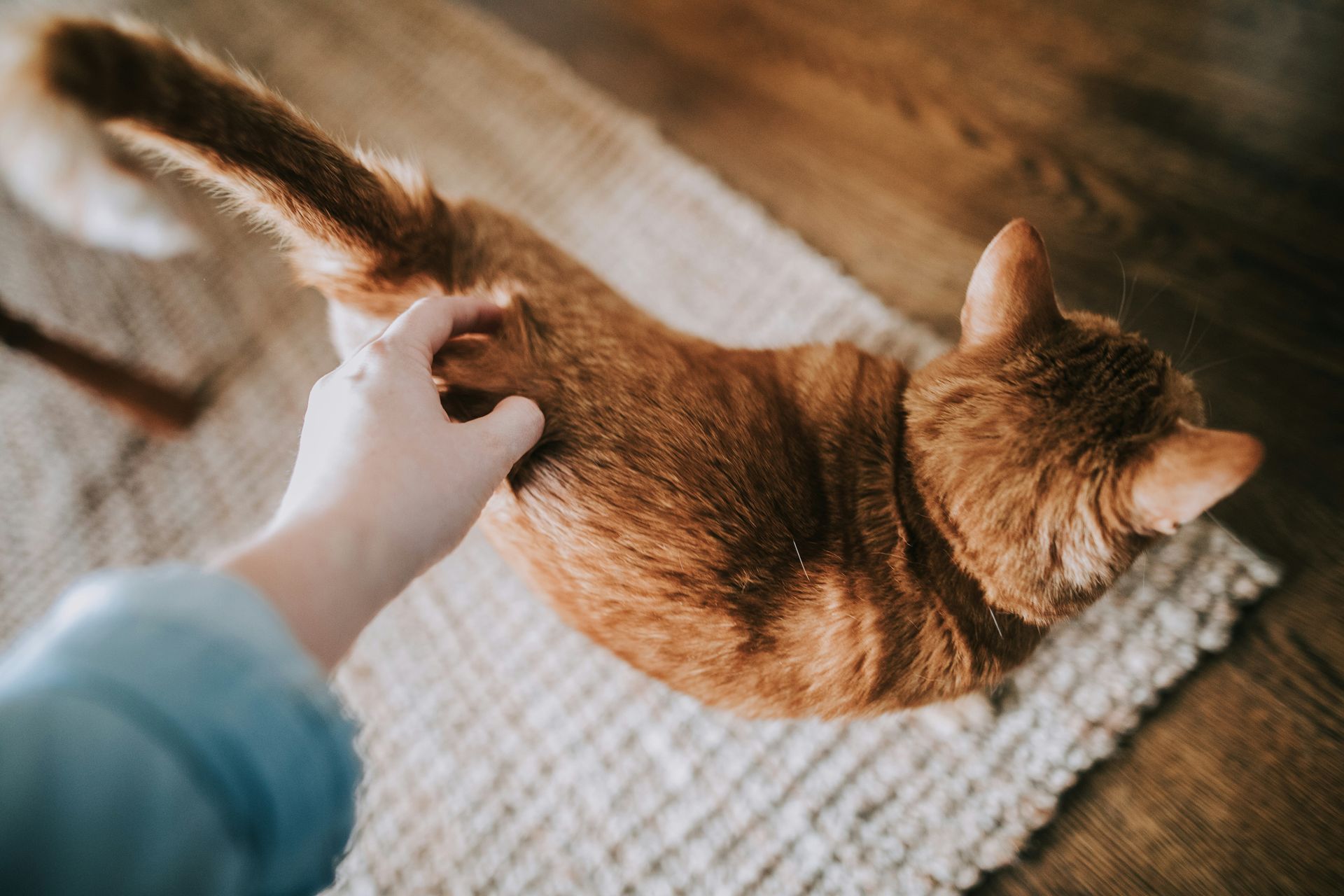
Christin Hume / Unsplash
The cat’s tail is the most expressive element of its body language and communicates most clearly about its emotional state. The tail held vertically upright — pointing straight up as the cat walks toward you — is the clearest possible feline greeting signal, meaning “I am happy to see you and am approaching in a friendly manner.” The tail held low or tucked between the legs signals fear or submission. The tail lashing back and forth in wide, forceful sweeps signals agitation or overstimulation — the cat is communicating that it is becoming uncomfortable and would like the current interaction to stop.
The tail-up greeting has been documented in cat-to-cat communication as a solicitation of social interaction and appears to have been extended to human-cat interactions specifically — wild and feral cats do not typically display the tail-up greeting to humans, suggesting it is a communication adaptation that domestic cats have developed for their relationships with people.
The most common misinterpretation involves the tail lash: many owners interpret vigorous tail movement as excitement (by analogy with dogs, for whom tail wagging is affiliative). In cats, vigorous tail lashing is almost always overstimulation or irritation. Continuing to pet a tail-lashing cat is the most direct path to being scratched or bitten — the cat has been communicating discomfort for some time before the bite arrives.
Exposed belly
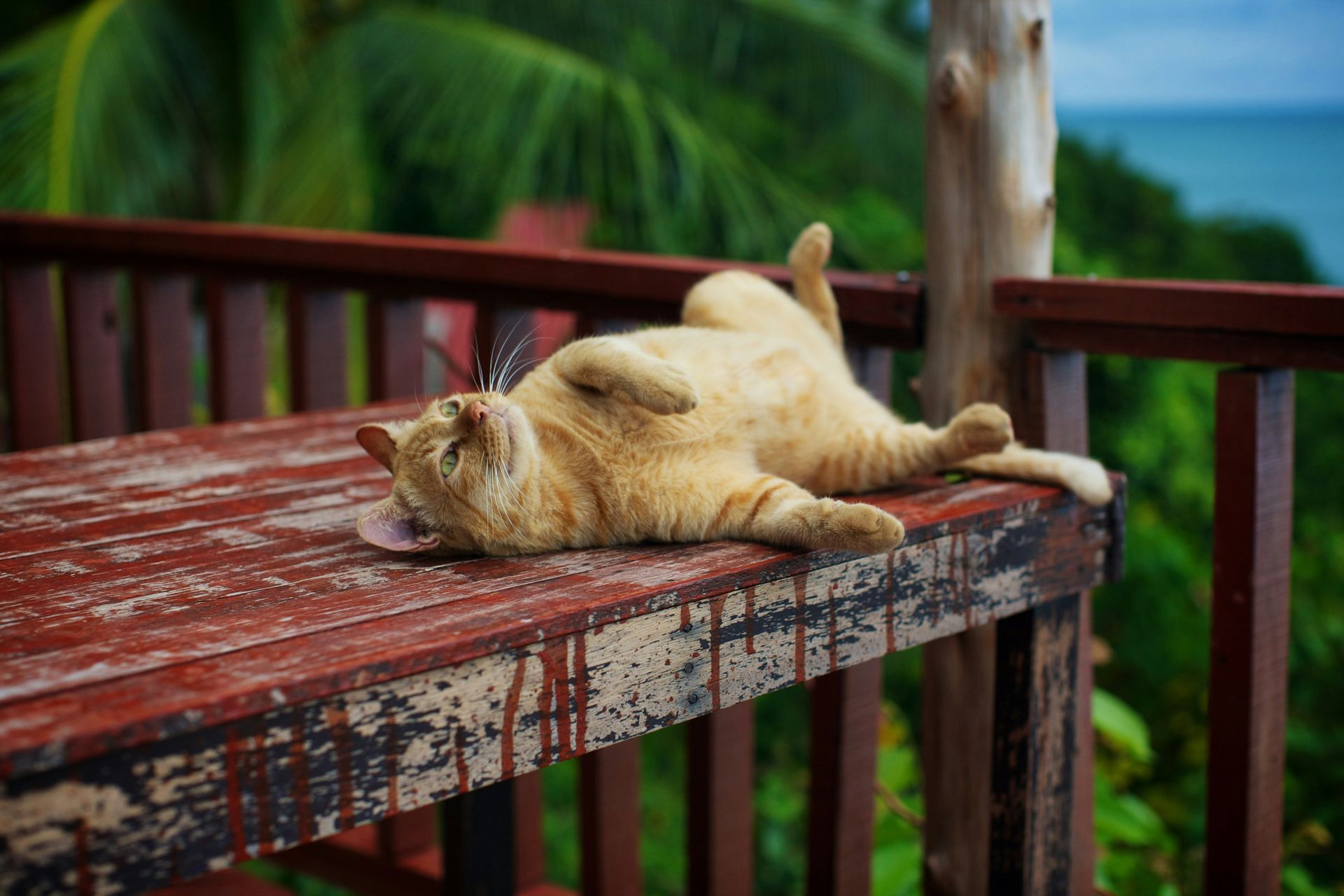
Moritz R / Unsplash
The cat that rolls onto its back and exposes its belly is one of the most reliably misread signals in human-cat interaction. Most humans interpret it as an invitation to pet the belly, by analogy with dogs. For cats, belly exposure is a vulnerability display that signals trust and comfort — but it is not, in most cases, an invitation to touch.
The cat’s belly is its most vulnerable area, containing no skeletal protection and being the primary target of attack in predator encounters. A cat that exposes its belly is communicating that it trusts you enough to show its vulnerability, not that it wants you to reach for it. Most cats who expose their belly and are then belly-rubbed will tolerate one or two strokes before grabbing the hand with their front paws and biting — a response that surprises owners who expected the same reception a dog would give.
The correct interpretation of belly exposure is trust display, not touch invitation. Responding with a slow blink and a gentle approach to the cat’s head — where most cats actively enjoy contact — produces a better interaction than the instinctive reach for the belly.
Head bunting and cheek rubbing
Griffin Wooldridge / Unsplash
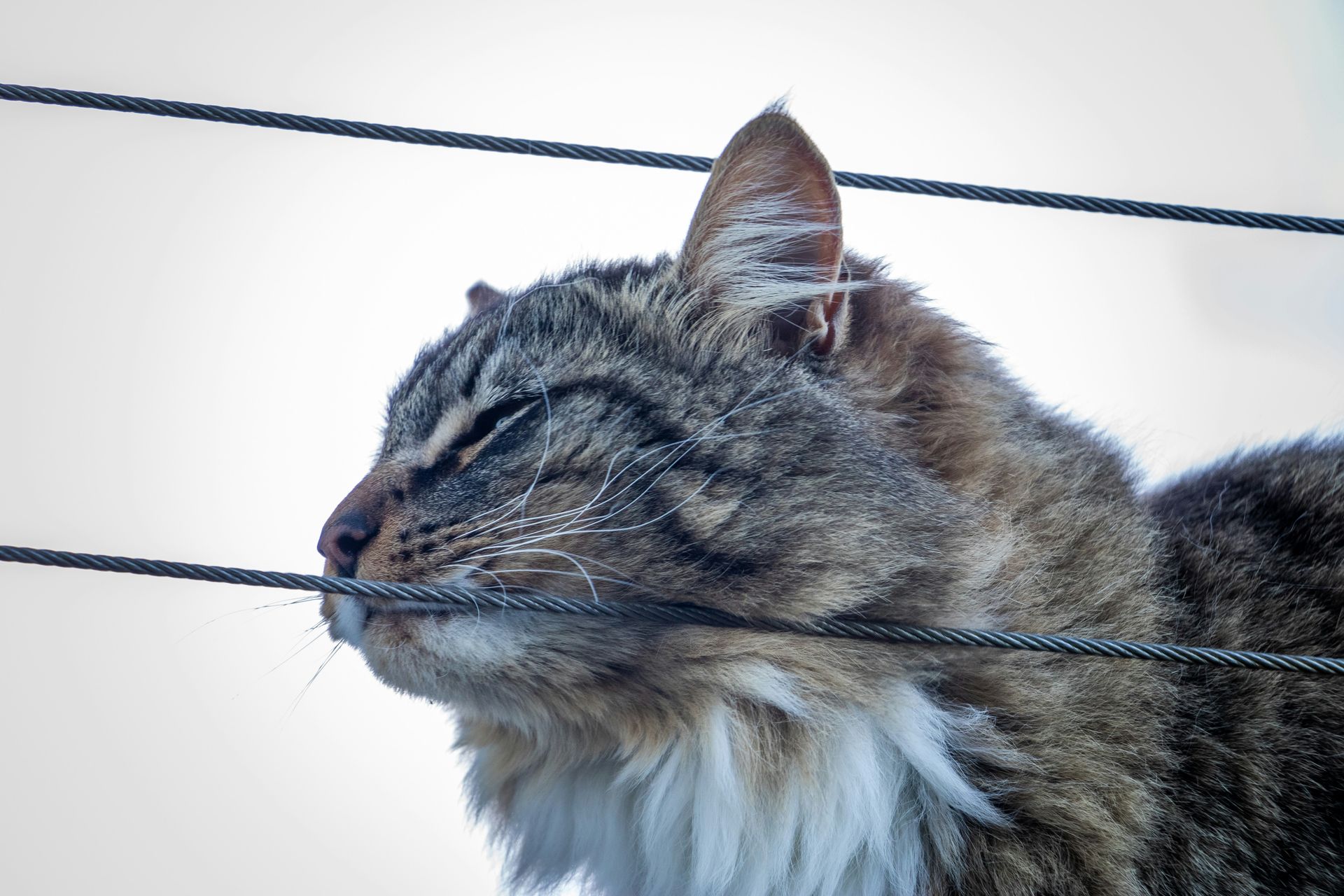
When a cat presses its head against your face or hand — or rubs its cheek along your leg or a piece of furniture — it is depositing scent from its facial glands. Cats have scent glands in the cheeks, chin, forehead, and around the mouth, and these glands produce a secretion used to mark objects and individuals as familiar and safe. The behavior is called head bunting when directed at a person, and both it and cheek rubbing on objects are affiliative: the cat is incorporating you into its scent environment, the olfactory map of its safe territory.
Head bunting directed at a person is one of the clearest signs of feline social bonding. Cats typically head bunt only individuals they are genuinely comfortable with; the behavior is not produced by stress or the transactional desire for food, but by actual social affiliation.
The specific significance of the scent-marking dimension gives the behavior more weight than generic physical affection: the cat is not just touching you; it is actively claiming you as part of its social group in a way that has a specific chemical record in its environment.
Kneading
Cats Coming / Pexels
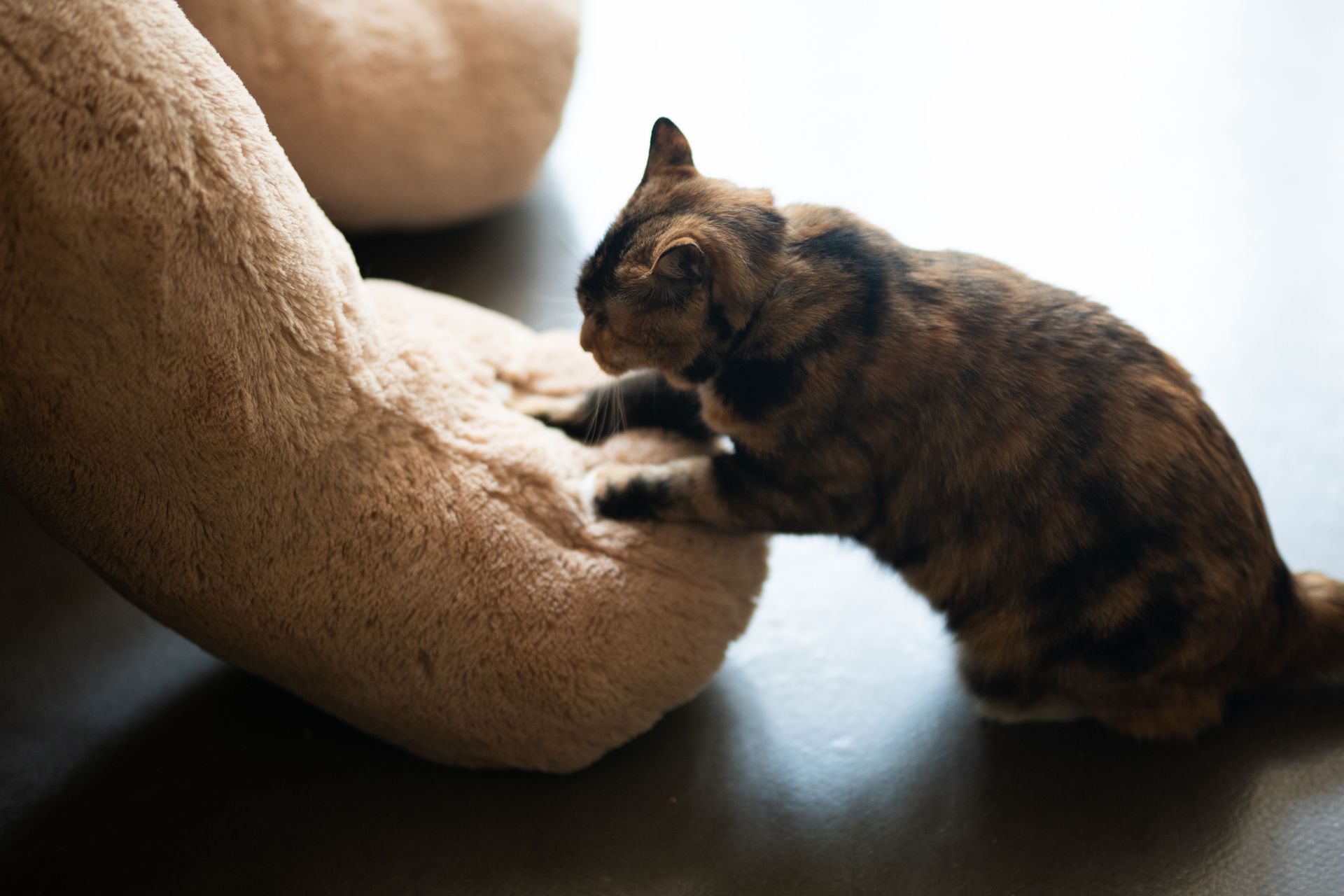
Kneading — the alternating pressing of front paws against a soft surface, often accompanied by purring and a slightly unfocused expression — is a behavior retained from kittenhood. Kittens knead their mother’s mammary area to stimulate milk flow; adult cats knead soft surfaces as a comfort behavior associated with positive emotional states. It is one of the clearest signals of feline contentment and security.
Adult cats that knead their owners — pressing paws rhythmically against a lap or arm — are expressing deep comfort and security in the relationship. The behavior is associated with the highest-trust bonds in a cat’s social world; cats do not typically knead individuals they are uncomfortable with.
The common response is to discourage kneading because of claw discomfort. The correct response, if contact is uncomfortable, is to redirect to a thick blanket rather than stop the behavior — the cat is communicating affection and security, and interrupting it communicates rejection. Keeping nails trimmed reduces discomfort without requiring the behavior to stop.
Chirping and chattering at windows
The chirping or chattering sound that cats produce when watching birds through a window — a rapid, staccato vocalization that sounds like a combination of a chirp and a teeth-clatter — is one of the more unusual cat vocalizations. The leading hypothesis is that it is a frustrated predatory response: the cat can see prey it cannot reach, and the sound expresses that specific tension. An alternative hypothesis is that it mimics prey bird vocalizations as a stalking behavior.
The common misinterpretation is that the cat is “talking to” the birds in a friendly or curious way. The vocalization is almost certainly predatory in context — the cat is not greeting the bird; it is experiencing the specific frustration of visible, inaccessible prey.
The correct owner response is not to shoo the cat away from the window — window bird-watching provides genuine environmental enrichment for indoor cats — but to understand that the chattering signals predatory engagement, not distress.
Bringing prey or prey substitutes
Lionel HESRY / Unsplash
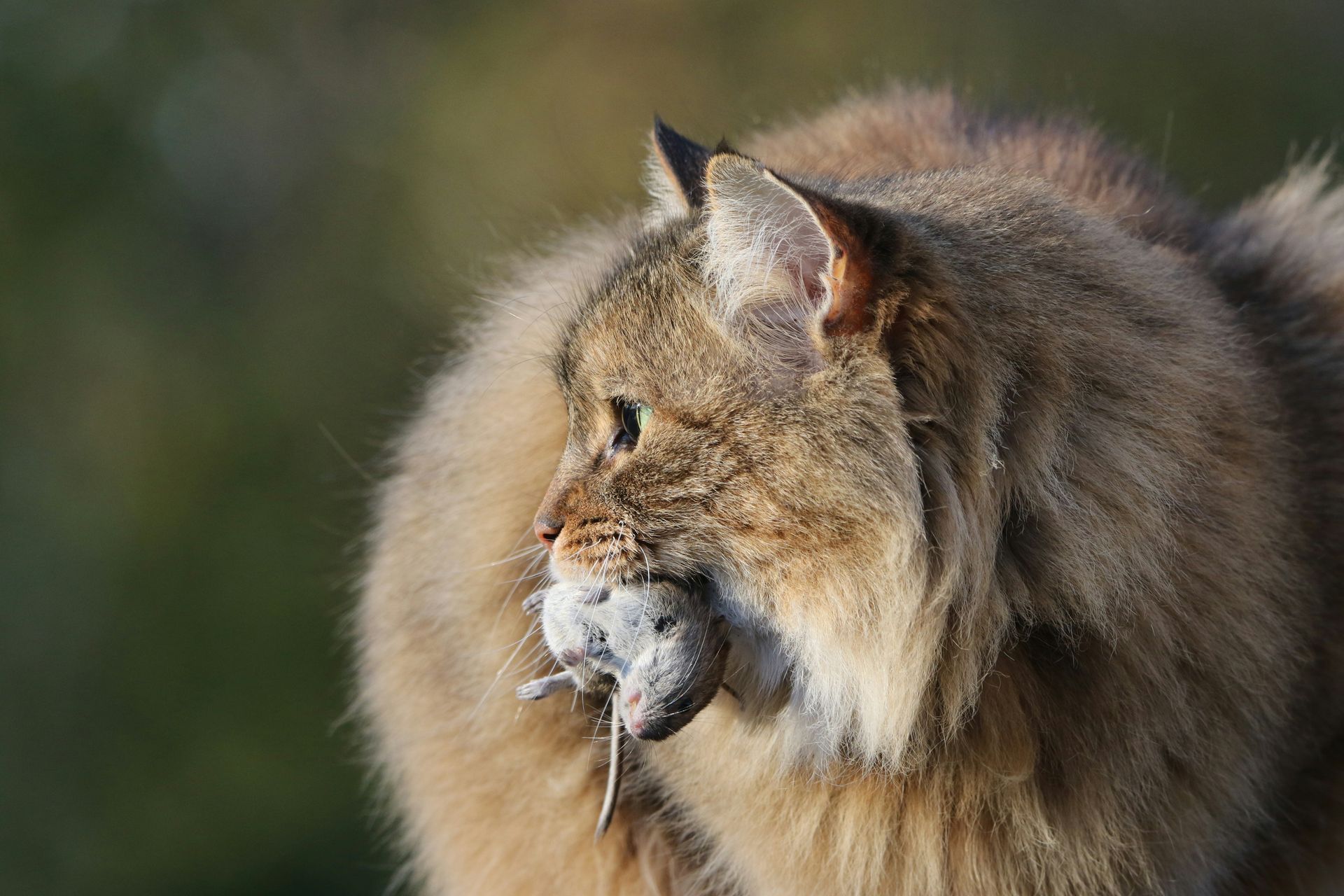
When a cat brings a dead or injured animal to its owner, it is engaging in behavior with roots in the social hunting patterns of wild felids. Mother cats bring prey to their kittens to teach hunting; adult cats in social groups share prey. The domestic cat that brings prey to a human is incorporating the human into its social group — sharing the hunt.
The less pleasant variant for indoor cats is the delivery of prey substitutes: toys, socks, or hair ties carried through the house, often accompanied by specific vocalizations (a muffled call made with the object in the mouth). The cat is performing the same social sharing behavior with whatever is available.
The common misinterpretation is to treat the behavior as either a touching gift (over-reinforcing it) or a gross imposition (punishing it, which confuses the cat whose intent is prosocial). A calm, positive acknowledgment followed by quiet removal of the object is the right register.
Sitting on your belongings
Jeremy Mowery / Unsplash
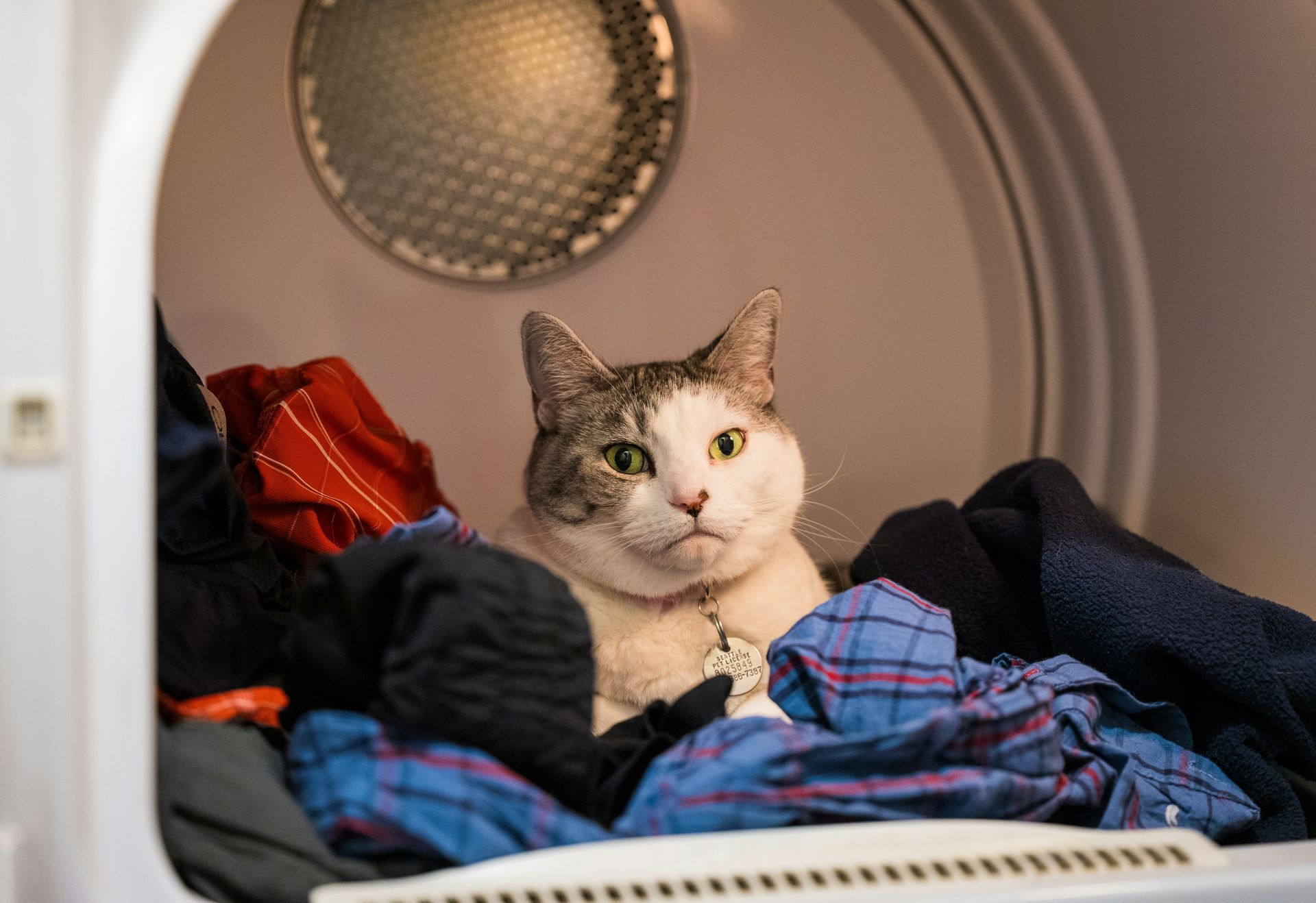
The cat that positions itself on a laptop, a book, or any object currently receiving the owner’s attention is not being obstructive for its own sake — it is seeking attention from an owner whose focus is elsewhere, doing so in the most direct way available: occupying the competing focus. The behavior is an attention bid, and the specific choice of object reflects the cat’s accurate reading of what is receiving the attention it wants.
The behavior is also partly scent-related: objects that carry the owner’s scent are attractive because they represent familiar, affiliative olfactory environments. A laptop used for hours carries significant scent that the cat finds both familiar and comforting, compounding the attention-seeking with comfort-seeking.
The common misinterpretation is dominance or spite. The motivation is simpler: the cat wants attention and has identified the most effective strategy. A brief interaction acknowledging the bid, followed by redirection to a nearby surface, is the appropriate response.
The 3am zoomies
Helena Jankovičová Kováčová / Pexels
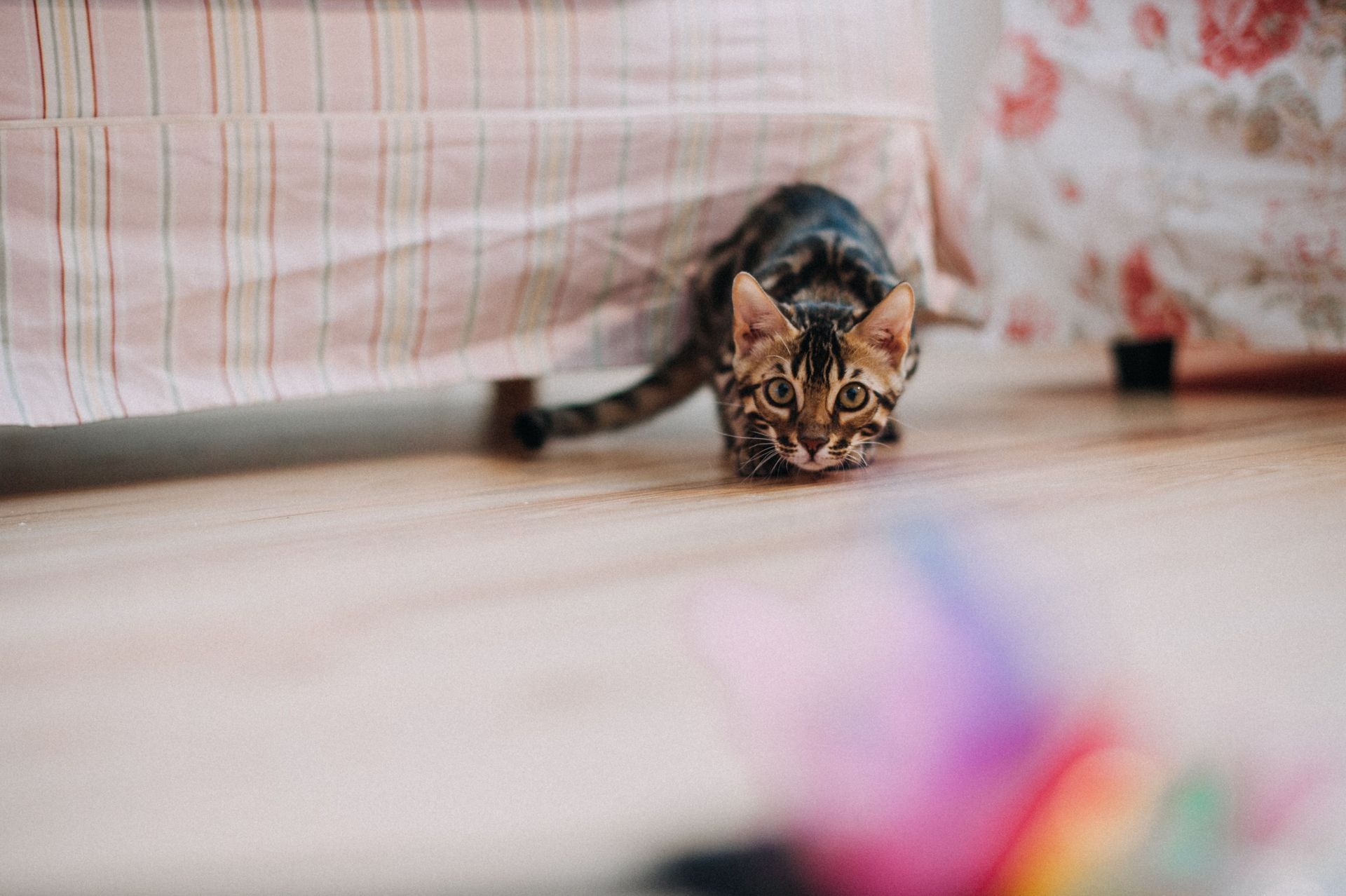
The sudden burst of high-speed activity that cats engage in at night — running at full speed, leaping on and off furniture — is a product of the cat’s crepuscular (dawn and dusk) activity cycle combined with surplus predatory energy that accumulates in indoor cats who have not had sufficient hunting-analog activity during the day. The cat is not malfunctioning; it is discharging energy that has had no outlet.
Wild and outdoor cats discharge this energy through actual hunting — the stalk, chase, pounce, and catch — which occurs primarily at dawn and dusk. Indoor cats lacking this outlet accumulate the same predatory energy and discharge it through explosive nocturnal activity bouts.
The practical solution is predatory play sessions before bedtime: five to ten minutes of active wand toy or chase play that allows the cat to complete the full predatory sequence depletes accumulated hunting energy and consistently reduces nocturnal activity in indoor cats. The 3am zoomies are not the cat communicating disrespect for your sleep; they are communicating that its predatory needs have not been met.
Slow approach with a pause
Marjan Grabowski / Unsplash
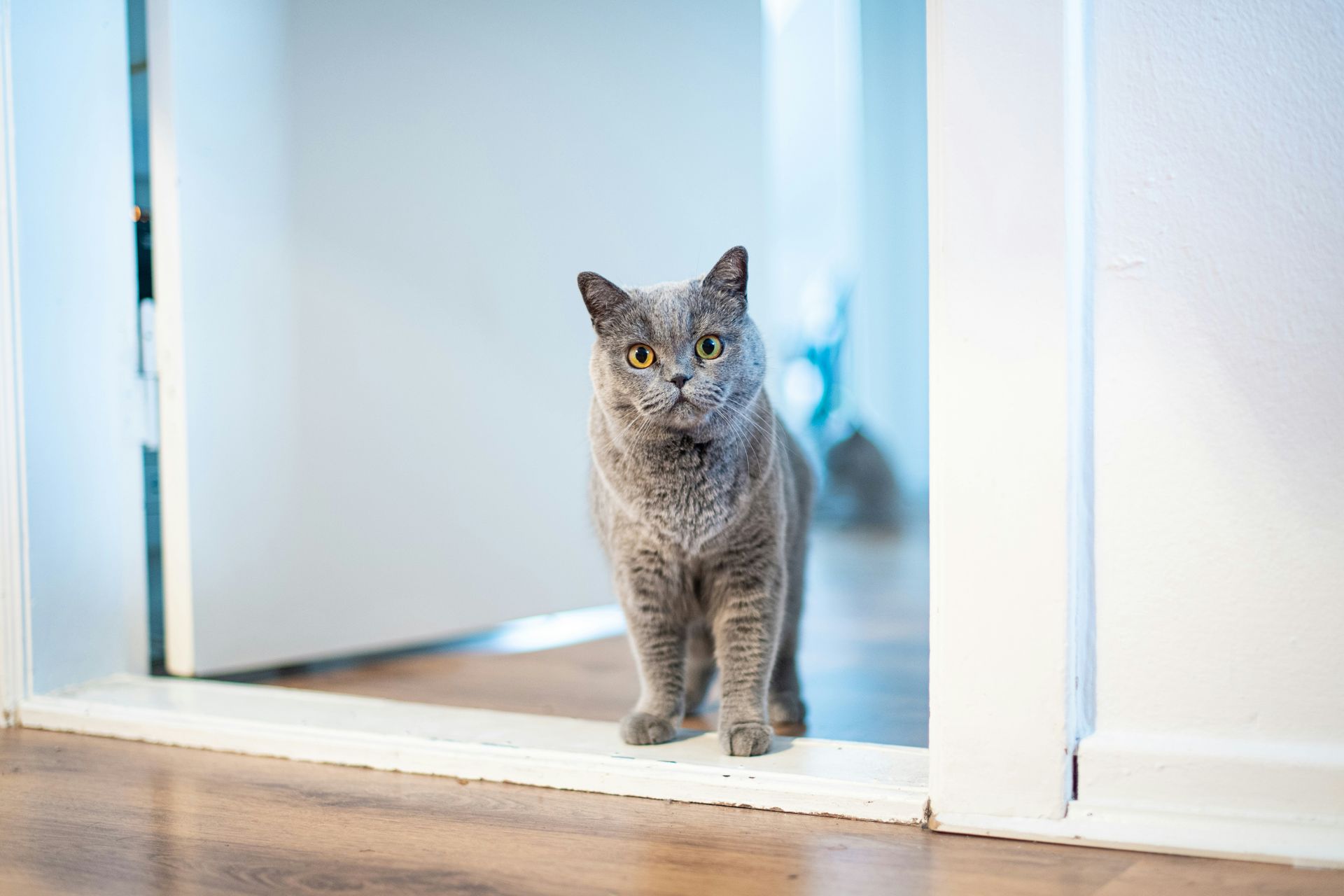
When a cat approaches a person and pauses mid-approach — stopping, holding position, and waiting — it is soliciting a signal before continuing. The pause is a social check-in: the cat is approaching for interaction but is uncertain of the reception and is waiting for a confirming response before closing the distance. A slow blink, a lowered hand offered for sniffing, or a quiet acknowledgment typically prompts the cat to continue; a direct stare or a rapid movement toward the cat often causes retreat.
This behavior is particularly common in cats interacting with unfamiliar people, cats with histories of negative human interaction, and cats approaching someone currently occupied with something else.
The common misinterpretation is to close the distance — to reach toward or move toward the paused cat. This overrides the cat’s pacing and usually produces retreat rather than contact. The most effective response is to wait, offer a slow blink, and allow the cat to complete the approach on its own terms.
Excessive grooming of a specific area
Karin Kim / Unsplash
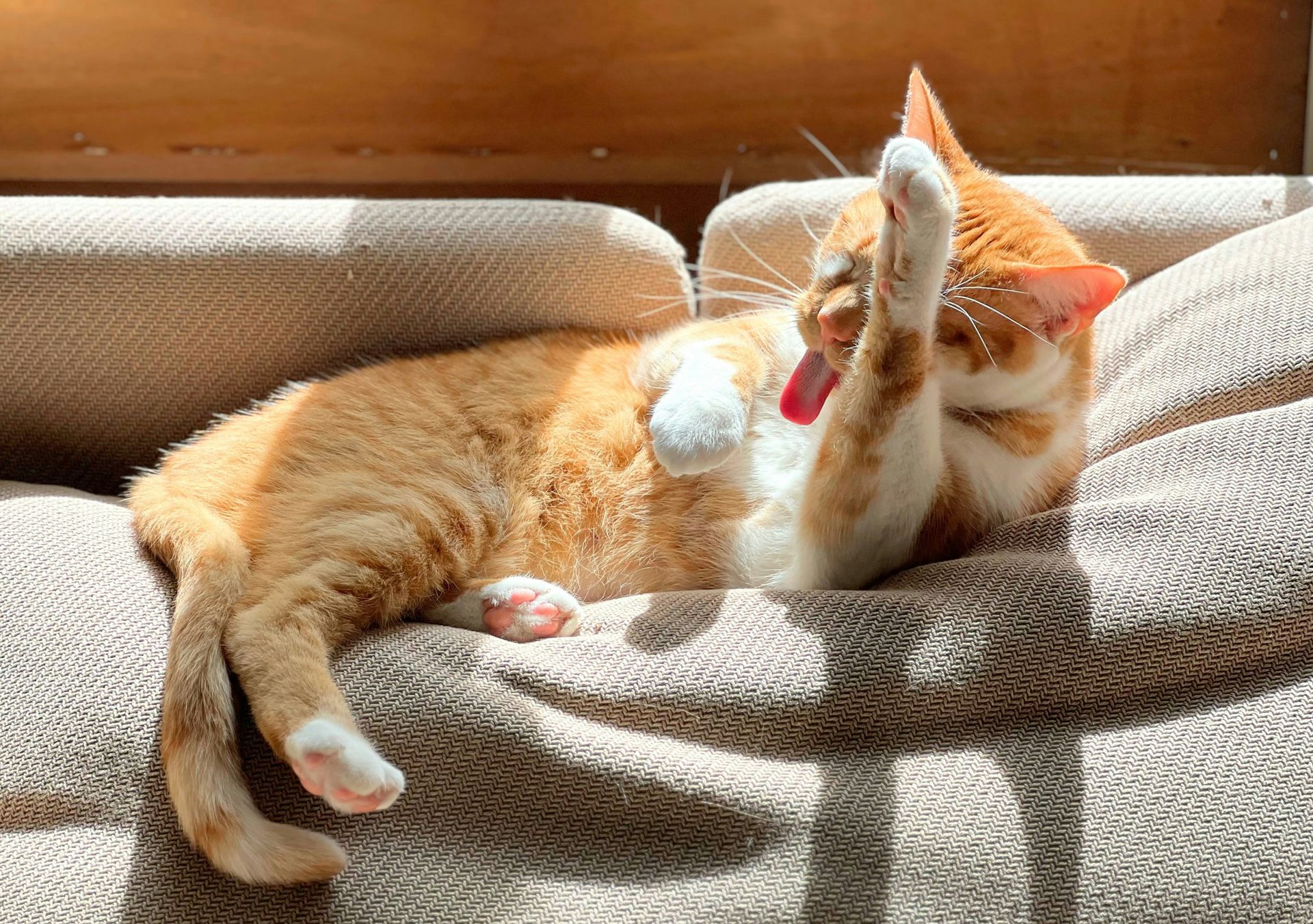
A cat that grooms one area of its body repeatedly — more than normal grooming or returning to the same spot — is communicating physical discomfort in that location. Cats groom normally across the whole body; the localization of grooming to a specific spot is a behavioral signal worth taking seriously.
Medical conditions associated with over-grooming include skin parasites, allergies, fungal infections, and neuropathic pain from orthopedic conditions or nerve damage. Psychogenic alopecia — hair loss from stress-related over-grooming — is also documented in cats, particularly those experiencing significant environmental changes.
The common misinterpretation is to treat localized over-grooming as a normal quirk. A cat that consistently returns to the same spot is communicating that something is wrong there. Veterinary evaluation is the appropriate response.
Meowing specifically at humans
A S / Unsplash
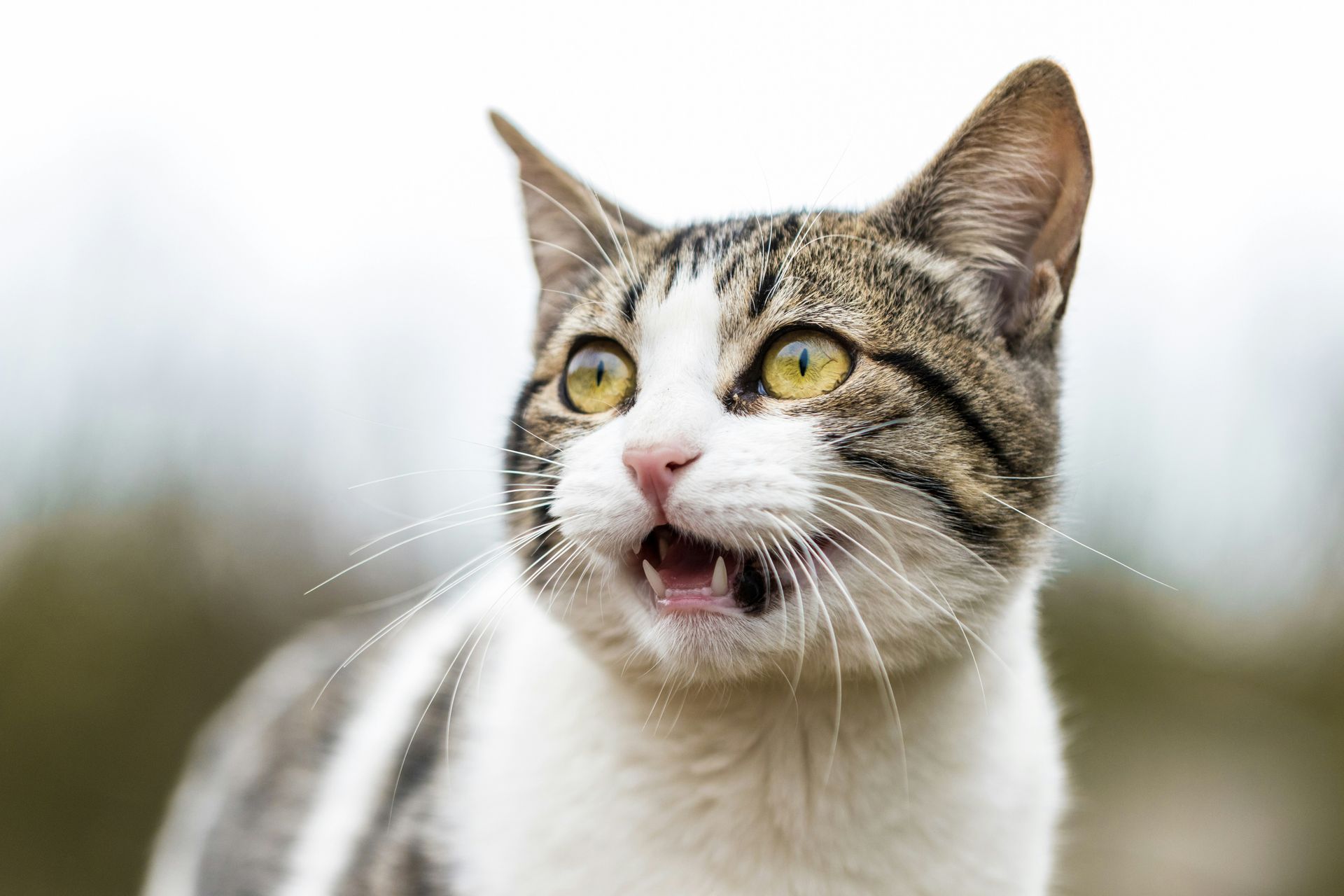
Adult cats do not typically meow at each other. The meow is a vocalization that adult domestic cats produce almost exclusively in communication with humans — it is, in a specific sense, a language cats have developed for interacting with people. Kittens meow at their mothers; adult cats meow at the humans they live with. The behavior appears to be a retained juvenile communication that domestic cats have maintained and adapted for cross-species interaction.
Different cats develop different meow repertoires, and within a stable relationship, specific meow patterns tend to have specific meanings: a short, high-pitched meow often functions as a greeting; a prolonged, lower-pitched meow often functions as a demand; rapid chirping meows often accompany predatory attention.
Research by Nicholas Nicastro and Michael Owren found that humans were better at identifying the “meaning” of meow recordings from their own cat than from unfamiliar cats — suggesting that cat-human communication via meowing is individually calibrated. The cat develops a vocalization repertoire tuned to the specific human it lives with. The meow is not generic cat noise; it is personalized communication directed specifically at you.
Purring that isn’t contentment
Jack Brind / Unsplash
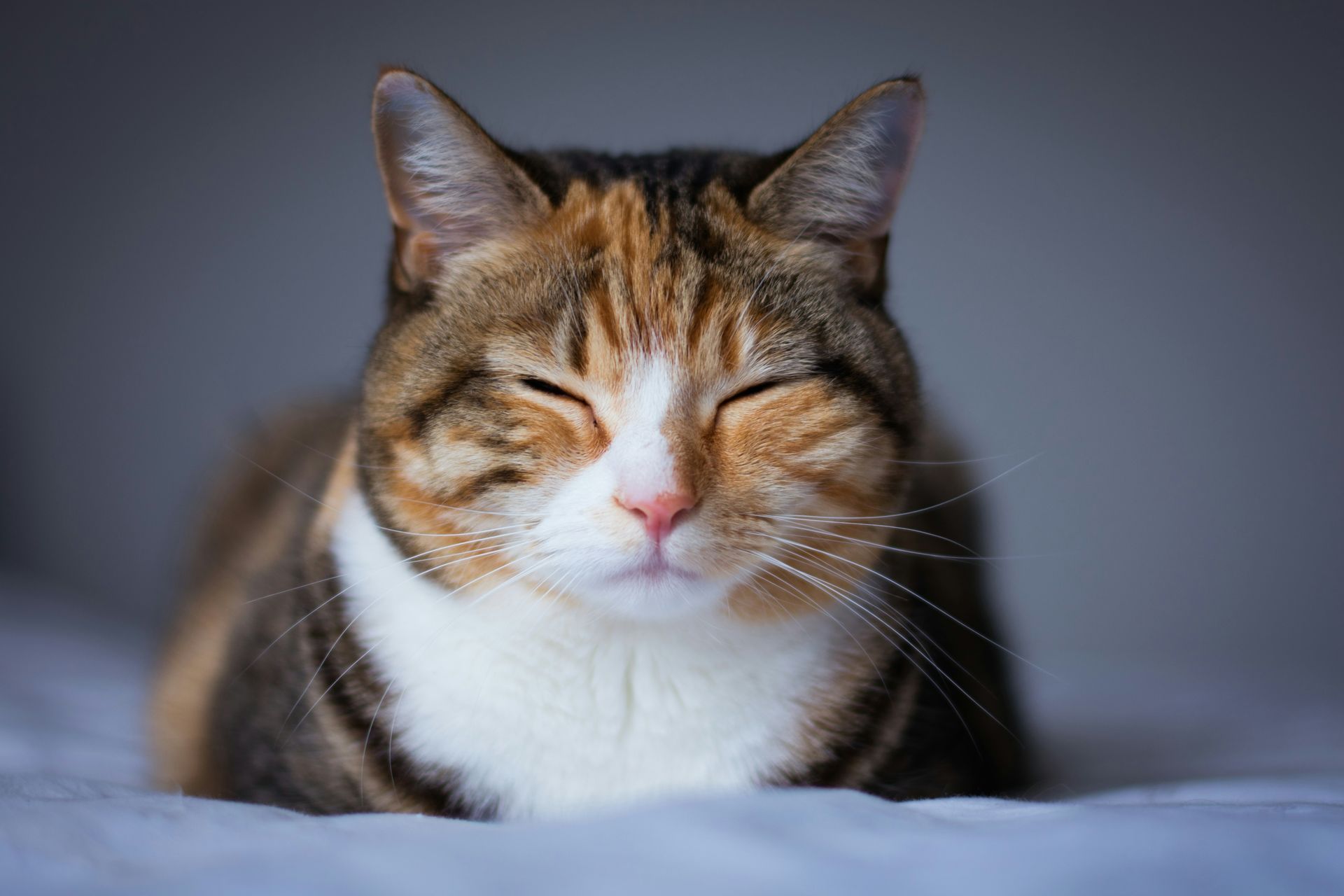
Purring is so strongly associated with feline contentment that the discovery that cats also purr when in pain, distress, or fear surprises most owners. The purr is produced by rapid, rhythmic contraction of the laryngeal muscles, present on both the inhale and exhale. It is associated with contentment in positive contexts and with self-soothing in negative ones — a distinction that requires reading the rest of the cat’s body language to make.
Purring while distressed is observed in cats at veterinary visits, during recovery from injury or illness, during labor, and in cats in the final stages of life. In these contexts it functions as a self-regulatory behavior rather than an expression of positive emotional state — possibly producing calming physiological effects through its vibration frequency.
The practical implication: a purring cat is not necessarily a comfortable cat. A cat purring while also showing labored breathing, reluctance to move, decreased appetite, or uncharacteristic hiding may be self-soothing through pain. The purr alone is not sufficient evidence of wellbeing; it must be read alongside the cat’s full behavioral presentation.
Ear position
Олександр К / Unsplash
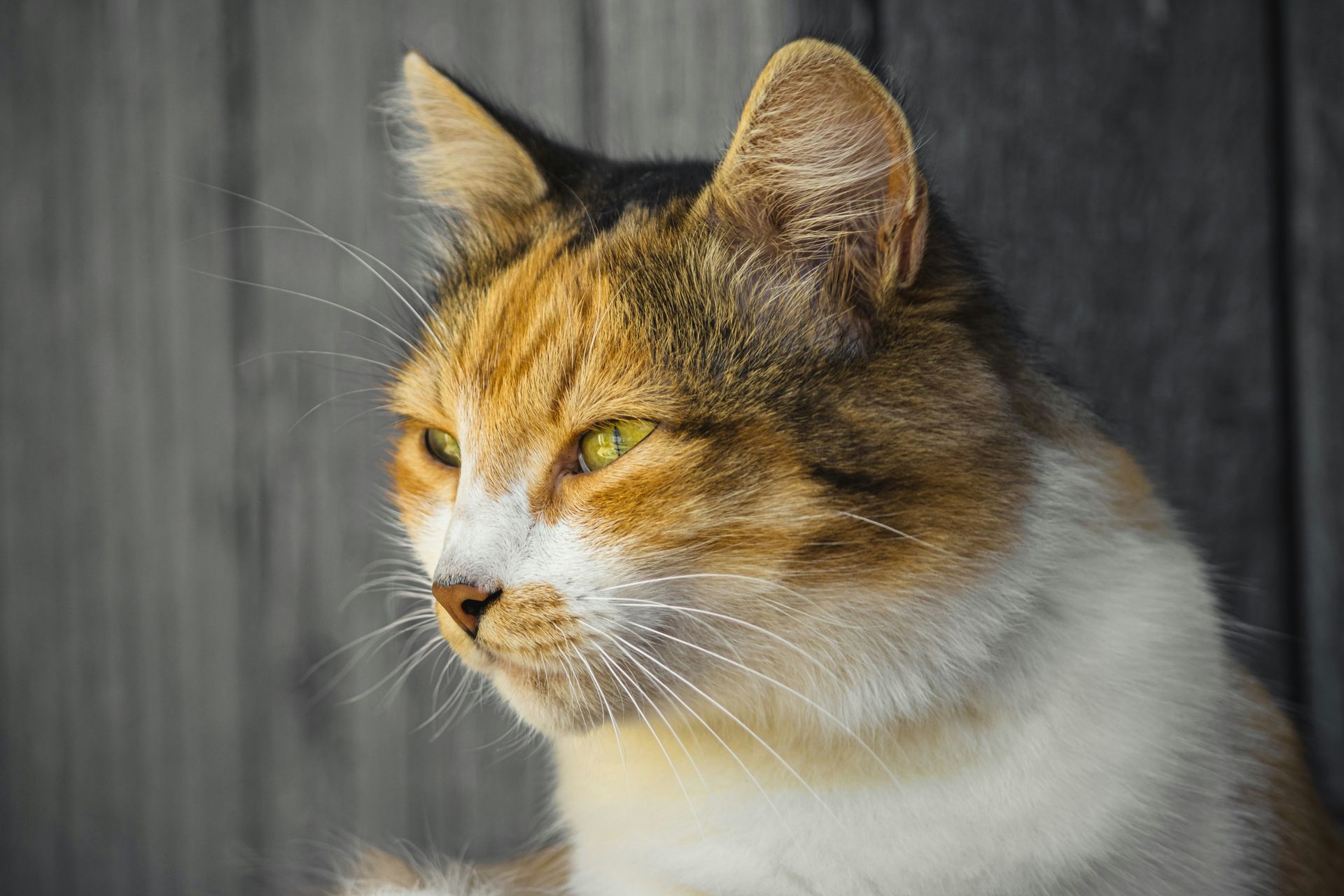
Ear position is one of the fastest and most reliable indicators of a cat’s immediate emotional state, changing within fractions of a second in response to the cat’s environment and providing real-time information about attention, mood, and threat level. Ears forward and slightly outward indicate alert, positive engagement — the cat is interested in what is in front of it and is not threatened. Ears swiveled sideways or flattened against the head (airplane ears) indicate fear, threat perception, or severe overstimulation — the cat is communicating that it feels unsafe or overwhelmed.
The sideways ear position — sometimes described as “airplane ears” — is an important warning signal that often precedes defensive aggression. A cat with flattened ears that is also showing a puffed tail, an arched back, and pupils dilated to full black circles is a cat that is frightened and may attack if further approached or handled.
For owners who have experienced seemingly unprovoked bites or scratches from their cats, reviewing the ear position that preceded the contact almost always reveals that the warning was there — flattened or sideways ears in the moments before the bite. Learning to read ear position provides the earliest available warning of a cat that is moving from tolerance toward defensive action.
Slow tail curl at rest
Amanda Marie / Unsplash
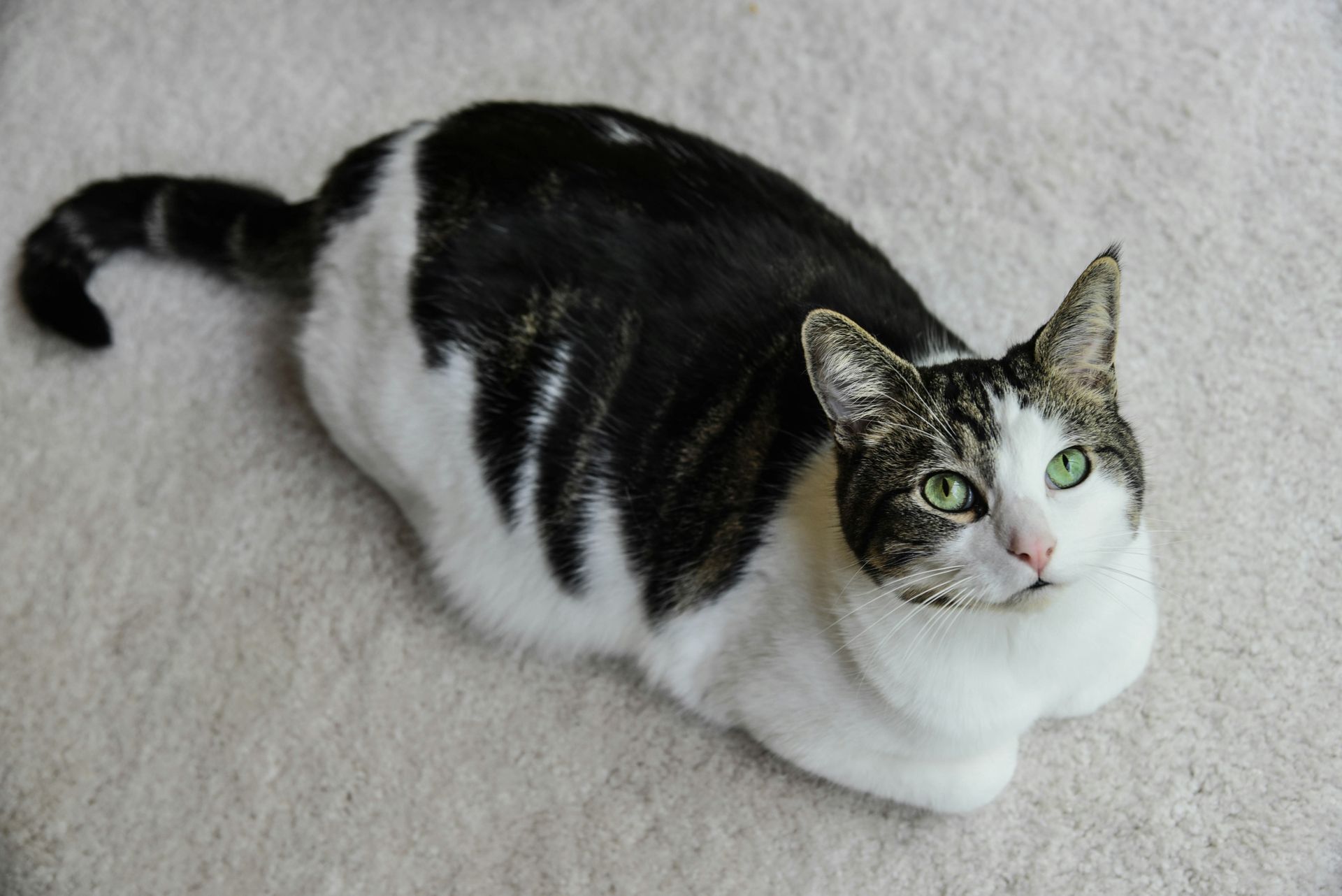
When a cat is resting in a relaxed position and the tail tip curls gently or twitches in slow, rhythmic movements, the cat is in a state of relaxed watchfulness — not deeply asleep, not fully alert, but in the specific intermediate state that cats inhabit most of their waking hours. This signal is worth recognizing primarily because it indicates an approachable, receptive state: the cat is more likely to respond positively to interaction than when deeply asleep (disoriented on waking) or fully alert and vigilant (cognitively occupied).
The slow tail tip twitch is distinct from the agitated lash: it is gentle, rhythmic, and occurs with a relaxed, soft body posture. The agitated lash occurs with a tense body, flattened ears, and widened eyes.
Understanding this signal allows owners to time interactions better — approaching the cat during relaxed watchfulness rather than interrupting deep sleep or alertness produces more positive interactions and reduces the misread encounters that leave owners feeling their cat is unpredictable when the cat was, in fact, communicating clearly throughout.