When to cruise Alaska, the Caribbean, the Mediterranean, and beyond — and what you gain or lose by choosing each season
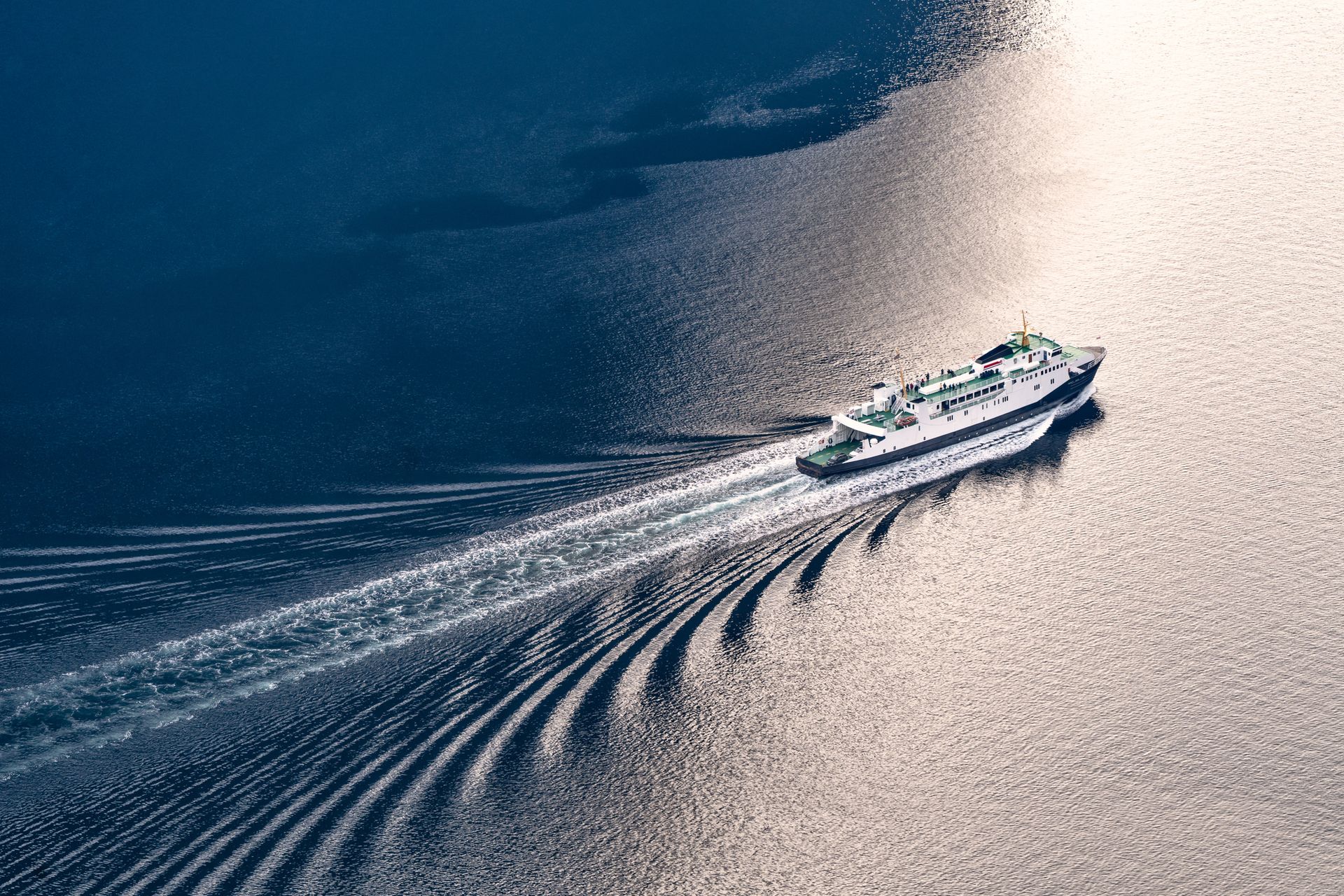
Achim Thomae / Getty Images
Timing a cruise is one of the more consequential decisions in the planning process. The same itinerary can feel completely different depending on the month: a Mediterranean sailing in July delivers blazing heat and packed port cities, while the same route in May offers open museums, mild temperatures, and manageable crowds. A Caribbean cruise in February means reliably sunny skies and peak pricing, while the same ship in September sails at a discount but under hurricane season conditions. The calendar affects weather, crowd levels, wildlife viewing windows, and cost, all at once, often pulling in competing directions.
Most cruise regions have a peak season, a shoulder season, and an offseason, each with a distinct set of trade-offs. Peak season typically delivers the most reliable weather and the widest range of activities, but it also brings the highest fares and the largest crowds both on board and ashore. Shoulder seasons offer a middle path: conditions are imperfect but tolerable, prices drop, and the experience in port becomes more relaxed. Offseason sailings provide the deepest discounts and the emptiest ships, but travelers accept the possibility of rain, cold, or, in hurricane-prone regions, the risk of itinerary disruption. The right time to cruise depends on a traveler’s priorities, not just the regional weather calendar.
The guidance below comes from U.S. News & World Report’s feature on the best time of year to cruise in every region, which examined cruise timing for the most popular sailing destinations based on weather patterns, crowd levels, wildlife viewing windows, and pricing dynamics. The guide covers Alaska, the Caribbean, Mexico, the Mediterranean, Northern Europe, Canada and New England, and the Panama Canal, providing a practical framework for matching cruise timing to individual traveler priorities.
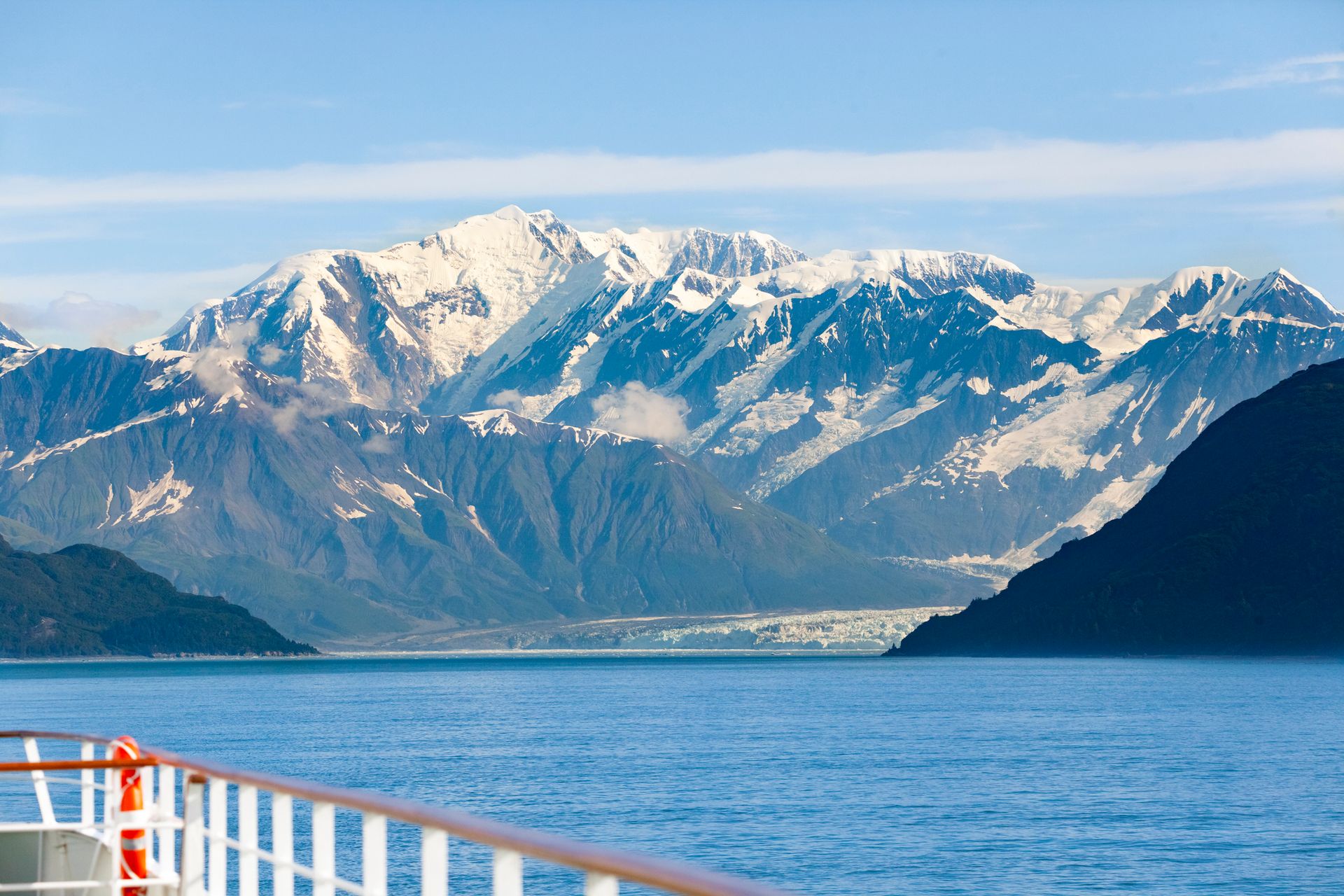
Malorny / Getty Images
Alaska’s cruise season runs from late April through early October, but the mid-June to mid-July window represents the peak for most travelers. High temperatures during this month-long stretch sit in the mid-60s, and daylight extends as long as 24 hours in the far north, giving travelers maximum time to explore both on the ship and ashore. The summer months also offer the strongest chance of seeing humpback whales feeding in Alaska’s waters, as well as bears — including mothers and cubs — who have emerged from hibernation by this point and are active across the state’s coastal and interior landscapes.
The summer peak carries the trade-offs that peak season always brings. Cruise fares climb, crowds fill the small coastal towns along the Inside Passage — including Sitka, Ketchikan, Skagway, and Juneau — and mosquitoes become a genuine nuisance, particularly from the second week of June through July. Travelers $TRV who prioritize wildlife and long days over price and solitude will find the peak window well worth these inconveniences.
Alaska’s shoulder seasons, from April through May and September through October, offer a compelling alternative for budget-conscious travelers. Fares and accommodation costs drop, availability improves, and crowds thin substantially. September adds the visual appeal of fall foliage and opens the possibility of seeing the northern lights, particularly in Fairbanks — one of the best aurora-viewing locations on the planet, with aurora season beginning on Aug. 21 each year. Travelers who include Denali National Park in their Alaska plans should note that, for 2026, Denali Park Road bus tours are limited due to construction of the Pretty Rocks landslide bridge, which requires turning around at Mile 43 and not venturing deeper into the park. Independent travelers who want to explore Denali beyond the Mile 43 boundary will need to arrange private transportation or hiking access, as the bus infrastructure that normally carries visitors into the park’s interior is unavailable for the 2026 season.
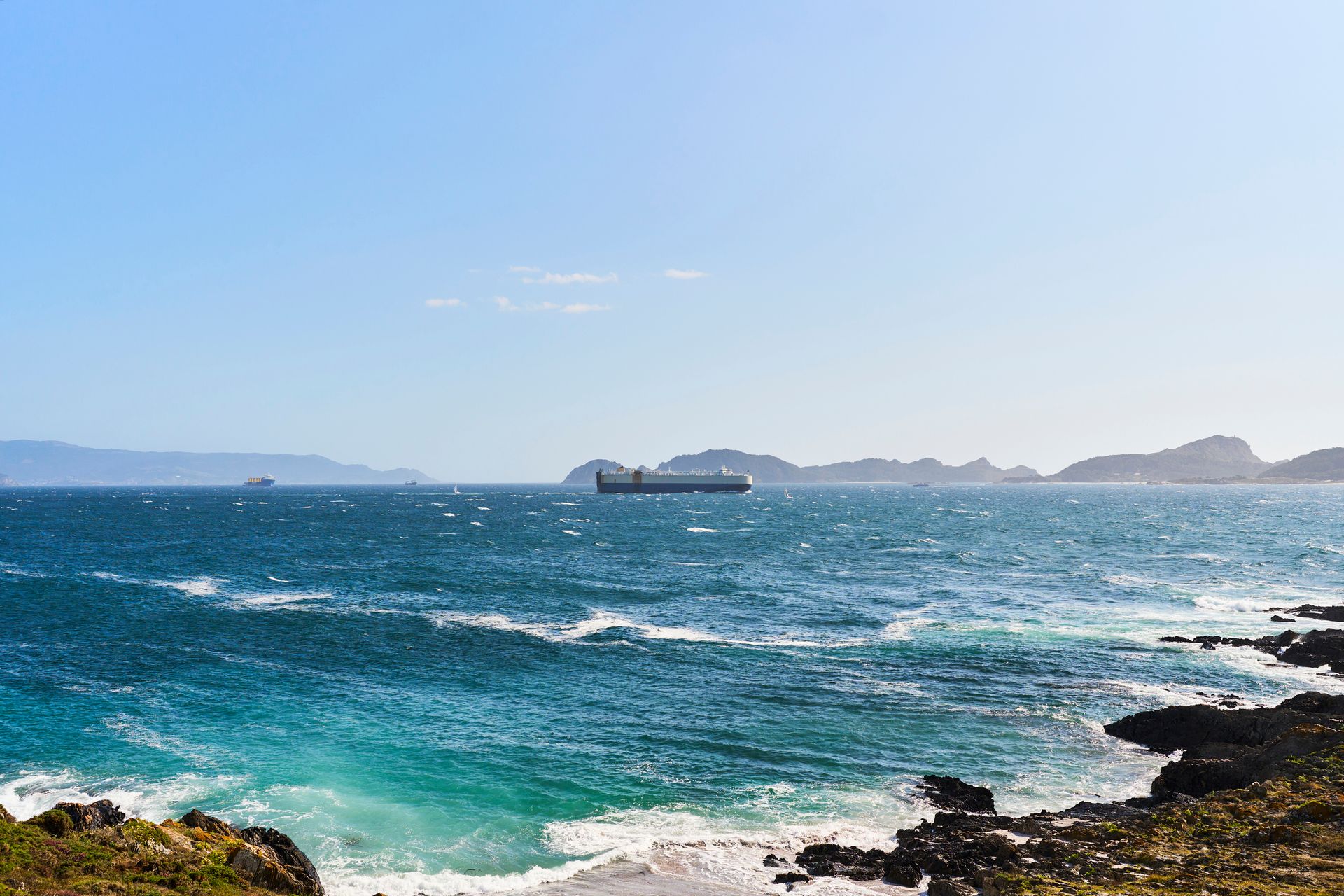
aire images / Getty Images
Caribbean cruises operate year-round, but December through April represents the optimal window for most travelers. Rainfall probability drops to its lowest point, temperatures settle comfortably in the 70s and 80s, and the region’s tropical scenery is at its most accessible and inviting. The winter months draw travelers escaping cold-weather conditions in the northern U.S. and Canada, making this the busiest period on Caribbean itineraries and one of the priciest.
The shoulder seasons of late spring and fall offer meaningfully lower fares with a modest reduction in weather reliability. Travelers $TRV willing to book during the Atlantic hurricane season — which runs from June 1 through Nov. 30 — can access the deepest discounts on the calendar, along with promotional extras such as onboard credits and free sailings for third and fourth guests. The trade-off is real: hurricane season carries the risk of itinerary changes or cancellations, and Travel insurance becomes a practical necessity for sailings during this period, not an optional add-on.
Summer Caribbean cruises remain busy despite the increased humidity and rain, primarily because family vacation schedules drive demand. Short Caribbean itineraries departing from Florida ports attract families with children year-round, regardless of the season. Travelers who prefer fewer children on board should consider cruise lines that cater primarily to adults, or investigate line-specific policies on children, as seasonal timing alone will not resolve the issue. The Caribbean’s year-round availability and the range of pricing across its twelve-month calendar make it the most flexible cruise region on this list for matching timing to budget. Travelers who can commit to specific shoulder season dates will find the Caribbean’s pricing variability across the year gives them more control over their cruise cost than almost any other region, and the weather trade-offs during late spring or early fall are generally mild enough to leave the core beach and outdoor activities intact.
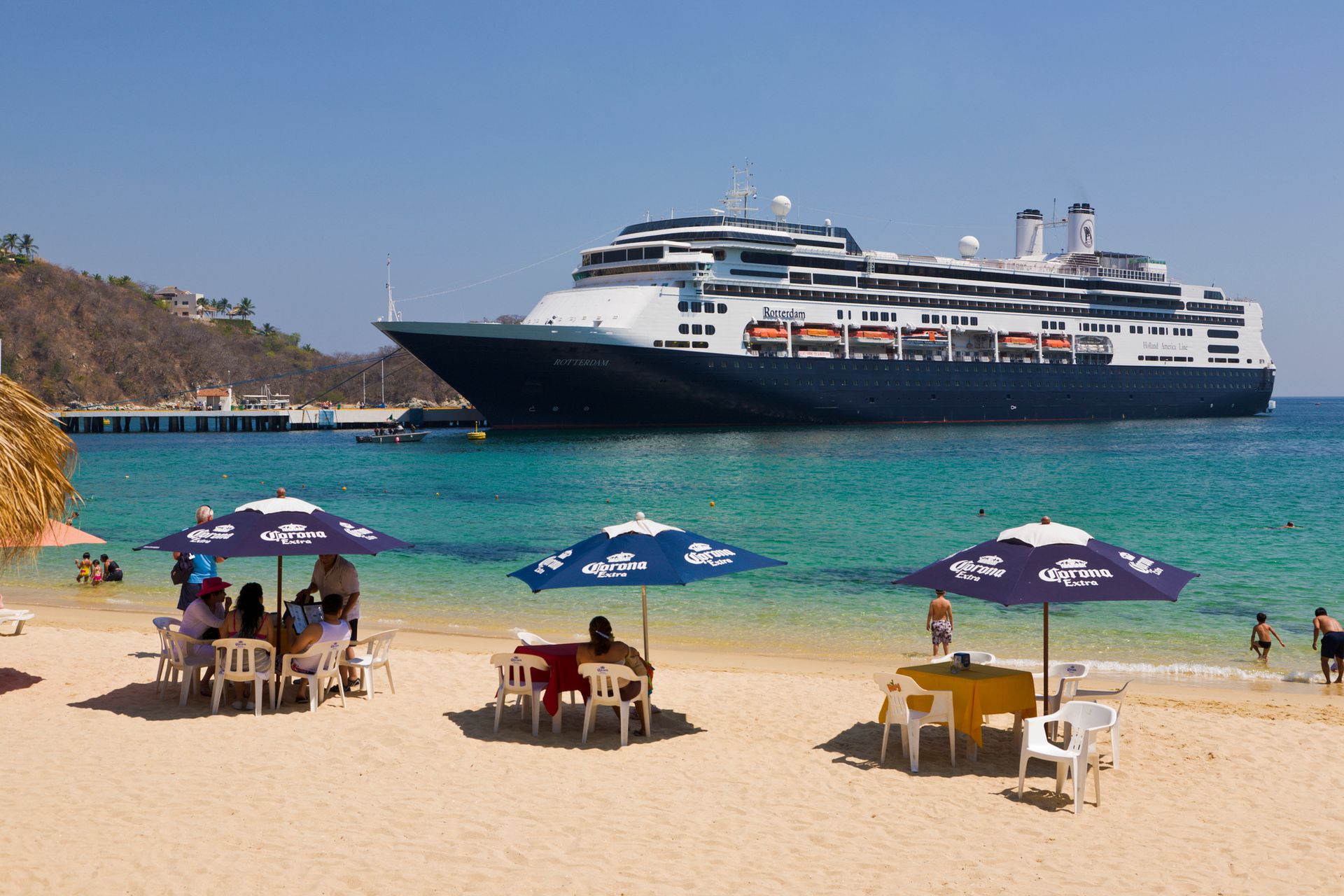
P A Thompson / Getty Images
Mexico cruises follow a seasonal pattern that closely mirrors the Caribbean's. December through April marks the dry season across the cruise destinations along Mexico’s Pacific coast and the Baja Peninsula, with hurricane season behind it and steady sunshine ahead. Temperatures range from the mid-70s to the mid-80s, seas are calm, and the weather cooperates for the outdoor excursions — beach days, cultural visits, wildlife encounters, jungle experiences, zip lines, and water-based activities such as snorkeling and diving — that define the Mexico cruise experience ashore.
The implications of peak-season pricing are predictable. Fares and ship capacity reach their highest points during December holiday sailings and again during spring break in March and April, when family travel surges and popular ports fill quickly. Travelers $TRV with flexibility in their departure dates will find that the two weeks immediately following Thanksgiving represent a relatively quiet period in the Mexico cruise calendar, with pricing and availability that can be more favorable than the surrounding peak months.
The offseason from May through November offers the steepest fare reductions, though families fill ships again during the summer months. Travelers who accept the possibility of rain during Mexico’s wet season will find that sunshine is still plentiful for port activities on most days, and the discounts can be substantial. The wet season in many Mexican destinations produces afternoon showers that clear quickly, leaving mornings and evenings dry and usable for outdoor excursions. Travelers who book Mexico cruises during the offseason and arrive with flexible daily plans will often find the weather impact manageable relative to the savings. Mexico’s diverse coastal geography also means that weather patterns vary considerably across the Pacific coast, the Baja Peninsula, and the Gulf of Mexico, so travelers who carefully research conditions specific to their itinerary’s individual ports of call will find more precise seasonal guidance than any general Mexico-wide overview can provide.

Dennis Fischer Photography / Getty Images
Summer is the peak season in the Mediterranean, and it comes with challenges that many travelers find challenging. Heat is intense, ports are crowded with both ship passengers and independent travelers, fares are high, and availability is limited. The region draws European vacationers and international travelers simultaneously during summer, resulting in seasonal compression of demand. High temperatures alongside packed ports make summer the least comfortable time to visit many Mediterranean destinations, despite the reliable sunshine.
Spring, from May to June, and fall, from September to October, offer a significantly better proposition. Temperatures are cooler, crowds thin, prices for both cruises and shoreside accommodation drop, and the practical experience of exploring popular sites improves substantially. Spring brings blooming landscapes across Greece, Italy, Croatia, and Turkey, and fall’s clear, mild conditions are well-suited to walking, cycling, and outdoor exploration in port. Lines at major attractions, such as the Acropolis, the Colosseum, and Dubrovnik’s old town walls, become manageable and not daunting.
Some cruise lines maintain year-round Mediterranean schedules, including winter voyages during the region’s quiet season. Viking, MSC Cruises, Azamara, Explora Journeys, and Windstar Cruises are among those offering winter Mediterranean sailings. Winter cruises carry the most favorable fares and the fewest fellow passengers, and the off-peak ports take on a less commercial character that some travelers prefer. Adriatic winter sailings require preparation for cold: high temperatures in destinations such as Croatia’s Dalmatian coast may reach only the mid-50s. Travelers $TRV who pack appropriate layers will find that winter Mediterranean itineraries deliver a genuinely different experience from the overcrowded summer circuit. The winter quiet season also opens up access to artisan shops, local restaurants, and cultural sites that prioritize resident and visitor experience over tourist throughput, giving winter Mediterranean cruisers a version of these cities that summer visitors rarely see. The five cruise lines that maintain winter Mediterranean schedules each bring their own character to the quiet-season itinerary, making line selection as important as timing for travelers considering a winter sailing.
NANCY PAUWELS / Getty Images
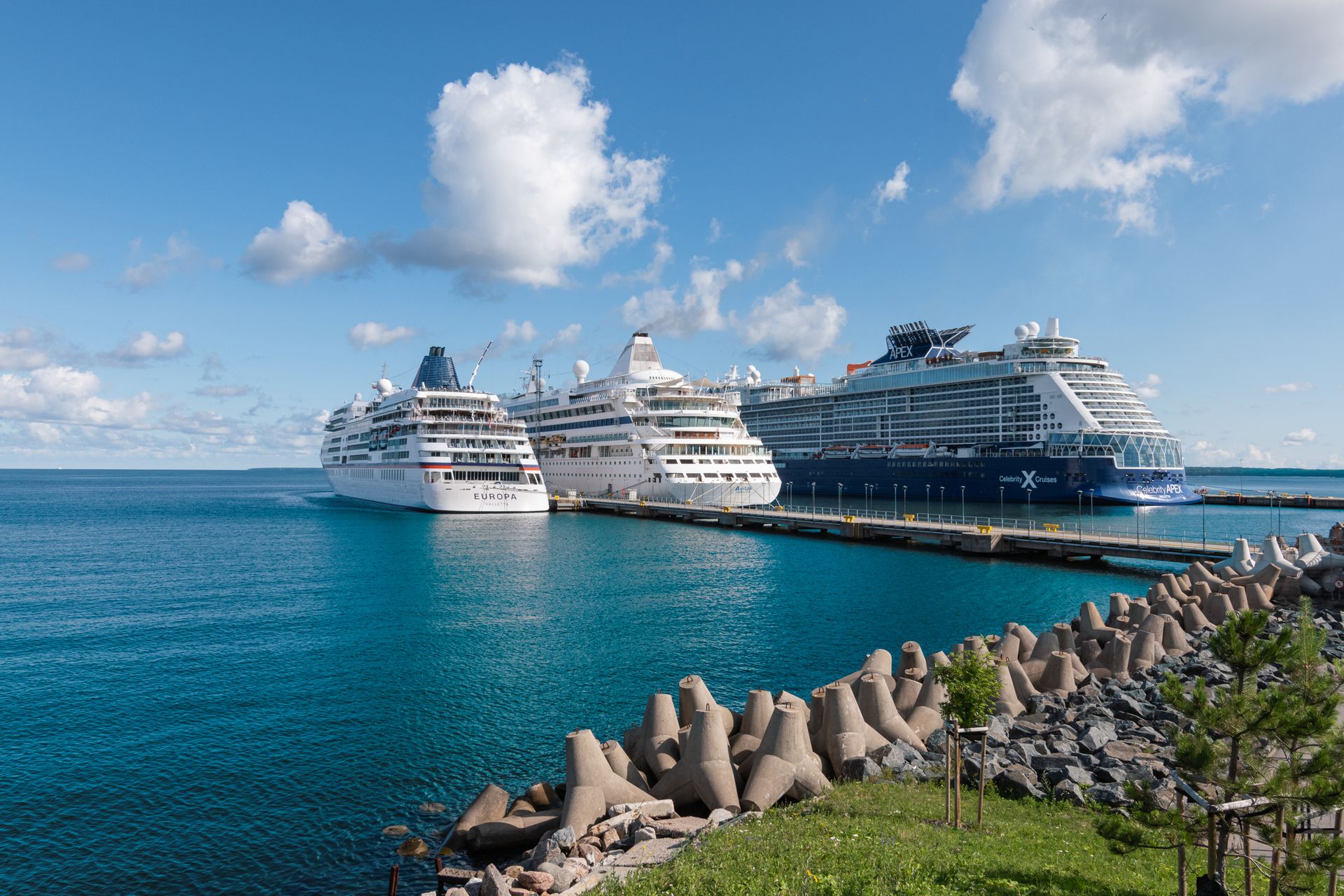
The Baltic cruise season spans April through October, with July and August representing the peak months. Summer delivers nearly ideal weather conditions alongside the longest days of the year, making it the prime time to visit Arctic destinations such as Iceland and Greenland, where long daylight hours extend the time available for outdoor exploration and wildlife viewing. The peak months also carry the predictable downsides of higher fares and larger crowds at port cities across Scandinavia and the Baltic states.
May offers a well-positioned alternative for travelers who want reduced fares without sacrificing the season’s warmth. Days lengthen significantly in May across Denmark, Sweden, and Norway — up to 18 hours of sunlight — giving travelers extended daylight alongside the budget advantage of pre-peak pricing. Travelers $TRV who time their cruise to begin or end in Amsterdam between mid-April and early May gain access to Holland’s tulip season at its height, adding a singular seasonal attraction to the itinerary.
September and October extend the Northern European cruise calendar into shoulder territory, with fares typically at their lowest point in the season. Cooler temperatures are the primary trade-off, but the autumn months open a different category of experience: the northern lights. Iceland, Greenland, and Norway all offer aurora viewing opportunities in the autumn months, giving shoulder-season travelers a natural spectacle unavailable during the summer peak. Travelers who prioritize the northern lights over warm temperatures will find September and October the most rewarding months in this region. The price differential from peak summer rates can be significant, making the shoulder season a strong value choice for aurora seekers. The northern lights viewing window in Iceland, Greenland, and Norway extends well into October, giving shoulder-season Northern Europe cruisers a genuinely rare natural spectacle that the peak summer months simply cannot offer,, regardless of how favorable the weather is.
Rebecca Harding / Getty Images
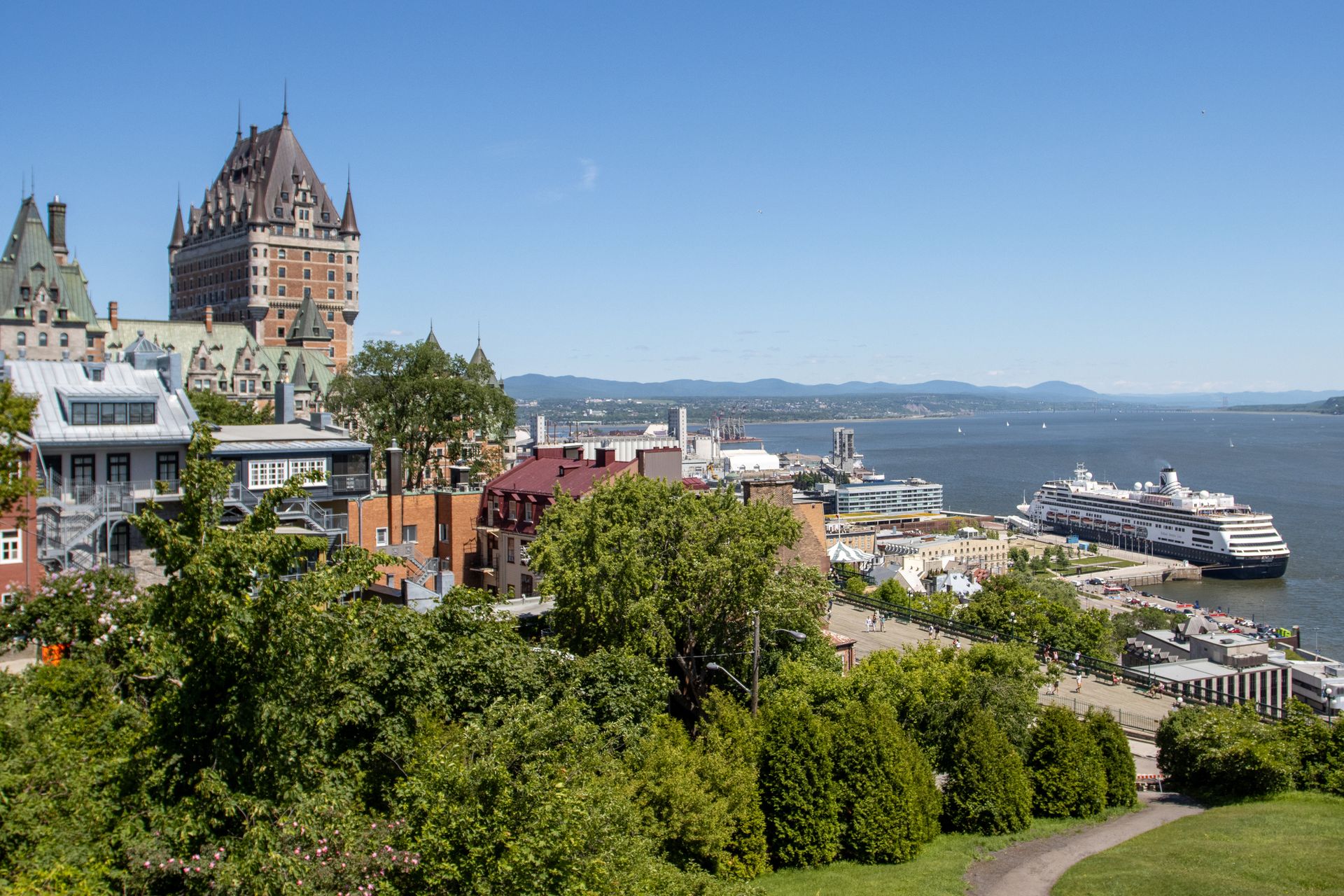
Canada and New England’s cruise season runs from May through October, and the region offers two distinct peak windows that serve completely different traveler priorities. June and July are the busier, more expensive months, offering sunny weather, comfortable temperatures in the high 70s, and a full calendar of outdoor activities, including kayaking, hiking, and whale watching. Whale watching season spans roughly the same May-to-October timeframe as the cruise season, with June through August considered the optimal viewing window, though exact timing varies year to year.
Mid-October marks the second distinct peak: fall foliage. The annual display of autumn colors along the Northeast’s coastline and in its national parks draws travelers specifically to destinations such as Boston and Quebec City, producing a seasonal demand surge that fills ships and books itineraries quickly. Travelers $TRV planning a fall foliage cruise should book well in advance, as these sailings fill earlier than the summer departures.
Early September and late October represent the best budget windows in the region. Autumn colors may not be at their peak vibrancy in early September or have passed their apex by late October, but temperatures remain pleasant — highs in the 50s to 60s — and both periods are well-suited to hiking, port exploration, and sampling the region’s seasonal culinary offerings. Fresh clams, seafood chowder, apple cider, and maple syrup products all appear in port as distinctly local specialties tied to the autumn harvest season. Travelers who prioritize value over the optimal leaf-peeping window will find the bookend weeks of the fall season offer the region’s best balance of agreeable weather, manageable crowds, and competitive fares. The regional culinary specialties available in port — fresh clams, seafood chowder, apple cider, and maple syrup products — remain in season during this window, giving value-oriented travelers the full sensory experience of New England autumn without paying the peak-foliage premium that mid-October cruises command.
Will & Deni McIntyre / Getty Images
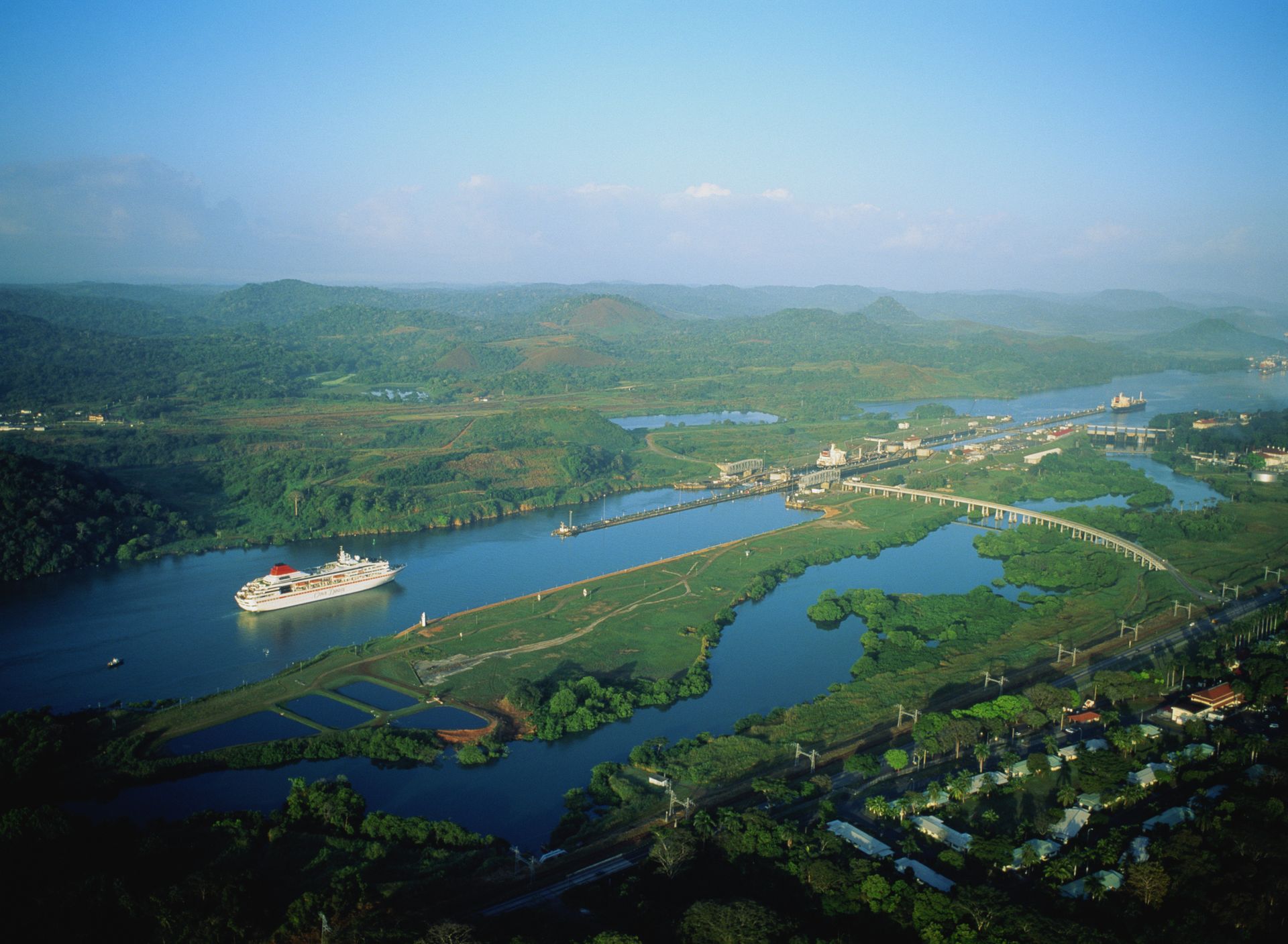
A Panama Canal transit is one of cruising’s most celebrated bucket-list experiences. Ships cross this 50-mile artificial waterway via 12 sets of locks, moving from the Caribbean Sea to the Pacific Ocean, an engineering achievement that has fascinated maritime travelers since its completion. The canal passage itself is the centerpiece of the itinerary, but the surrounding destinations, including Panama City, Colón, and Gatun Lake, add cultural, historical, and ecological depth to a sailing that is defined by its mechanical spectacle.
Mid-December through April is the dry season in Central America and the optimal time for a Panama Canal cruise. Sunshine dominates, rain is minimal, and conditions favor the active outdoor excursions available around Gatun Lake and in Colón. The Carnaval celebrations, held annually before Lent in February or March across Panama’s cities and towns, offer travelers who time their sailing accordingly a weeklong festival that adds a cultural dimension beyond the canal transit itself.
The green season from May through November presents a different but compelling case for travelers who accept occasional afternoon showers. Fare reductions are meaningful, and the wet season activates the region’s natural environment in ways the dry season cannot match. Rare bird species become visible in the cloud forests, and humpback whales migrate along the Pacific coast during this period, making wildlife viewing a genuine draw for the green season that offsets the weather variability. Surfers will also find the country’s best wave conditions in Santa Catalina during this window. Travelers $TRV who prioritize wildlife and value over guaranteed sunshine will find the green season a more interesting time to experience Panama’s natural environment, even at the cost of some afternoon rain. The convergence of whale migration, rare cloud forest bird species, and expert surfing conditions during the green season gives May through November a natural appeal that the dry season’s reliably clear skies cannot match.
