
6 factors that decide whether a hot day feels brutal or just warm
Geography, wind patterns, nearby bodies of water, vegetation — the specific factors that determine whether 90 degrees feels tolerable or miserable

Ketut Subiyanto / Pexels
A 90-degree day in Phoenix and a 90-degree day in Houston are, by the thermometer's measure, identical. Anyone who has experienced both knows they are not remotely the same physical experience: the Phoenix heat, however intense, is generally described as tolerable in a way that Houston's heat rarely is, and the difference is entirely a function of humidity rather than temperature. Humidity is not a minor modifier on top of temperature; it is arguably the more significant variable in determining how heat actually feels and how dangerous it actually is, since high humidity impairs the body's primary cooling mechanism (sweat evaporation) in a way that dry heat does not.
The geographic distribution of humidity is not random. Specific, identifiable factors determine why some regions experience consistently high humidity and others remain dry even at comparable temperatures and latitudes, and understanding these factors explains not just why Houston feels worse than Phoenix at the same temperature, but why humidity itself varies so dramatically across relatively short distances in some regions and remains stable across vast distances in others.
Each entry covers a specific factor that determines regional humidity levels, the mechanism behind it, and an example of the factor's effect in a real location.
Proximity to large bodies of water

Juanpi Burgos / Pexels
The single most significant factor determining a region's baseline humidity is its proximity to large bodies of water, since water evaporates continuously from any exposed surface, and prevailing winds that pass over large water bodies pick up substantial water vapor before reaching nearby land, producing consistently higher humidity in coastal and near-coastal regions compared to interior locations at the same latitude and temperature.
The specific mechanism is straightforward: evaporation rate increases with temperature, meaning warm ocean or gulf water evaporates more water vapor into the air above it than cold water does, and this effect compounds in tropical and subtropical coastal regions where warm water and onshore wind patterns combine to deliver continuously humid air to the adjacent coastline. The Gulf of Mexico's consistently warm water is the specific reason the American Gulf Coast, including cities like Houston and New Orleans, experiences such reliably high humidity compared to interior cities at similar latitudes.
The effect diminishes with distance from the water source in most cases, since air gradually loses moisture as it travels inland (through precipitation and mixing with drier air masses), which is why humidity levels typically decrease moving from coastal areas toward continental interiors, though this general pattern can be significantly modified by the other factors in this list, particularly prevailing wind direction and any mountain ranges positioned between the water source and the location in question.
Mountain ranges and rain shadows
Shubham Mahitkar / Pexels
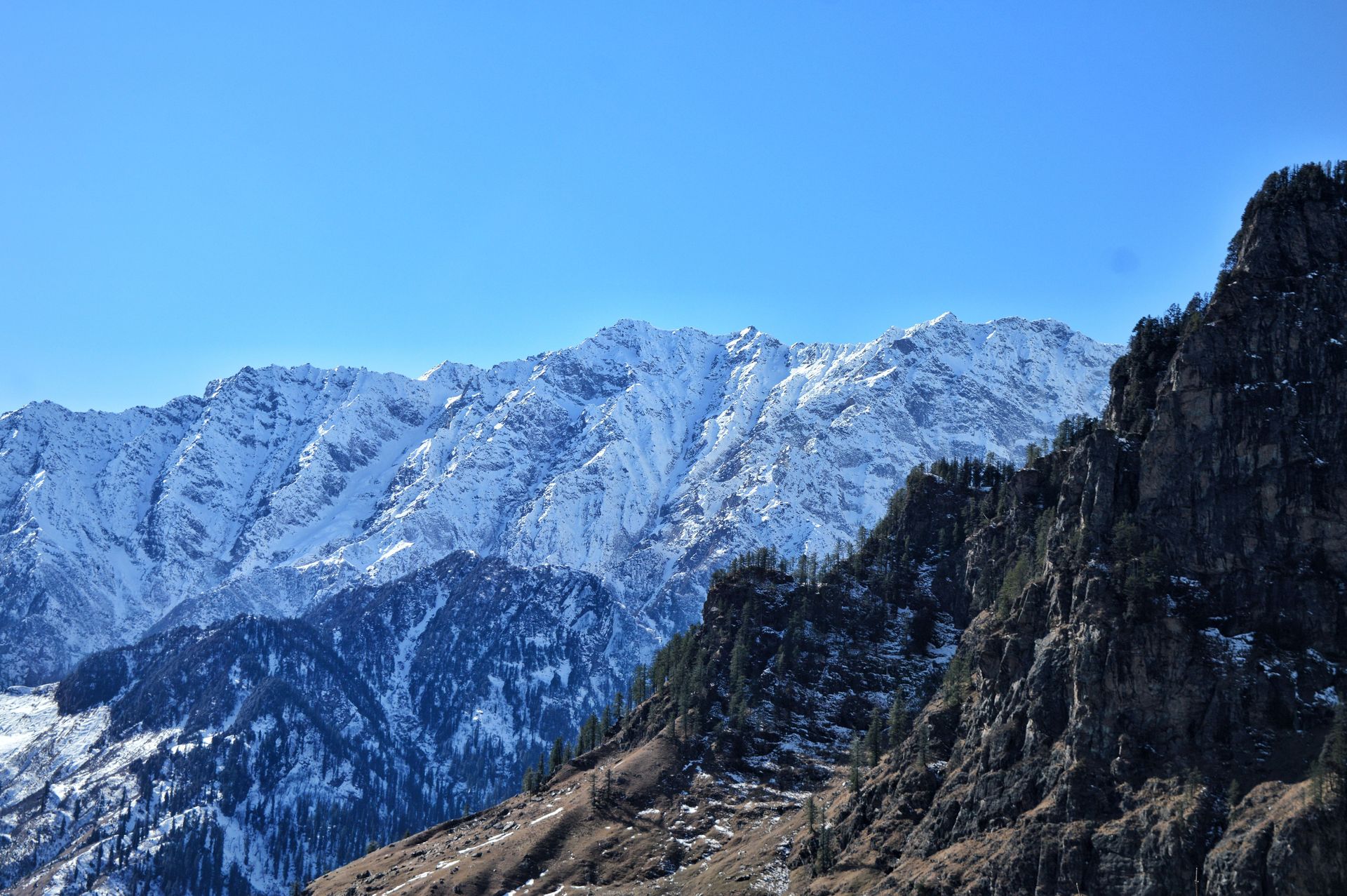
Mountain ranges create a specific and dramatic humidity effect called a rain shadow: as moist air is forced upward by a mountain range, it cools, and cooler air holds less moisture, causing the air to release its water vapor as precipitation on the windward side of the mountains, meaning that by the time the air descends on the opposite (leeward) side, it has lost most of its moisture and produces a dry, low-humidity climate regardless of the region's proximity to water sources on the windward side.
This mechanism explains dramatic humidity contrasts that exist over very short geographic distances: the Pacific Northwest coast of the United States receives some of the highest rainfall and humidity levels in the country because of moist air arriving from the Pacific Ocean, while regions immediately east of the Cascade Range, only a few hundred miles away, experience semi-arid to arid conditions because the mountains have stripped the moisture from the same air masses before they arrive.
The rain shadow effect operates at every scale where sufficiently tall mountains intercept a consistent prevailing moist airflow, from the Sierra Nevada's effect on Nevada's aridity (moisture from the Pacific is stripped before reaching the Great Basin) to the Himalayas' effect on the Tibetan Plateau's extreme dryness despite the massive moisture the same mountain range extracts from monsoon winds on the Indian side, making rain shadows one of the most powerful and geographically consistent humidity-determining mechanisms on Earth.
Prevailing wind direction and origin
Suparerg Suksai / Pexels
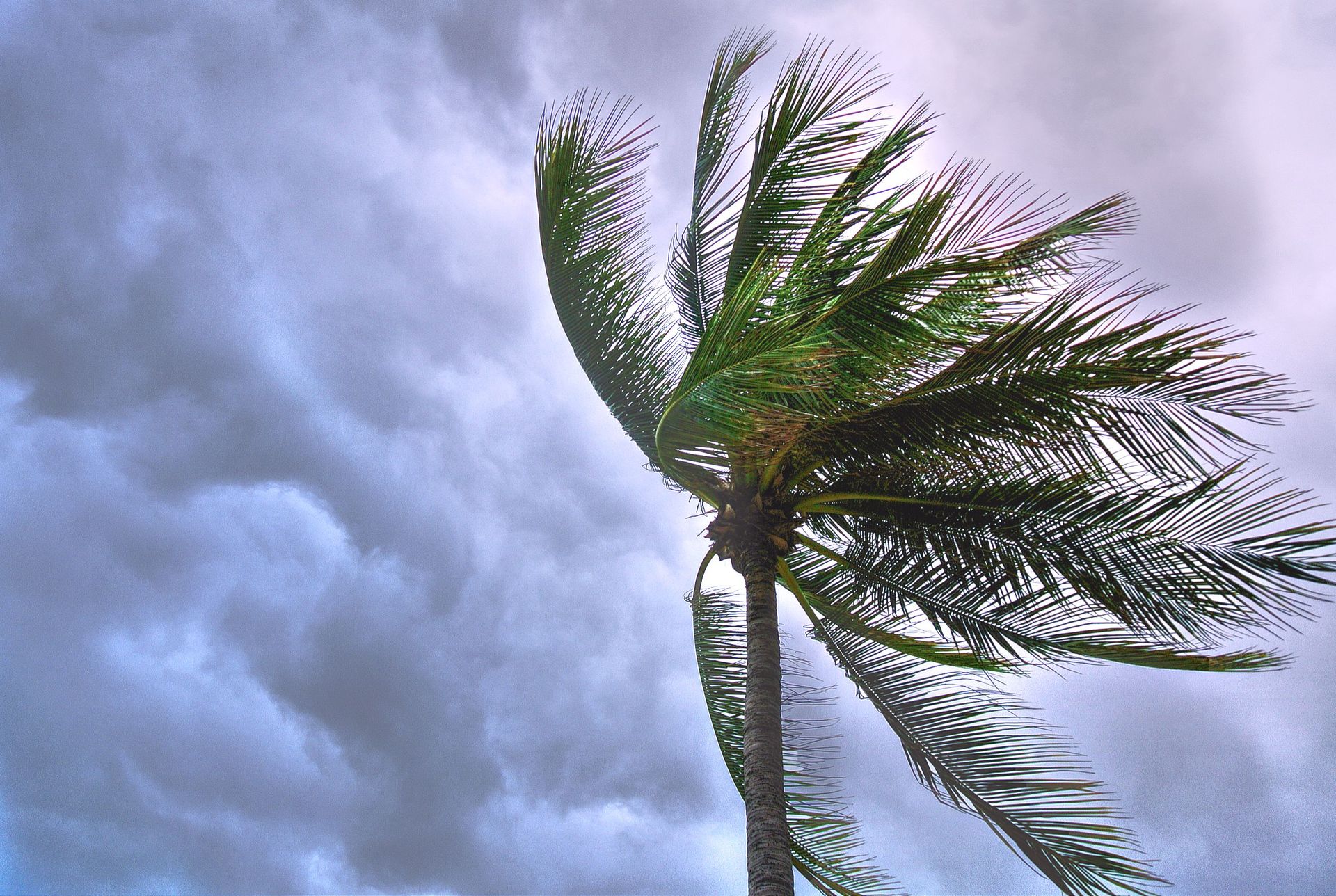
The direction from which a region's prevailing winds typically arrive determines whether those winds carry moisture picked up over an ocean or other large water body, or whether they arrive already dry after traveling over a long stretch of land, making wind pattern origin one of the most significant factors in a region's baseline humidity independent of the region's own immediate geography.
Regions where prevailing winds arrive from the direction of a nearby ocean (onshore winds) typically experience meaningfully higher humidity than regions at similar latitude and temperature where prevailing winds arrive from a continental interior (offshore winds, or winds that have traveled a long distance over dry land before arrival), since the wind's moisture content is largely determined by the surface it has most recently traveled over rather than by the temperature or latitude of its current location.
Monsoon systems represent the most dramatic example of this mechanism operating on a seasonal cycle: the Indian monsoon's dramatic seasonal humidity shift is driven by a complete reversal of prevailing wind direction between seasons, from dry winds arriving from the Asian continental interior during the dry season to moisture-laden winds arriving from the Indian Ocean during the monsoon season, producing one of the most extreme seasonal humidity contrasts found anywhere in the world within a single, consistent geographic location.
Vegetation and evapotranspiration
Ana Mai / Pexels
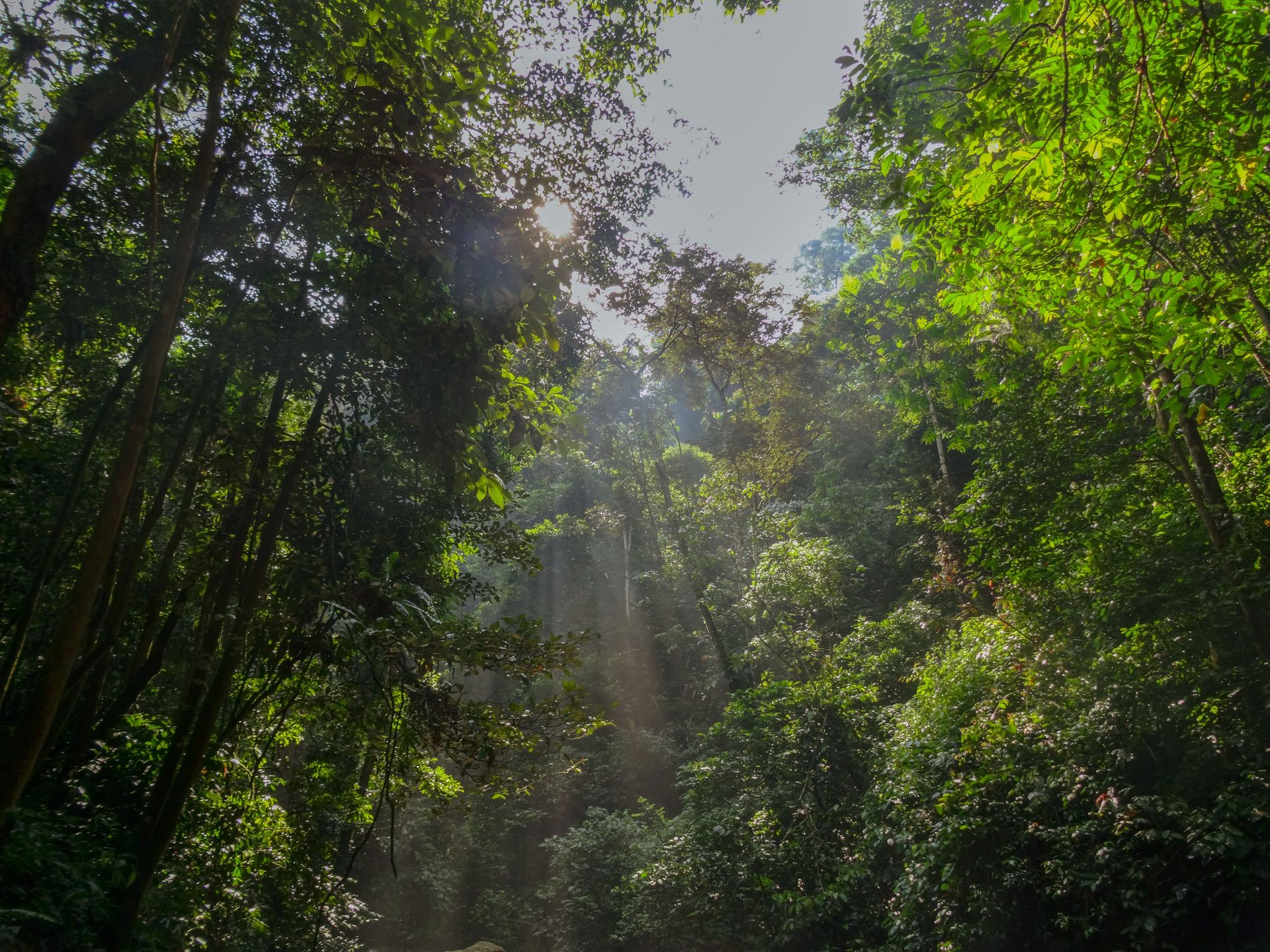
Dense vegetation, particularly forested regions, contributes meaningfully to local humidity through a process called evapotranspiration — the combined water vapor released by evaporation from soil and plant surfaces and by transpiration, the process by which plants release water vapor through pores in their leaves as part of their normal biological function — meaning that heavily forested regions generate a measurable portion of their own local atmospheric moisture rather than relying entirely on moisture transported from external sources.
The Amazon $AMZN rainforest represents the most extreme documented example of this mechanism: research has found that the Amazon generates a substantial proportion of its own regional rainfall through evapotranspiration, effectively recycling water vapor multiple times as it moves across the forest from east to west, meaning the forest's own vegetation is directly responsible for sustaining the humidity levels that, in turn, sustain the forest itself — a self-reinforcing feedback loop that has significant implications for concerns about deforestation's potential to disrupt this cycle and reduce regional rainfall independent of broader climate patterns.
This mechanism means that vegetation loss (through deforestation, drought-driven vegetation die-off, or land use change from forest to non-vegetated agricultural or urban land) can reduce local humidity independent of any change in the region's proximity to water or its prevailing wind patterns, since removing the vegetation removes a genuine, measurable contributor to the local atmospheric moisture budget rather than simply changing how existing moisture is distributed.
Urban heat islands and reduced local humidity

Alexis Ricardo Alaurin / Pexels
Urban areas, despite often being located in regions with high ambient humidity, frequently experience measurably lower relative humidity than surrounding rural areas at the same time, a counterintuitive effect produced by the urban heat island phenomenon: cities are typically several degrees warmer than surrounding rural areas due to heat-absorbing surfaces (asphalt, concrete) and reduced vegetation, and since relative humidity is calculated relative to the maximum moisture the air can hold at a given temperature, warmer urban air can hold more moisture before reaching the same relative humidity percentage as cooler rural air with the same absolute moisture content.
The reduced vegetation in urban environments compounds this effect through the reverse of the evapotranspiration mechanism described in the previous entry: cities have dramatically less vegetation per unit area than the rural or forested land they replaced, meaning urban areas contribute far less local moisture to the atmosphere through evapotranspiration than the natural landscape they were built on top of, further reducing local humidity contribution independent of the heat island's temperature effect.
The practical consequence is that a city center can experience noticeably different humidity conditions than its own suburbs or nearby rural areas on the same day, a distinction that matters for urban planning and public health considerations (since the specific combination of higher urban temperature with sometimes lower relative humidity produces a different, though not necessarily less dangerous, heat stress profile than the higher-humidity conditions of the surrounding countryside), and one that illustrates how human land use modification can measurably alter local humidity patterns independent of the larger-scale geographic factors that determine a region's baseline climate.
Ocean currents and coastal water temperature

Enes Ersahin / Pexels
The specific temperature of ocean water adjacent to a coastline, determined largely by ocean current patterns rather than by latitude alone, significantly affects the humidity of the adjacent coastal land, since warmer coastal water evaporates more readily and produces a more humid onshore airflow than colder coastal water at a similar latitude, meaning two coastal regions at comparable distances from the equator can experience meaningfully different humidity levels purely as a function of which ocean current passes along their specific coastline.
The contrast between the eastern and western coastlines of continents at similar latitudes illustrates this mechanism clearly: the California coast is cooled by the California Current, a cold current flowing south from the North Pacific, producing a notably drier, cooler coastal climate than the American Gulf and Southeast Atlantic coasts, which are warmed by the Gulf Stream and other warm currents originating in tropical waters, contributing directly to the significantly higher humidity found along the Gulf and Southeast coasts compared to the Pacific coast at similar latitudes.
This current-driven temperature difference also explains why some coastal desert regions exist despite their coastal location, which would otherwise be expected to produce higher humidity: the Atacama Desert in Chile and the Namib Desert in Namibia both sit along coastlines cooled by cold ocean currents (the Humboldt and Benguela currents respectively), which suppress evaporation and produce some of the driest conditions on Earth immediately adjacent to an ocean, a counterintuitive outcome that depends entirely on the specific current temperature rather than on coastal proximity alone.