
Discover the reasons cats avoid getting wet, and what it means for bath time
Yansi Keim / Unsplash
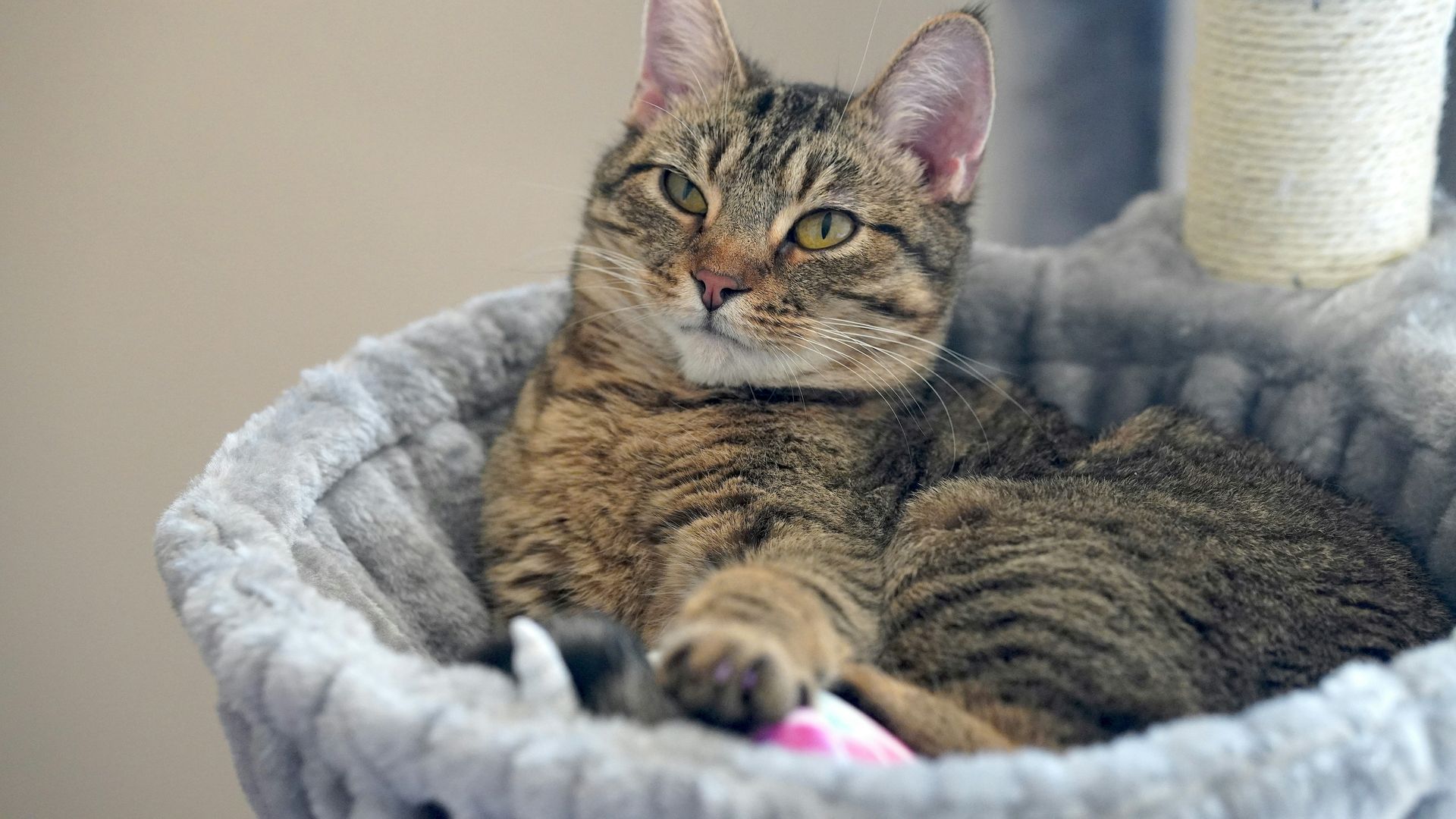
Cats have built a reputation for being fearless hunters, graceful climbers, and curious explorers—but mention bath time, and many of them suddenly become Olympic-level escape artists. Whether it's leaping out of the sink, scrambling up your shoulder, or giving you a look of complete betrayal, most cats seem determined to avoid getting wet at all costs. It's such a common behavior that many people simply assume cats are born hating water.
According to a report by Reader's Digest, the truth is a little more complicated. Domestic cats inherited many of their behaviors from wild ancestors that lived in dry climates where large bodies of water were uncommon. Add in a thick coat that becomes heavy and uncomfortable when soaked, and it's easy to see why bath time isn't exactly on a cat's list of favorite activities.
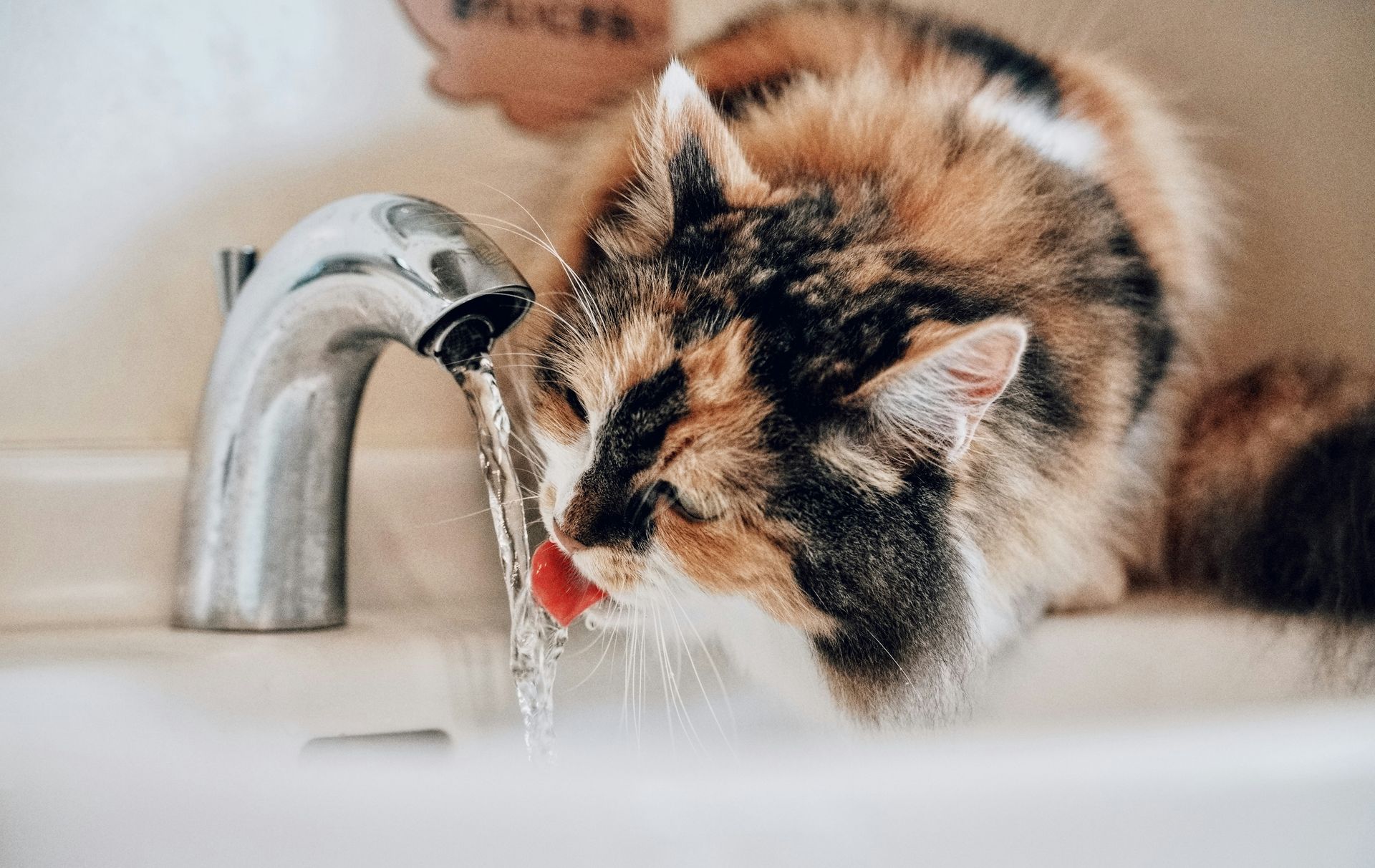
That doesn't mean every cat is terrified of water. Some breeds are surprisingly comfortable swimming or splashing around, and many cats enjoy watching or drinking from a running faucet. But for the average house cat, getting wet can feel unfamiliar, uncomfortable, and even a little frightening. Understanding the reasons behind this behavior can help you better appreciate your cat's instincts and make grooming less stressful whenever a bath becomes necessary.
Before you assume your feline friend is simply being dramatic, here are three of the top reasons why most cats prefer to stay warm, dry, and comfortably perched on solid ground.
Grace Kelly / Unsplash
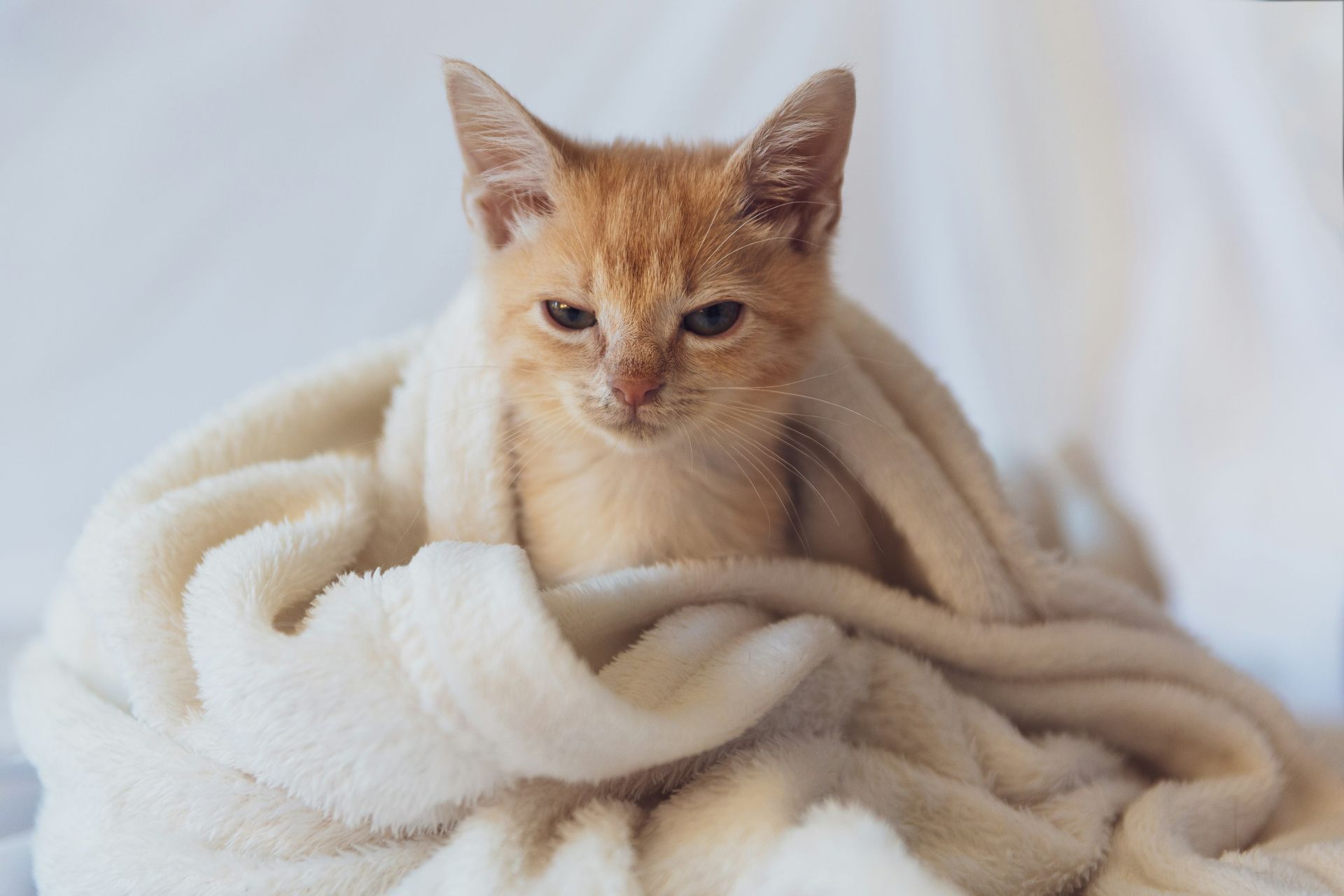
One of the biggest reasons cats avoid water is because it completely changes how their bodies feel. Reader's Digest explains that when a cat's fur becomes soaked, it becomes heavier, colder, and much slower to dry than many people realize. Unlike animals with coats that shed water easily, many domestic cats are left carrying around extra weight that makes every movement feel awkward.
Cats rely on speed, balance, and agility to navigate their surroundings. Whether they're jumping onto a bookshelf or sprinting across the room after a toy, their lightweight bodies allow them to move with remarkable precision. A soaked coat interferes with those natural abilities, making them feel slower and less secure. That loss of control can be unsettling for an animal that depends on quick reflexes to stay safe.
A single unpleasant experience can also reinforce this dislike. If a cat accidentally falls into a bathtub, gets caught in a rainstorm, or has a stressful bath, it may remember that uncomfortable feeling for a long time. Because cats learn quickly from negative experiences, one bad encounter with water may be enough to convince them to avoid it whenever possible.
Nana Fuzimi / Unsplash
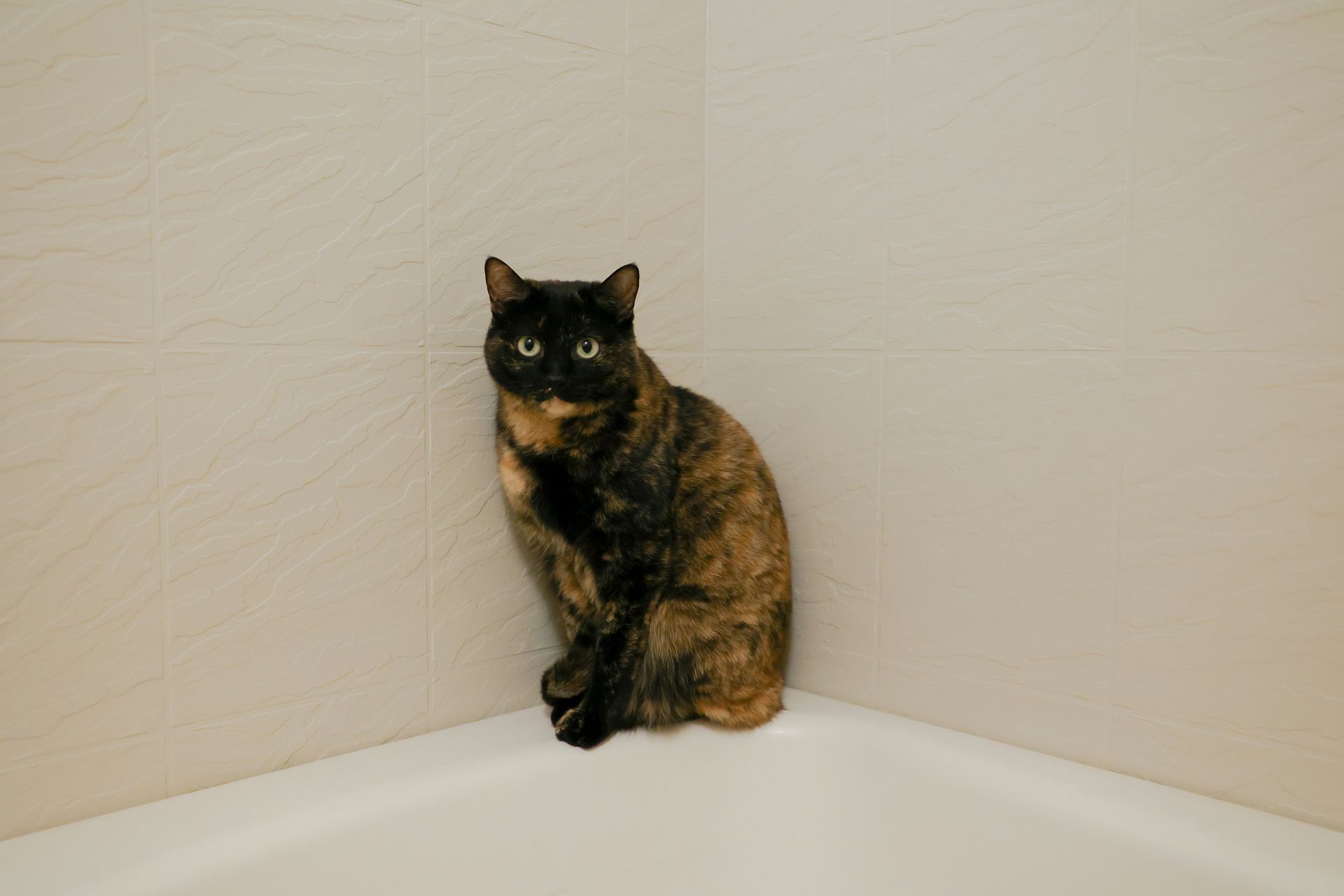
Cats thrive on routine and generally prefer environments they understand. Reader's Digest notes that because most cats rarely experience anything larger than a water bowl, stepping into a bathtub or being lowered into a sink can feel intimidating and unpredictable.
An unfamiliar surface, the sound of running water, and the sensation of becoming wet all happen at once, creating a situation that many cats find stressful. Their natural response is often to escape as quickly as possible. For some cats, fear of water becomes even stronger if they've previously been sprayed with water to discourage unwanted behavior or had an unpleasant bathing experience.
Fortunately, positive experiences can make a difference, especially for kittens. Introducing young cats to shallow water using toys, treats, and patience may help them become more comfortable over time. Older cats can also learn to tolerate bathing, although the process usually requires more time and consistency. Forcing a frightened cat into the water, however, is likely to reinforce its fear rather than reduce it.
Sugarman Joe / Unsplash
Another reason cats aren't naturally drawn to water comes from the way their ancestors stayed hydrated. Reader's Digest explains that wild cats received much of the moisture they needed directly from the animals they hunted, so they didn't rely heavily on rivers, lakes, or other standing water sources.
That instinct still exists today. Many domestic cats drink relatively small amounts of water compared with other pets, especially if they're eating wet food that provides additional moisture. Because seeking out water wasn't a major part of their ancestors' daily routine, modern cats often show less interest in water overall than people expect.
This doesn't mean cats don't need access to fresh drinking water every day—they absolutely do. It simply helps explain why many felines aren't naturally attracted to water for drinking or bathing. Their evolutionary history shaped a species that prefers getting moisture from food while staying comfortably dry whenever possible.