Bryan Stevenson is one of America’s most widely acclaimed public interest lawyers. The recipient of a MacArthur Foundation “Genius” grant and the Olof Palme Prize for his work on human rights, Stevenson, 58, recently won a historic ruling that mandatory life-without-parole sentences for all children under 18 are unconstitutional. And, his Equal Justice Initiative, which he founded in 1989, has helped more than 125 wrongly condemned prisoners get off death row.
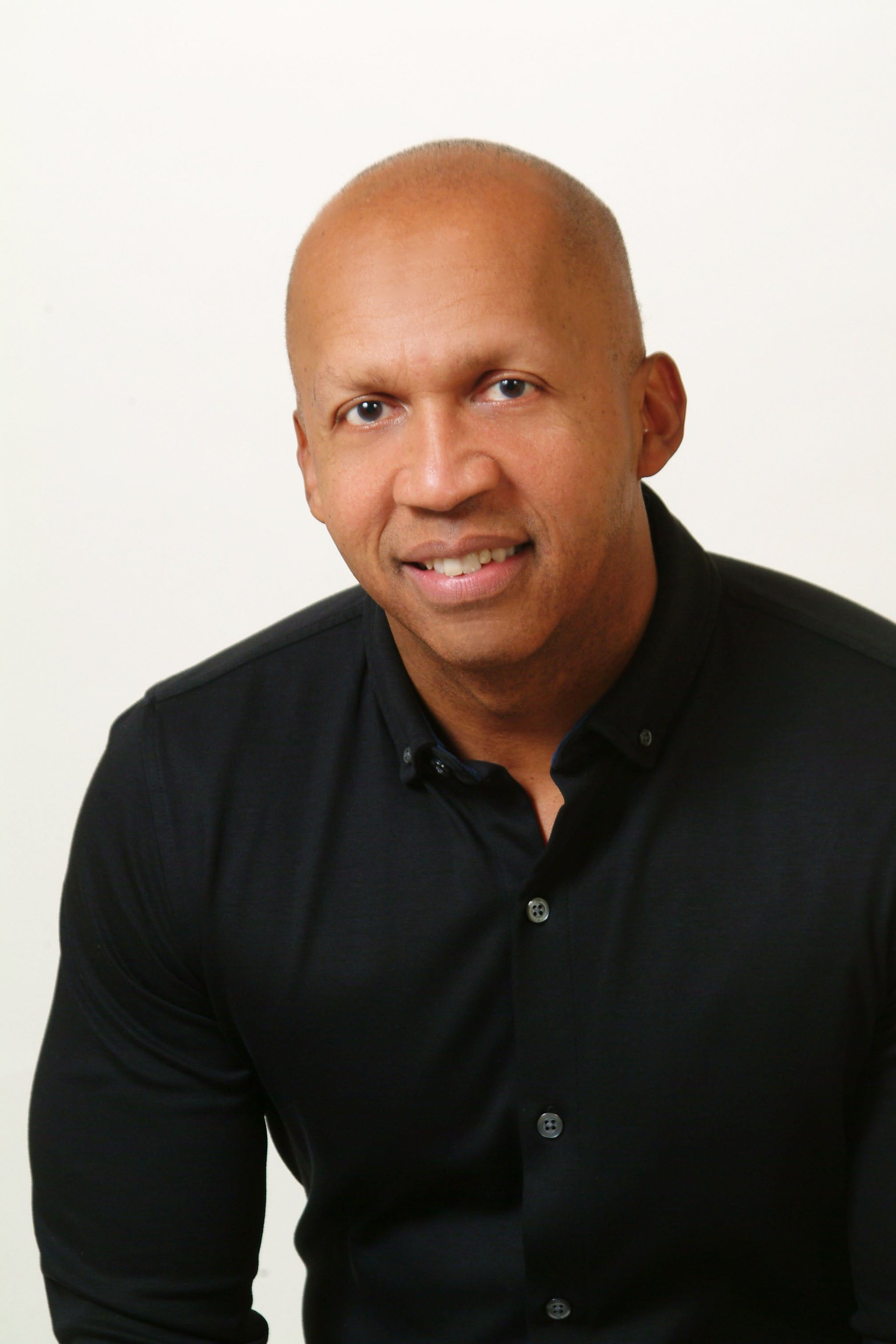
Bryan Stevenson is one of America’s most widely acclaimed public interest lawyers. The recipient of a MacArthur Foundation “Genius” grant and the Olof Palme Prize for his work on human rights, Stevenson, 58, recently won a historic ruling that mandatory life-without-parole sentences for all children under 18 are unconstitutional. And, his Equal Justice Initiative, which he founded in 1989, has helped more than 125 wrongly condemned prisoners get off death row.
At the heart of Stevenson’s advocacy against the death penalty and on behalf of prisoners is, as he has said, the notion that “each of us is more than the worst thing we’ve ever done.” Beyond criminal justice reform, this message is pressing in the Me Too Movement, given its direct implications for men accused of sexual harassment and assault.
Join 500,000+ readers who start their day with Quartz.
By subscribing, you agree to our Terms of Service and Privacy Policy.
Gender equality also is intimately tied to Stevenson’s work fighting racism, guided by the belief that none of us are free until all of us are free.
Speaking with Quartz, Stevenson explains why he intentionally works in a female-dominated organization, why he doesn’t want to be allied with men who are biased against women, and why he considers himself a feminist.
I guess I’ve thought about gender in the workplace for a long time because in the social justice space in which I work, women have been the primary voices and leaders. Currently, nine of the 10 most senior lawyers at our law office are women, making it clear that barriers to women can be eliminated. The emergence of Me Too just reinforces the importance of this. I was raised, nurtured, shaped, inspired, and trained by women who were the dominant voices in my family. And their imprint and perspective shapes almost everything I do.
Yes. I think given the history of exclusion, disenfranchisement, and bigotry that women have faced in American society, especially in the spaces where political and economic power is exercised, we have to be intentional about insisting that the barriers to gender equity be eliminated. For me, being conscious of male privilege and preference and being deliberate about eliminating the overt and covert ways in which women are disempowered and marginalized is at the heart of feminism.
I think working in an environment where most of my colleagues are women challenges any notion that women are in any way less capable than men. Engaging women and empowering women to be present and heard is the most affirming, constant, and persistent form of resistance to longstanding bias based on gender.
I think the culture surrounding male dominance and those who cling to it is probably the single biggest challenge men need to confront today. So much of what boys and men are taught reinforces a gendered hierarchy that needs to be re-examined and rejected. The biggest problem is too many men are never required to address gender bias and multiple forms of bigotry are never confronted.
My environment is largely made up of women so I don’t actually have many male peers.
I can’t say that I feel anxious about being a man. I think all men need to constantly learn, think about, and seek understanding of the ways in which they can be better advocates for gender equality. Men can’t know and understand all the ways that women can be excluded and disadvantaged, which is why gender diversity is so important.
My coworkers know more about me than I do, I think.
As a black man who has been forced to address the presumptions of dangerousness and guilt that burden people of color, I’ve learned that inequality is something you have to confront even when it’s uncomfortable or inconvenient. I think people say and do a lot of misguided things out of ignorance, so speaking up is something we should be willing to do when we see bias. I don’t want to be allied with men who are biased against women or exhibiting behaviors that contribute to gender inequality, so I can’t be worried about their criticisms.
I’ve been in settings in the legal profession where the absence of women was noticeable and significant. I’ve become more vocal about identifying the lack of gender diversity as something that should not go unaddressed. I’m not sure I was as conscious of that when I started my career.
My advice to anyone has a biblical source: “Do justice, love mercy, walk humbly, and serve those who are vulnerable, excluded, or oppressed.”
