When we talk about the future of work, we often talk about job titles as a proxy for where the economy is heading. Machinists and truck drivers are out, robotics programmers and project managers are in.
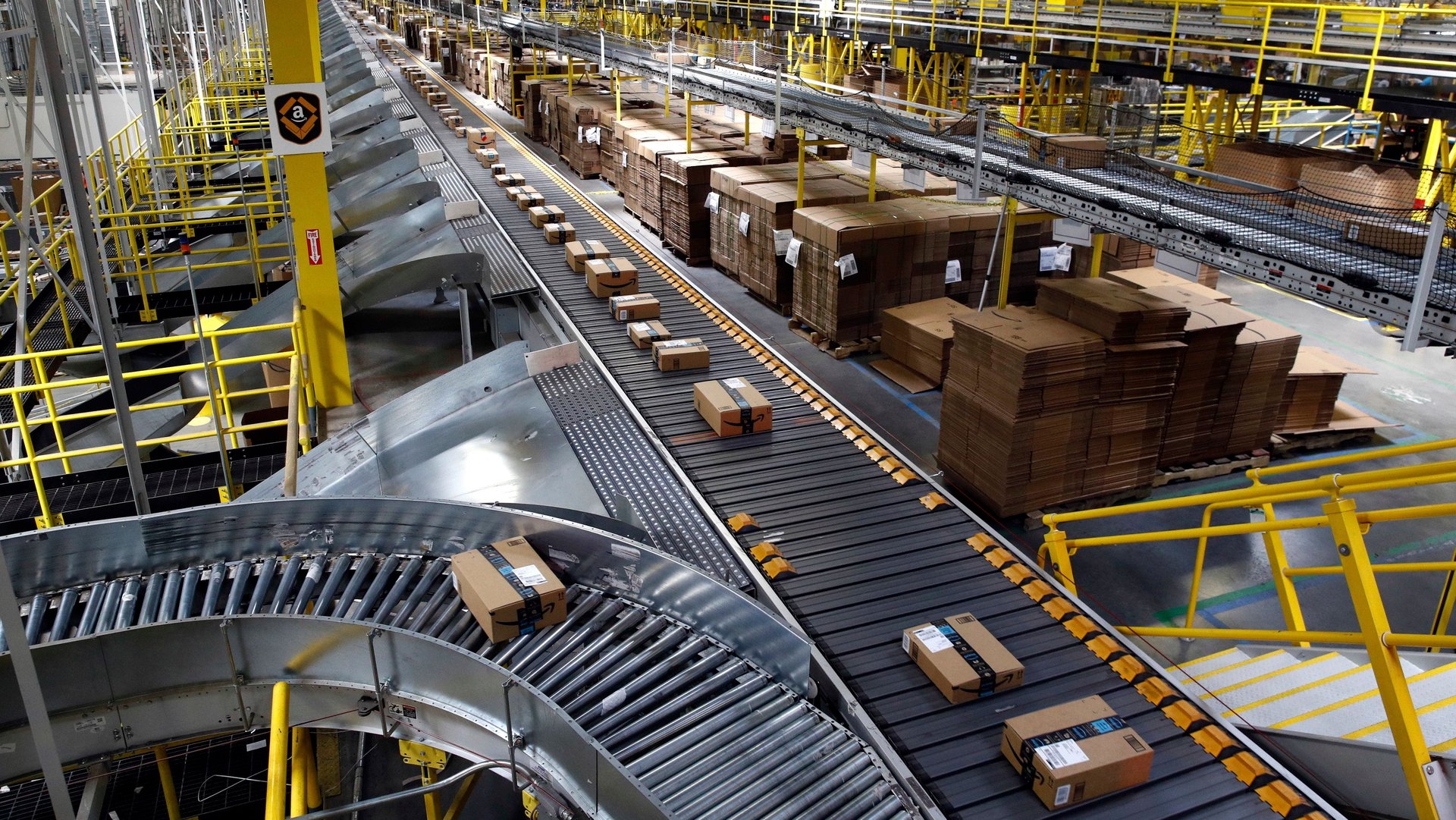
When we talk about the future of work, we often talk about job titles as a proxy for where the economy is heading. Machinists and truck drivers are out, robotics programmers and project managers are in.
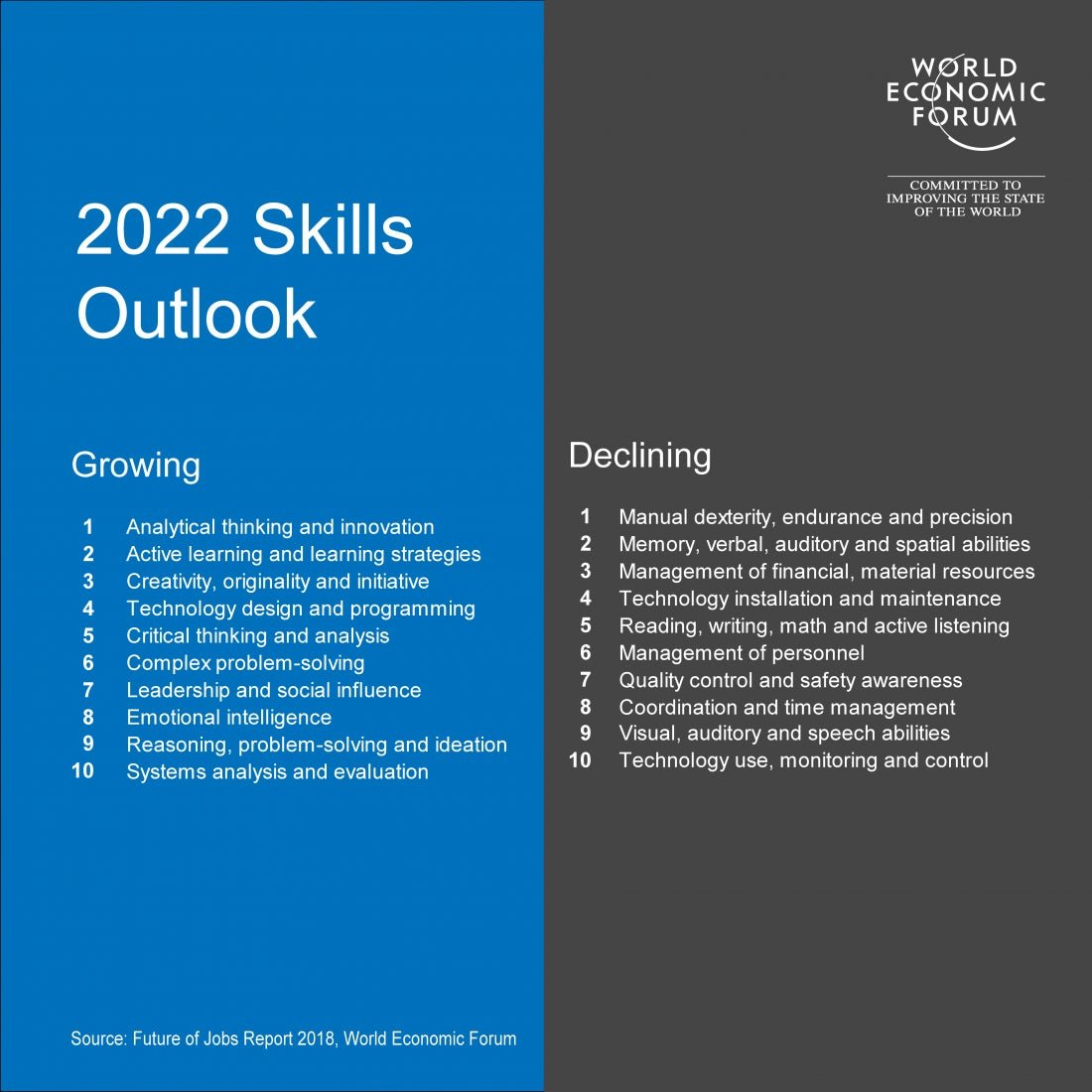
But as job titles get more and more nebulous (what is it that project managers do anyway?) a new report from the World Economic Forum suggests that we ought to also look at skills.
Join 500,000+ readers who start their day with Quartz.
By subscribing, you agree to our Terms of Service and Privacy Policy.
Skills are actionable. They can guide workers toward understanding their unique value, where they are deficient, and what they want to learn. Especially as more of the workforce shifts toward freelancers, it will be skills—not job titles—that will help workers differentiate themselves.
Many of the skills for which the WEF predicts demand will grow, like “active learning” and “technology design,” make sense for a world where the rate of technological change is set to accelerate. Meanwhile, when we think of the skills most likely to be automated, routine and repetitive tasks like adding a widget on an assembly line or filling in an accounting form come to mind. However, some of the skills needs expected to be on the decline in the next five years might come as a surprise.
In addition to manual labor, we’ve also already outsourced many cognitive tasks to technology. Phones serve as an external hard drive for our brains. Task management software replaces some of the responsibilities previously held by managers. So, even skills which may seem uniquely human, like “memory” and “management of personnel,” will become less important differentiators for human talent as technology advances, the WEF suggests. (Note that while “active learning” is among the skills expected to be in high demand just a few years from now, “active listening” is not.)
The WEF’s full list of 2022 skills might help you think through skills to develop in order to stay relevant in the future.