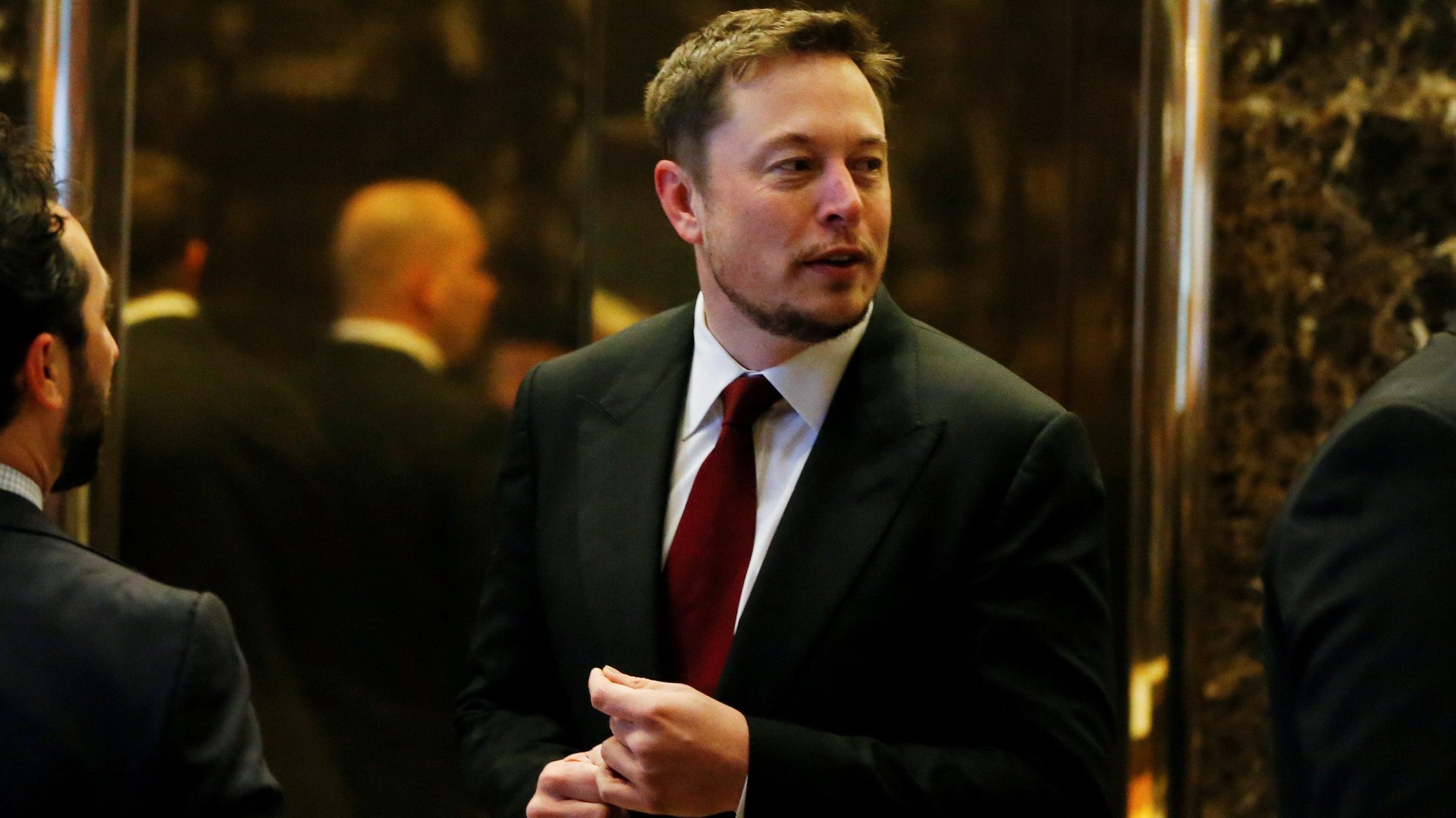
Elon Musk’s decision not to join the board of Twitter $TWTR is a good one.
He already has huge commitments to the companies he founded, in industries (electric vehicles, space exploration) that don’t clearly relate to Twitter’s business, and wouldn’t necessarily be the best fit for its business model and strategies.
In fact, his potential board appointment highlights a longstanding problem with company leadership: Firms should stop picking from a tiny pool of people who already have massive work commitments, and instead choose members with the time and energy to help steer their businesses thoughtfully. Doing so would also help combat a second, intransigent problem: Most people on boards are still white men.
On April 4 Elon Musk—whose tweets have moved markets and caused controversy in the past—announced the purchase of a 9.2% stake in Twitter for around $3 billion, making him its single biggest shareholder. The same day, Twitter appointed him to its 11-strong board, effective April 9. But the morning his new role was scheduled to start, Twitter CEO Parag Agrawal wrote on April 10, Musk changed his mind. “I believe this is for the best,” Agrawal said.
Musk may have decided he didn’t want his ownership of Twitter limited to the 14.9% stipulated by the board-seat arrangement. He may have preferred to keep lobbing advice from the sidelines.
He may also have realized he was too busy. One of the issues with the top ranks of corporate governance is that it draws so much from the same pool of already-overstretched people. This is a problem for several reasons:
