
From a 100-meter sprint to a 135-year-old tortoise, these are the records so extreme they've effectively closed the book on human and natural achievement
Credit: Richard Giles, Wikimedia Commons / CC BY-SA 2.0
The world record book is full of numbers that get erased every few years. Sprinters shave milliseconds off their times. Weightlifters add a kilogram to a clean-and-jerk. Swimmers knock fractions of a second off splits they set just months before. That churn is the nature of competitive achievement — each generation trains harder, eats better, and benefits from improved technology and sports science.
But some records are different. They sit in a category of their own, not because no one has tried to beat them, but because the circumstances that produced them were so singular, so tied to a specific moment in history or a specific combination of factors, that replication is effectively impossible. Some were set by people whose physical gifts were so extreme they represent genuine statistical outliers in human biology. Others were achieved under conditions — political, technological, cultural — that no longer exist and won't again. A few were the product of accidents or catastrophes that no one would wish to recreate.
What makes a record truly unbreakable isn't just the size of the number. It's the structural impossibility of the attempt. Bob Beamon's 1968 long jump didn't just beat the world record — it beat it by so much that the measuring equipment at the venue couldn't accommodate the distance. Usain Bolt's 100-meter mark keeps standing not because no one is fast enough to approach it, but because the gap between his time and everyone else's has barely narrowed in nearly two decades of trying. The wreck of the RMS Titanic produced a death toll that reflects a set of maritime regulations, shipbuilding standards, and ocean-crossing habits that belong entirely to another era.
There's something clarifying about this category. Most world records tell you what humans are capable of right now. The unbreakable ones tell you something more permanent — about the outer edge of physical possibility, about the irreversibility of historical events, or about the kind of talent that appears once in a century and doesn't repeat. The 15 records below belong to that second category. Some are competitive records in sports. Others are facts of history, biology, or geology. All of them share one quality: no matter what happens next, they're staying on the books.
On October 18, 1968, at the Mexico City Olympics, Bob Beamon approached the long jump runway as a strong but not dominant favorite. What happened next left the stadium speechless. Beamon jumped 8.90 meters — 29 feet, 2½ inches. The previous world record was 8.35 meters. He didn't break the record. He obliterated it by 55 centimeters, which is more than the combined total of incremental improvements the record had seen over the previous 33 years.
The optical measuring equipment at the venue wasn't designed to reach that far. Officials had to use a steel tape measure instead. When the distance was announced, Beamon collapsed to his knees. A fellow competitor, Ralph Boston, told him he had "destroyed this event."
The jump became so famous it generated its own term. "Beamonesque" entered the sports lexicon to describe any performance so far beyond the existing standard that it ruptures the normal logic of incremental improvement.
Mexico City's altitude — 2,240 meters above sea level — contributed. Thinner air means less aerodynamic drag, which benefits explosive, short-duration events. The conditions that day were also optimal: Beamon hit the board cleanly, converted his speed perfectly, and caught a tailwind that was just within the legal limit. Everything aligned at once.
The record stood for 23 years, which is itself extraordinary for a track and field mark. It was finally broken in 1991 by Mike Powell, who jumped 8.95 meters — also at altitude, also in near-perfect conditions. Powell's mark has now stood for more than 30 years and shows no sign of falling. No one has come within 20 centimeters of it under standard conditions.
But Beamon's jump remains in a different conversation from Powell's. Powell's record is legitimate and durable. Beamon's was a rupture — a single afternoon in 1968 when a 22-year-old from South Jamaica, Queens, produced something the sport had no framework to process. The altitude helped, the tailwind helped, the conditions helped. But none of that explains 55 centimeters. Athletes who have trained their entire lives to approach that distance have fallen short in every subsequent decade. The jump stands not just as a record but as a marker of what's possible when every variable peaks simultaneously for a single athlete on a single afternoon.
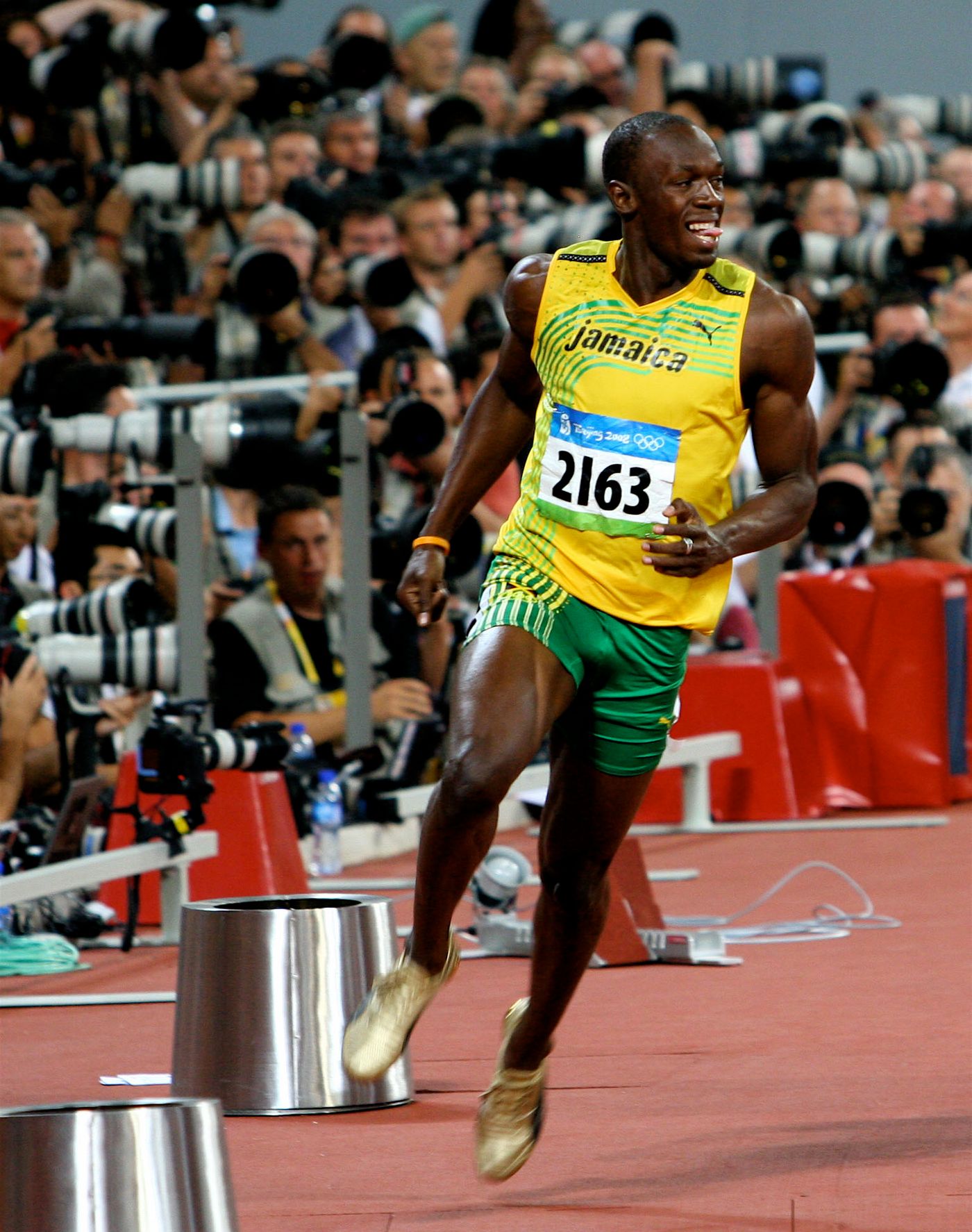
Usain Bolt ran 100 meters in 9.58 seconds at the 2009 World Championships in Berlin. That time has not been seriously threatened in the 16 years since. The gap between Bolt's record and the current second-fastest time ever run is larger than the margin by which the record had been broken in the entire decade before he arrived.
What makes Bolt's record structurally different from most athletic marks is his body. At 6 feet 5 inches, he was physically unlike every sprinter who came before him. Conventional sprint coaching held that taller athletes were at a disadvantage because they required more time to complete each stride cycle and had more mass to accelerate. Bolt disproved that theory not by disproving the physics but by having a stride length so exceptional — around 2.44 meters at peak velocity — that his stride frequency disadvantage was overwhelmed. He took 41 strides to cover 100 meters. Most elite sprinters take 44 or 45.
His mechanics were also unusual. Bolt accelerated later in a race than most sprinters, reaching peak velocity around the 65-meter mark. By the time he was decelerating, he was so far ahead that it didn't matter. In the 2009 Berlin final, he slowed noticeably in the last 10 meters and still ran 9.58.
The conditions in Berlin were favorable: a legal tailwind, a fast track, and a large, competitive field that pushed a fast pace. But Bolt had run 9.58 under circumstances that other athletes haven't been able to replicate even with the benefit of 16 more years of sports science, nutrition research, and training methodology.
His 200-meter record of 19.19, set at the same championships, is similarly untouched. His 4x100 relay splits suggest he ran individual 100-meter segments in the 9.2-second range during relay legs.
No one under 6 feet 4 inches has broken 9.70. No one approaching his height has shown comparable speed. He appears to be a genuine statistical anomaly — a body configuration that occurs rarely enough that waiting for another one could take generations.

Credit: Chris J. Nelson, Wikimedia Commons / CC BY 3.0
The 1972 Miami Dolphins went 17-0, including a Super Bowl victory, completing the only undefeated and untied season in NFL history. In over five decades since, no team has come close. The 2007 New England Patriots went 16-0 in the regular season — the best regular-season record in the modern era — and then lost the Super Bowl to the New York Giants, ending any chance of matching Miami's mark.
The structural barriers to repeating a perfect season have only grown since 1972. The NFL schedule has expanded from 14 games to 17. Each additional game is another opportunity for injury, for a bad-weather game against a desperate opponent, for a meaningless late-season contest where a backup defensive lineman rolls onto a quarterback's ankle. Variance accumulates. The longer the season, the more likely some combination of bad luck, injuries, and opponent motivation will produce a loss.
The 1972 Dolphins also benefited from a specific set of circumstances. Don Shula was in his third year coaching the team and had assembled a roster built around ball control and a suffocating defense known as the "No-Name Defense." Quarterback Bob Griese missed nine games with an injury — backup Earl Morrall stepped in and went 9-0. That depth and resilience was unusual for the era and would be nearly impossible to replicate today, when the difference between a starting quarterback and a backup is the difference between a competitive offense and one that generates field goals.
The team that wins the Super Bowl in any given year has typically endured at least one loss somewhere in the process. The 1972 Dolphins lost twice in the previous season and used that as motivation. Their perfect year was partly the product of a specific roster at a specific moment in franchise history — a convergence that doesn't repeat.
The record is also self-reinforcing. Every year the season continues without a perfect team, the standard becomes more culturally fixed as unreachable. Coaches now manage rest and health with an eye toward the playoffs, not perfection. No modern team would risk starting starters in a week-17 game to preserve an undefeated record. The strategic logic of the league works against it.
On March 2, 1962, Wilt Chamberlain scored 100 points for the Philadelphia Warriors against the New York Knicks in Hershey, Pennsylvania. The next-highest single-game total in NBA history is 81 points, scored by Kobe Bryant in 2006. No one has come within 19 points of Chamberlain's mark in more than 60 years.
The game itself was deliberately orchestrated to give Chamberlain the record. Late in the fourth quarter, with the Warriors far ahead, teammates kept feeding him the ball every time down the court. The Knicks, aware of what was happening, intentionally fouled other players to prevent Chamberlain from getting the ball. Warriors players responded by fouling Knicks players to get possession back. The final minutes were a farce of intentional fouling and deliberate feeding.
None of that diminishes the physical achievement. Chamberlain shot 36 of 63 from the field and 28 of 32 from the free-throw line. His free-throw shooting that night was remarkable — he was a notoriously poor free-throw shooter for most of his career, finishing with a career percentage of 51.1%. He shot an underhanded "granny style" free throw in that game, which is what produced the unusually high percentage.
The modern NBA makes a repeat nearly impossible for several reasons. Zone defenses, which weren't legal in 1962, can collapse around a dominant post player. Pace-and-space offenses spread defenders across the floor rather than isolating a single scorer. Referees have become more attentive to deliberately feeding one player. And the game is simply more analytically optimized — a team that allowed a blowout of that scale would be managing rotations, not chasing a record.
No player in today's game has the combination of size, strength, and offensive versatility that Chamberlain possessed. He stood 7 feet 1 inch and weighed around 275 pounds with the agility of a much smaller man. He is the only player in NBA history to average 50 points per game for an entire season.
Secretariat won the 1973 Belmont Stakes by 31 lengths in a time of 2 minutes, 24 seconds — a record for the 1½-mile race that has stood for more than 50 years. His time has never been approached. The second-fastest Belmont ever run is more than two seconds slower.
What makes this record different from most horse racing marks is not just the margin but the structure of the performance. Secretariat ran each quarter-mile of the race faster than the one before it. Horses typically slow as they fatigue over distance. Secretariat accelerated. His final quarter was his fastest. That kind of negative split — getting quicker as the race progresses — is essentially unheard of in a race of that length.
A post-mortem after Secretariat's death in 1989 found that his heart weighed approximately 22 pounds. The average thoroughbred heart weighs around 8.5 to 9 pounds. His heart was two and a half times normal size. Veterinarians speculated it was a genetic mutation inherited through his dam's bloodline, likely passed through a gene on the X $TWTR chromosome. The mutation has been identified in other horses but never to the same degree.
The 1973 Belmont was also Secretariat's third Triple Crown race that year. He had already won the Kentucky Derby and the Preakness, and he ran the Belmont as if the previous two races hadn't happened. His Derby time is also still the record for that race.
Modern breeding practices have not produced a horse that approaches Secretariat's cardiovascular capacity. Breeding for speed has produced faster horses in short races, but the combination of raw power, stamina, and the specific cardiac anomaly that allowed Secretariat to sustain elite speed over 1½ miles has not reappeared. The record sits alone — not just as the fastest Belmont ever run, but as a performance whose underlying biology may be unreproducible.
Credit: nyiragongo, Adobe Stock Images
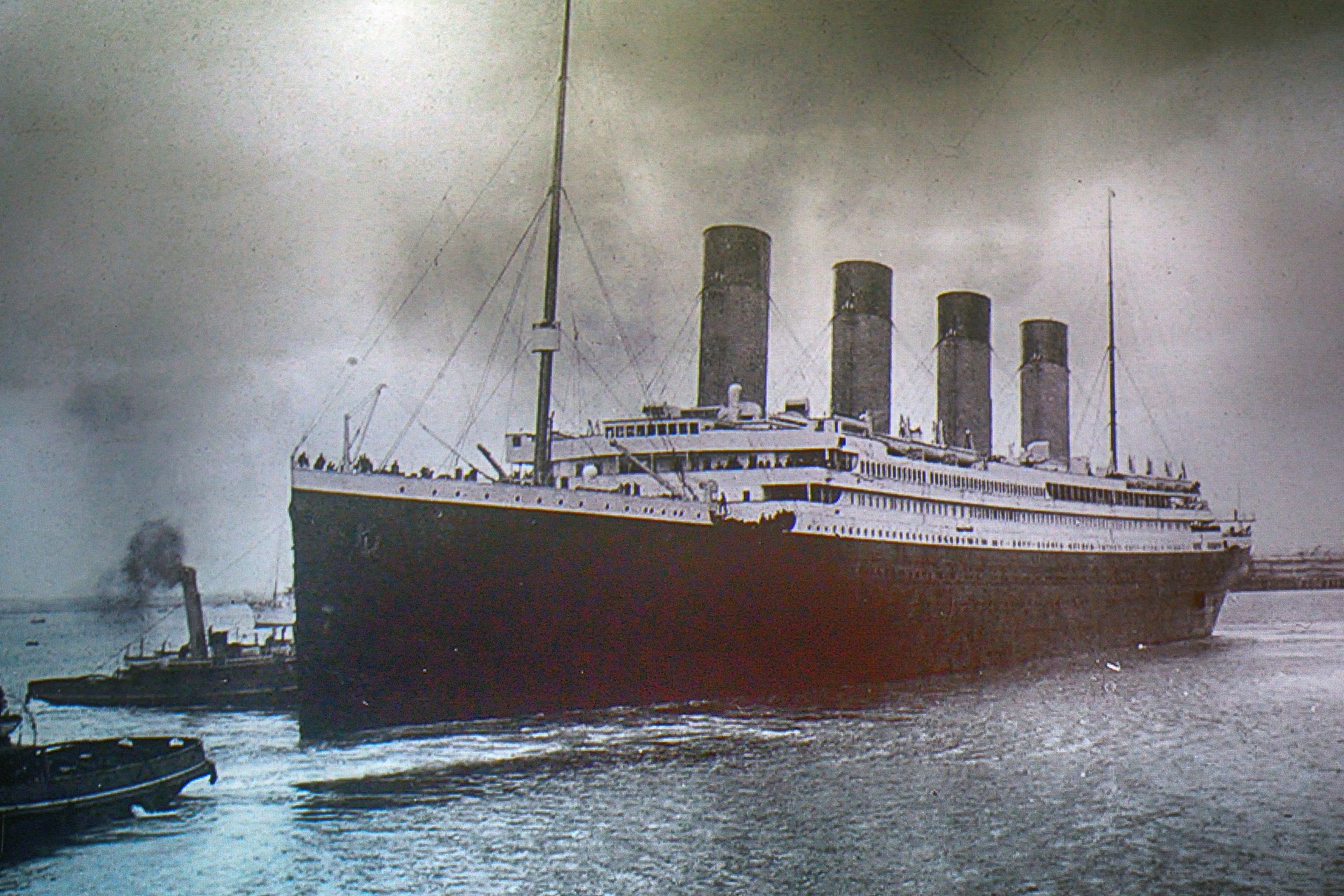
The RMS Titanic sank on April 15, 1912, killing approximately 1,500 people. That figure makes it one of the deadliest peacetime maritime disasters in history. The combination of scale, speed of sinking, inadequate lifeboats, and the vessel's status as the largest ship afloat at the time produced a casualty count that reflects a specific moment in maritime history — one that modern safety regulations, construction standards, and international maritime law have made impossible to repeat.
The Titanic was carrying around 2,224 people and had lifeboat capacity for roughly 1,178 — about half. That ratio was actually compliant with the outdated British Board of Trade regulations at the time, which had not kept pace with the dramatic increase in ship size. The Titanic's designers considered the ship's watertight compartments to be a form of safety redundancy that reduced the need for lifeboats. That reasoning proved catastrophic.
After 1912, international maritime law changed fundamentally. The Safety of Life at Sea convention, first adopted in 1914 in direct response to the Titanic, established requirements for lifeboat capacity, radio communication, and crew training that have been revised and strengthened multiple times since. Modern cruise ships carry enough lifeboats and life rafts for every person on board, plus a percentage margin. They are required to conduct safety drills. They carry multiple independent communication systems.
Modern ships are also built with damage-control systems that allow crew to respond to flooding in ways that were impossible in 1912. Hull designs have evolved. Navigation technology has transformed the management of ice-prone waters.
The Titanic disaster occurred because a very large ship traveling at high speed struck an iceberg in the North Atlantic, carried insufficient lifeboats, and sank faster than expected. Every one of those variables has been addressed by regulation in the century since. The scale of that disaster is a record of a specific regulatory failure that no longer exists.
Wayne Gretzky retired in 1999 with 2,857 career points in the NHL. The second-highest total in history belongs to Jaromir Jagr, with 1,921 points. Gretzky leads the all-time list by 936 points. That margin is itself larger than the total point count of many players who are considered Hall of Famers.
The assist record alone tells the story. Gretzky finished with 1,963 career assists. That number, on its own — counting only assists, zero goals — would still make him the all-time leading scorer in NHL history. No other player has come within 600 points of his combined total.
Part of Gretzky's dominance was era-specific. The 1980s NHL was a high-scoring league, particularly for the Edmonton Oilers, who ran an offensive system designed to maximize production by elite players. The neutral-zone trap, defensive systems that suppressed scoring, and goaltending improvements that came in the 1990s and 2000s changed the average goals-per-game figure significantly. Gretzky's prime years coincided with the most offensively productive era in modern NHL history.
But even adjusting for era, the scale of his output was anomalous. He led the league in scoring in 11 of his 20 seasons. He won the Hart Trophy — the NHL's most valuable player award — nine times. He set or tied 61 NHL records during his career.
The modern NHL is faster, more defensive, and more analytically optimized than the league Gretzky played in. Players are bigger, goaltenders are better-coached and better-equipped, and shot-selection metrics have reduced the kinds of high-volume, low-percentage shots that inflated scoring in the 1980s. A player in today's league would need to play at a historically elite level for longer than any current career has suggested is possible, simply to approach Gretzky's total.
His records are not just unbroken. They belong to a different register of hockey achievement entirely.

Credit: Justin Raycraft, Wikimedia Commons / CC BY 2.0
The 1815 eruption of Mount Tambora in what is now Indonesia is the most powerful volcanic eruption in recorded history. The eruption had a Volcanic Explosivity Index rating of 7 — on a logarithmic scale where each step represents a tenfold increase in eruptive material. It expelled approximately 160 cubic kilometers of dense rock equivalent into the atmosphere. The explosion was heard more than 2,000 kilometers away.
The death toll from the eruption itself was estimated at 10,000 to 12,000 people on the island of Sumbawa. The downstream effects were far larger. The volcanic winter caused by the ash cloud — which reduced global temperatures by an estimated 0.4 to 0.7 degrees Celsius — led to widespread crop failures across North America, Europe, and Asia in 1816, a year that became known as the "Year Without a Summer." The resulting famine and disease are estimated to have killed between 71,000 and 100,000 additional people.
The record here is not breakable in any conventional sense. Volcanic eruptions are not competitive events. But Tambora represents the upper bound of what documented volcanic activity looks like — the largest eruption to occur within the period of human record-keeping. The only events on a comparable scale in geological history, such as supervolcano eruptions at Yellowstone or Toba, predate written records.
What makes Tambora's record effectively permanent is that a comparable or larger eruption would be a civilizational catastrophe of a kind that modern society has no framework to manage. The ash clouds, temperature suppression, and disruption to agriculture would operate on a timescale of years, not weeks. The affected population would not be a remote island but interconnected global supply chains.
The record stands not because eruptions can't get bigger, but because anything bigger would redefine what the word "disaster" means. In that sense, it is the outer edge of the documented world.
Credit: Aussie~mobs, Flickr
Roald Amundsen and his team of four reached the South Pole on December 14, 1911, becoming the first humans to stand at 90 degrees south latitude. That record cannot be broken. It is a record of first arrival at a fixed geographic point, and first arrivals, by definition, happen once.
The story of how Amundsen did it is a study in preparation overwhelming ambition. His rival, Robert Falcon Scott, was racing him to the same destination. Scott arrived 34 days later, on January 17, 1912, to find a Norwegian flag already planted. Scott's entire party of five died on the return journey, making the race one of the most documented tragedies in exploration history.
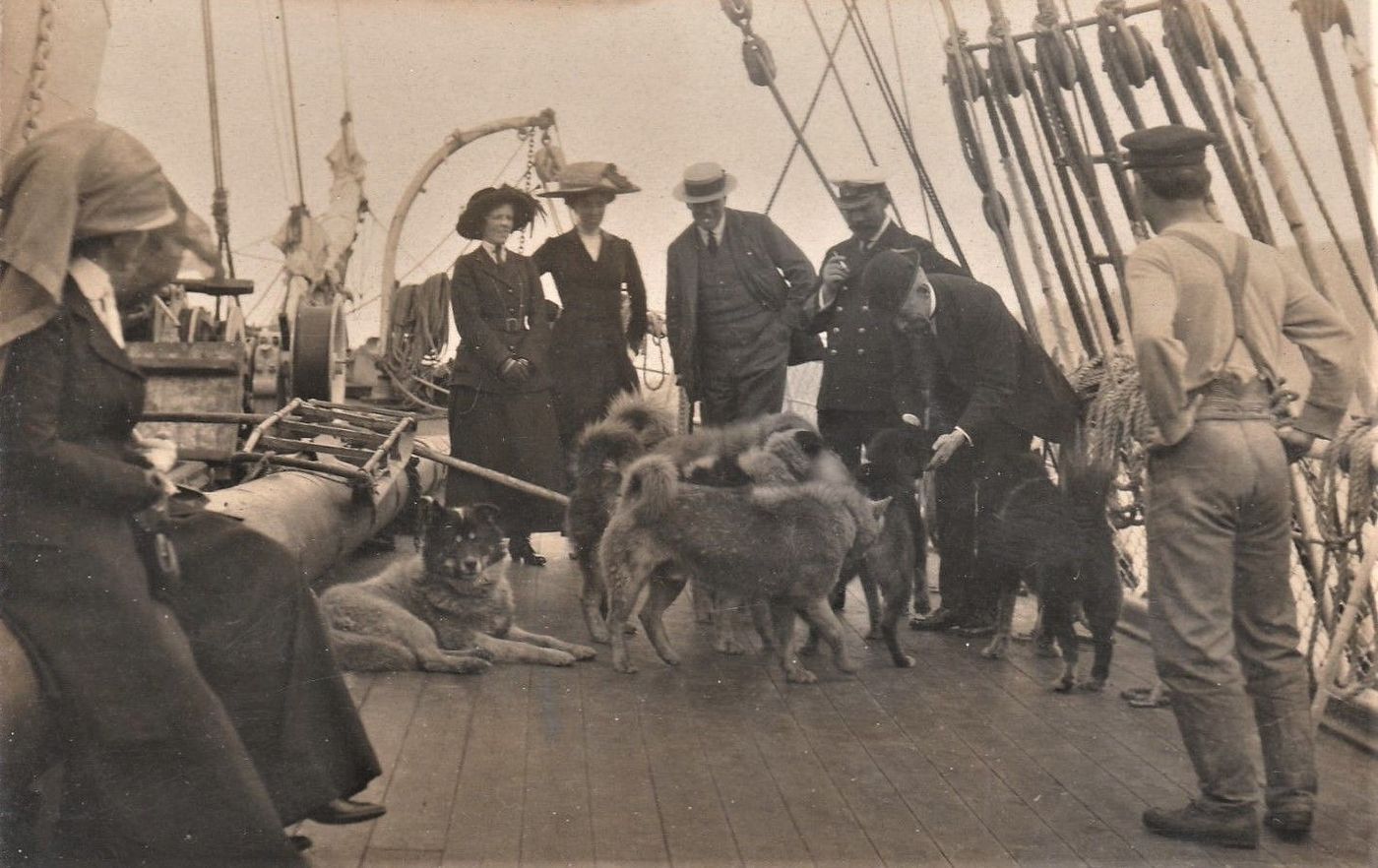
Amundsen's success came from decisions made months before the race began. He used sled dogs not merely as transport but as a self-replenishing food source — the plan called for killing weaker dogs and feeding them to the stronger ones as the journey progressed. Scott relied more heavily on ponies and man-hauling, both of which proved less efficient in Antarctic conditions.
Amundsen had also spent time with the Netsilik Inuit in northern Canada during an earlier expedition, learning how to travel, sleep, and survive in extreme cold. He applied those lessons to his equipment, his clothing, and his pacing strategy. The Norwegian team covered their return journey efficiently enough to lose virtually no margin from their schedule.
The record of first arrival is categorical. No technology, no degree of athletic preparation, and no future expedition can retroactively arrive at the South Pole before December 14, 1911. What Amundsen achieved is fixed in time in a way that no competitive record is — it will remain his regardless of what follows.
Credit: Ayorinde Ogundele, Wikimedia Commons / CC BY-SA 4.0
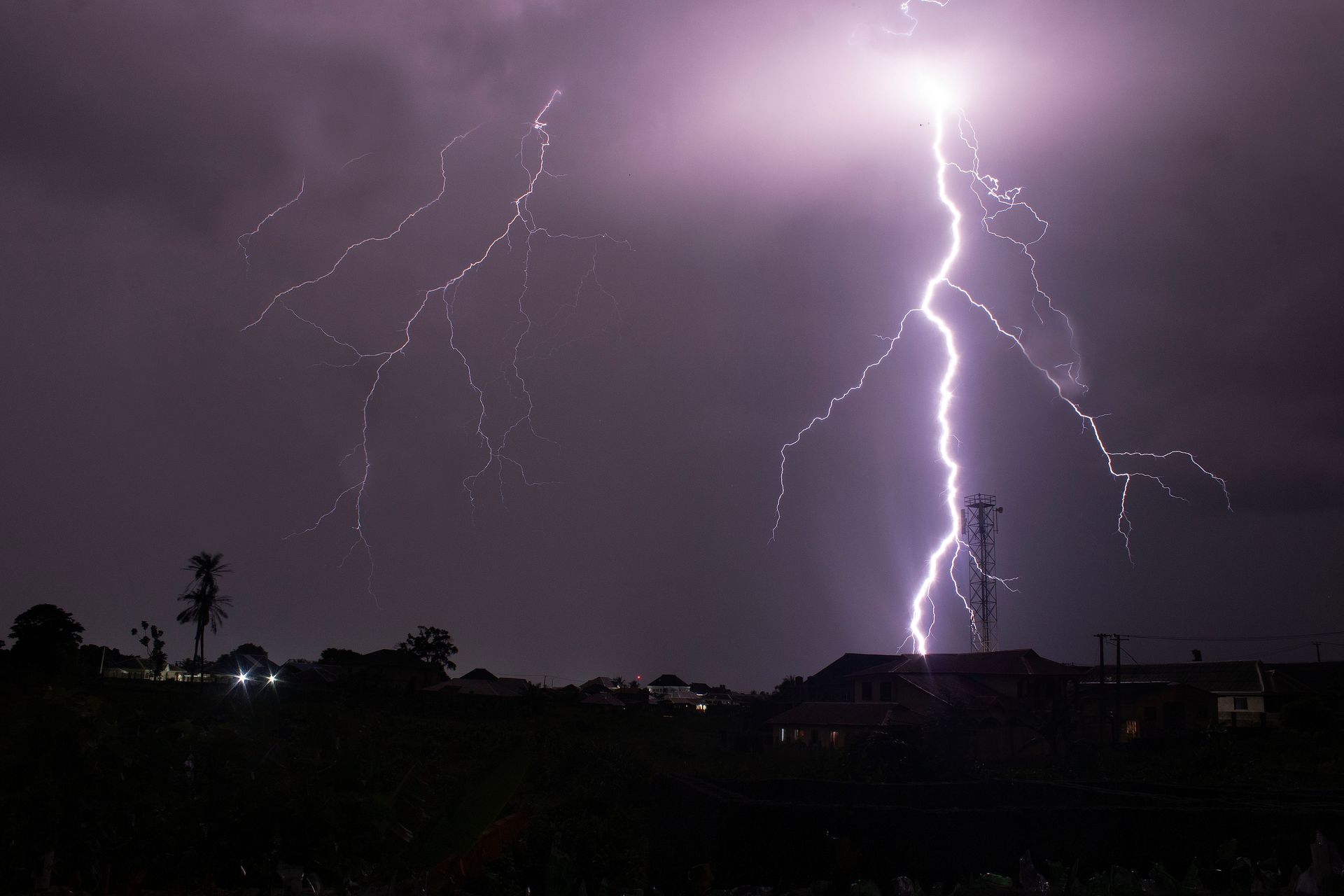
In 2020, the World Meteorological Organization certified a single lightning bolt that stretched 768 kilometers (477 miles) across the southern United States on April 29, 2020. The bolt traveled from Texas through Louisiana and into Mississippi. It surpassed the previous record of 709 kilometers, which had itself been set only in 2018.
Lightning records are genuinely unusual entries in the category of "records that may never be broken" because they are not competitive — no one is attempting to produce longer lightning. The record reflects the natural upper bound of what a single electrical discharge can sustain across the lower atmosphere before dissipating.
What limits a lightning bolt's length is the availability of charged particles along a connected channel of atmosphere. The bolt has to continuously find conducting conditions. The 768-kilometer record occurred because a single thunderstorm system produced atmospheric conditions that sustained an unbroken electrical channel across three states. The geography of the U.S. Gulf Coast — flat terrain, humid air masses, and the collision of warm Gulf air with cooler continental air — is unusually favorable for producing extreme storm systems.
Could a longer bolt occur? In principle, yes. The atmosphere has no hard physical cap at 768 kilometers. But achieving a longer bolt would require a larger sustained thunderstorm with a continuous band of conductive conditions, which depends on weather patterns that are statistically rare. The probability decreases steeply with each additional kilometer.
The record is also only verifiable because of modern lightning detection networks. Pre-satellite records are largely unreliable. This is a category of measurement that has only existed with precision for a few decades, meaning the record reflects both the physical event and the detection technology available to observe it. Earlier storms may have produced longer bolts that simply weren't recorded. The certified record is the longest documented — a distinction that matters.
Joe DiMaggio hit safely in 56 consecutive games for the New York Yankees in 1941. It is the most durable record in Major League Baseball — a sport that produces statistical records with unusual frequency. No one has come within 12 games of the mark. The second-longest streak is 44 games, set by Pete Rose in 1978.
The hitting streak is uniquely resistant to replication because it compounds difficulty. Each additional game doesn't require the same performance — it requires performing at that level while carrying the psychological weight of every game before it, against increasingly prepared opponents, through injuries, travel, and the ordinary variance of a baseball season.
DiMaggio's 1941 streak also occurred at a time when defensive shifting was essentially nonexistent. Modern analytics have led to extreme defensive positioning, with fielders placed based on spray charts of where specific batters tend to hit the ball. A pull hitter facing a shift in 2025 has significant portions of the field covered that would have been open in 1941. Ground balls that would have been hits then roll into the shift now.
The nature of pitching has also changed. In 1941, a batter typically faced the same starter for seven or eight innings. Modern bullpen usage means a batter might see four or five pitchers in a single game, each with fresh velocity and movement. The final-inning specialist — a reliever throwing his hardest for one or two appearances — is a product of modern baseball. DiMaggio faced no such obstacles at scale.
Baseball's own statistical tracking also shows that long hitting streaks have been declining in frequency since the 1970s, as the game has become more analytically optimized and pitchers have become more specialized. The conditions that produced DiMaggio's streak — the era's pitching patterns, defensive alignment, and pace of play — are gone.

Credit: Arne Hendriks, Flickr
Jeanne Calment of France was born on February 21, 1875, and died on August 4, 1997, at the verified age of 122 years and 164 days. Her age at death is the longest verified human lifespan in recorded history. The second-oldest verified person, Kane Tanaka of Japan, died in 2022 at age 119.
The record is likely to stand not because no one will live to 120 again, but because the conditions for precise verification of a claim this extreme are difficult to reproduce. Calment's birth and life were documented in French civil records from 1875 onward. Her age was verified by researchers who cross-checked birth certificates, census records, family documents, and photographs across more than 120 years of documentation.
The biology of extreme aging sets practical limits on how far beyond 122 a human lifespan can extend. Aging research consistently identifies the same bottlenecks: telomere shortening, accumulated cellular damage, immune system decline, and cardiovascular deterioration. These are not soft limits that better medicine will simply dissolve. They reflect the underlying biology of how human cells replicate, maintain, and eventually fail.
No pharmaceutical intervention, no dietary regime, and no form of treatment currently available or on the near-term scientific horizon has extended human lifespan beyond 120 in any verified case. The field of longevity research has produced important findings about healthspan — the period of life lived in good health — but maximum lifespan remains stubbornly fixed near the same biological ceiling.
Calment's 122 years may or may not be beaten in the next century. But the gap between that number and the biology of normal aging is large enough that the record represents the outer edge of what human cells appear capable of sustaining. Even if someone does eventually surpass it, the record will have stood for well over a century before being touched.
Credit: Kevin Gepford, Wikimedia Commons / CC BY-SA 4.0
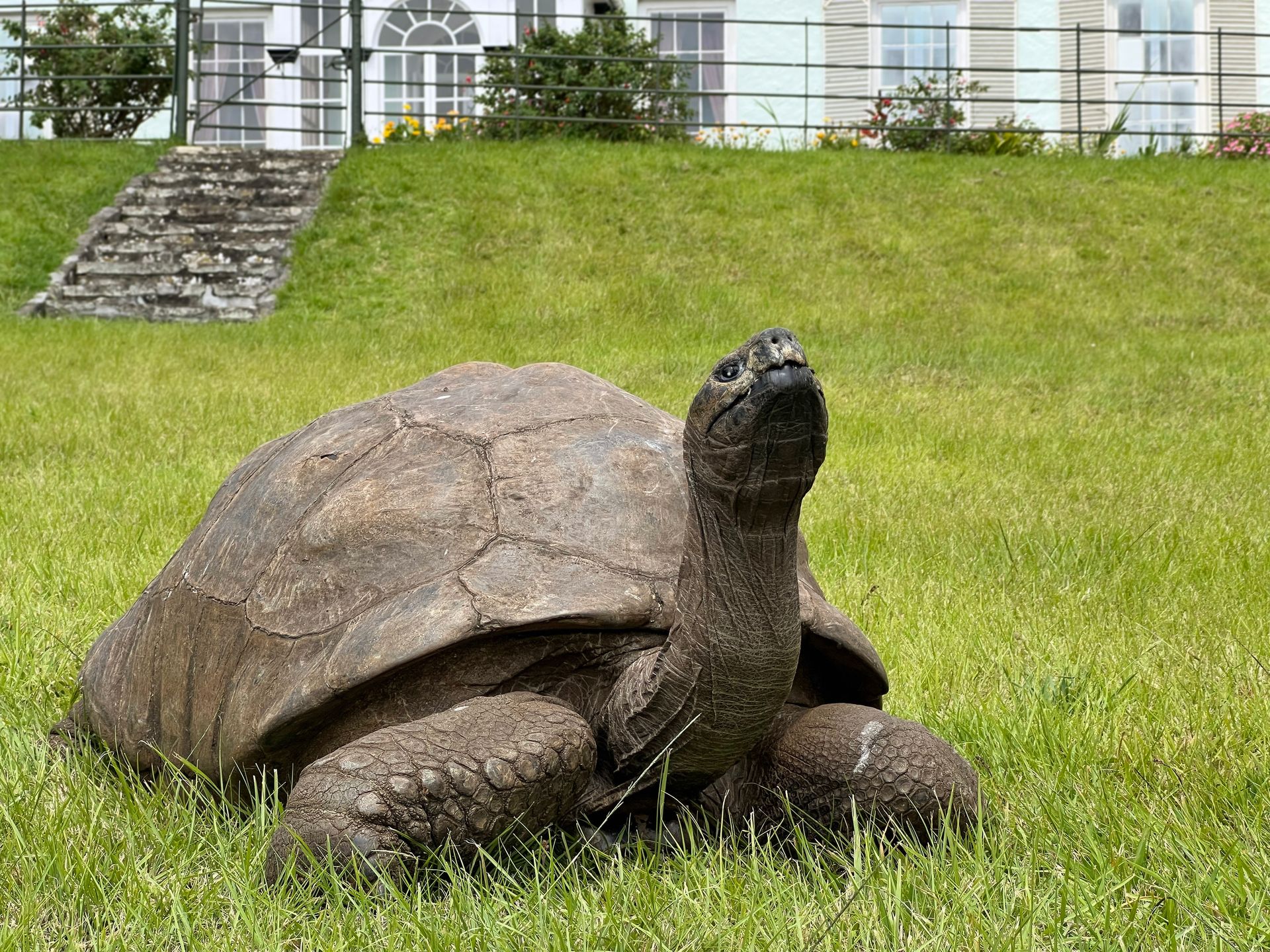
Jonathan, a Seychelles giant tortoise living on the island of Saint Helena in the South Atlantic, is the oldest known living land animal and possibly the oldest living animal with a confirmed birth date. He was born around 1832 and, as of 2024, was approximately 192 years old.
Jonathan arrived on Saint Helena in 1882, when he was already estimated to be around 50 years old. A photograph taken between 1882 and 1886 showing an adult tortoise on the island was compared with Jonathan's current appearance and confirmed to be him. That photographic record, combined with ship manifests and colonial-era documents, gives his age a reasonable degree of verification.
He outlived the governor who brought him to the island. He was alive during the American Civil War, the construction of the Suez Canal, both World Wars, the invention of the telephone, the first moon landing, and the entire history of commercial aviation. His lifespan predates the internal combustion engine.
Jonathan's longevity reflects the biology of giant tortoises as a group, not an anomaly within his species. Aldabra giant tortoises and Seychelles giant tortoises have metabolisms so slow and cardiovascular systems so efficient that their rate of aging appears to slow significantly after early adulthood. Some researchers have found that the biological markers of aging — which accelerate in mammals — plateau in giant tortoises once they reach maturity.
The record Jonathan holds is unlikely to be approached by another animal with reliable documentation. Longevity claims for wild animals are almost impossible to verify. Jonathan's age is known because he was in captivity on a small island with a continuous administrative record from 1882 onward. That level of documentation, combined with a lifespan this long, is effectively impossible to replicate.
Credit: Hij802, Wikimedia Commons / CC BY-SA 4.0
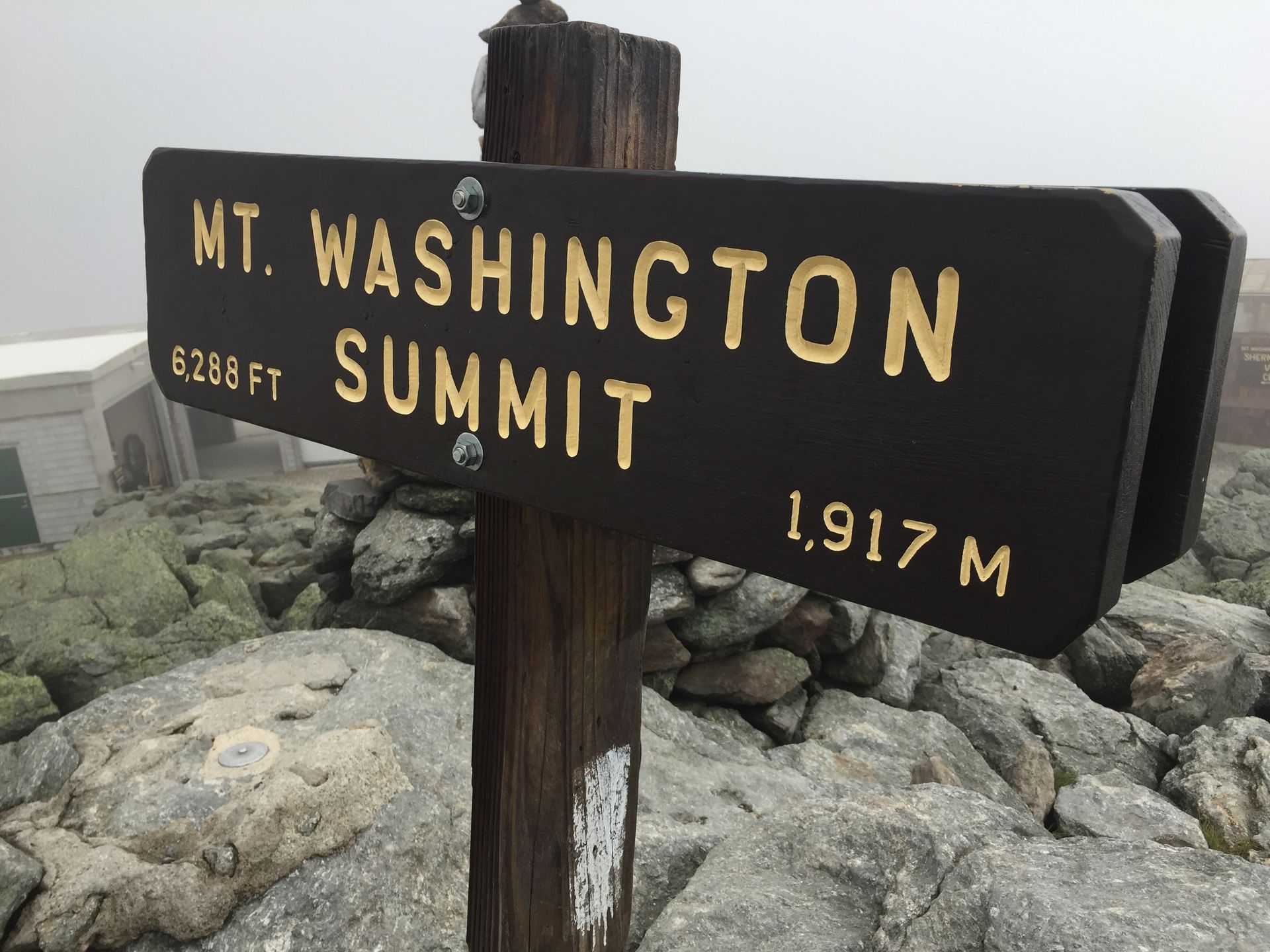
On April 12, 1934, a weather observatory on the summit of Mount Washington in New Hampshire recorded a wind speed of 231 miles per hour (372 kilometers per hour). The measurement stood as the officially recognized surface wind speed record for 76 years, until the World Meteorological Organization acknowledged a 1996 measurement from Barrow Island in Australia of 408 kilometers per hour during Tropical Cyclone Olivia.
The Barrow Island measurement is now the official record, but both figures sit in a range that represents the upper limit of wind speeds that occur at Earth's surface under naturally occurring storm conditions. The Barrow Island gust occurred on a flat, exposed island with no orographic enhancement — meaning it wasn't artificially amplified by mountain topography. The measurement was taken by an automatic weather station and verified retroactively.
What limits surface wind speed is the physics of how pressure gradients, temperature differentials, and friction interact at the boundary between atmosphere and surface. Tropical cyclones can produce extreme gusts in their eyewall region, but sustained speeds beyond 400 kilometers per hour require a combination of favorable pressure gradient, low surface friction, and specific topographic exposure that rarely coexists.
The record could theoretically be exceeded. But exceeding it would require a measuring instrument to be present in exactly the right location at exactly the right moment during an extreme storm event — a combination of chance and preparation that is difficult to engineer. Most extreme weather events either lack measurement instruments, disable instruments before the peak event, or occur in locations without permanent observing infrastructure.
The record is also self-limiting in a practical sense: wind speeds high enough to exceed 400 kilometers per hour at the surface tend to destroy the equipment designed to measure them. Several candidate records have been invalidated because the measuring device failed before or during the event.
-300x374.jpg)
Credit: Jamling Tenzing Norgay, Wikimedia Commons / CC BY-SA 3.0
Edmund Hillary and Tenzing Norgay reached the summit of Mount Everest at 11:30 a.m. on May 29, 1953, becoming the first humans to stand at the highest point on Earth's surface. That record is permanent. It is a record of first arrival, and first arrivals are categorical — they happen once.
More than 6,000 people have reached the summit since 1953. The mountain has been climbed via multiple routes, in different seasons, without supplemental oxygen, by solo climbers, and by climbers as young as 13 and as old as 80. The achievement of standing at 8,849 meters has been democratized to a degree that would have been unrecognizable to the 1953 expedition.
None of that touches Hillary and Norgay's record. The question of who first reached the summit was the central competitive fact in Himalayan mountaineering for decades. Several expeditions attempted Everest before 1953. A British climber named George Mallory died on the mountain in 1924 during an attempt whose outcome remains unknown. Whether Mallory and his partner Andrew Irvine reached the summit before disappearing is a historical question that has never been definitively resolved.
Hillary and Norgay's first verified summit is the record that stands. It is a record not of performance — of speed or style or difficulty — but of precedence. That precedence is, by definition, unrepeatable.
The 1953 expedition was a product of its historical moment: post-war British mountaineering, the logistics of a large expedition, the mapping work done by previous attempts, and a partnership between a New Zealand beekeeper and a Nepali Sherpa who had already attempted the mountain four times. Their ascent closed a question that had been open for more than 30 years of high-altitude effort. The answer, once given, cannot be ungiven.