
The worst used cars you'll want to avoid this year
From a 13-second Mitsubishi Mirage to a Toyota Tundra with worrying crash-test scores, the used cars not worth your money

chanakon laorob / Getty Images
Most used cars on the market today are serviceable. The average quality floor across the automotive industry has risen substantially over the past two decades, driven by consumer expectations, safety regulations, and intensifying competition that punishes manufacturers who ship vehicles with serious deficiencies. A buyer shopping for a used compact SUV or a used sedan in the $20,000–$35,000 range will find no shortage of capable options. Many of them are genuinely good. The challenge is that a few are not. In the used-car market, where buyers often lack the recourse available with a certified new vehicle, landing on a bad one carries real financial consequences that can persist for years.
Used cars add a layer of complexity to the bad-car problem that new cars do not. A vehicle that was merely mediocre when new can become a liability after 50,000 miles of use, especially if its initial flaws — underpowered engine, poor ride quality, substandard materials — have compounded with wear. Buyers who choose a new car with a poor review score can at least return it to the dealer if the problems become serious enough. Used-car buyers take on a vehicle’s history alongside its current shortcomings, and a car that finished last in its class rankings when it was new offers no particular reason to believe it has improved in the intervening years.
The 10 vehicles below come from U.S. News & World Report’s list of used cars to avoid, which identified the lowest-rated models on the U.S. News database using a 10-point scoring system that incorporates expert reviews, safety data, and owner-reported reliability and satisfaction. Every vehicle on this list earned a rating of 6.5 or below. Several were discontinued due to poor performance, which is informative in itself.
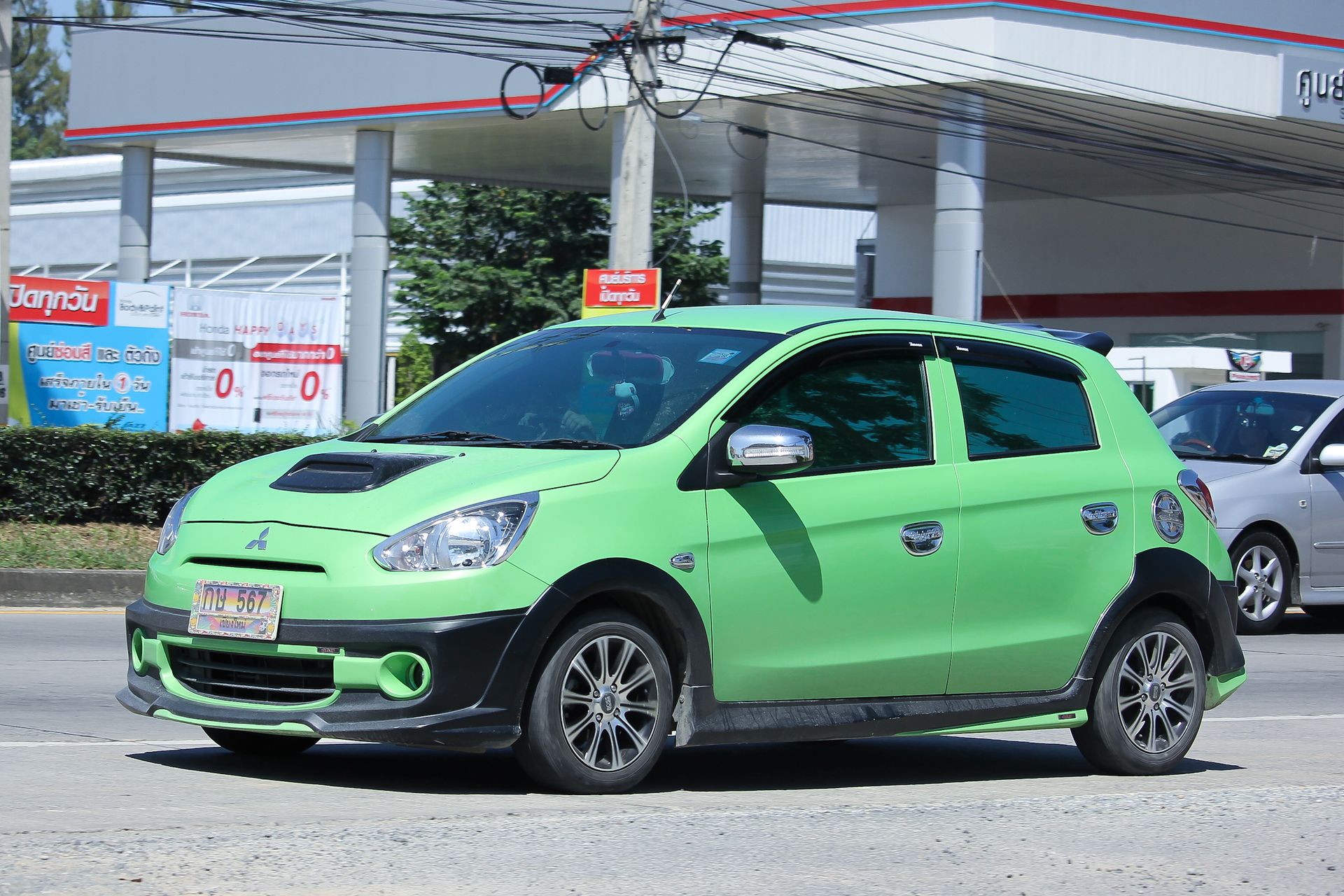
1. Mitsubishi Mirage scores 5.2 out of 10 at discontinuation
nuttapong / Getty Images
The 2022 Mitsubishi Mirage earned a 5.2 out of 10 from U.S. News, the lowest rating on this list, and Mitsubishi discontinued the model after the 2024 model year. The Mirage’s sole genuine virtue was its price: the car occupied the absolute bottom of the market, which attracted buyers whose budget left them no other viable option. At that price point, the Mirage’s deficiencies became easier to absorb in theory, but harder to live with in practice.
The performance was genuinely dismal. A 0-to-60 mph time of approximately 13 seconds puts the Mirage well behind not just compact cars but most vehicles on the road, including ones that weigh considerably more and are built for fuel economy over speed. The handling offered no compensation for the lack of straight-line performance, and the ride quality fell short of even modest expectations. The exterior styling did not generate sufficient goodwill to offset those driving shortcomings.
The interior compounded the problems. Cheap plastics dominated the cabin, giving the interior a noticeably downmarket character, and the feature list was short even by the standards of entry-level vehicles. The Mirage’s one legitimate counterclaim was its genuinely good fuel economy, and its projected ownership costs were low. Those are real benefits for a buyer on an extremely tight budget. Neither benefit, however, makes the Mirage a car worth buying on the used market, where the price gap between the Mirage and significantly better alternatives has narrowed. A buyer who can afford a used Mirage can probably also afford a used vehicle that drives, looks, and feels substantially better in every measurable dimension. The used-market price differential between a Mirage and a meaningfully better-rated subcompact is narrow enough that the Mirage’s low cost no longer constitutes a compelling argument for choosing it over the alternatives that a comparable budget can reach.
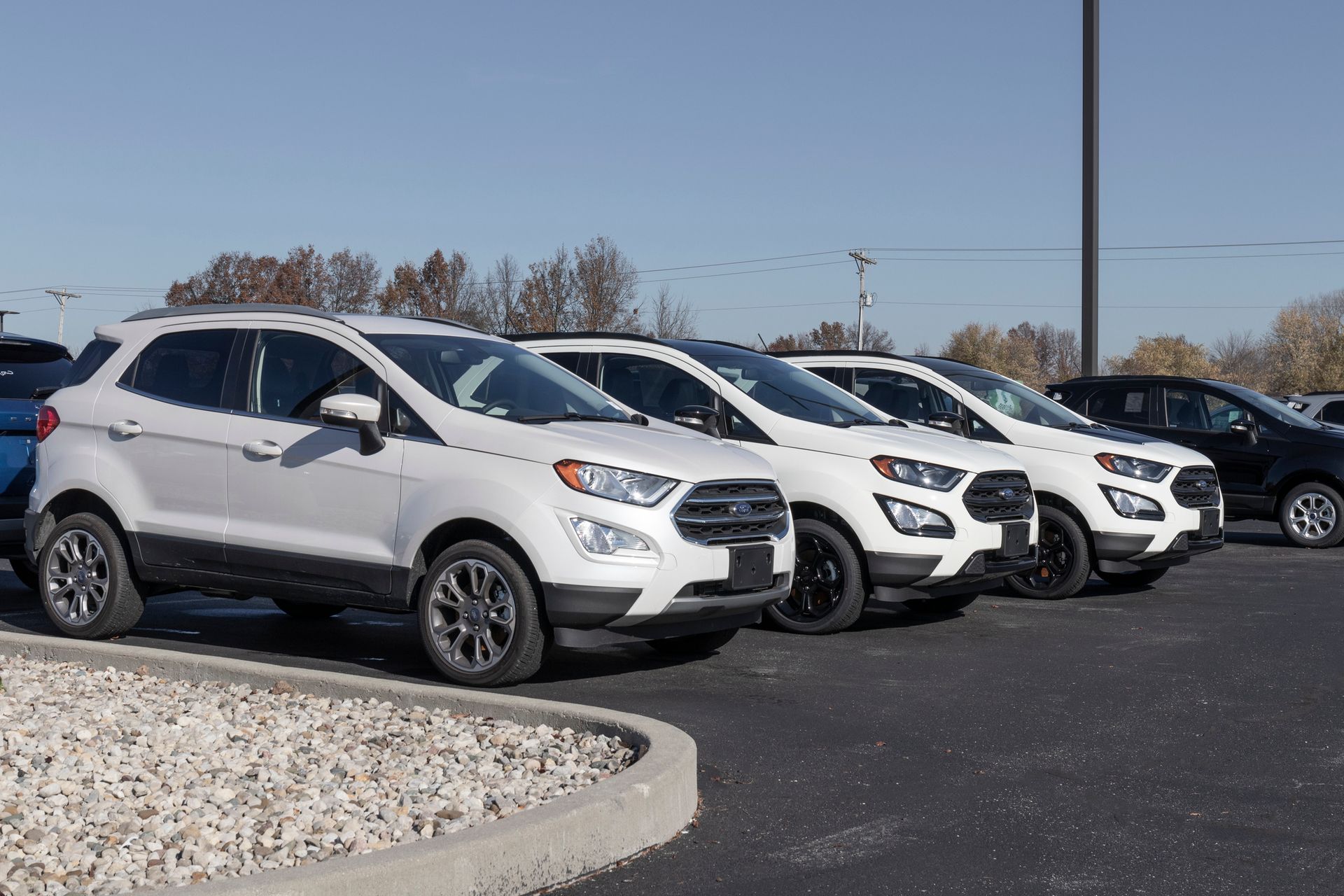
2. Ford EcoSport sits last in its class with a 5.5 rating
jetcityimage / Getty Images
The 2022 Ford $F EcoSport earned a U.S. News rating of 5.5 and ranked 21st in its subcompact SUV class. It was in last place, because the class contained exactly 21 entries. The EcoSport’s problems span multiple vehicle categories: the engine delivers weak output, the handling is merely adequate, and the ride is noticeably bumpy. Its fuel economy also disappointed, eliminating one of the common compensations buyers of underpowered vehicles might otherwise expect.
The interior compounds the vehicle’s competitive disadvantages. The cabin materials feel downmarket, telegraphing cost-cutting across every surface the driver and passengers come into contact with. The rear seats are undersized for adults, limiting the EcoSport’s family utility. The standard infotainment display measured 4.2 inches — smaller than most smartphones at the time of production — which was a notable shortcoming even in 2022. The optional 8-inch screen offered a more usable interface, but an optional infotainment upgrade does not address the powertrain, ride, and materials deficiencies that make the EcoSport a poor choice at any configuration.
Discontinuing the EcoSport was the right decision. The model’s class-last position reflects a vehicle that was outcompeted in nearly every meaningful category by a substantial majority of its segment rivals. Used buyers shopping the subcompact SUV category will find that the vehicles that finished above the EcoSport in 2022 class rankings are available at similar used prices and offer better experiences meaningfully across all the dimensions where the EcoSport underdelivered. The EcoSport’s used-market price does not compensate for its shortcomings, and buyers who prioritize fuel economy, cabin quality, or rear-seat space will find that each of those priorities is better served by the alternatives the same budget can access. The 4.2-inch standard infotainment screen also deserves specific mention as a component that was already obsolete at the time of its release, and it remains a particularly visible symbol of the cost-cutting that defines the EcoSport’s ownership experience.
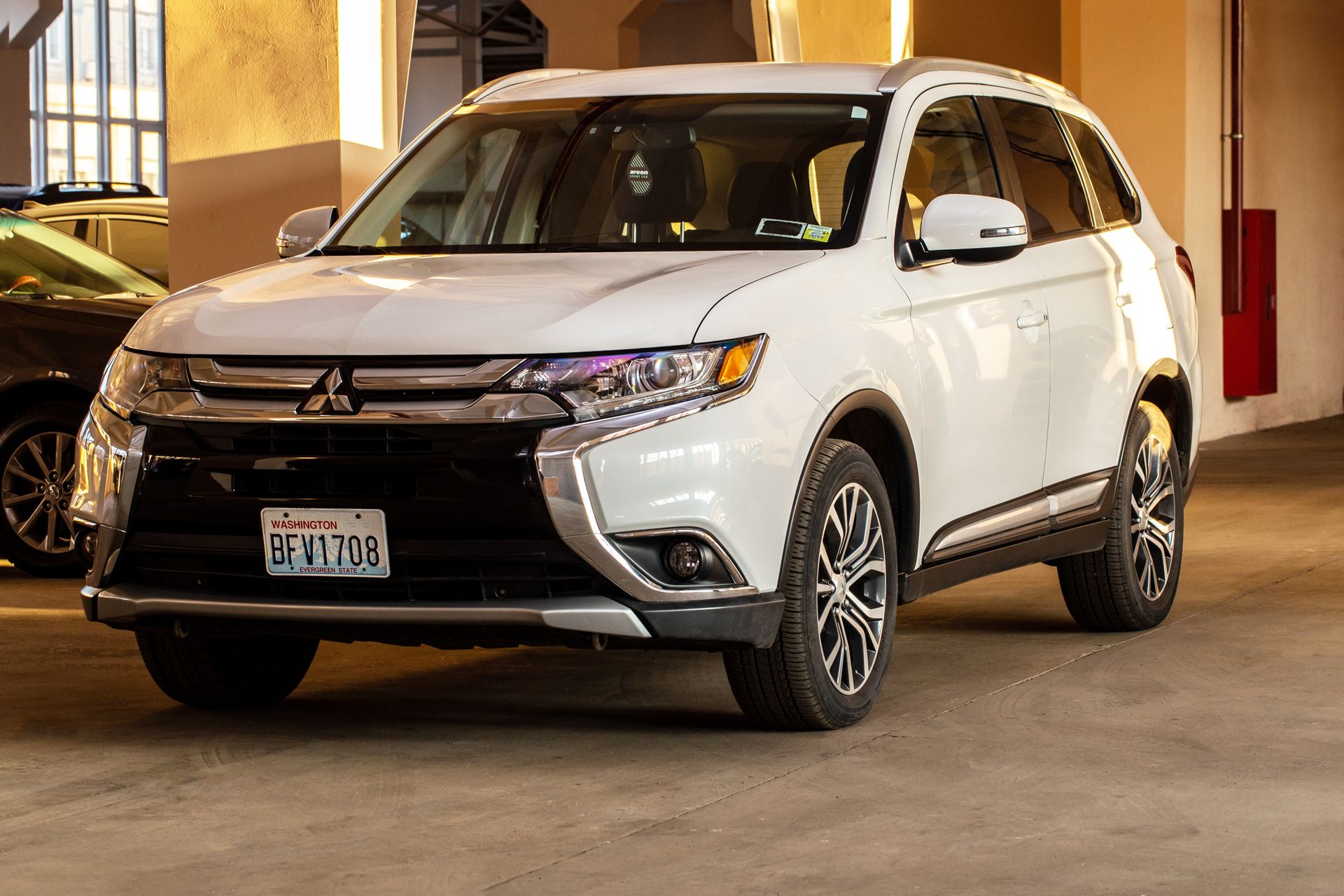
3. Mitsubishi Outlander Sport earns 5.9 with shared flaws
baronvsp / Getty Images
The 2022 Mitsubishi Outlander Sport earned a 5.9 U.S. News rating and shares its class with the Ford $F EcoSport, placing it in the same competitive context. Mitsubishi having two of the three lowest-rated vehicles on the site represents a brand-level pattern, not an anomaly. The Outlander Sport replicates most of the Mirage’s and EcoSport’s weaknesses: the powertrain is underpowered, the ride does not provide comfort, fuel economy falls below expectations, and driving the vehicle produces no satisfaction.
The cabin materials are cheap, and the overall interior feel matches the car's entry-level positioning without offering the value compensation that some lower-tier vehicles deliver through generous features or packaging. The Outlander Sport’s shared flaw profile with its class-mates on this list is worth noting explicitly: the characteristics that define a poor subcompact SUV tend to cluster together because the cost constraints that produce underpowered engines also produce cheap interiors and mediocre ride tuning.
One practical note for used-car shoppers: the Outlander Sport’s placement in the subcompact SUV class means it competes against the same vehicles that outranked the EcoSport, including several models in the $15,000–$25,000 used range that deliver substantially better driving dynamics, interior quality, and fuel economy. Mitsubishi subsequently redesigned the Outlander midsize SUV, and reviewers found the newer model significantly improved. That improvement did not extend backward to the Outlander Sport, which remained in its previous form and continued to earn ratings that reflect its persistent limitations. Used-market shoppers who want a small Mitsubishi SUV would be better served by a newer-generation Outlander than by an Outlander Sport from this era. The Outlander Sport’s position on this list alongside two other Mitsubishi models from the same period reflects a brand-wide quality gap that the used-car buyer should factor into any consideration of this vehicle. The few advantages the Outlander Sport offers — it does not sit at the absolute bottom of its class, unlike the EcoSport — do not outweigh the overlapping deficiencies it shares with the other low-rated vehicles here.
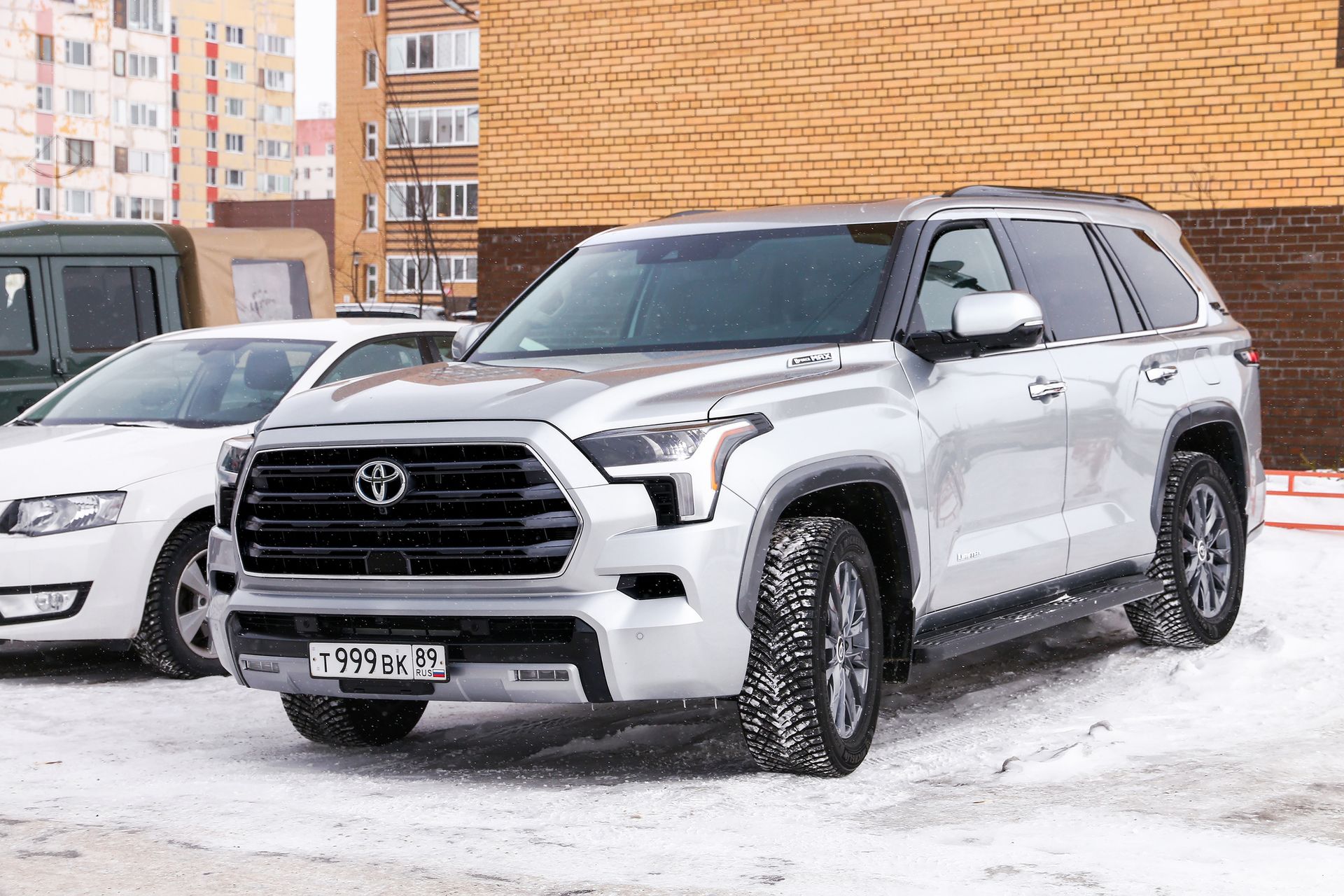
4. Toyota Sequoia drinks fuel at 13 mpg city on a 381-hp V8
DarthArt / Getty Images
The 2022 Toyota $TM Sequoia is a large SUV powered by a 381-horsepower V8 that the model carried into its final year before a full redesign for 2023. The V8 provides genuine thrust. The Sequoia is not slow, which sets it apart from most other vehicles on this list. The engine’s power output is appropriate for the vehicle’s size and enables the Sequoia to tow and handle highway passing maneuvers. Power is genuinely the one area where this pre-redesign Toyota succeeds.
The fuel economy extracted that power at a severe cost. The Sequoia returned 13 mpg in city driving and 17 mpg on the highway. U.S. News describes those figures as poor even by the undemanding standards of the large SUV segment. For buyers who drive significant urban distances, the Sequoia’s fuel bill could easily offset any price advantage the used market offers over newer, more efficient competitors. The operating cost dimension is a material consideration for any used-car buyer, and the Sequoia’s V8 fuel consumption makes it an expensive vehicle to own, regardless of its purchase price.
The interior presentation was anachronistic for a vehicle with a starting price around $50,000 when new. Antiquated design, an excessive amount of low-grade plastic, and an infotainment system the review describes as clunky and featuring a small touchscreen gave the Sequoia’s cabin a quality that did not match its price tier. Used-market buyers who find a 2022 Sequoia at an attractive price should factor in the fuel and interior-quality shortcomings when calculating their total cost of ownership. The 2023 redesign substantially improved the Sequoia, and the used market for that generation offers better value for buyers who want Toyota’s full-size three-row SUV. A buyer who finds a 2022 Sequoia at a price that seems attractive should price out a 2023 as well before committing. The fuel cost differential alone may offset much of the price gap over several years of ownership.
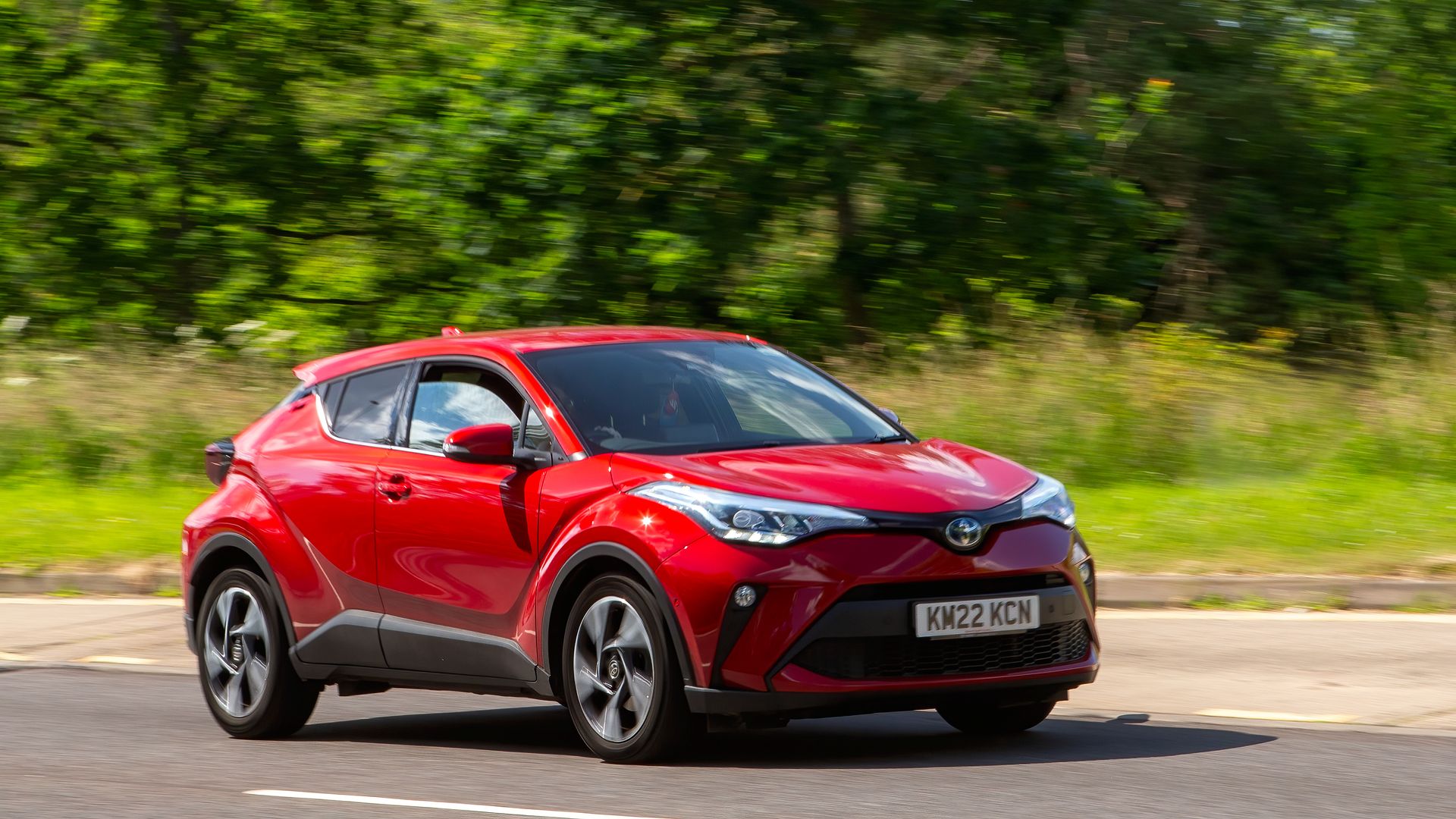
5. Toyota C-HR suffers from a throttle-dulling transmission
Sue Thatcher / Getty Images
The 2022 Toyota $TM C-HR earned a 6.1 U.S. News rating and represents a distinct flavor of disappointment from most other vehicles on this list. It is not dramatically underpowered like the Mirage, and the ride quality is not terrible. The C-HR’s specific failure mode is the transmission, which dulls throttle response and causes the engine to drone. The result is a car that frustrates in a low-key, persistent way, without failing dramatically.
The C-HR is also slow, which means drivers who want to accelerate briskly need to plan for longer response times than those of competing vehicles in the class. The interior is mostly acceptable, though cargo capacity falls short of the class average by a notable margin, limiting the vehicle’s practical utility for buyers who carry equipment or luggage. The transmission’s behavior is the most distinctive complaint: it is the element that separates the C-HR’s experience from merely dull to actively counterproductive.
An important distinction applies to used-market shoppers who encounter the C-HR nameplate. Toyota discontinued the 2022 model at the end of the model year and later revived the C-HR name for a 2026 electric vehicle that shares nothing with the 2022 gasoline model. The 2026 EV is reported to be a significantly better vehicle. A used-market buyer encountering a 2022 C-HR should not conflate it with the newer model. The nameplate continuity is branding, not product continuity. The 2022 gasoline C-HR’s low cargo capacity and transmission behavior make it a vehicle to pass over in favor of competing compact crossovers from the same vintage. Used-market buyers who encounter the C-HR at an attractive listed price point should verify the model year and specific powertrain before assuming the nameplate’s 2026 reputation applies to the 2022 version. The two vehicles share a name and nothing else, and the quality gap between them is substantial.
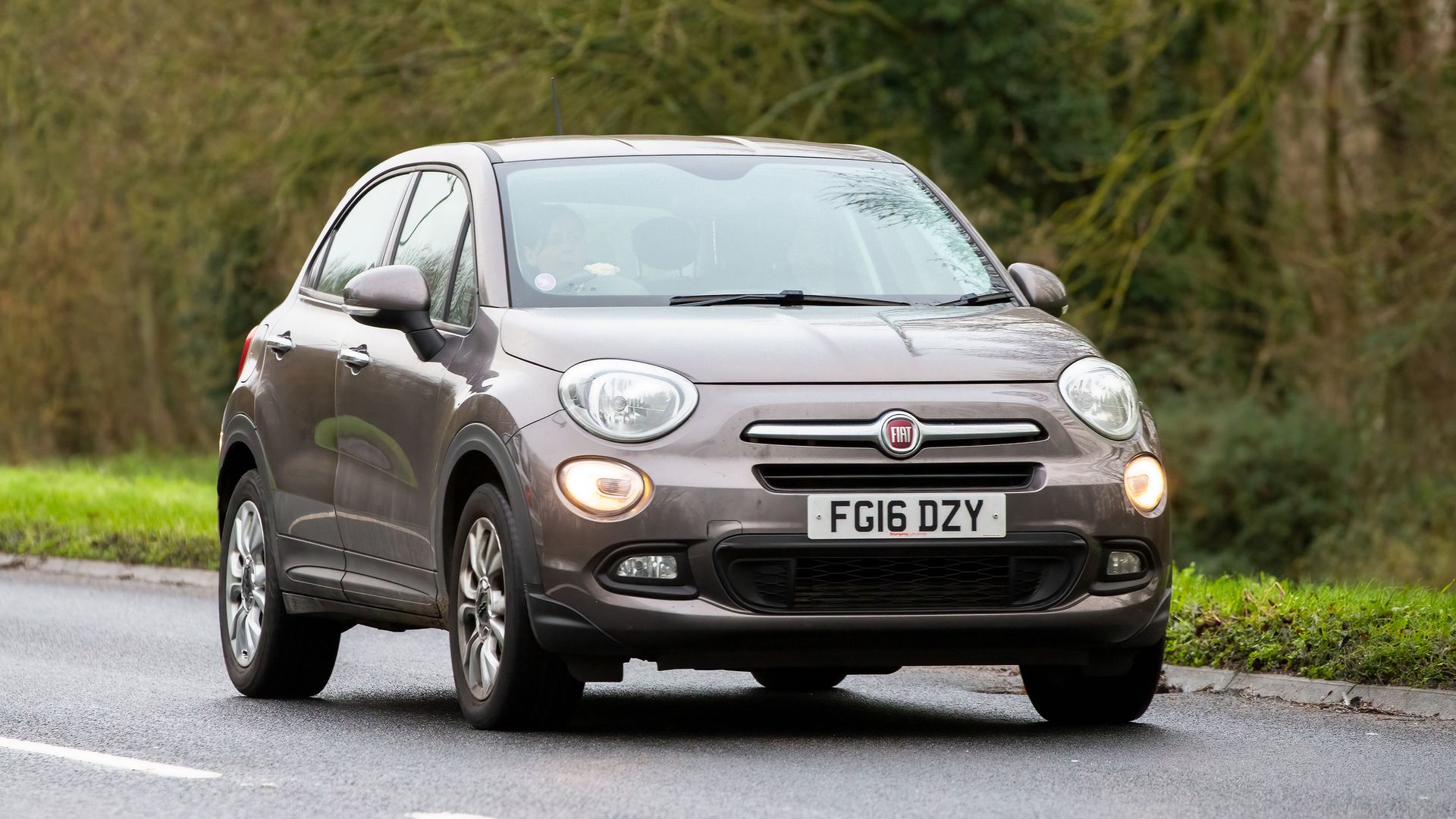
6. Fiat 500X pairs an indecisive gearbox with a jittery ride
Sue Thatcher / Getty Images
The 2022 Fiat 500X earned a U.S. News rating of 6.2 and presents a specific set of problems that distinguish it from the others on this list. The ride quality is jittery — a characteristic that affects driver and passenger comfort on anything other than smooth pavement — and merging onto highways requires planning because the vehicle’s power delivery does not inspire confidence at speed. The transmission is described as indecisive, with a reluctance to downshift that makes acceleration requests feel unresolved.
The 500X’s compact dimensions make it maneuverable in urban environments, a genuine functional advantage. The infotainment system is easy to use, which is a positive note in a vehicle that otherwise struggles to earn them. Interior space is limited for both passengers and cargo, with the second row being particularly constrained for adult occupants. Fiat’s styling choices give the 500X a distinctive personality that some buyers find appealing, but the underlying product quality does not match the visual ambition.
Fiat’s broader struggles in the American market provide relevant context. The brand never established a substantial footprint in the U.S., and most of its models — including the 500X — have been discontinued. A used 500X’s future ownership experience includes the practical reality of sourcing parts and service for a vehicle whose manufacturer has minimal U.S. dealer presence. That aftermarket consideration adds a layer of ownership risk to a vehicle that already carries below-average ratings on its core driving and interior quality metrics. Buyers considering a used 500X should evaluate its long-term serviceability alongside its immediate ratings. The practical consequence of a brand with minimal U.S. dealer presence is that warranty claims, parts sourcing, and specialized repairs may require more effort and expense than comparable issues on vehicles from manufacturers with larger dealer networks. A used 500X’s low price often reflects these aftermarket risks alongside the vehicle’s core rating shortcomings, and buyers should model both into any purchase decision.
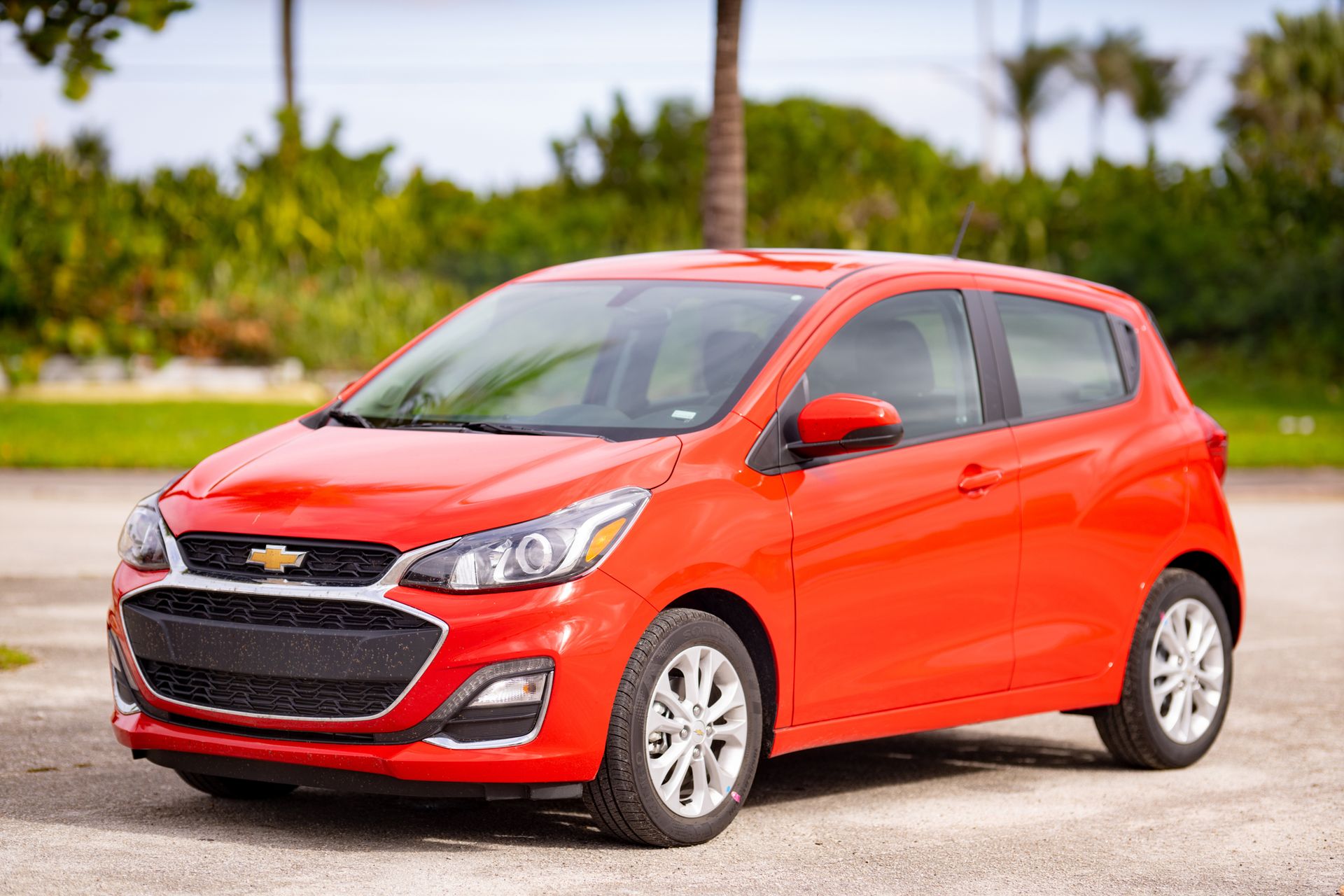
7. Chevrolet Spark seats 4, but jostle everyone on bumps
felixmizioznikov / Getty Images
The 2022 Chevrolet Spark earned a 6.5 U.S. News rating and was discontinued after the 2022 model year, ending a production run that arguably lasted longer than the vehicle’s quality merited. The Spark’s 98 horsepower is the figure that defines its primary limitation: the engine provides insufficient thrust for a modern vehicle, even accounting for the car’s compact dimensions, and the power deficit becomes especially apparent on on-ramps and during passing maneuvers on the highway.
The Spark’s small size yields a predictable ride quality. Small cars with short wheelbases transmit road imperfections more directly to occupants, and the Spark’s suspension does not adequately filter those inputs. Even minor road irregularities produce noticeable jostling for all four occupants. Fuel economy — one metric where an underpowered economy car might compensate — falls only in the average range, not the class-leading figures that would justify the vehicle’s other compromises. The review notes that the car includes air conditioning, a detail that signals something meaningful about the vehicle’s overall feature set.
The Spark seats four, but the rear passenger space is tight enough to make extended journeys uncomfortable. Cargo capacity is below average for a small hatchback, which further limits the vehicle’s practical utility. The used-market case for the Spark is difficult to construct: buyers who need cheap transportation at this end of the market will find that a modestly older example of a better-rated subcompact offers a materially better experience at a comparable or only slightly higher price. The Spark’s discontinuation is the market’s verdict on the product, and used-car buyers should respect that verdict. A Honda $HMC Fit or Toyota $TM Yaris from a few years earlier will deliver more comfort, more cargo utility, and better fuel economy than the Spark ever managed during its production run. Buyers who compare will typically find the price difference modest enough to make the better vehicle the obvious choice.
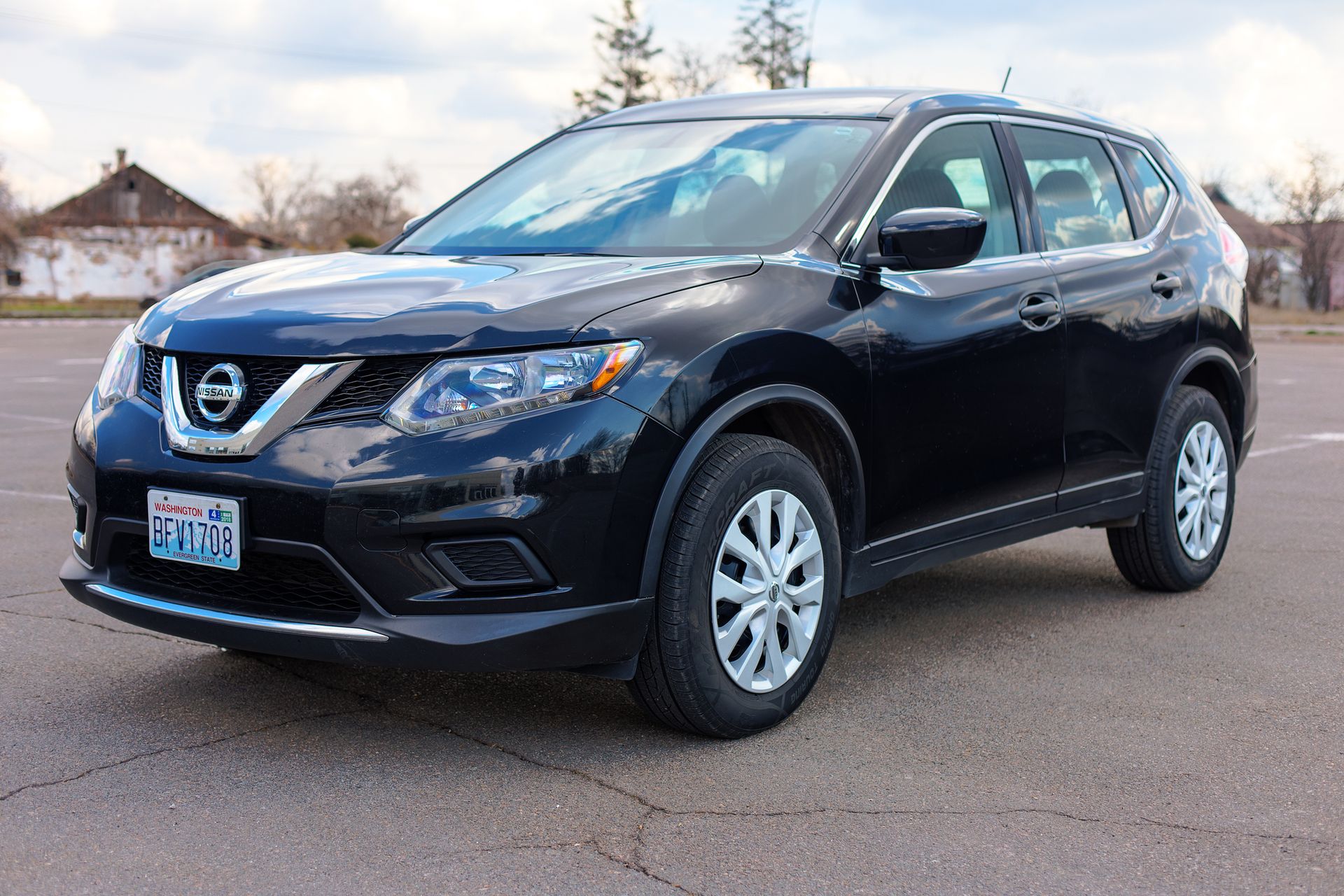
8. Nissan Rogue Sport offers cargo room, but hard front seats
baronvso / Getty Images
The 2021 Nissan Rogue Sport earned a 6.5 U.S. News rating and identifies cargo space as its strongest attribute relative to class competitors. The Rogue Sport carries more cargo than many of its rivals in the subcompact SUV segment, which is a genuine functional advantage for buyers who regularly transport equipment or luggage. A reasonable standard features list adds to the vehicle’s case as an entry-level choice.
Those strengths do not outweigh the weaknesses. The lower trim levels feature cabin materials that lean heavily toward plastic, undermining the vehicle’s premium positioning. The rear seats are undersized for adult passengers, limiting the Rogue Sport’s family utility. The front seats are roomier by comparison, but their cushioning is insufficient for extended driving comfort. The trade-off affects anyone who uses the vehicle for trips longer than a local commute.
The powertrain does not deliver dynamic engagement. A Rogue Sport buyer seeking responsive acceleration, spirited handling, or an elevated interior environment will find the vehicle disappointing across all three dimensions. The cargo space advantage over class rivals is real, but it does not compensate for the powertrain, seating comfort, and interior quality shortcomings that follow the vehicle through its review. Used-market buyers who prioritize cargo capacity above all else will find the Rogue Sport adequate for that narrow purpose, but buyers with a more balanced set of priorities will find better-rated alternatives at similar prices in the 2021 subcompact SUV used market. The Nissan Rogue Sport’s cargo advantage over class rivals is genuine, but cargo space is the one criterion where it competes effectively. No single positive attribute makes a vehicle worth owning when the powertrain, seating comfort, and interior quality all trail the competition simultaneously. A buyer who decides the cargo advantage justifies the purchase should at least secure a test drive on a road with varied surface conditions before committing, since the ride quality and seat comfort shortcomings are most apparent over longer distances.
9. Toyota Tundra carries worrying crash-test scores in 2021
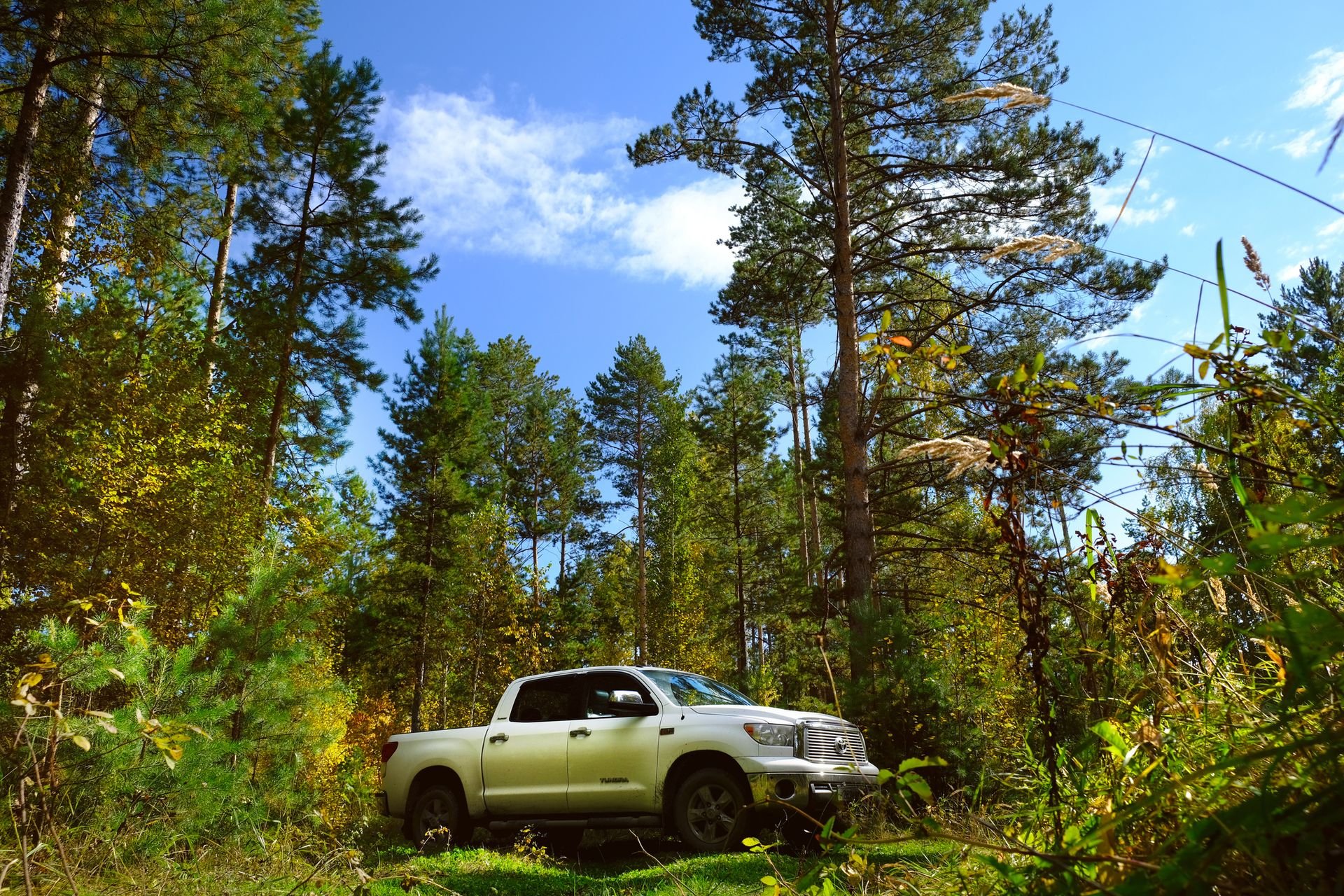
Elena Kurkutova / Getty Images
The 2021 Toyota $TM Tundra earned a 6.5 U.S. News rating and carries safety concerns that U.S. News specifically recommends treating with caution. The crash-test results for this generation Tundra are described as concerning, which is a meaningful distinction from the other vehicles on this list, where the core complaints center on performance, interior quality, and fuel economy. Safety data warrants direct action: U.S. News advises avoiding the 2021 Tundra specifically out of an abundance of caution.
Beyond the safety dimension, the 2021 Tundra struggles in areas where it should succeed as a full-size pickup. Despite carrying a powerful V8, it cannot match its class peers in towing and hauling capacity. Full-size truck buyers prioritize that fundamental utility, and the Tundra’s deficit in those areas is the most damaging competitive shortcoming for the model’s target audience. Fuel economy is poor even by pickup truck standards. The ride is stiff and unsettled. The interior is notably less refined than competitors’ cabins from the same year, and the infotainment system is not user-friendly.
The 2021 Tundra’s situation is particularly notable because the 2022 redesign addressed many of these shortcomings, and the truck has continued to improve since then. The current Tundra is one of the stronger models in its class. That trajectory makes the 2021 model’s deficiencies easier to understand historically, but does not make it a better used-car purchase. A buyer looking for a Toyota full-size truck should consider a 2022 or later model. The safety concerns alongside competitive performance shortfalls in the 2021 model year make this the one vehicle on this list where U.S. News frames its recommendation as a matter of caution, not just preference. A used-car buyer evaluating a 2021 Tundra should treat the crash-test data as the deciding factor, regardless of price, and seek out a 2022 or later model, which addresses most of the pre-redesign model’s shortcomings.
10. Mitsubishi Outlander PHEV travels just 24 electric miles
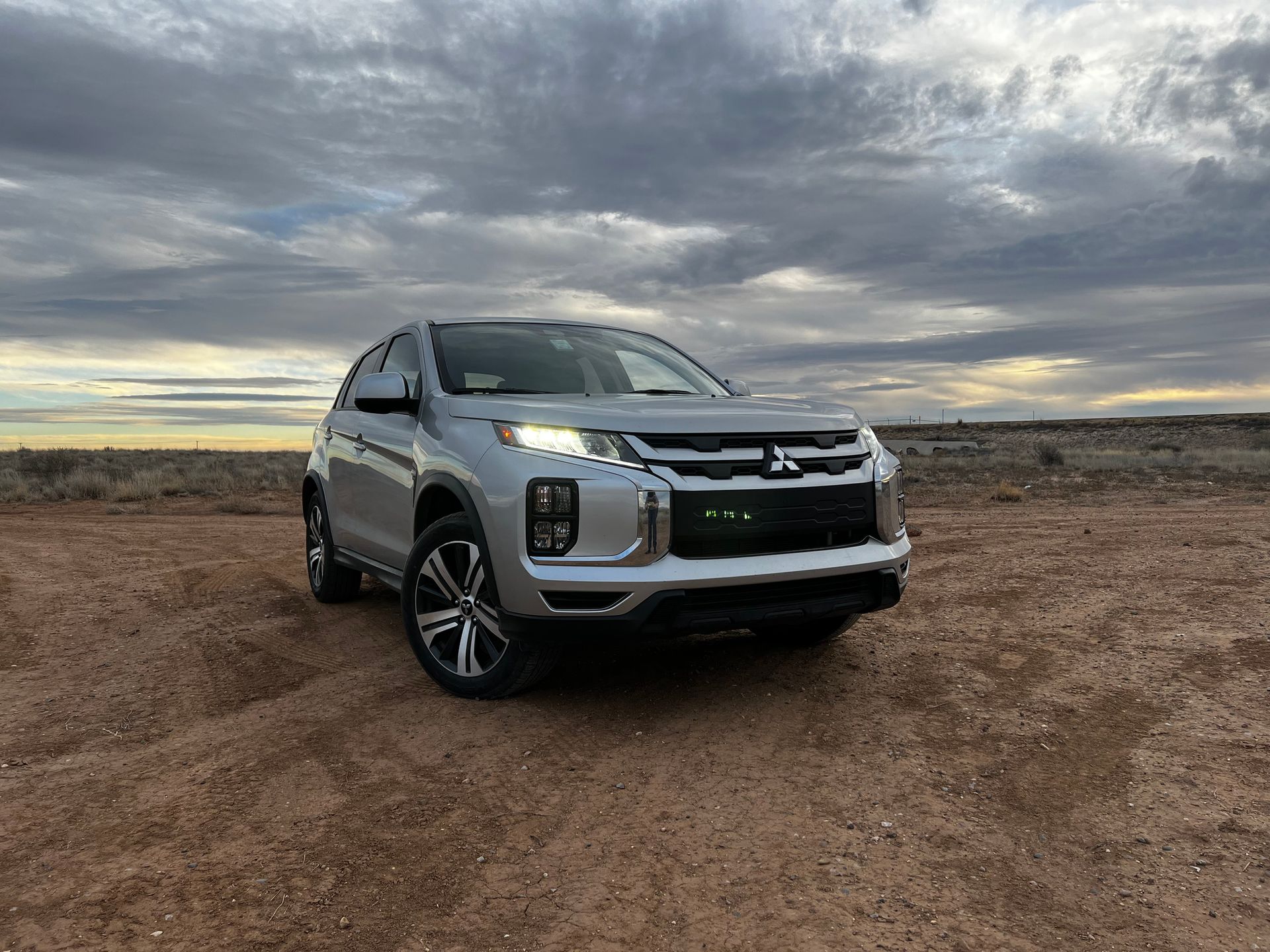
Lliy Kimei / Getty Images
The 2021 Mitsubishi Outlander holds a 6.5 U.S. News rating and is a plug-in hybrid. Vehicles of that type typically earn credit for efficiency, environmental impact, and reduced fuel costs. The Outlander PHEV delivers an electric range of up to 24 miles before switching to the gasoline engine, which is a genuine functional benefit for buyers whose daily driving falls within that range. The fuel savings on short commutes are real and measurable.
The powertrain delivers those electric miles with strikingly sluggish acceleration, a performance that stands out even on this list. PHEVs and fully electric vehicles generally produce strong off-the-line thrust from electric motors. The Outlander PHEV is an exception: it combines the PHEV architecture with acceleration that U.S. News describes as possibly unique in its class for slowness. The handling is bumbling, and the ride is choppy, which compounds the powertrain’s limitations across all driving conditions.
The interior quality is the vehicle’s most consistently damaging characteristic. The design is described as outmoded, the seats are firm, and the materials are of poor quality. The infotainment system, which lags rivals in modernity and ease of use, does nothing to offset those cabin shortcomings. The fuel efficiency on gasoline is below the class average, which means buyers who exceed the 24-mile electric range regularly will not save as much fuel as competing PHEVs would allow. The 2021 Outlander was subsequently redesigned, and the newer model received substantially better reviews. A used-market buyer who wants a Mitsubishi Outlander should target a post-redesign model year. The redesigned Outlander received substantially better reviews and represents a meaningfully different product. The 2021 PHEV’s specific failure — delivering the efficiency architecture of a plug-in hybrid without any of the performance benefits that architecture typically provides — makes it an especially poor value for buyers who purchased it believing they were getting the best of both powertrain worlds.