
4 yoga poses that can instantly boost focus and energy
These beginner-friendly yoga poses may help improve focus, boost energy, ease tension, and calm mental clutter in just a few minutes
Kike Vega / Unsplash
There’s a particular kind of fatigue that no amount of coffee seems capable of fixing. Your brain is technically online, but every task suddenly feels wrapped in fog. You reread the same sentence four times, and your posture has been collapsing since 2 p.m.
Modern exhaustion is often less about physical effort and more about cognitive clutter. That may explain why yoga continues attracting people who would otherwise never describe themselves as “wellness” enthusiasts. The appeal is not necessarily spiritual enlightenment. Sometimes you just want your nervous system to stop behaving as though every unread email represents immediate danger.
The Healthy noted in this report that an eight-week yoga program was linked to increased heart rate variability, which may help the body adapt to stress more effectively.
The poses featured are notably beginner-friendly. No complicated arm balances or intimidating flexibility requirements. No expectation that you suddenly transform into someone who owns six matching linen yoga sets. Instead, the emphasis stays on gentle stretches and restorative positions designed to improve circulation, ease tension, and sharpen mental clarity.
That combination matters because energy and focus are deeply connected. People often treat them as separate problems when they’re usually sharing the same cramped apartment inside your nervous system.
The good news is that restoring some mental clarity may not require an extreme lifestyle overhaul. Sometimes a few deliberate movements, deeper breaths, and several uninterrupted minutes on the floor are enough to make the day feel slightly more manageable again.
Here are four yoga poses that may help reset your focus and energy levels almost immediately.
1. Supported fish pose
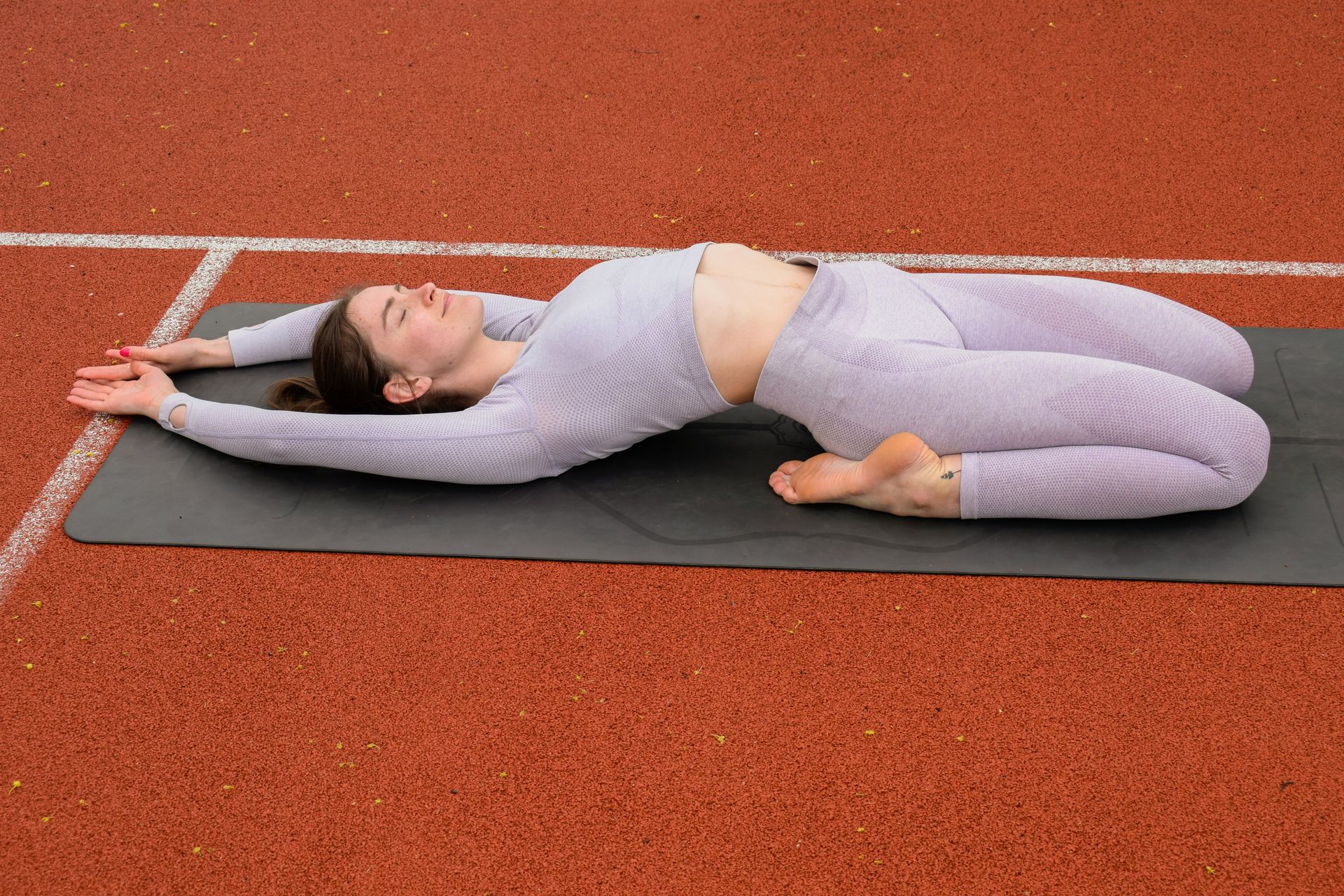
Photo by Nikola Murniece on Unsplash
Supported Fish Pose is one of those rare yoga moves that feels restorative almost immediately. According to The Healthy, this gentle backbend and heart opener may help energize the body while stretching the chest, throat, and shoulders. Opening the lungs encourages better circulation and oxygen flow while easing tension in the upper back and neck, which may explain why the pose can leave people feeling calmer and more alert at the same time.
To try this pose, lie on your back with yoga blocks supporting your head and shoulder blades while allowing the chest to open naturally. Arms rest at your sides and legs can stay bent or extended. There’s no complicated balancing act involved. The goal is simply to breathe deeply, release tension, and give your nervous system a chance to slow down for a few quiet minutes.
2. Supported bridge pose
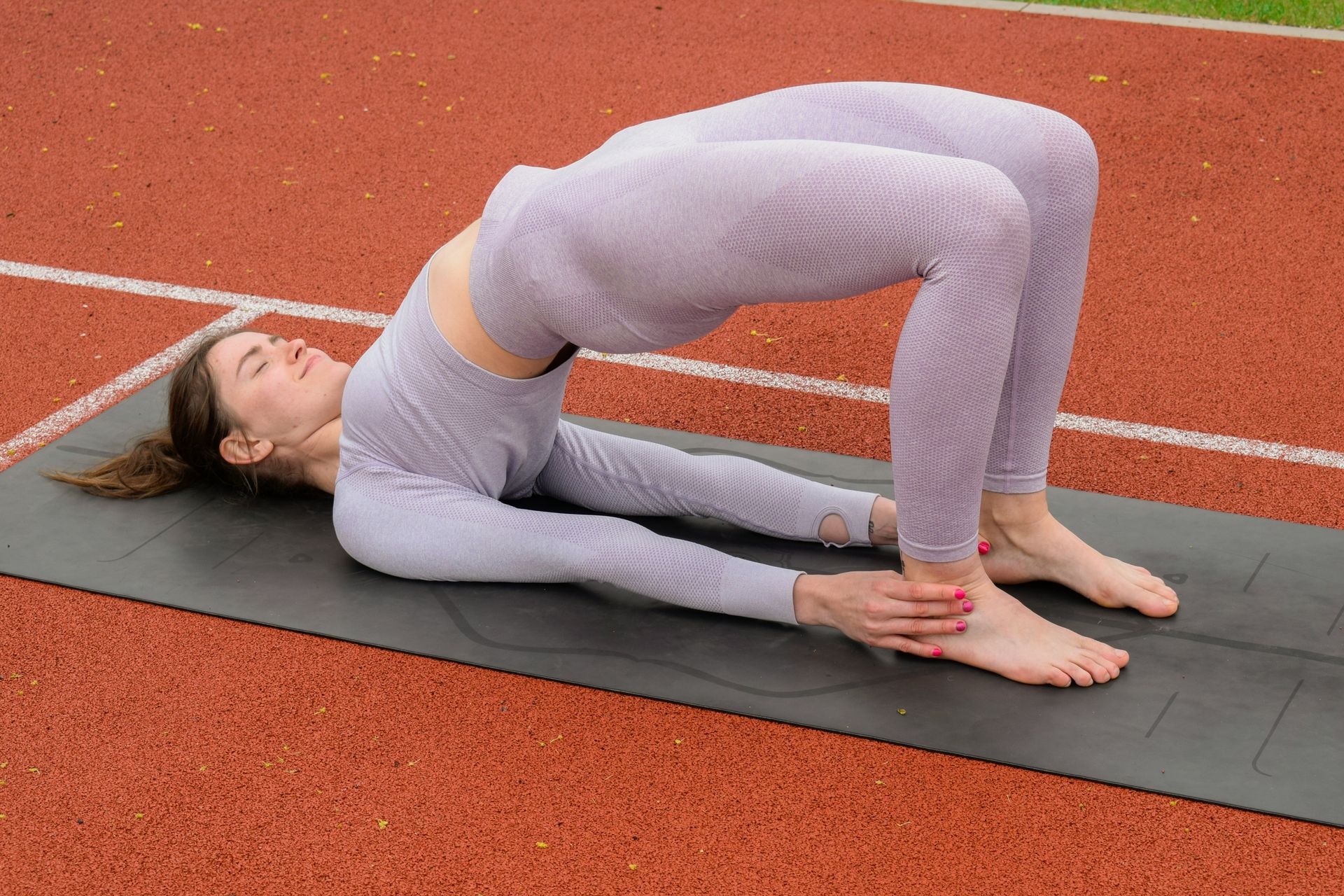
Photo by Nikola Murniece on Unsplash
Supported Bridge Pose sits in that sweet spot between calming and energizing. The Healthy says the gentle backbend may help improve circulation and oxygen flow to the brain while grounding the nervous system, easing headaches, and relieving tension in the back and neck. It’s also designed to support mental clarity, which makes it especially appealing during the kind of afternoon slump that turns every email into a personal challenge.
For this pose, lie on your back with bent knees and place a block or bolster under your lower back while letting your arms rest comfortably at your sides. From there, the focus shifts to deep breathing and stillness rather than effort or flexibility. Some people stay in the pose for several minutes, though even a short stretch may feel restorative. It’s less about pushing yourself and more about giving your body a chance to slow down and reset for a moment.
3. Supported forward fold
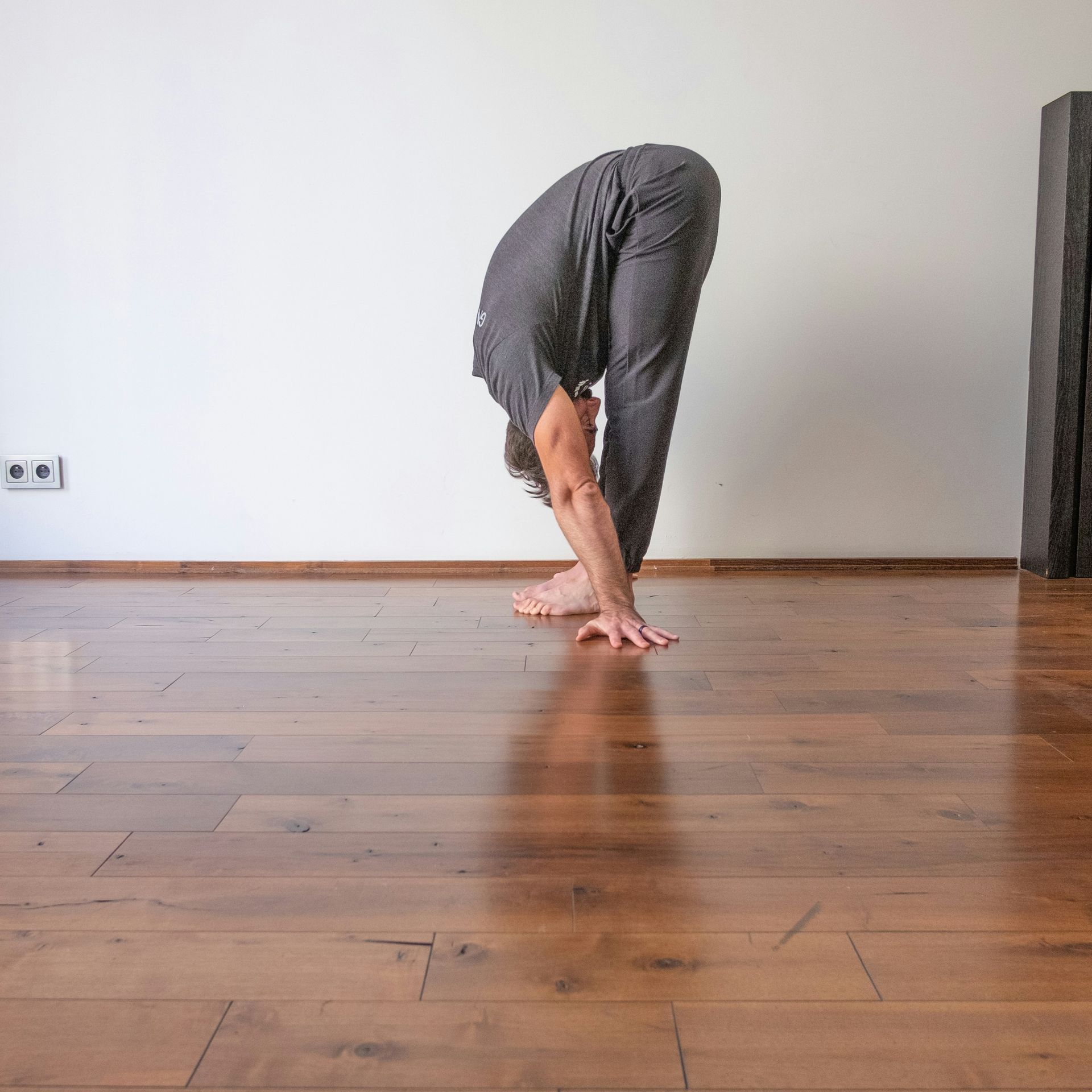
Photo by GMB Fitness on Unsplash
Forward Fold is often described as calming, though it can initially feel more like a confrontation with tight hamstrings than a relaxation technique. The Healthy notes that the supported version reduces that strain by prioritizing props over flexibility, making the pose more accessible and restorative.
In this variation, you gently fold forward with the head below the heart while resting on supports such as blocks, bolsters, or a chair. The article explains that this inversion may encourage blood flow to the brain, ease tension in the neck and shoulders, and help calm the nervous system. The effect is less about stretching deeply and more about creating stillness that interrupts mental overload.
The Healthy also highlights how the pose may leave people feeling grounded yet mentally refreshed. That balance matters, especially since some relaxation methods can swing too far into drowsiness. Supported Forward Fold seems aimed at clearing mental noise while still keeping you alert enough to function afterward.
The instructions are intentionally simple. Stand with feet slightly wider than hip-width apart. Hinge forward gently. Rest the head on support. Soften the knees. Let the arms hang. Breathe slowly and steadily. Even a few breaths to a few minutes may be enough to notice a shift in focus and energy.
4. Legs up the wall

Photo by Lucrezia Carnelos on Unsplash
Legs Up the Wall is one of the highest reward, lowest effort yoga poses. The Healthy notes that it may help ease headaches, fatigue, low mood, and mental chatter while improving circulation and restoring focus. It’s a gentle inversion that takes pressure off the legs and feet while allowing the heart to rest and the nervous system to settle.
The setup is simple. You place pillows or a bolster near a wall, sit sideways, then swing your legs upward as you lie back with your arms relaxed at your sides. From there, you just breathe and stay still for several minutes.
The article also notes that the pose may improve sleep and calm mental activity, which fits its overall effect of reversing the physical strain of standing, sitting, and constant movement throughout the day. It also creates a kind of stillness that doesn’t demand mental silence, which makes it more accessible than traditional meditation for many people.