Revolution generally isn’t good for business.
Revolution generally isn’t good for business.
So it shouldn’t be much of a surprise to learn that the ouster of Egyptian strongman Hosni Mubarak in February 2011 didn’t exactly set up the Egyptian economy for a record-setting growth spurt.
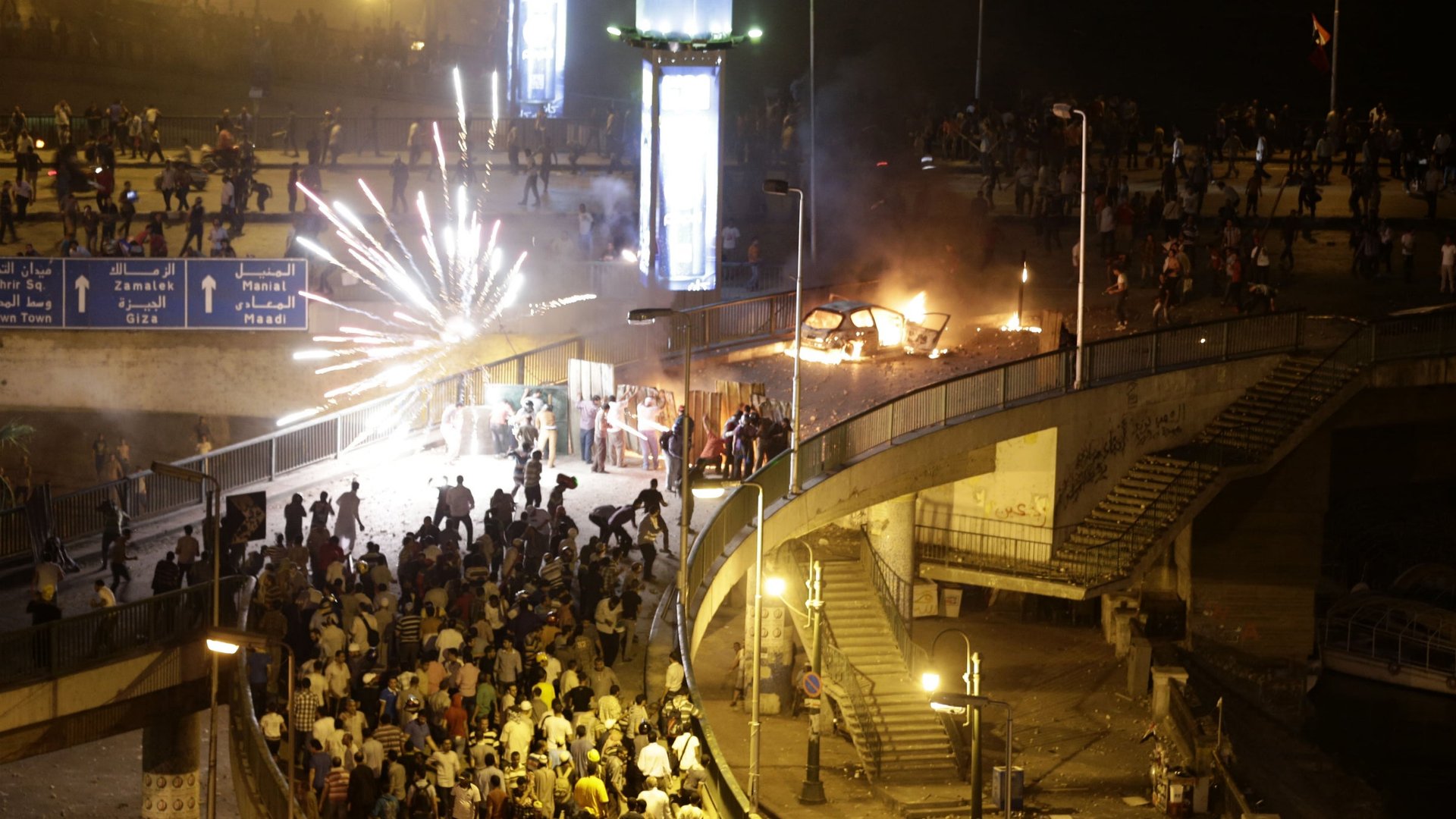
In fact, things have been downright dismal. The terrible state of the economy fueled the discontent and protests that culminated in this week’s ejection of president Mohamed Morsi by the army just a year after he took office. Egypt’s health ministry is reporting that since the latest unrest began over 50 people have been killed and over 2,600 wounded in violence around the country between Morsi supporters, anti-Morsi protestors and government security forces.
At any rate, whoever ends up running this country has a serious challenge ahead of them. Here’s a look at some of the key stats.
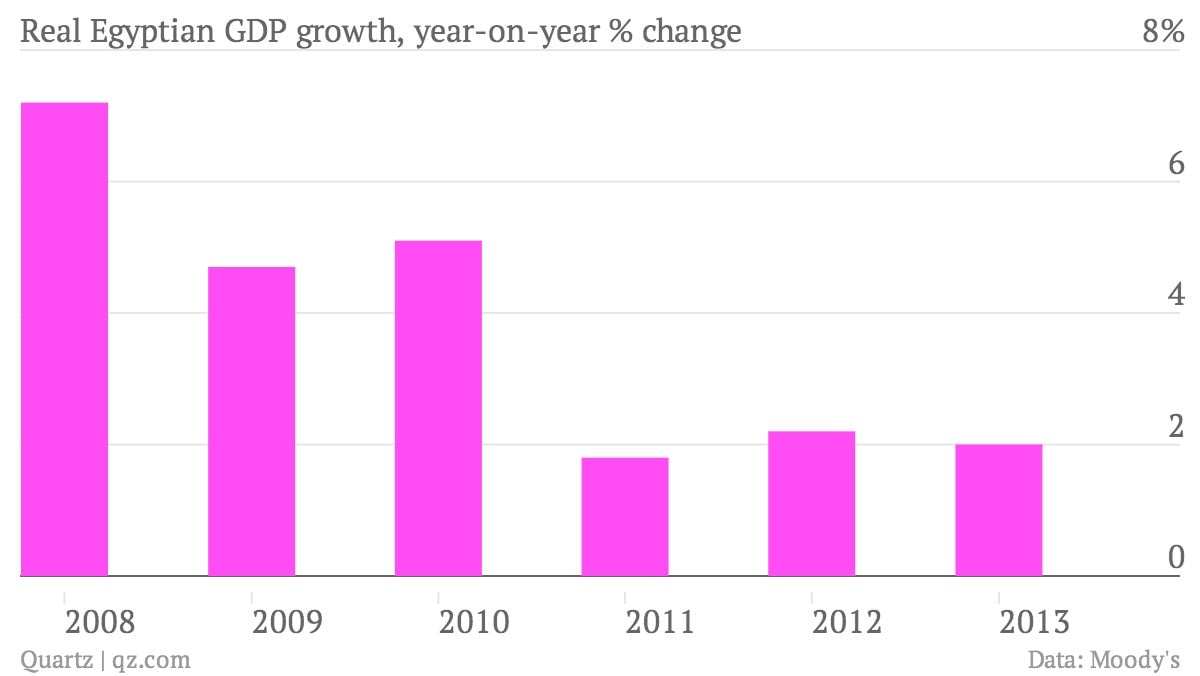
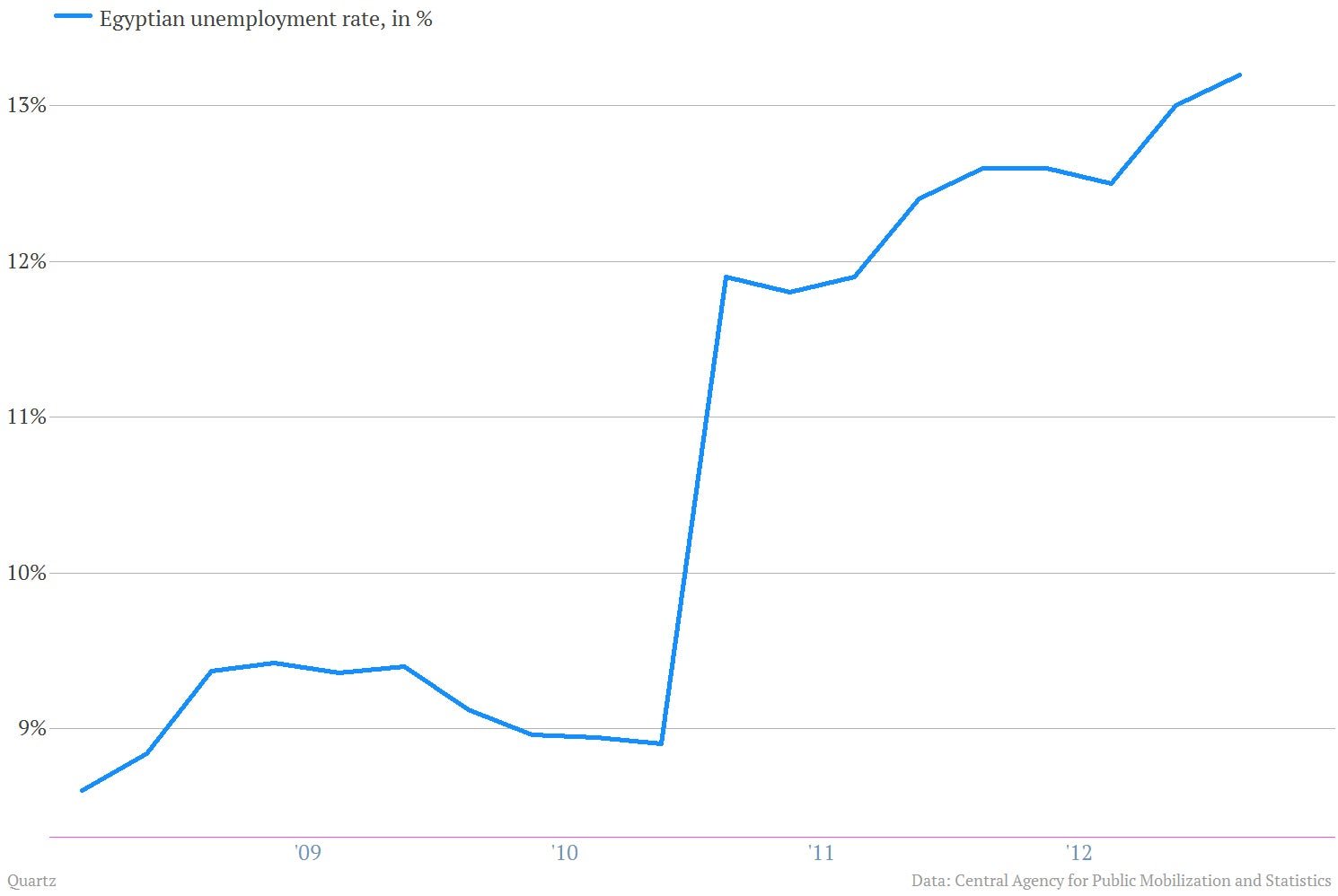
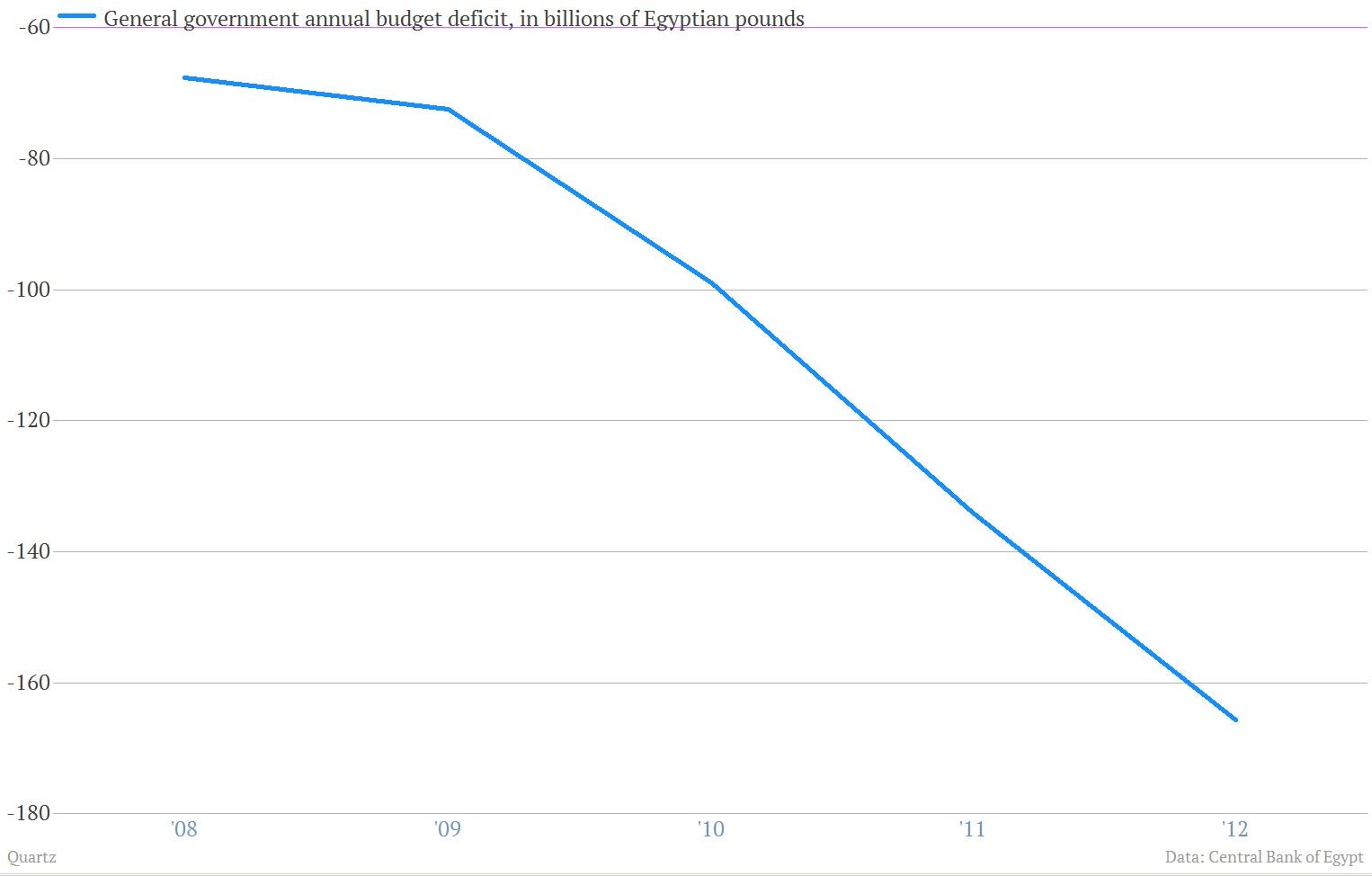
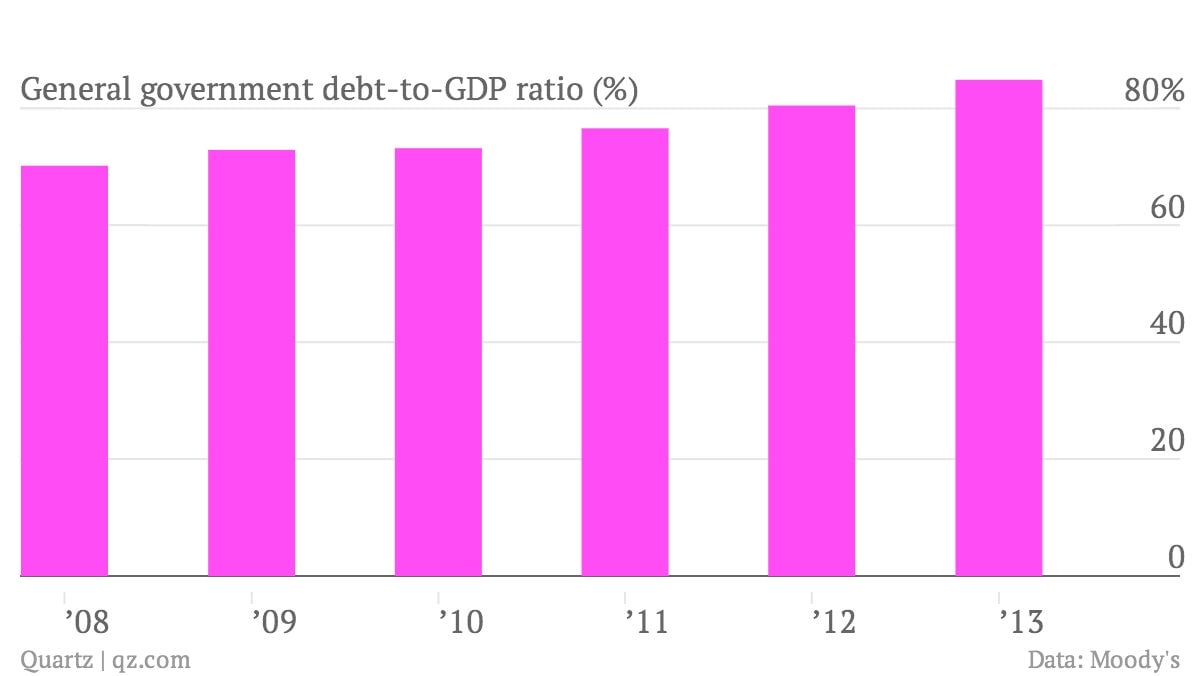
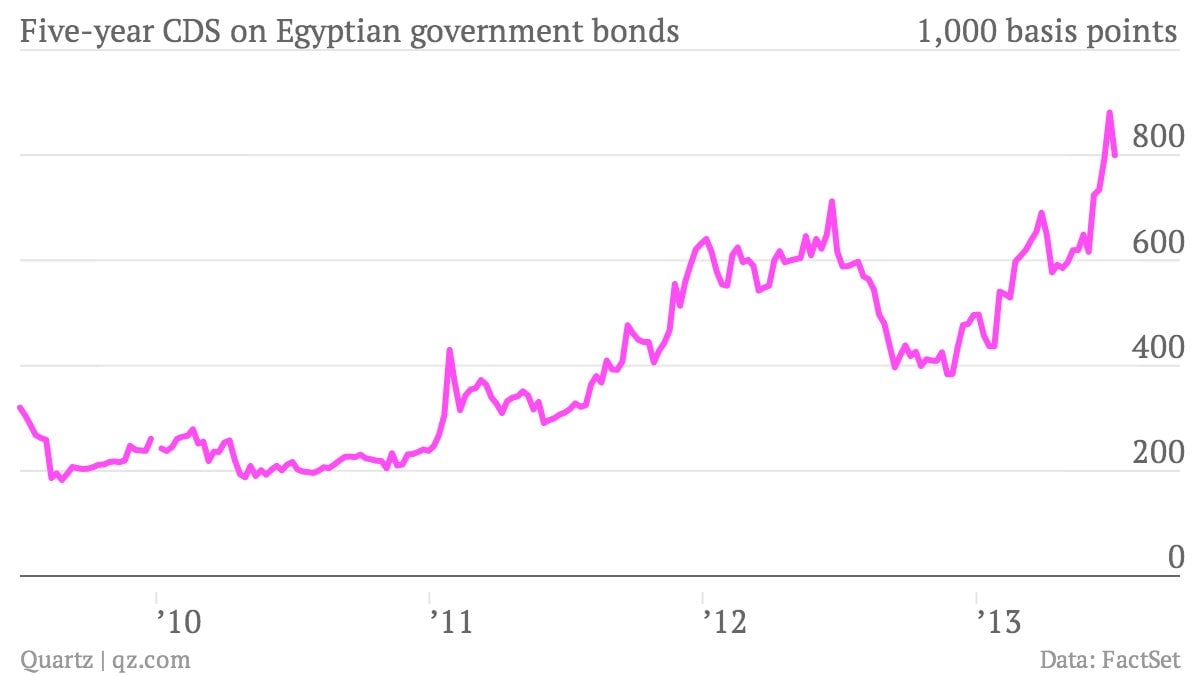
In short, under Mubarak, Egypt’s economy was bad; under Morsi, it got worse. The next leader will face economic challenges every bit as daunting as the political fighting in the streets.
Join 500,000+ readers who start their day with Quartz.
By subscribing, you agree to our Terms of Service and Privacy Policy.
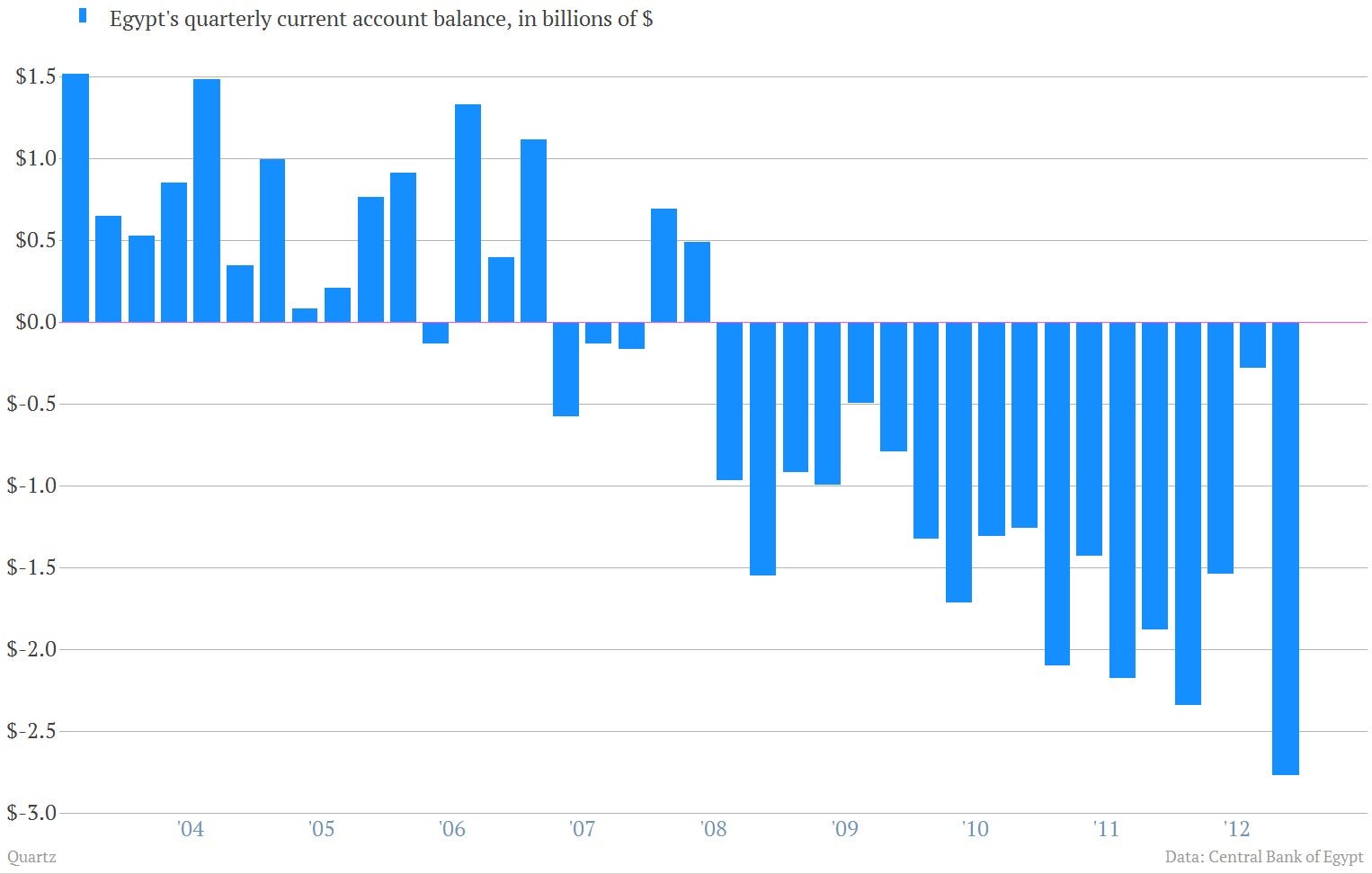
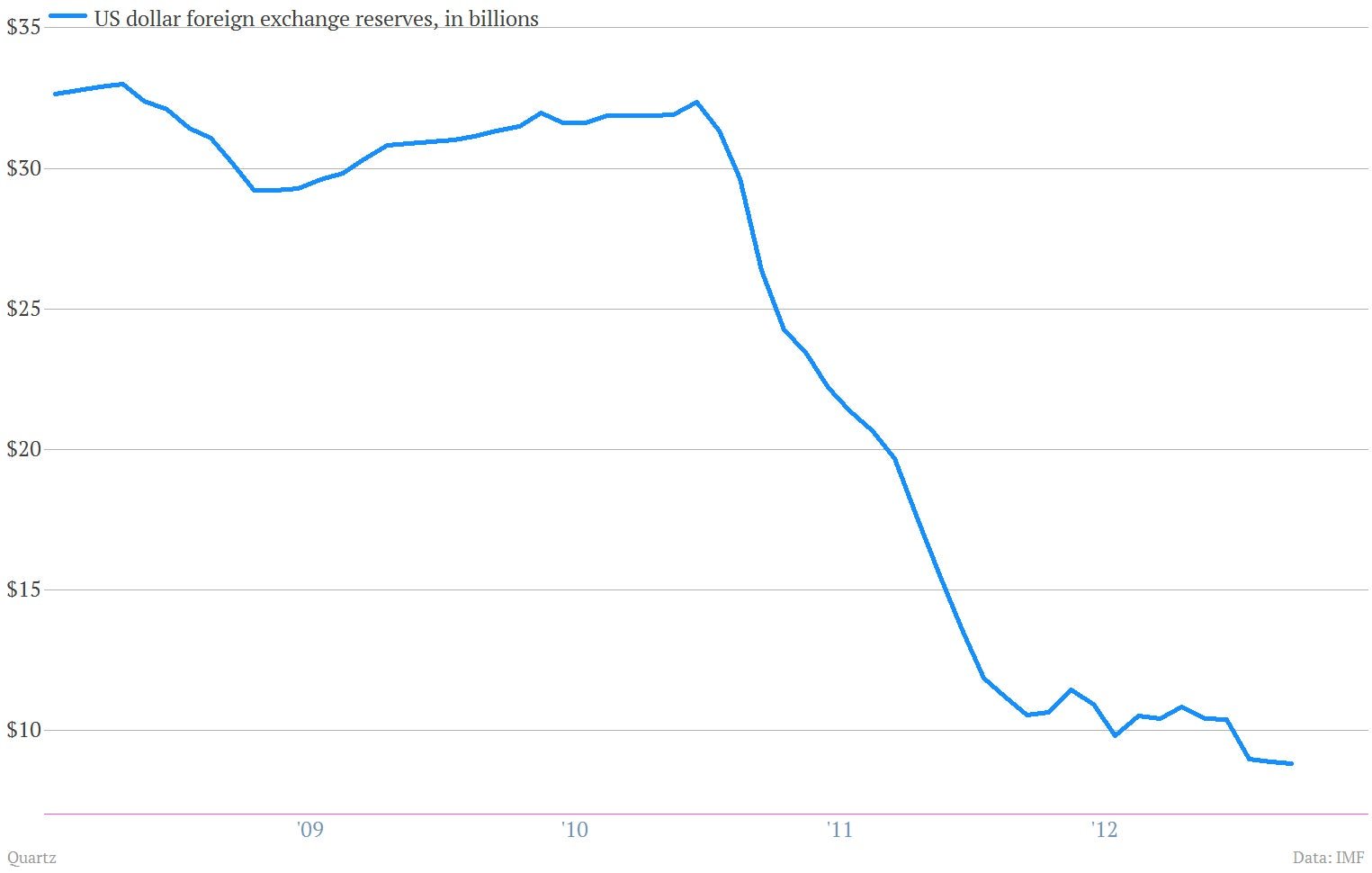
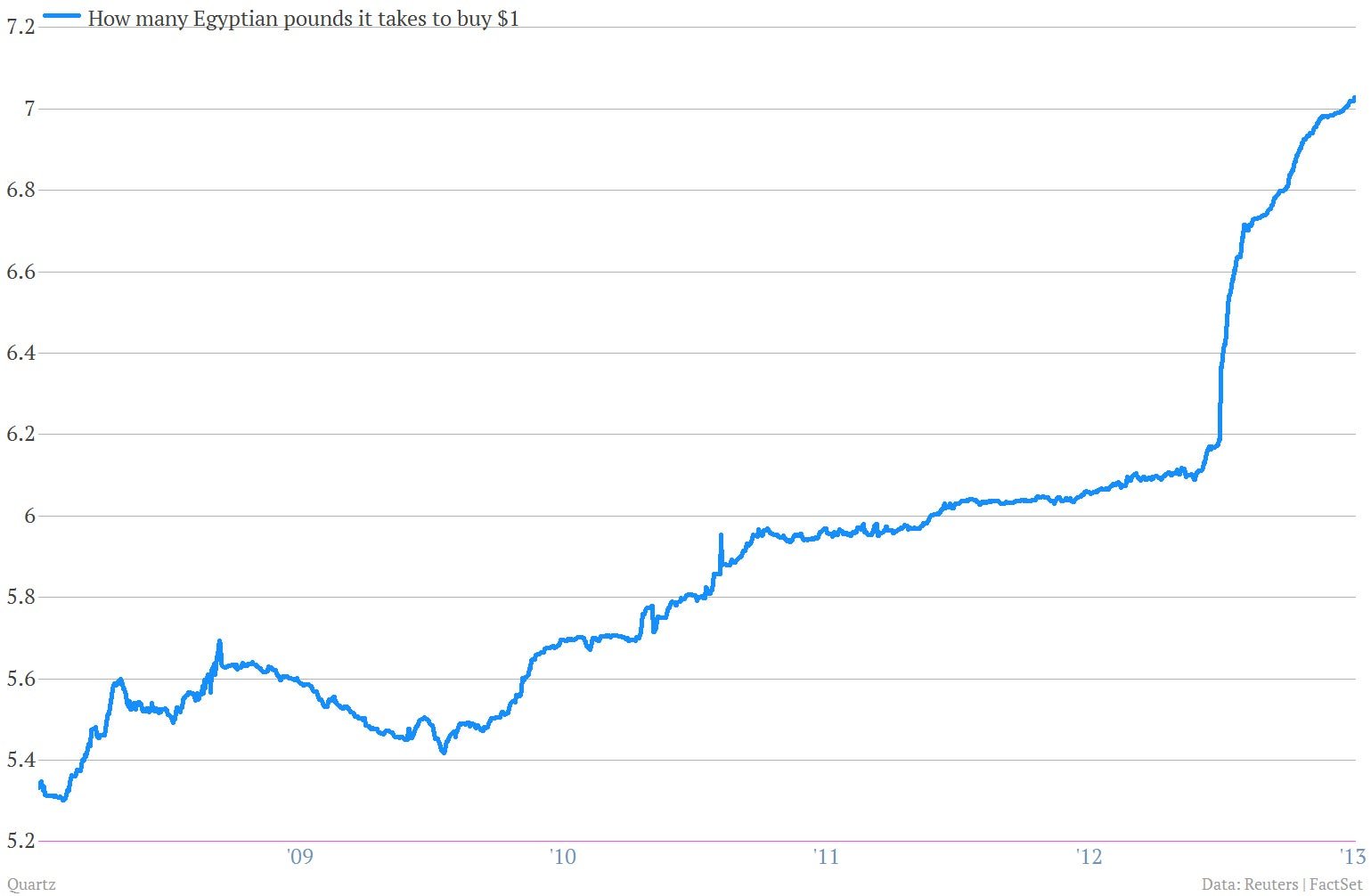
We could go on. The weakening currency only exacerbates the situation. It’ll make the current-account deficit worse as imports get more expensive. It’ll make inflation worse for already pinched Egyptian households. And that will only make social tensions that much more, well, tense.
