

Business News
Joseph Stiglitz on Brexit, Europe’s long cycle of crisis, and why German economics is differentGlobalization seems to have a lot more discontents lately.
Updated July 21, 202210 min read
Globalization seems to have a lot more discontents lately.

Economics is rightly an afterthought compared to the scope of suffering that has accompanied the war in Syria.


Sales of the large vehicles Americans have long loved helped double profits at General Motors in the second quarter.

It sure doesn’t look good. Trump. Brexit. Racial killings in the US, and the murder of police officers in apparent retribution. Another horrific outrage in France. Chinese maritime aggression. Syria.

The Turkish lira fell sharply Friday (July 15) after reports of a coup emerged in the late afternoon.

The Celtic Tiger appears to have roared back to life, in a throwback to the 1990s, when Irish growth rates rived those of the vaunted Tiger economies of Asia.

Congratulations, everything is terrible.

The US economy generated 287,000 new jobs in June. That was far higher than the expectation for an increase of 180,000, suggesting that a surprisingly weak report for May was something of a blip.

Usually, the bond market is a cautious, prudent and a deeply boring place, especially when compared its tempestuous kid cousin, the stock market.

If it weren’t for former University of Chicago colleague Barack Obama, Cass Sunstein might be the most well-known constitutional law professor of his generation.

With all due respect, Britain doesn’t really matter that much.
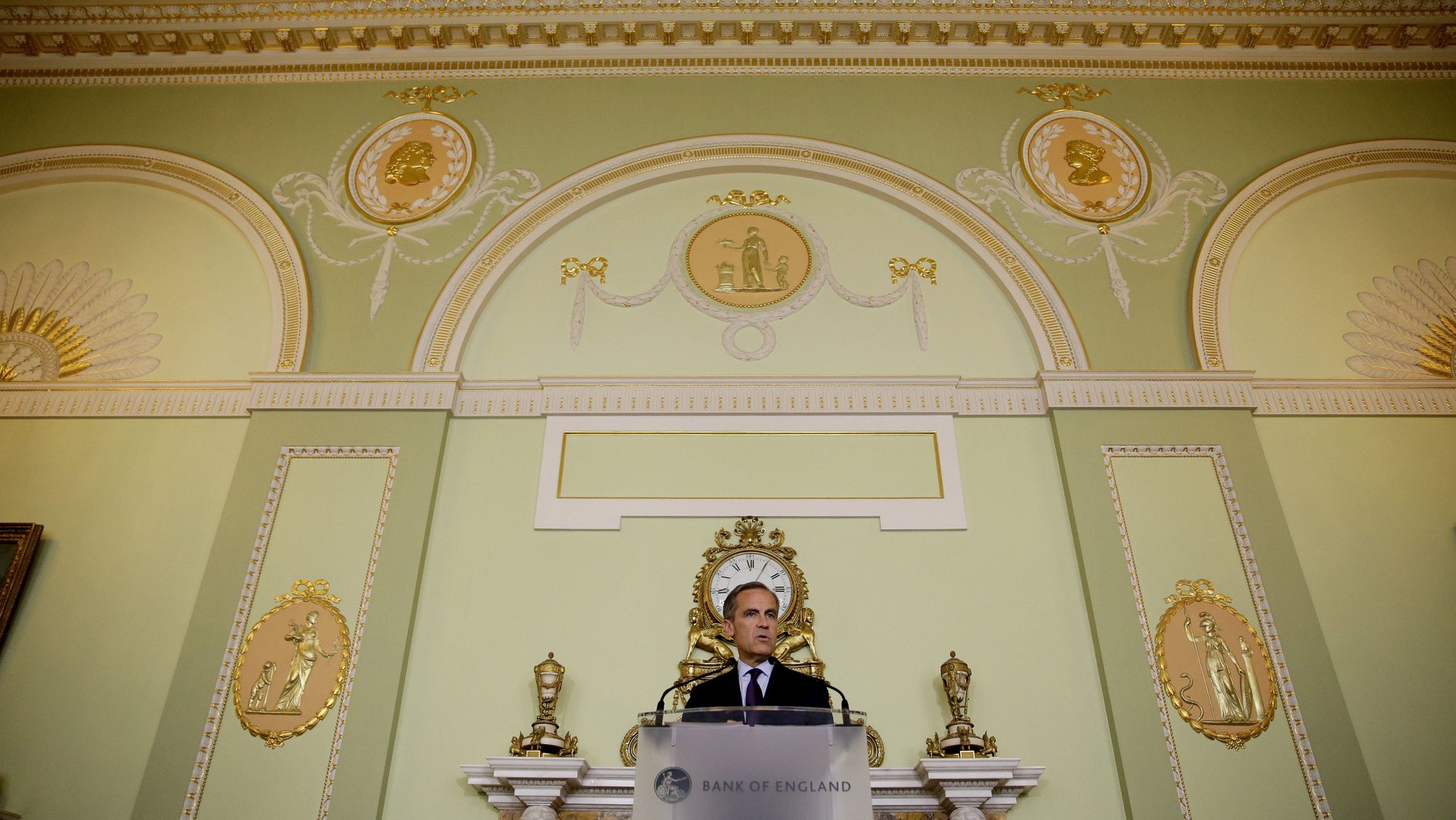
Despite the pall of deep and lasting uncertainty cast over the British economy by the electorate’s vote to leave the European Union, British stocks rallied like crazy today (June 30). The FTSE 100 surged roughly 2.3% on the day, bringing the market to a high for the year.

A few years back, I was talking to one of the smartest finance people I know. It was wasn’t long after the crisis, the economy was pretty much a smoldering crater. Everyone’s ears were ringing.

It’s painfully obvious that the world is radically rethinking its opinion of the United Kingdom in the wake of its vote to leave the European Union.
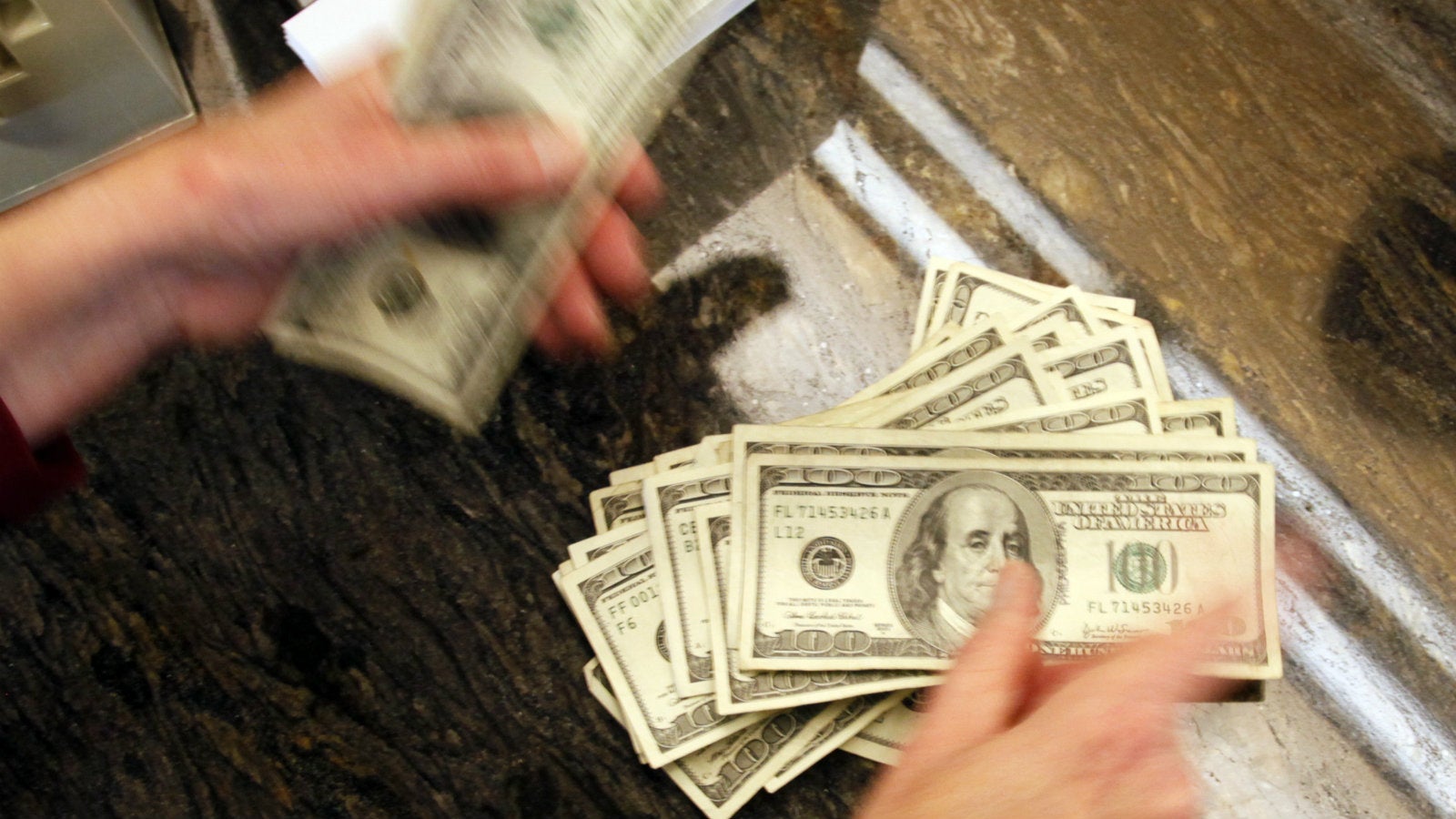
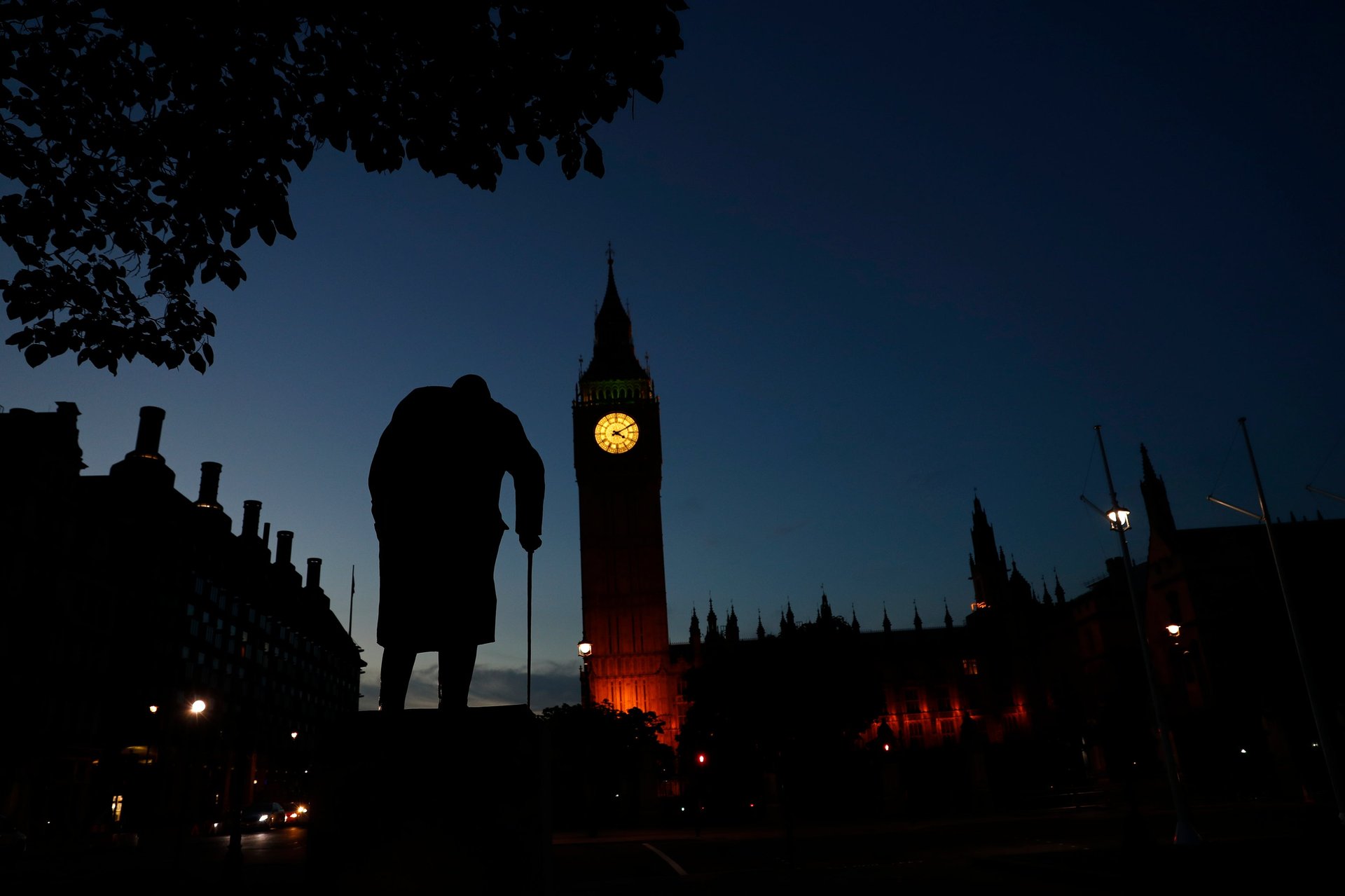
British voters repudiated a decades-long push toward globalization and integration this week, with 52% voting to end Britain’s membership in the European Union. The vote rocked the political world—UK prime minister David Cameron announced his resignation this morning—and sent global financial markets reeling.

There’s really no other way to describe it.

Early referendum results suggest British voters may have opted to leave the European Union, a surprise result that is already sending financial markets reeling. If confirmed, the vote for Brexit would shake the foundations of the single-market system that has dominated European politics since the aftermath of World War II, and may embolden other populist and euroskeptic parties around the continent.

There’s decent news out of the US housing market, with the nation’s second-largest home builder, Lennar Corp., reporting solid second-quarter profits and rising levels of orders and backlogs. During the quarter that ended in May, Lennar’s profit jumped 19% compared to the same quarter of 2015. The number of new homes ordered rose 10%.
It’s one of the more remarkable switcheroos in US economic statistics in recent years.

Yes, American households are wealthy—incredibly wealthy.

The road to bankruptcy is often a complicated one, involving long-term shifts in customer behavior, misfires in strategic planning, or little-noticed clauses in debt agreements that trip up a company long after the ink has dried.

Put your feet up, America.