It has been a difficult few years for US news organizations. President Donald Trump relentlessly attacks what he believes to be a biased, factually agnostic media, while he breaks protocol for keeping the public informed and tweets outright lies. Today the Pulitzer Prize, the biggest prize in US journalism, celebrates the persistence of reporters and commenters.
It has been a difficult few years for US news organizations. President Donald Trump relentlessly attacks what he believes to be a biased, factually agnostic media, while he breaks protocol for keeping the public informed and tweets outright lies. Today the Pulitzer Prize, the biggest prize in US journalism, celebrates the persistence of reporters and commenters.
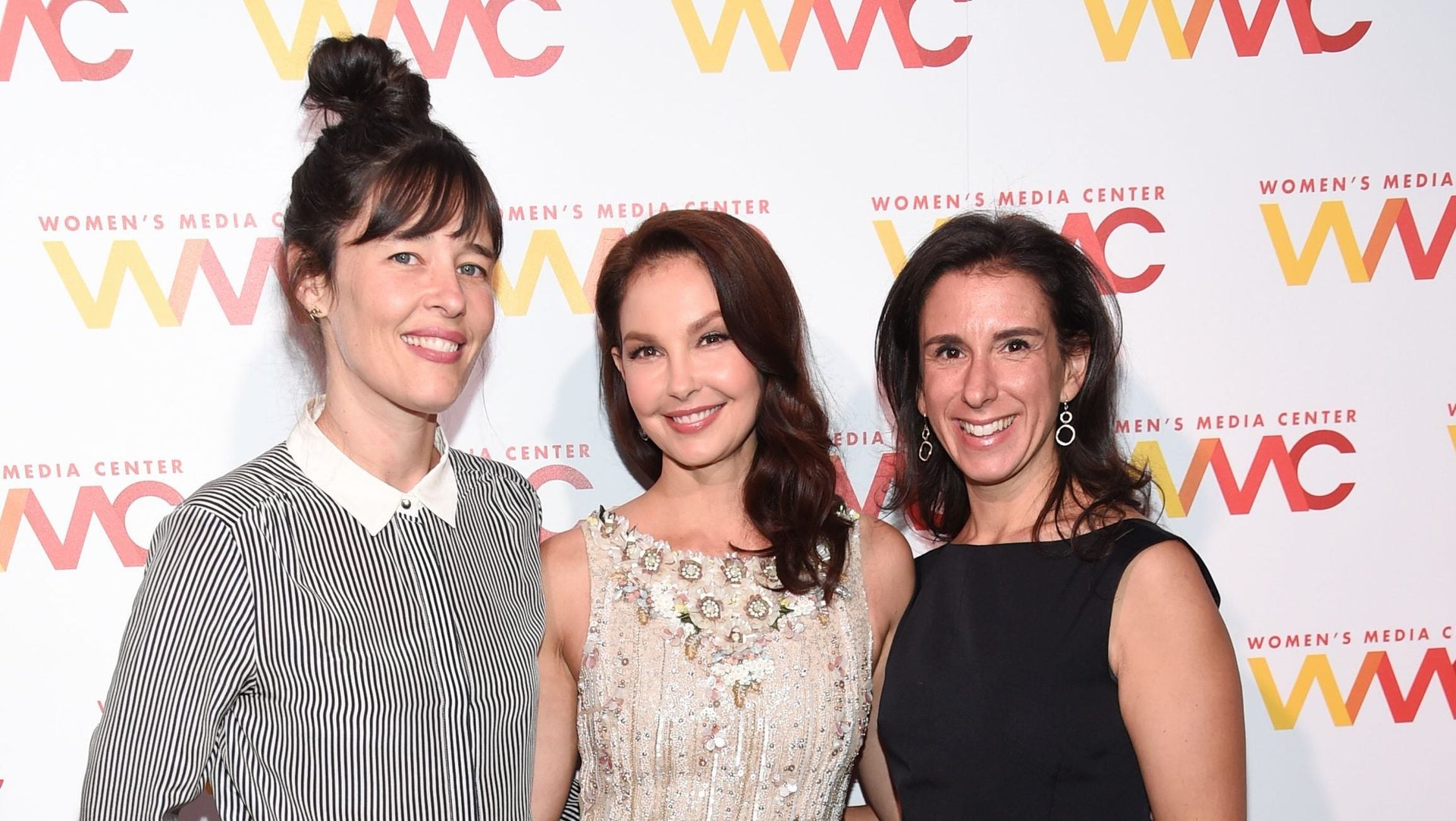
Last year American journalists broke stories that sent longtime abusers and harassers tumbling down from their perches of power, and created a national conversation about gender that’s having ripple effects around the world. As predicted by many, the 2018 award winners include The New York Times for Jodi Kantor and Megan Twohey’s coverage of Hollywood producer Harvey Weinstein’s sexual abuse, and The New Yorker for its reporting on sexual abuse, by Ronan Farrow. The feature photography prize went to Reuters for its coverage of the Rohingya genocide.
Join 500,000+ readers who start their day with Quartz.
By subscribing, you agree to our Terms of Service and Privacy Policy.
Each winner or winning team receives a $15,000 cash prize, except the recipients for public service, who are given gold medals. (The prizes for literature and the arts were also announced today.)
jointly awarded to The New York Times, for reporting led by Jodi Kantor and Megan Twohey, and The New Yorker, for reporting by Ronan Farrow
staff of The Press Democrat
staff of The Washington Post
jointly awarded to the staffs of The Arizona Republic and USA Today network
staff of The Cincinnati Enquirer
jointly awarded to the staffs of The New York Times and The Washington Post
Clare Baldwin, Andrew R.C. Marshall, and Manuel Mogato of Reuters
Rachel Kaadzi Ghansah, freelancing for GQ
John Archibald, of the Alabama Media Group
Jerry Saltz of New York magazine
Andie Dominick of The Des Moines Register
Jake Helpern and Michael Sloan, freelancing for The New York Times
Ryan Kelly of The Daily Progress
photography staff of Reuters
