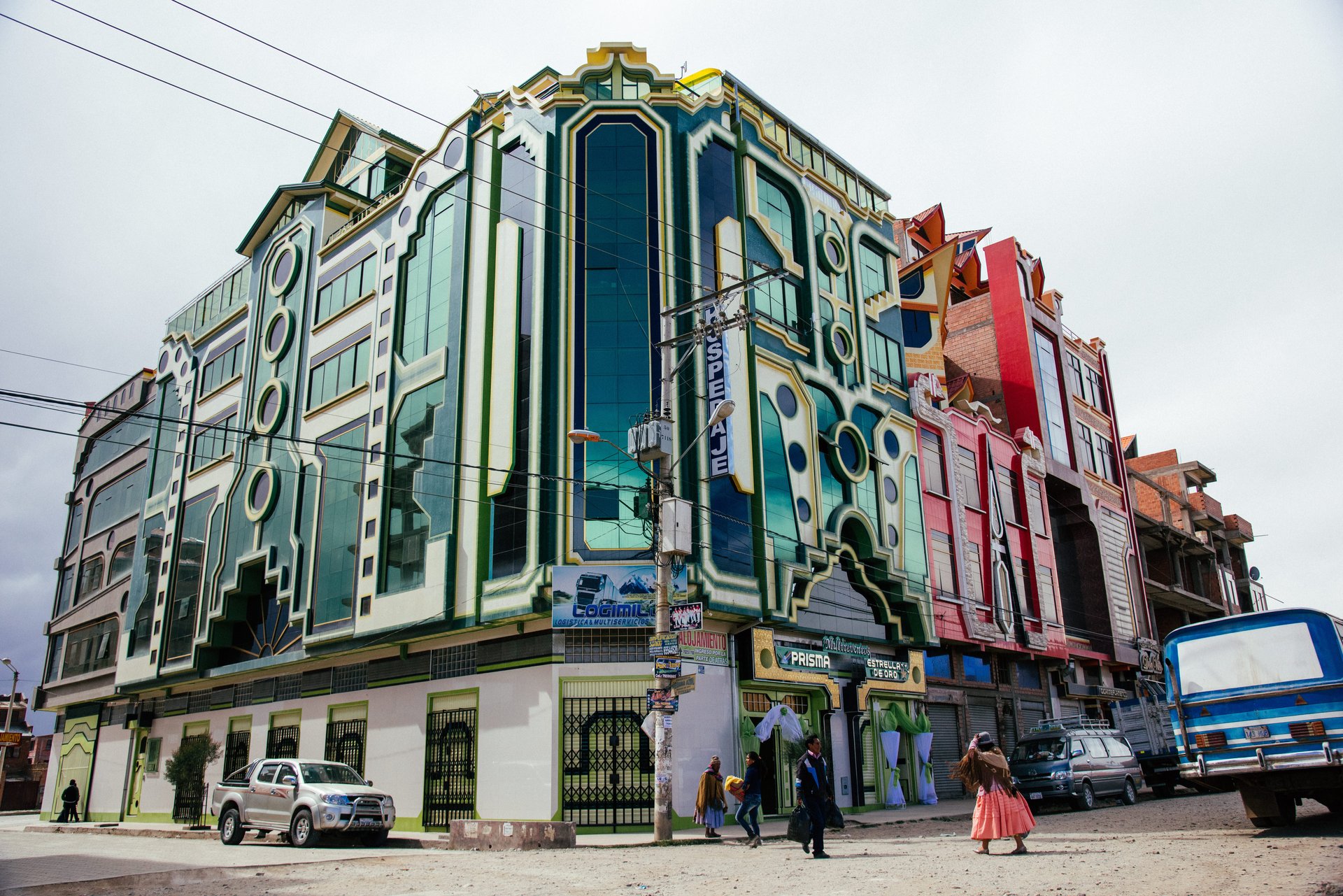
Carrying a Birkin bag; flashing Triple S sneakers from Balenciaga; arriving late in an Aston Martin. In El Alto, Bolivia, there’s a sign of wealth so large it can’t fit inside a closet or a garage: A building by Freddy Mamani.

Carrying a Birkin bag; flashing Triple S sneakers from Balenciaga; arriving late in an Aston Martin. In El Alto, Bolivia, there’s a sign of wealth so large it can’t fit inside a closet or a garage: A building by Freddy Mamani.

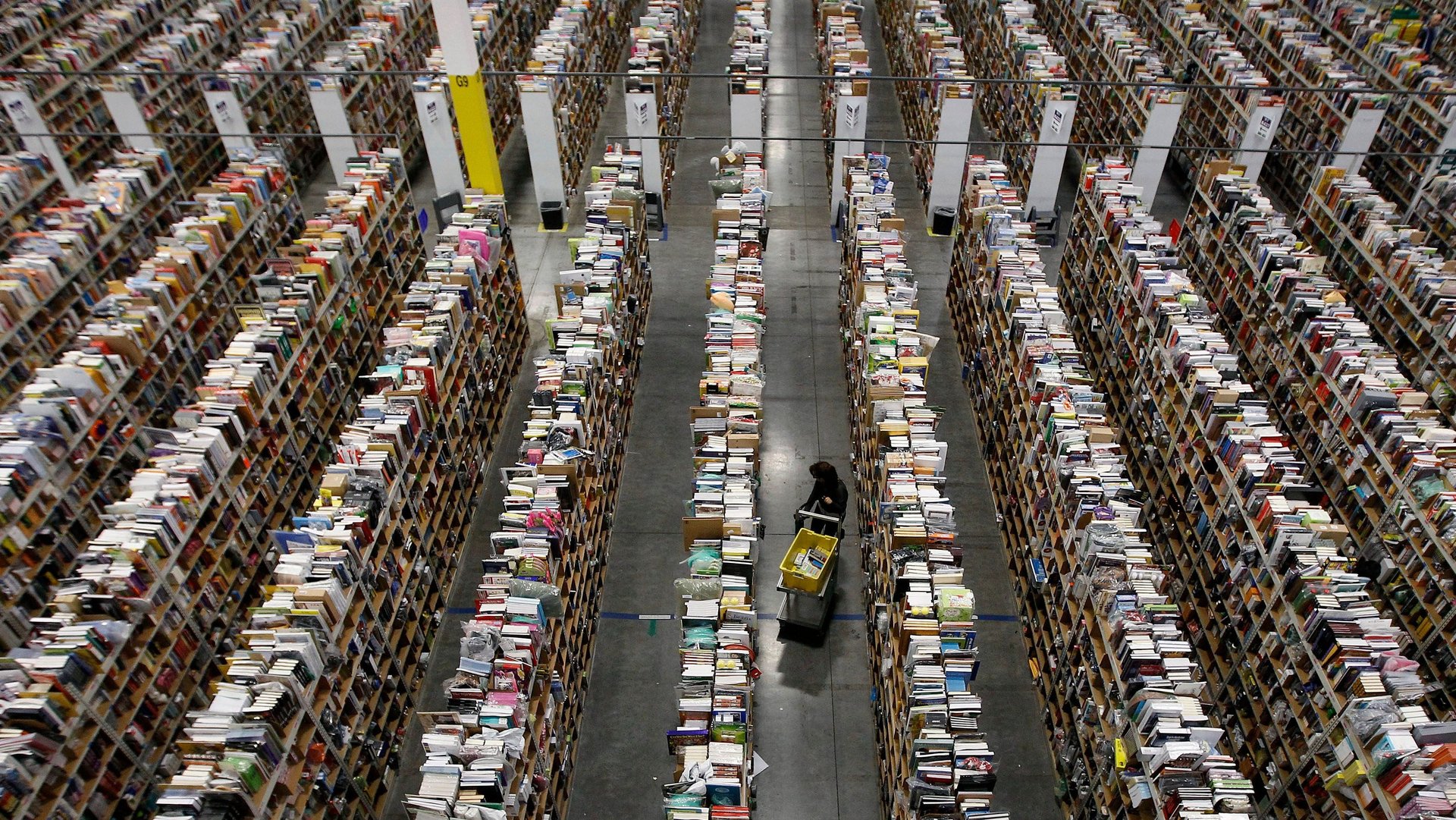
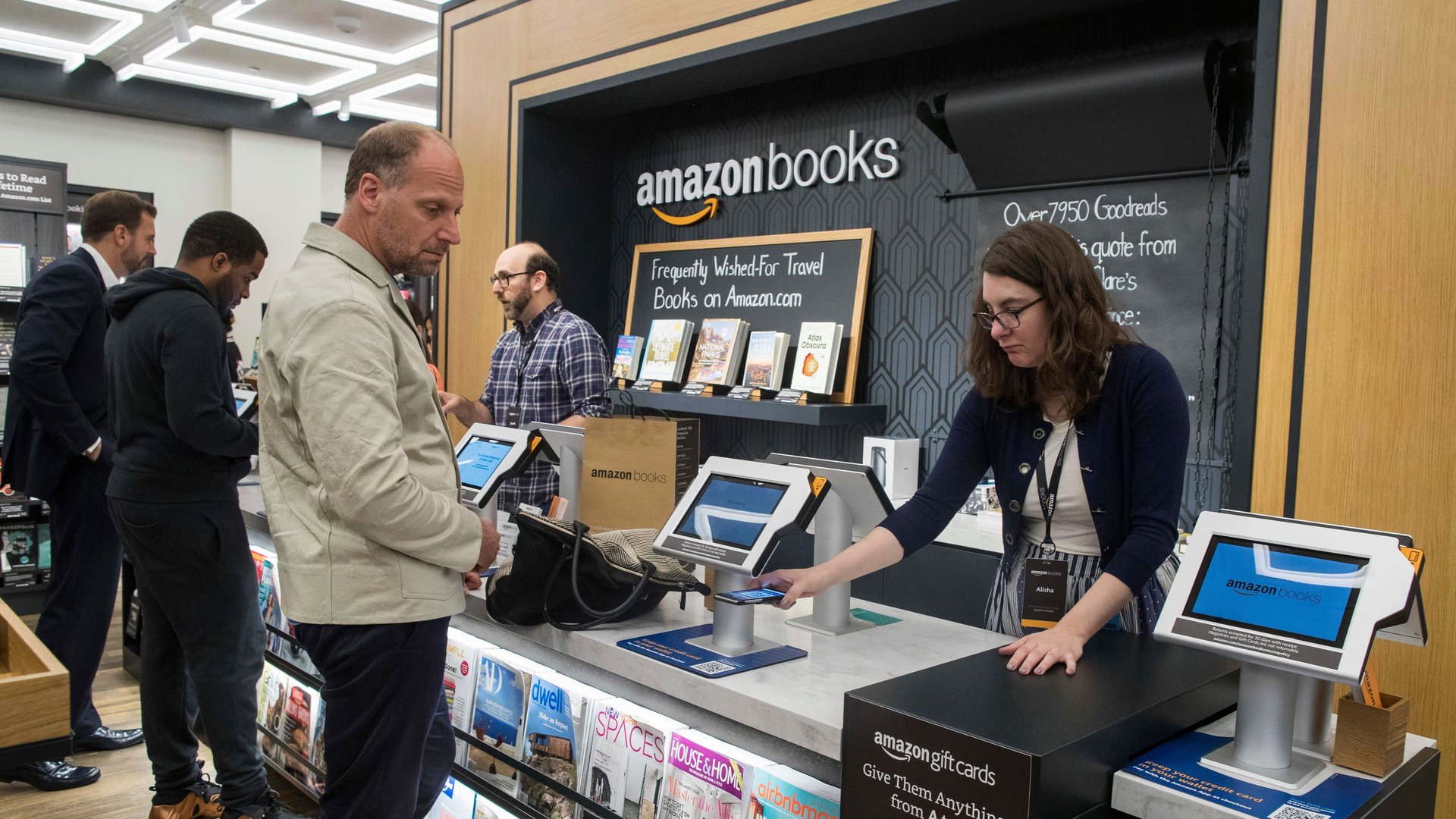
Amazon is the Voldemort of book events—”our friends in Seattle,” the ominous euphemism goes. The Seattle-based company is famous and feared for its dual qualities of relentlessness and opacity. But what’s more important is how those qualities work in dangerous concert with a third pillar: Amazon’s data collection.

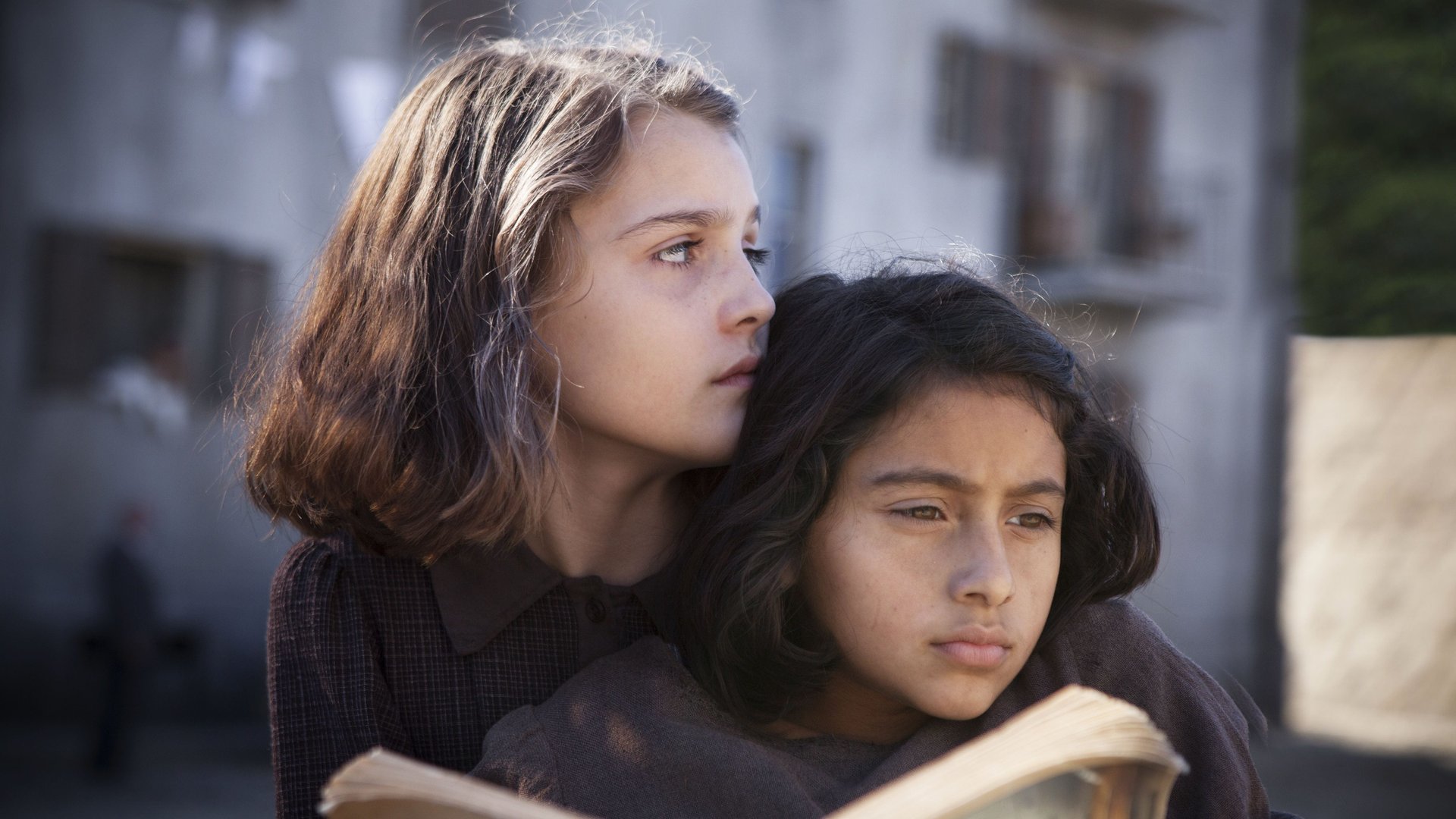
This story contains spoilers to Elena Ferrante’s My Brilliant Friend and its HBO adaptation.

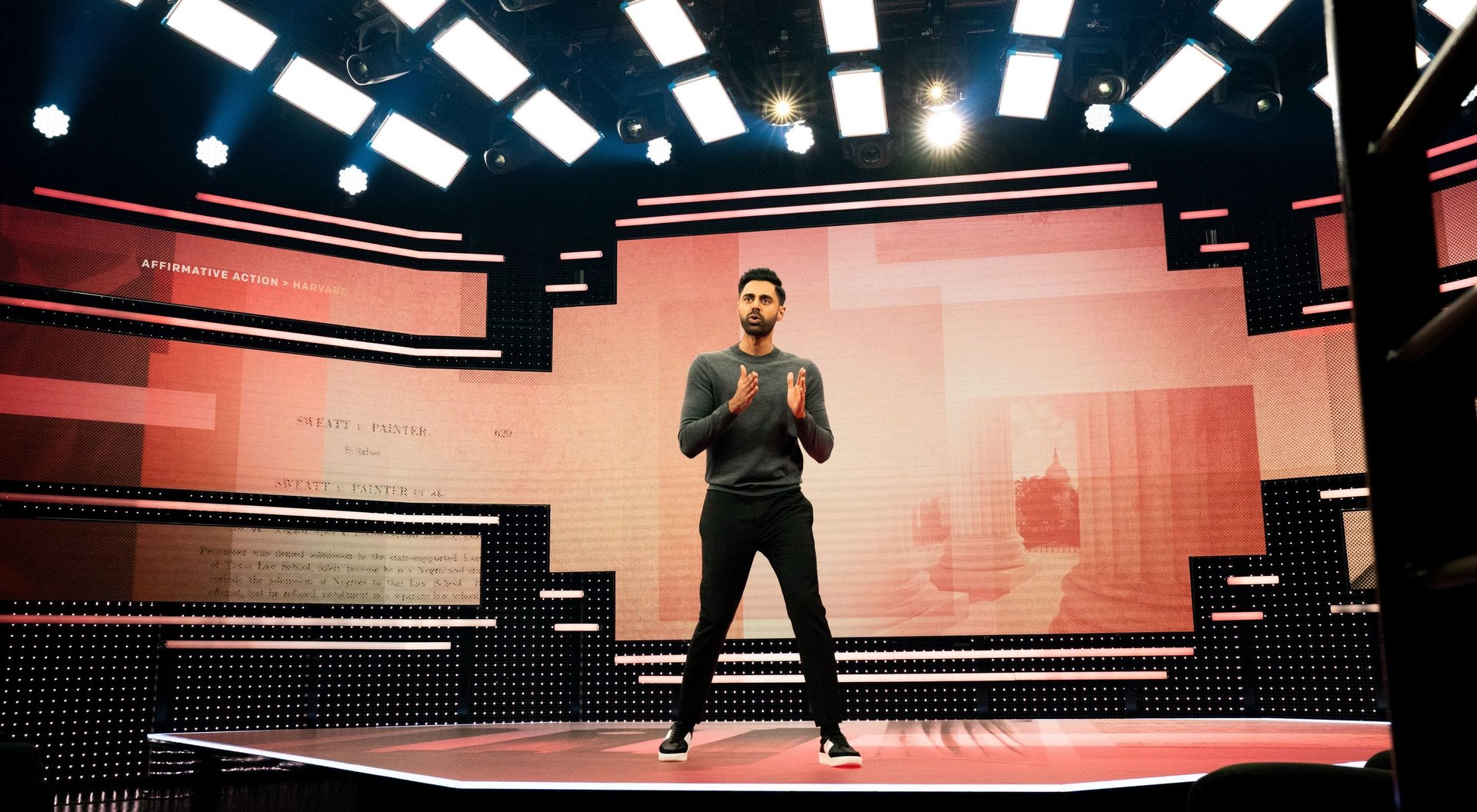
Ragging on Cornell and the lack of diversity at CalTech; throwing out a passing reference to “AP Gov”; jeering at an SAT score of 1310. These may sound like lunchtime jokes at the nerd table of an engineering high school in New Jersey, but they are also the material that the comedian Hasan Minhaj is delivering, with aplomb, on his new Netflix show.

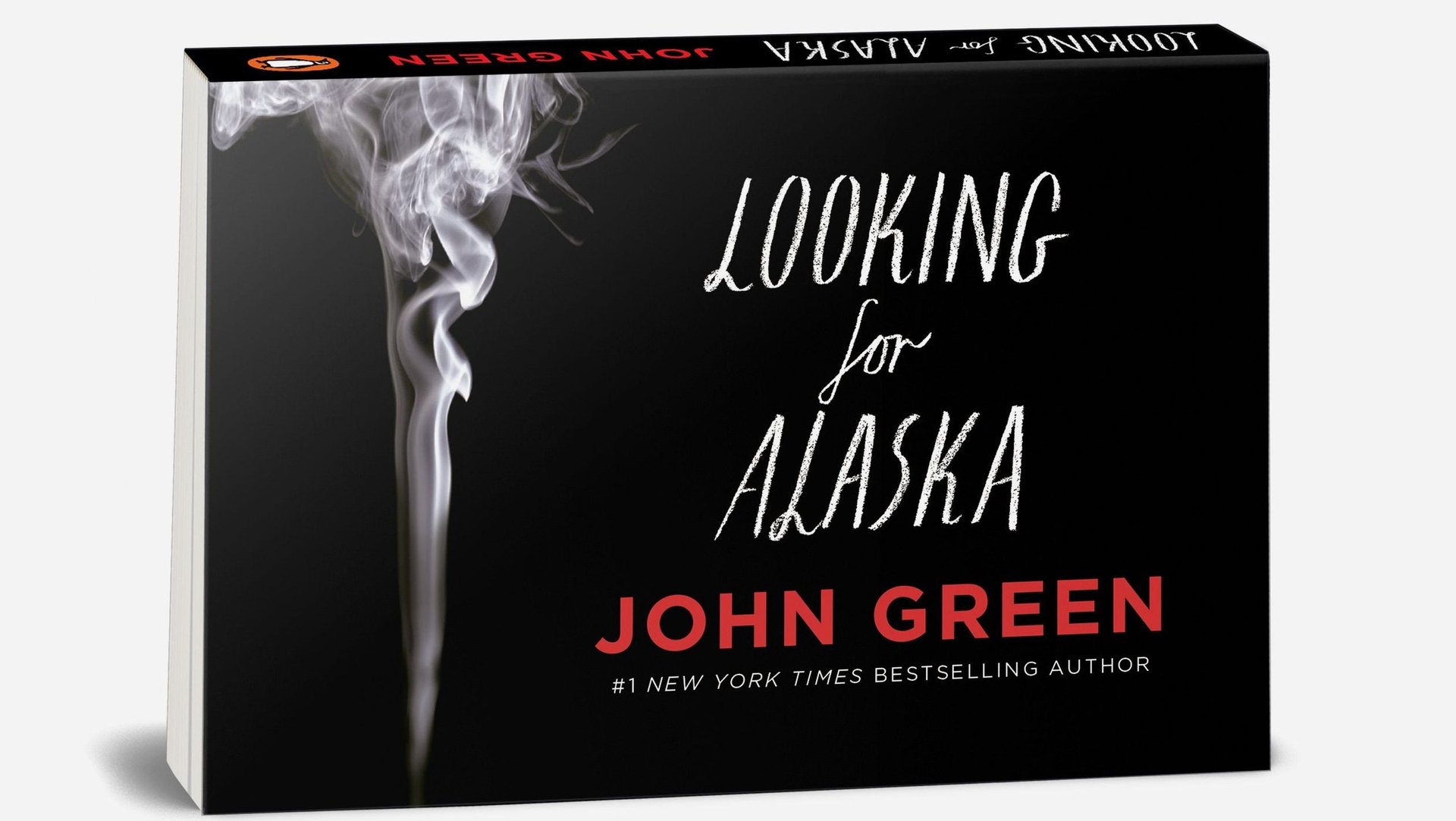
A new kind of beach reading has come to the US. “Penguin Minis” are books, super light and tiny, whose pages flip horizontally. On Oct. 23, Dutton Books for Young Readers, an imprint of Penguin Random House, released four mini versions of past novels by bestselling YA author John Green, unabridged.

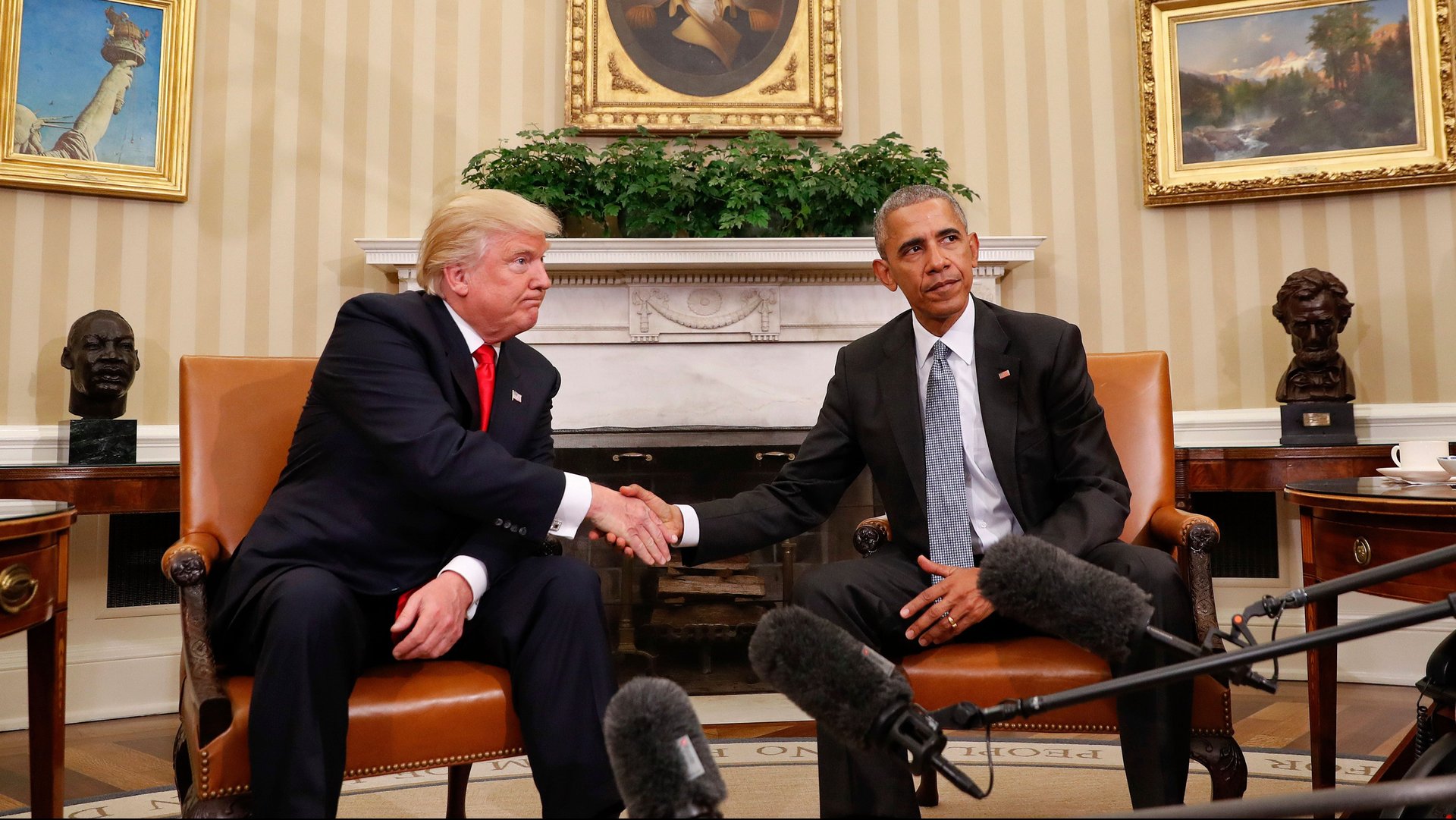
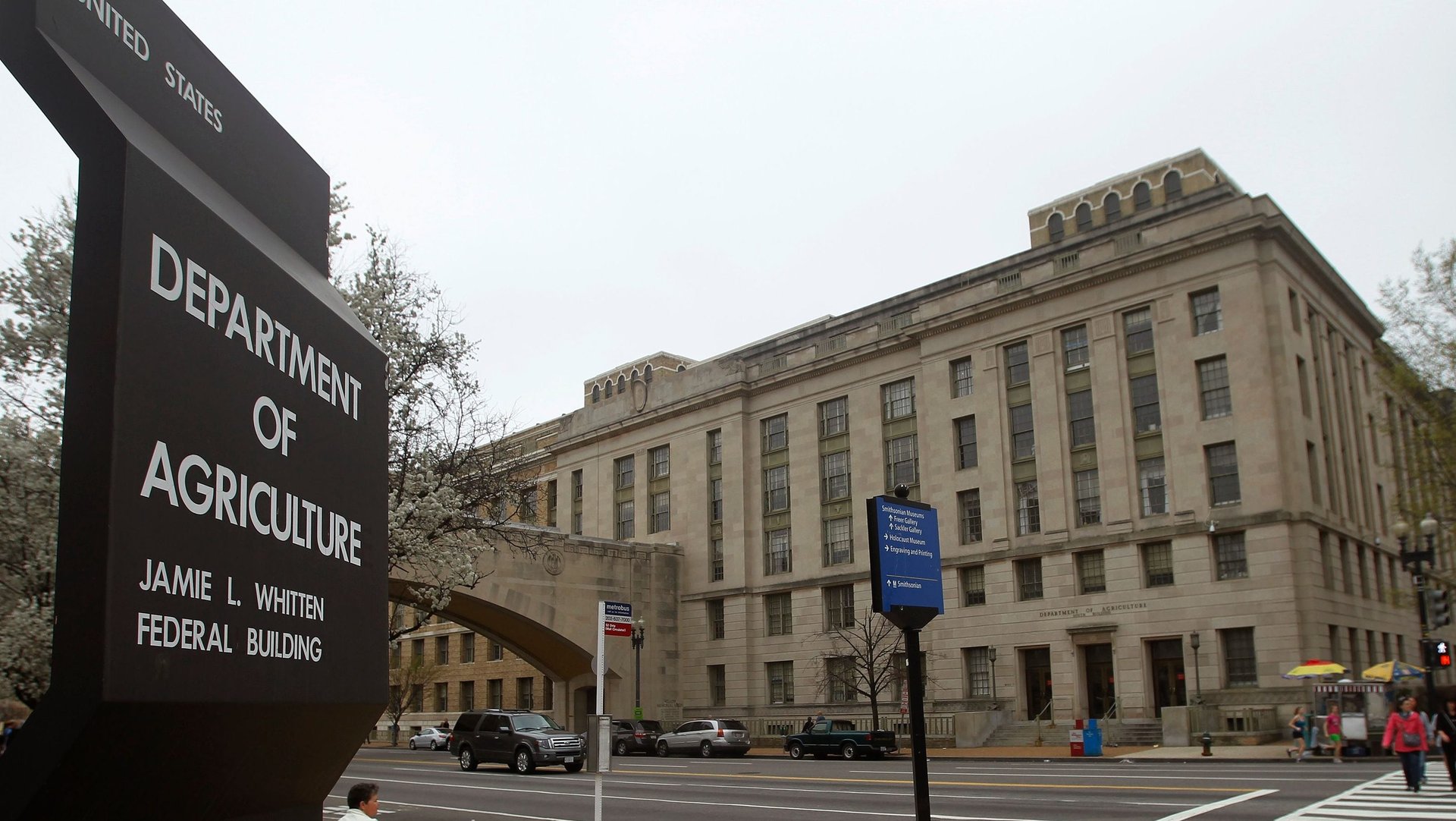
Michael Lewis’s book The Fifth Risk, out last month, criticizes the transition between Barack Obama and Donald Trump’s federal governments as dysfunctional and, as a consequence, deeply dangerous for the country and the world. Obama, it would seem, concurs.

In a new piece of fiction from Lauren Groff, climate change and motherhood are as dreadful as a bedtime ghost story.

Amazon is not just a fast, efficient, ubiquitous online bookseller. For the last decade, it has also been a book maker. Last year Amazon Publishing put out 1,552 books across its 15 imprints. Its imprint AmazonCrossing translates more fiction than any other US publisher. Thirty-six of its authors have reached one million readers.

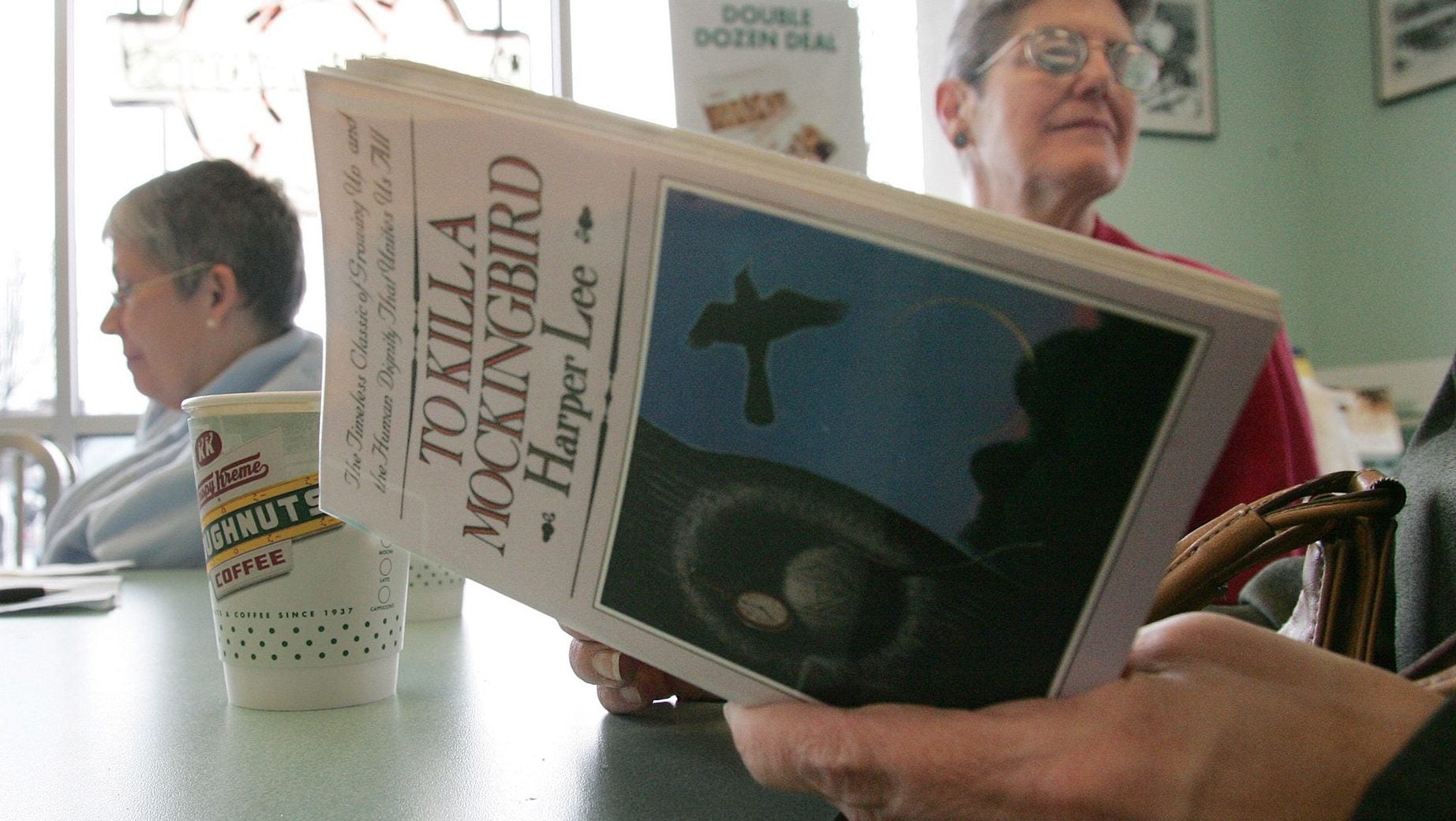
Americans love a heroic white father figure. TV program The Great American Read concluded today (Oct. 23) with a segment revealing that the US’s favorite novel is Harper Lee’s To Kill a Mockingbird.

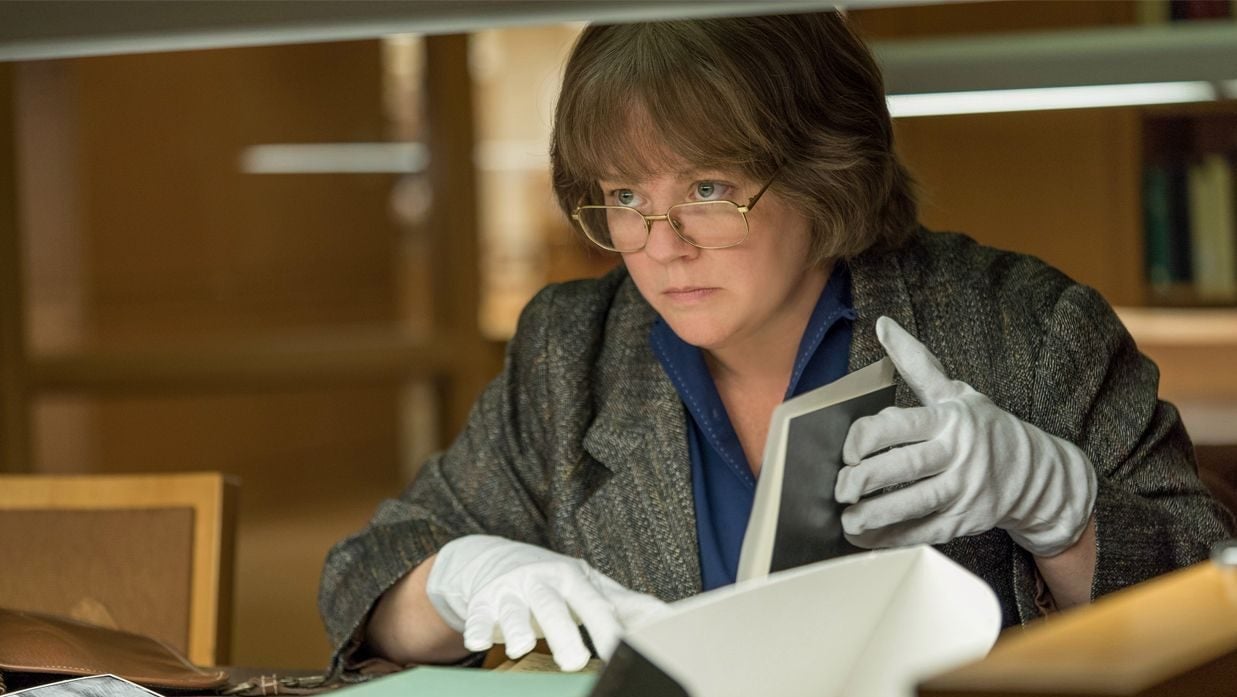
This story contains spoilers for Lee Israel’s memoir, Can You Ever Forgive Me? and its film adaptation.

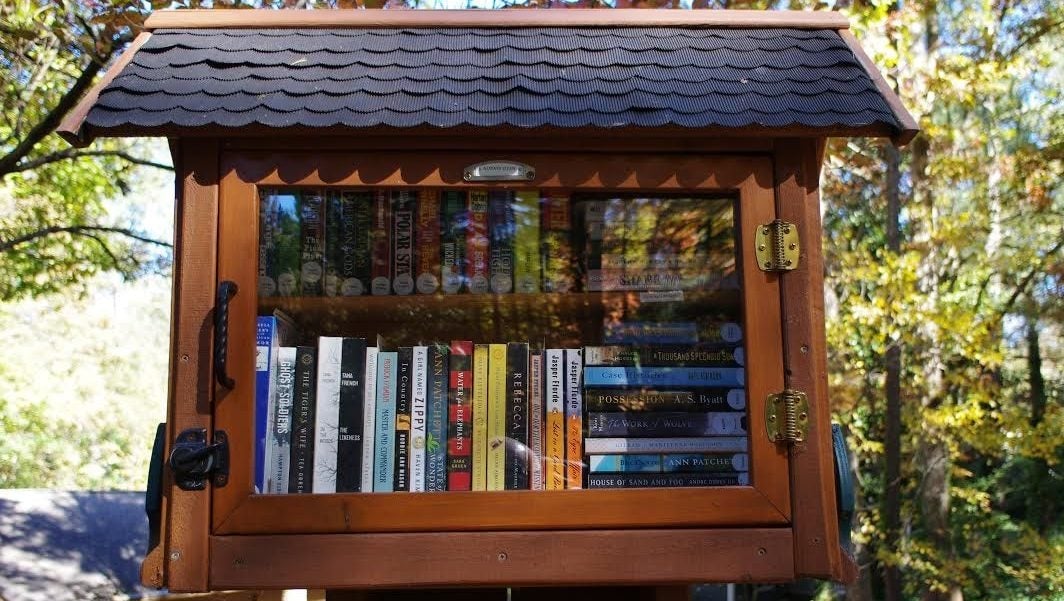
You may have seen them: Quaint, sturdily built wooden boxes shaped like houses, stuffed with esoteric books about birding and worn novels by Danielle Steel. Todd Bol, the founder who started the vast network of these tiny, volunteer-built book swap boxes, passed away yesterday (Oct. 18).

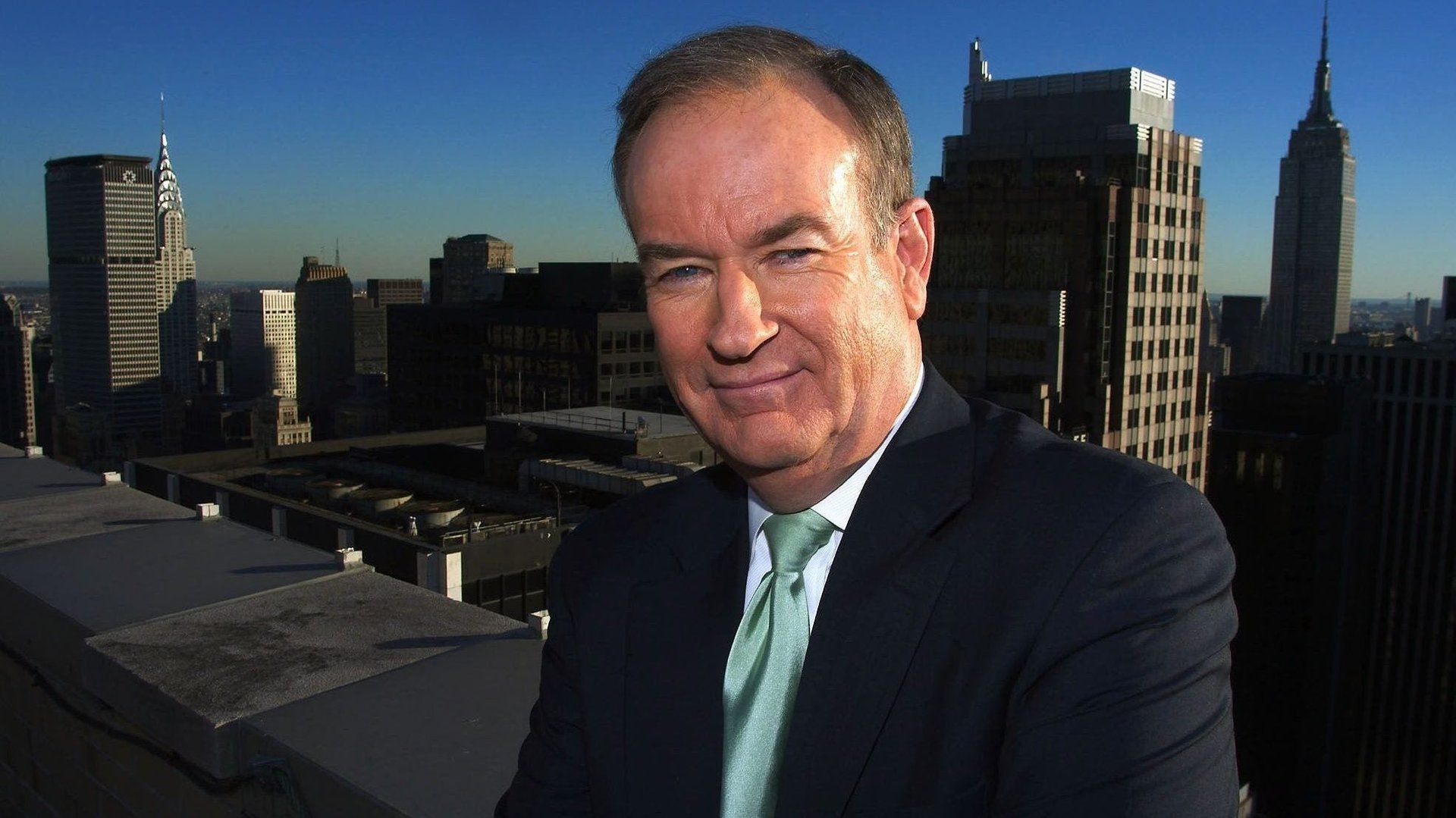
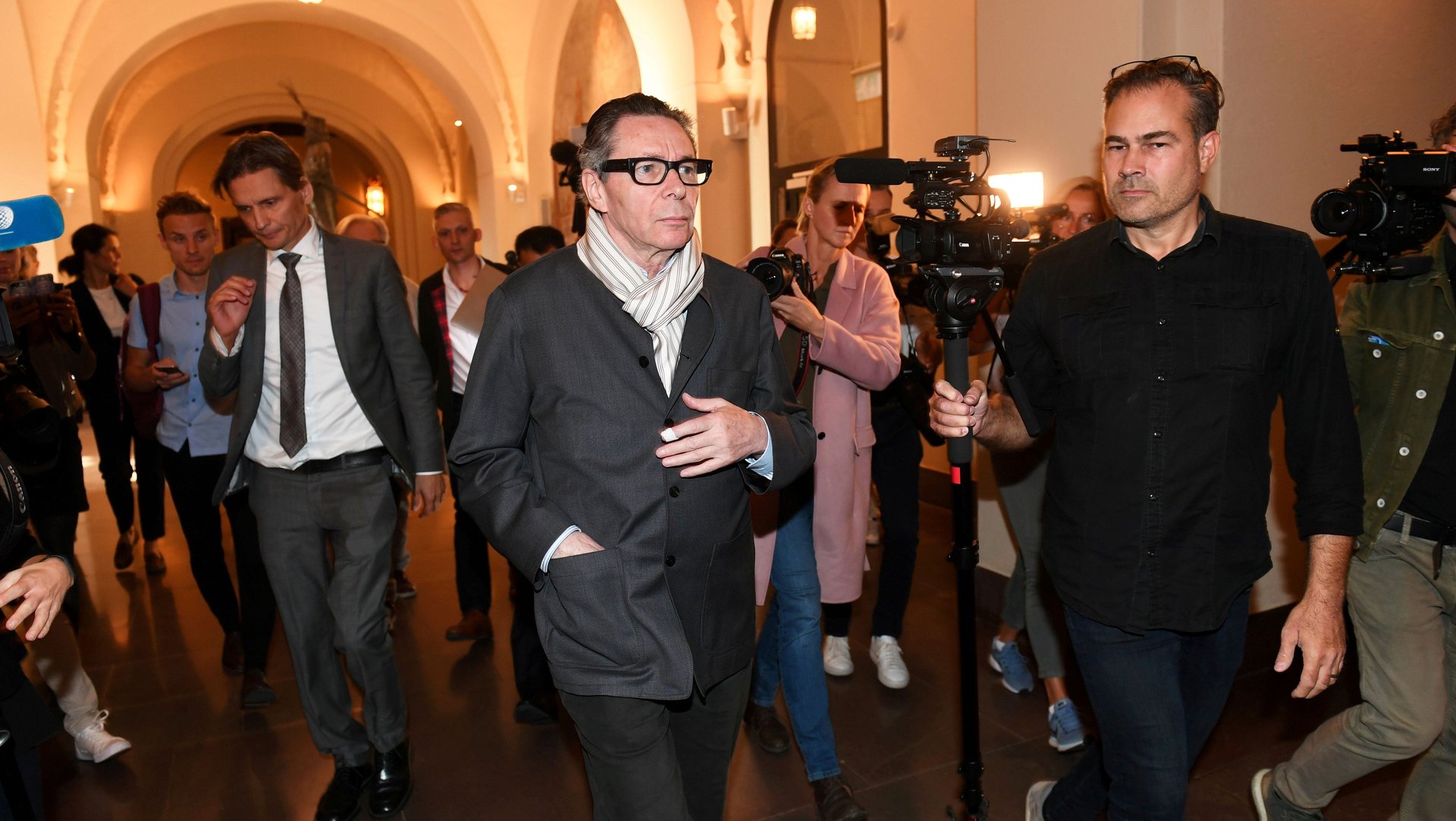
US conservative commentator Bill O’Reilly was ousted from his massively watched news show last year after revelations that he paid millions in settlement money to women who accused him of sexual harassment. In one moment, he lost access to nearly 4 million nightly viewers.

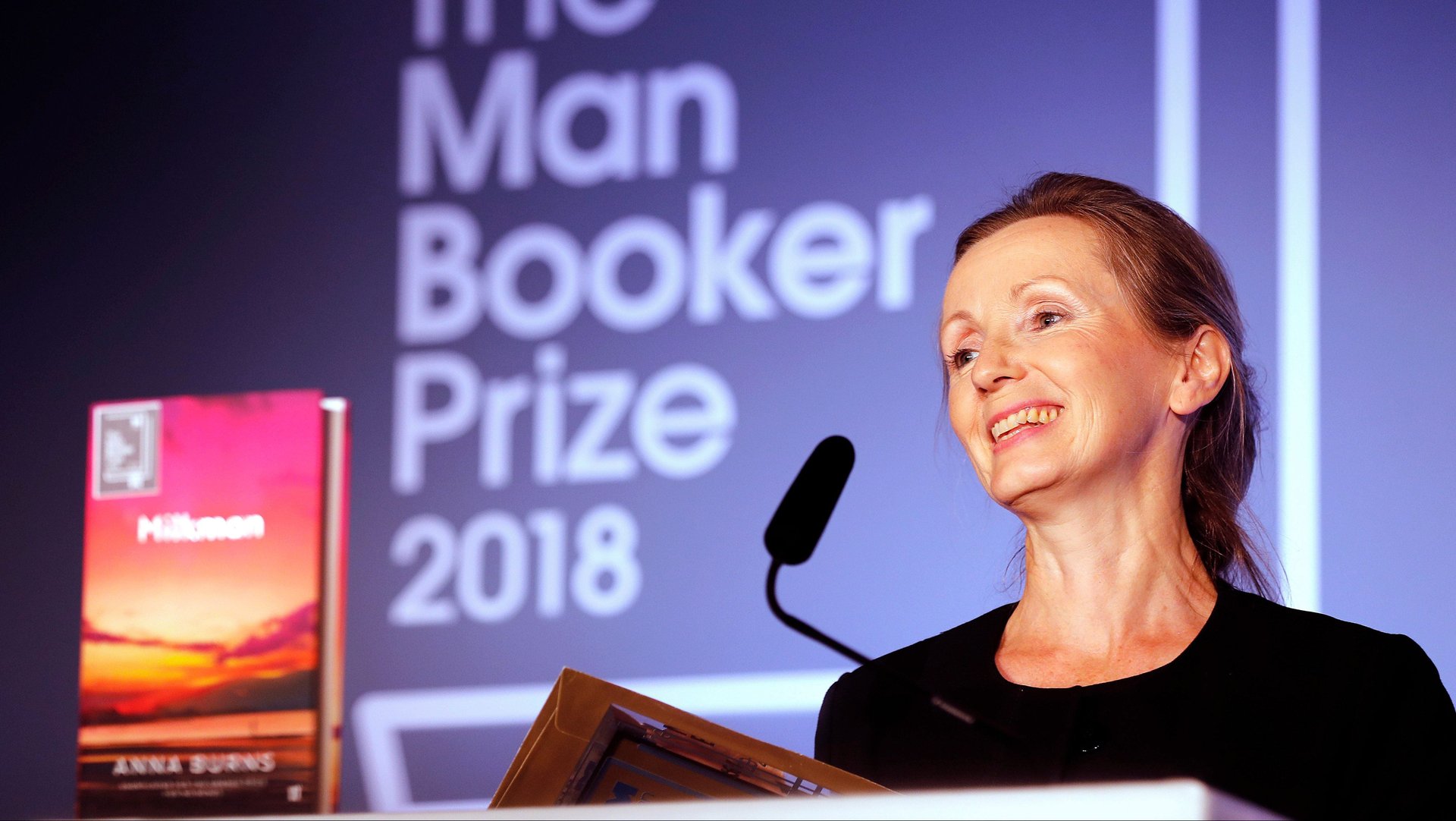
The UK’s prestigious Man Booker Prize has been awarded to Milkman by Anna Burns.

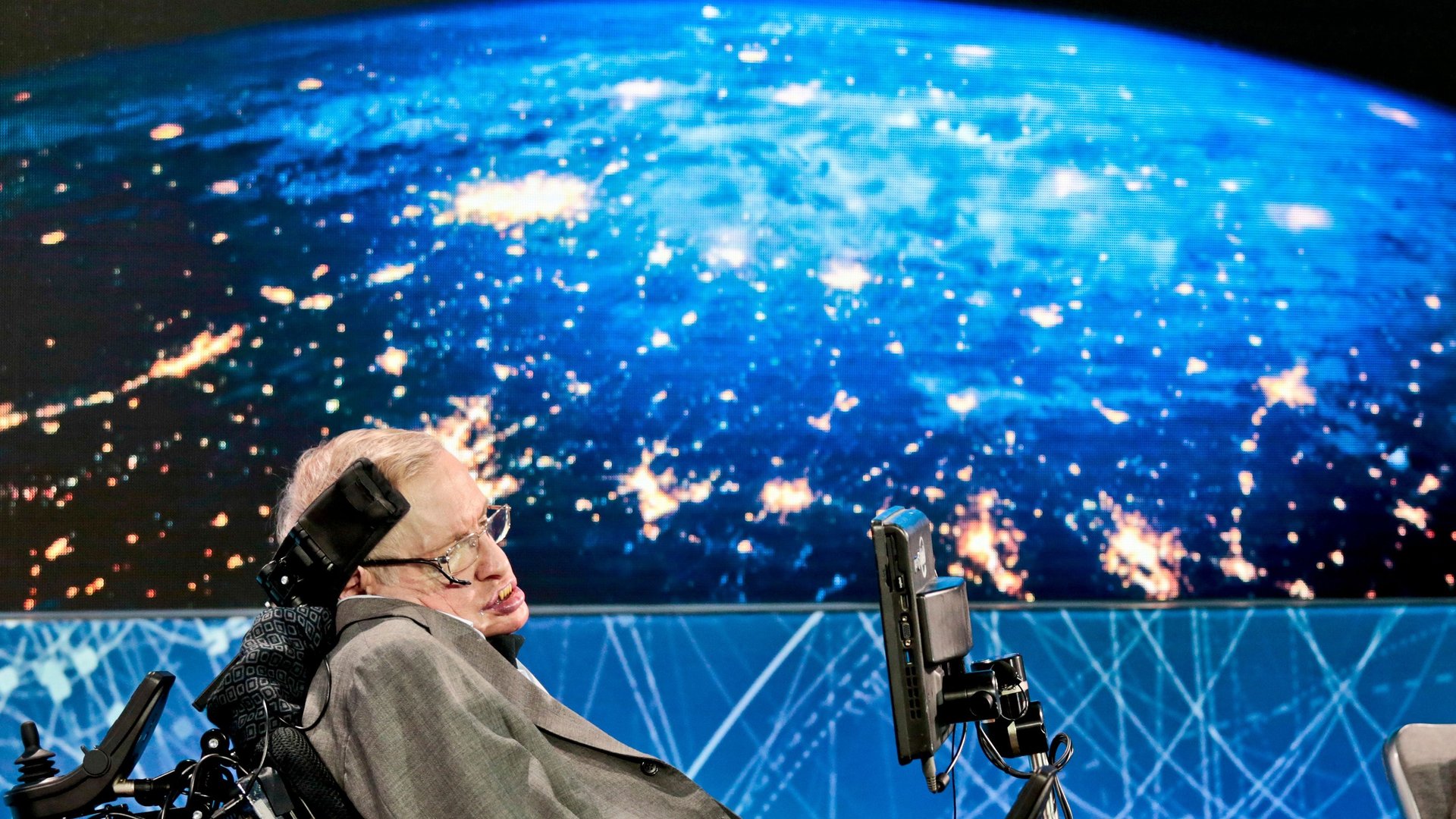
Stephen Hawking was a physicist and cosmologist whose power lay in his ability to communicate complex theories to the masses. In his latest book, the first published since his death in March, he goes broad.

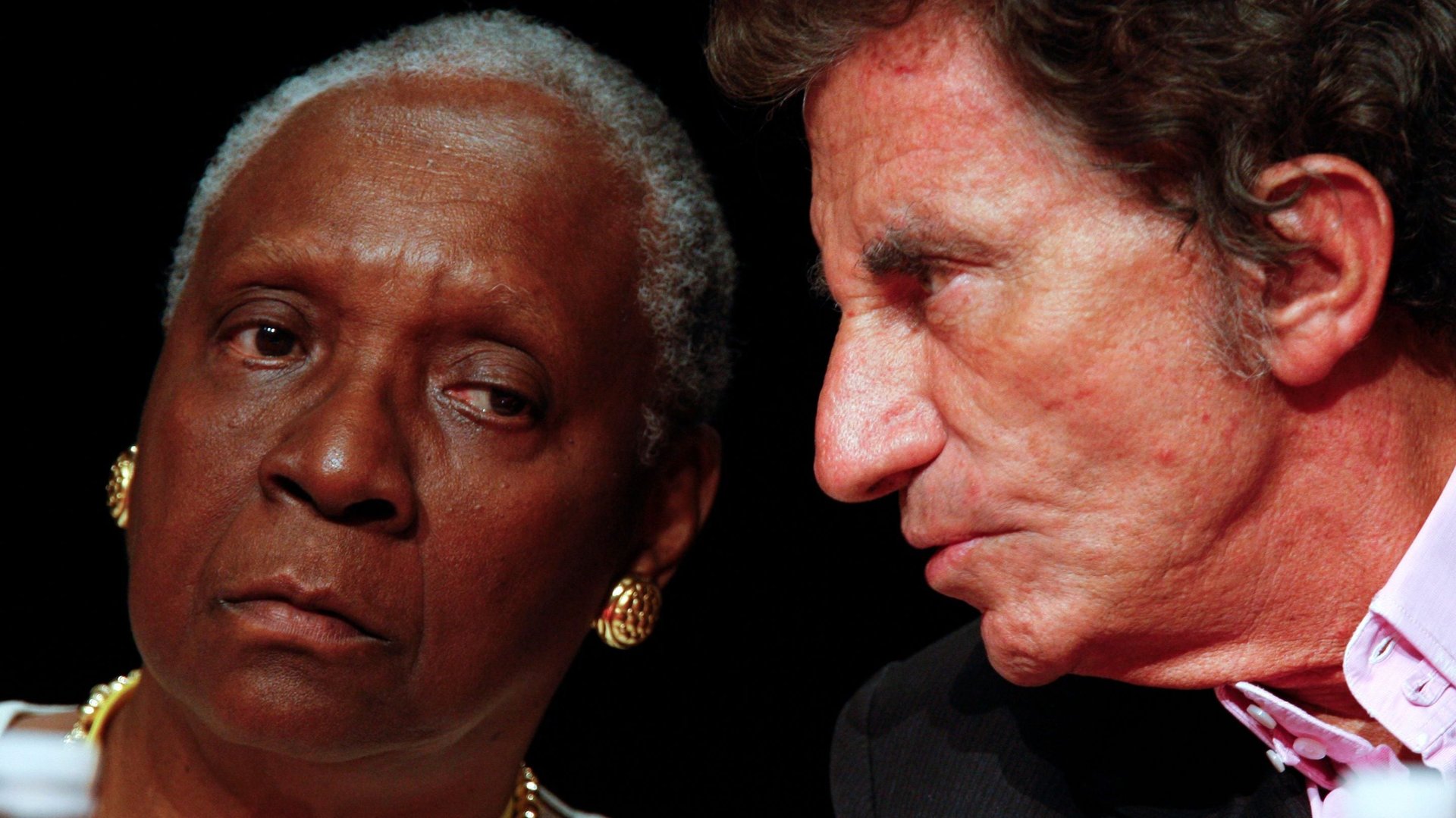
In the wake of a rape and corruption scandal that’s toppled the Swedish Academy, no Nobel prize in literature was given out this year. In its place, a group of concerned Swedes has named their own 2018 global winner for literature: Guadeloupean writer Maryse Condé.

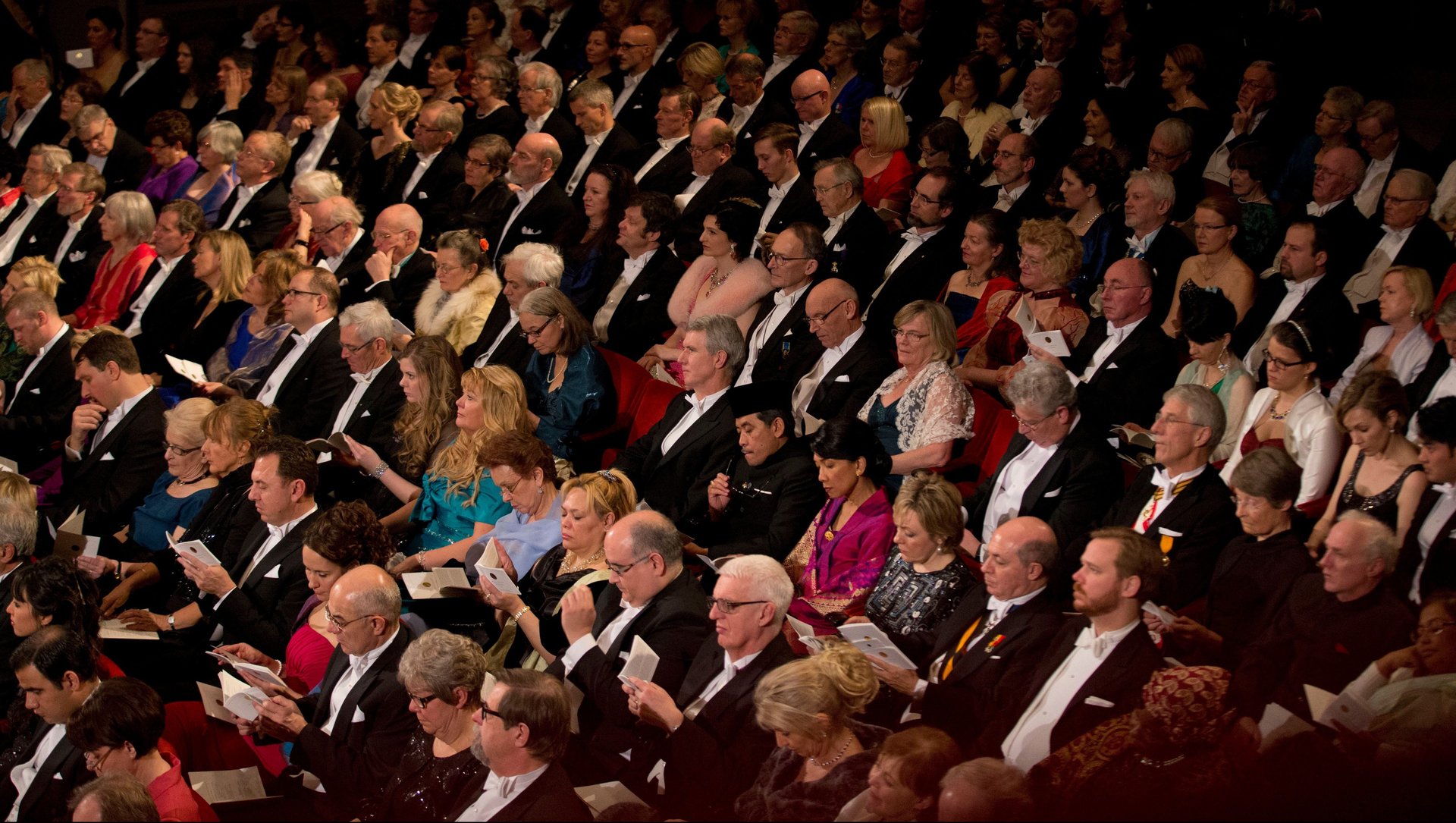
The Nobel Prize for literature is falling apart. The Swedish Academy, which gives out the 9 million Swedish krona award (about US $1 million), is riddled with sexual abuse accusations, including one conviction of rape, and charges of cronyism and corruption. In the wake of the still-unraveling scandal, it’s taking the year off.

The annual celebration of the best new American literature is getting closer, and the judges are whittling down their top picks. Today the US National Book Awards named its shortlists in fiction, nonfiction, poetry, translation, and young people’s literature.

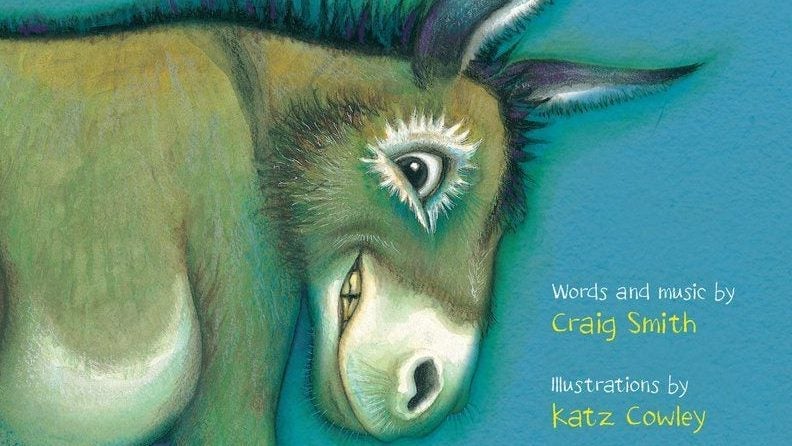
A Scottish grandma unable to keep her shit together has become an unexpectedly powerful marketing machine for books.

The poet Tracy K. Smith wants to breathe poetry into your ear for five minutes every weekday.

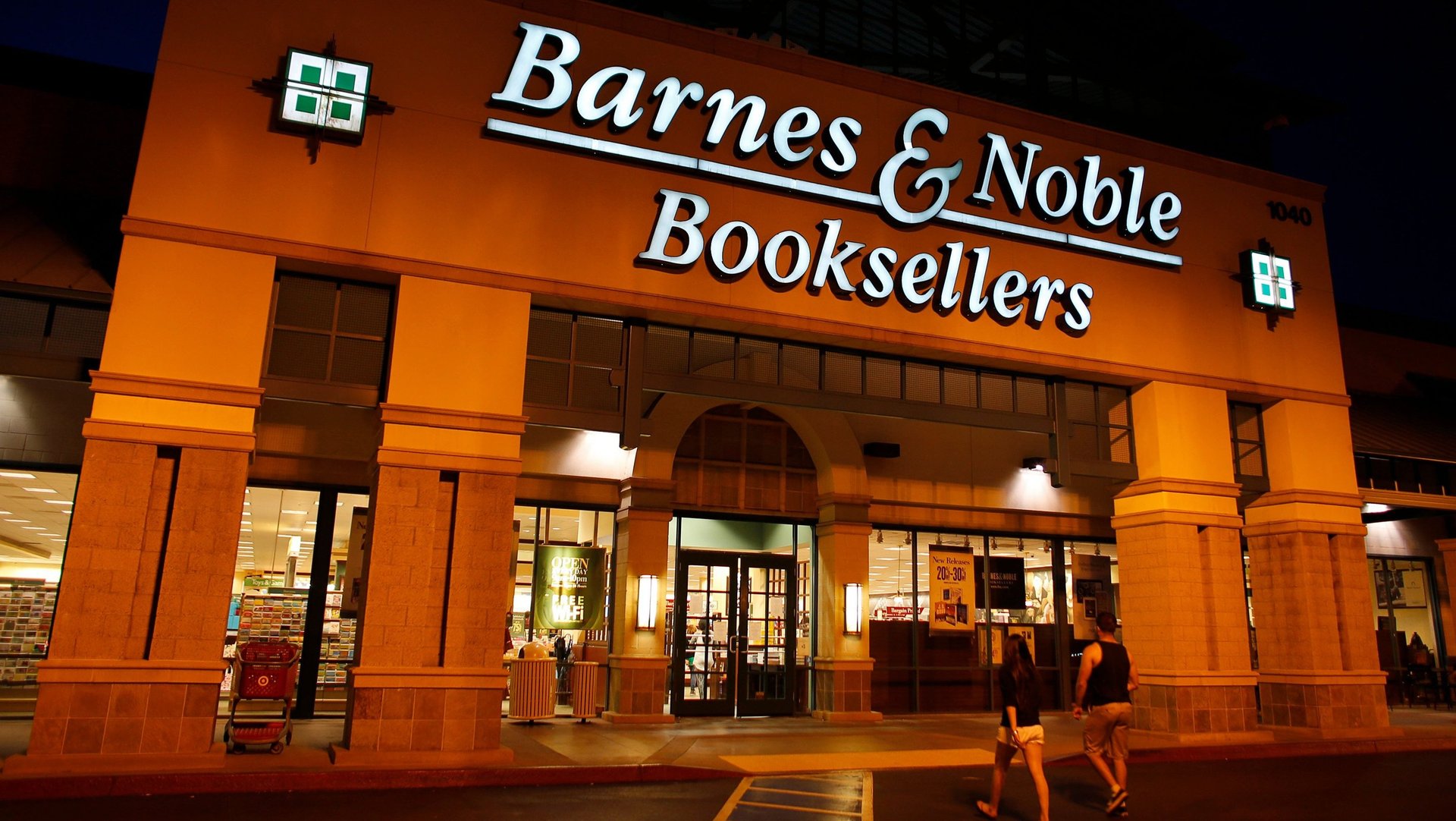
Barnes & Noble wants to explore its options.

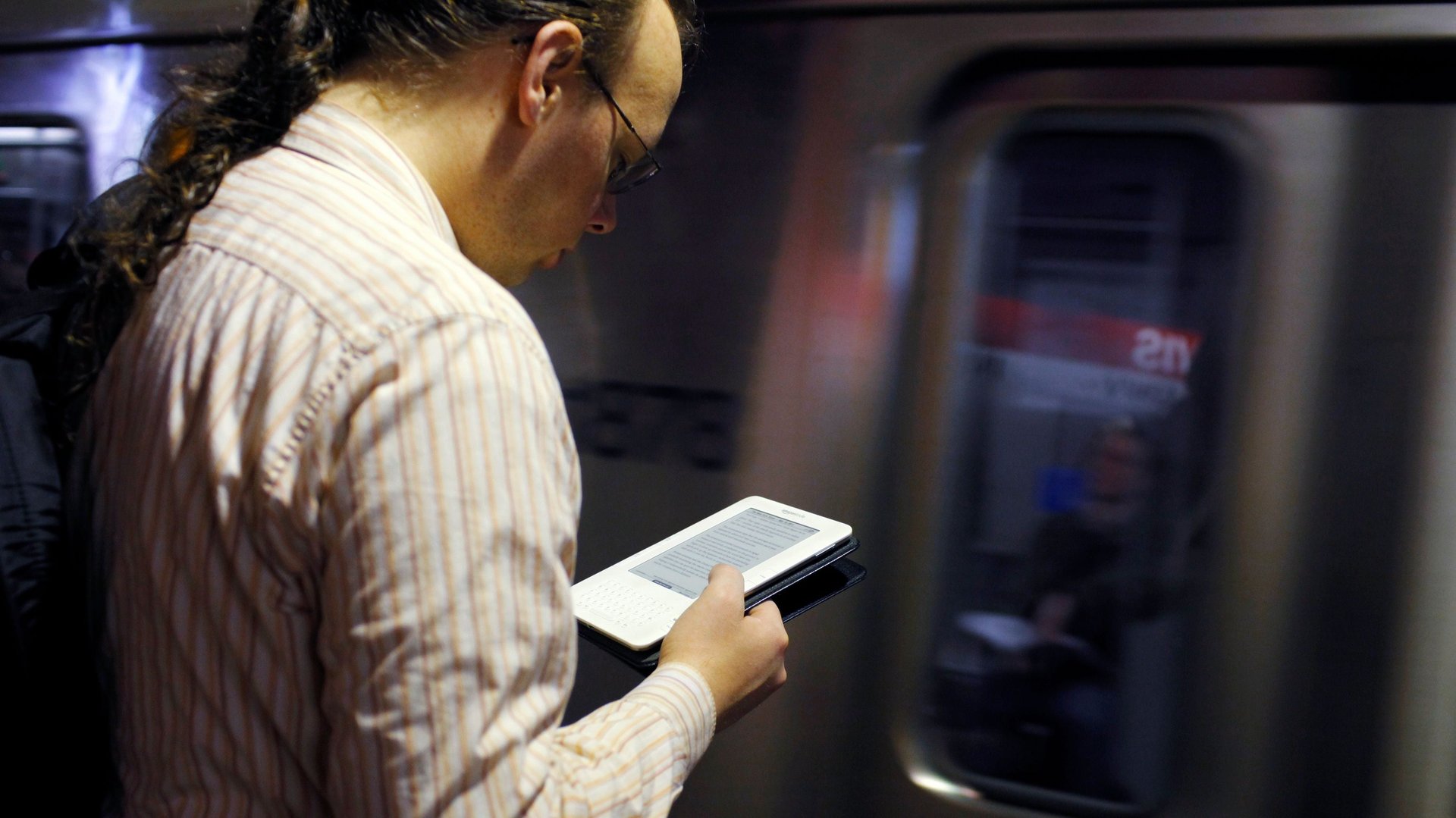
Whether you can touch it or not, a book is a book, says the European Union.

This week as the Nobel prizes for science and economics are handed out, there’s a notable omission from the media storm. For the first time since World War II, there will be no Nobel in literature.

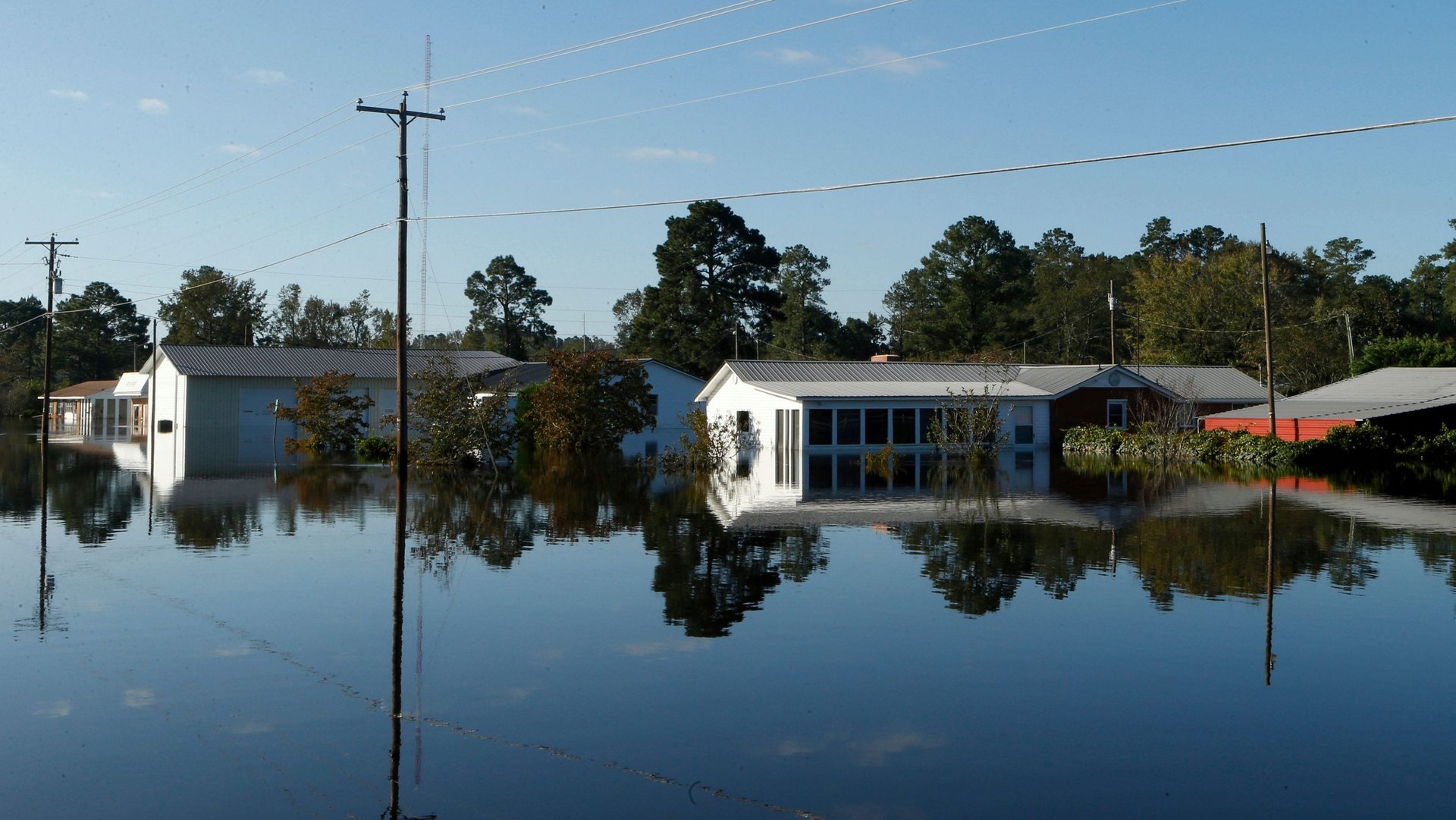
Outside the headlines that stream endlessly, about Trump’s possible ties to Russia, his Supreme Court nominee’s alleged sexual assault, his advisors falling one by one, his ongoing buffoonery, there is an invisible meltdown happening in the most wonkish and important parts of the federal government—and it’s putting the country and the world in danger.

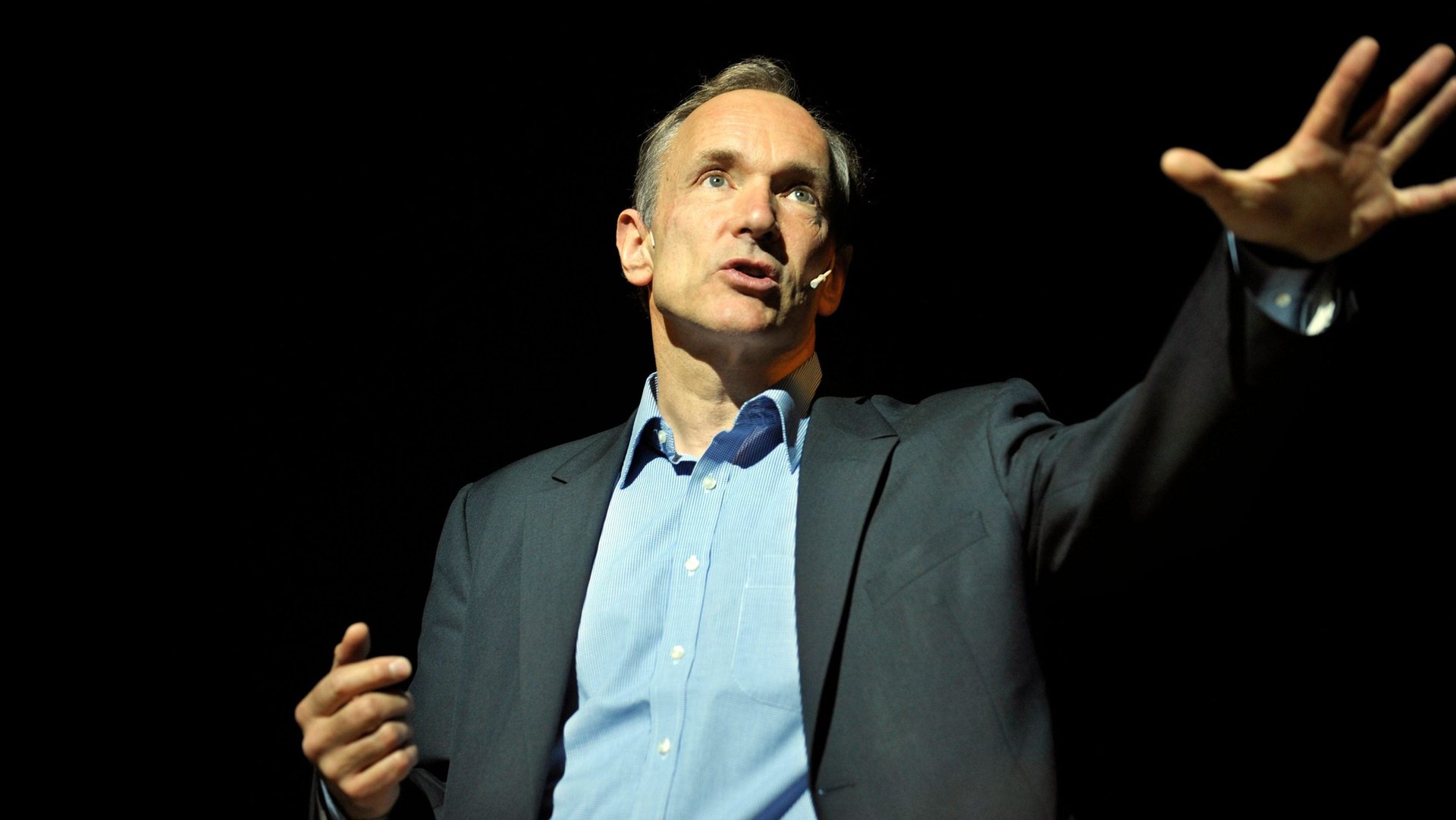
The founder of the World Wide Web thinks it’s broken and has a plan to fix it.