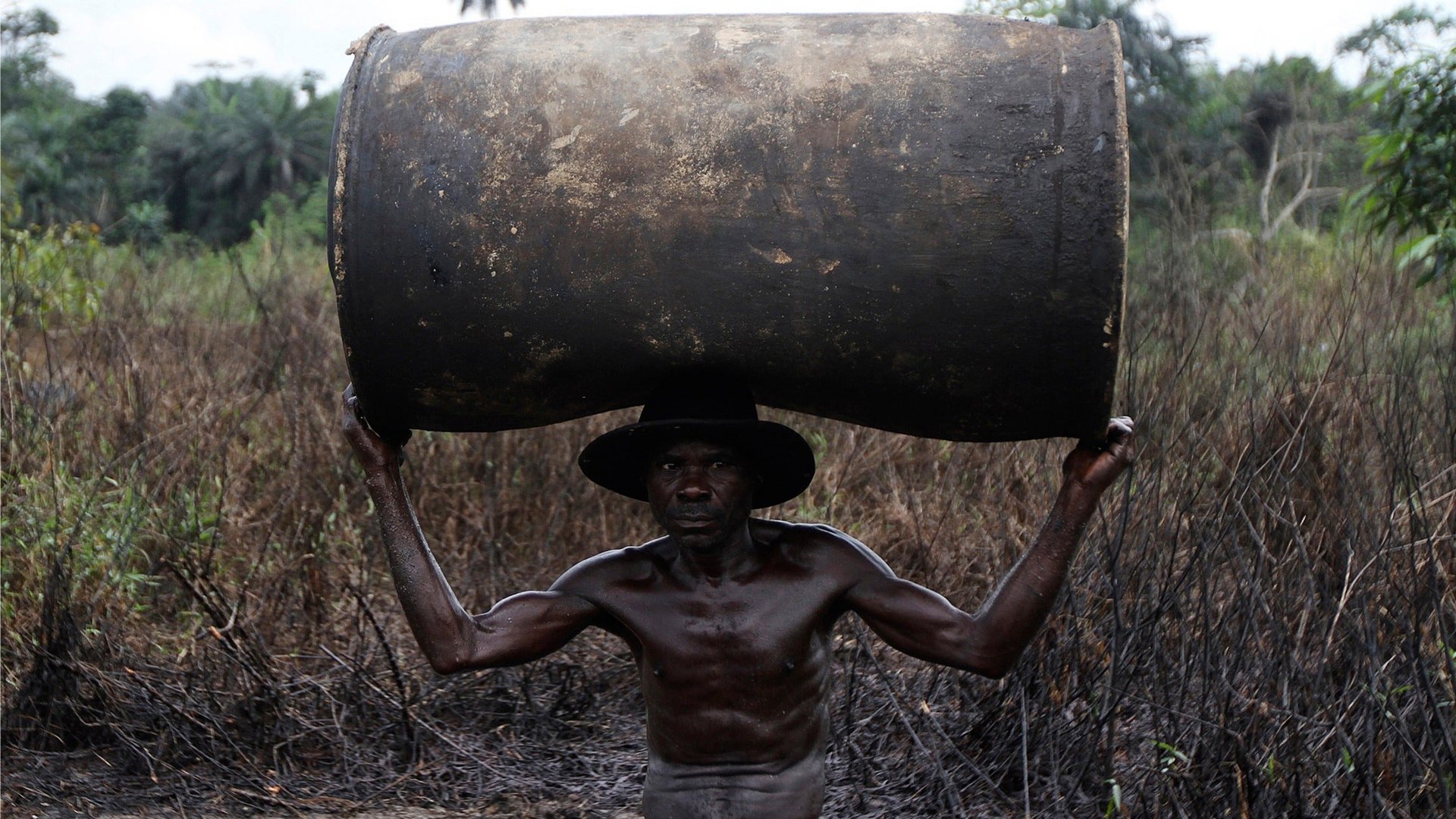
If you’re going to steal oil, you’ll probably want to start by booking a flight to Nigeria, where you can dig into the country’s budding oil-theft culture.
Nigeria, the world’s 13th largest producer, exports over 2 million barrels of oil every day. But the country also forfeits mind-boggling amounts of its precious crude; an estimated 100,000 barrels of oil are stolen every day, according to a report released on Thursday (pdf).
For years, thieves have been tapping into the country’s pipelines and intercepting oil shipments in and around the Niger Delta, where they then transfer the oil onto barges and boats. Some of that oil is refined and sold locally, while the rest (as much as 90%) is carried abroad on bigger vessels. Illegal oil snatching costs the African nation as much as $8 billion a year, and Nigeria is ill-equipped to stop it. “Nigeria offers a strong enabling environment for the large-scale theft of crude oil,” the report says (p. 9). The combination of rampant corruption and fraud, poor governance, and a severe lack of transparency in the oil industry has turned the country’s oil reserves into a cesspool of violence and theft.
It isn’t clear who’s stealing the oil, and the greater international community has been slow to help Nigeria solve the problem. “At present oil theft is a species of organized crime that is almost totally off the international community’s radar,” the report says (p. 10). What’s clearer are the various methods used to siphon the oil, broken down as follows by the report:
Rising oil prices and high production levels could be egging on oil theft, notes the report: “Amounts stolen probably do correlate to spikes in production and global oil prices,” (p. 44). The more oil prices creep up, the craftier oil thieves are bound to get.
