
Tech & Innovation
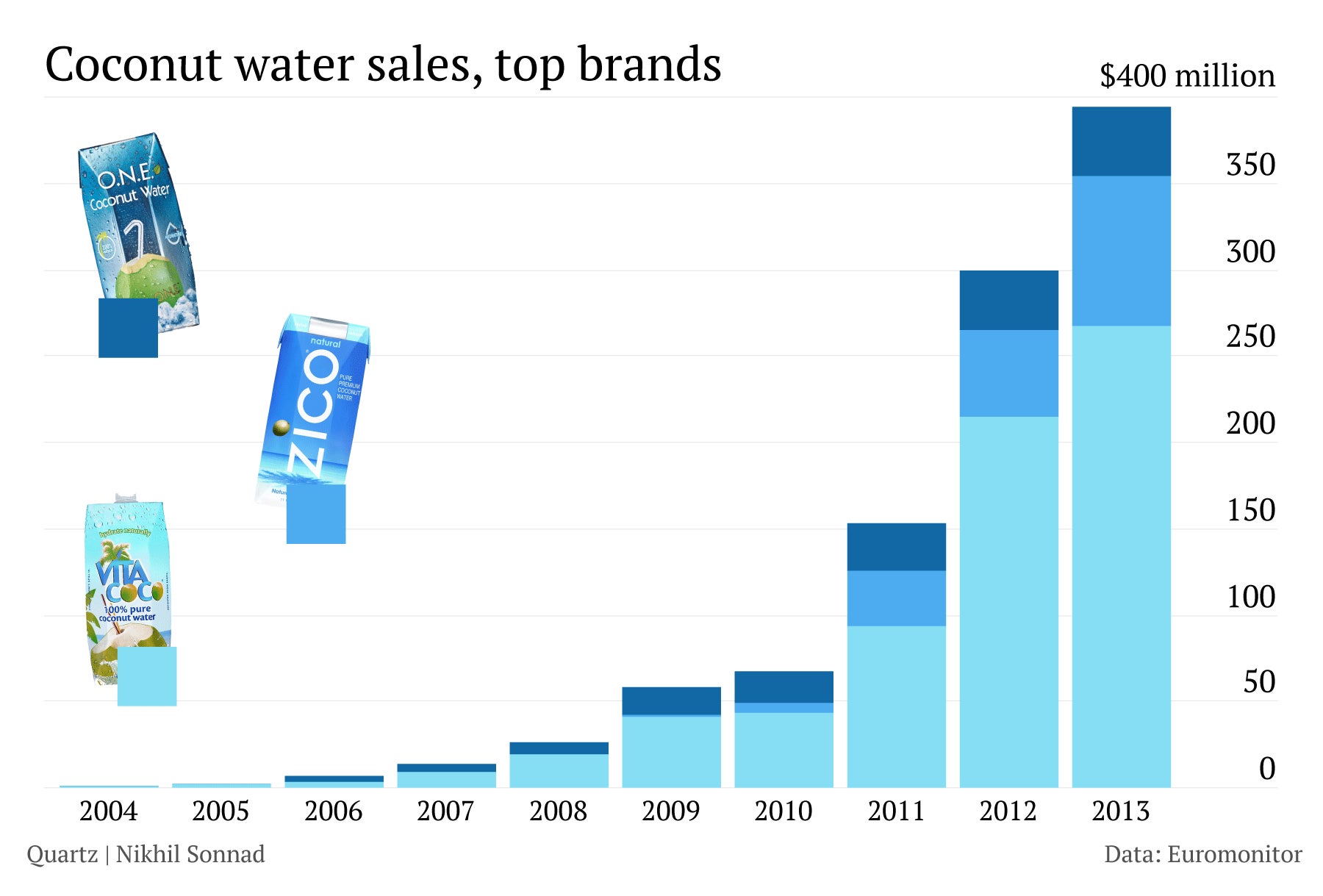
The American coconut-water craze in one health-nut-approved chartIf it feels like coconut water is suddenly everywhere, that’s because it is.
Updated July 21, 20223 min read
If it feels like coconut water is suddenly everywhere, that’s because it is.
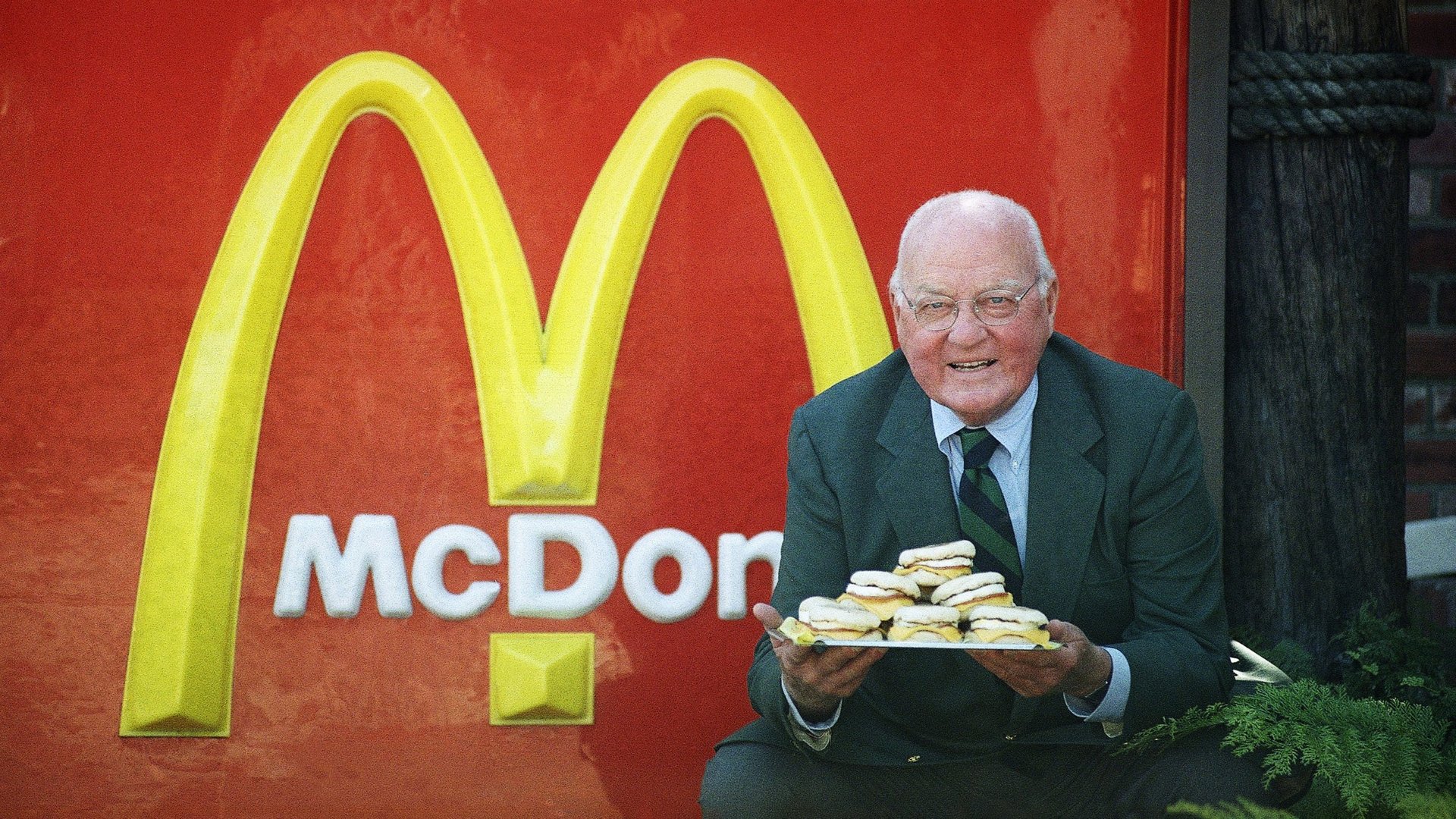
An all-out American fast food breakfast war is upon us.

The New York Police Department just got a, shall we say, brutal lesson in social media.
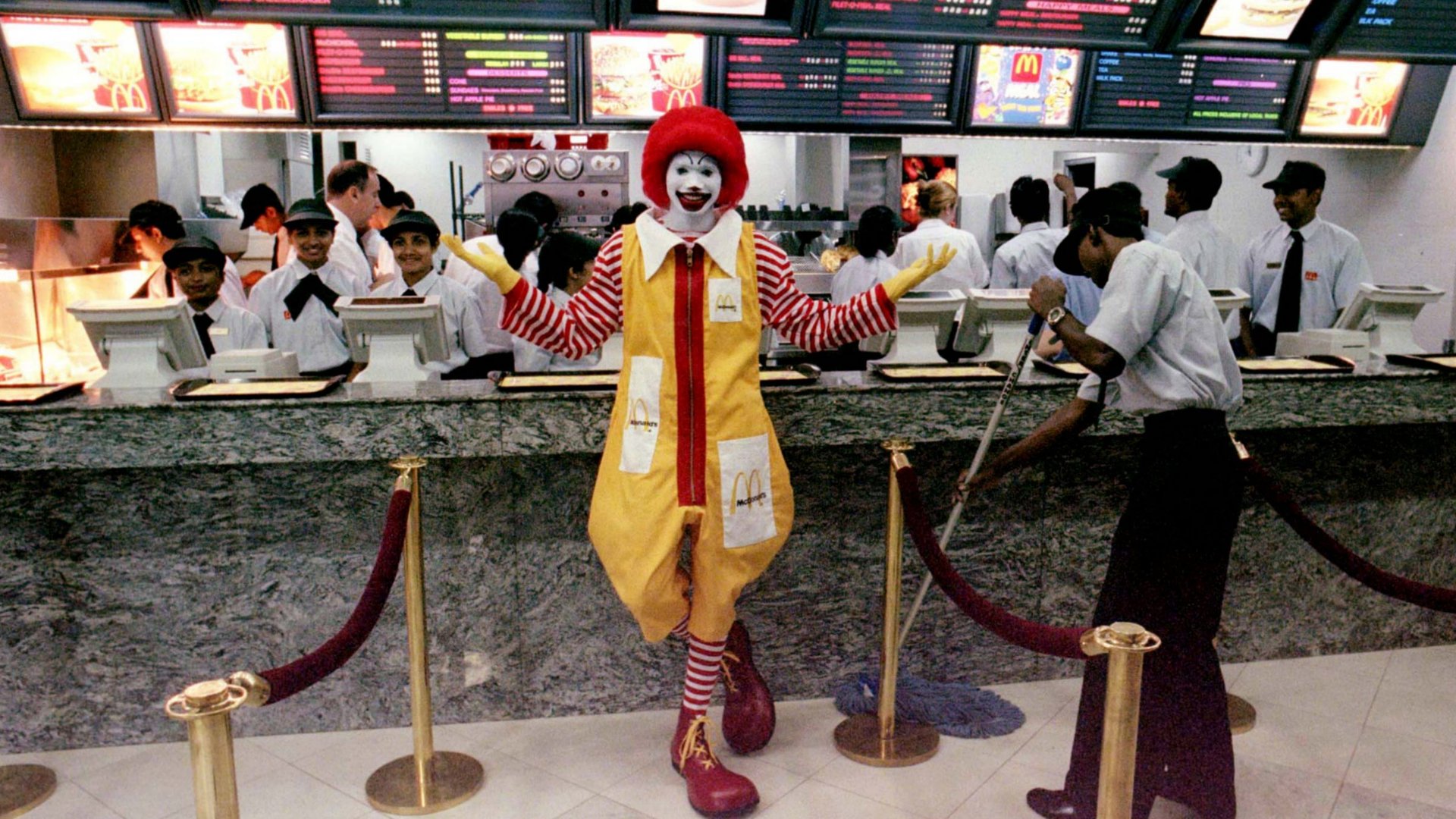
The numbers: Meh. The world’s largest hamburger-slinger posted first-quarter profits of $1.2 billion, down 5% from the same period last year. Global sales came in a shade under $4.5 billion, marginally higher (1%) than in 2013. Shares are down slightly on the news.

Another year, another breakthrough in Chipotle’s blinding burrito-making speed.
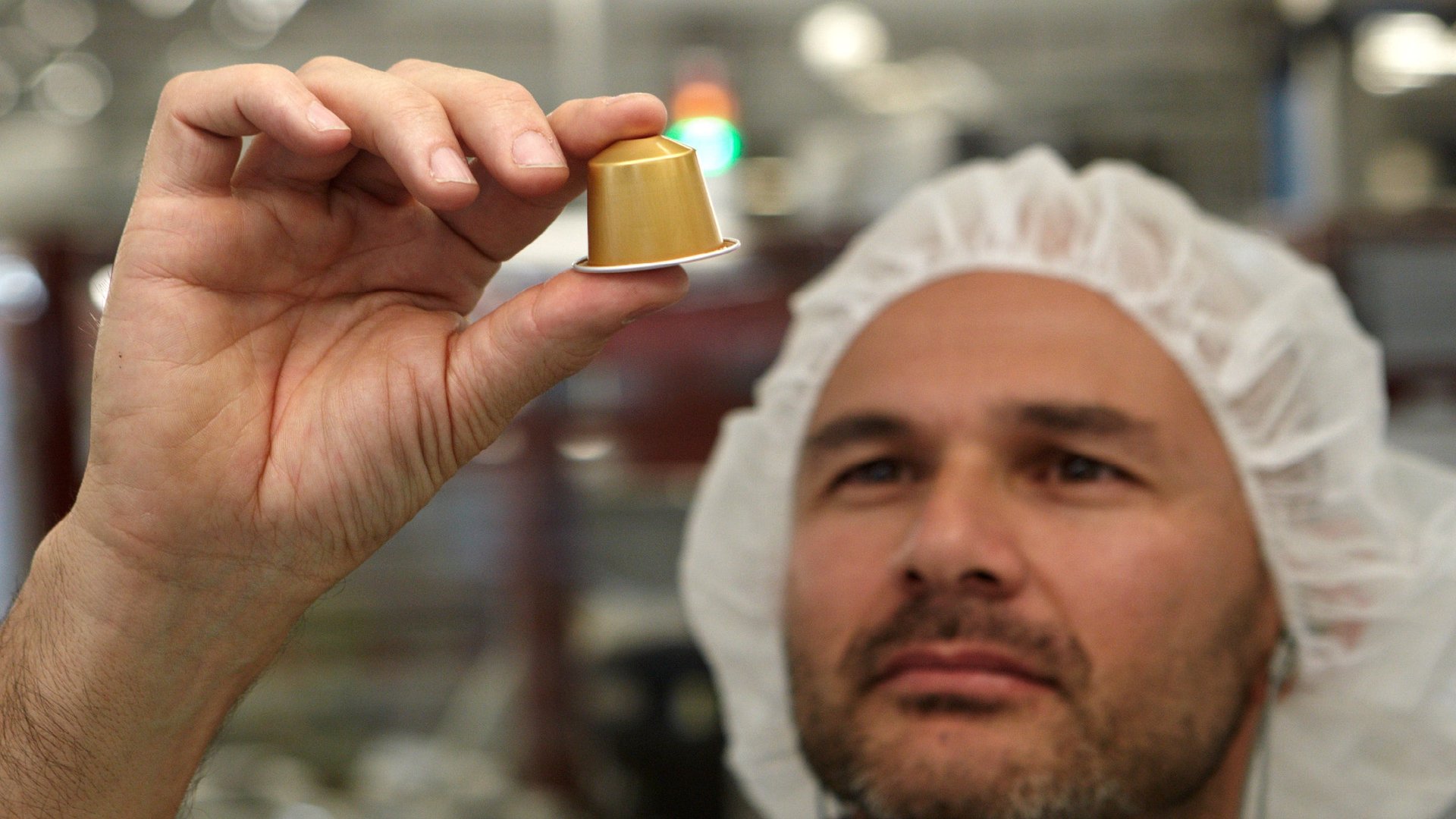
Nespresso no longer has a monopoly on those colorful pods it sells for its fancy coffee machines.

The numbers: Impressive. PepsiCo reported a first quarter profit of $1.22 billion, a healthy 13% higher than last year. Sales came in just above $12.6 billion, well above the $12.4 billion the markets were expecting. Shares are up almost 2% in pre-market trading.
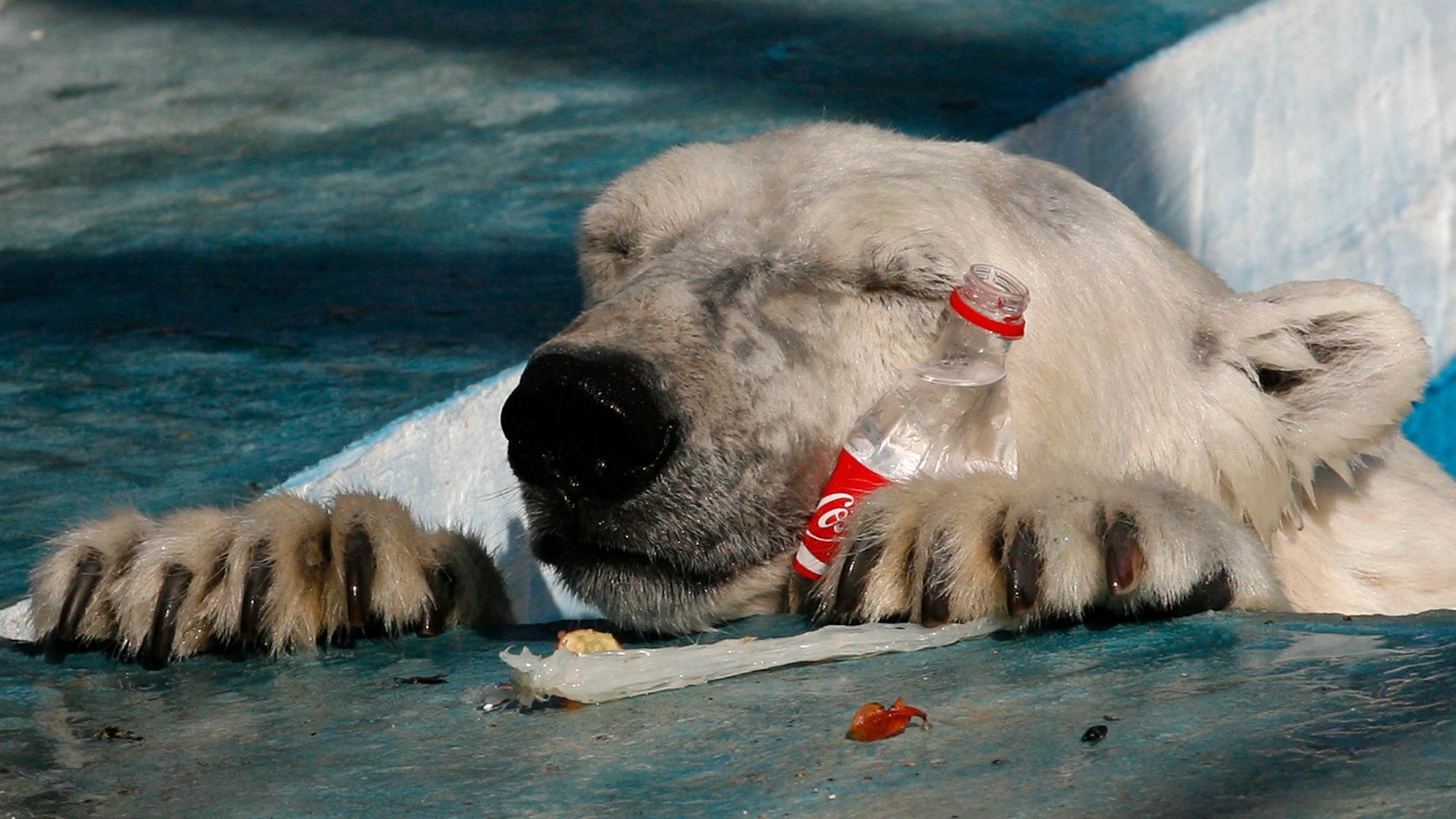
Lagging soda sales in the US are a given nowadays. But it’s another thing entirely for soda sales to drop worldwide.
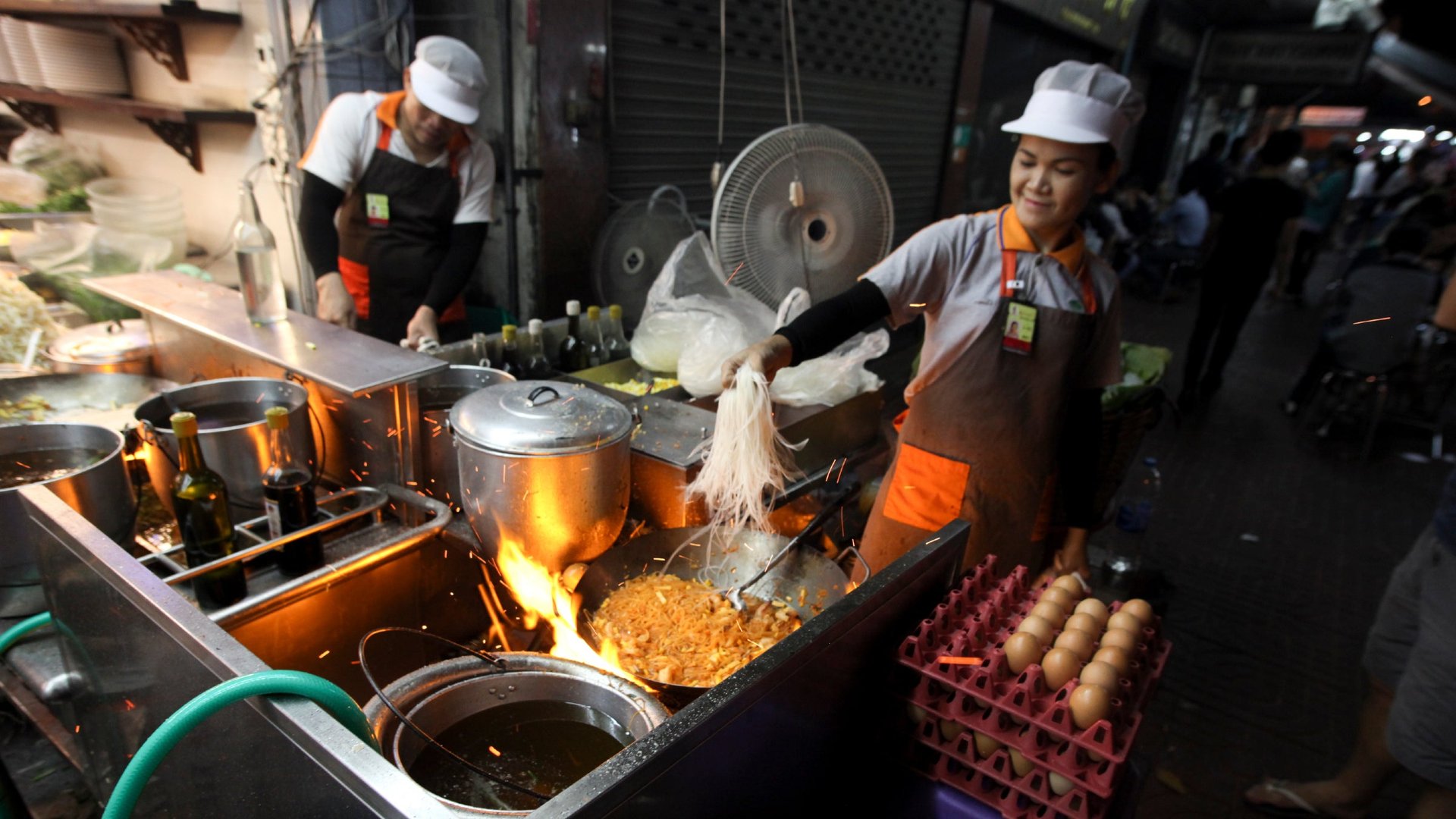
Pad Chinese doesn’t have the same ring to it, but it might be a bit more accurate.
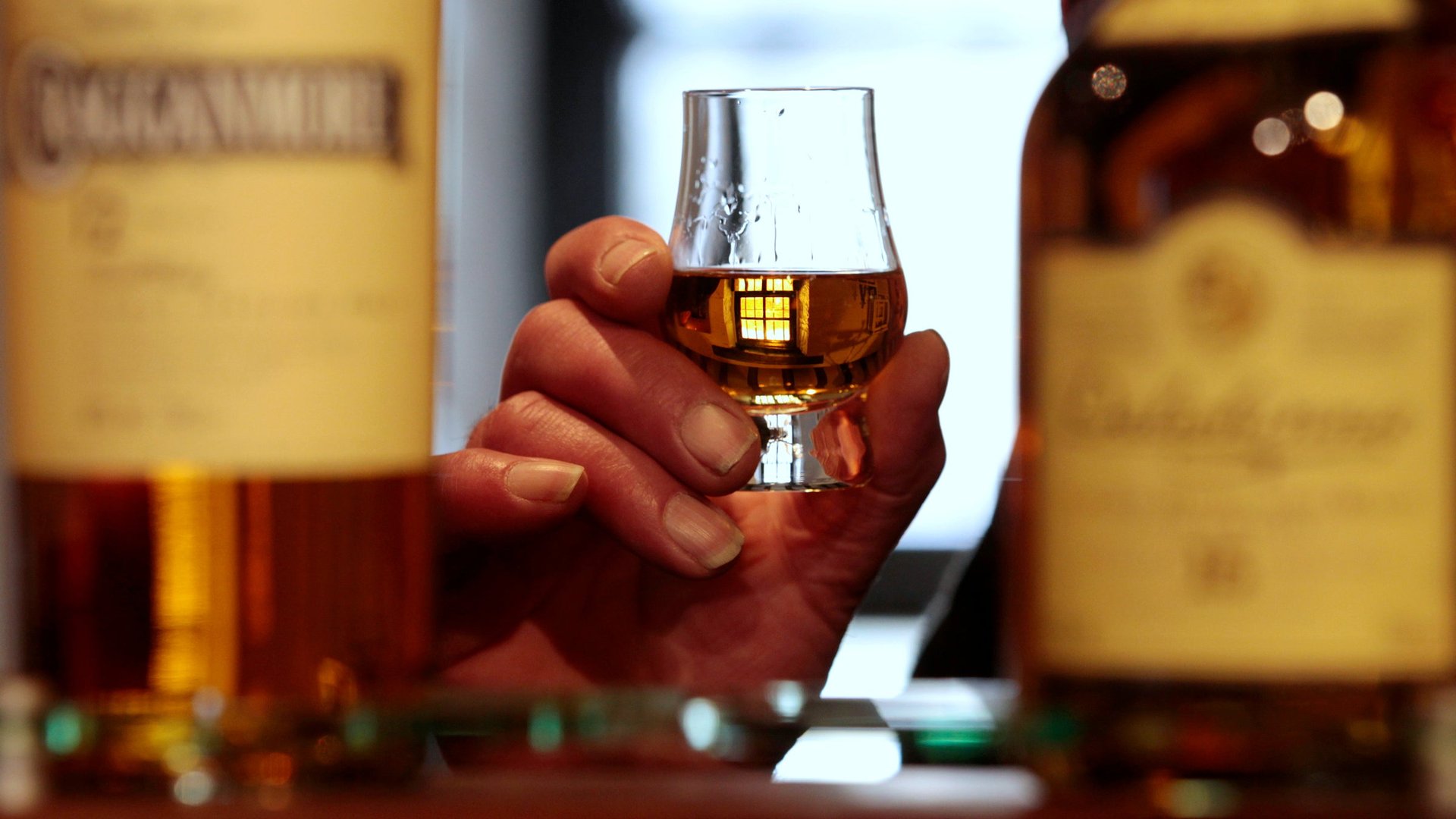
While some parts of the world have cut down on their single malts and Scotch blends, the US can’t seem to get enough. US Scotch whisky imports jumped 8% last year to a record $1.4 billion. It’s the fifth consecutive year in which Americans shipped in more of the Scottish spirit. In all, the US now drinks more than twice the Scotch it did only eight years back. America’s fast-growing taste for Scotch is good news for Scotland, where shipments amount to $7.2 billion annually, and account for nearly 85% of overall food and drink exports. Especially considering that elsewhere, Scotch isn’t selling quite so well. Global sales slowed considerably, and came in flat last year. Asia, in particular, seems to be losing its taste for the spirit. Imports fell in Singapore, Taiwan, and South Korea—the world’s third, seventh, and eight largest markets, respectively—and tumbled by nearly 30% in China, where a crackdown on gift-giving amongst government officials has reduced luxury consumption in general and curbed Scotch sales by some 66%, according to the Scotch Whisky Association.
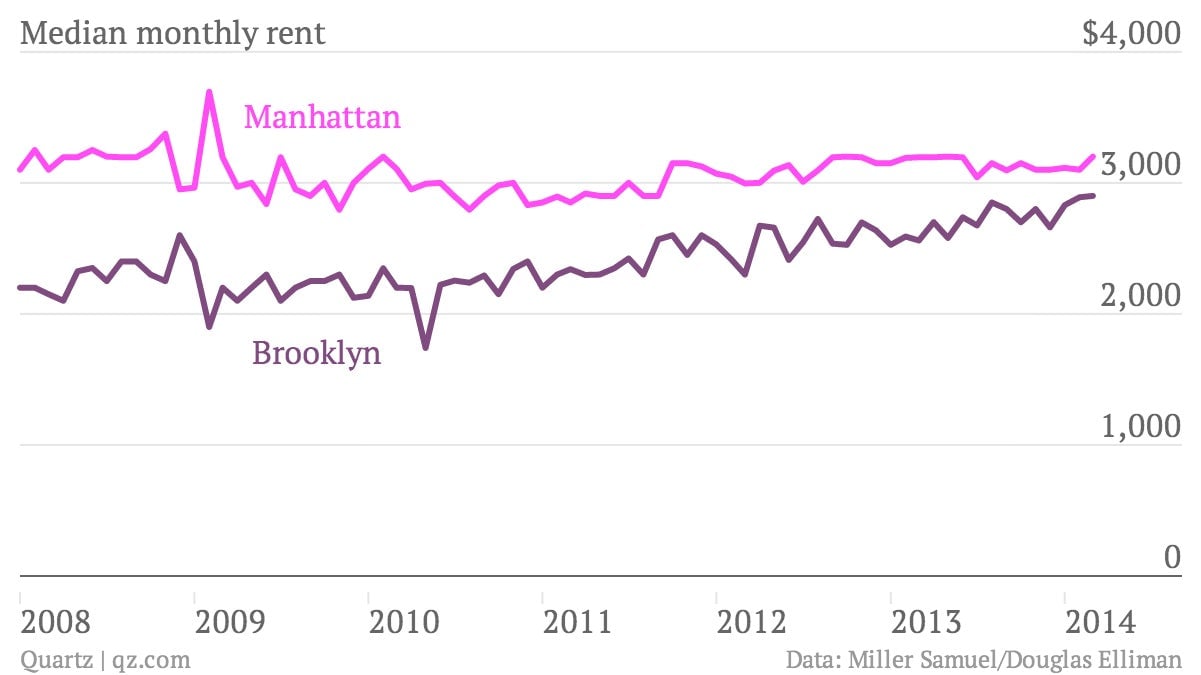
Everyone wants to live in Brooklyn these days, and it’s showing in rental prices.

The fewer babies Americans give birth to, the more small dogs they seem to buy.
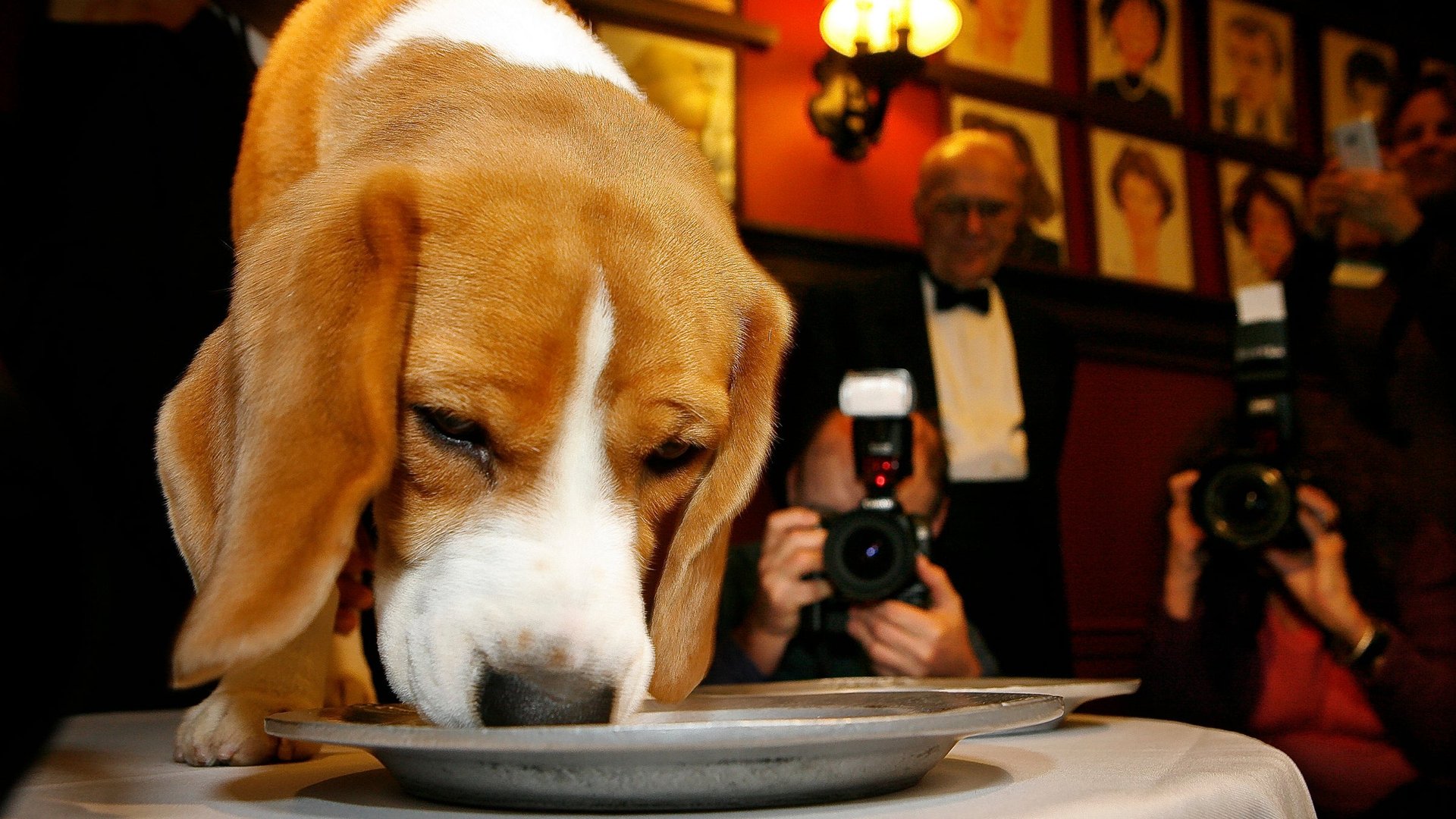
Difficult times may have forced Americans to scale back on a few expenses, but dog food doesn’t appear to be one of them. Not the fancy stuff, anyway.
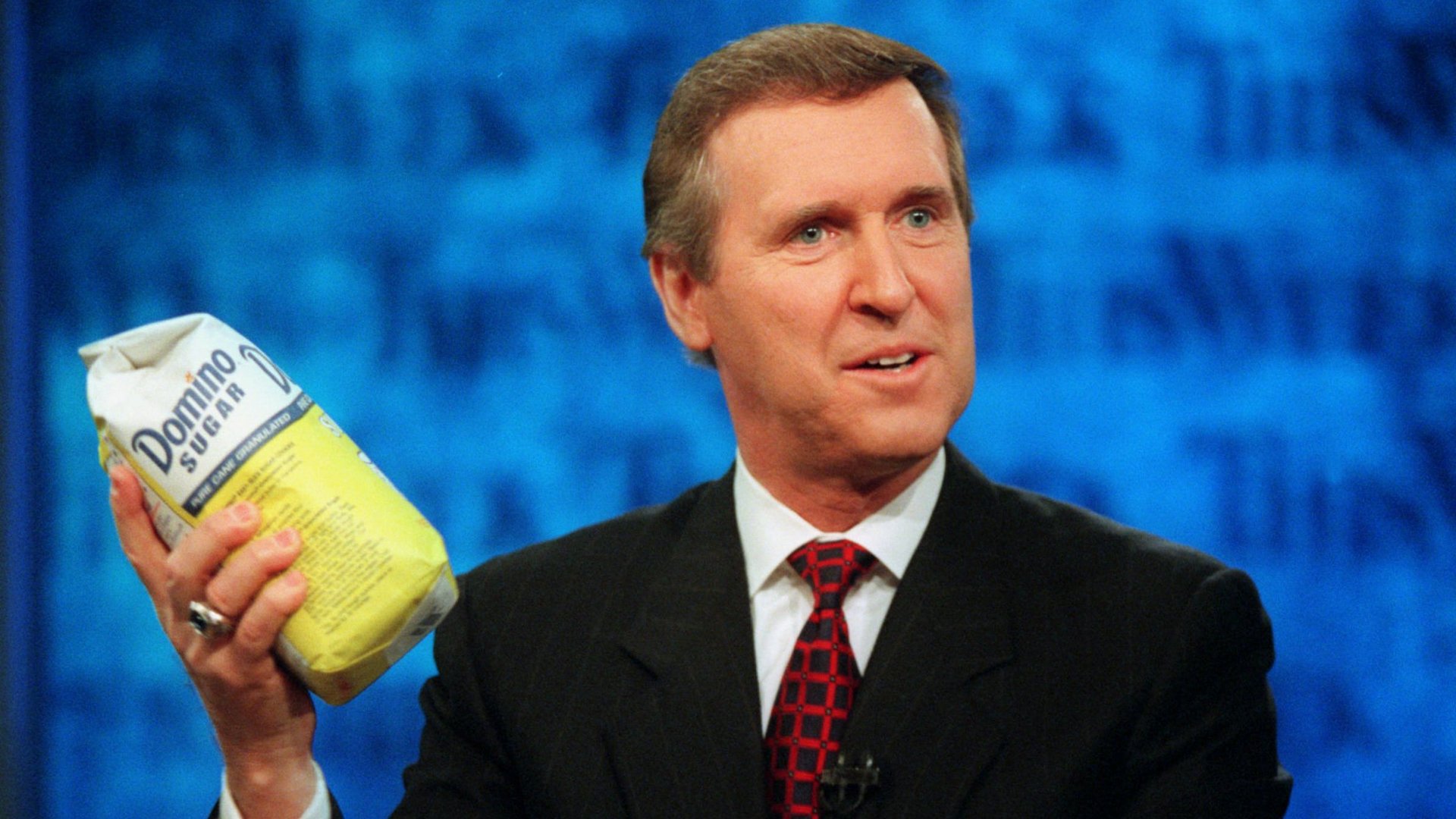
The winter of 2014 hasn’t been kind to the cost of breakfast, lunch, and dinner.
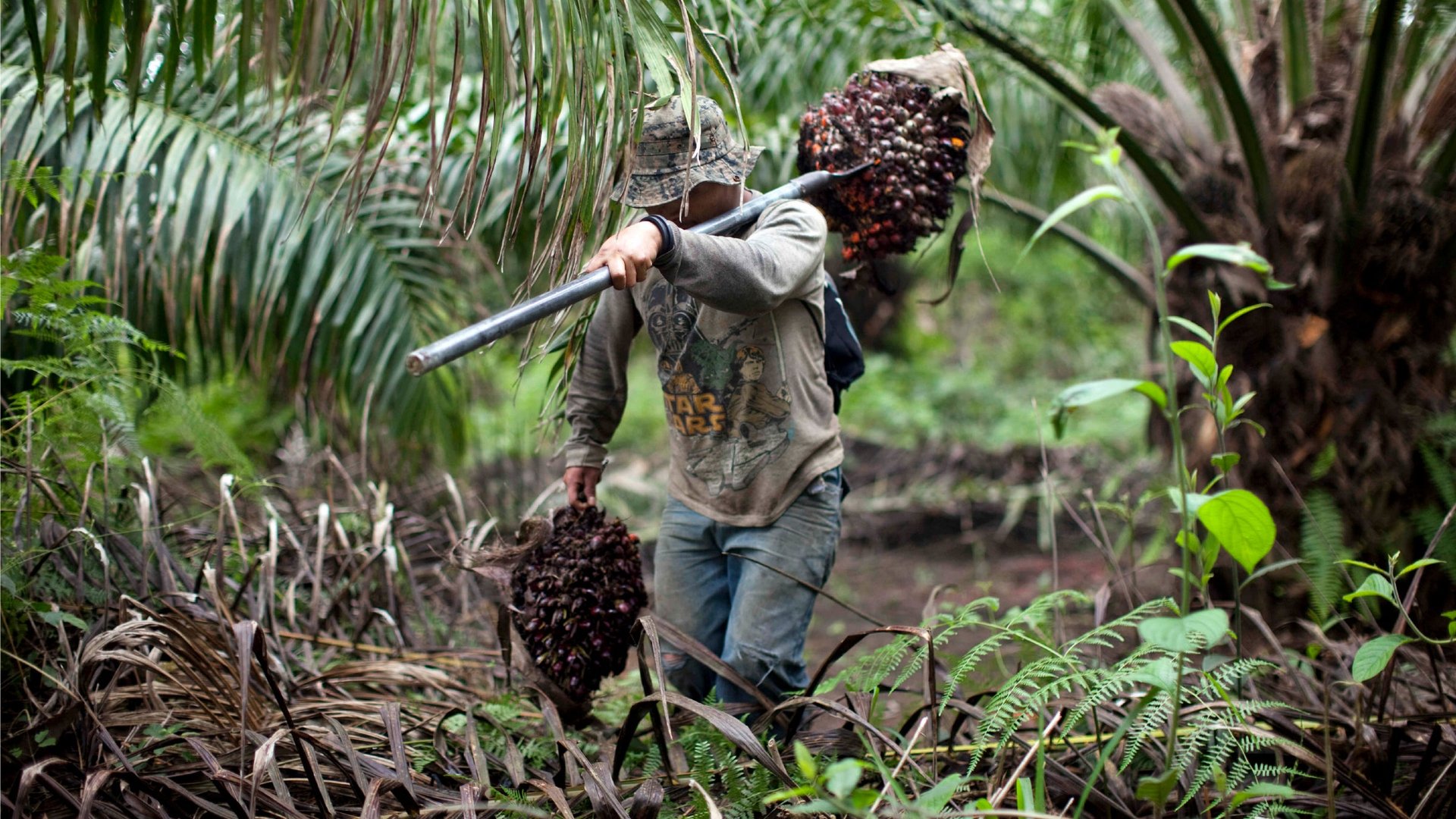
Guatemala is among the world’s most prolific palm-oil-producing countries, but it also appears to be one of the cruelest.
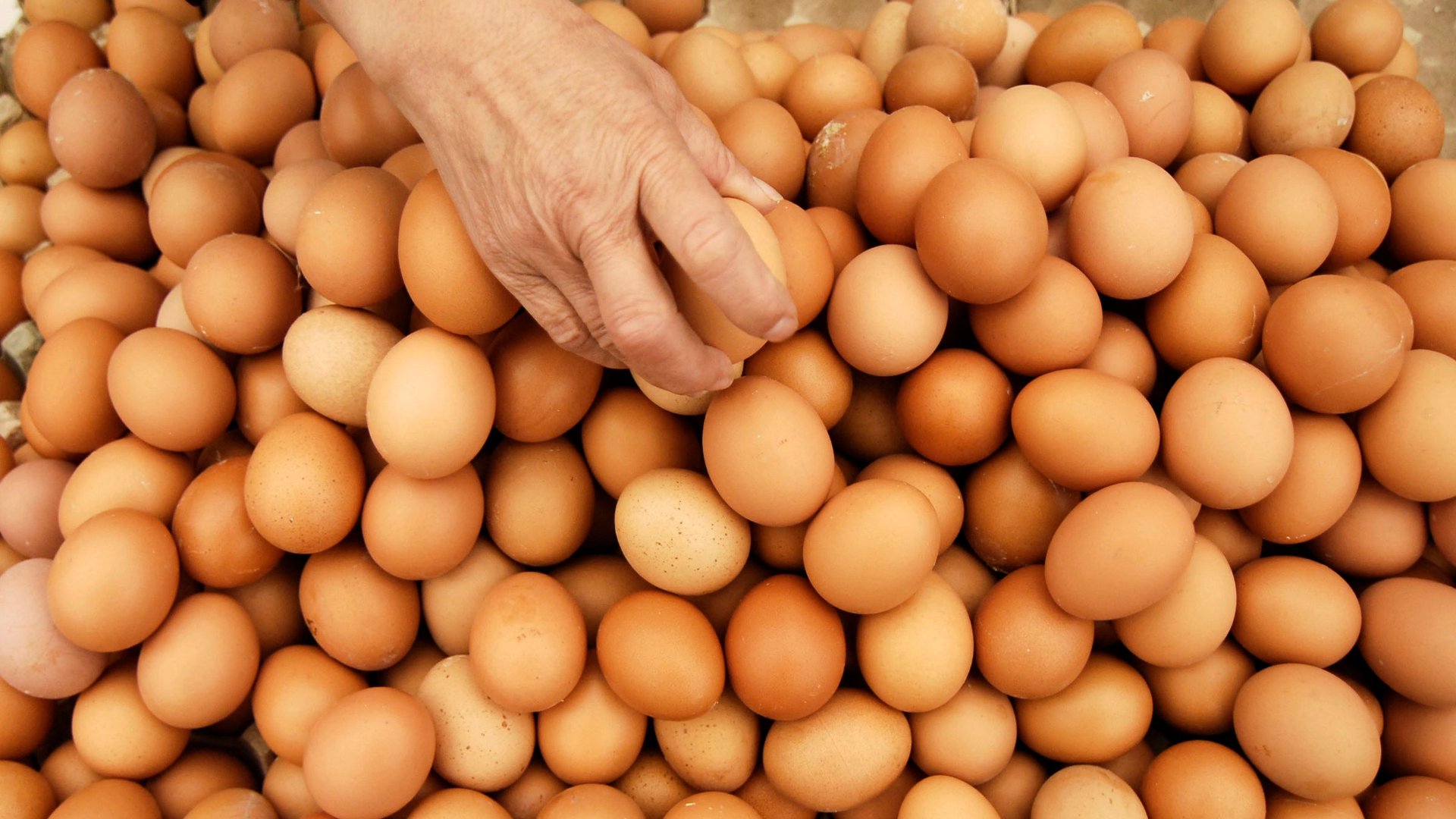
The US isn’t the egg devouring machine it once was. Not on a per capita basis, anyway.
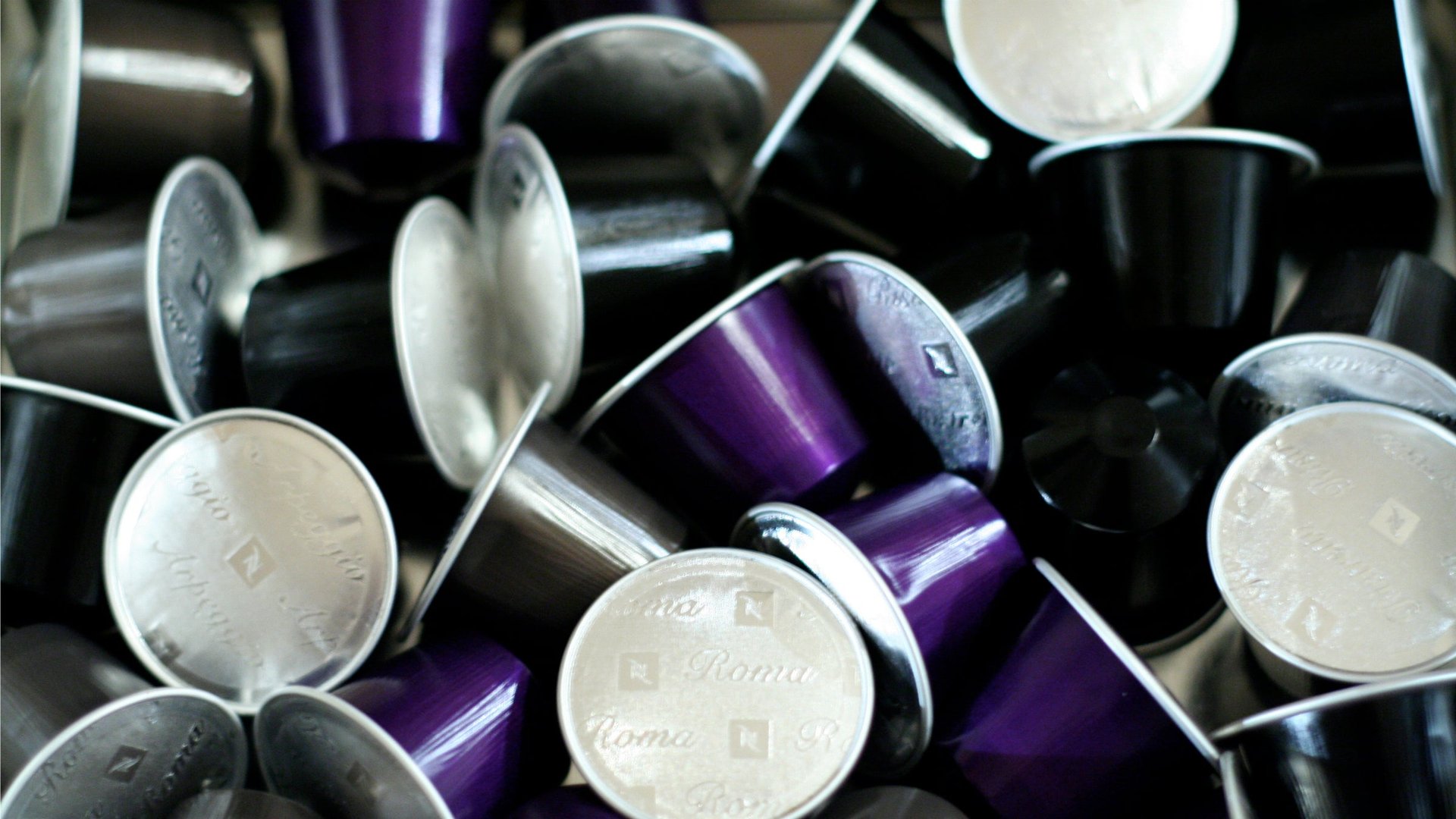
Update: In a story published March 2, 2015, at our sister site The Atlantic, Keurig K-Cups inventor John Sylvan expressed regret about having invented a product that produces so much waste. “I feel bad sometimes that I ever did it.”
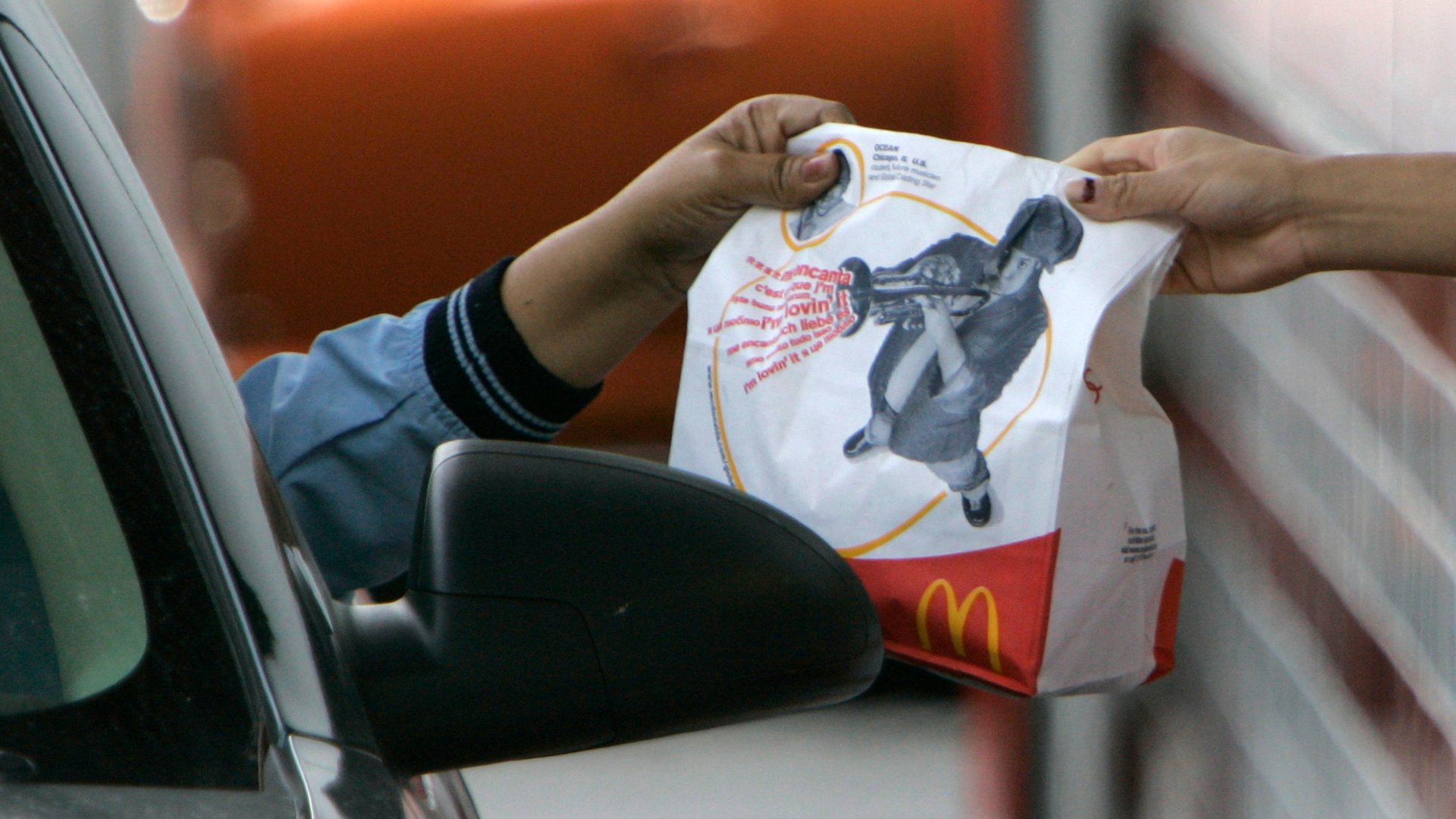
Apparently $1 wasn’t cheap enough.

Cuba is warming up to capitalism.
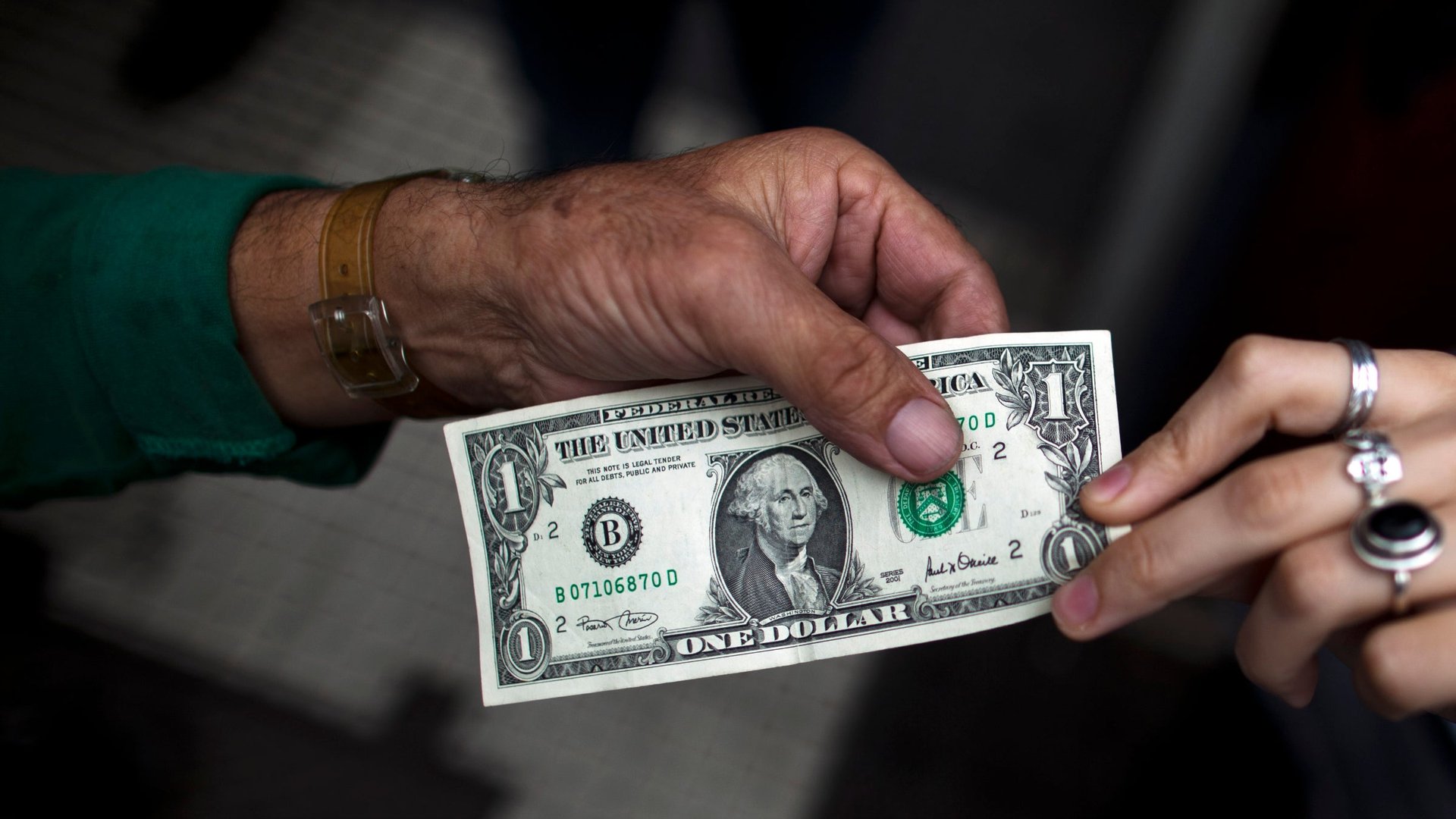
Argentina is getting ready to make big cuts to federal subsidies, including those affecting the country’s energy, gas, and water sectors, reports local news outlet La Nación (link in Spanish). The government has vowed to continue providing aid in full to both its factories and poorest regions, which means small businesses and middle- and upper-class citizens are likely to be hit hardest by the cuts.
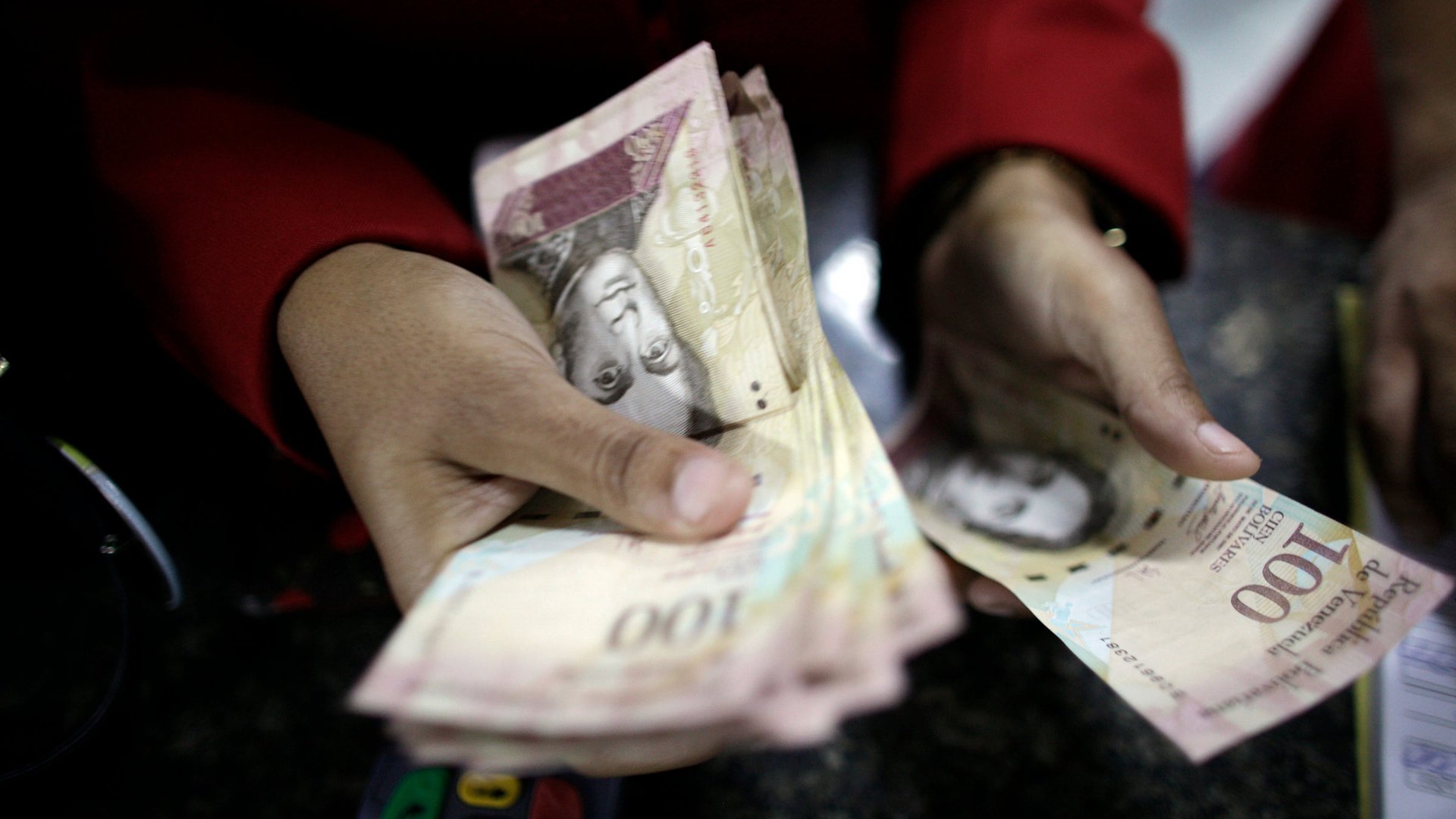
Venezuela’s new, legal currency market, the Sicad II foreign exchange platform, was supposed to curb the country’s appetite for illegal US dollars, but so far, it seems to be doing just the opposite. The rate for buying black market US dollars fell from nearly 90 bolivars to the dollar to about 58 over the past month, but it has jumped by almost 40% since the new way to buy greenbacks was launched yesterday morning. Buying US dollars in Venezuela is actually fairly complicated. There are at least four different official rates (pdf): one for exchanging money to be used while traveling abroad; another for corporations; another, using the new currency market, for individuals hoping to save using US dollars; and then the country’s official rate, which is used for essential imports, and over 85% of the country’s foreign exchange needs.
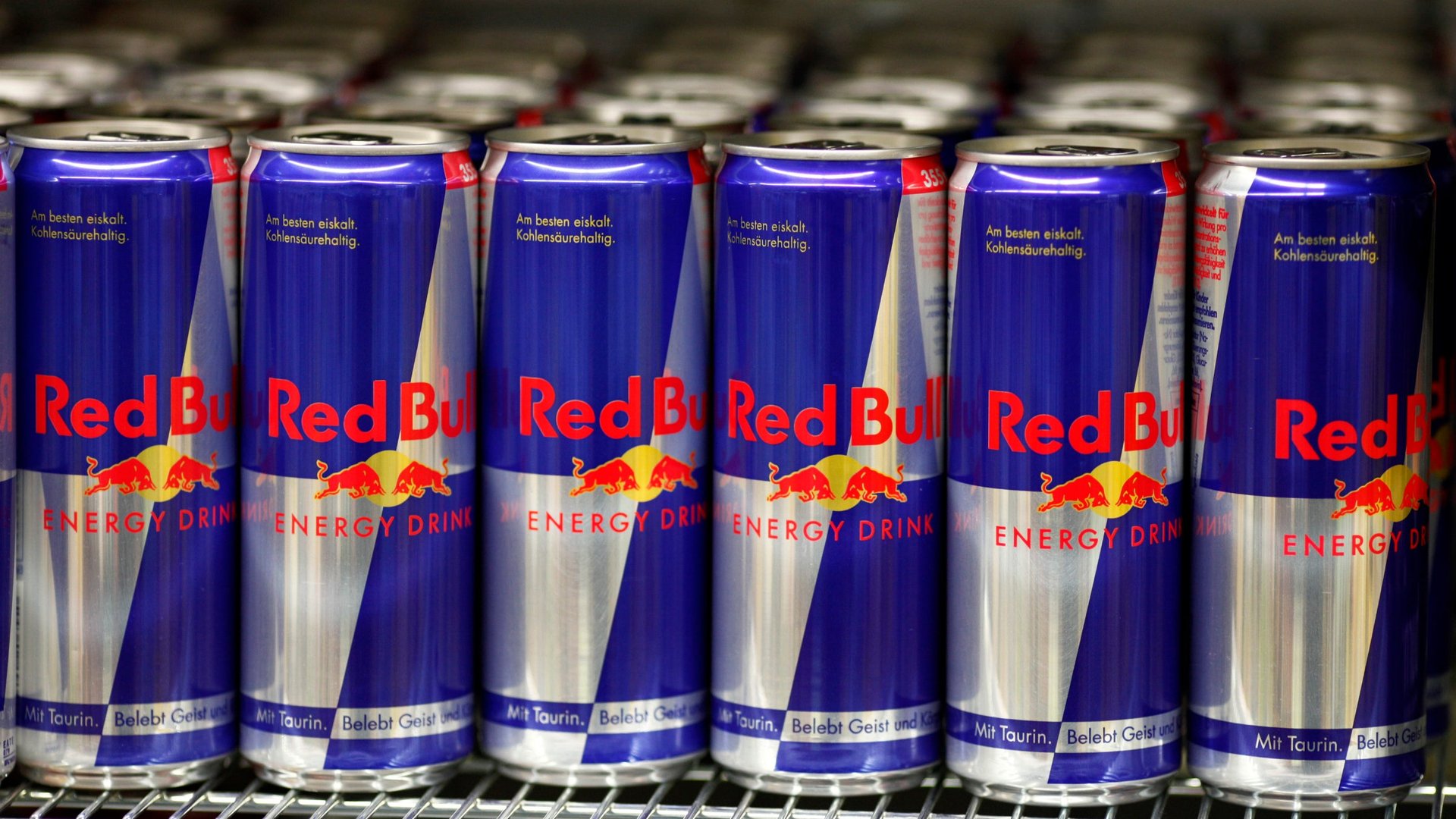
Coffee doesn’t appear to be cutting it these days.
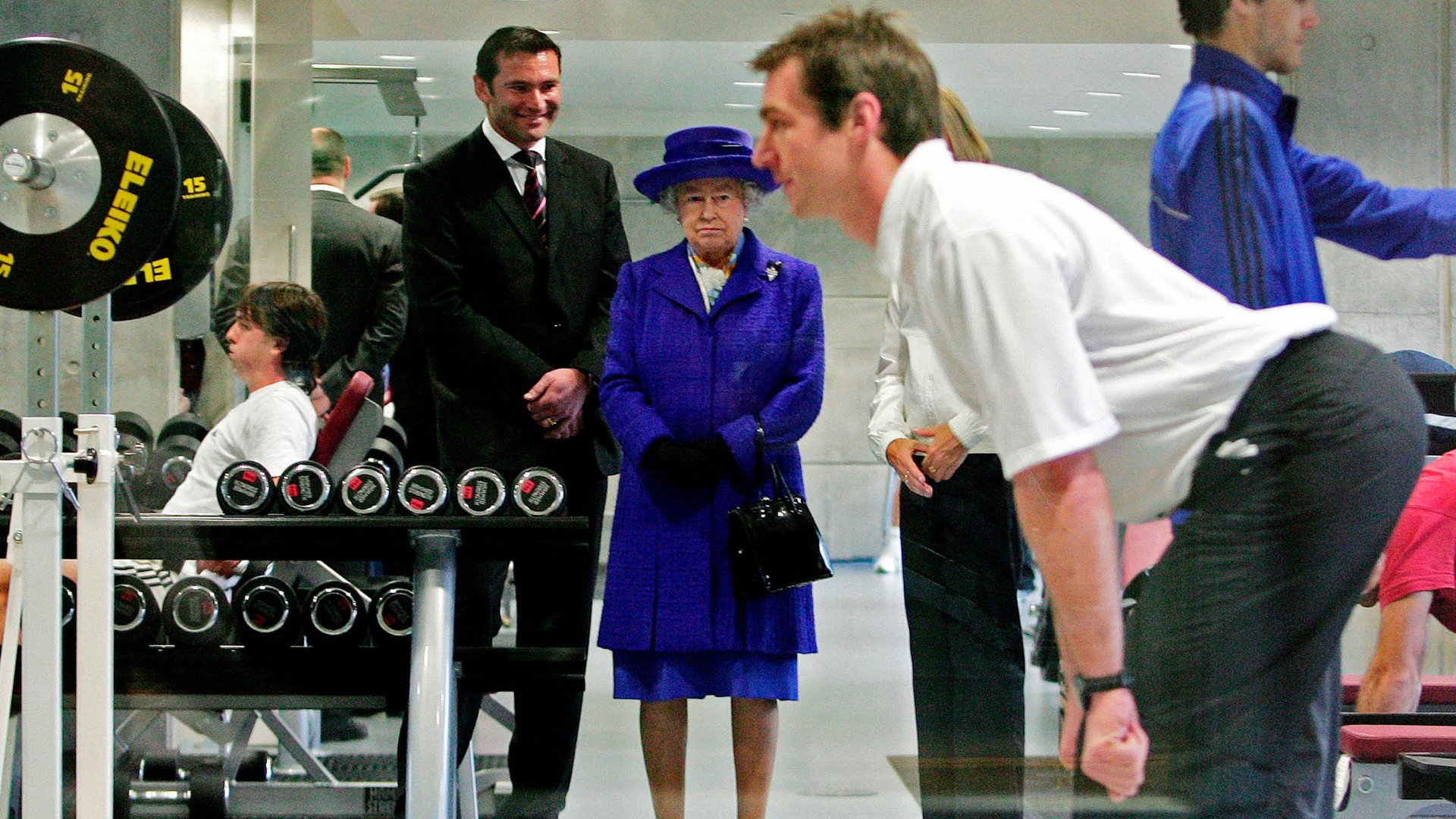
Some Europeans like to exercise; others seem to avoid it at all costs.
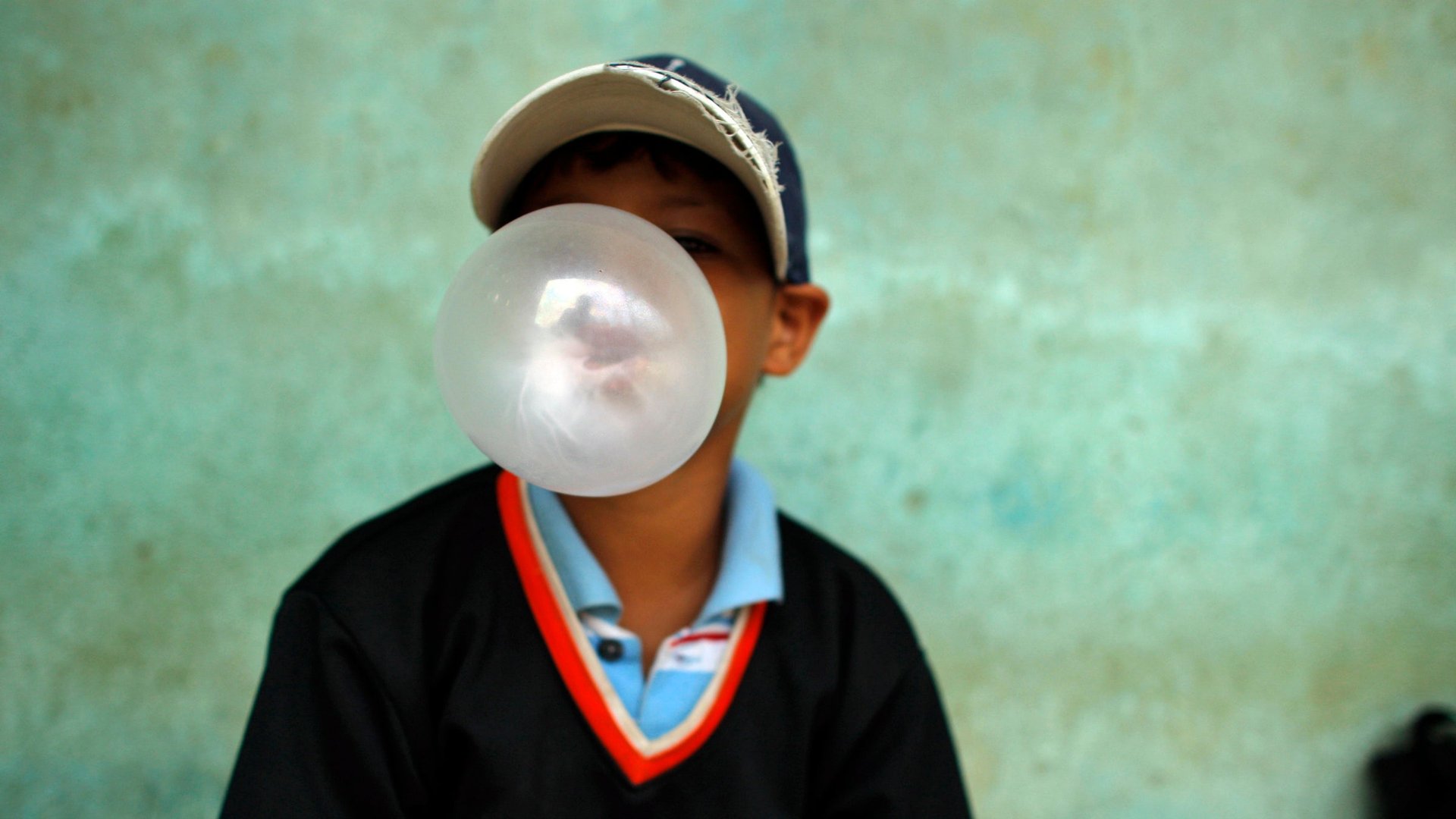
The US isn’t chewing gum like it used to.