The last time sporting events were disrupted this widely, the world was at war.
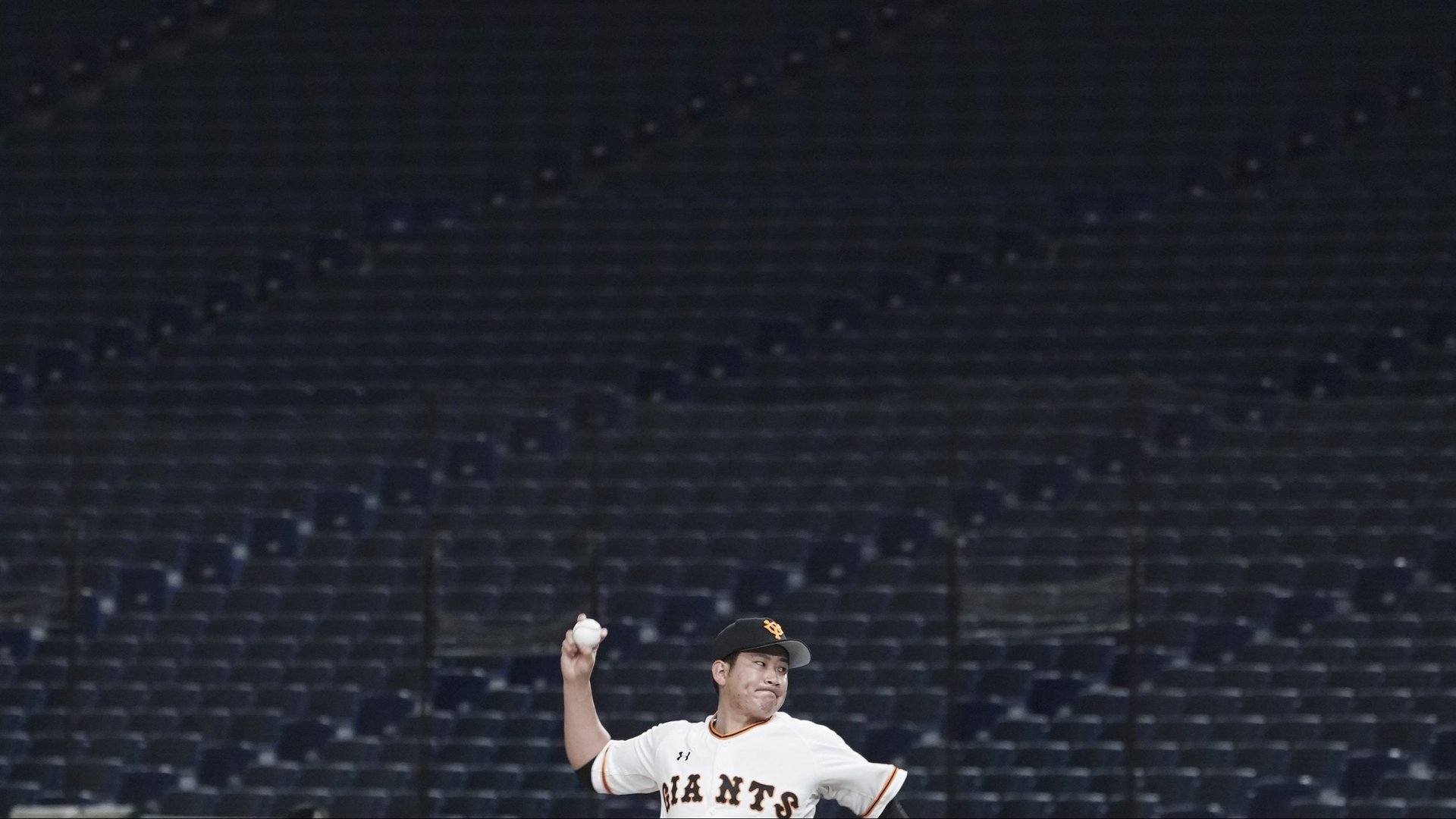
The last time sporting events were disrupted this widely, the world was at war.
Covid-19, now responsible for 4,373 deaths and more than 120,000 cases worldwide as of March 11, is forcing professional and amateur sports leagues around the world to reevaluate their priorities. While other public gatherings reacted relatively quickly to the novel coronavirus outbreak, sports—particularly in the US—were reluctant to do so. That is now changing.
Join 500,000+ readers who start their day with Quartz.
By subscribing, you agree to our Terms of Service and Privacy Policy.
European soccer is on the verge of stoppage. NBA play is suspended. Major golf and tennis tournaments, marathons, and entire college sports seasons have been cancelled. And that’s before we enter one of the sports calendar’s busiest stretches, packed with huge events expected to draw hundreds of thousands of fans from all over the world.
The sports industry has dragged its feet on coronavirus for two main reasons. The first is money. The National Basketball Association, for instance, makes about $8 billion in revenue per year through ticket sales, merchandise, and selling television rights. The league’s TV contract with ESPN and TNT alone is worth $24 billion over nine years. If the league barred fans from attending games (or cancelled them altogether), it, and its owners, would miss out on the massive profits to which they’re accustomed.
But every global industry is vulnerable to the same kind of financial hardships during a pandemic. What makes sports unique is that it has long tried to exhibit a tough, “play-through-it” attitude. The National Football League continued pretty much as normal after US president John F. Kennedy was assassinated, even while players grieved. The league’s then-commissioner, Pete Rozelle, would later call the decision to “play through” the national pain his greatest regret. The NFL and Major League Baseball only postponed games for a week following the September 11 terrorist attacks, believing themselves necessary to help the country heal.
That so many global sports associations, including major US leagues, are beginning to listen to public health experts about the dangers of the virus suggests the current situation is nearly unprecedented. One major difference is that, unlike times of war or national mourning, large public gatherings like sporting events can actually make conditions worse. During World War II, the 1940 and 1944 Olympics, the 1942 Indianapolis 500, and 1940-1946 Tour de France races were all called off. The Covid-19 outbreak is unlikely to last that long, but its impact on sports this year could be felt just as much.
Other than the NBA, America’s biggest leagues are still hesitant to cancel or postpone games. Many are also desperately seeking alternate options to hosting games in empty stadiums. NHL, NCAA, and MLB were planning to proceed with games as scheduled in Ohio, despite the governor’s call to ban spectators—though that call is expected to become a mandatory order this week.
In arguably the biggest move of all thus far, the NCAA is barring spectators from attending its upcoming Division I men’s and women’s college basketball tournaments, known as March Madness, which annually draw huge crowds to arenas all over the US. (Only essential employees and families of players will be allowed to attend.) The NCAA is now recommending all of its spring events be held without fans.
Canceled entirely
Postponed
Closed to spectators
For a more exhaustive list, ESPN has compiled virtually every global sporting event—from archery to sumo to motorcycling—that has been affected by the outbreak.
March
April
May and beyond
This story has been updated with the news that the NBA suspended its season after a player tested positive for Covid-19.
