
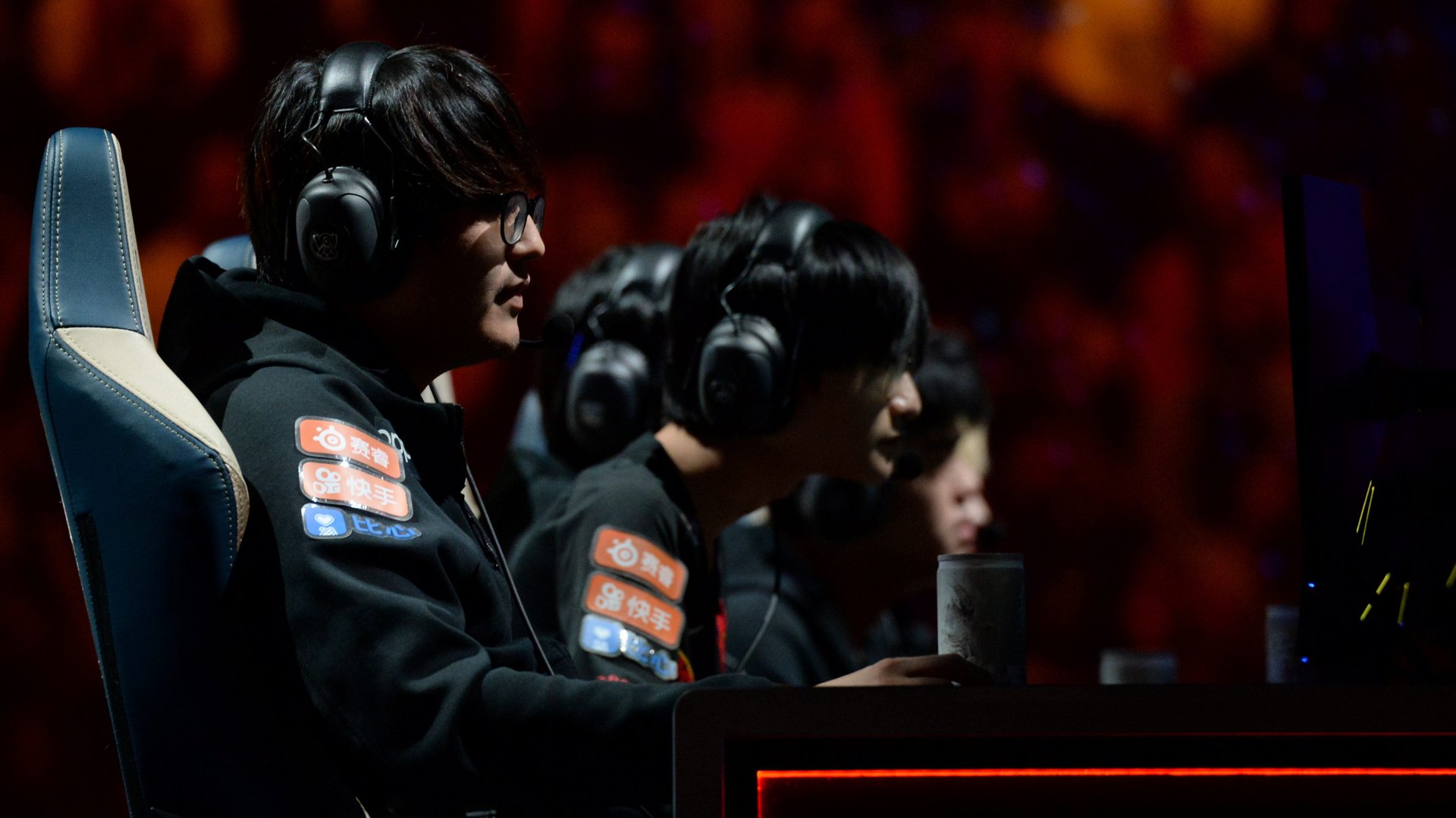
In what could be the next big Olympic sport, participants often don’t break a sweat. They don’t even get up from their chairs.
Several major entertainment companies are joining forces with competitors in order to make themselves more appealing to customers. Netflix, however, is not one of those companies. The streaming giant says it’s appealing enough on its own.
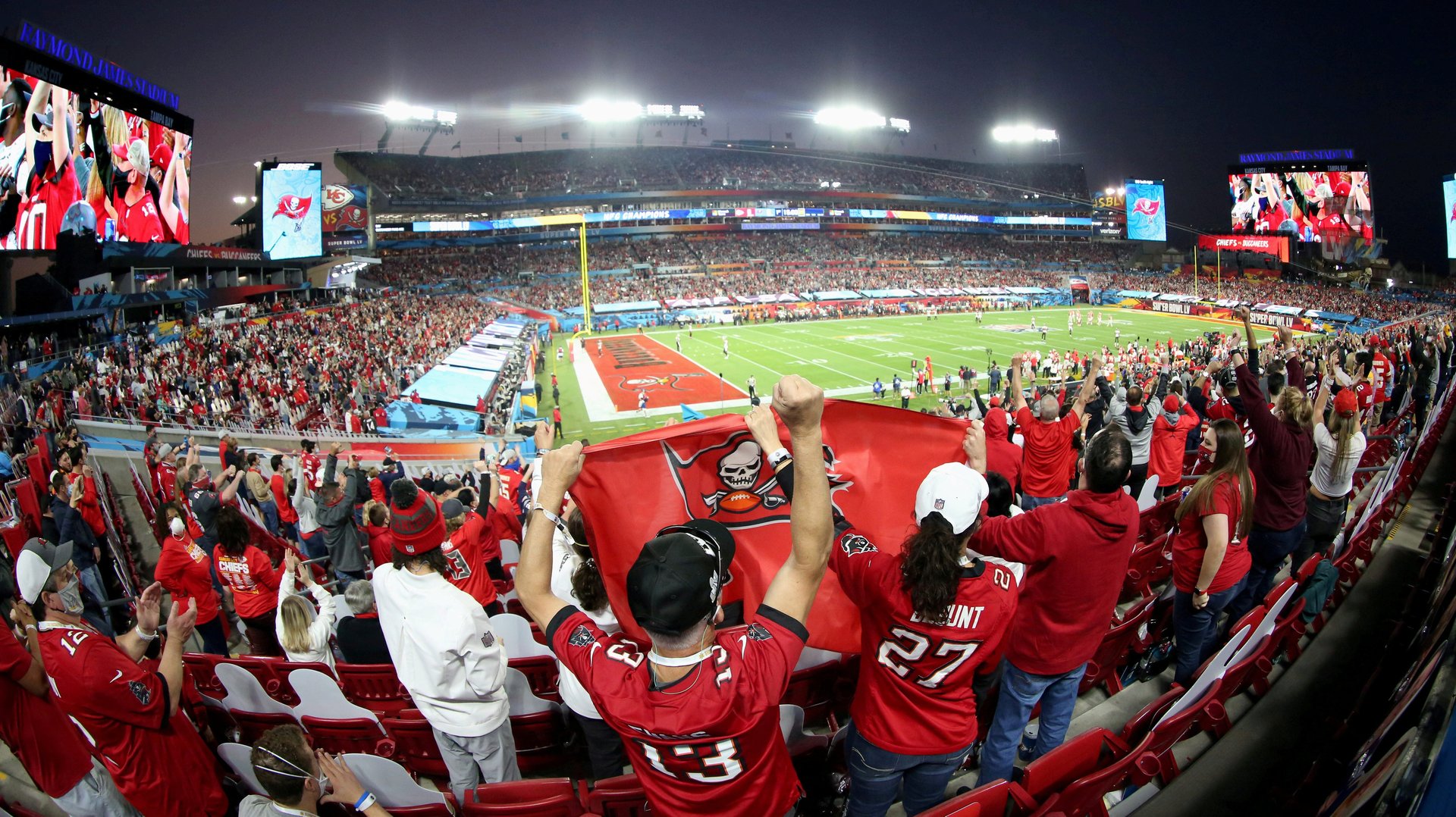
The 2022 Super Bowl is still seven months away, but advertisers with few other options for reaching such a vast guaranteed audience are locking in commercial time before there’s none left.
The pending Amazon-MGM and WarnerMedia-Discovery deals have set off another round of speculation about media consolidation, as tech companies and Hollywood studios look to bolster their libraries with valuable intellectual property. But the latest potential deal is a lot different from the rest.

Streaming’s takeover of prestige television is now complete.
Streaming does not spell the death of movie theaters.
When NBCUniversal announced it was launching a new streaming service, Peacock, last summer, the Tokyo Olympics were supposed to carry it to victory. As the games’ longtime exclusive US broadcast rights holder, the company hoped Peacock would be indispensable to viewers for the duration of the Olympics—and thereby enter the increasingly crowded streaming race with a bang.
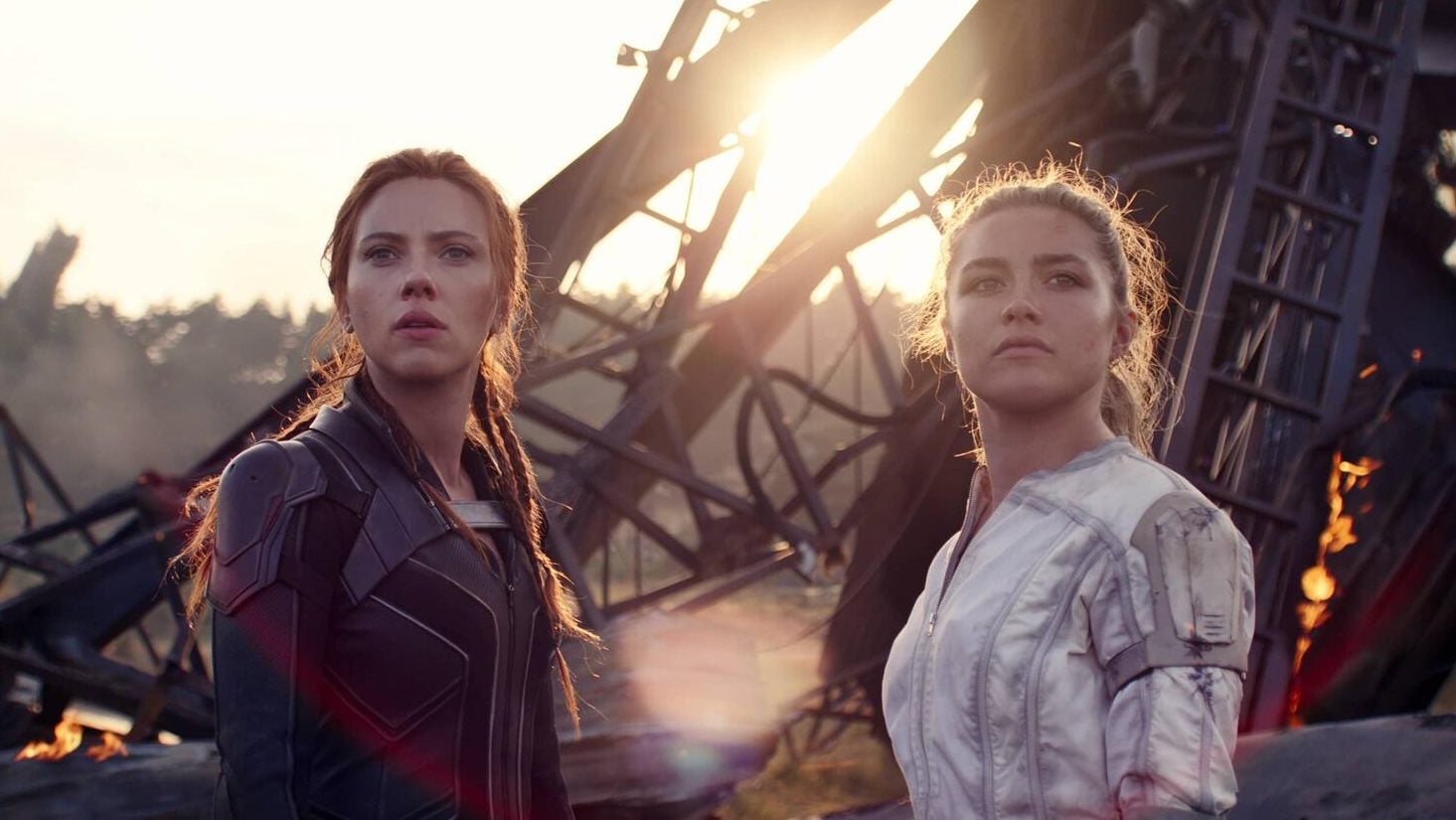
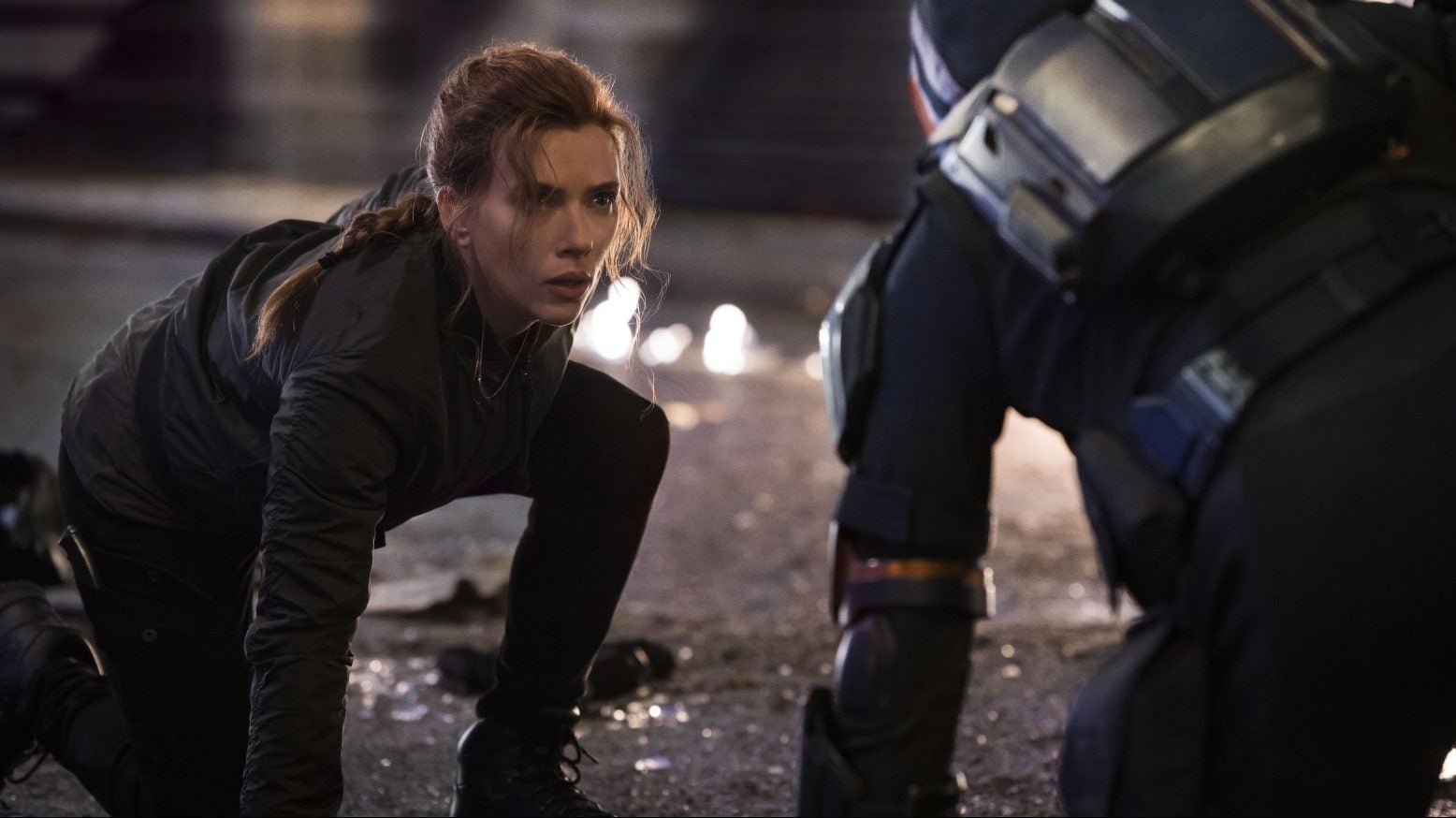
As one of the clearest examples yet that the Marvel brand is a one-of-a-kind draw to movie theaters, Black Widow appears poised to not only dominate the box office this weekend, but also outperform several blockbuster movies that came out before the pandemic.

The Tokyo Olympics will be held without fans due to a rise in Covid-19 infections in the city, Japanese government officials announced today. Short of another postponement of the games, that’s just about the worst news possible for TV networks hoping the Olympics would buck the trend of weakened sports ratings during the pandemic.
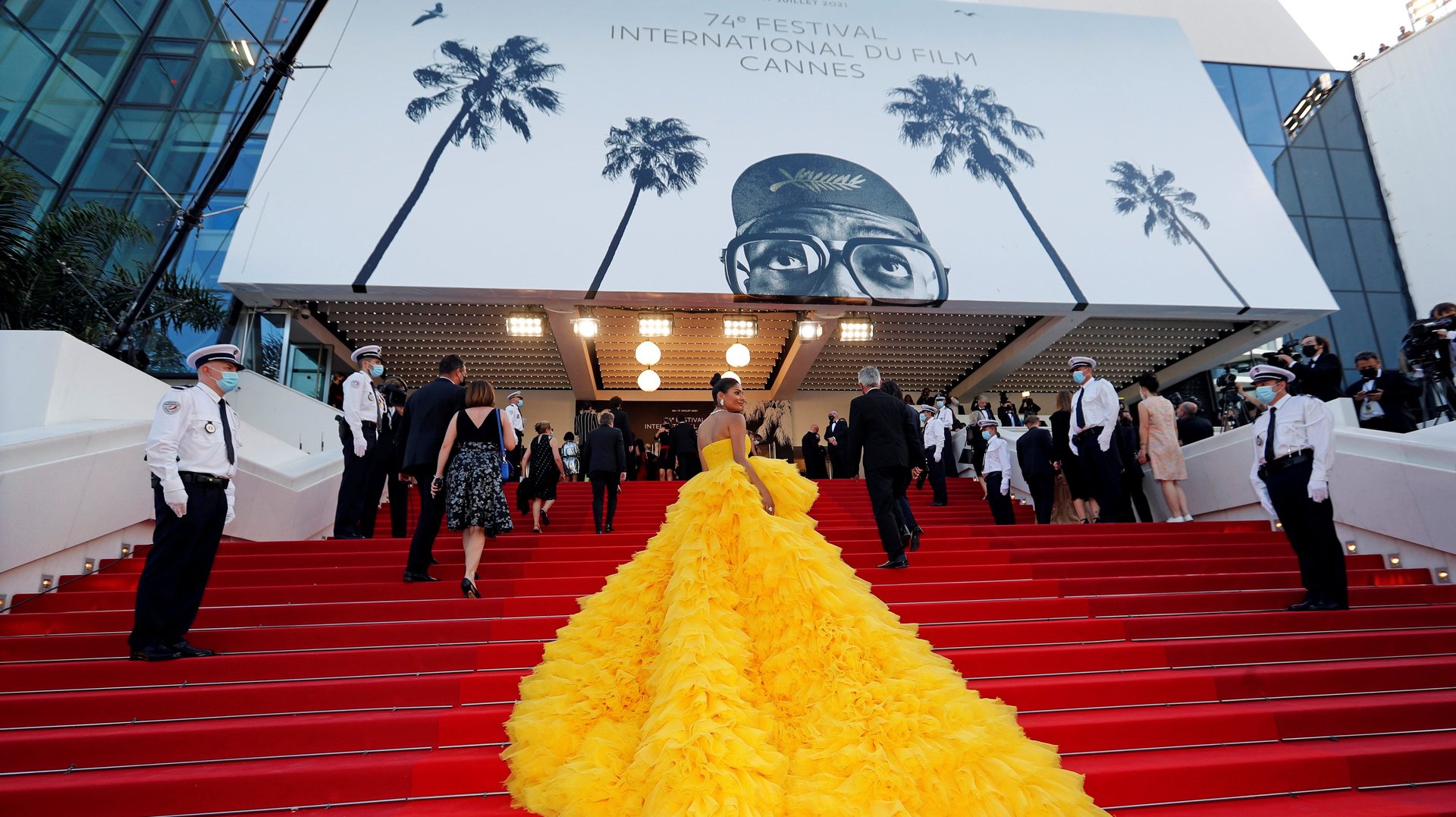
After taking a year off due to the pandemic, the Cannes Film Festival is back this week—though much has changed. Attendees are spitting into tubes to be tested for Covid-19. Several of the festival’s lavish parties have been canceled. But one thing remains the same: the festival’s organizers are fighting with Netflix.
When Usain Bolt won his record-breaking third 100 meter gold medal in a row at the 2016 Olympics in Rio de Janeiro, the Jamaican sprinter was met at the finish line with a watch company’s logo. As the games’ “official timekeeper,” Omega, the luxury Swiss watchmaker, was granted the right to flash its emblem on millions of screens around the world as Bolt made history.
In the clearest example yet of Hollywood’s legacy institutions being swallowed up by Big Tech and media giants, MGM’s historic film franchises like James Bond, Pink Panther, and Rocky will now live on virtual Amazon shelves—right next to the toilet paper.
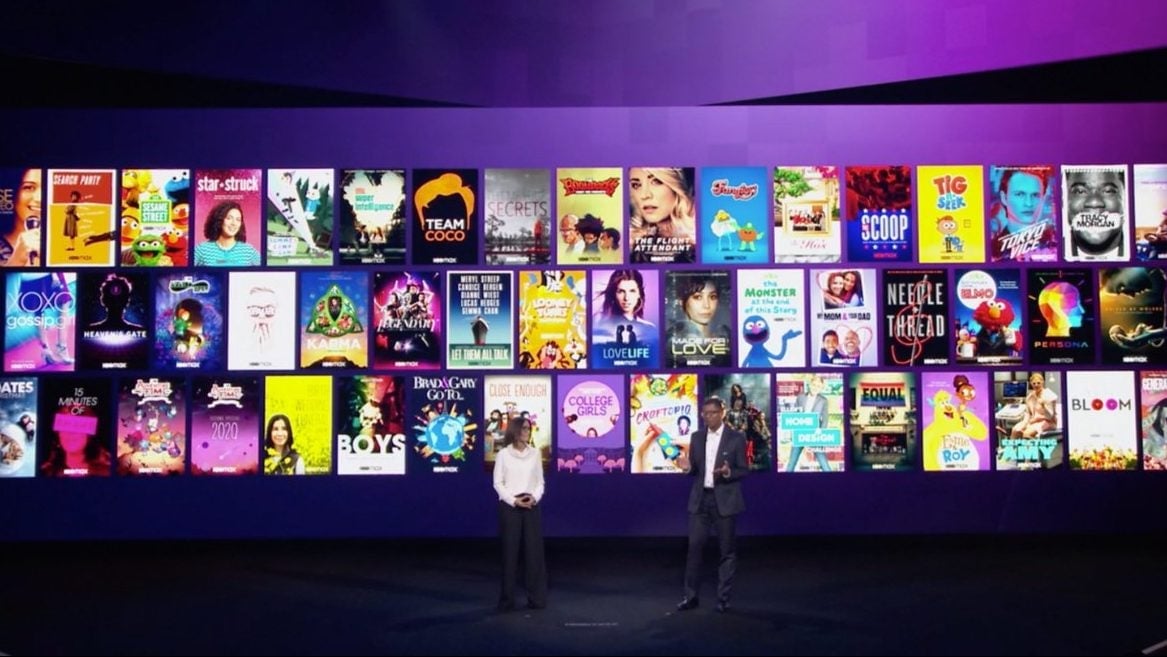
When NBCUniversal’s streaming service, Peacock, launched last year, the company bragged that it featured the “lightest ad load in the industry,” at only five minutes of advertisements per hour of content (or less). That was a huge improvement over regular TV, which airs about 12 minutes of commercials every hour. Now WarnerMedia, which has a new streaming service of its own in HBO Max, is saying it sees Peacock’s five minutes of ads and respects it—but it’s going down to four.
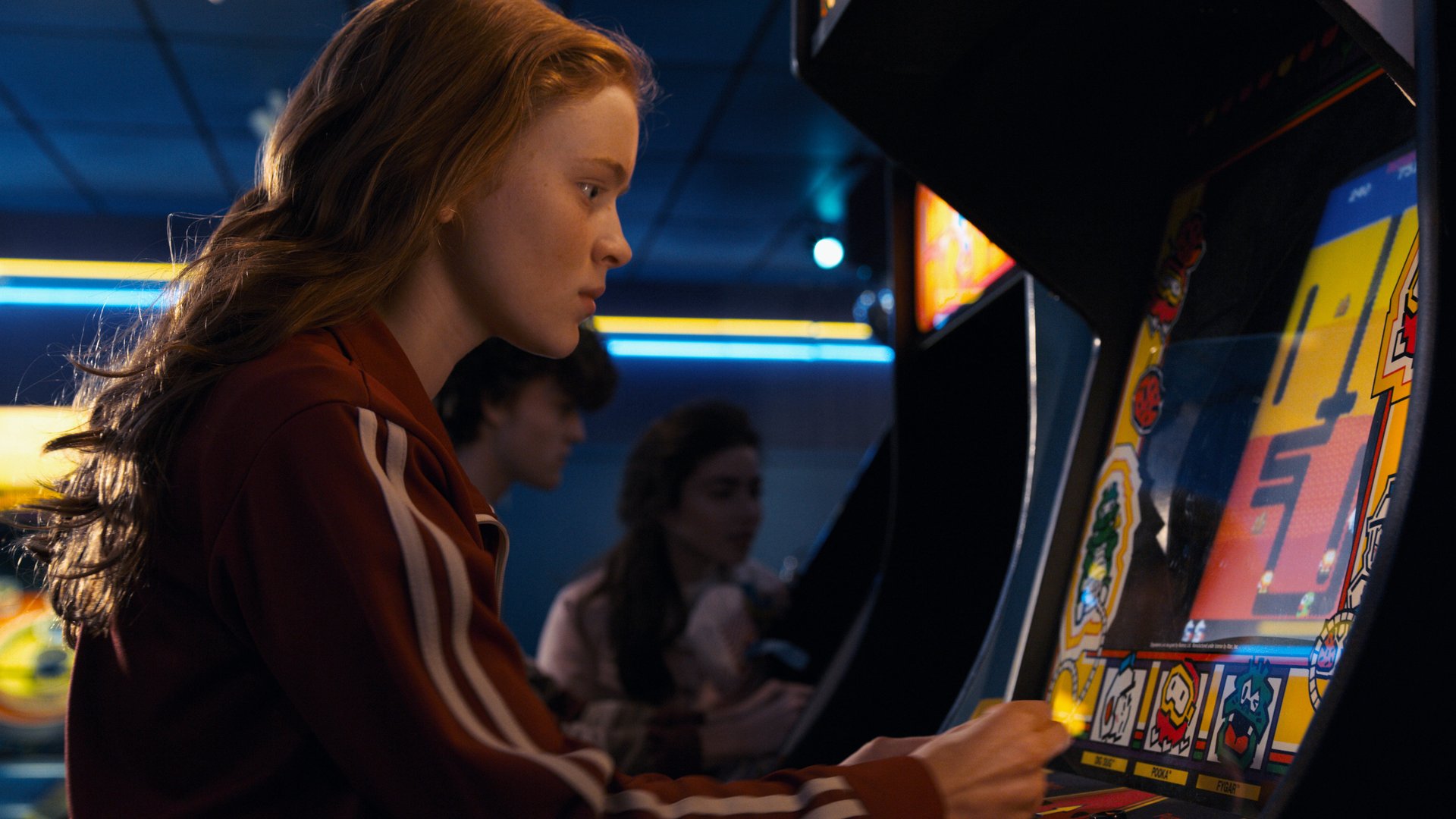
Netflix has never wavered from its core proposition as a provider of on-demand TV and movies. But, over the years, it has quietly flirted with other media like video games. And now that flirting is getting louder.
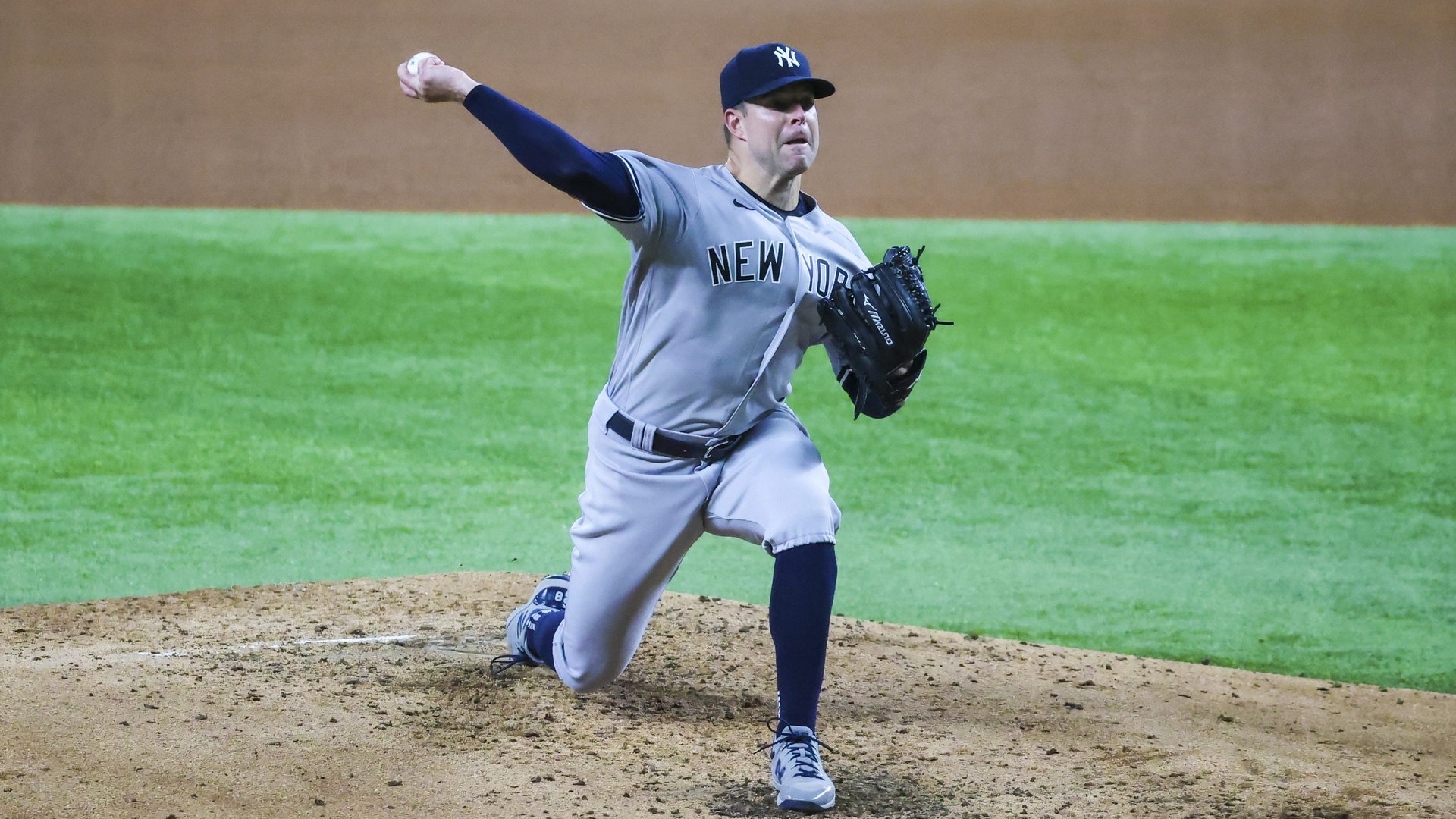
Corey Kluber’s no-hitter against the Texas Rangers yesterday was great news for the Kluber family and New York Yankees fans, but practically no one else. The Major League Baseball (MLB) pitcher’s near-perfect outing put an exclamation point on professional baseball’s latest problem: Its hitters can’t hit the ball. That’s not the development the sport wanted as it tries to figure a way out of its cultural slump.
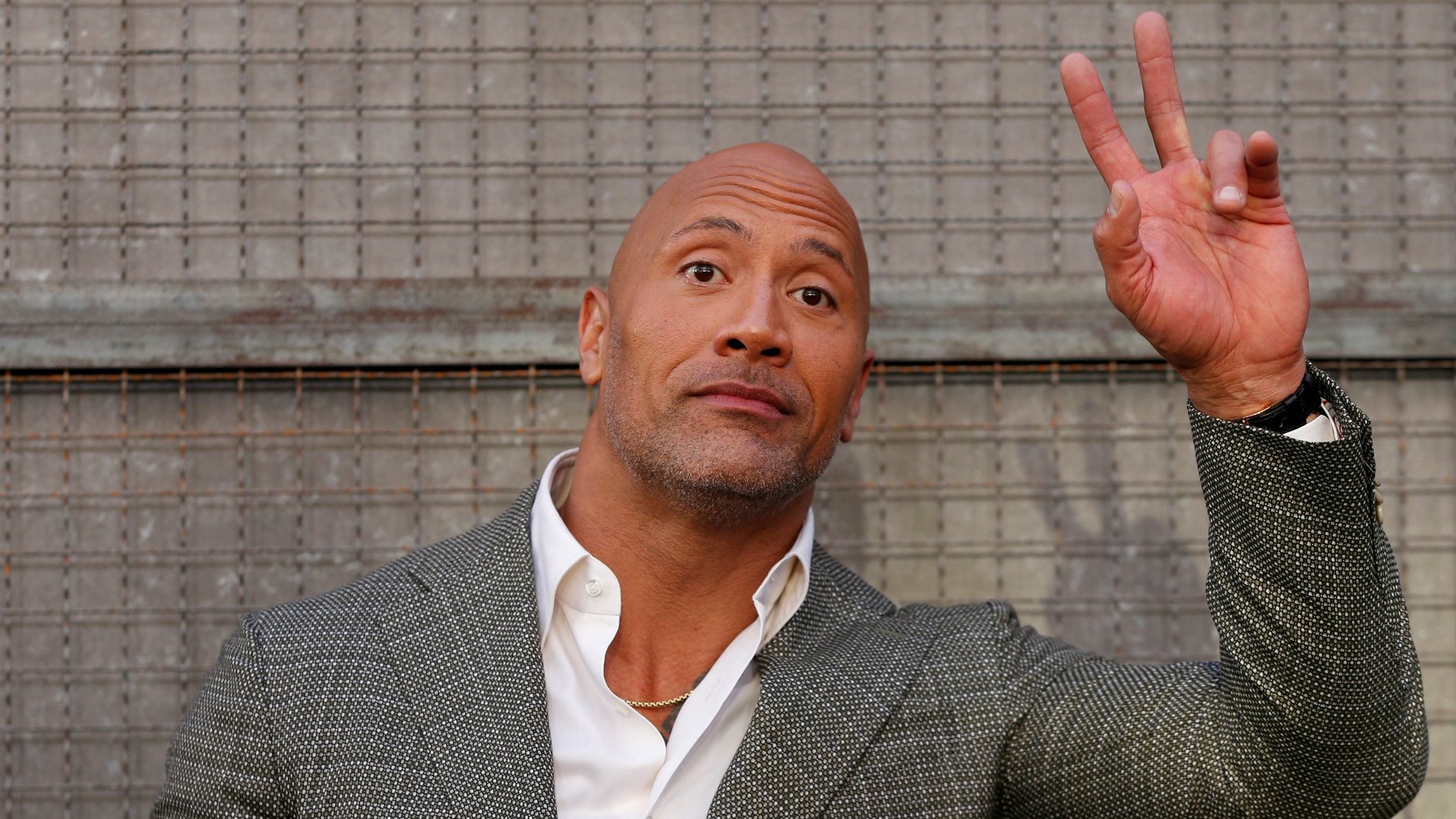
Hollywood movies don’t feature many Asian or Pacific Islander actors in significant roles. When they do, it’s usually The Rock.
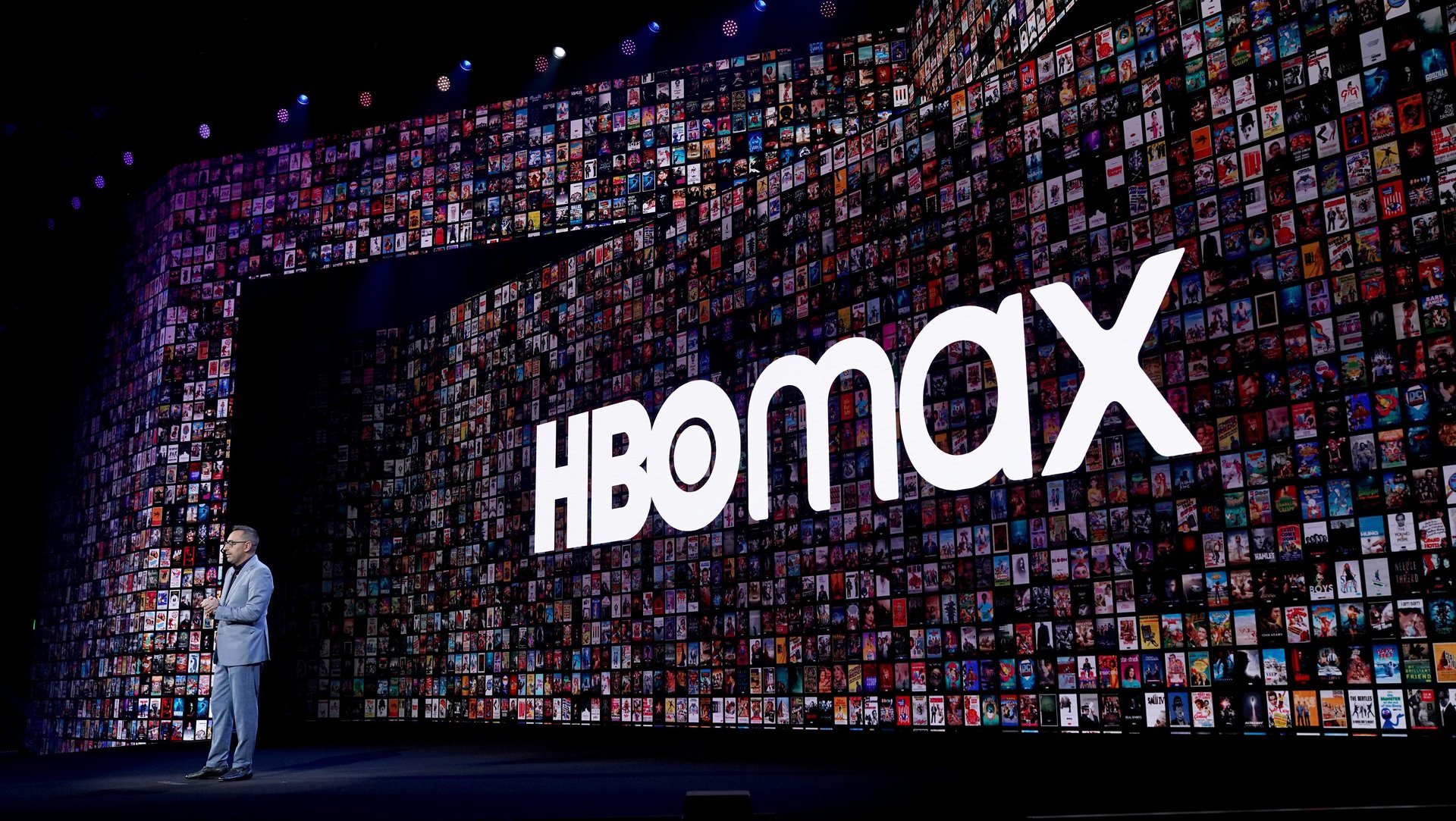
In the age of Netflix and tech giants, traditional media companies have decided that they must join together or die. The WarnerMedia-Discovery merger announced yesterday likely won’t be the last union of major content providers.
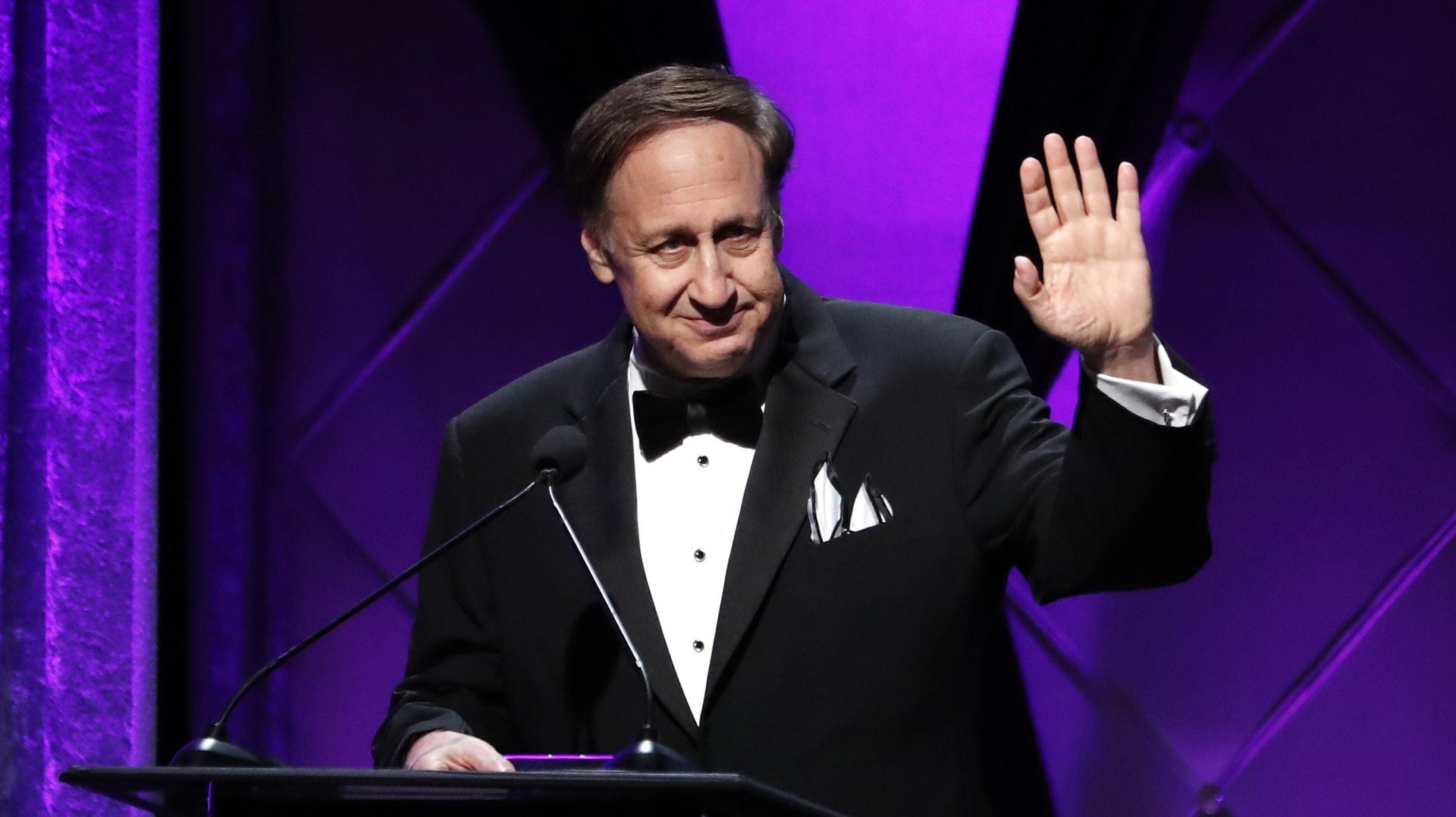
Many CEOs of major companies are not active on Twitter—if they use social media at all. Adam Aron, the CEO of AMC Entertainment, however, has not only rejoined Twitter after a long hiatus, but has also become a meme lord.
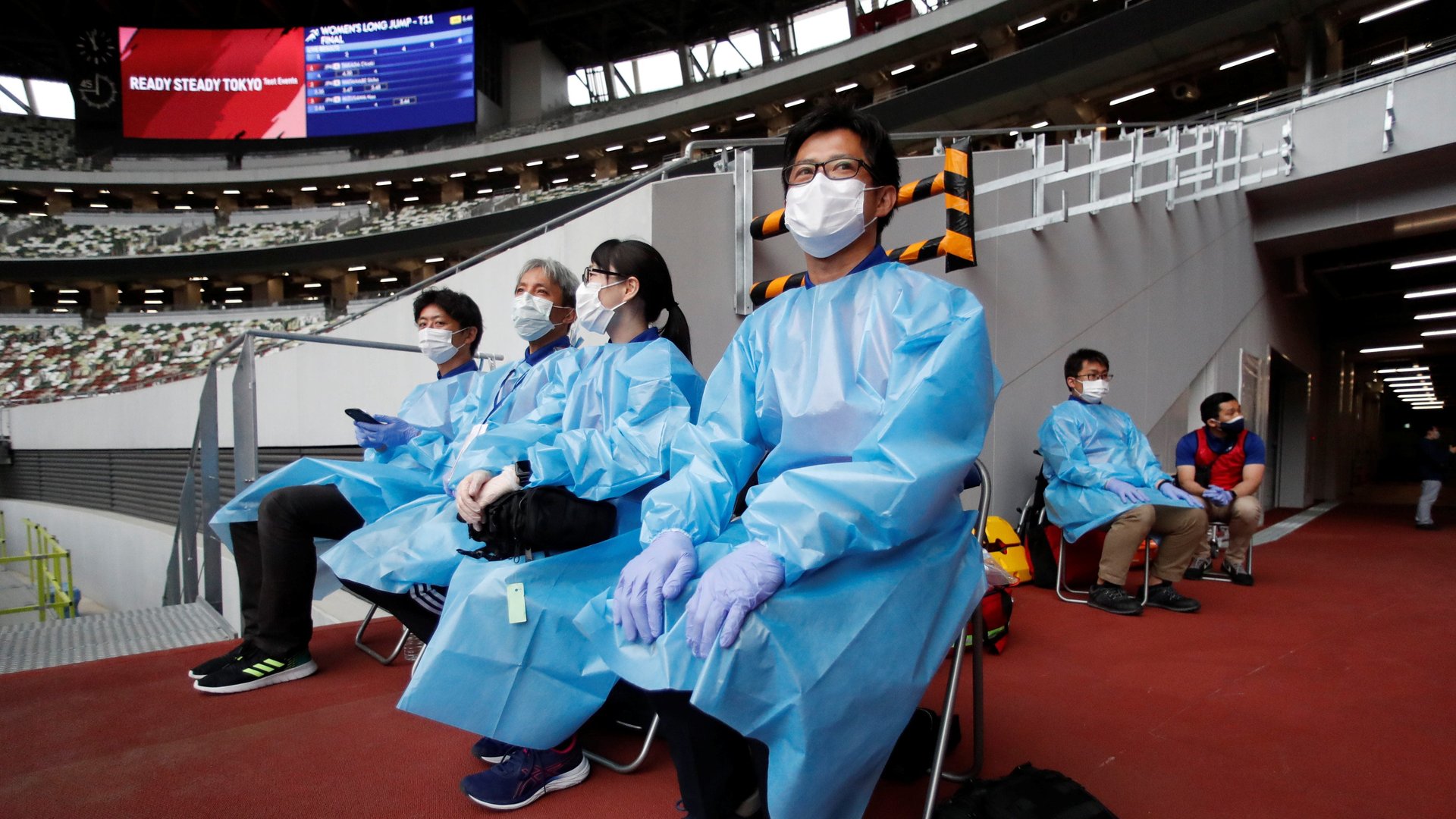
The International Olympic Committee (IOC) normally makes replays of its press conferences available to watch on YouTube. But today’s conference is notably absent. That’s probably because it was cut short when a protestor posing as a journalist snuck into the meeting and yelled, “No Olympics anywhere! Fuck the Olympics!”
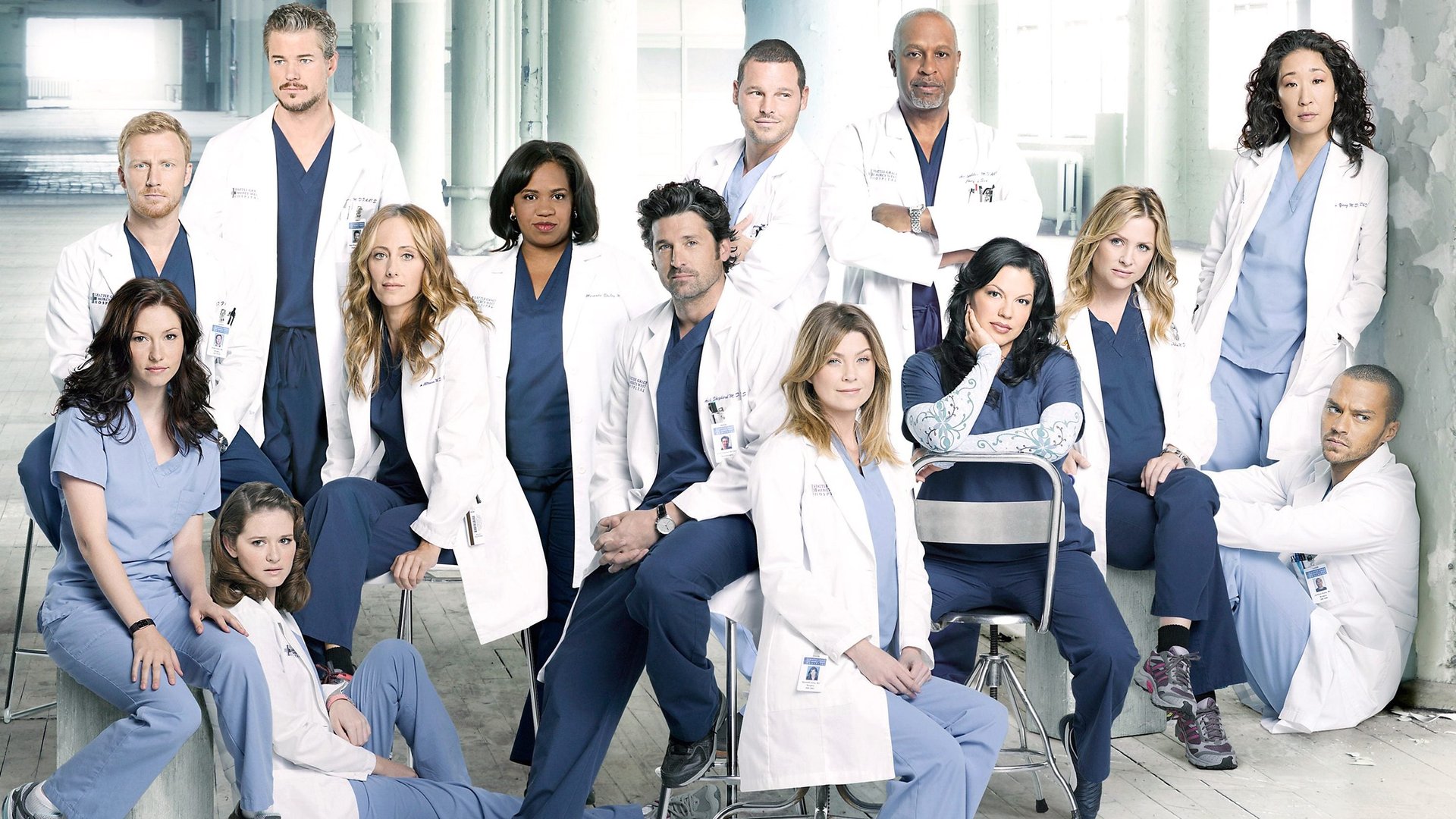
Few things in pop culture are the same today as they were in the mid aughts. But Grey’s Anatomy is still airing on Thursday nights on ABC in the US, and it’s still one of the most popular series on US television. Now it’ll keep going for at least another year—the last of a dying breed of broadcast TV dramas.
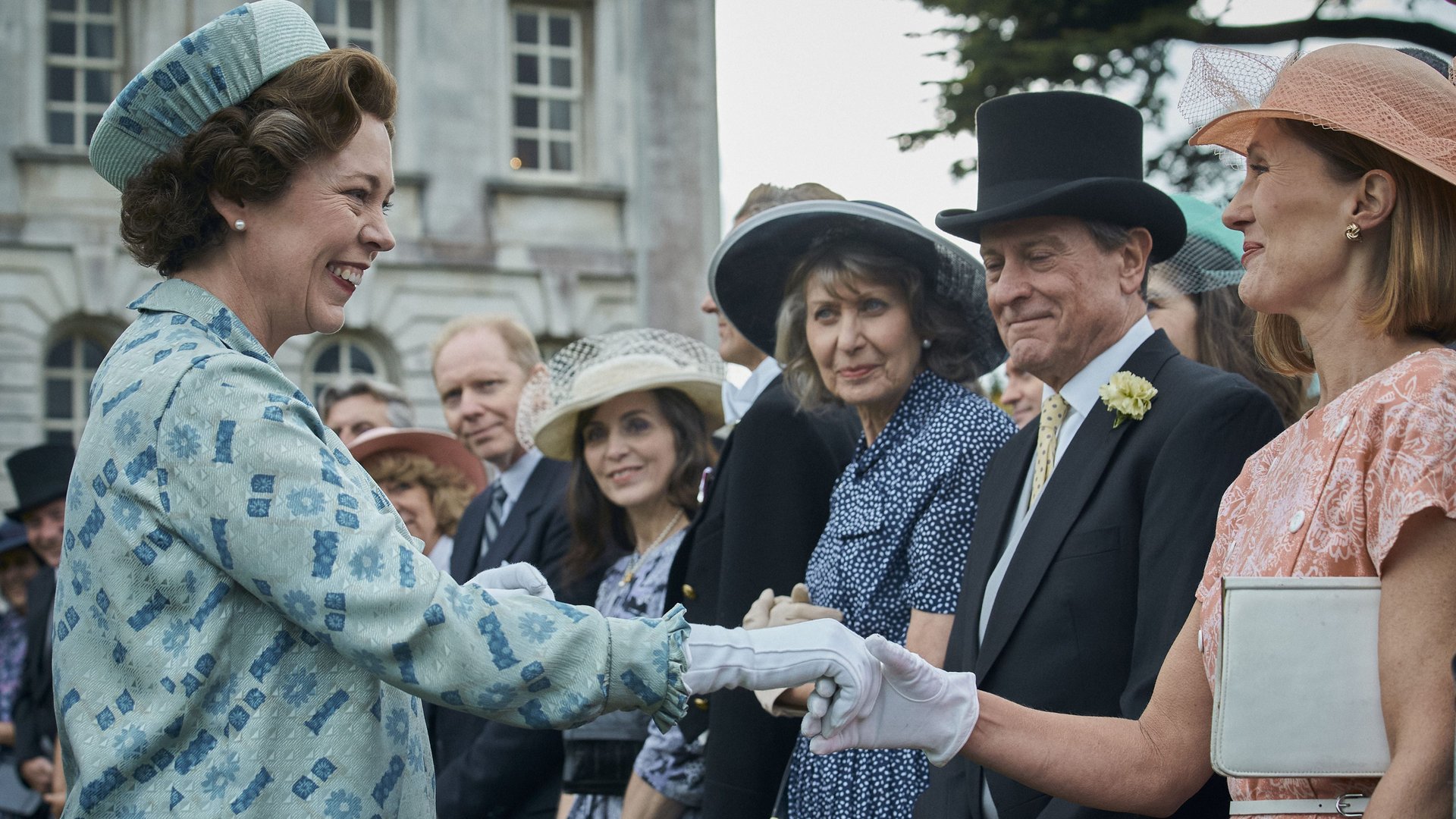
A few years ago, Netflix was still struggling to be accepted by Hollywood’s parochial institutions. Now the streaming company is leading the overdue charge to reform them.
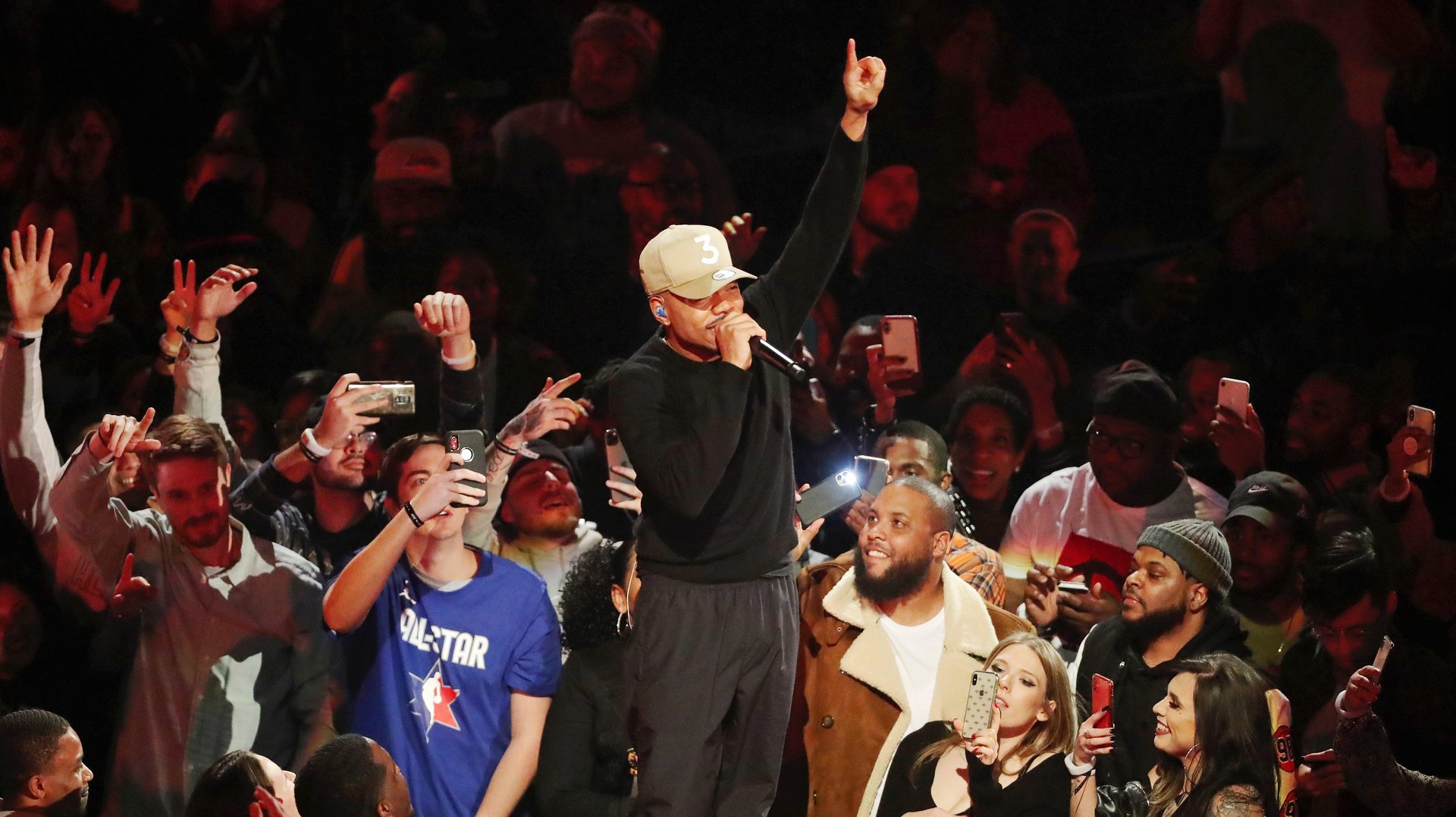
Movie theaters aren’t usually where you go to watch concerts. But, in the future, they might need to be.