Quartz
Subscribe
Quartz
Subscribe
Edition
Business News
A.I.
Technology
Money & Markets
Leadership
Lifestyle
Latest

Get Quartz in your inbox

Free daily briefing on global business news.

Business News
AirlinesAutomobilesFoodPharmaceuticalsPolitics & GovernmentRetail & EcommerceSpace & AerospaceEarnings
Technology
A.I.ComputingConsumer TechSpace & AerospaceEarnings
Money & Markets
Economic IndicatorsMarketsPersonal FinanceEarnings
Lifestyle
Cars & BikesCollectingEntertainmentFood & Fine DiningHealth and FitnessReal EstateTravel
Lifestyle

Cannabis companies are seeing a quarantine-fueled edibles boom

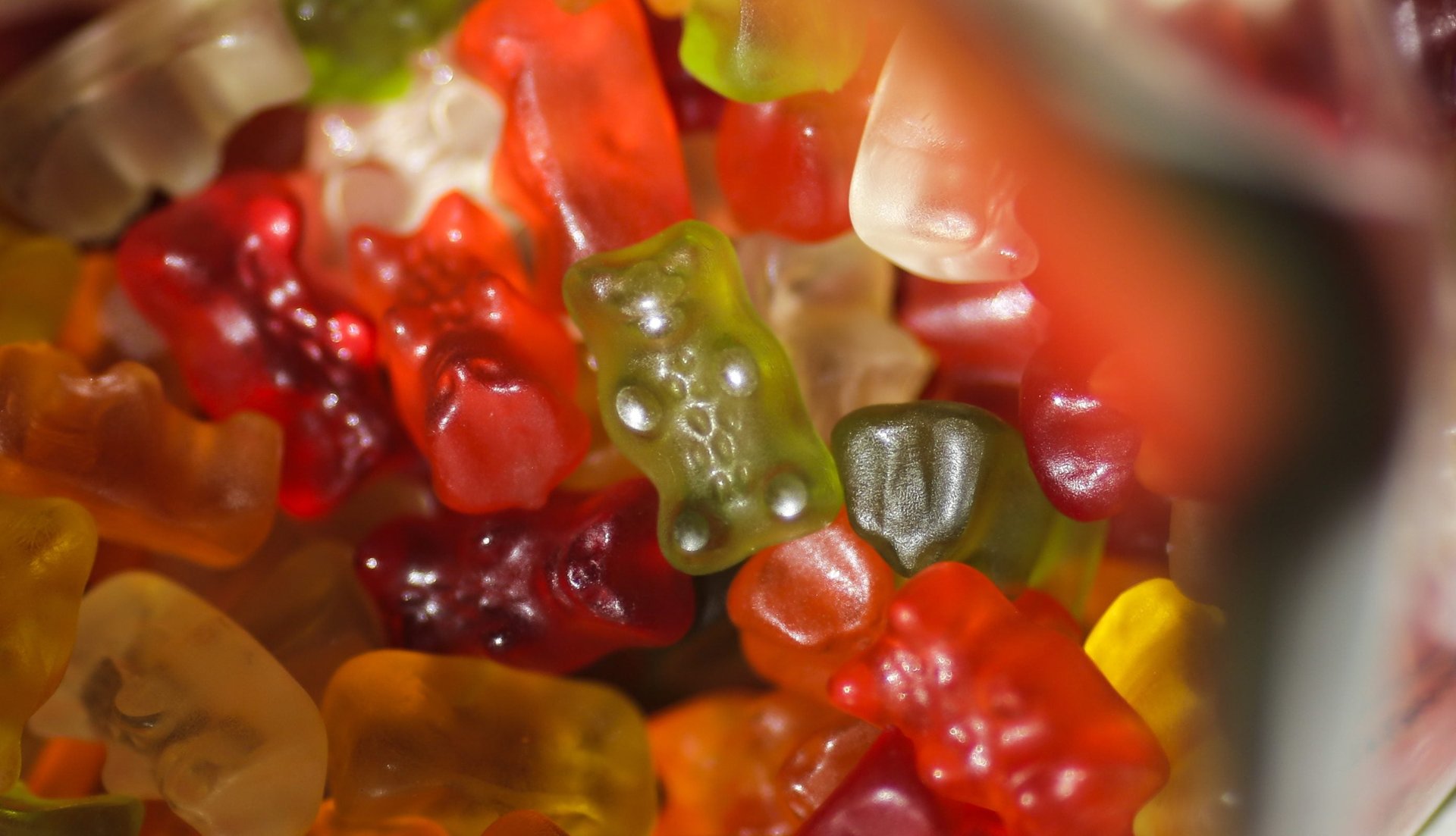
Sundries to stock in one’s cupboard during the coronavirus pandemic: canned tuna, honey, rice, and weed gummies.
By Jenni Avins·2 min read·Updated July 21, 2022
Add QZ to Google

Sundries to stock in one’s cupboard during the coronavirus pandemic: canned tuna, honey, rice, and weed gummies.

Cannabis sales skyrocketed in the days leading up to stay-at-home orders to stem the spread of the coronavirus in the US. Now, cannabis analysts have found that an unusually high proportion of those sales can be attributed to edibles. Recently, concentrates such as dabs and vaporizers been the fastest-rising stars, fueling much of the cannabis industry’s growth, but those products—which slowed slightly following 2019’s rash of vape-related illness—might be less attractive amidst a respiratory pandemic.

Daily Brief

The essential business news, delivered fresh every morning.

Join 500,000+ readers who start their day with Quartz.

By subscribing, you agree to our Terms of Service and Privacy Policy.

A new report from the market research firm Headset shows that during the week beginning March 9, when the World Health Organization deemed the coronavirus a pandemic and Amazon $AMZN sellers stockpiled hand sanitizer, the edibles category saw a 10.6% increase in its portion of the cannabis sales mix from the prior week in Colorado, Washington, California, and Nevada, the four states Headset covers. According to Headset, Kiva Confections— the California-based maker of popular Camino brand gummies—saw a 33% jump in week-on-week sales during the same period. The following week, sales of edibles more than doubled.

Roy Bingham, the cofounder and CEO of cannabis market research firm BDSA, says about half of the edibles market is made of gummies. BDSA has also observed an edibles uptick, and Bingham says those products enjoy a few additional advantages in pandemic times: they can deliver a fairly precise outcome, and are perhaps better-suited for solitary than social consumption. Passing the tin of gummies just isn’t the same as passing a joint. And because cannabis can only be purchased with cash in the US, consumers are particularly cost-sensitive in uncertain economic times like these.

“What’s the best bang for my buck?” is a question foremost on consumers’ minds, says Bingham, adding that while many gummies cost about $20 for a package of ten candies totaling 100mg of THC, he has recently seen companies running promotions that reduce the price by half, whether by offering two-for-one deals or sales.

“To most people, or to newcomers, a 10mg product is sufficient to be equivalent to having several alcoholic drinks or something like that. And so you’re looking at that costing about a dollar now,” says Bingham. “It’s certainly cost-effective.”

Quartz

Global business news for a smarter world

Topics

  • Business News
  • Money & Markets
  • Tech & Innovation
  • Generation A.I.
  • Lifestyle
  • Leadership

Products

  • Daily Brief
  • Weekly Digest
  • Member Benefits
  • Quartz Pro

Legal

  • Sitemap
  • About
  • Accessibility
  • Privacy
  • Terms of Service
  • Advertising

© 2026 Quartz Media, Inc. All rights reserved.