Farmers in Brazil were already facing a fertilizer shortage. Now that Russia has invaded Ukraine the pressure to find suppliers is even higher to avoid a shortage in 2022.
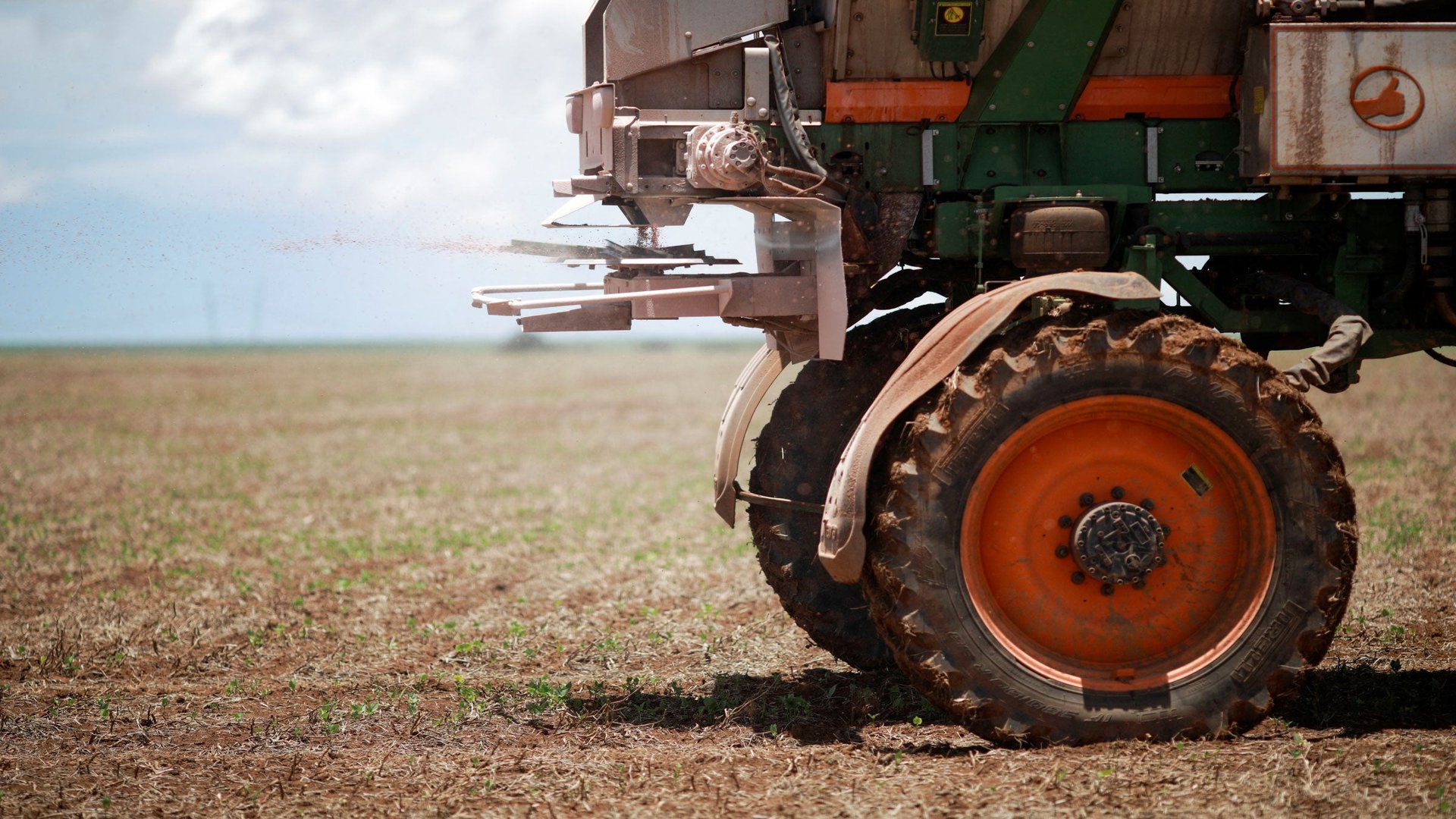
Farmers in Brazil were already facing a fertilizer shortage. Now that Russia has invaded Ukraine the pressure to find suppliers is even higher to avoid a shortage in 2022.
Brazil is the largest importer of fertilizer in the world. Its top supplier is Russia—providing Brazil 22% of its imports. In October 2021, Russian fertilizer exports were restricted, following a fear of a shortage. The smaller export supply led to higher prices. In fact, right before the invasion, Brazilian authorities were in Russia trying to negotiate a deal. Now with war and sanctions, Brazil’s buyers may need to look elsewhere.
Join 500,000+ readers who start their day with Quartz.
By subscribing, you agree to our Terms of Service and Privacy Policy.
The type of fertilizer Brazil imports is a mixture of nitrogen, phosphorus, and potassium known as NPK. Farmers rely on the potassium, to prevent diseases in their fields. In Brazil, it’s used to grow soybean, coffee, and other crops. Soybeans are the biggest money-maker for Brazil, the majority going to China, and shortages could reverse recent gains in the relationship’s growth.
Brazil’s soy bean exports go almost entirely to China. China relies on Brazil for 63% of its soybean imports.
China is also the largest foreign buyer of Brazilian cane sugar. China relies on Brazil for 70% of its cane sugar imports.
Brazil is Egypt’s third-biggest corn supplier but that may change. Before the invasion, Egypt imported 26% of its corn from Ukraine, just ahead of 25% from Brazil.
Coffee is the most important agricultural product from Brazil for Americans. The US imports 25% of its coffee from Colombia and 24% from Brazil. If a shortage of fertilizer leads to a shortage of coffee beans, Americans can expect coffee prices to get higher.
