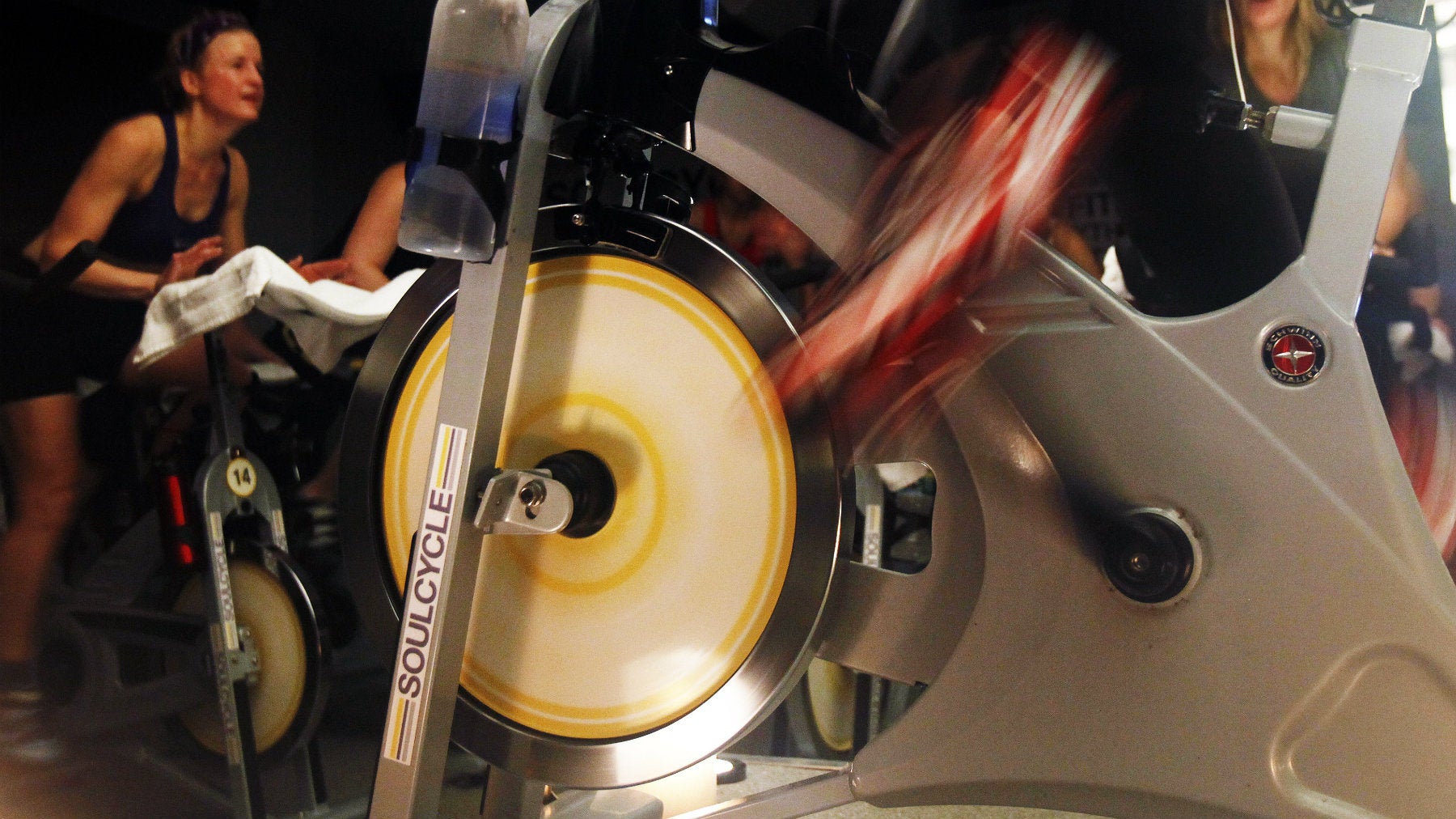
Talk about sweat equity.
SoulCycle, an exercise craze with fans so fervent they’ve earned equal parts admiration and mockery, has given investors a peek at its finances in preparation to go public. Surprising nobody—and certainly not anyone who has paid $34 for a spin class—they make a lot of money. Last year the company brought in $112 million in revenue, a nearly 50% increase from 2013.
The company’s expansion is fast. Scary fast. So scary that six of the top 10 risk factors have to do with growth. From the filing:
That kind of growth is possible because customers (“souls” in company parlance) really like SoulCycle, both the experience and the branding infused in that experience. As the IPO filing notes, “Our success depends on our ability to maintain the value and reputation of our brand.” One way the branding is cultivated is through the kind of feel-good language the company uses in its studios and on its website—which appears to extend to the company’s pitch to prospective investors, as well:
Our founders, Elizabeth Cutler and Julie Rice, were introduced at a lunch ten years ago and quickly realized they shared a similar vision about the changing role of fitness in our society of over-programmed, always-connected consumers. Traditionally, exercise was viewed as a chore, a box that needed to be checked. We believe that fitness should be joyful, inspiring and help people connect with their true and best selves.
That might seem like a lofty mission statement for a spin-class empire, but those classes made a convert of many, including Vox.com’s Alex Abad-Santos, who gushed about the company in a piece entitled “I used to make fun of SoulCycle. Now I’m an addict.” From that piece:
Ultimately, there are myriad reasons why people do SoulCycle. But there’s also one basic one: this class, this “cult,” makes them feel great and beautiful. The shiny ninja sipping her green juice is an easy target for trend pieces — but what’s the use in hating on someone because she’s found something that makes her feel good about herself?
The question now is whether SoulCycle can leave investors feeling equally satisfied.
