


Saudi Arabia might be plotting its return to the center of the oil world, but that journey won’t be without some speed bumps.

A couple years ago the hot move in US corporate finance was to merge with a company in a country with a lower tax rate and use their corporate domicile to lower your own tax rate. The so-called “inversion” trade was especially popular among drug companies, but even Burger King got in on the fun, merging with the Canadian coffee-and-donuts staple Tim Hortons.
Late last month, North Carolina passed legislation that rolled back anti-discrimination laws in Charlotte and barred others from being enacted.
The creator of an oil and gas industry networking website allegedly stole data from it after he sold it—to help grow a second website that he then tried to sell to the same company that bought the first website.
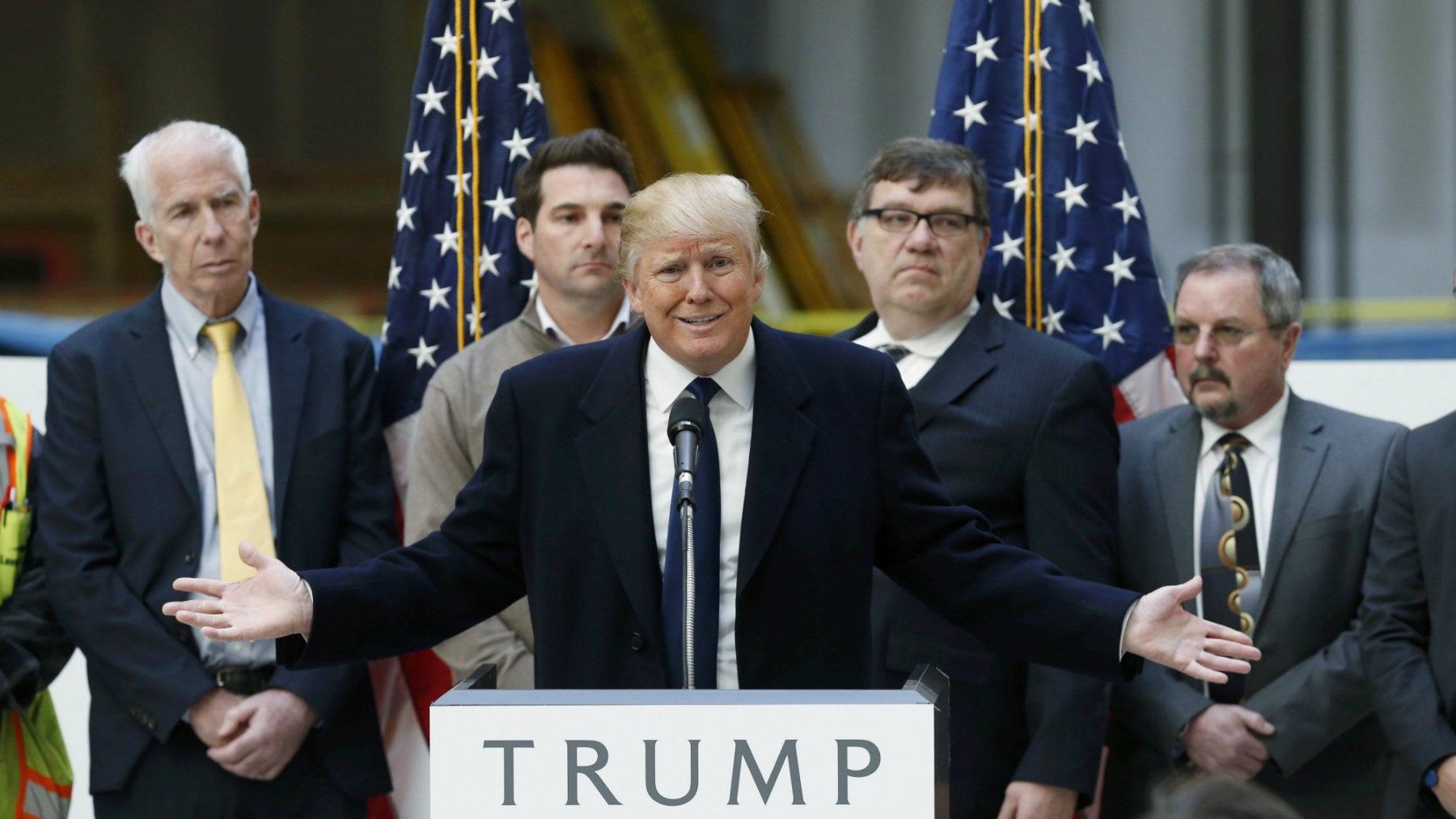
Was that just Donald Trump’s trademark bluster on display when he told the New York Times (paywall) that he would “probably” be willing to cut off US oil imports from Saudi Arabia until the Saudis sent in ground troops against ISIS? Or is it feasible that the US would suddenly stop buying crude from its second-biggest foreign supplier?
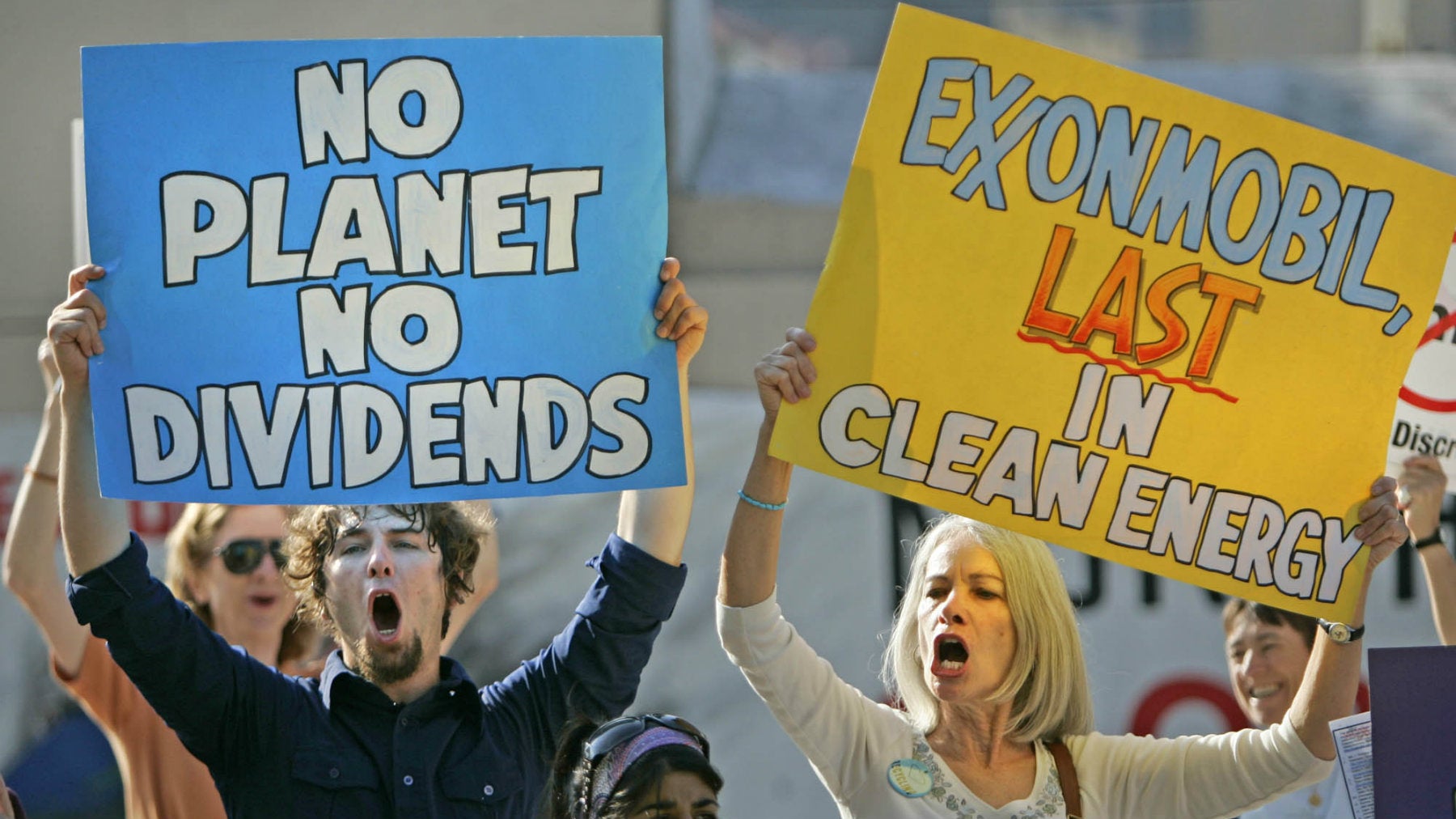
ExxonMobil and Chevron—two of the largest oil companies in the US—have been ordered by the Securities and Exchange Commission to allow a shareholder vote on climate-change disclosures.
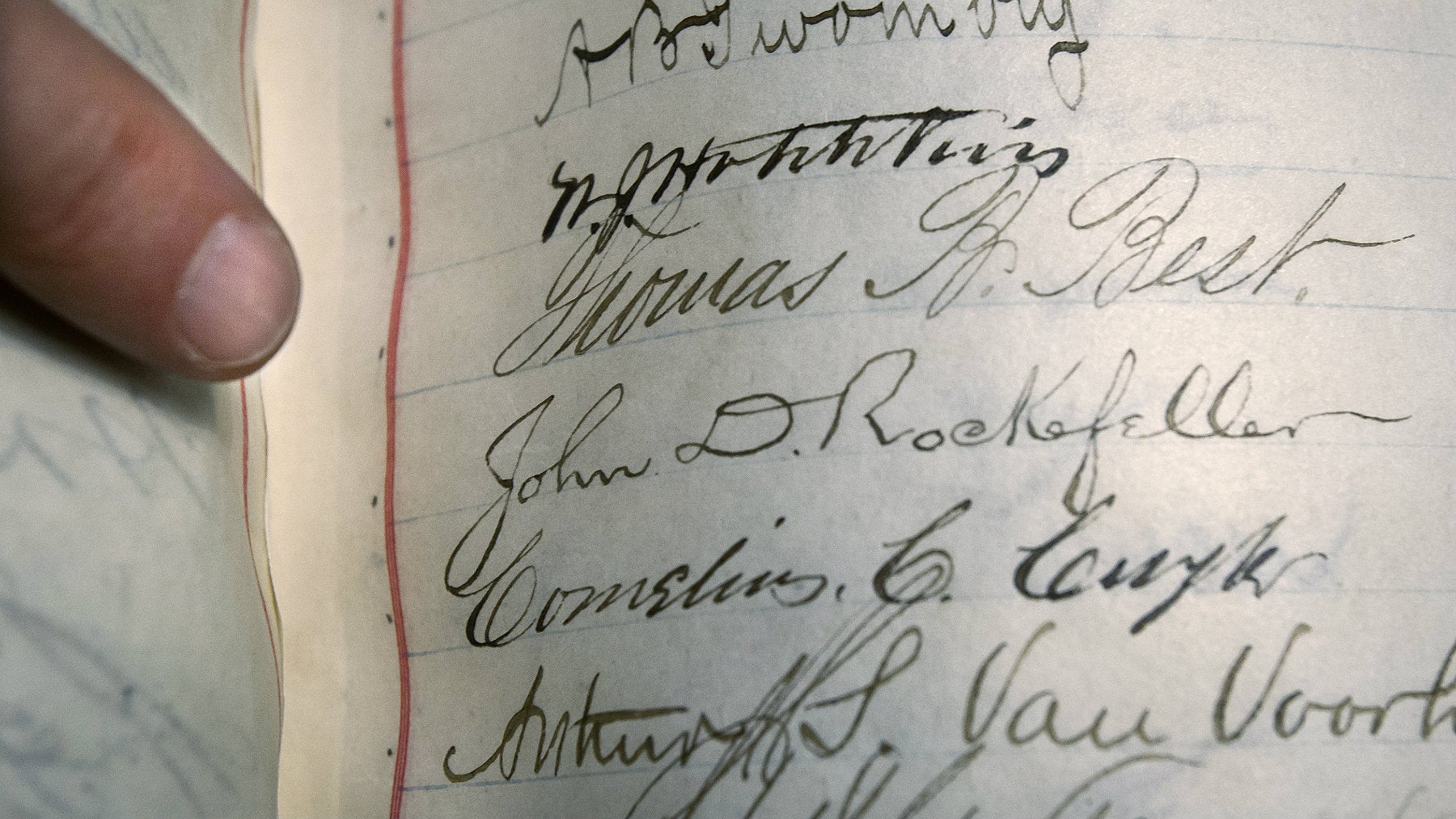
The Rockefeller Family Fund—yes, those Rockefellers—just announced that it’s divesting from fossil fuels, saying “we must keep most of the already discovered reserves in the ground if there is any hope for human and natural ecosystems to survive and thrive in the decades ahead.”
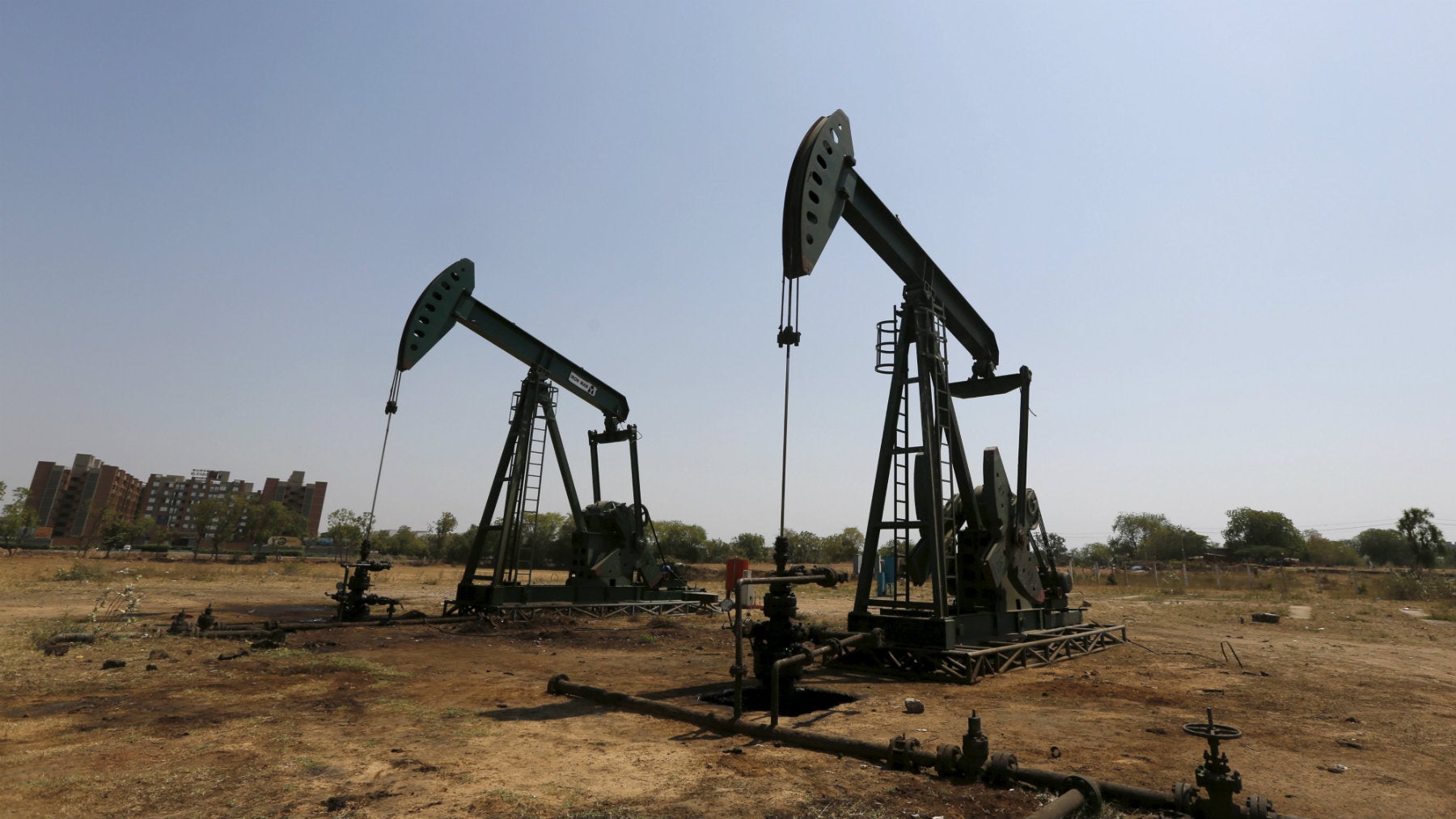
Oil’s bull market continues unabated! In fact, crude prices are actually outperforming the US stock market. The S&P 500 is essentially flat, down half a percentage point for the year, while US benchmark West Texas Intermediate crude is up 7.3% and international benchmark Brent crude is up about 10.6%.
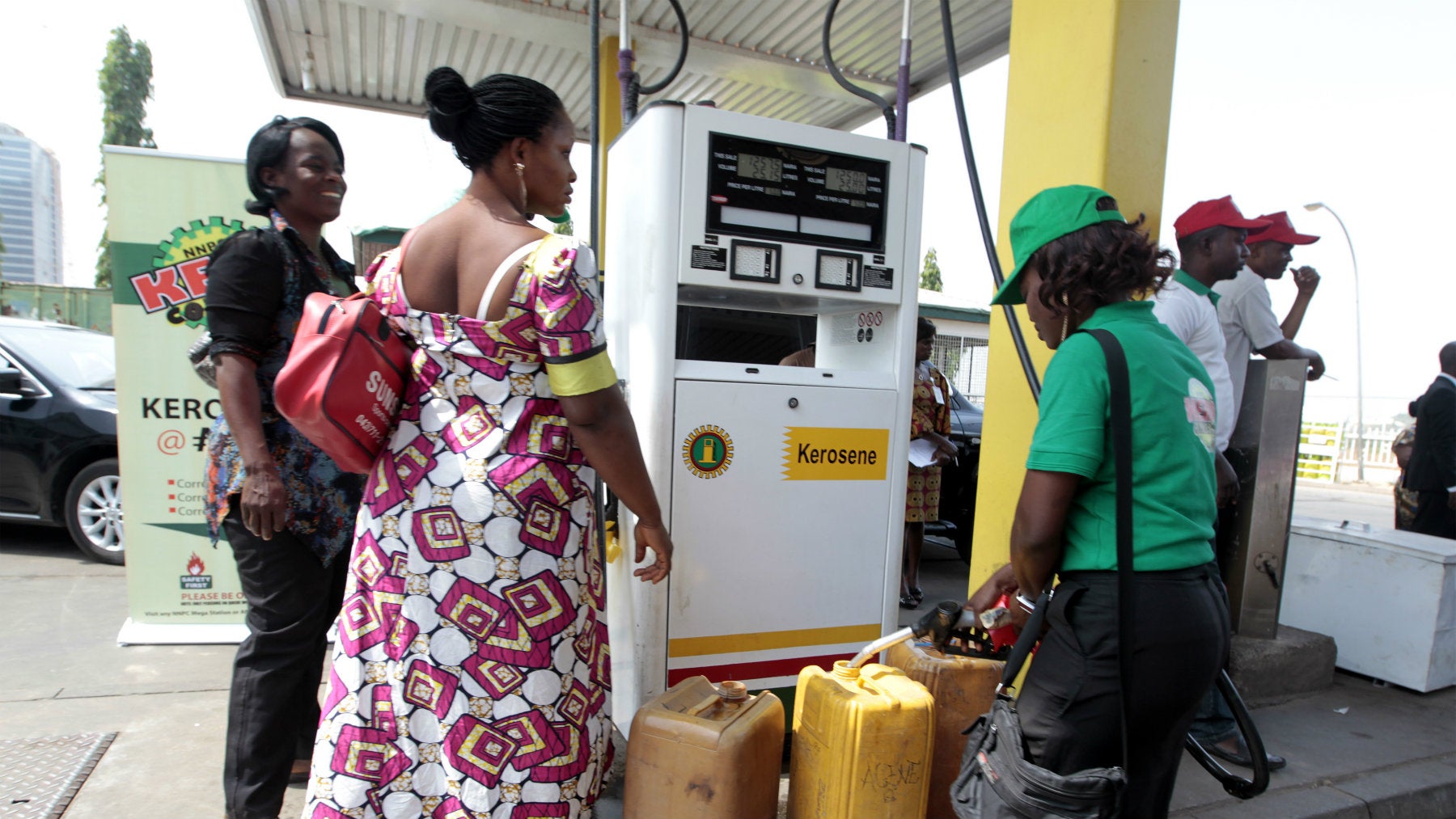
The drama continues over the long period of alleged widespread corruption at the Nigerian National Petroleum Corp (NNPC).
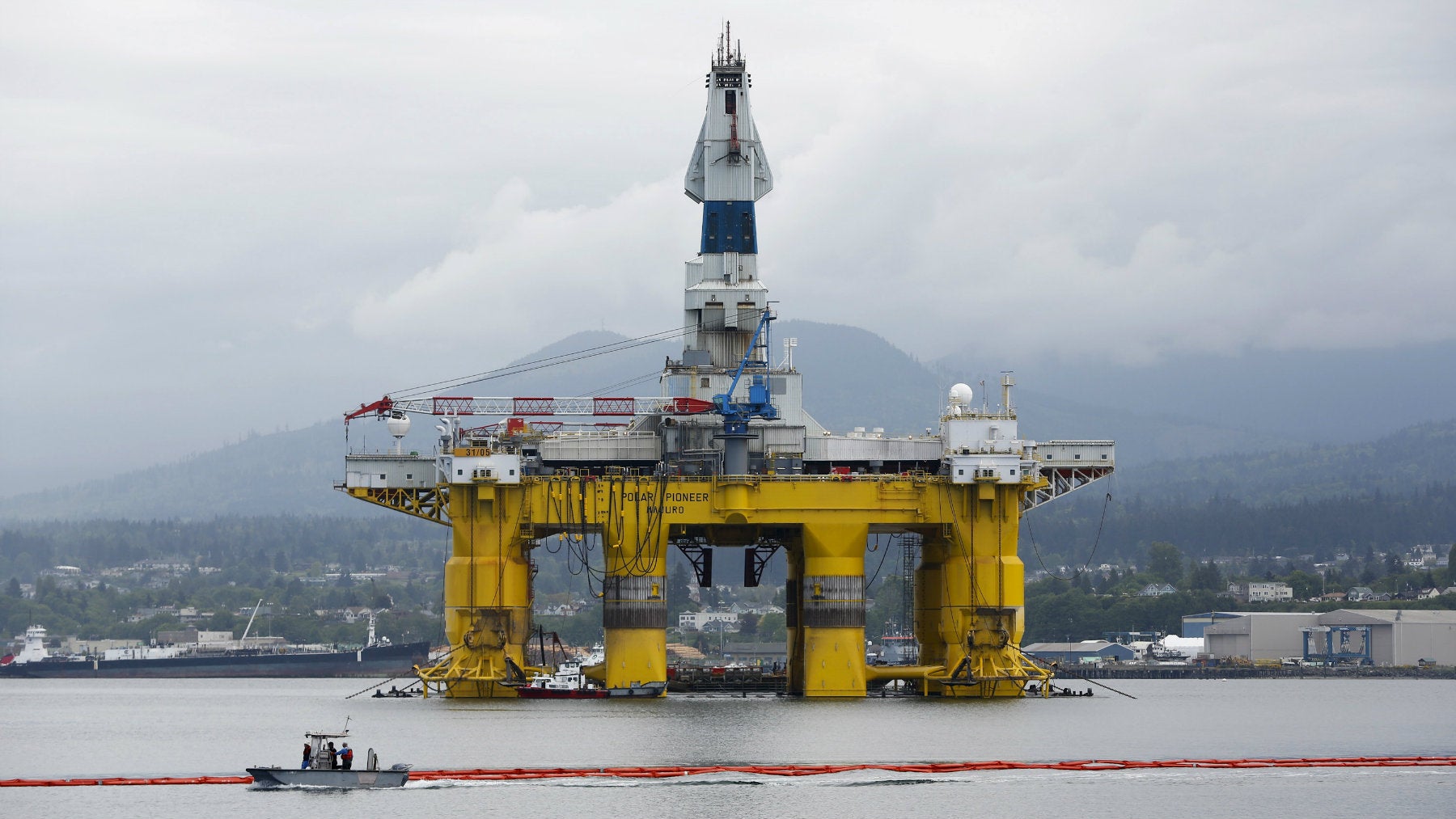
US president Barack Obama changed his mind on drilling for oil off America’s southeast coast.
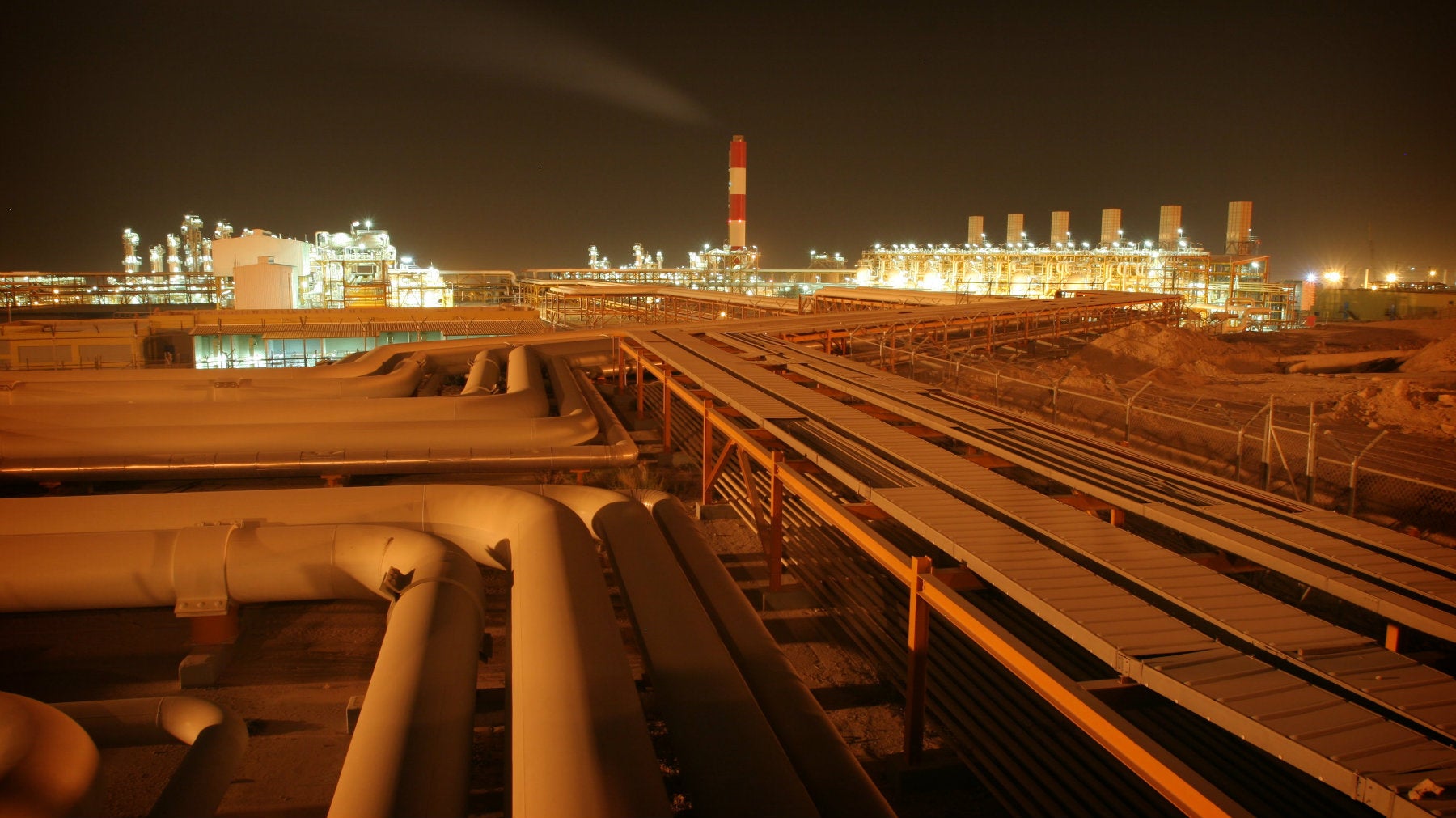
There’s a lot of talking going on in the oil world these days. Russia is talking to Saudi Arabia, both of them are talking to Qatar and Venezuela, and Venezuela in turn is talking to Mexico, Ecuador, and Colombia. All of this in service of doing something about global crude oil production, mainly freezing it in the hopes demand catches up with supply and everyone keeps their share of the market.
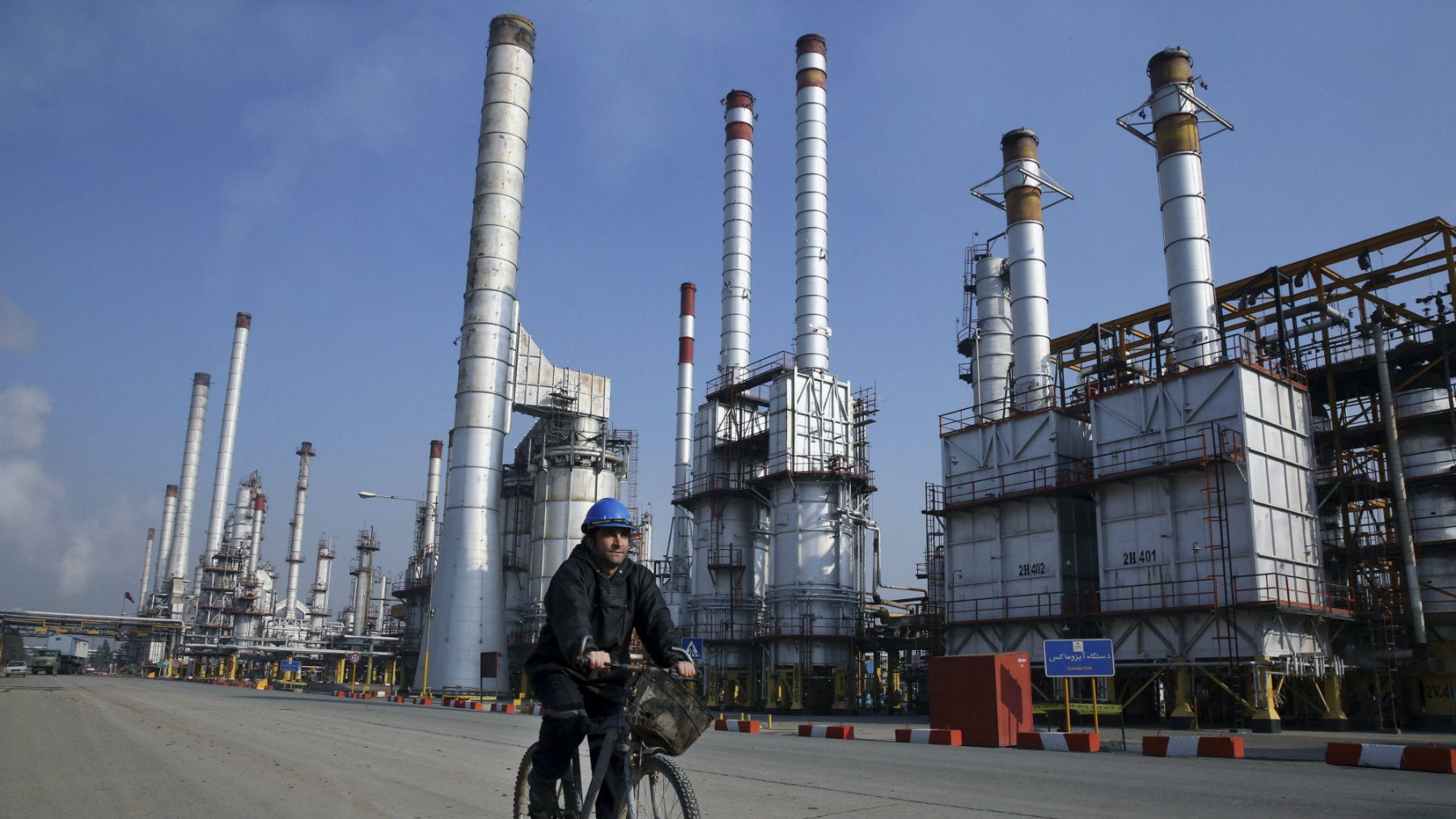
Everything seemed to be in place for a bottom to the slide in oil prices. Major producers were cooperating on output and recruiting other countries to join them. US producers were cutting costs and output. Short-sellers were heading for the exits. The only thing in the way was Iran. Kept to the sidelines by sanctions related to its defunct nuclear program, the country wanted to get back in the game.
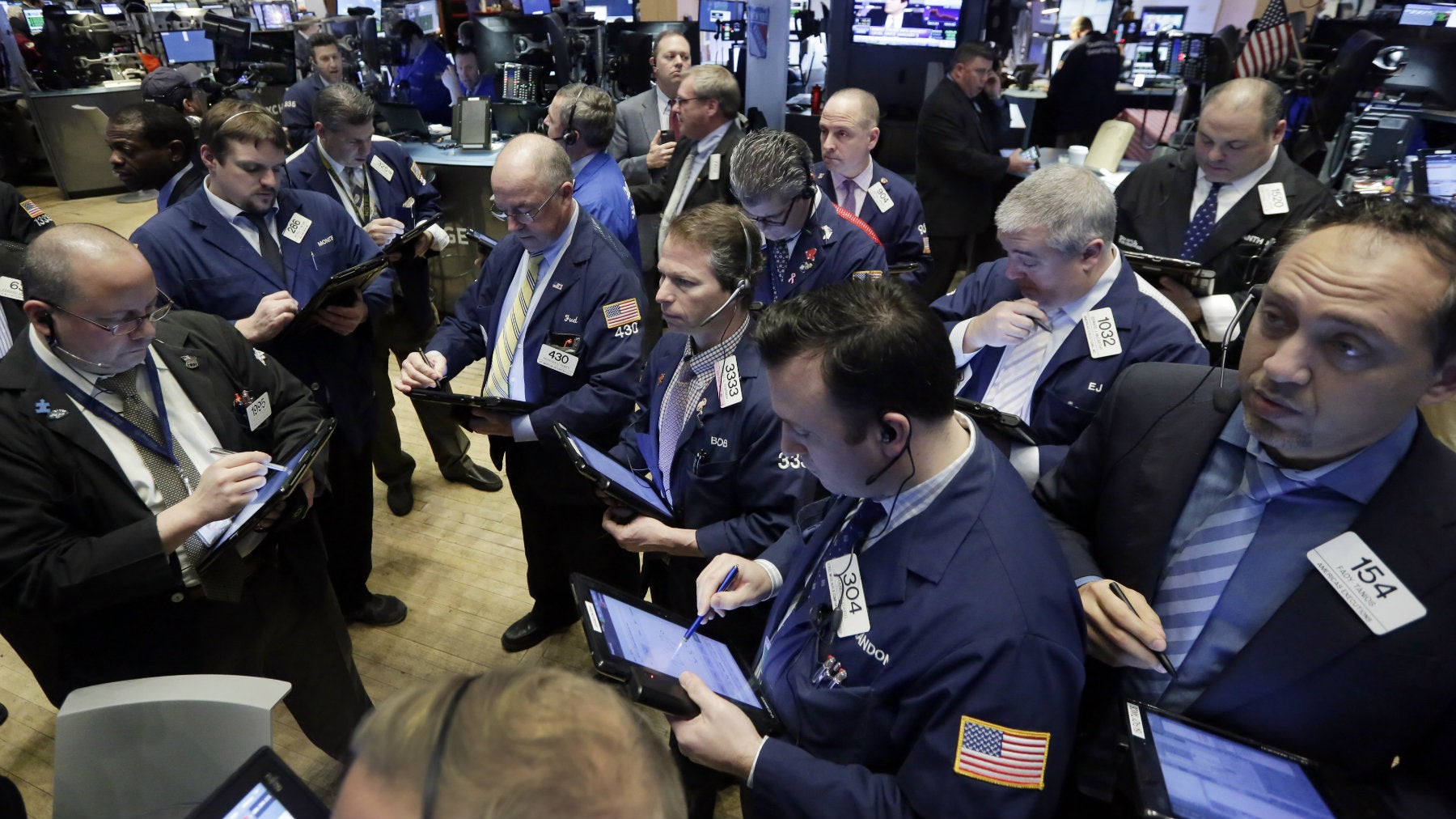
Deep down in the 2,300 pages of the Dodd Frank Act meant to reform the US financial sector is section 342. Spearheaded by Rep. Maxine Waters (D-CA), Sen. Bob Menendez (D-NJ), and other legislators, the tiny piece of the law was supposed to make American finance better reflect the demographic makeup of the country, namely that the industry add more minorities and women to its ranks. Now, nine months since it went into effect, the regulators tasked with putting in place the infrastructure to make it happen have so far fallen well short of its creators’ ideals.
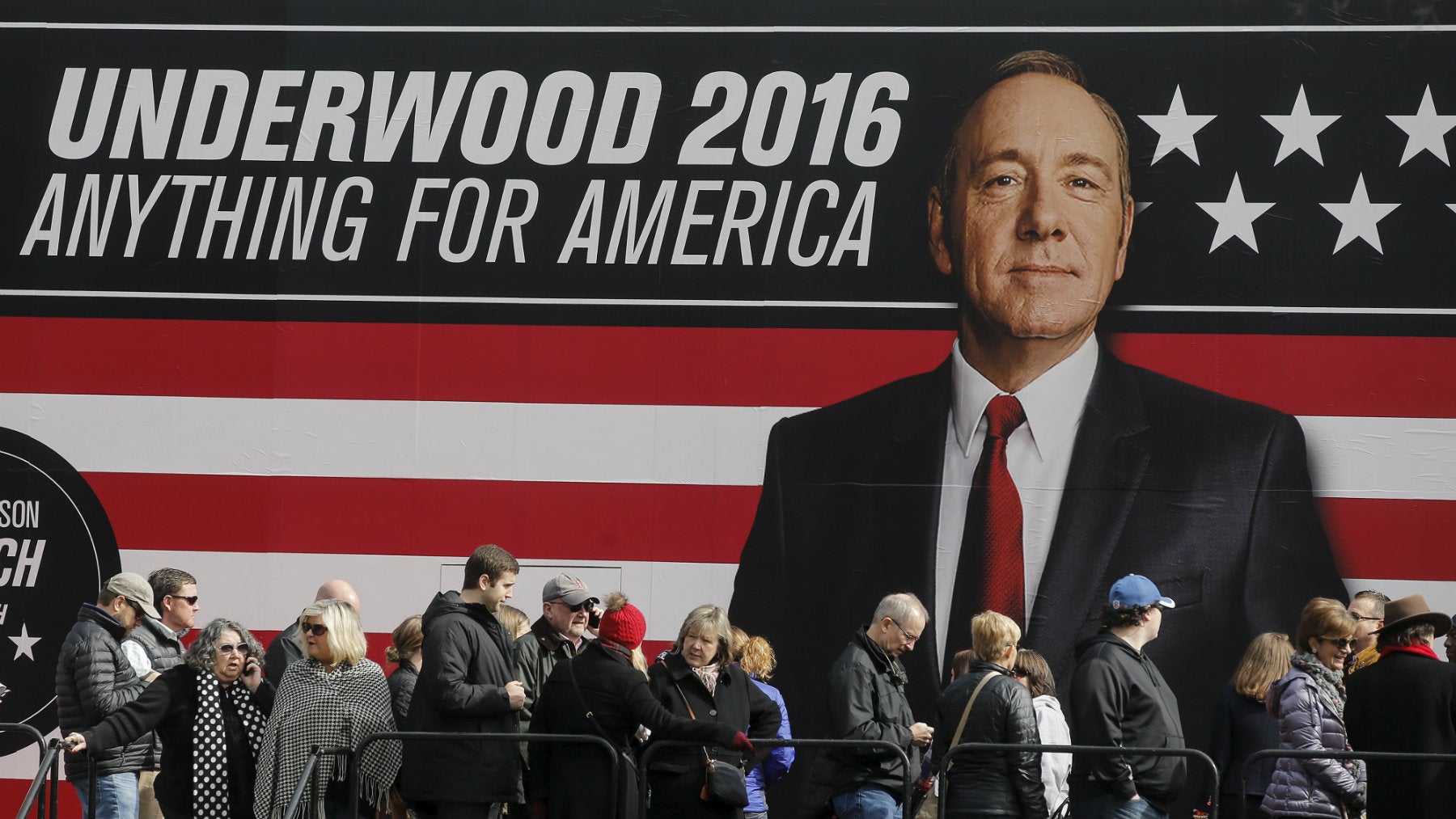
Netflix’s House of Cards has a fascinating plot line about oil this season. Without giving away too much, Russia decides to drastically cut production, driving up prices that leave America—and the administration of fictional president Francis Underwood—in the grips of a gasoline crisis. Long lines start forming at the pump and in one scene, Underwood’s former chief of staff Remy Danton can’t buy a few gallons off a fellow motorist no matter how much he offers; in another, political consultants start grappling with the possibility of riots over $7-a-gallon gasoline.
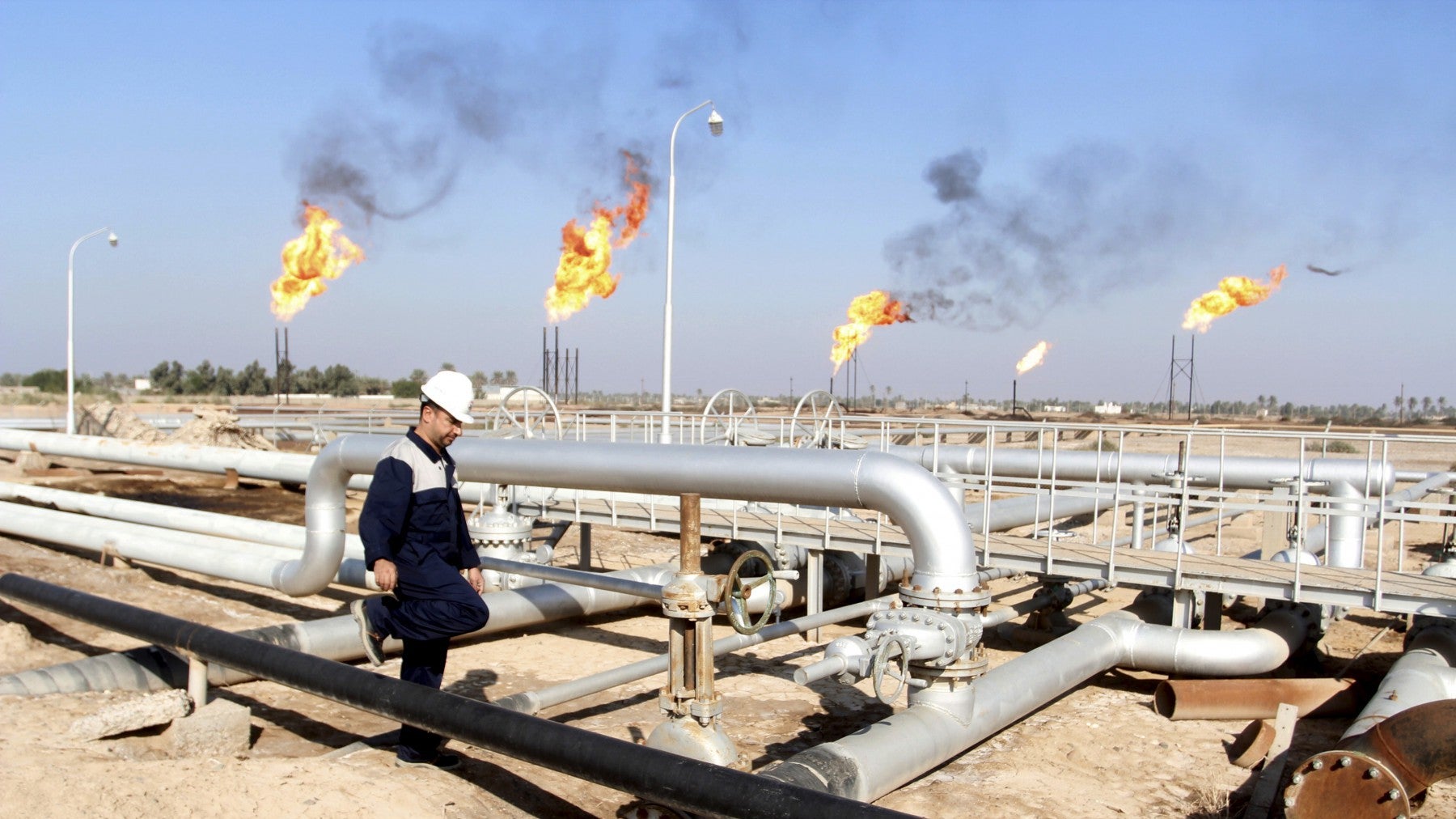
International oil benchmark Brent crude has risen to just below $40 per barrel for the first time since December.
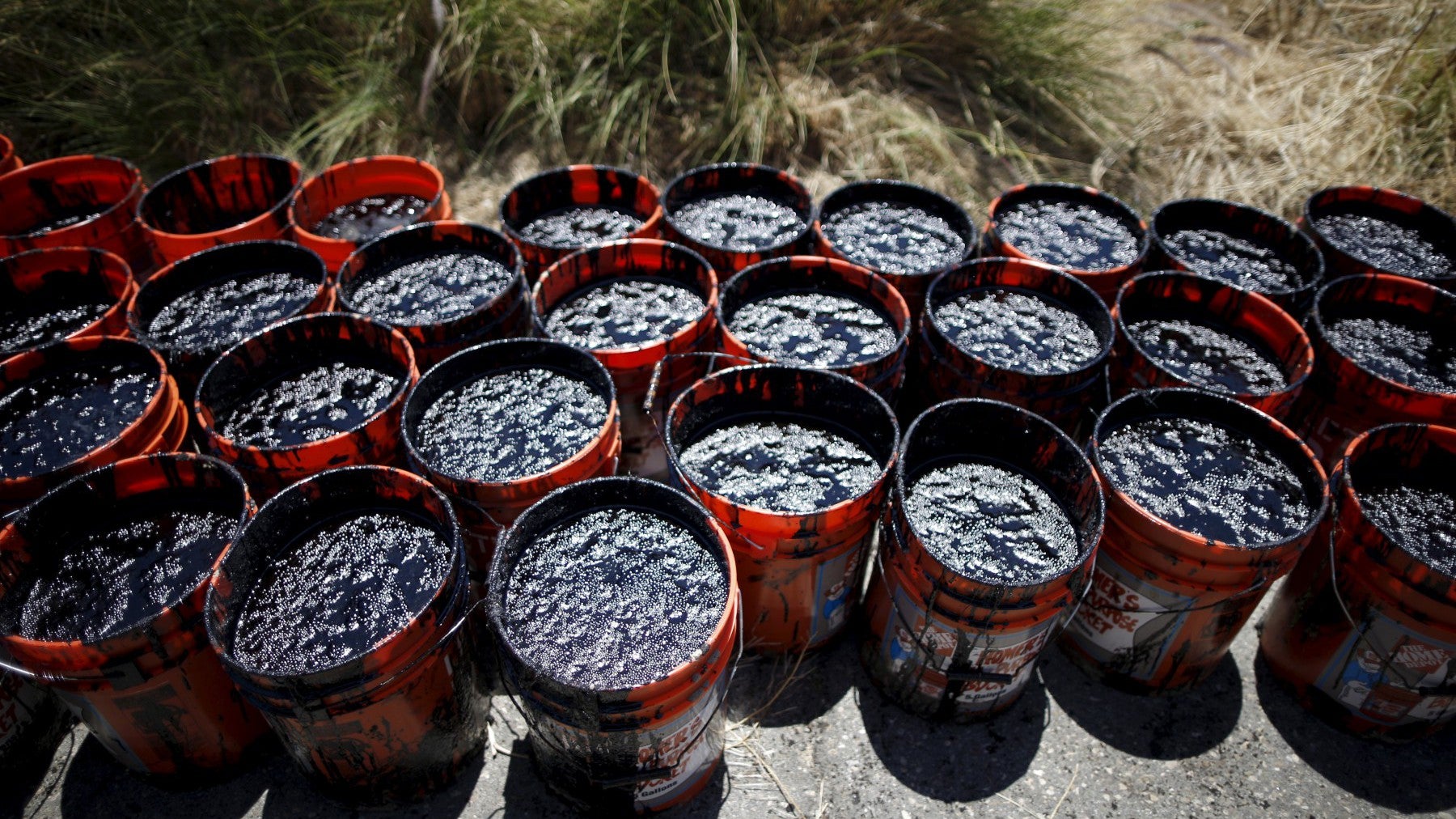
This is it. For real. The IEA means it this time, Reuters reported Tuesday.
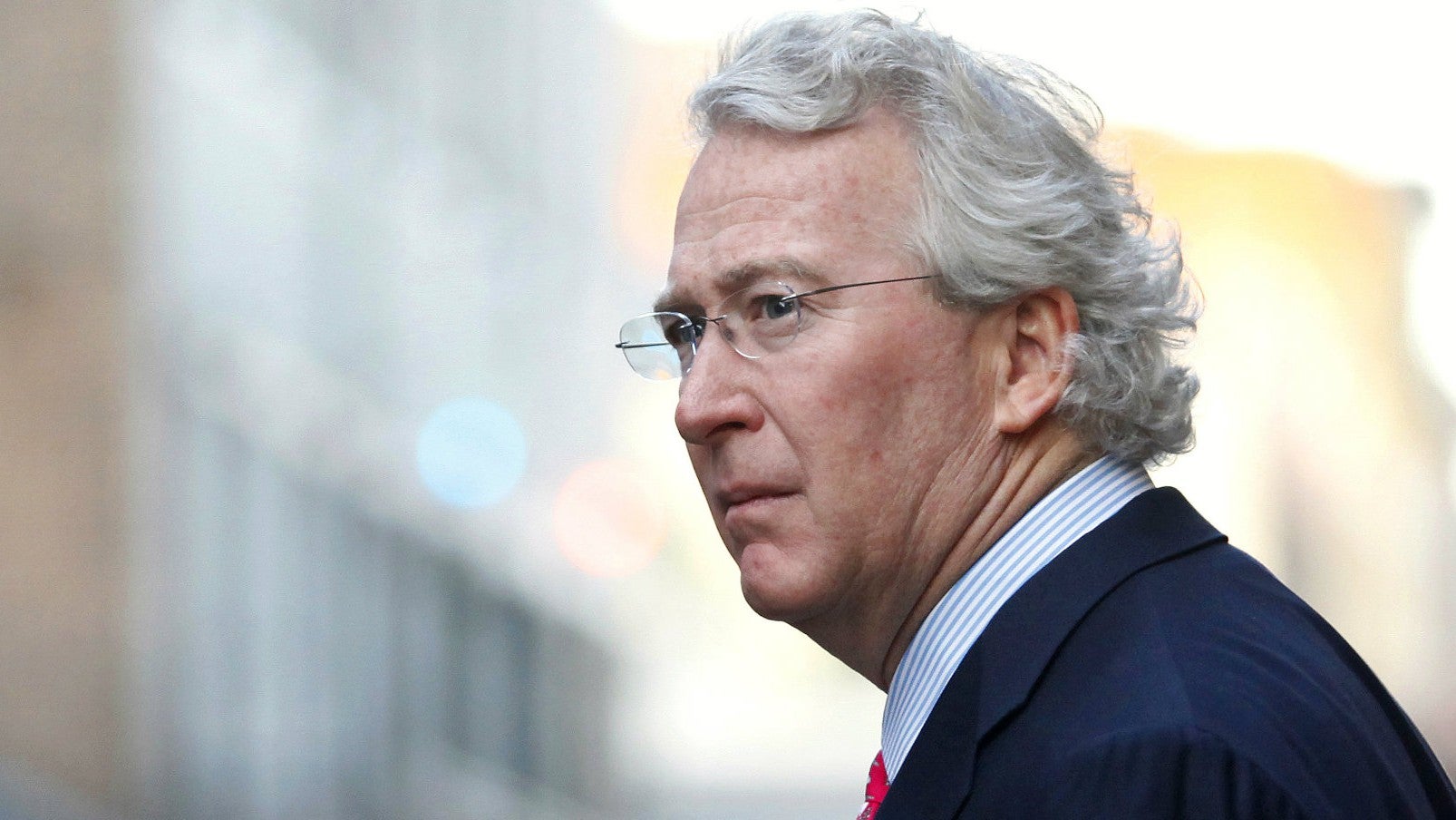
Former Chesapeake Energy CEO Aubrey McClendon died in a single-car crash in Oklahoma City, one day after his indictment on federal antitrust charges.
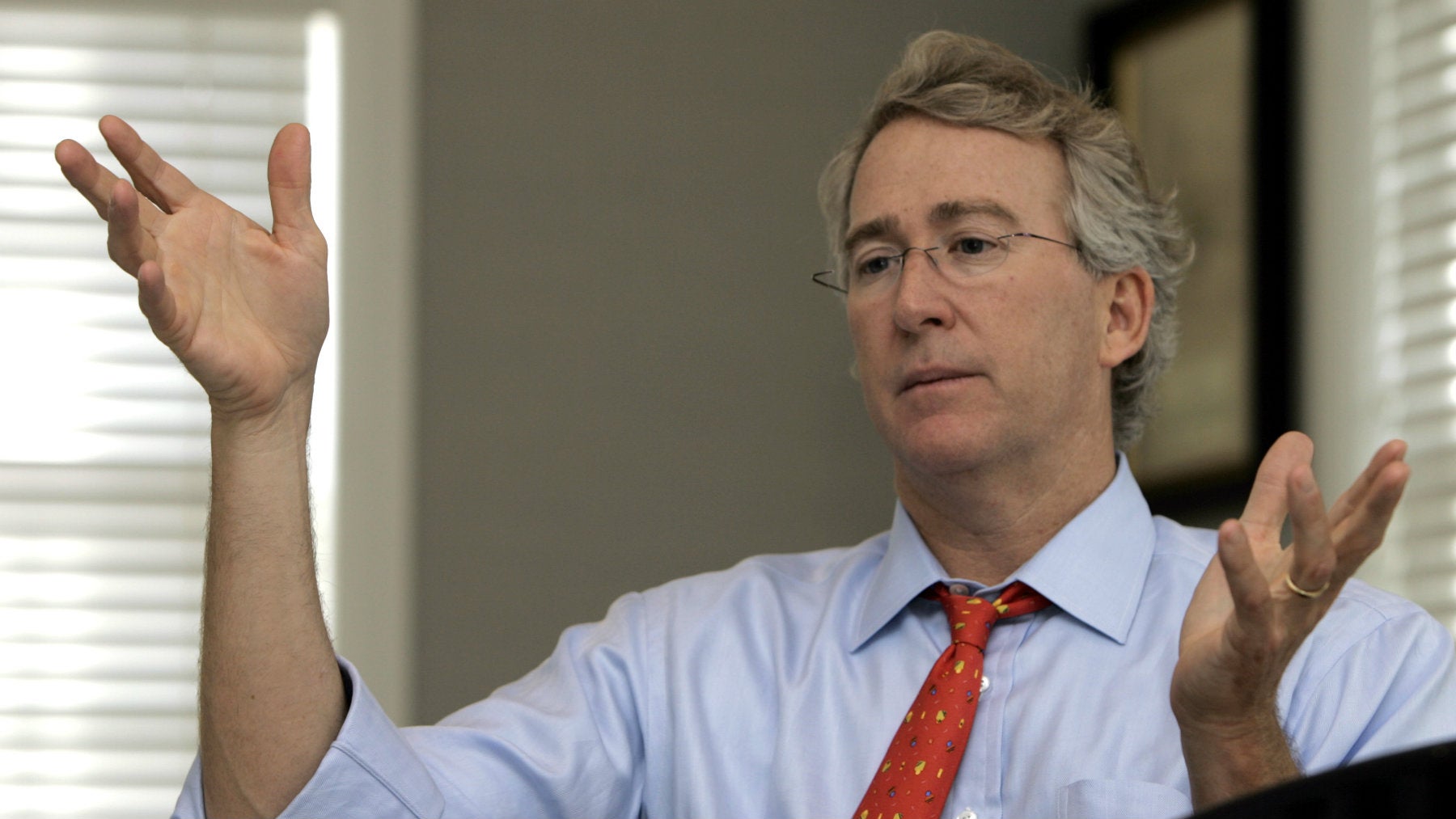
Bankruptcy court isn’t the only legal venue seeing some action in the commodities bust.
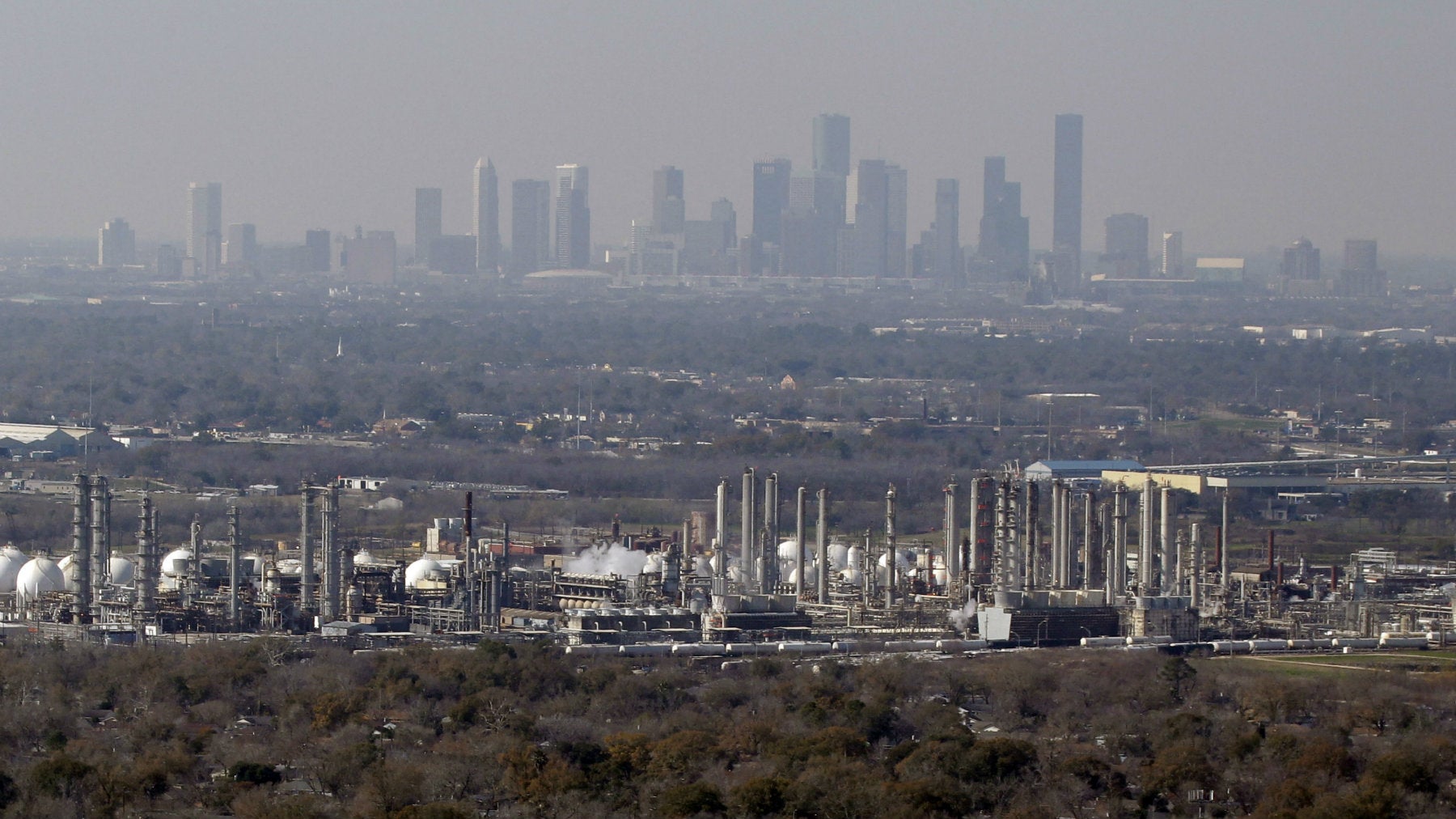
Houston is America’s oil capital, and in oil’s boom times it was a great place to be. But now that energy prices are slumping, the local job market is no better than that of the average American city. The Houston area’s unemployment rate hit 4.9% in December, just shy of the national rate of 5% at the time.
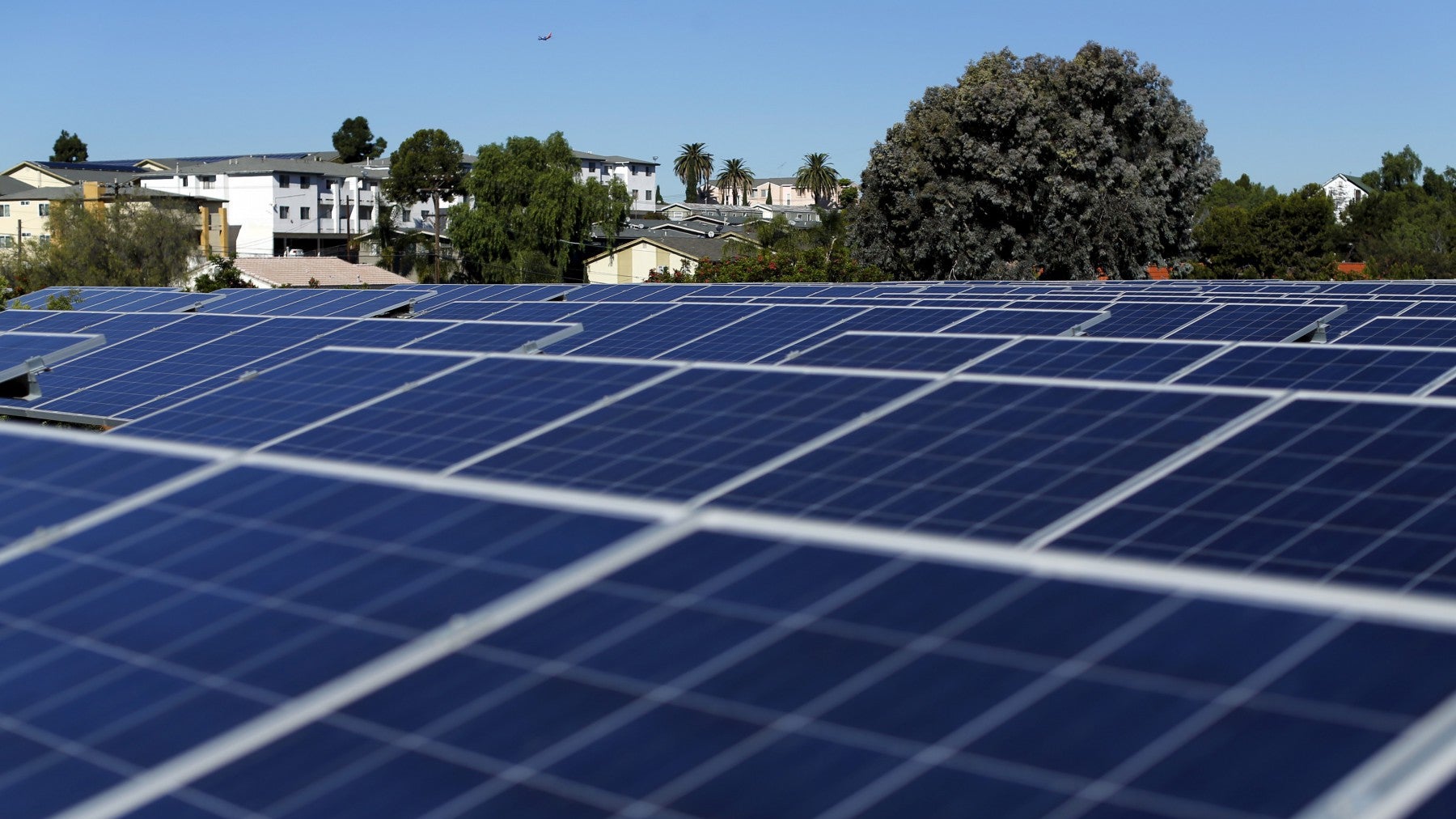
The US Energy Information Administration is projecting solar will be the country’s fastest-growing source of energy this year, with an additional 9 gigawatts of capacity built. California will set the pace with nearly half of that (3.9 gigawatts).

OPEC and other players in the global oil market are growing increasingly desperate to revive crude prices—not desperate enough to cut production, mind you, but willing at least to freeze supply where it is.
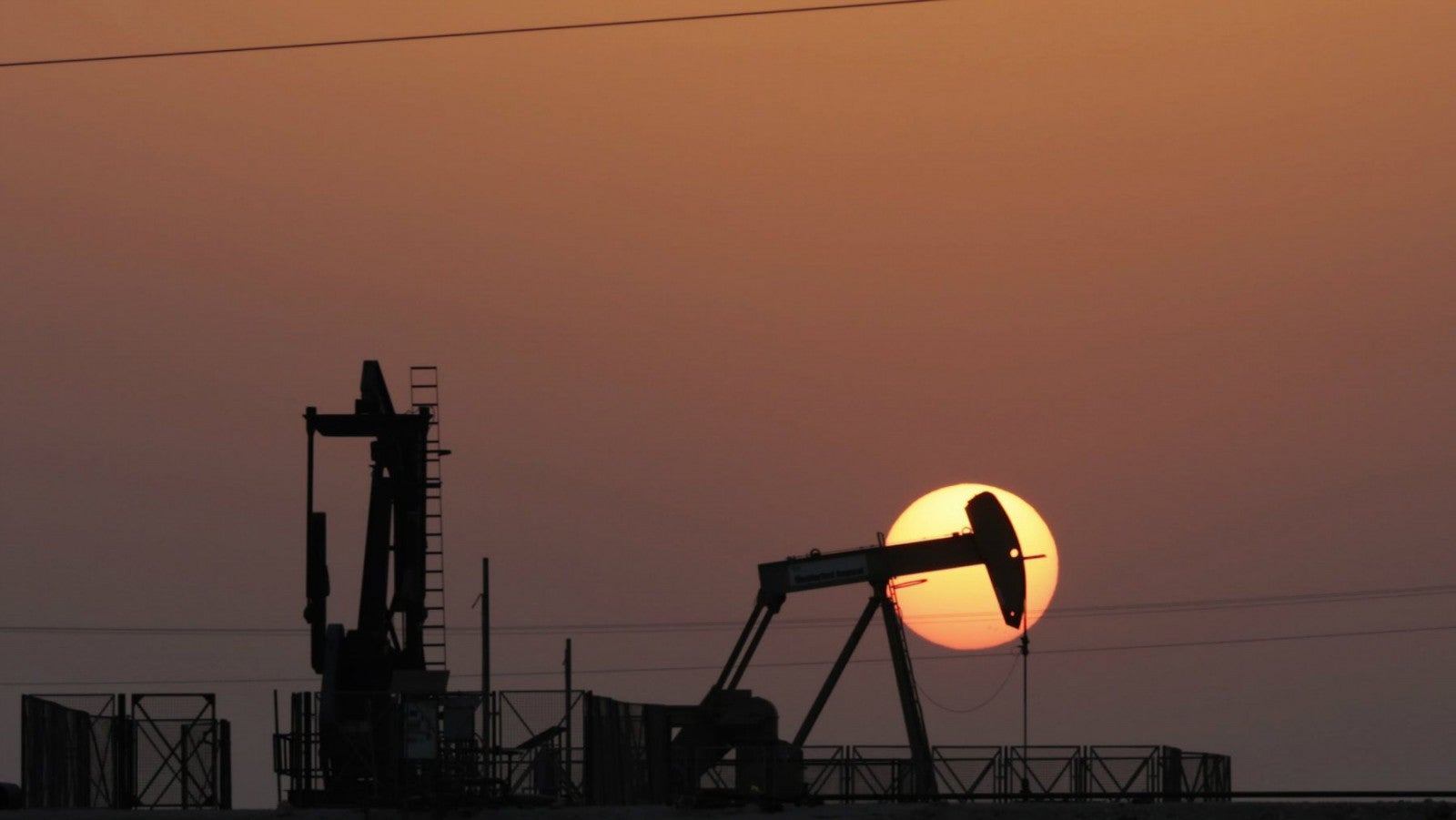
Back in June 2014, crude oil was more than $100 a barrel. Then it began its slump toward the mid-$30s, where it’s priced now. And it’s getting tougher for the oil industry to figure out what would represent even a partial return to previous heights.
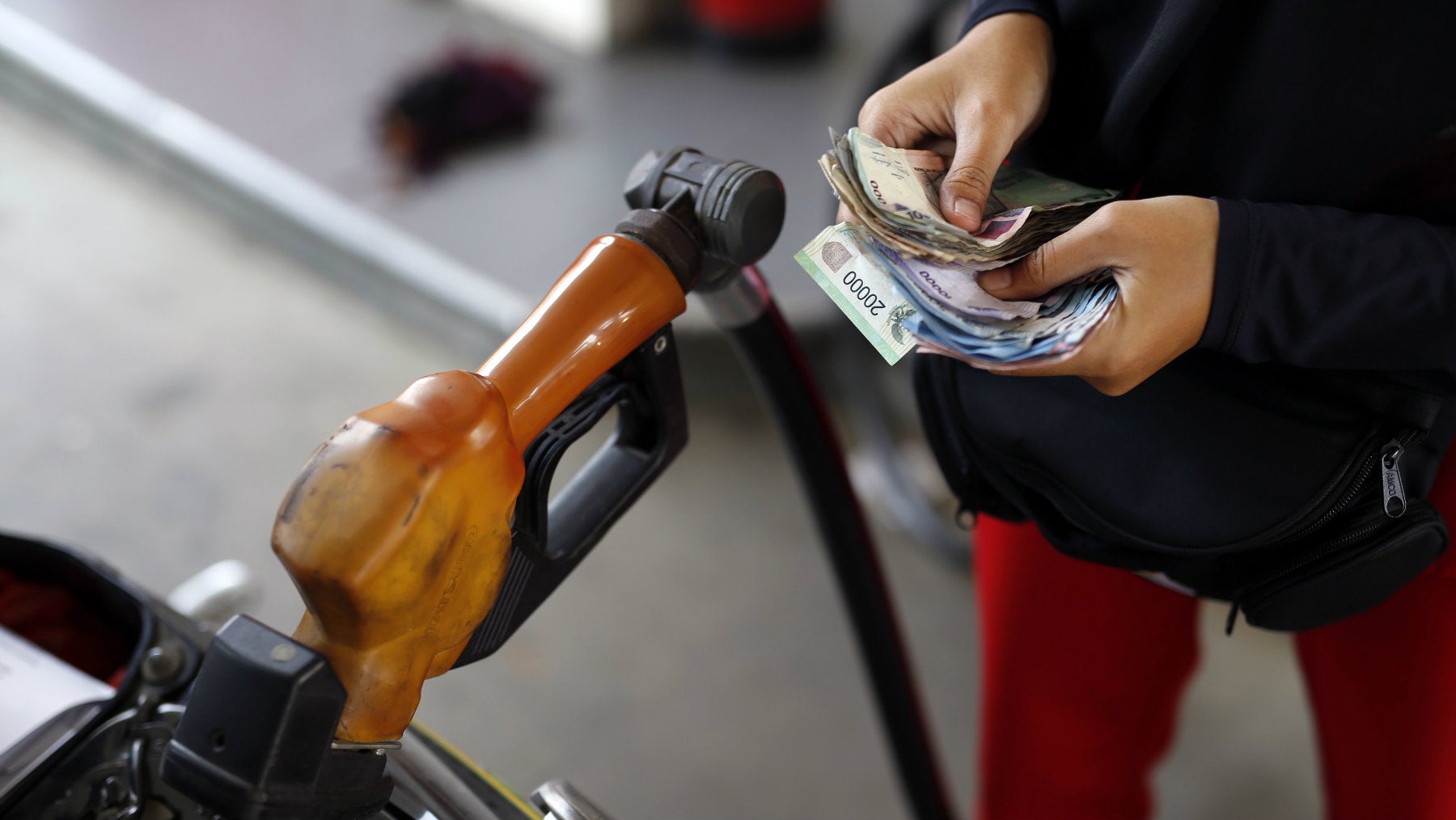
Lots of good things happen when oil prices are low. Sure, the global economy gets thrown off-balance and oil companies suddenly stop becoming giant profit engines, but at least it gets cheaper to fill up the tank.