Business News
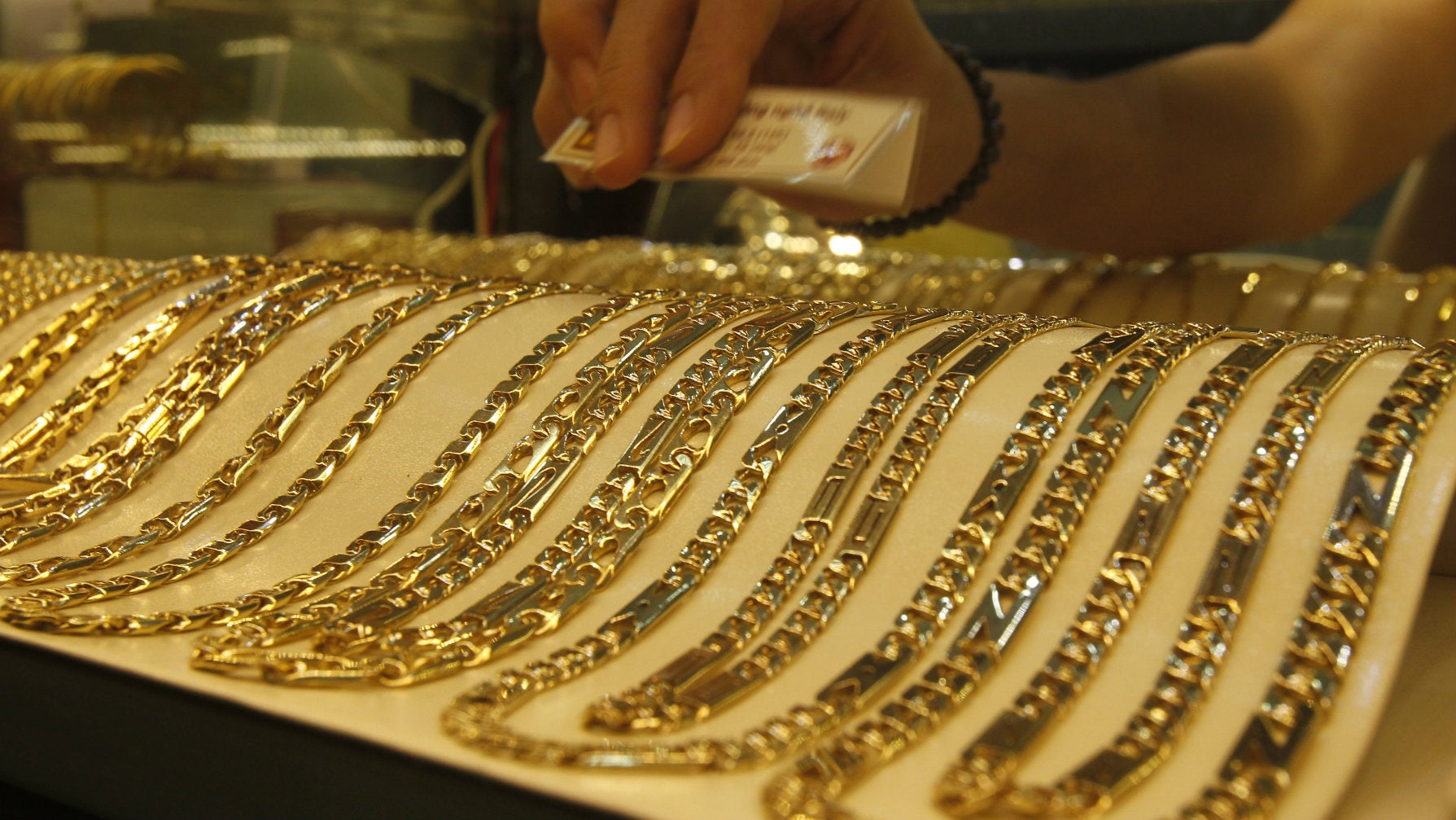
Gold prices are at their highest in a year, but Deutsche Bank still says “buy”To your bunkers!
Updated July 21, 20221 min read
To your bunkers!
So much for that idea.
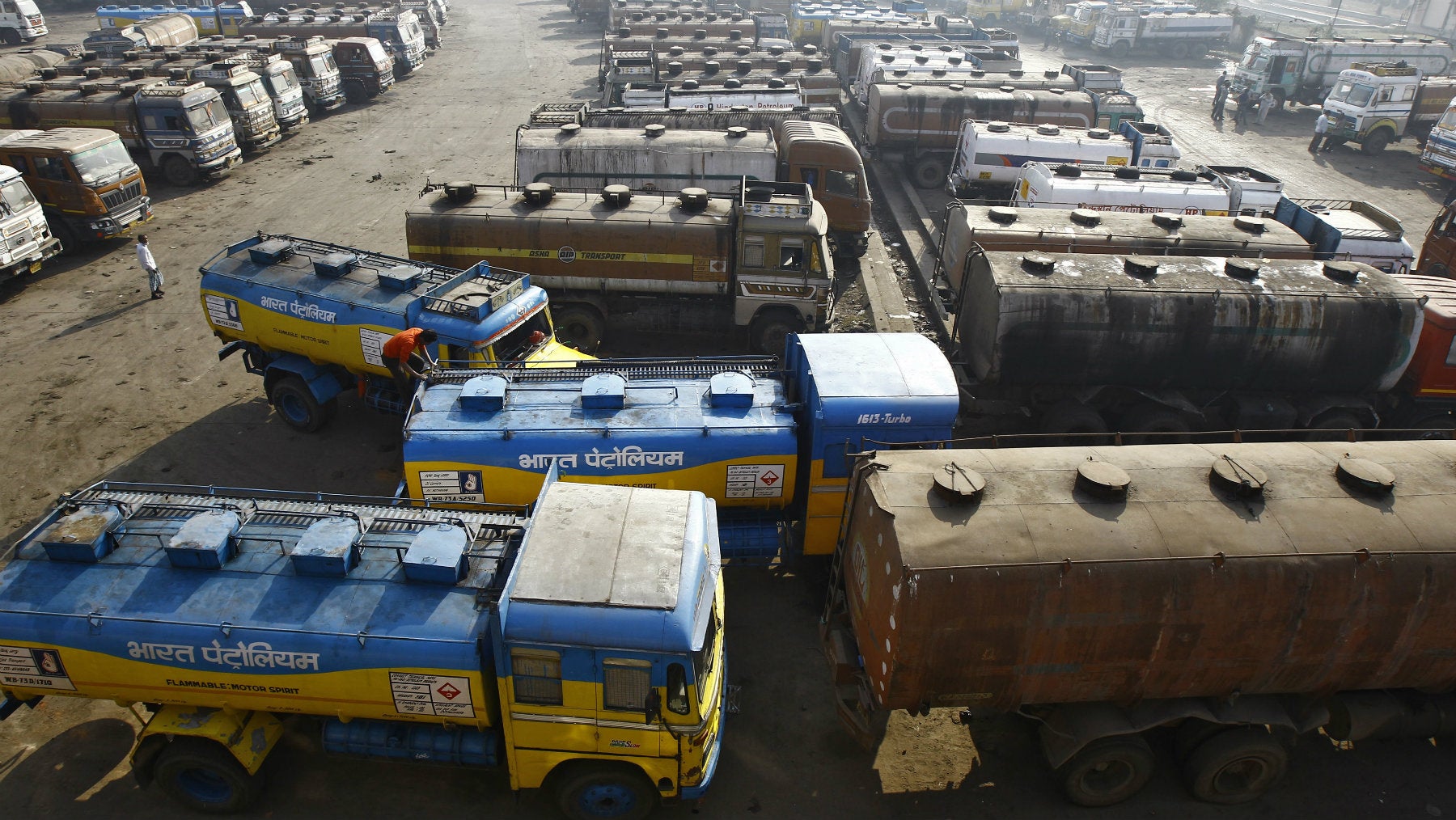
Although the oil world continues to watch Saudi Arabia and the US with baited breath, it also should probably be keeping an eye on India.
Surprise, surprise! Crude oil is falling again. The week’s big loser: US benchmark West Texas Intermediate, which fell below $27 per barrel for the first time since 2003.
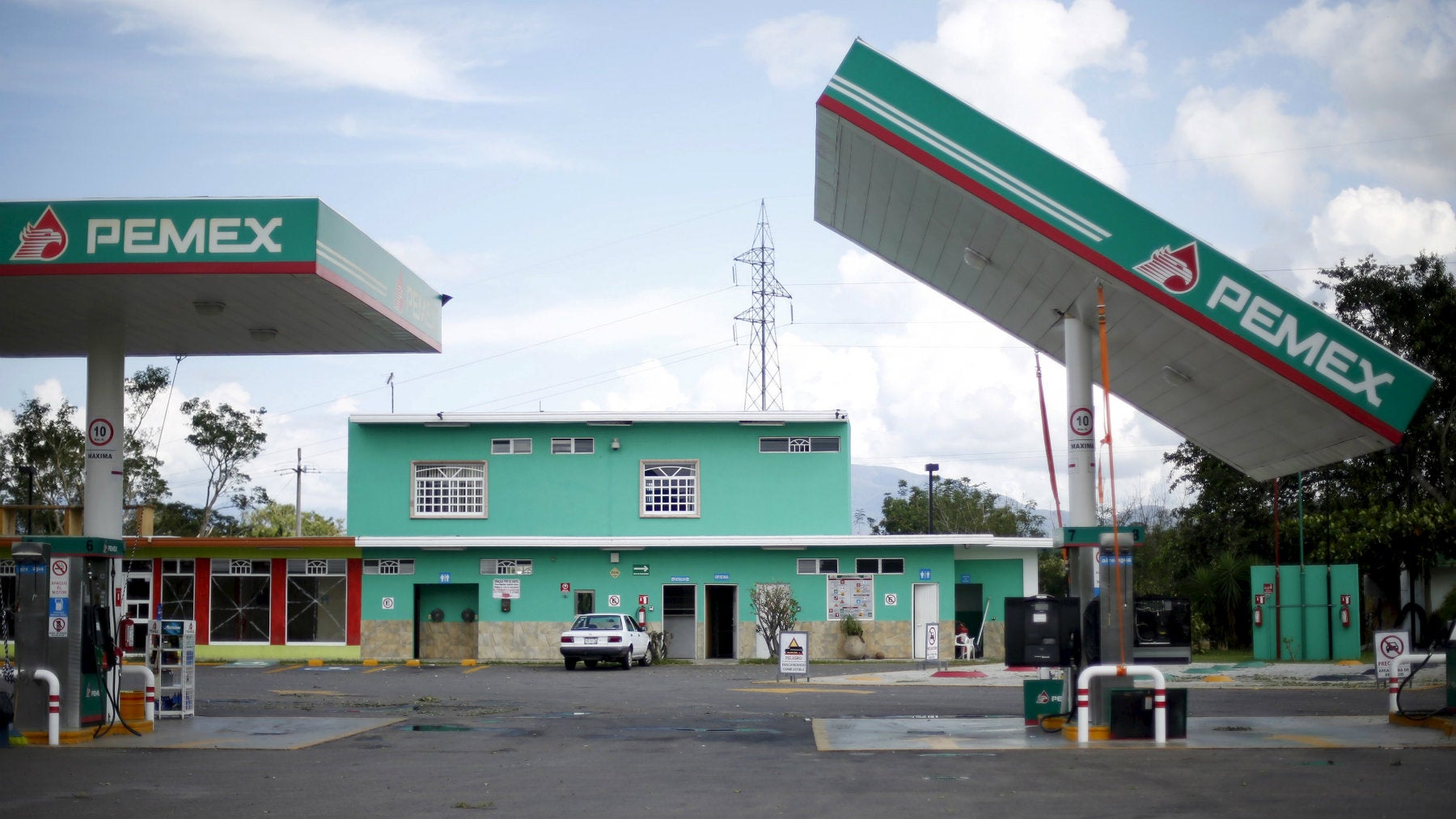
Pemex, Mexico’s state-owned oil company and one of the largest oil producers on the planet, has a new CEO in José Antonio González Anaya. The old one, Emilio Lozoya Austin, stepped down after Pemex announced a big budget cut from the Mexican government.
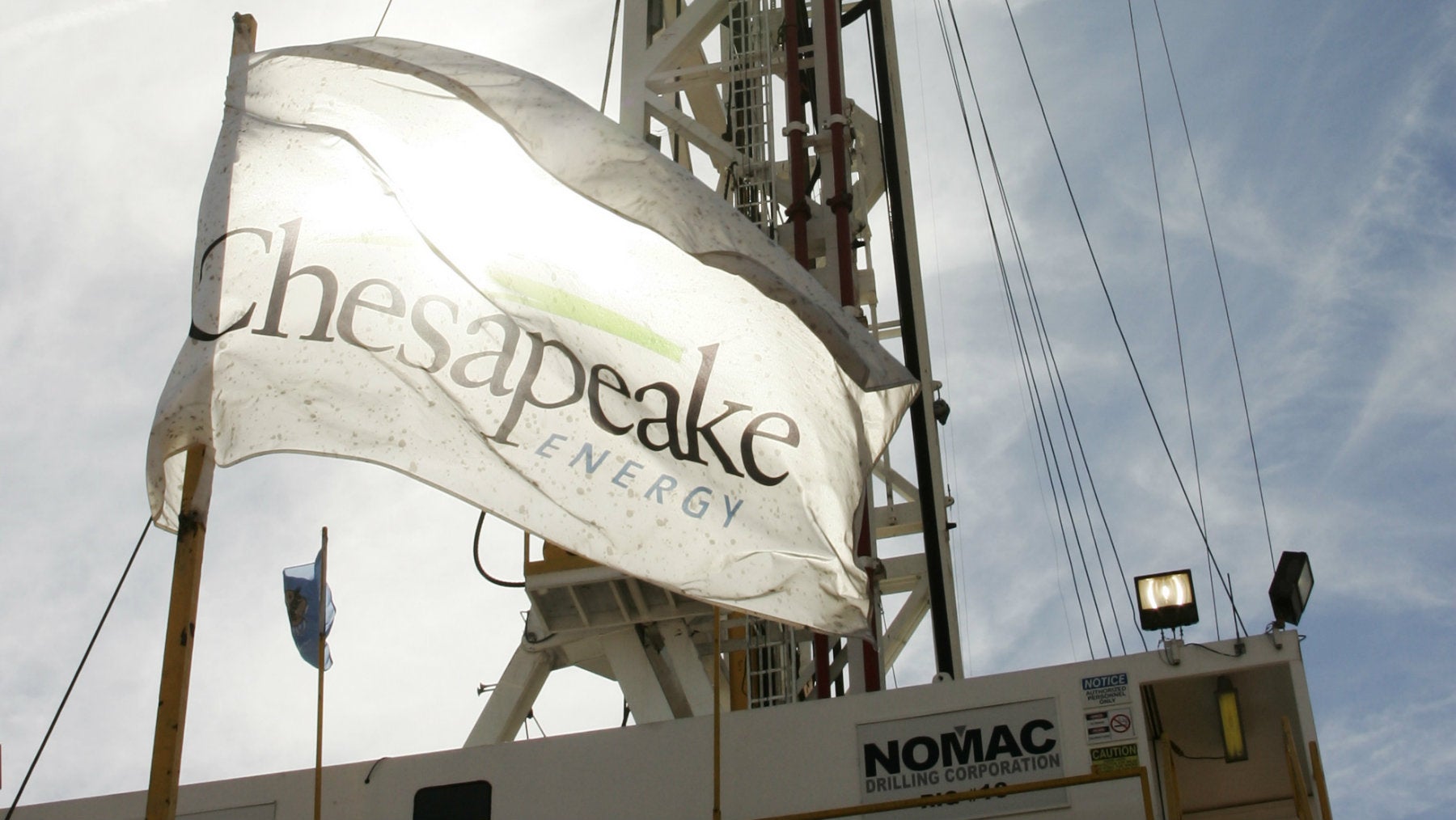
Shares for Chesapeake Energy, the second-largest natural gas producer in the US, plunged as much as 50% Monday morning (Feb. 8) on news that the company has reportedly hired restructuring lawyers from the firm Kirkland & Ellis. Shares are now down about 34%.
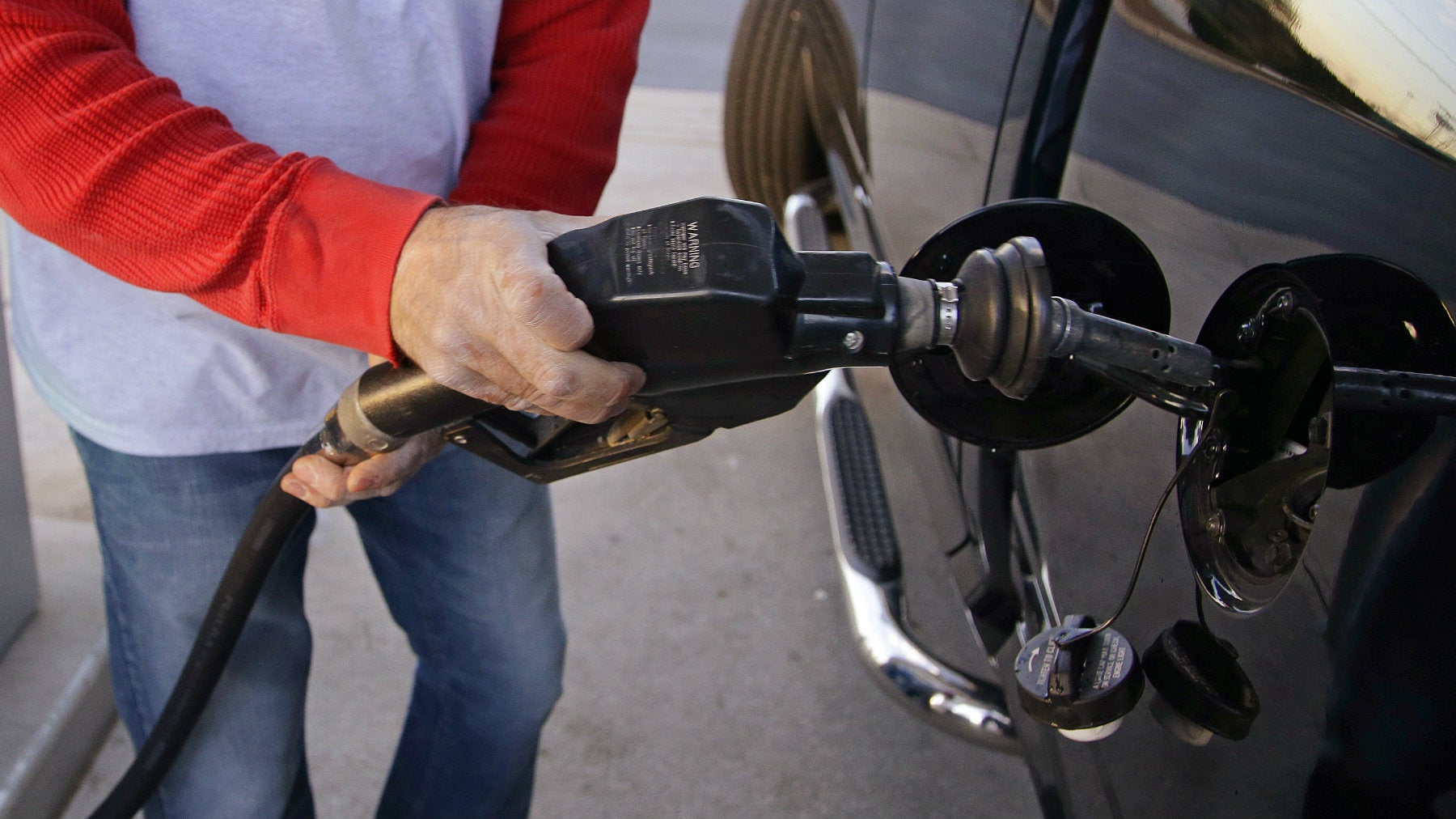
US president Barack Obama has proposed building a “21st-century clean transportation system.” That roughly translates to more spending on public transit and a decrease in greenhouse-gas emissions. But the the most important part of the proposal—most proposals, really—is how it’s getting paid for.

The Federal Reserve wants it to be one way, but investors and other major central banks are pointing to something else.
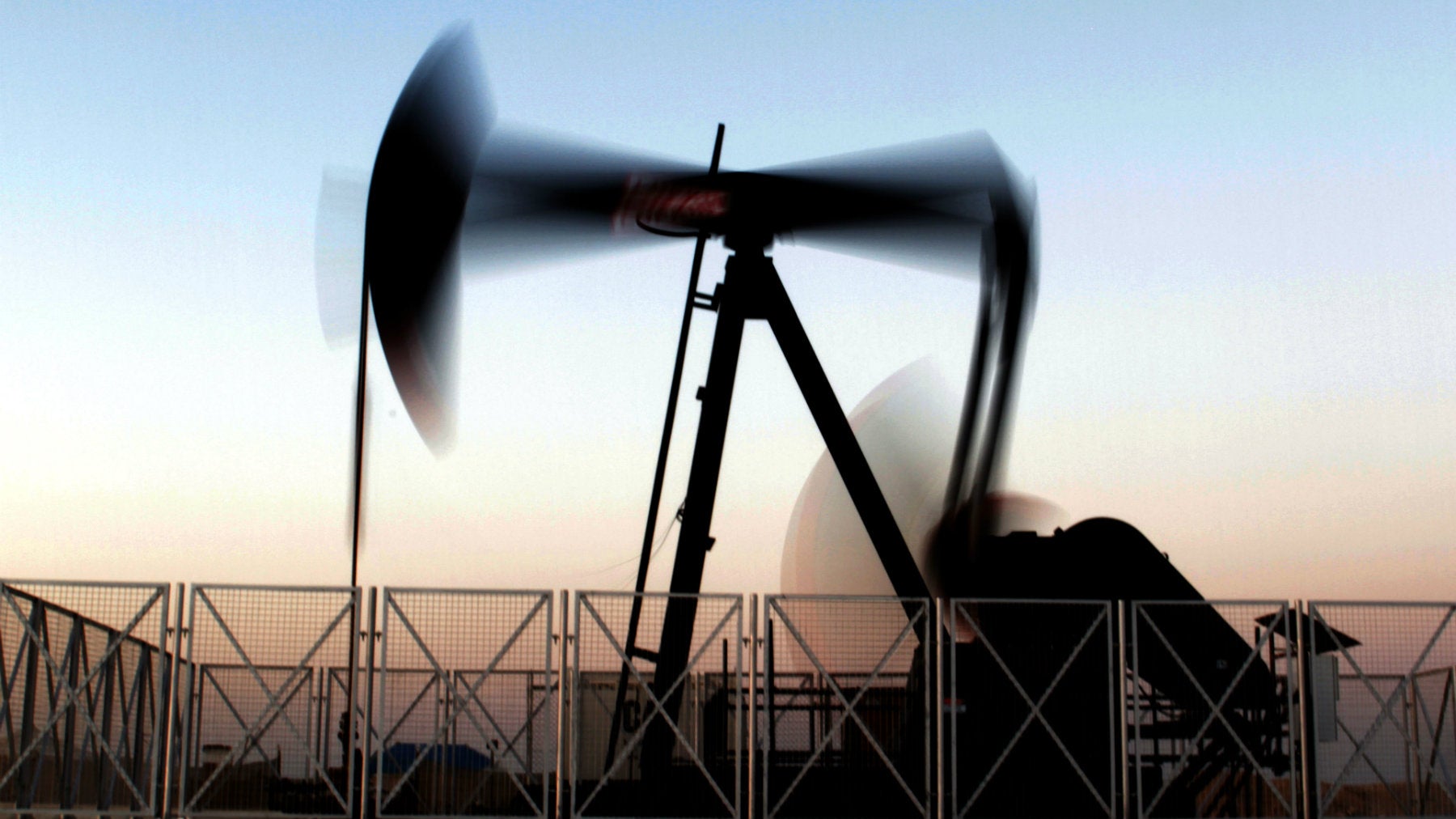
Things are looking bleaker and bleaker on the oil patch, according to Standard & Poor’s (registration required). It downgraded credit ratings on 10 US oil and gas firms (knocking three of them into junk-debt status), gave three a negative outlook, and put three more on notice with negative implications.
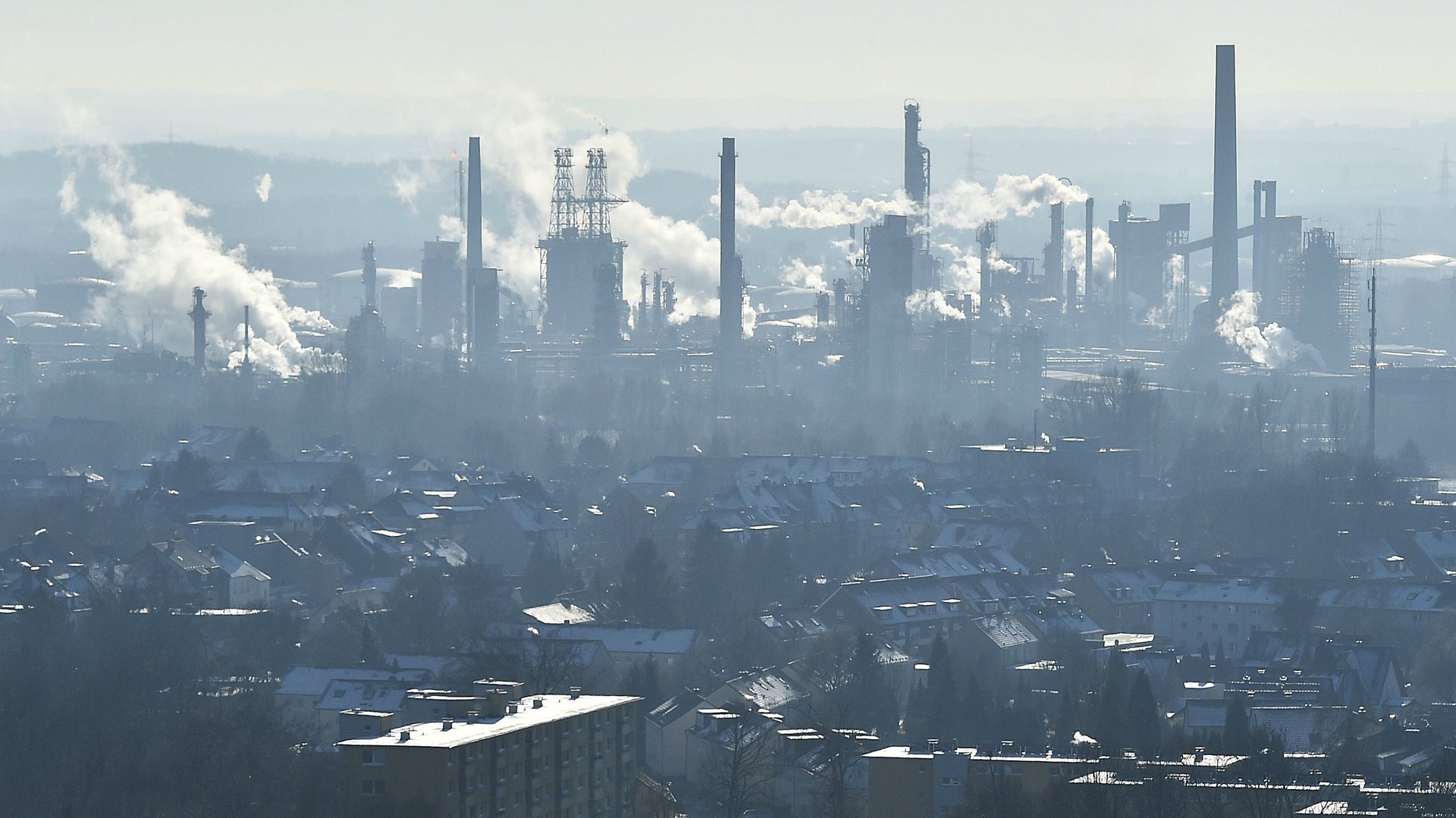
BP just reported earnings (pdf), and they weren’t good.
Google’s parent company, Alphabet, is now bigger than Apple—and every other publicly traded company on Earth.
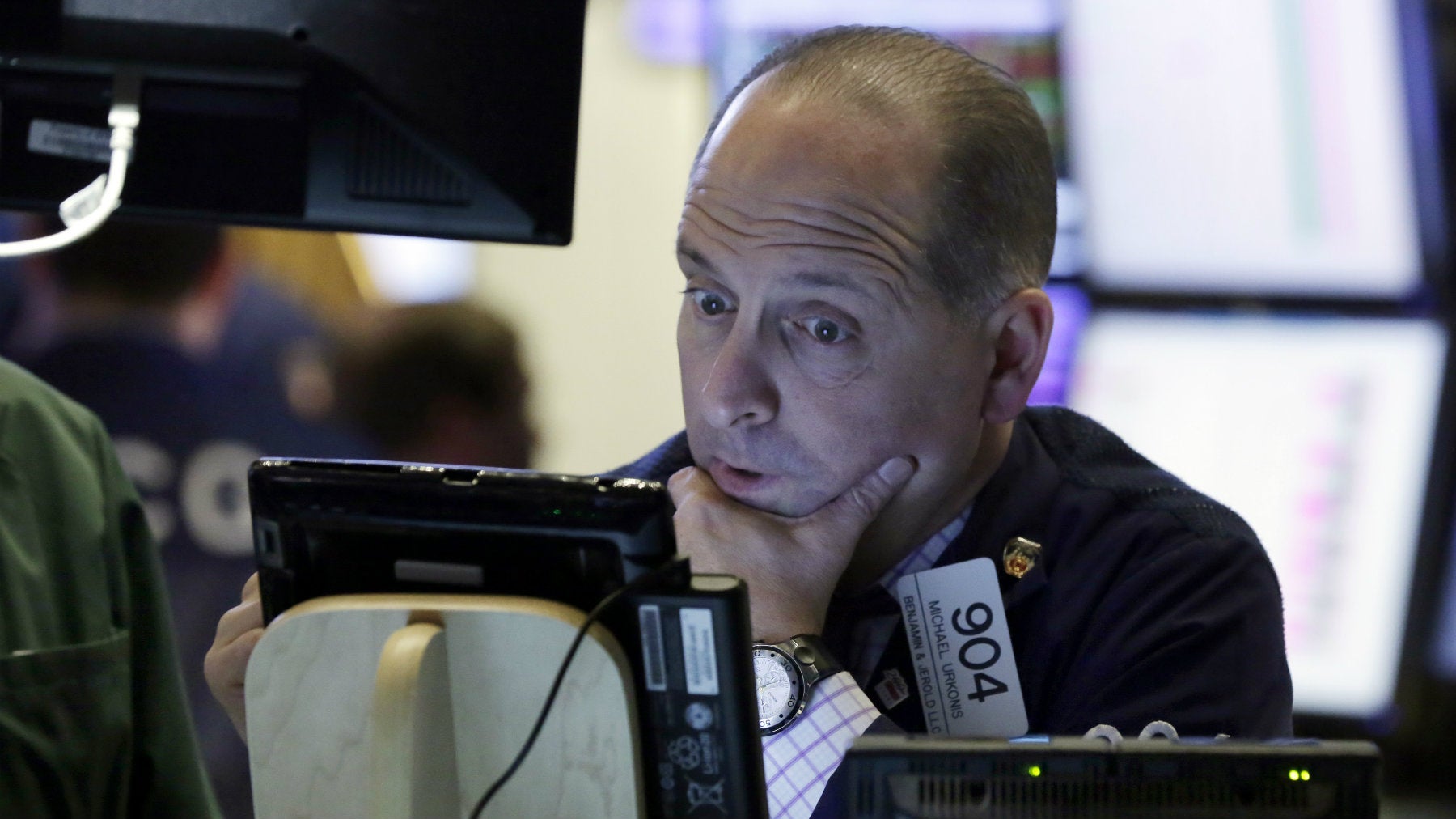
Not a single company managed to go public in the US in January, marking the first month since 2011 to record an IPO shutout.
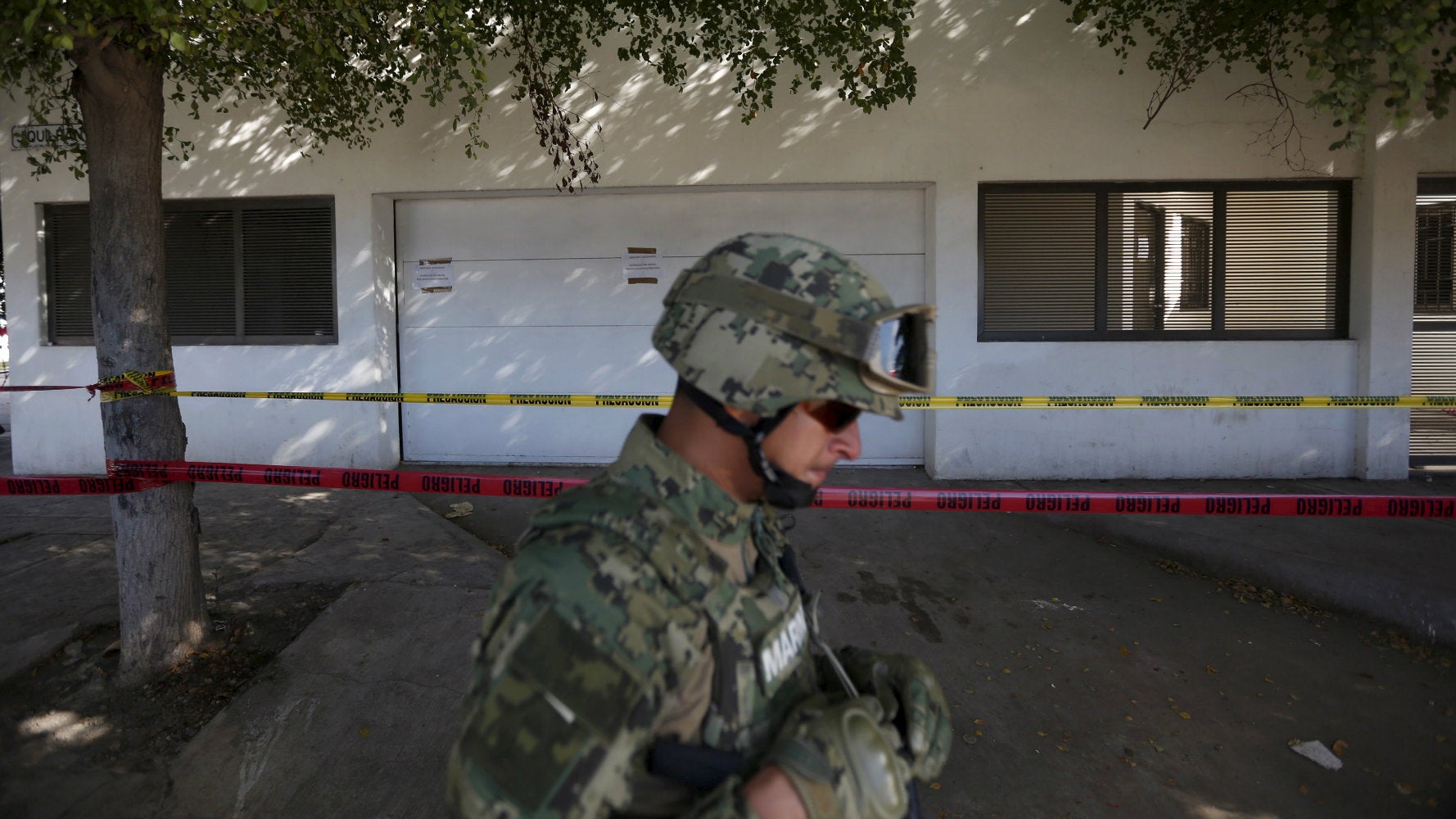
US and Mexican drug enforcement authorities just announced that they captured several gang members in a raid that took place near the Arizona border with Mexico, according to Reuters, the Guardian, and others.

Despite moving to a new neighborhood in the form of a premium cable network, Sesame Street feels right at home alongside the prestige TV it has long skewered gently in the name of children’s education.

Girbaud Shuttle jeans weren’t just big, they were huge. The baggy, strappy denim was a wardrobe staple across the US in the early 2000s, and since then largely relegated to fashion’s dustbin.
The crude crumble rolls on.
It may have been wrong to call oil’s rise a dead cat bounce last week.
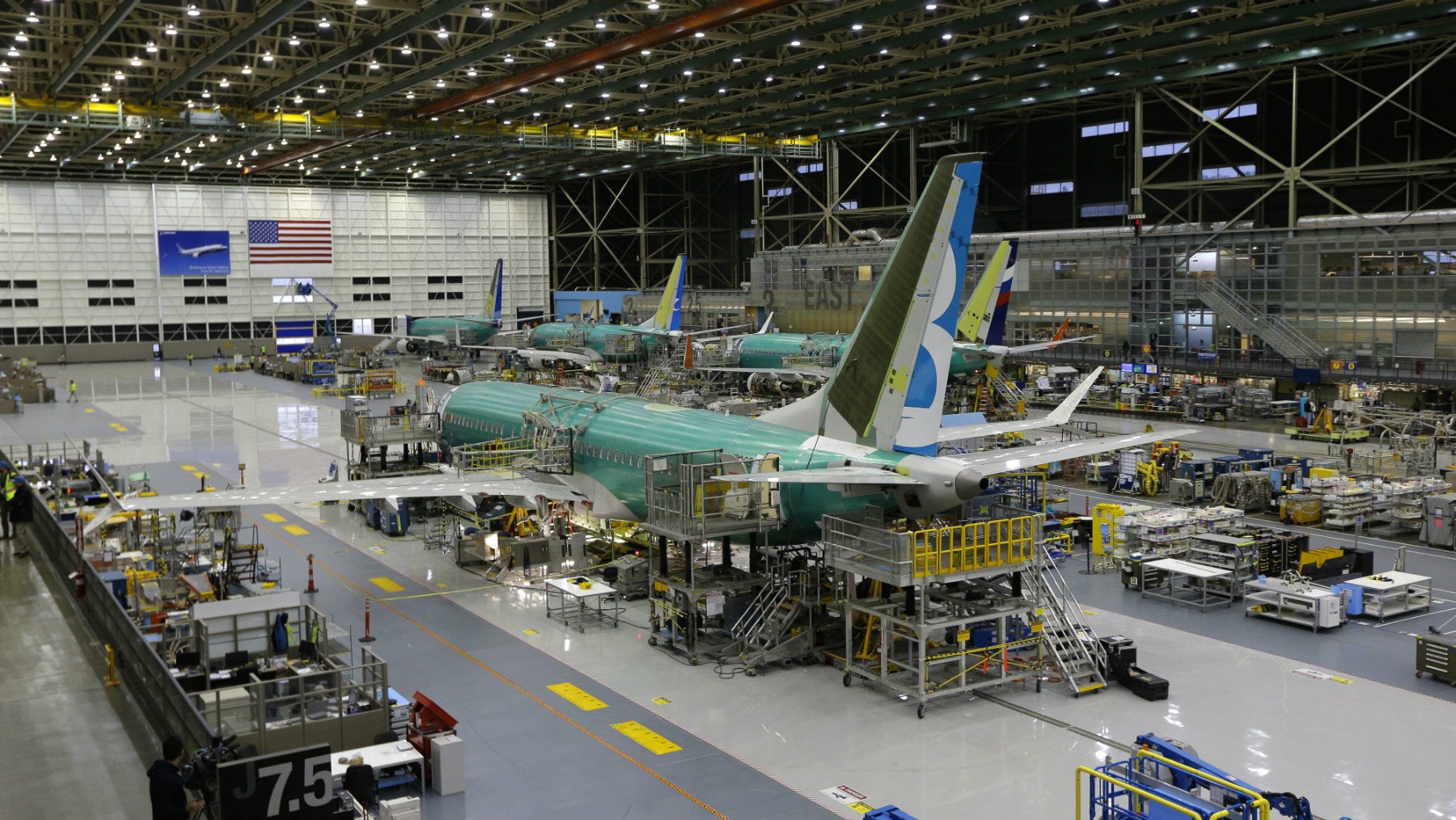
Investors weren’t very keen on Boeing’s latest quarter. Even though it beat profit expectations and hit its revenue targets, they still sent the stock down 7.8% today (Jan. 27) and erased $6.8 billion from its market value.
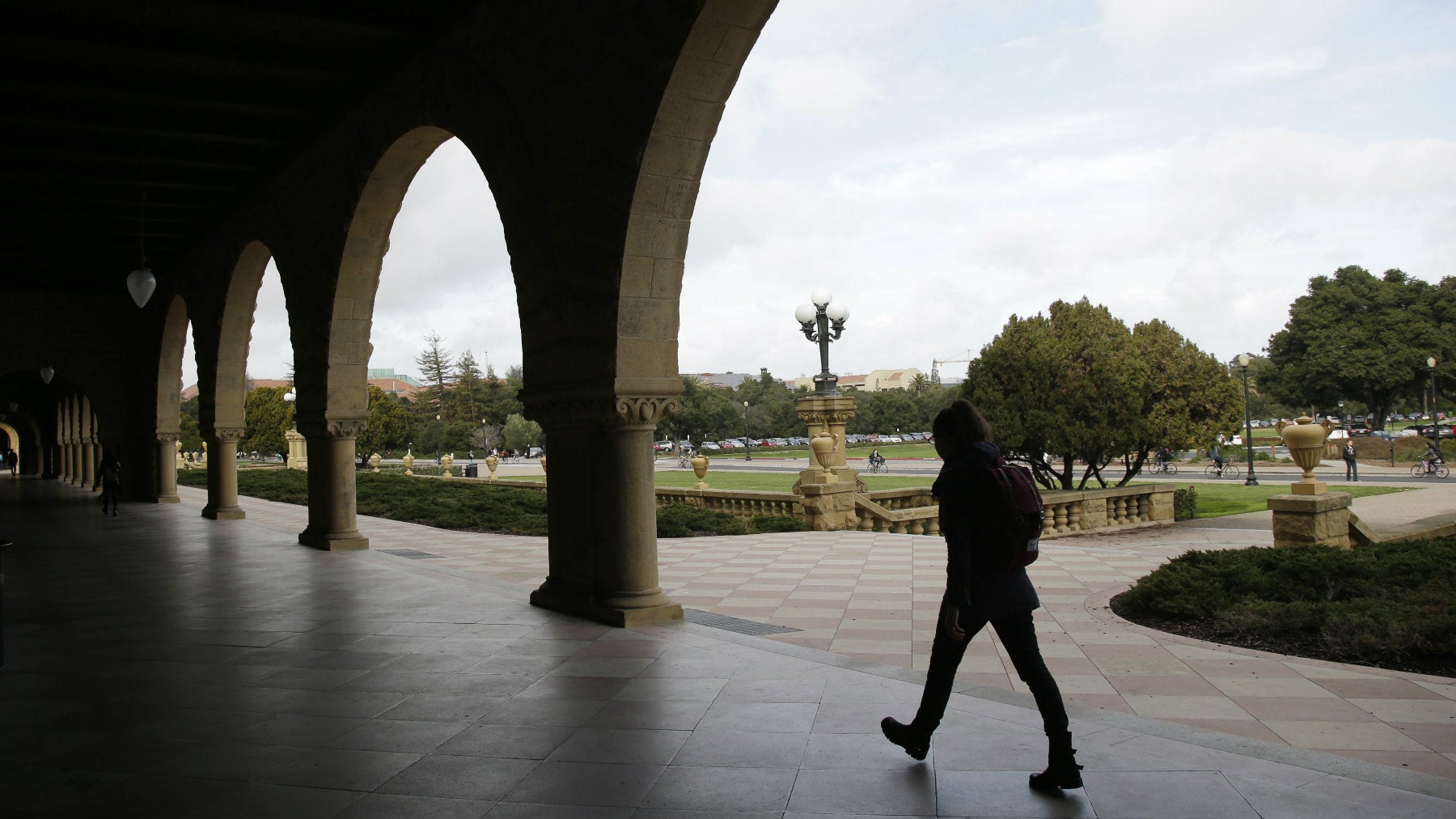
America’s colleges are raking in more money than ever before. The Council for Aid in Education estimates they had a $40.3 billion haul in 2015, a record for its annual survey of higher education fundraising (pdf).
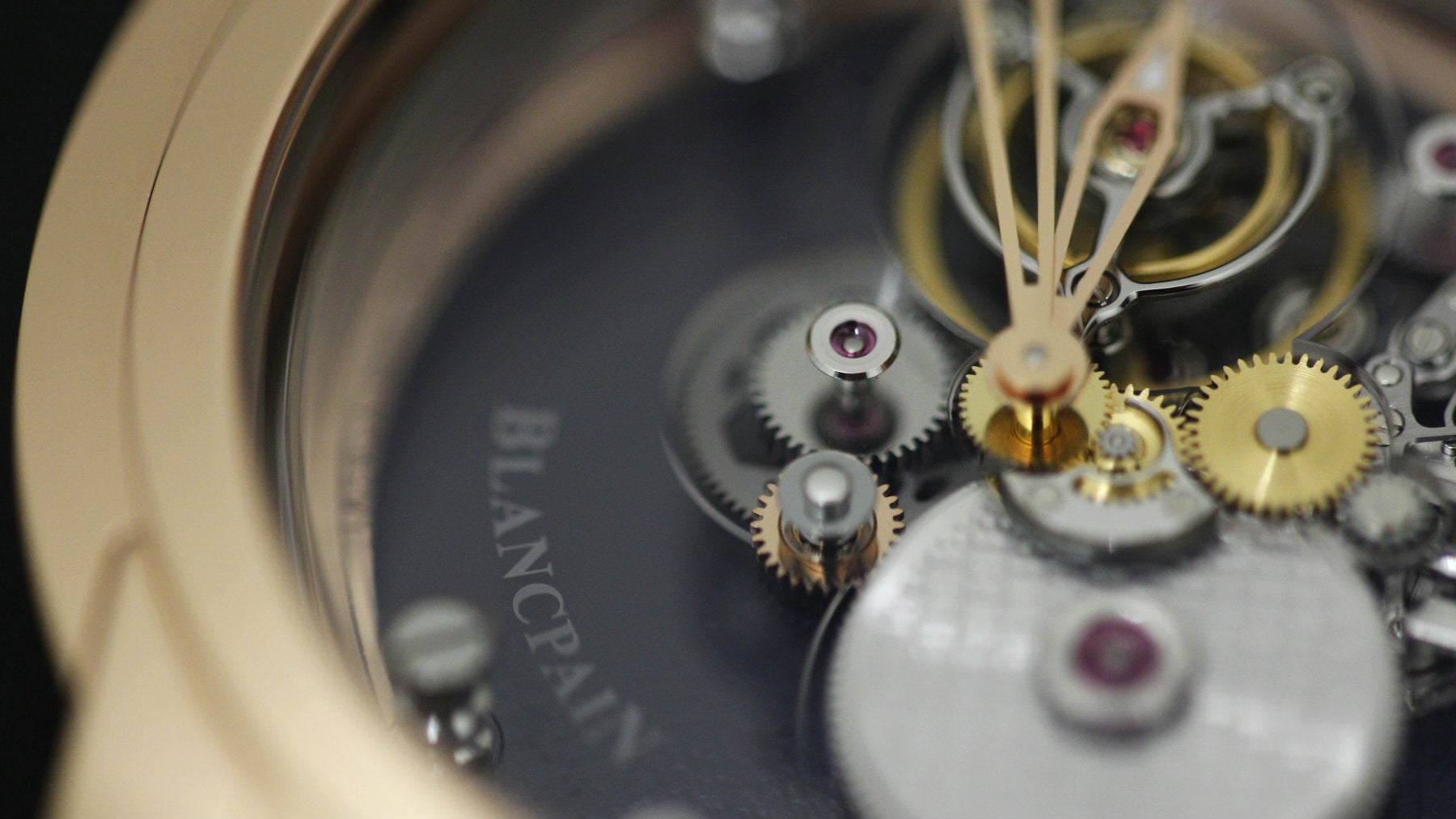
Swiss watches saw their first year of declining sales abroad (pdf) since 2009, with exports shrinking more than 3.3% in 2015 from a year earlier to CHF 21.5 billion ($21.1 billion).
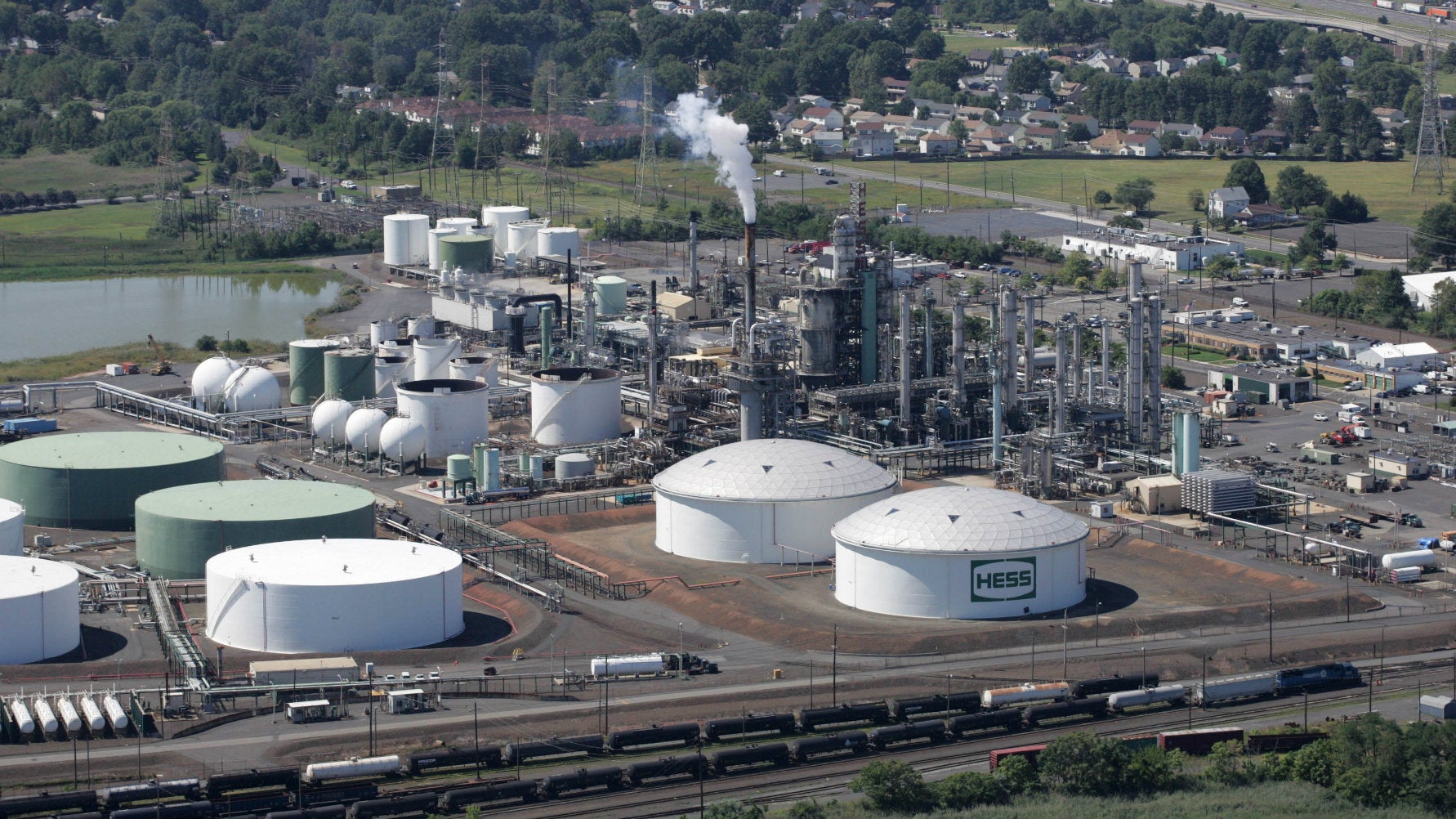
US oil prices are suddenly on the rebound, rising more than 3% today (Jan. 26) on news that a Russia-OPEC deal to cut global production might be closer than previously thought. But that won’t be enough to undo some of the damage done to the oil industry because of low prices.
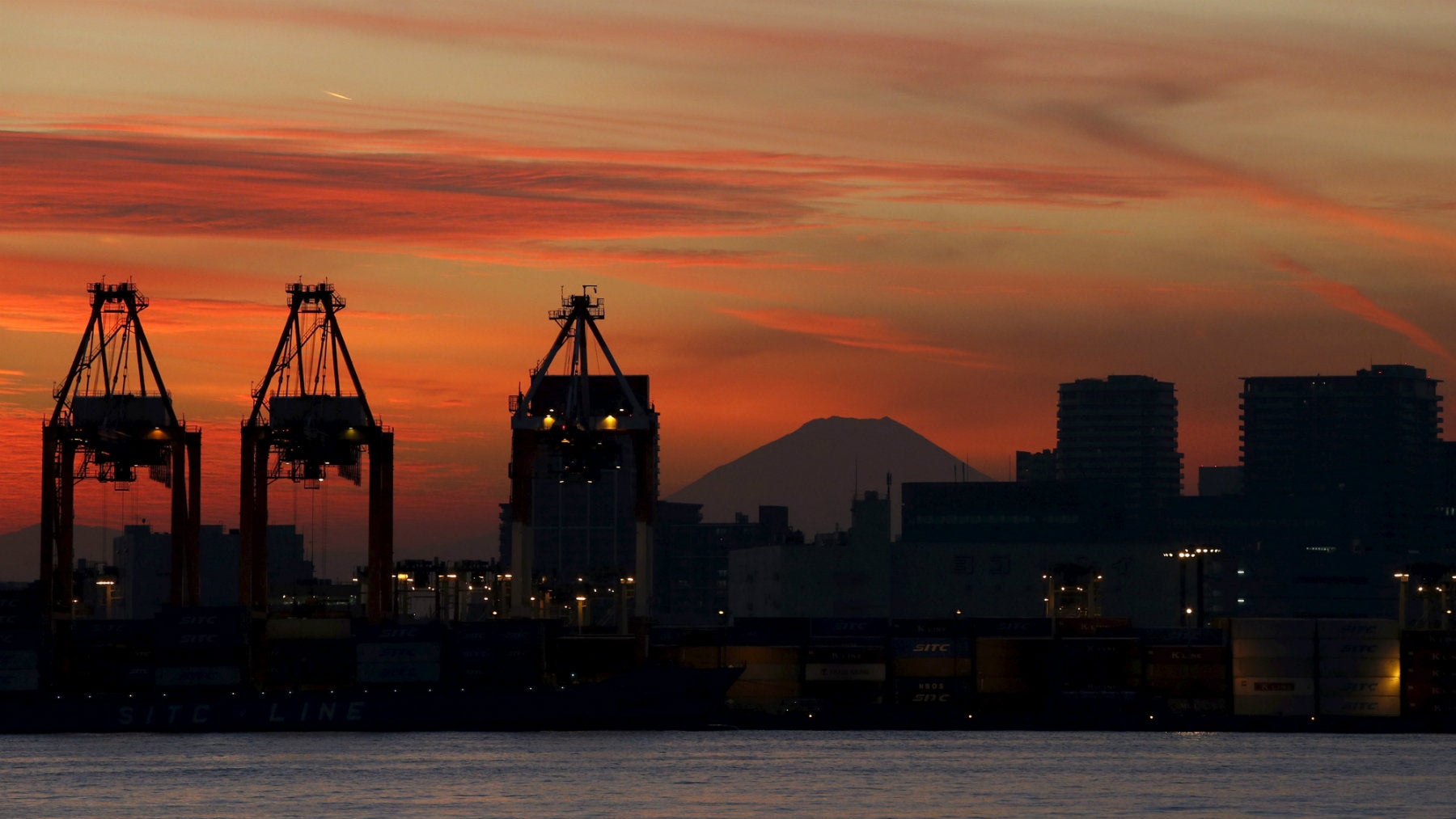
Japan’s exports are continuing to sag, falling 8% (pdf) since this time last year. The only reason Japan recorded a trade surplus last month was because its imports are falling even faster.