Turkey announced that it has spent $7.6 billion caring for the 2.2 million Syrian refugees living within its borders. It’s a staggering figure amid a crisis that is sure to yield many more of them. But it’s the more modest figures, showing humanitarian aid donated, that indicate how desperate the situation could become.
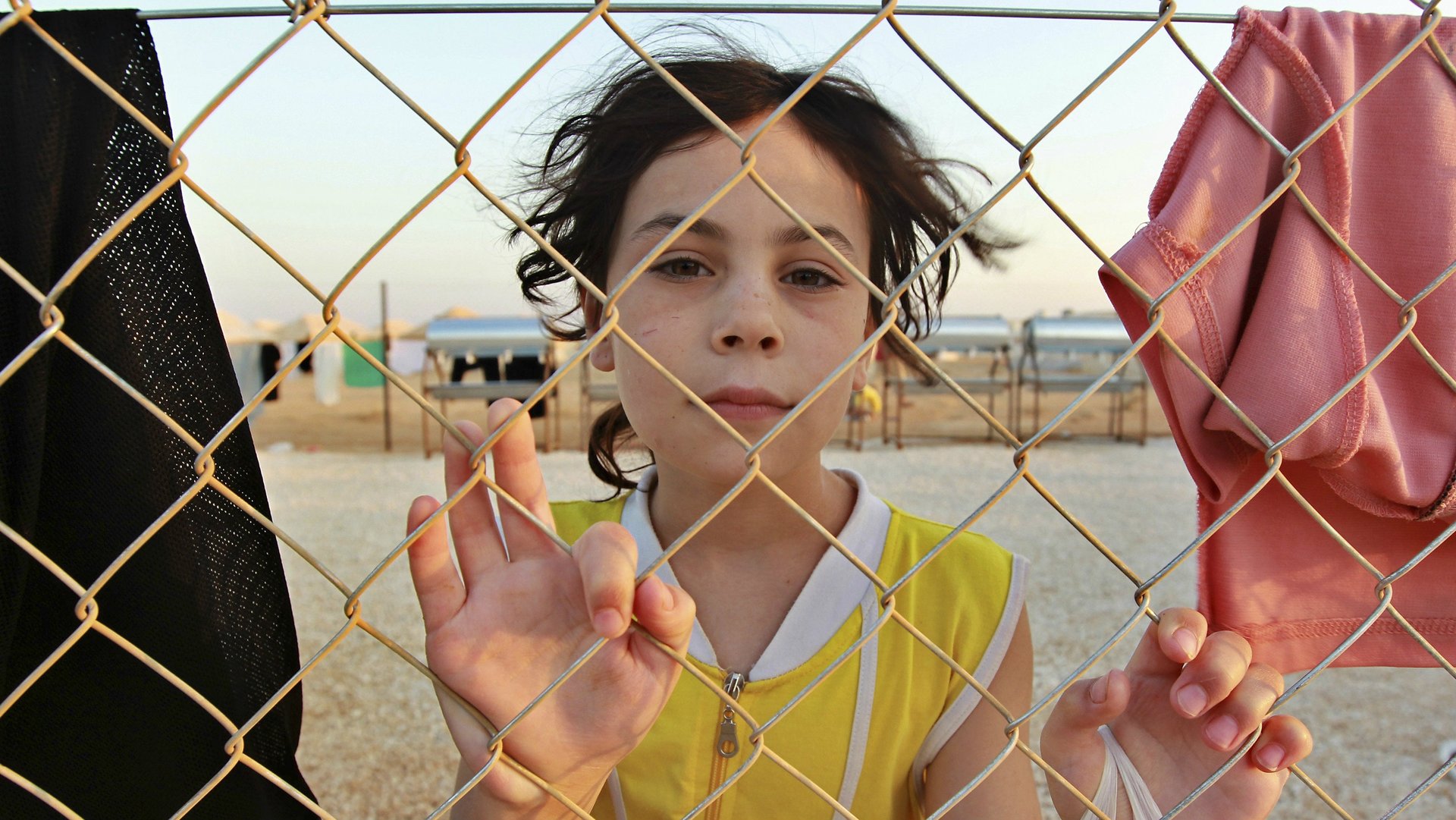
Turkey announced that it has spent $7.6 billion caring for the 2.2 million Syrian refugees living within its borders. It’s a staggering figure amid a crisis that is sure to yield many more of them. But it’s the more modest figures, showing humanitarian aid donated, that indicate how desperate the situation could become.
The Jordanian Economic and Social Council estimates that the direct cost of housing Syrian refugees in Jordan will reach $4.2 billion by 2016. Meanwhile, Lebanon’s social affairs minister announced last December that the Syrian crisis had so far cost the country $20 billion; it’s likely that the figure has soared since.
Join 500,000+ readers who start their day with Quartz.
By subscribing, you agree to our Terms of Service and Privacy Policy.
The above figures do not represent the full financial tally of the crisis—they do not include the financial burden on Egypt or Syria, for example—and self-reported statements may end up reflecting just a fraction of the total cost.
The World Bank calculated that (pdf), from 2011 to mid-2014, the crisis has cost the Levant (Turkey, Syria, Lebanon, Jordan, Iraq, and Egypt) $35 billion in economic output, but this did not include the cost of delivering basic services to refugees.
The full economic impact of the refugee crisis will be revealed over many decades, and will include the long-term effect on the tourism industry as well as more immediate costs, such as the strain on health services.
Meanwhile, the costs reported by Middle Eastern countries, compared to the amount of humanitarian aid donated by other nations since 2012 (as recorded by the Financial Tracking Service), show why the refugee crisis is likely to worsen.
A lack of funding led to a sharp drop in food rations for Syrian refugees earlier this month. The UN high commissioner for refugees, António Guterres, told The Guardian that humanitarian agencies are unable to do enough to help. “We know that we are not doing enough, we are failing the basic needs of people,” he said. “The situation is beyond irreparable.”
Desperate conditions in the Middle East mean that many refugees are now leaving Syria’s neighboring countries and are traveling to Europe, where several countries complain that they cannot cope with the growing requests for asylum. But it’s clear that without some form of aid, overburdened refugee recipients in the Middle East won’t be able to properly support them either.
