Amazon these days has about 45,000 robots at work in its fulfillment centers, a roughly 50% increase over 30,000 last fall. But robots haven’t replaced humans: The company employed 341,400 part- and full-time (human) workers at the end of 2016, also about a 50% increase over the same time the year before.
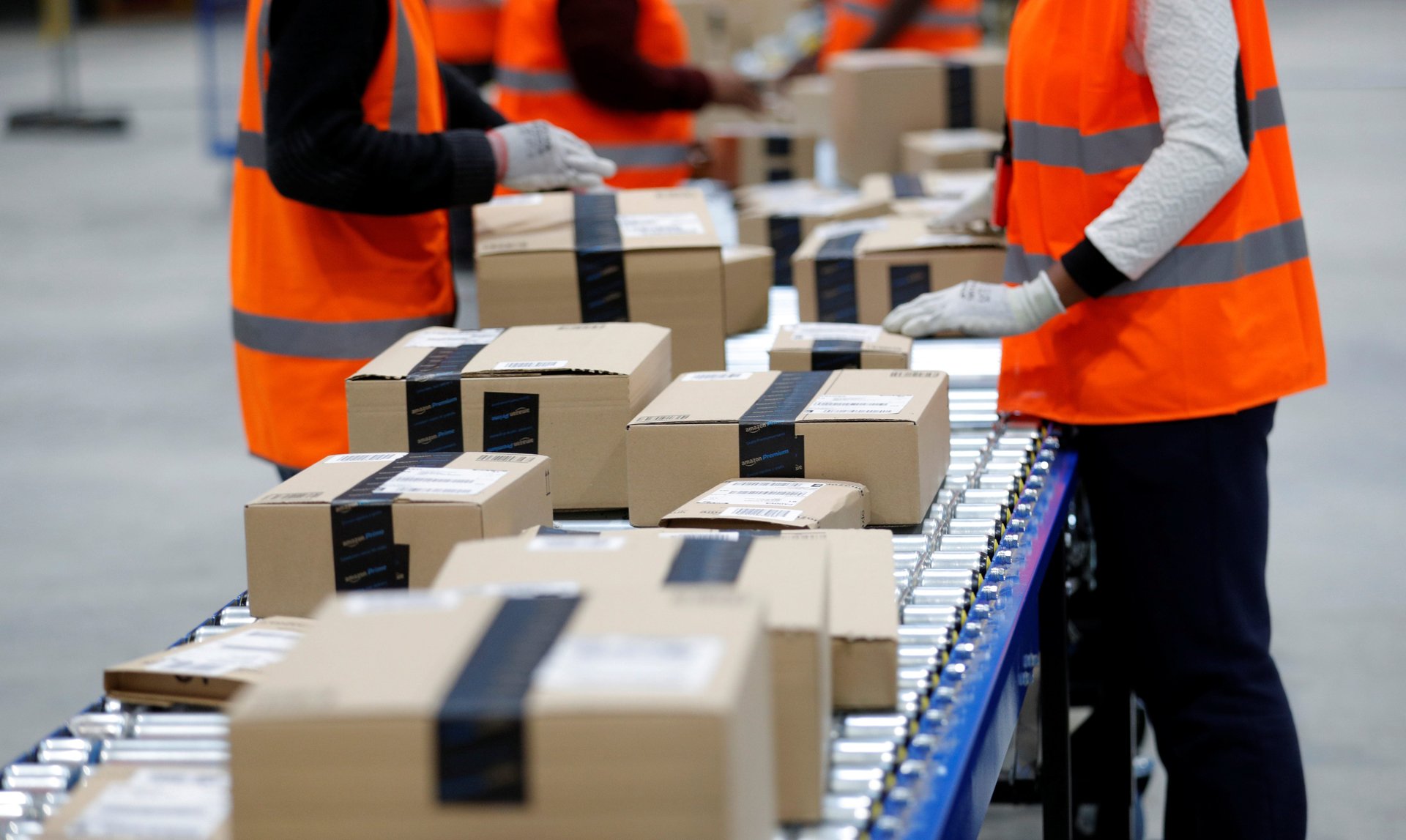
Amazon $AMZN these days has about 45,000 robots at work in its fulfillment centers, a roughly 50% increase over 30,000 last fall. But robots haven’t replaced humans: The company employed 341,400 part- and full-time (human) workers at the end of 2016, also about a 50% increase over the same time the year before.
While Amazon has been expanding its robot workforce steadily since acquiring robotics company Kiva in 2012, its employee headcount has also held steady at between 30% and 50% growth per year, not including contractors or temporary workers.
Join 500,000+ readers who start their day with Quartz.
By subscribing, you agree to our Terms of Service and Privacy Policy.
But wait! Don’t robots do work that the humans used to do? Well yes, but warehouse robots may also have helped Amazon reduce the price of shipping (as has its habit of subsidizing the true cost of shipping), which in turn increased demand for delivery, which in turn created greater demand for workers in warehouses, even as robots were doing more of the work needed to actually ship each package. This is a common historical pattern for how technology impacts jobs.
