

Money & Markets
Automation anxiety dates back to the late 16th century“The future of work” is suddenly everywhere—which is an interesting feat for a 500-year-old discussion.
Updated July 21, 20228 min read
“The future of work” is suddenly everywhere—which is an interesting feat for a 500-year-old discussion.
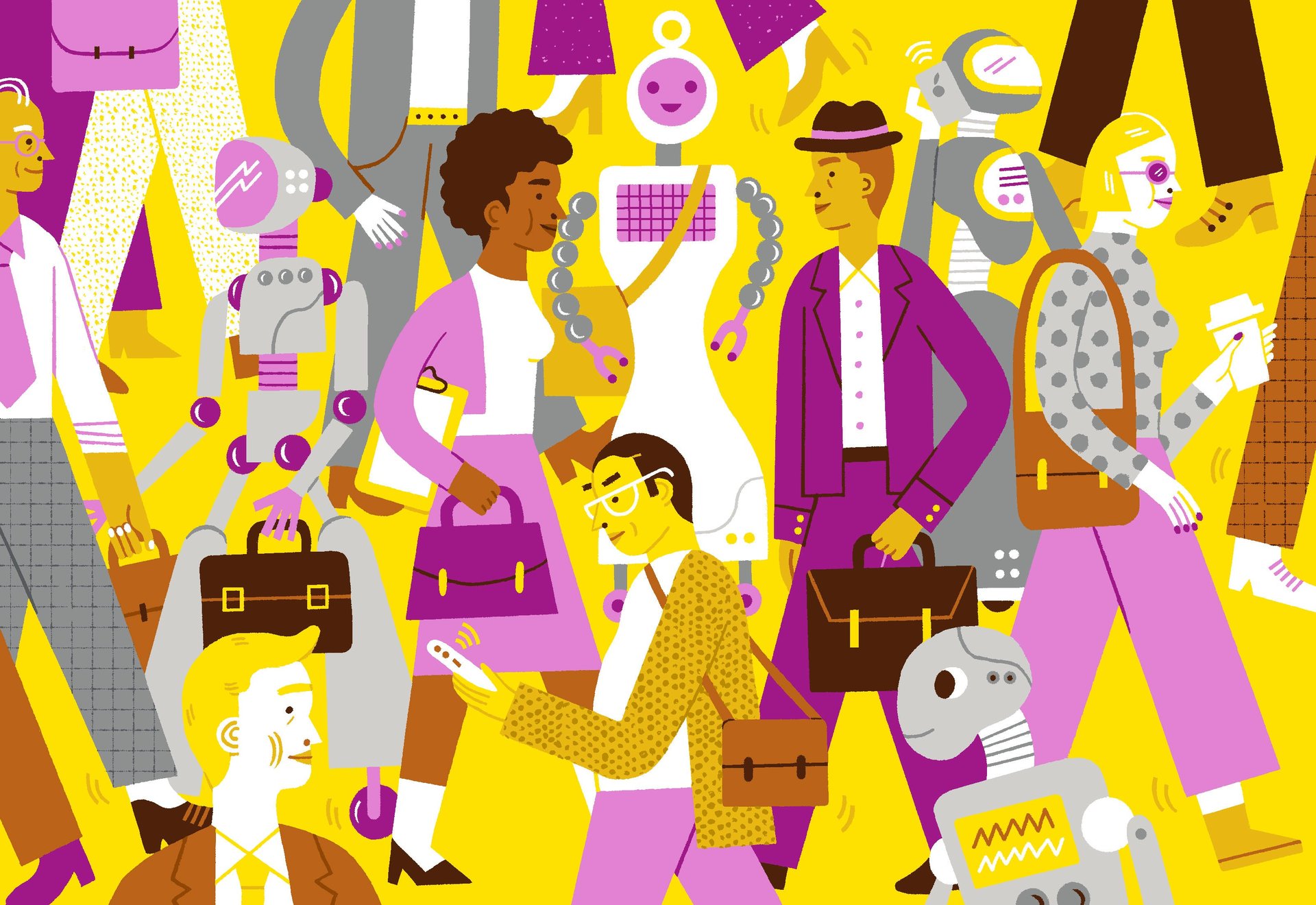
Machines, you may have heard, are coming for all the jobs.

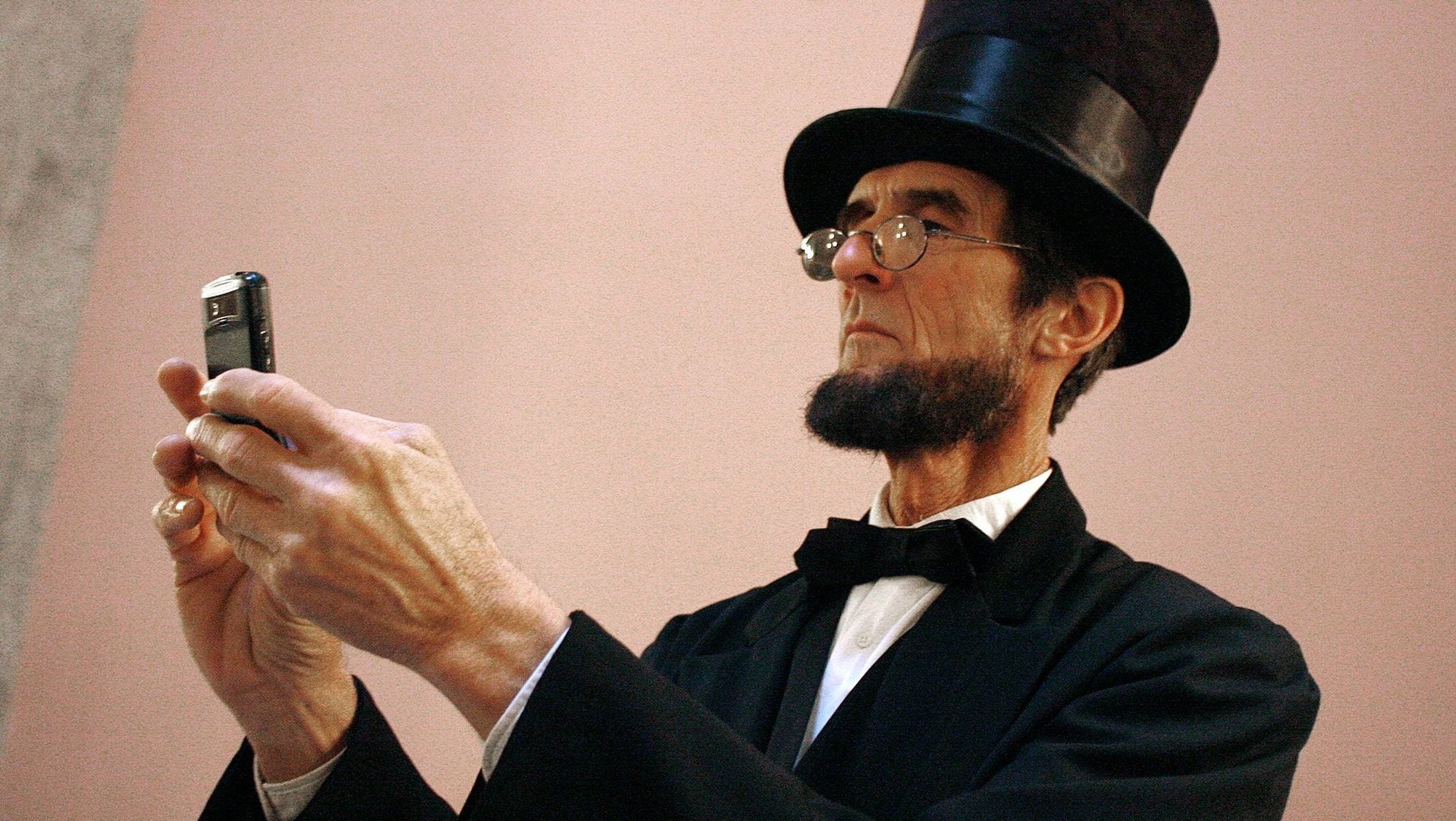
After years reporting on topics that are often categorized under “the future of work,” I can barely type the phrase anymore without wincing a little. Because the “future of work” is a perennial debate that has gone nowhere for centuries. Today, you’re likely to hear about AI replacing humans in factories or at banks. Nearly 500 years ago, Queen Elizabeth I supposedly denied an English inventor named William Lee a patent for an automated knitting contraption because she wanted to protect women who made their living by knitting.

As Victoria’s Secret clings to what one critic called (paywall) an esthetic “that is white, worked-out, boob-centric and essentially about naughty maid role play in the bedroom,” a new rush of competitors are appealing to the growing portion of women underwear shoppers who are looking instead for comfort, natural looks, and body positivity. The latest of these suitors is Target, which plans to launch new lines of sleepwear and lingerie next month, according to the Wall Street Journal (paywall).

Some people keep gratitude journals. I type generic terms into search bars of news photo archives.

“Move over, Millennials.“

Quartz at Work is a guide to navigating the modern workplace. Since our launch in October 2017, we’ve been particularly obsessed with eight workplace topics, including the delicate arts of managing others and ourselves, the shifting purpose of companies, and the sometimes exasperating challenge of juggling work and parenthood.
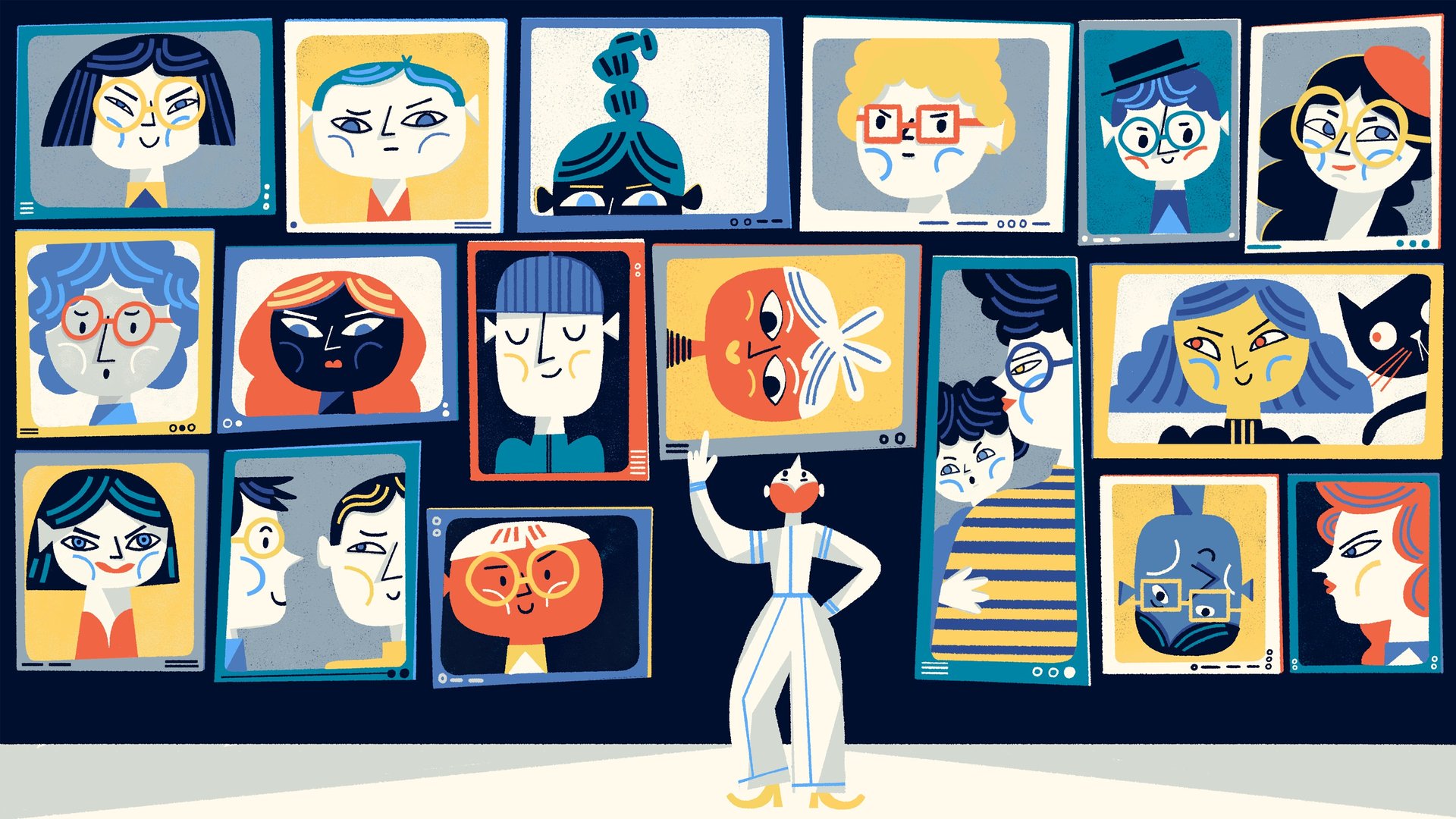
Quartz at Work’s reporters have had many different kinds of work experience (one of them, for instance, has worked at a hedge fund, another has worked at a Trader Joe’s, and yet another has covered both investment banking and wellness), and they have many interesting ideas, but they don’t have all of the experience and all of the interesting ideas. That’s why Quartz at Work has a contributor section, in which we invite members of our community to share their unique knowledge and perspectives.
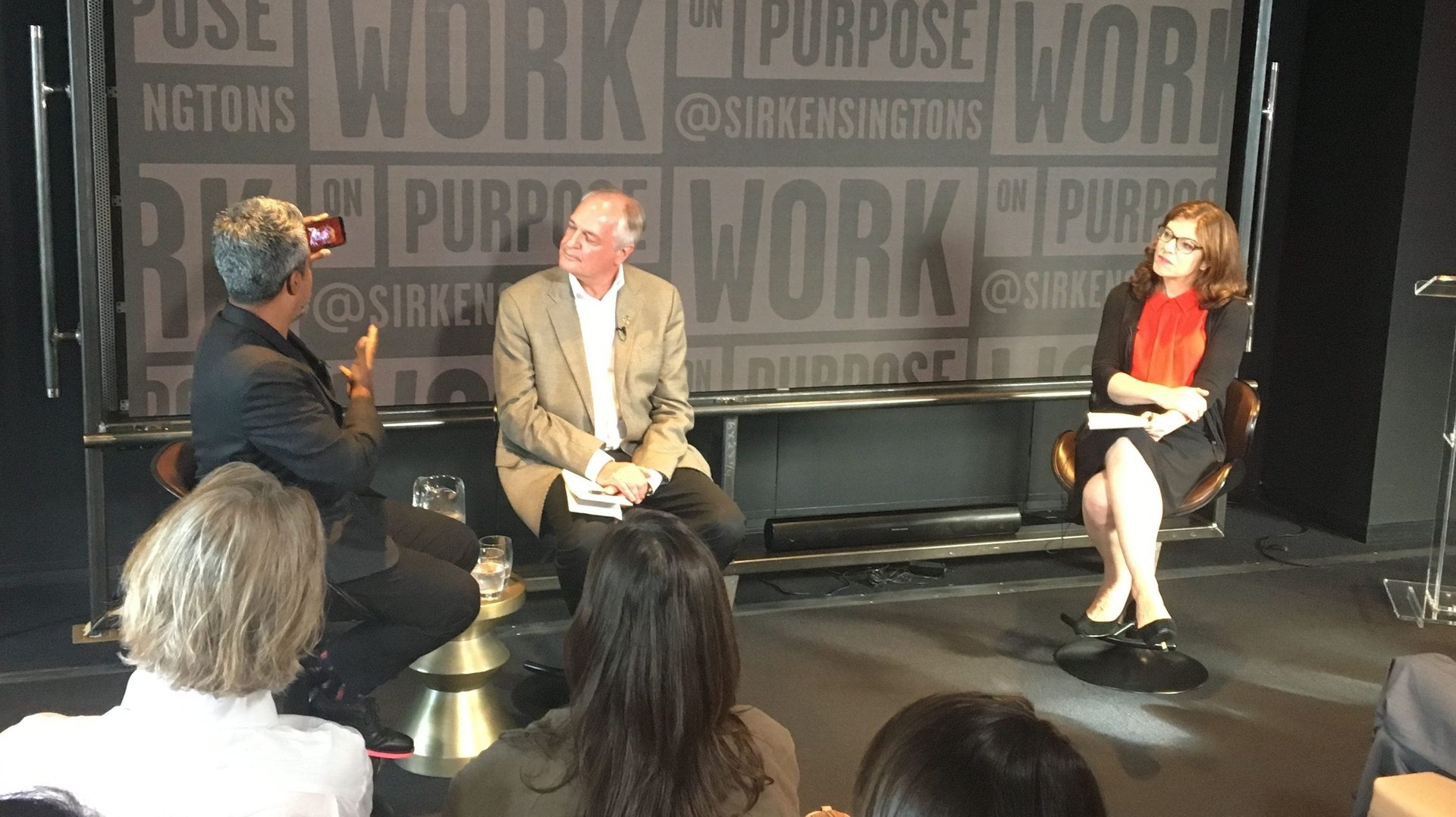
When Unilever CEO Paul Polman and the writer Anand Giridharadas came together on Thursday (Sept. 27) for a panel discussion about “conscious capitalism,” there was bound to be some disagreement.

At the planning stage, you are a geniUs for scheduling that red-eye fligght.
On a hot day last May, entrepreneurs from all over the world packed themselves into a warehouse event space just off of New York City’s FDR highway for TechCrunch Disrupt. Half trade show, half Shark Tank–style pitch competition, Disrupt is a tri-annual gathering where startups with names such as Happification, Binary Mango, and Blazesoft come to get noticed by venture capitalists and the tech writers whose blogs they read.
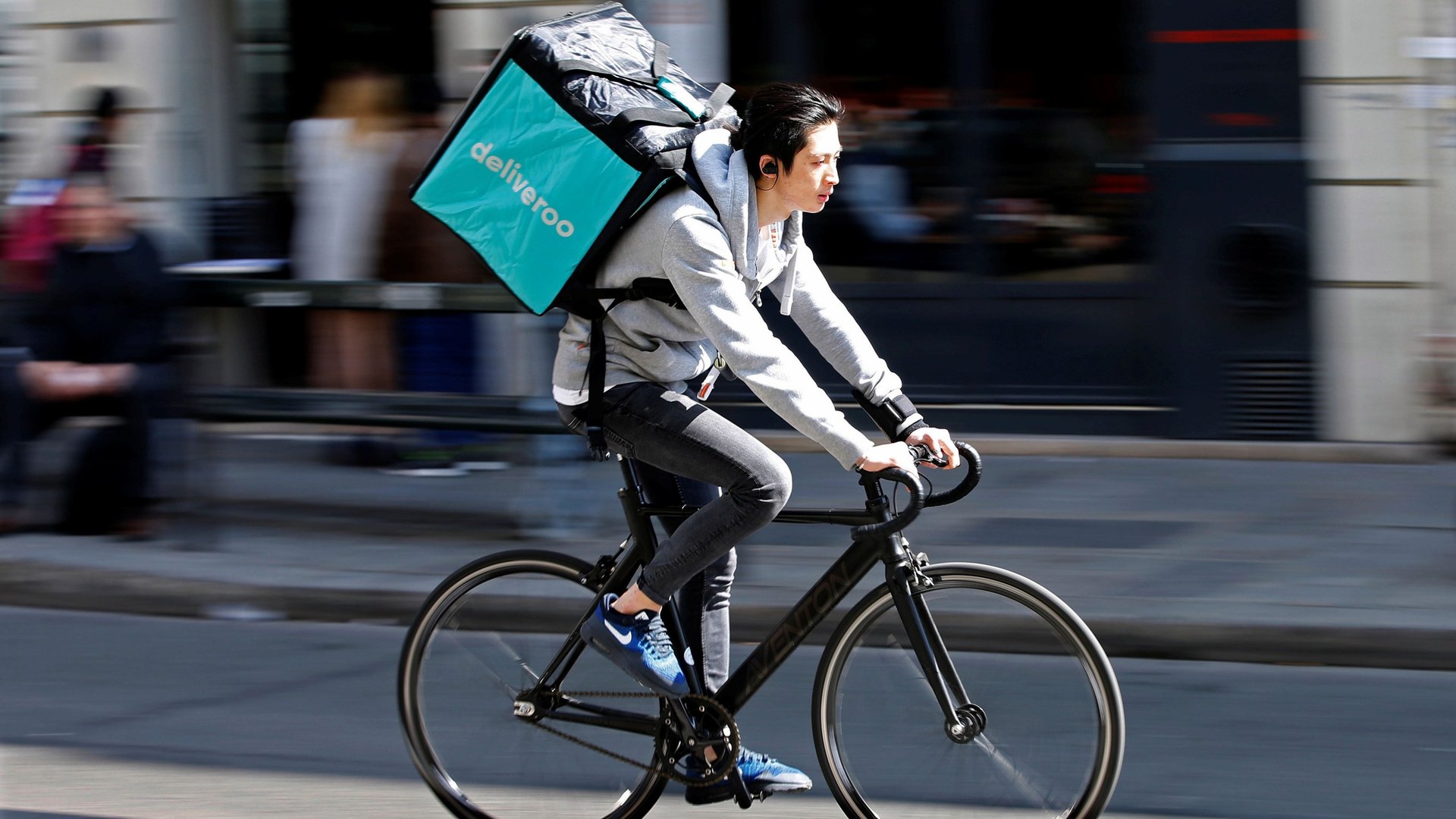
When I first heard about the “future of work,” I was a reporter at a tech blog—a job that involved wading through an endless stream of startup pitches.

For the first time since the rise of the term “gig economy,” the US federal government will release data showing how many workers rely on non-traditional work arrangements like temp work, freelancing, and on-call work.

Quartz staff recently collected questions from their mothers and sought to answer them in a series of stories that began on Mother’s Day. One mother asks: Are people who don’t use Facebook more productive?

Nabi Tajima died yesterday at a hospital on the Japanese island of Kikaijima, according to the Associated Press.
Mitt Romney did not win the Republican nomination outright for a Senate seat in Utah yesterday. He was hoping to have avoided the run-off altogether by winning 60% of the votes at the state’s Republican convention, and now faces campaigning for a June primary election.
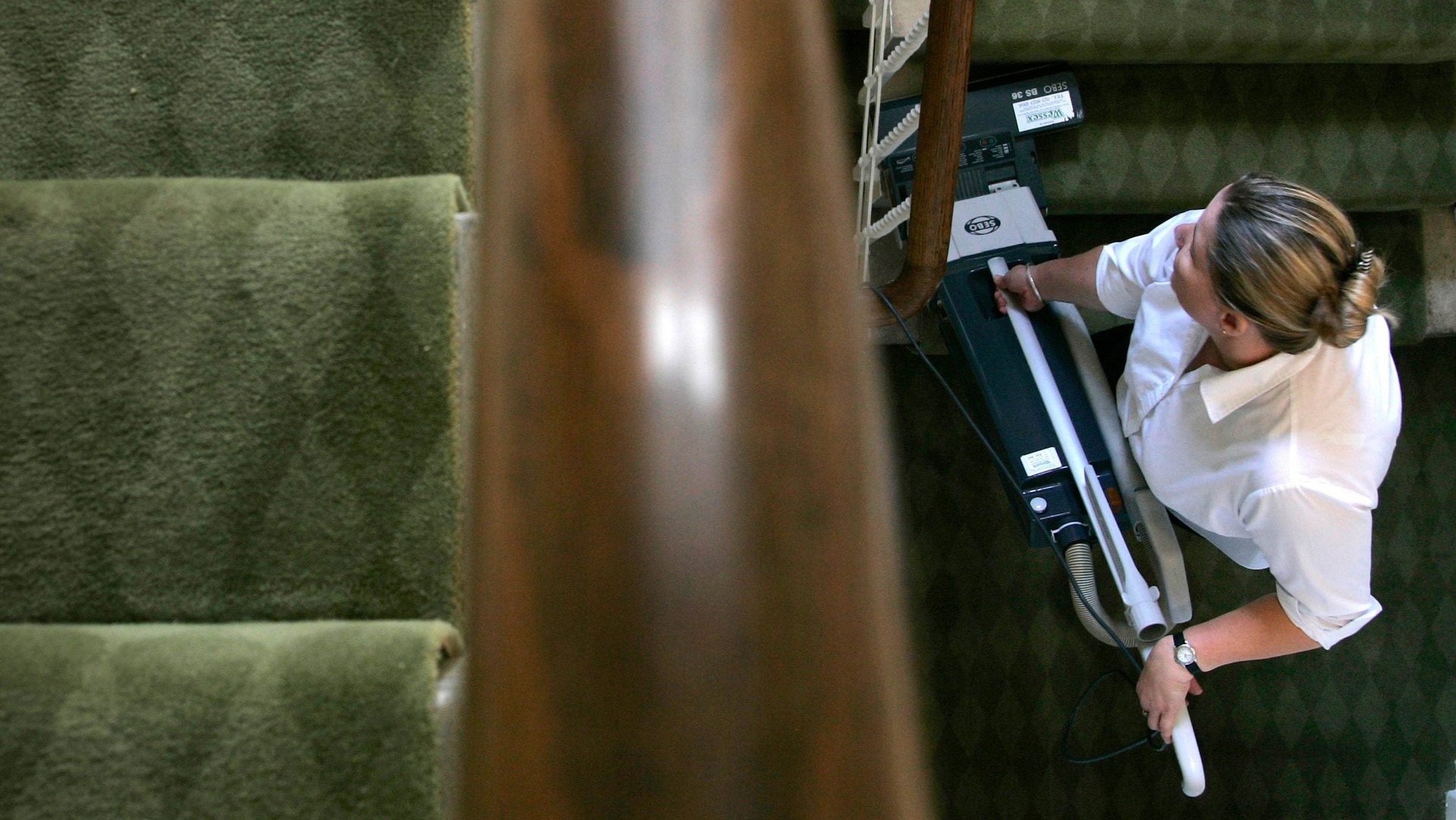
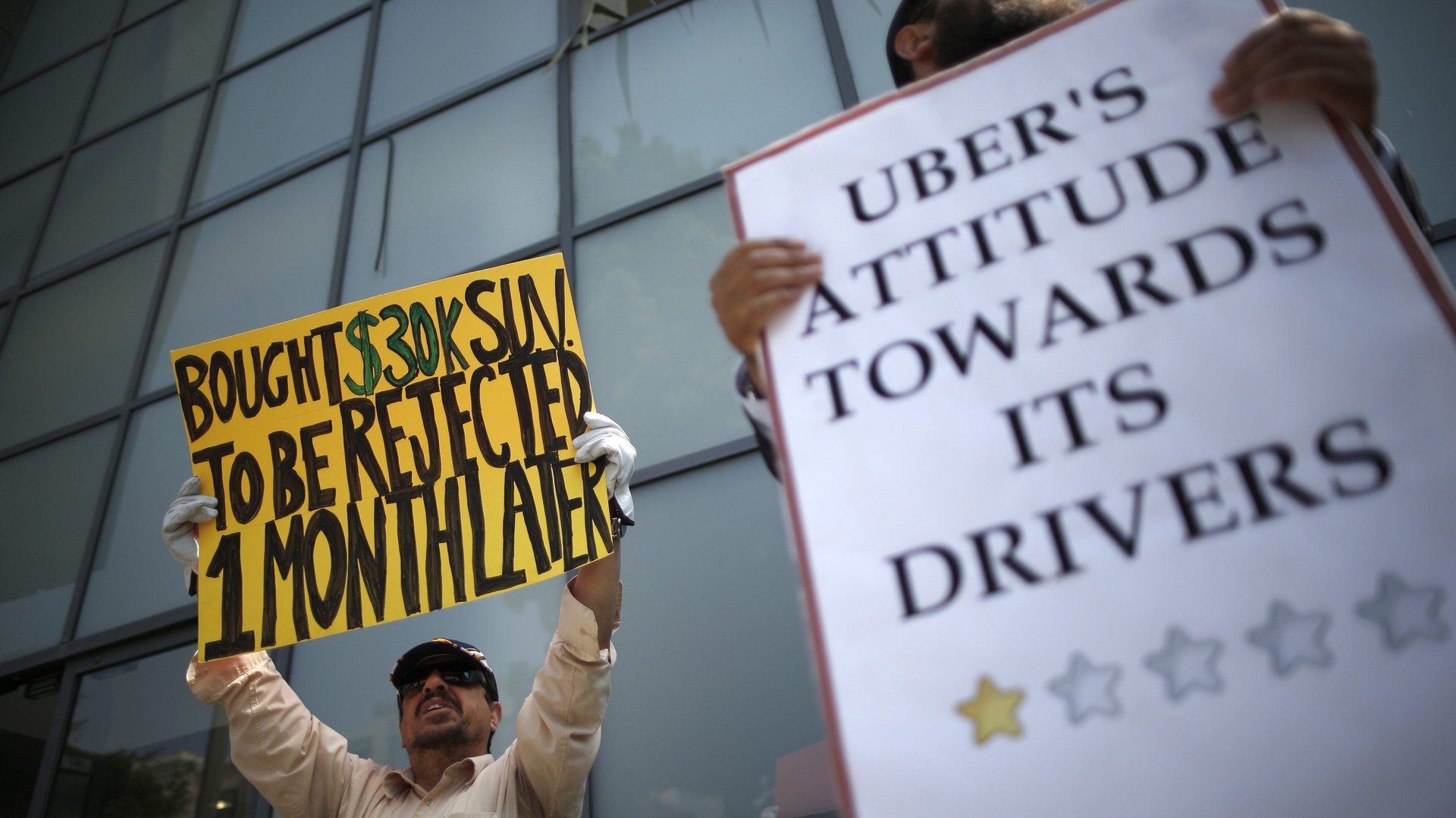
Should Uber drivers, Handy cleaners, and other “gig economy” workers be considered employees? Conference panels, think tanks, newspaper op-ed sections, and the courts have debated the question for years, and now it has quietly landed in the laps of state lawmakers.
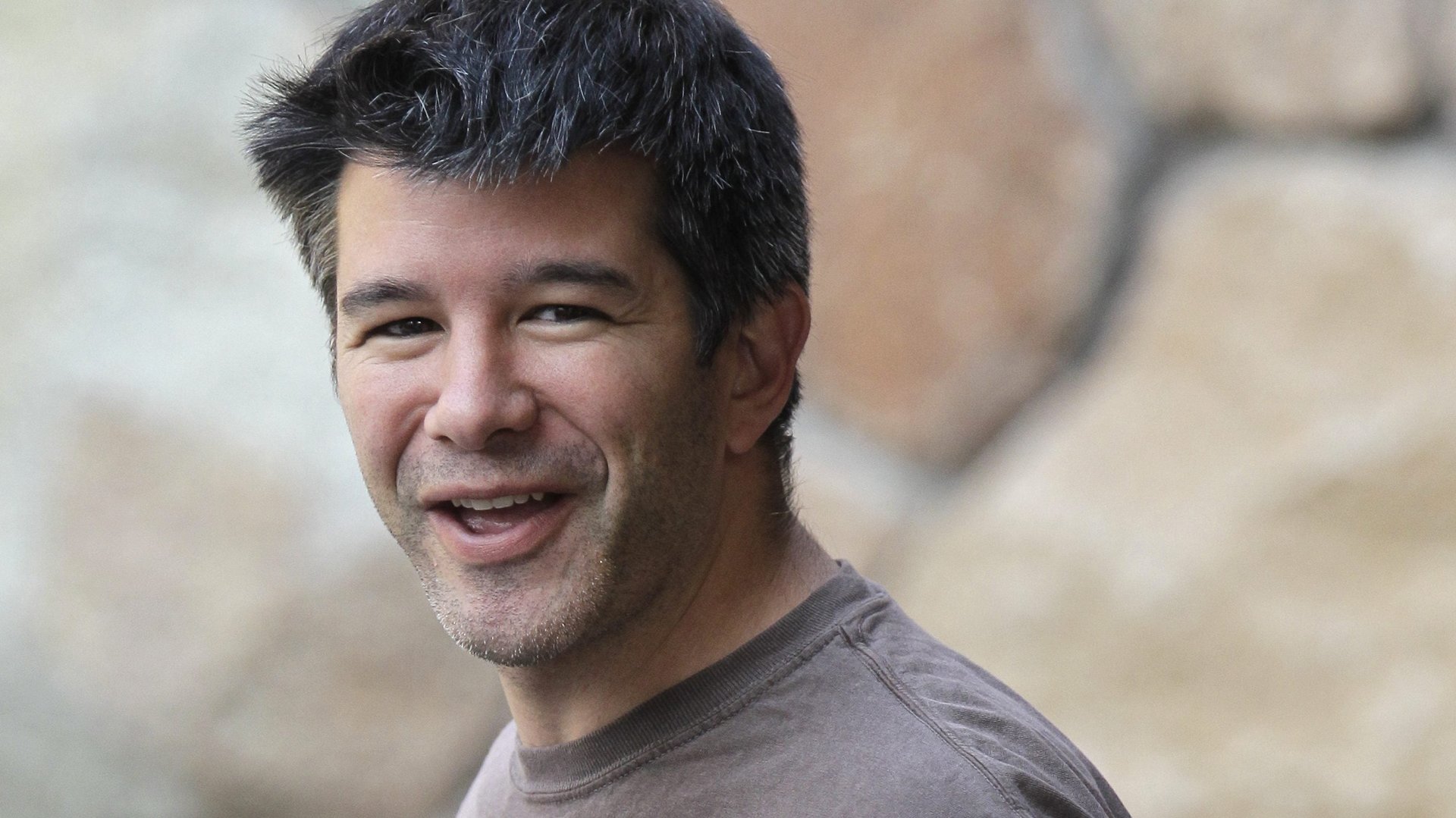
Former Uber CEO Travis Kalanick wants to build a better strip mall.

Shortly after news broke that Hillary Clinton had allowed an advisor on her 2008 presidential campaign to keep his job after he was accused of sexual harassment, the former US secretary of State wrote an explanation on her Facebook page. “The short answer is this,” she wrote. “If I had it to do again, I wouldn’t.” She noted:
By just about all accounts, working at Google is a pretty nice gig. Your monthly earnings as a mere intern are higher than most of the American population. There are free meals, three times a day, every day, and a team of top scientists that scrutinizes how everything from the plate size to the length of family leave might make you a healthier, happier employee.

It’s that time of year again. Over the holidays, you’ve convinced yourself that it’s time to make some major life changes, and in the happy haze of what remains of your vacation days, no bar seems too high. You’re fully prepared to leave this version of yourself behind—no, not yet, one more holiday cookie for now—but once the clock strikes midnight on January 1, everything will change: You’ll be better, fitter, more confident, and altogether more together in the New Year.

You know the email: A Nigerian Prince is in trouble, and he can pay you handsomely if you’ll help him—that is, he can pay you sometime after you wire money to his account or hand over all of your bank information.
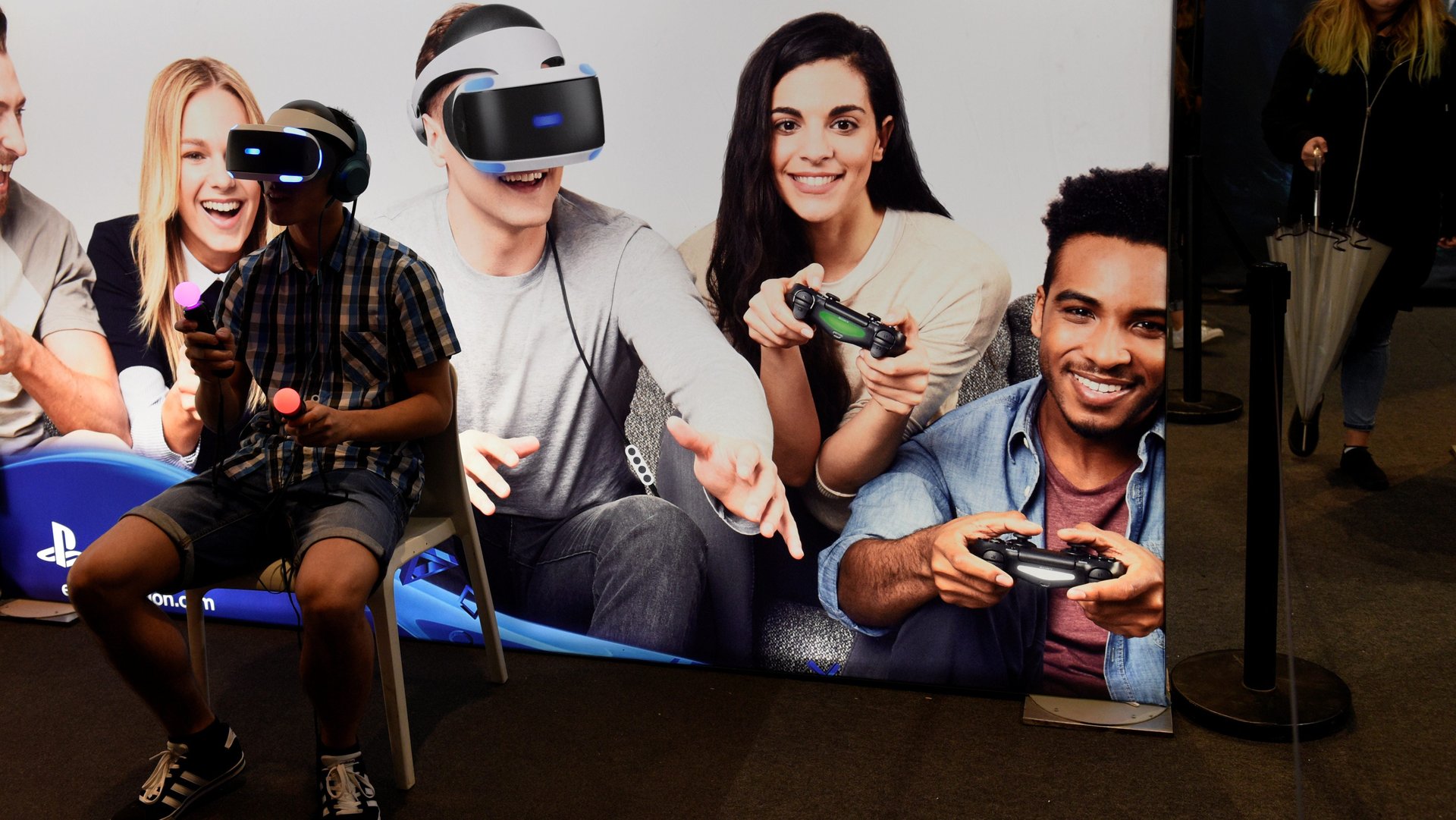
The World Health Organization (WHO) has included “gaming disorder” in a draft of its upcoming 11th International Classification of Diseases—a book used by researchers and doctors to track and diagnose disease—describing it as “a pattern of persistent or recurrent gaming behaviour” that may include impaired control over gaming activities, and is severe “to the extent that gaming takes precedence over other life interests and daily activities.”

Hey, you never know. Maybe 2018 will finally be the year you read 300 books, exercise every single day, or become a world champion of some activity you’ve never tried before. But just in case it’s not, may we suggest that you consider a more realistic (and perhaps more impactful) target for your New Year’s resolutions?