
Quartz
Subscribe
Quartz
Subscribe
Edition
Business News
A.I.
Technology
Money & Markets
Leadership
Lifestyle
Latest

Get Quartz in your inbox

Free daily briefing on global business news.

Business News
AirlinesAutomobilesFoodPharmaceuticalsPolitics & GovernmentRetail & EcommerceSpace & AerospaceEarnings
Technology
A.I.ComputingConsumer TechSpace & AerospaceEarnings
Money & Markets
Economic IndicatorsMarketsPersonal FinanceEarnings
Lifestyle
Cars & BikesCollectingEntertainmentFood & Fine DiningHealth and FitnessReal EstateTravel
Quartz

Global business news for a smarter world

Topics

  • Business News
  • Money & Markets
  • Tech & Innovation
  • Generation A.I.
  • Lifestyle
  • Leadership

Products

  • Daily Brief
  • Weekly Digest
  • Member Benefits
  • Quartz Pro

Legal

  • Sitemap
  • About
  • Accessibility
  • Privacy
  • Terms of Service
  • Advertising

© 2026 Quartz Media, Inc. All rights reserved.

A.I.

America is already using AI for military airstrikes

A new report shows the Pentagon is using automation to decide where to drop bombs

By Lucas Ropek·2 min read·Updated February 27, 2024
Add QZ to Google

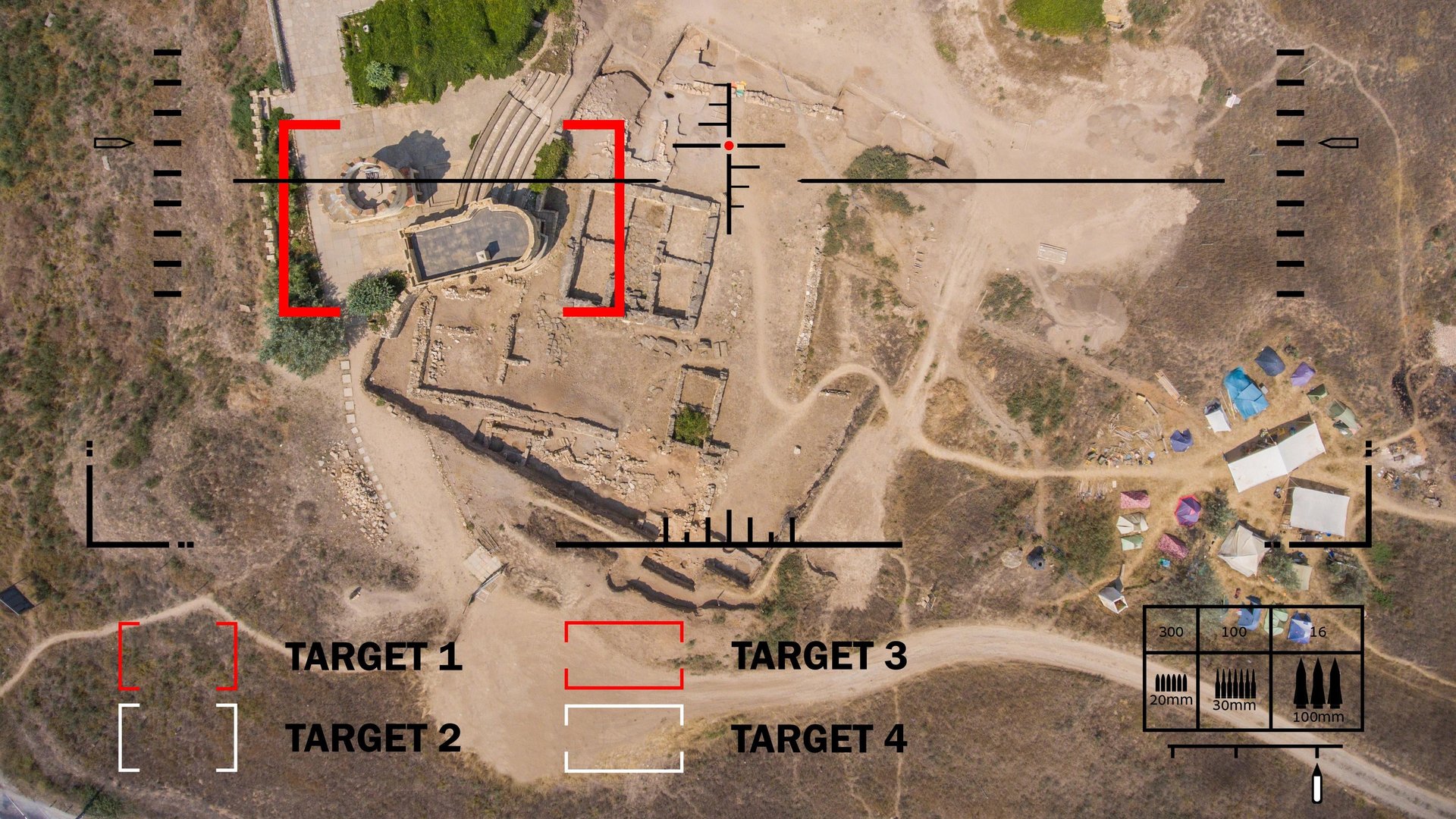
If you’ve been wondering when the U.S. military would start deploying artificial intelligence on the battlefield, the answer is that it appears to be already happening. The Pentagon has been using computer vision algorithms to help identify targets for airstrikes, according to a report from Bloomberg News. Just recently, those algorithms were used to help carry out more than 85 airstrikes as part of a mission in the Middle East.

The bombings in question, which took place in various parts of Iraq and Syria on Feb. 2, “destroyed or damaged rockets, missiles, drone storage and militia operations centers among other targets,” Bloomberg reports. They were part of an organized response by the Biden administration to the January drone attack in Jordan that killed three U.S. service members. The government has blamed Iranian-backed operatives for the attack.

Bloomberg quotes Schuyler Moore, chief technology officer for U.S. Central Command, who said, of the Pentagon’s AI use: “We’ve been using computer vision to identify where there might be threats.” Computer vision, as a field, revolves around training algorithms to identify particular objects visually. The algorithms that helped with the government’s recent bombings were developed as part of Project Maven, a program designed to spur new greater use of automation throughout the DoD. Maven was originally launched in 2017.

The use of AI for “target” acquisition would appear to be part of a growing trend. Late last year it was reported that Israel was using AI software to decide where to drop bombs in Gaza. Israel’s program, which it has dubbed “The Gospel,” is designed to compile vast amounts of data and then recommend a target to a human analyst. That “target” could be a weapon, a vehicle, or a live human. The program can suggest as many as 200 targets in a period of just 10-12 days, Israeli officials have said. Israelis also say that the targeting is just the first part of a broader review process, which can involve human analysts.

This article originally appeared on Gizmodo.

Daily Brief

The essential business news, delivered fresh every morning.

Join 500,000+ readers who start their day with Quartz.

By subscribing, you agree to our Terms of Service and Privacy Policy.

Related

Business NewsCapital One topped earnings estimates as credit losses fell and Discover integration progressed
Business NewsDisney is cutting several hundred jobs, with ESPN layoffs tied to NFL Network integration
Politics & GovernmentBessent is threatening to sanction China for stealing U.S. AI model capabilities
A.I.China's Moonshot AI is seeking a $50 billion valuation in pre-IPO funding talks
Business NewsAmazon Prime members have one week left to claim up to $51 from the $2.5 billion FTC settlement