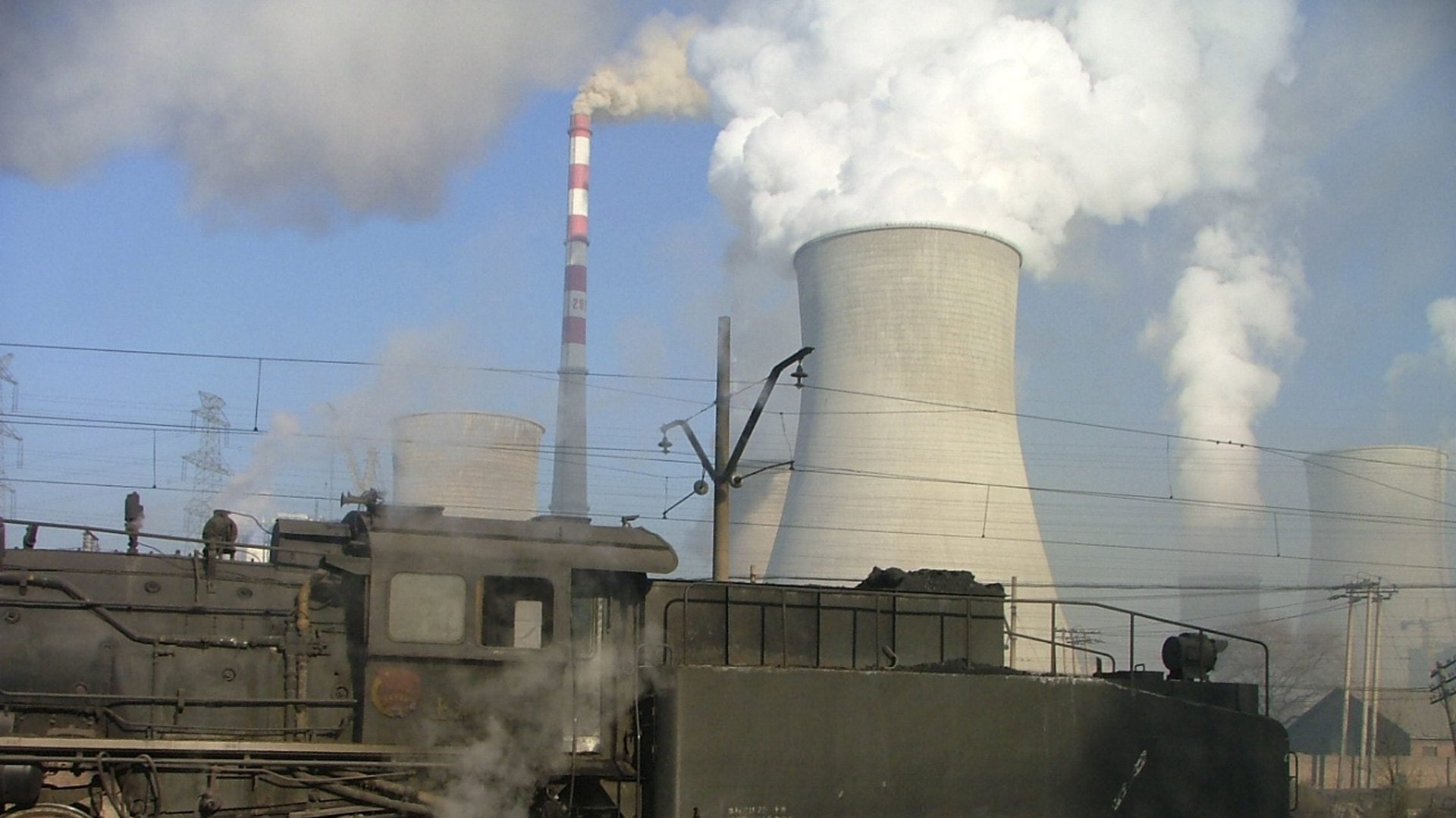
China’s energy transition is navigating the tension between the country’s shift to renewables and the challenges of energy security. For China, energy security right now simply means using more coal.

China’s energy transition is navigating the tension between the country’s shift to renewables and the challenges of energy security. For China, energy security right now simply means using more coal.

In April, India’s minister of commerce and industry made a heroic announcement. The world was reeling from the sudden drop in wheat supplies when Russia and Ukraine, two of the world’s largest wheat exporters, curtailed their exports due to the war, but India would step in to fill the shortage.

The last time a Marcos was president of the Philippines, his two-decade rule was brought down by waves of mass protests. Ferdinand Marcos Sr., along his wife Imelda, of the 3000 shoes, their family, and a convoy of cronies and loyalists, fled into exile in Hawaii in 1986. Ferdinand died three years later. In a country prone to dynasties, the people declared that the Philippines would never again fall under the sway of a Marcos.

Russia’s invasion of Ukraine set off a rise in vegetable oil prices around the world. Indonesia is set to deal another blow to global food inflation.

A healthcare worker at a hospital is six times more likely to experience violence in the workplace than the average US worker, according to the most recent data in 2018 from the Bureau of Labor Statistics (BLS). For those at nursing and residential facilities, it’s 10 times higher than average—21 nonfatal injuries for every 10,000 workers. Cumulatively, the healthcare and social services industries have the highest rate of workplace violence in the US.

The supply chain crisis that has dominated logistics for much of the pandemic started with a lull. In the first half of 2020, factories closed, shipping rates slumped, empty containers were stranded at ports, and humming ocean trade was replaced by blank sailings—when a shipping company decides it’s not worth it to sail a ship on a scheduled route.

On Monday (April 4), China’s Center for Disease Control and Prevention announced that it had sequenced a new subvariant of the omicron variant, according to the state-run Global Times.

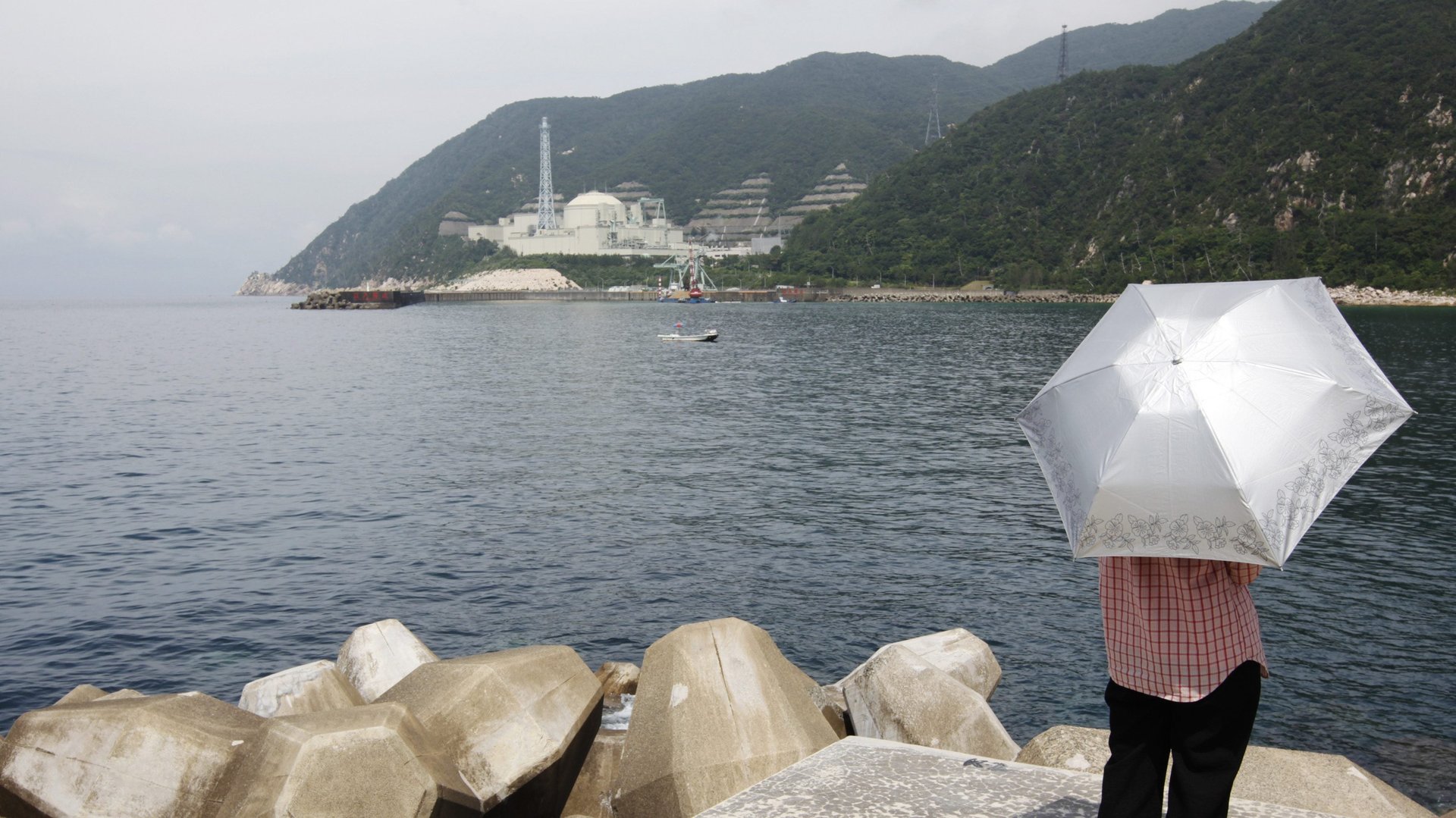
A decade ago, Japan suffered the worst nuclear disaster since Chernobyl, when an earthquake and tsunami damaged the nuclear power plant in Fukushima, leading to a meltdown at three of its reactors and sparking fierce public opposition to nuclear power. This month’s 7.4 magnitude earthquake in the same region may be shaping an opposite reaction.

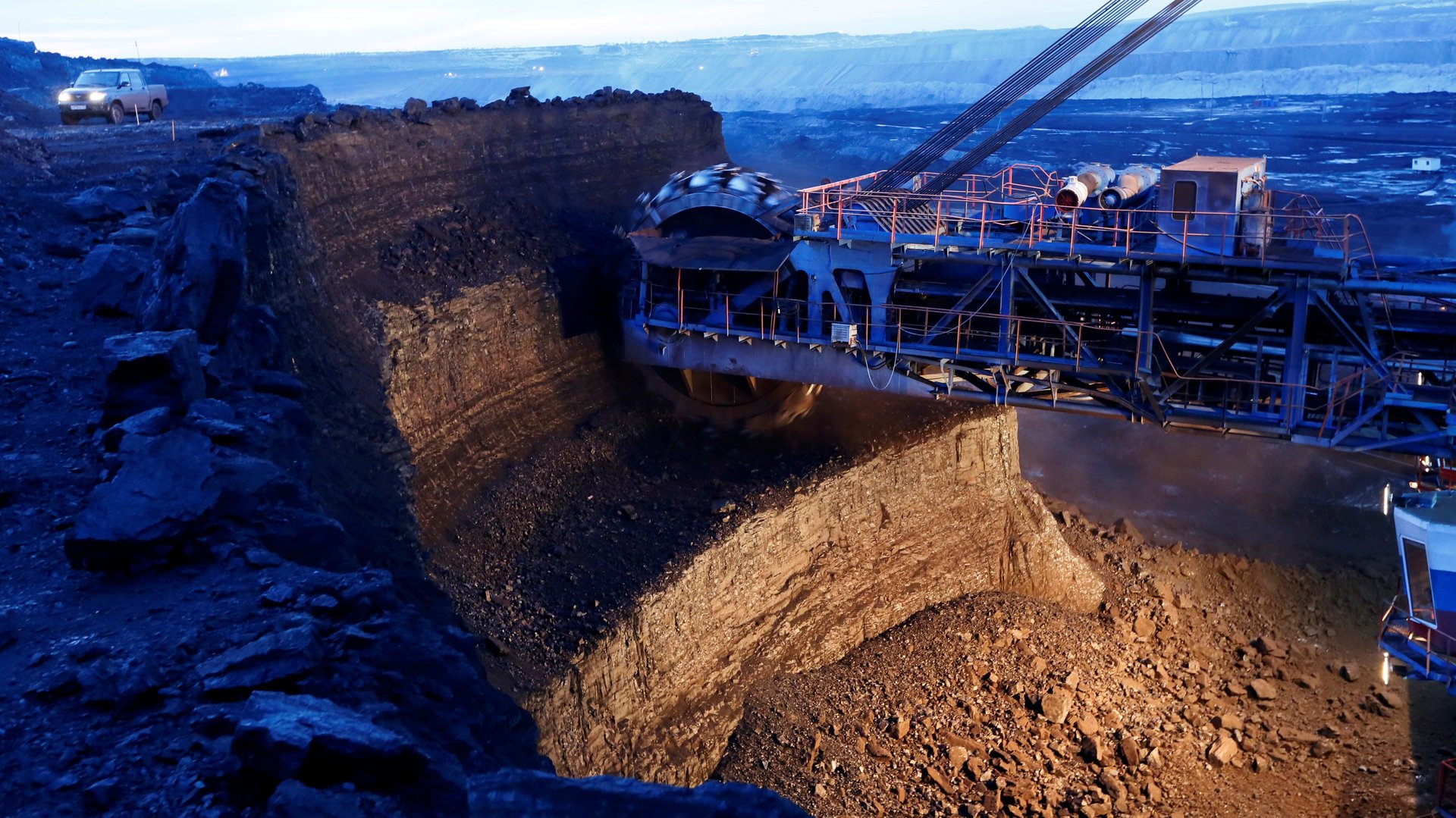
Along with natural gas and oil, coal prices are surging since Russia’s invasion of Ukraine, as Europe looks for alternatives to Russian fossil fuels.

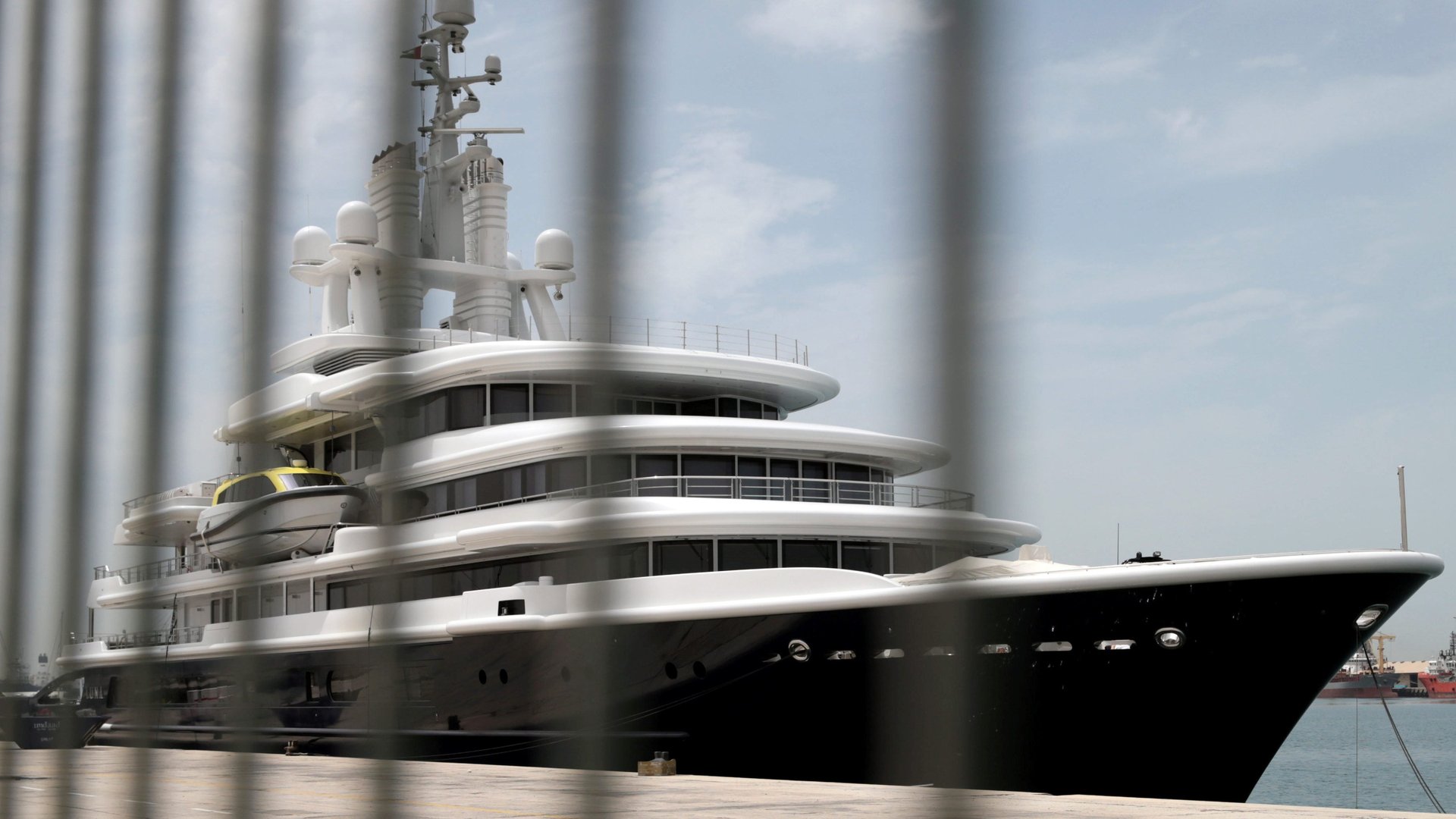
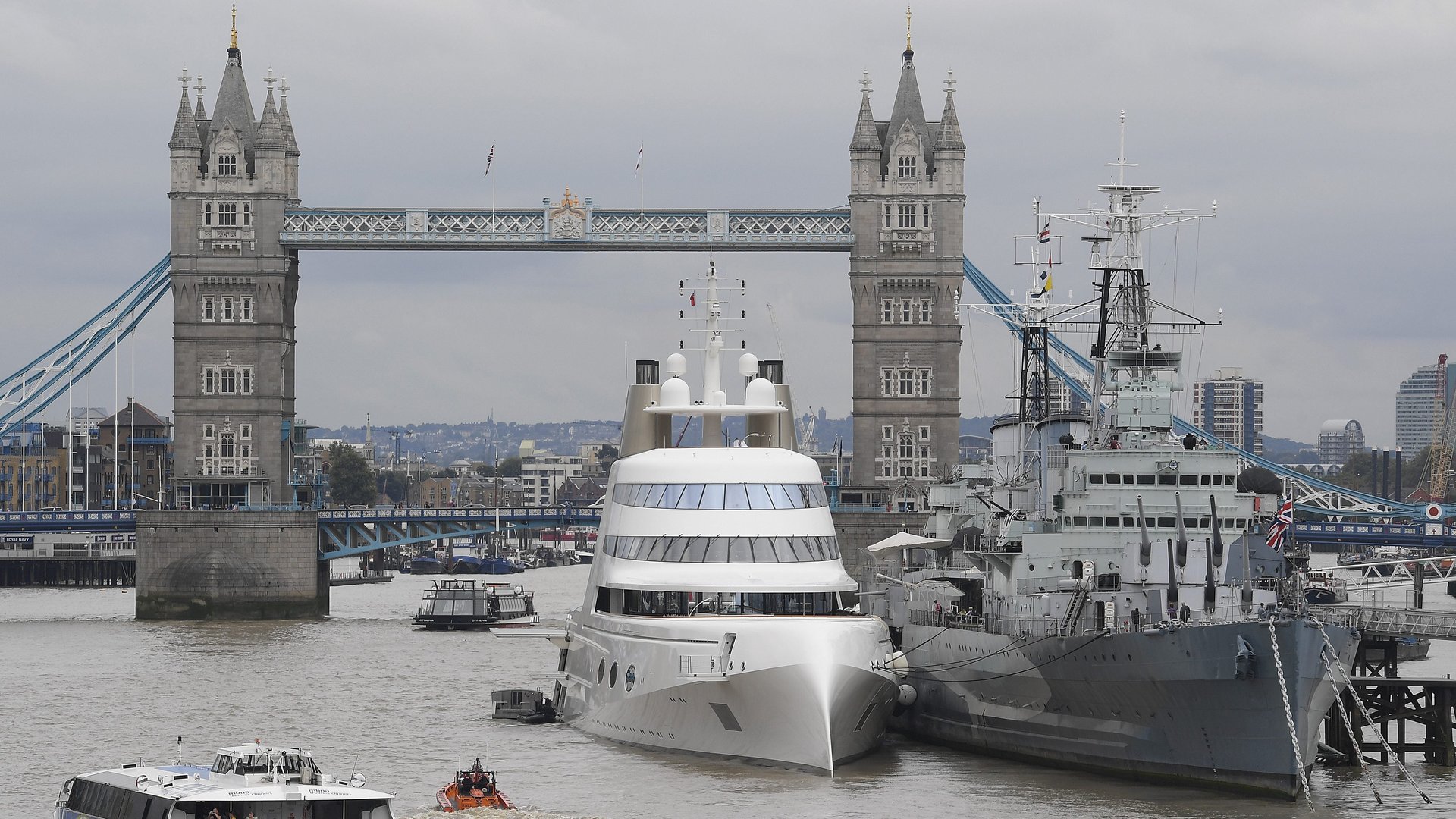
When French customs officers boarded the Amore Vero before dawn on Thursday (March 3), they found the crew urgently preparing to set sail—a month before the superyacht’s scheduled departure, and with repairs still unfinished. The $120 million, 289-foot yacht is believed to be owned by Russian oligarch Igor Sechin, who heads up the state-owned oil major Rosneft. The officers seized the vessel in accordance with the EU’s sanctions on Russia (pdf, in French).

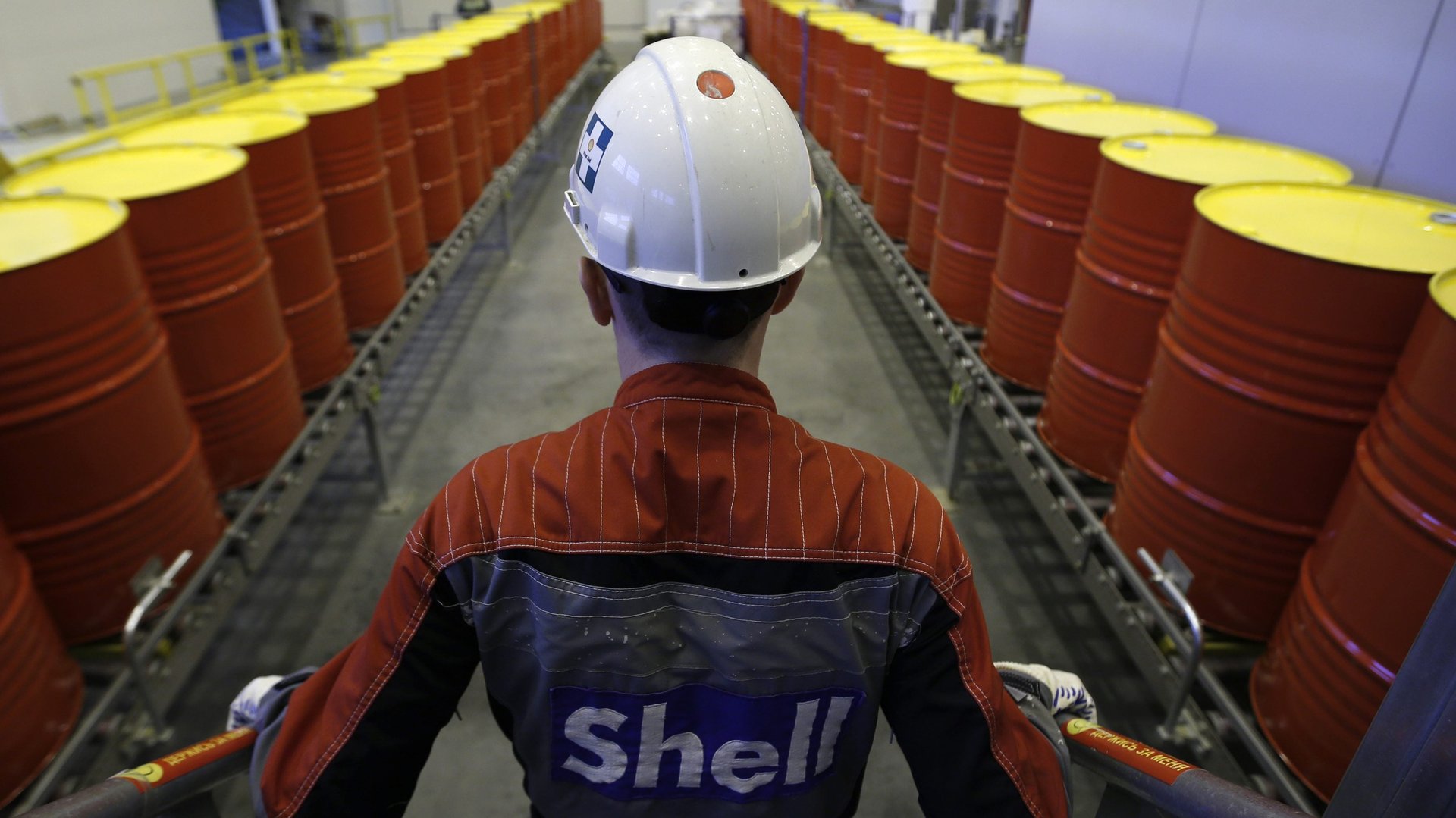
This post has been updated with a March 8 statement from Shell.

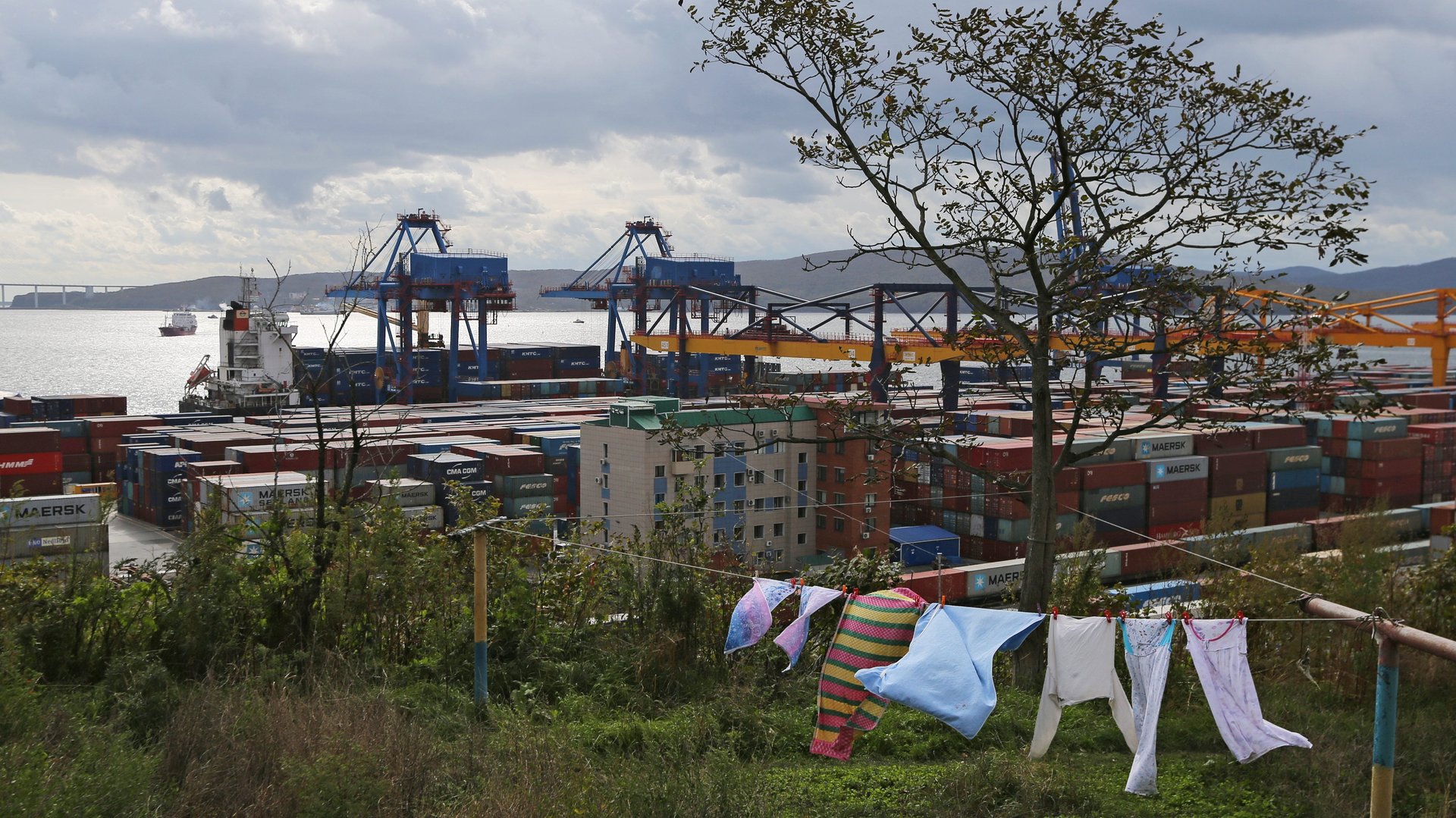
The restriction in trade of containerized goods is likely to affect imports, impacting the quality of life for Russians across the board.

On Feb. 21, the day Vladimir Putin ordered troops into eastern Ukraine, the 456-foot My Solaris, owned by Russian oligarch Roman Abramovich, was rushed off a dry dock in Barcelona and into the water. The Galactica Super Nova, believed to belong to oil company chief Vagit Alekperov, pulled up anchor on Feb. 26, the day the SWIFT ban was announced, arriving in Montenegro, just outside EU jurisdiction, three days later.

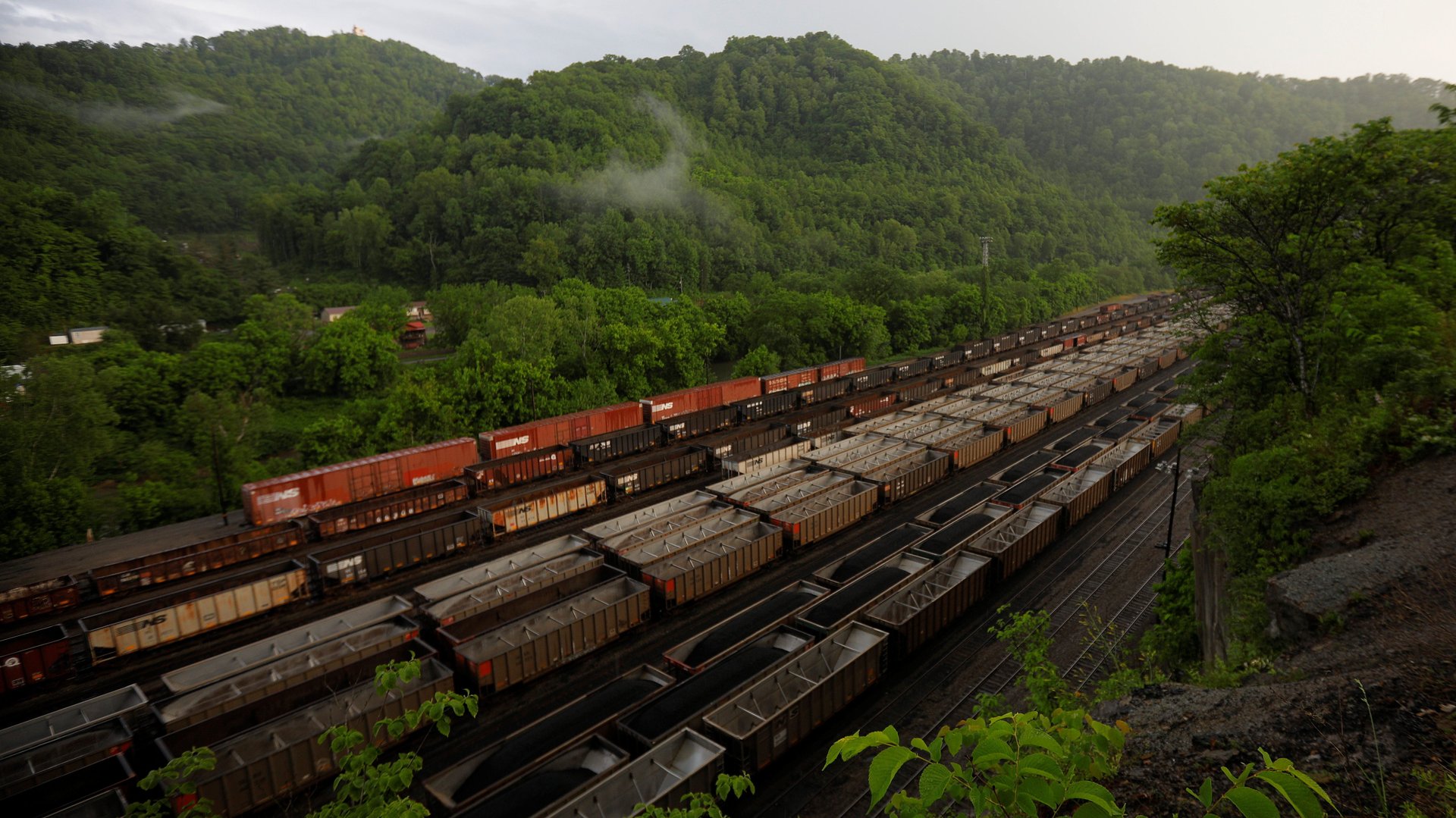
Joe Manchin has a vision of West Virginia’s path to a green economy—and it is paved with coal and gas.

Russia’s invasion of Ukraine looks set to be the final episode in BP’s tumultuous relationship marked by bitter power struggles and subterfuge that included poisoned meals for BP’s former CEO.

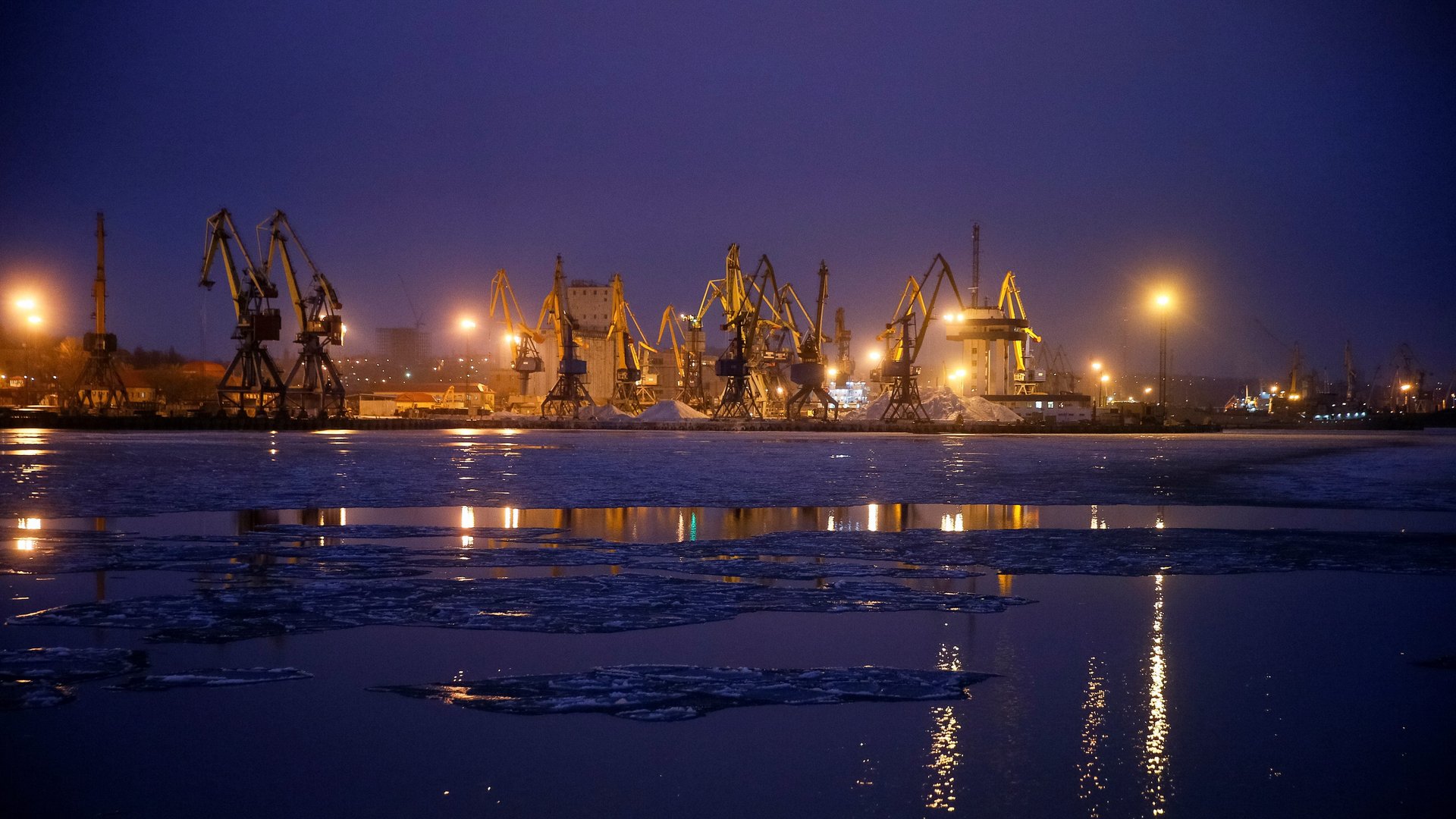
Russia says it is closing shipping in the Azov Sea, according to reports from Agence-France Presse (AFP) on Thursday (Feb. 24) and Russian news agency Interfax. The Azov Sea is one of Ukraine’s two access points to sea trade, via the main ports of Berdyansk and Mariupol. The move further fuels uncertainty about the impact of the conflict on global trade.

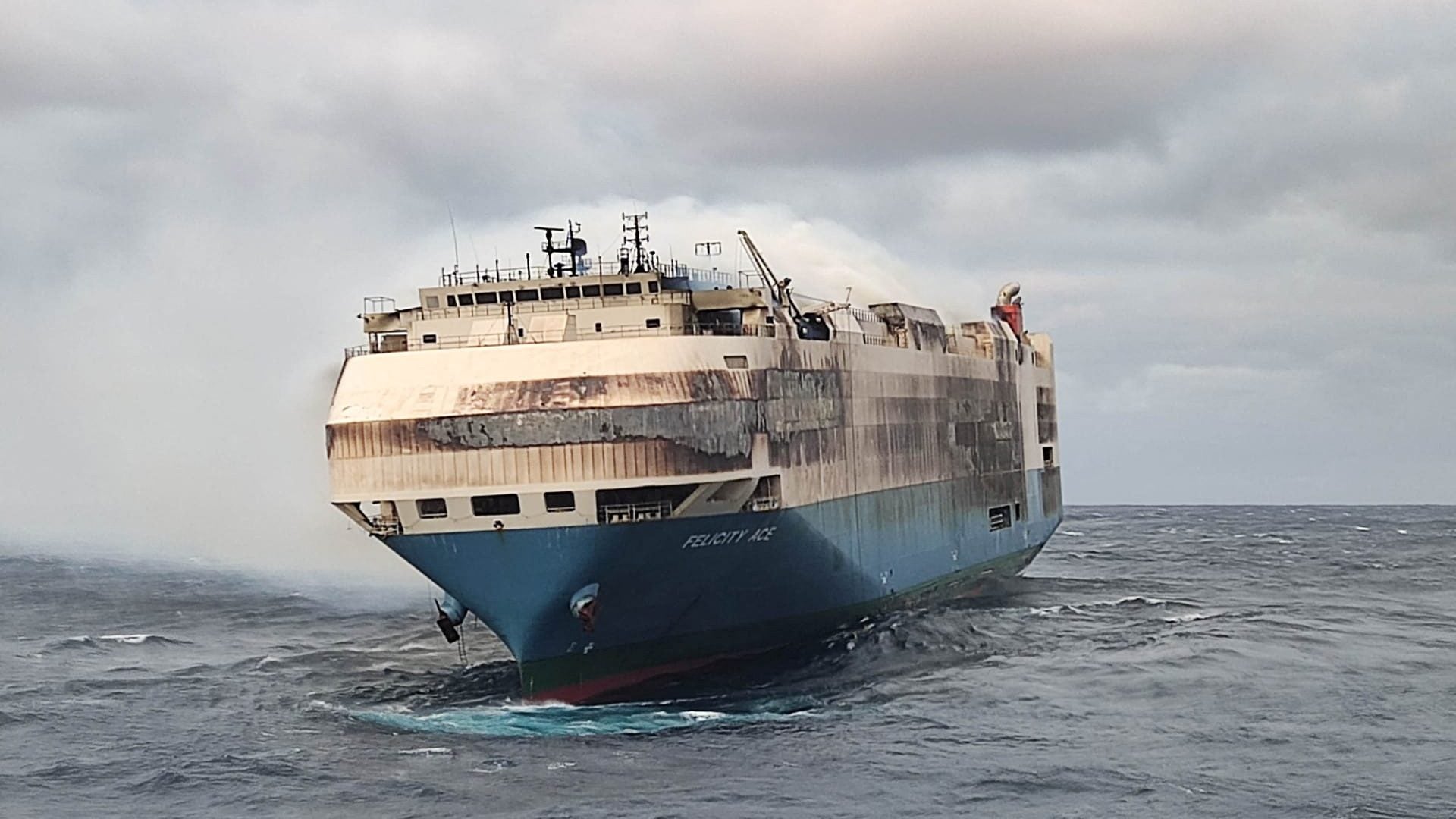
The cargo ship Felicity Ace is aflame from bow to stern with a lithium-ion battery fire that can’t be put out with water alone.

Carbon offsets—the money polluting business spend on projects that benefit the environment—have been growing in recent years, but it’s a long way from catching up to the money governments spend supporting businesses that are harmful to the environment.

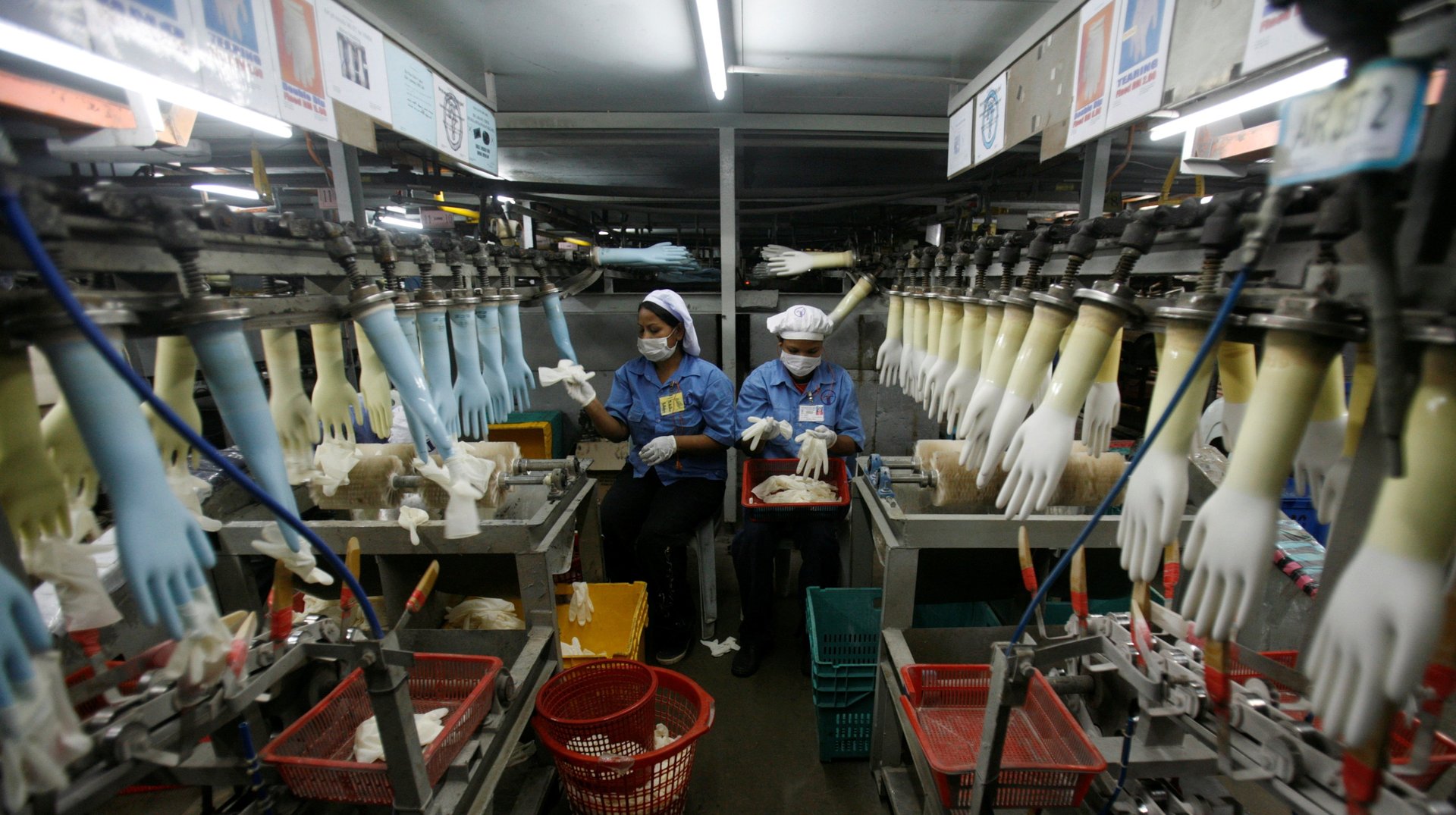
In 2020, hospitals were short on everything and willing to pay astronomical prices for PPE. But dramatic early-pandemic tales of cutthroat procurement for medical supplies are mostly behind us, with one outlier.

China is betting big on hydrogen fuel, and is using the Winter Olympics as a showcase for the technology. The Olympic torch burned a hydrogen flame, and more than 1,000 hydrogen fuel cell vehicles, emitting nothing but water vapor and warm air, are plying the roads between Beijing’s Olympics venues.

For the first time, Olympic skaters, hockey players, and curlers will be gliding across ice made using natural refrigerants rather than synthetic chemicals that emit F-gases, greenhouse gases that are thousands of times more potent at warming the atmosphere than CO2.

Southeast Asian countries came down hard on covid, closing or heavily restricting their borders for much of the last two years. Few bob in Uluwatu’s famous surf, and Thailand’s white sand beaches are deserted for the first time in decades.

The Olympics are hard on the environment: new construction, athletes and spectators flying in by the thousands, and the energy required to operate a massive sporting event.

China has deepened its crackdown on junket operators catering to its wealthiest gamblers.