
Tech & Innovation
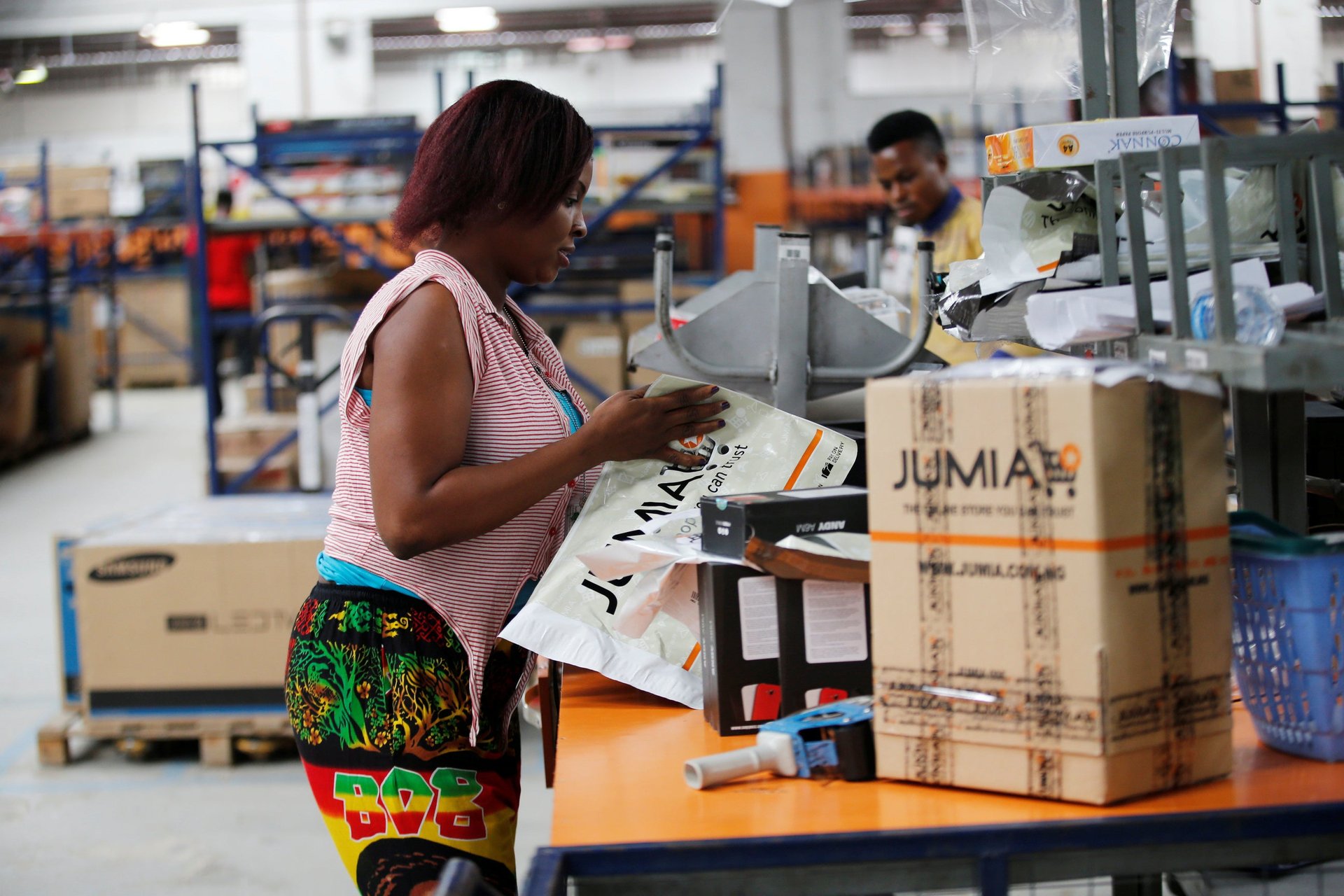
Jumia’s quarterly customer orders are rising as a key metric improvesInflation, along with the devaluation of African currencies, has tested Jumia's customer appeal.
Updated August 11, 20223 min read
Inflation, along with the devaluation of African currencies, has tested Jumia's customer appeal.
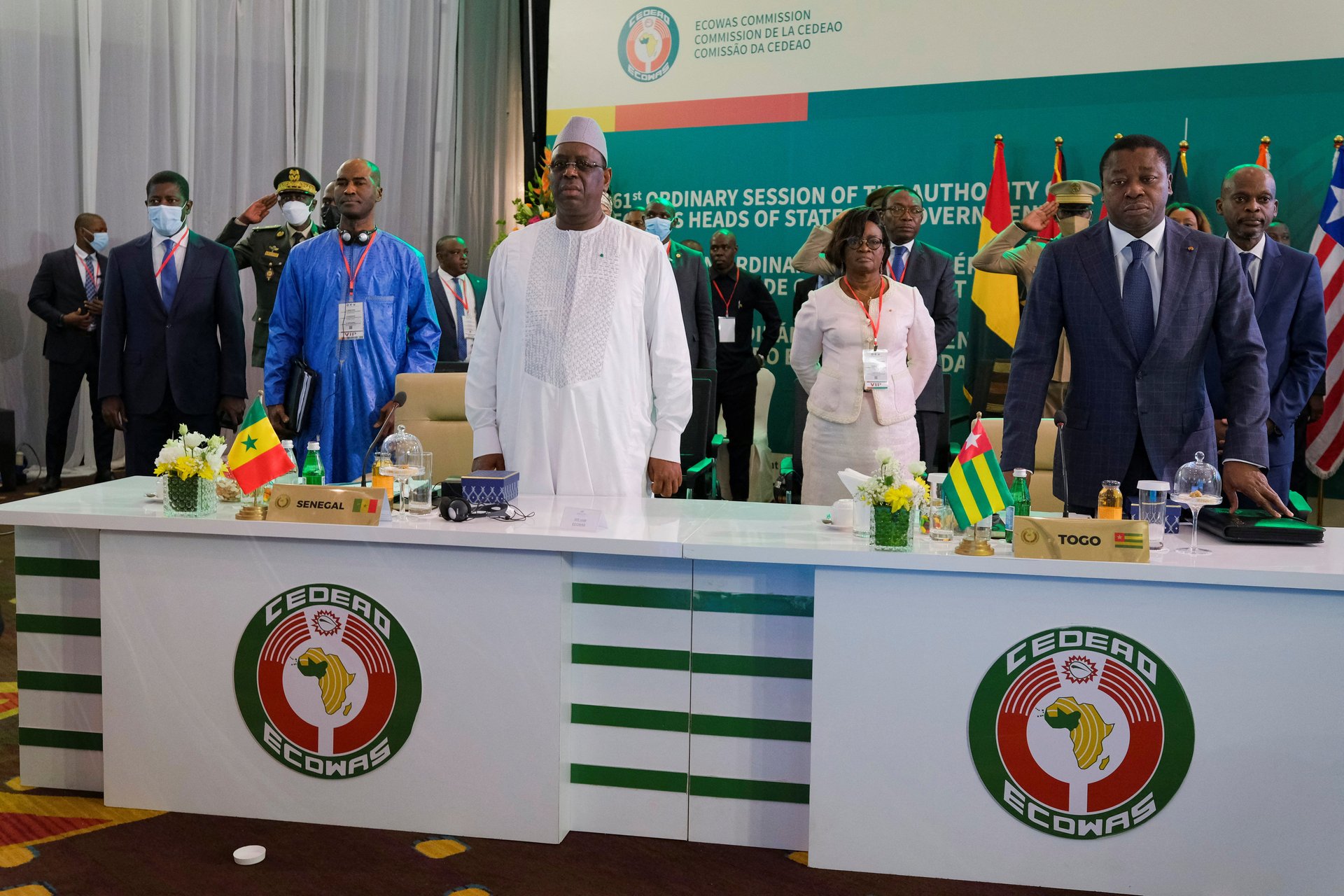
Citing contributions to Ecowas, Nigerian lawmakers demand more benefits from a recruitment exercise.

Techstars, the US accelerator program, will add Lagos to a network that includes New York, Toronto and other cities.
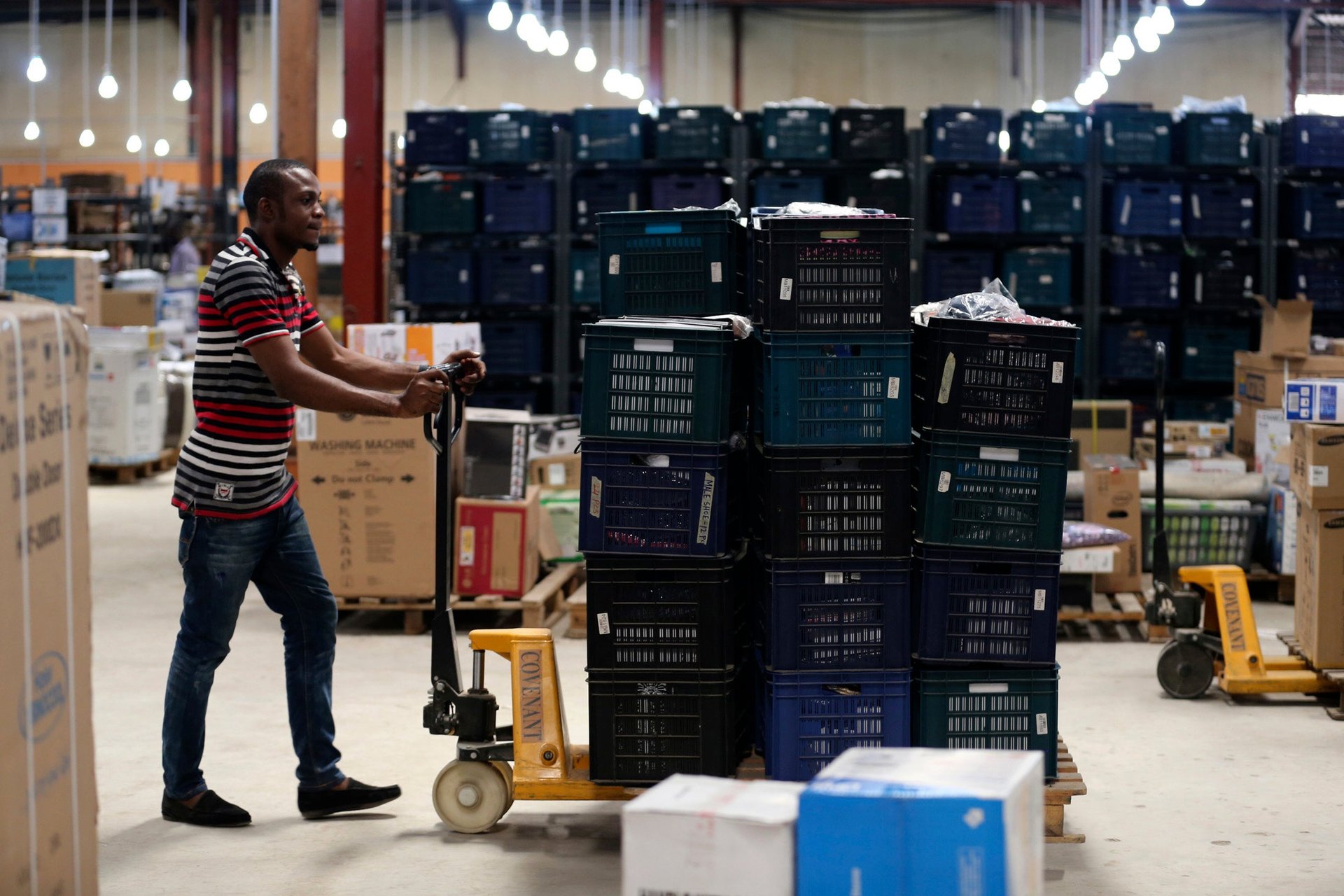
At a time of growing interest in social commerce in Africa, Instagram has started working with African startups focused on helping vendors sell more through DMs, by letting those startups connect to its messaging APIs.
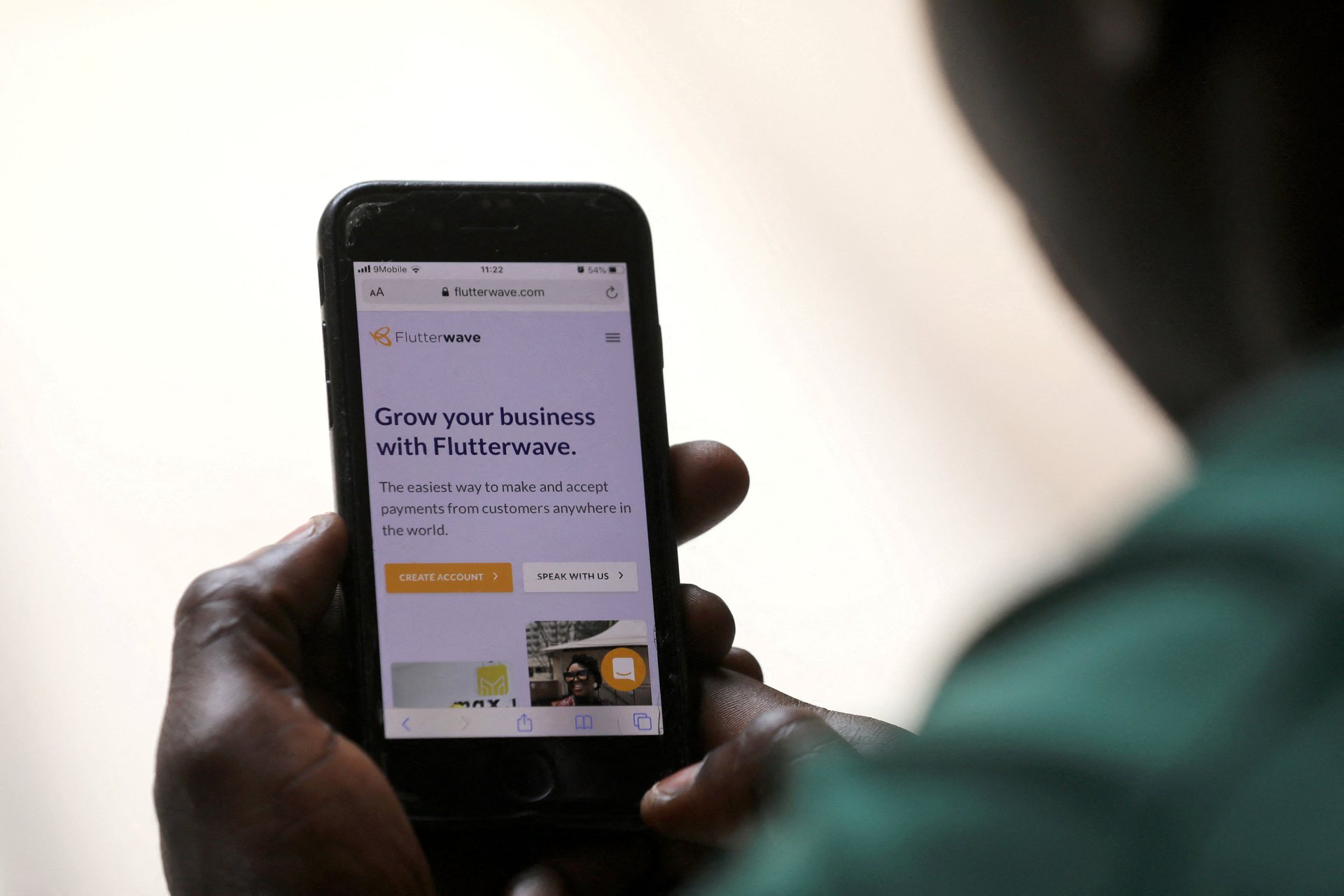
In July, African payments company Flutterwave was barred from doing business with banks in Kenya because it has “been engaging in money remittance and payments services without licensing and authorization,” according to the central bank. In Ghana, the company’s relationships with banks are being reviewed as part of a surveillance of the financial system.
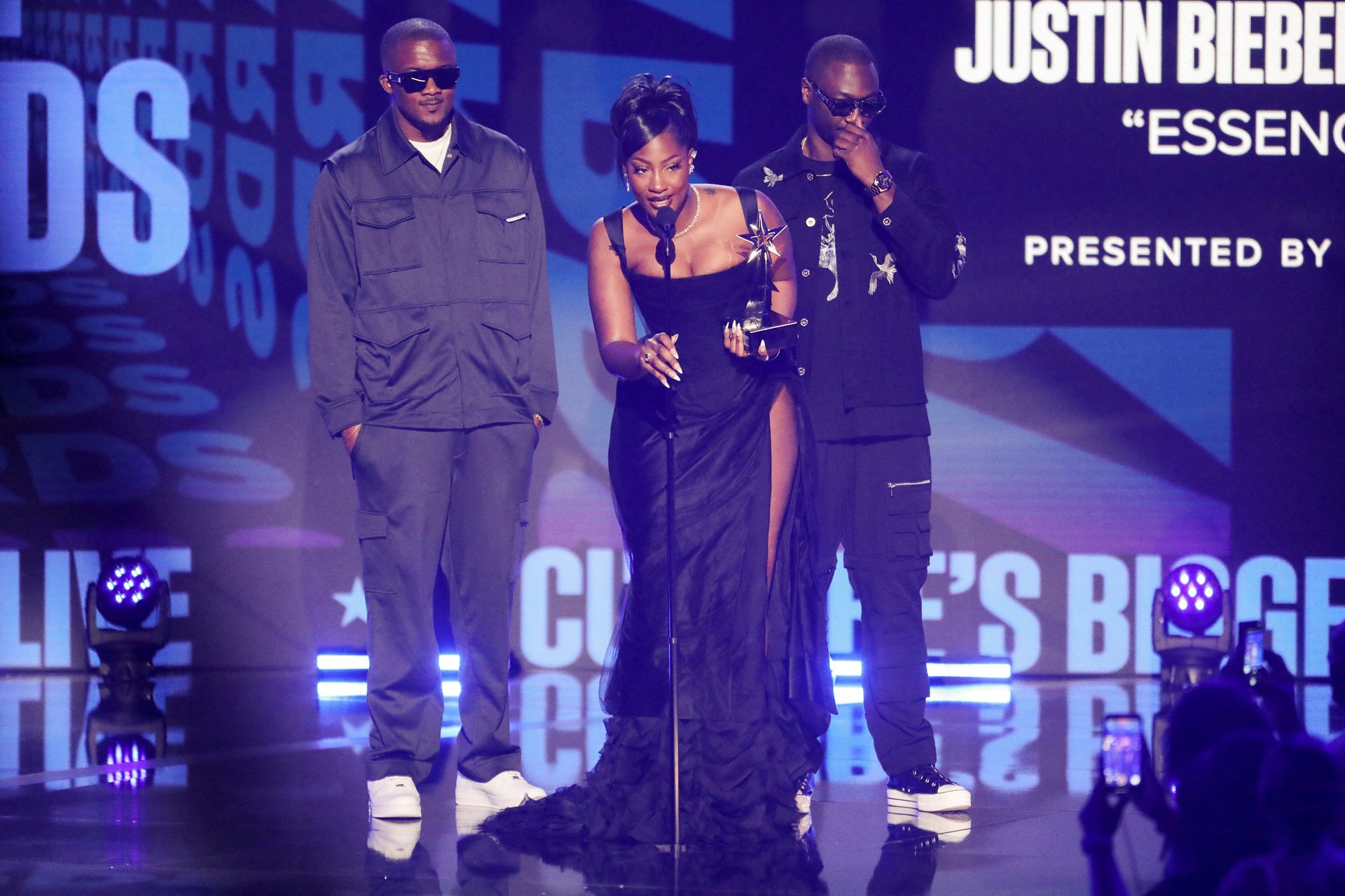
From her international breakout on the chart-topping Essence with Wizkid and Justin Bieber, to covering Bob Marley’s No Woman, No Cry for the Black Panther: Wakanda Forever teaser, Nigerian artist Tems is making a case for being the African star to watch this year.

On July 24, Nigerian runner Tobi Amusan set one world record in the semi finals of the 100m hurdles event of the World Athletics Championships

In 2019, two private equity firms came together to form a venture capital fund to invest in African startups. That had been a record-breaking year for VC funding in Africa with $1.3 billion invested in startups, and so it made sense that new funds would emerge to ride the wave.
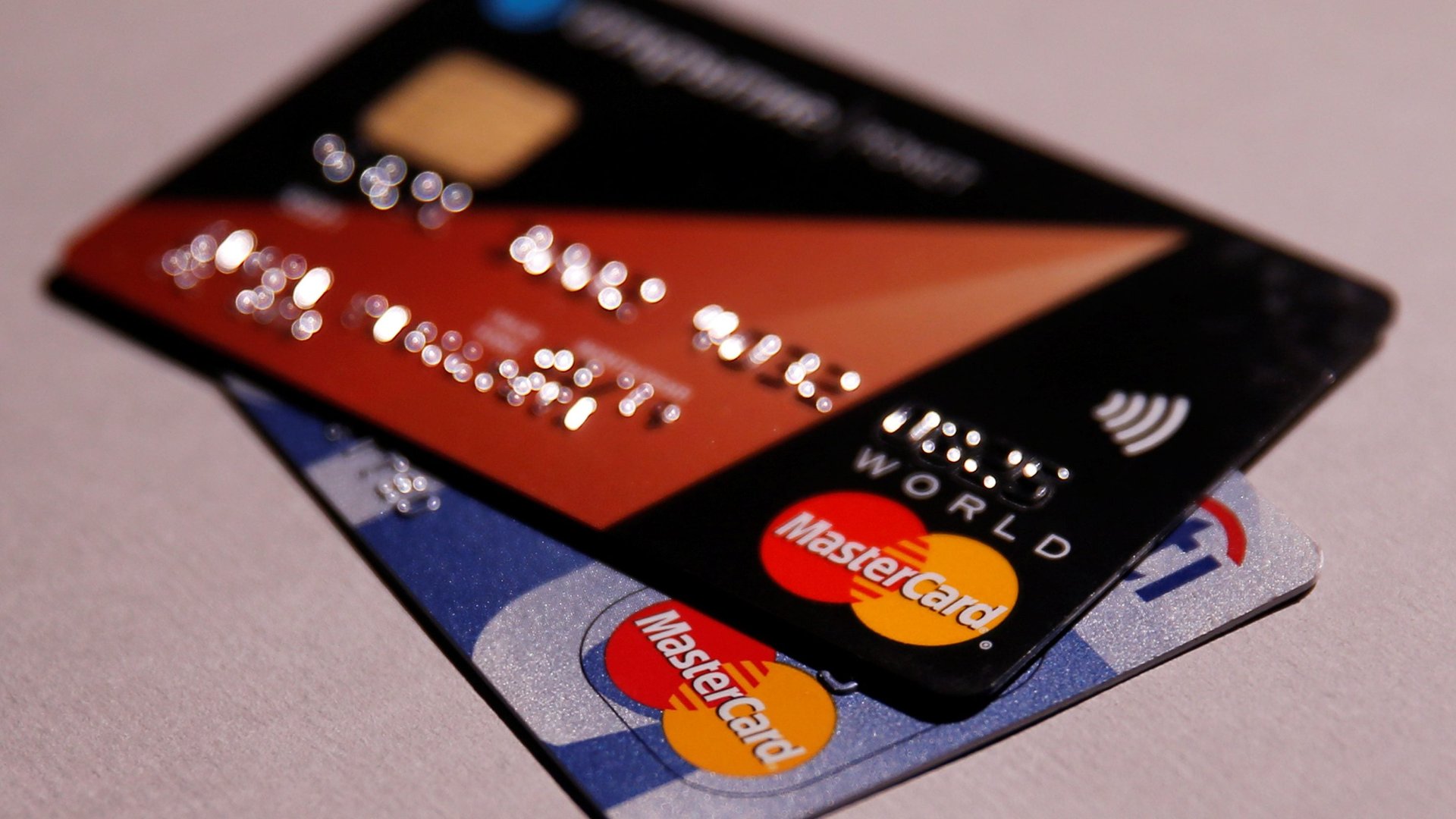
Over the last weekend, a number of African companies said their users would no longer be able to use virtual dollar debit cards for international online transactions like paying for streaming subscriptions or buying on Amazon. Flutterwave and Klasha, a Nigerian company that recently received investment from American Express, were among the companies to suspend the card feature.
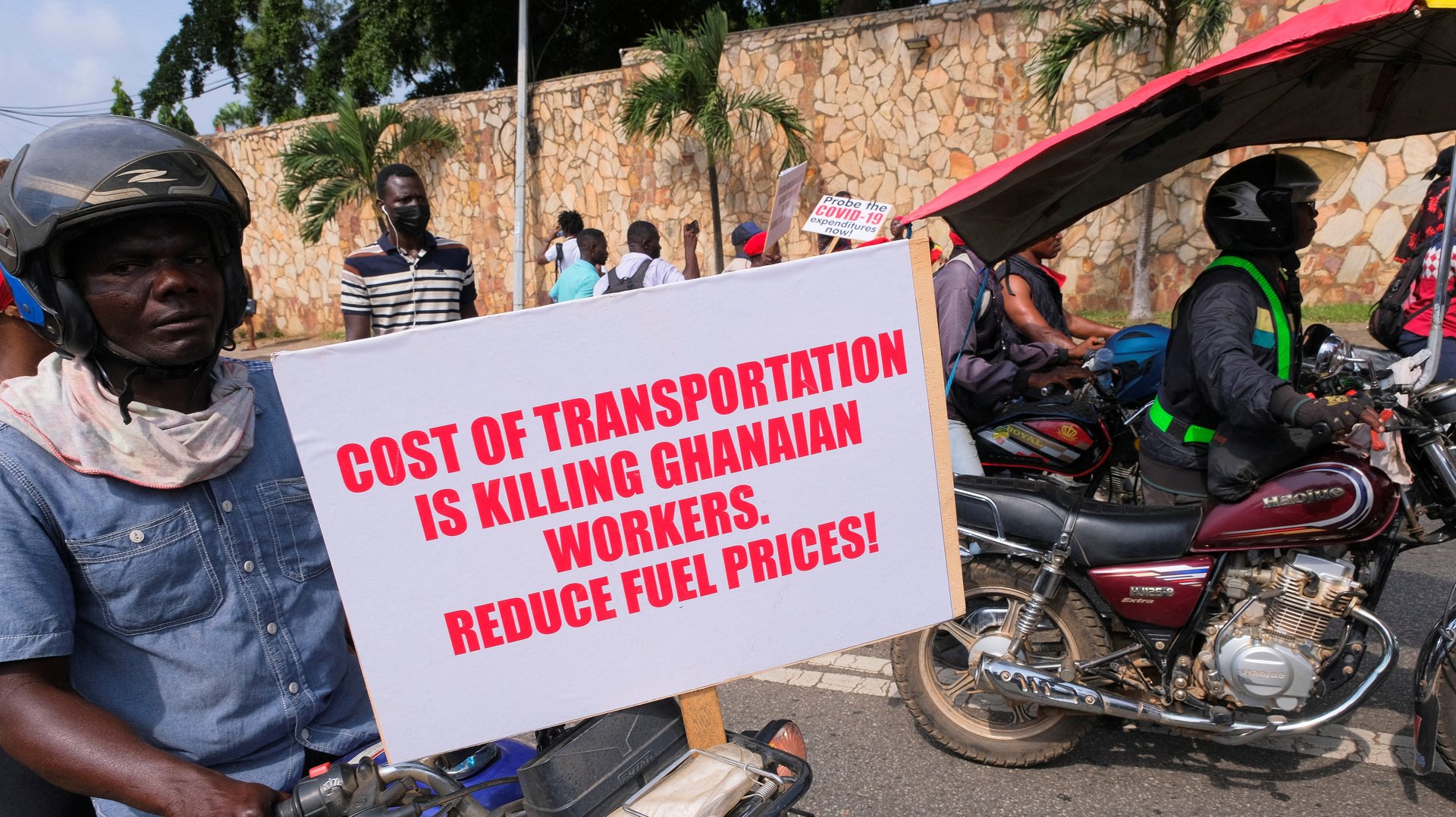
Ghana’s annual inflation climbed to 29.8% in June 2022, the first time the country’s inflation rate has touched 29% since January 2004. Ghana Statistical Service’s latest consumer price index report says June’s inflation was accelerated by higher costs of transportation, household equipment and maintenance, and utilities like electricity, gas, and water.

Bitcoin has lost over half its value since the beginning of the year and its $68,000 high of November 2021 looks a distant memory. But in six countries, more than a third of the adult population continues to buy or sell cryptocurrencies at least once a month, says a report by global research firm Morning Consult (pdf), published July 7.
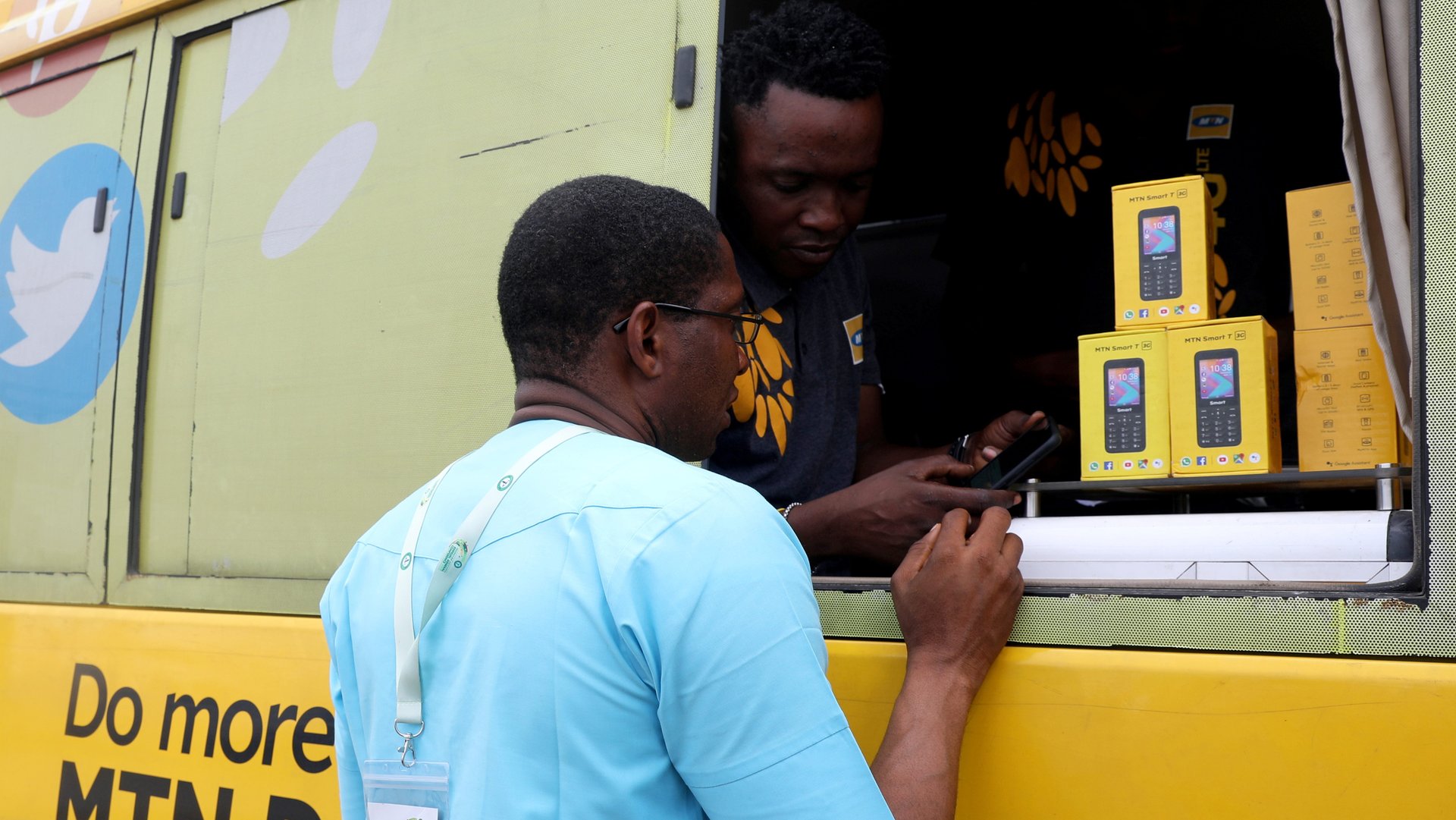
MoMo Payment Service Bank, the new financial services subsidiary of telecoms company MTN Nigeria, suffered a breach in the last week of May just days after launch, reportedly losing 22 billion naira ($53 million.)

Zamfara in northwest Nigeria is encouraging its residents, especially farmers, to apply for licenses that will allow them to carry guns and other weapons, for self-defense against worsening insecurity in the state.
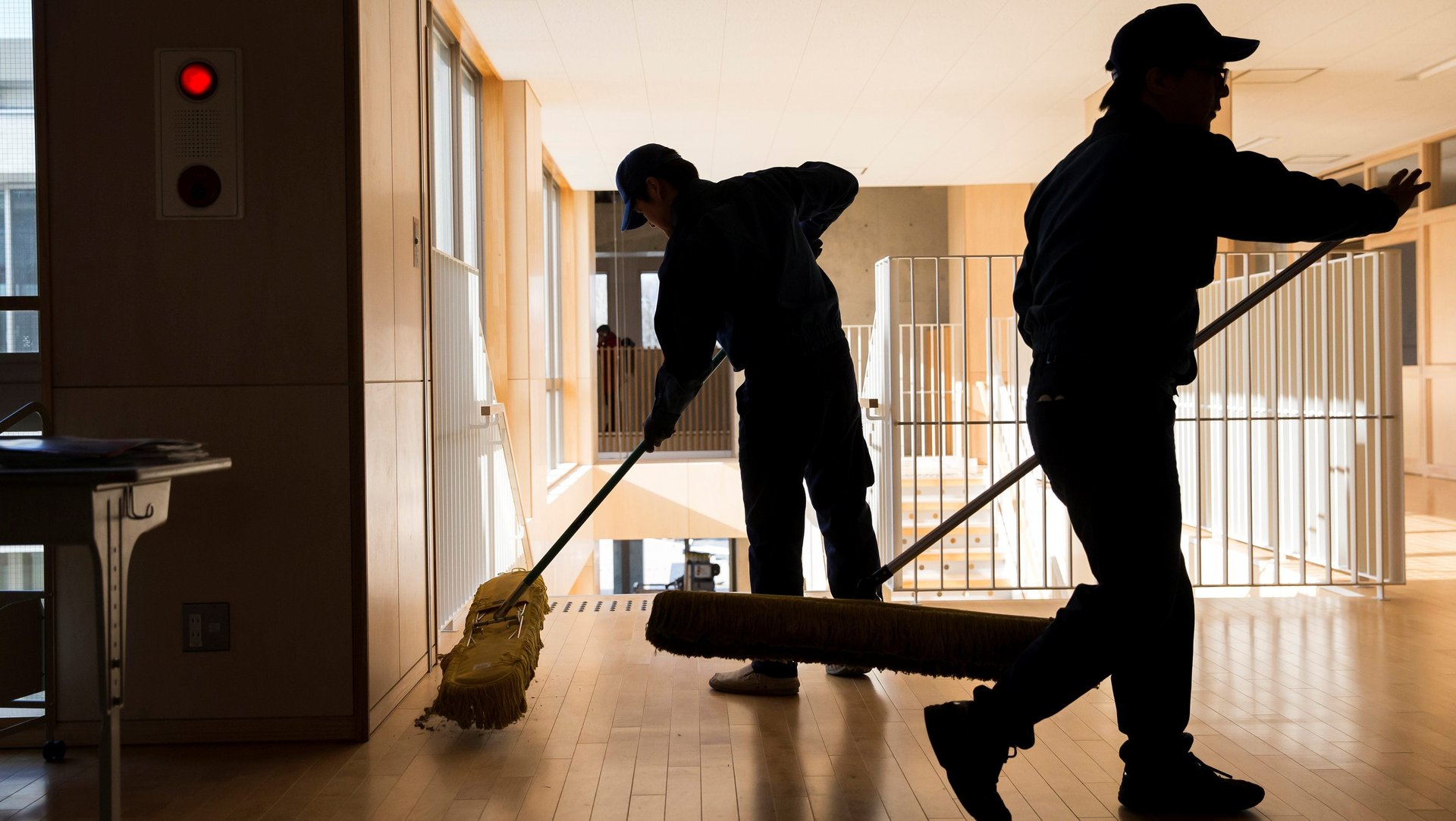
SweepSouth, one of South Africa’s best-known home cleaning companies, is not quite Uber for home cleaning. The service is not available on demand; you submit a request online and hear back on WhatsApp two hours after you pay, with details of your assigned cleaner.
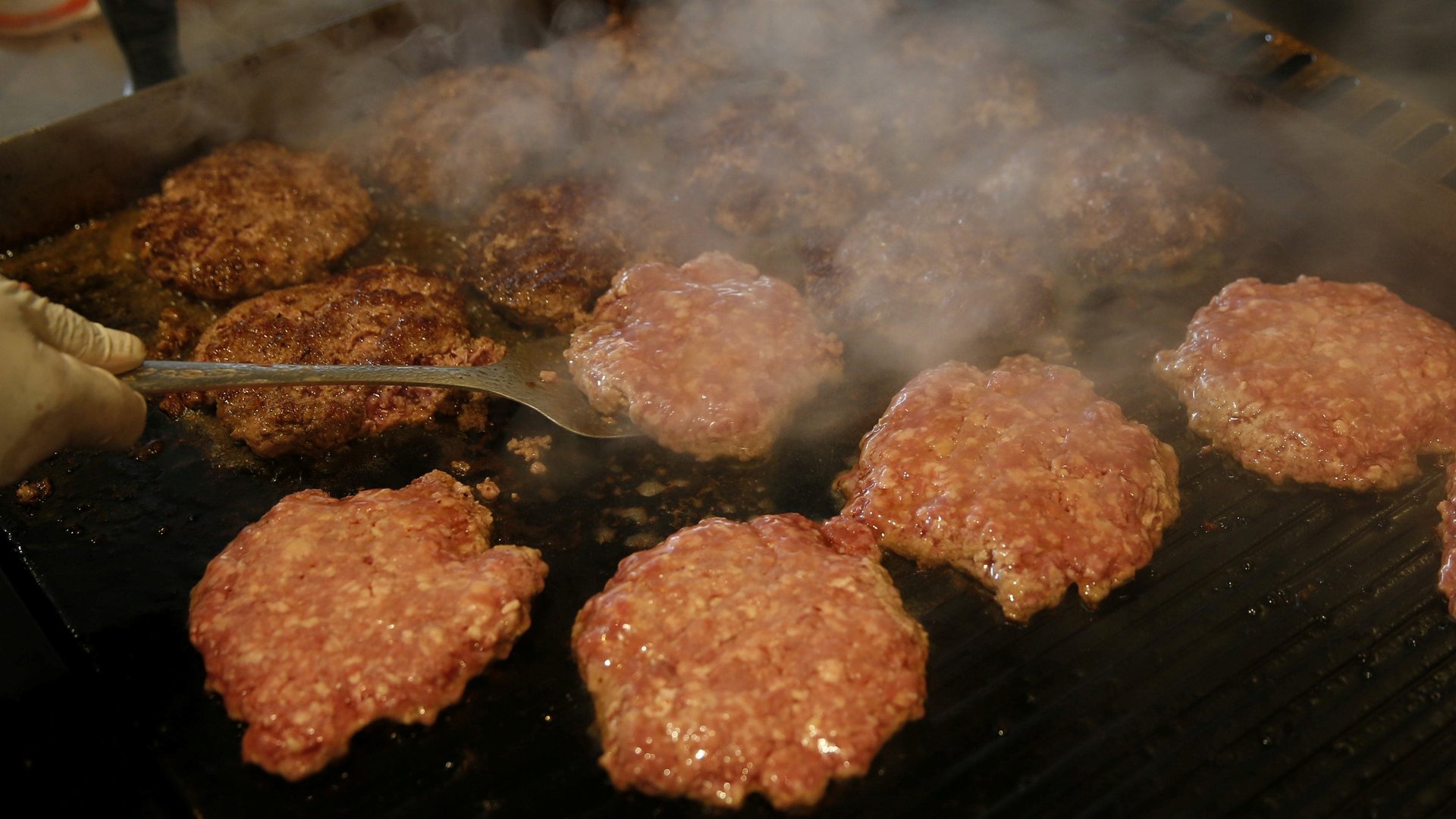
Kune, a startup that caused a stir last year for its white founder’s claim of inventing the delivery of “great food at a cheap price” in Kenya, has shut down. Mid last year, the company had raised $1 million in pre-seed funding to the ire of many who believed it aimed to fix a problem that didn’t exist.
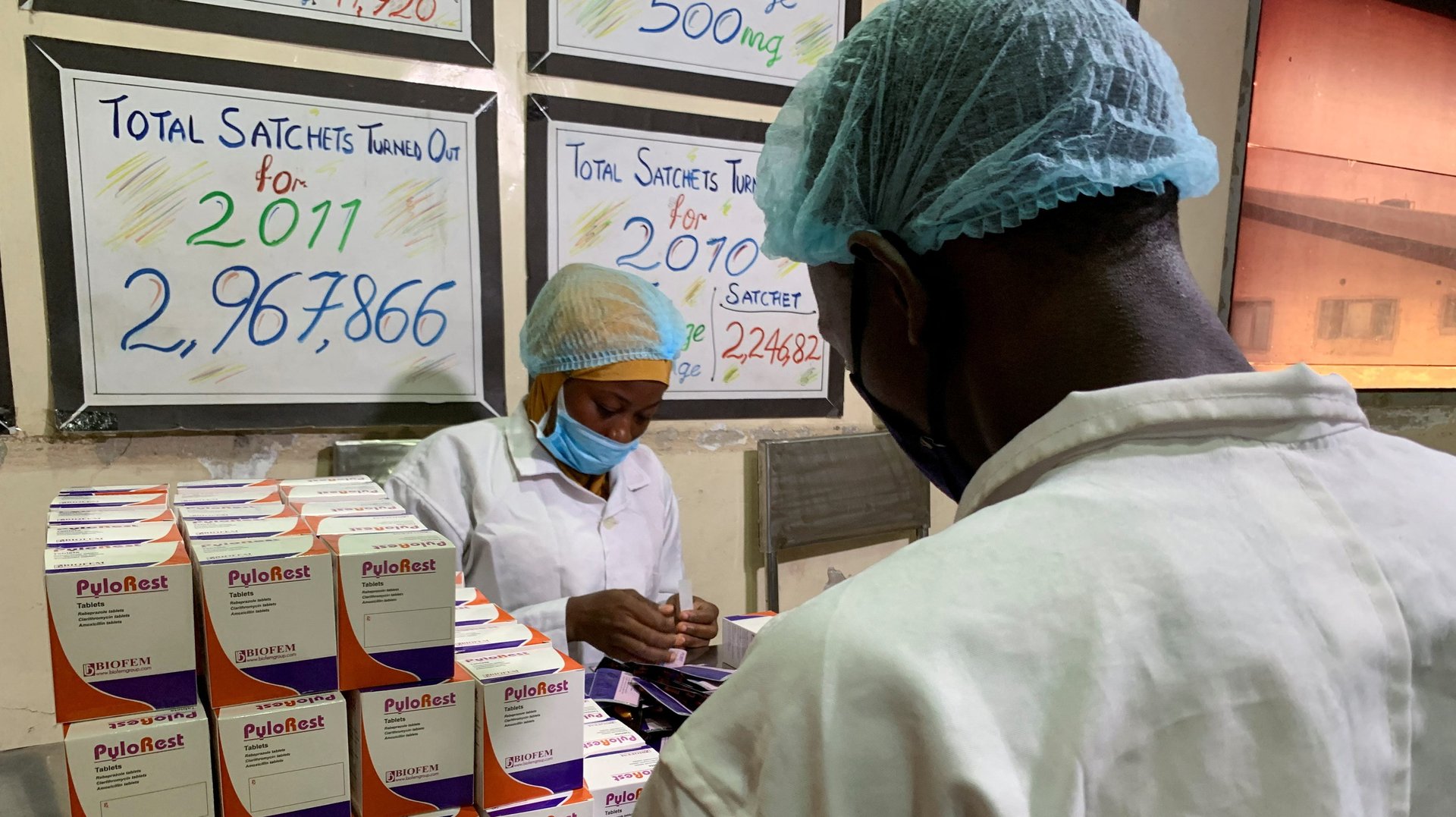
Being recommended to a celebrity and getting praise on social media can be validating for a small business delivering essential services. Take the case of Famasi Africa, an online pharmacy. In April, Nigerian-Sierra Leonean musician and actor Di’Ja turned to them after searching and failing to find an antibacterial prescription medicine in eight physical stores in Lagos. Satisfied with Famasi’s service, she pledged to use them again in the future.
Global air travel is bouncing back from the dire days of the covid-19 pandemic. The industry lost nearly $140 billion in 2020, but that will come down to under $10 billion this year, according to the International Air Transport Association’s report this week. In fact, the North American market is expected to revert to its 2019 status of profitability.
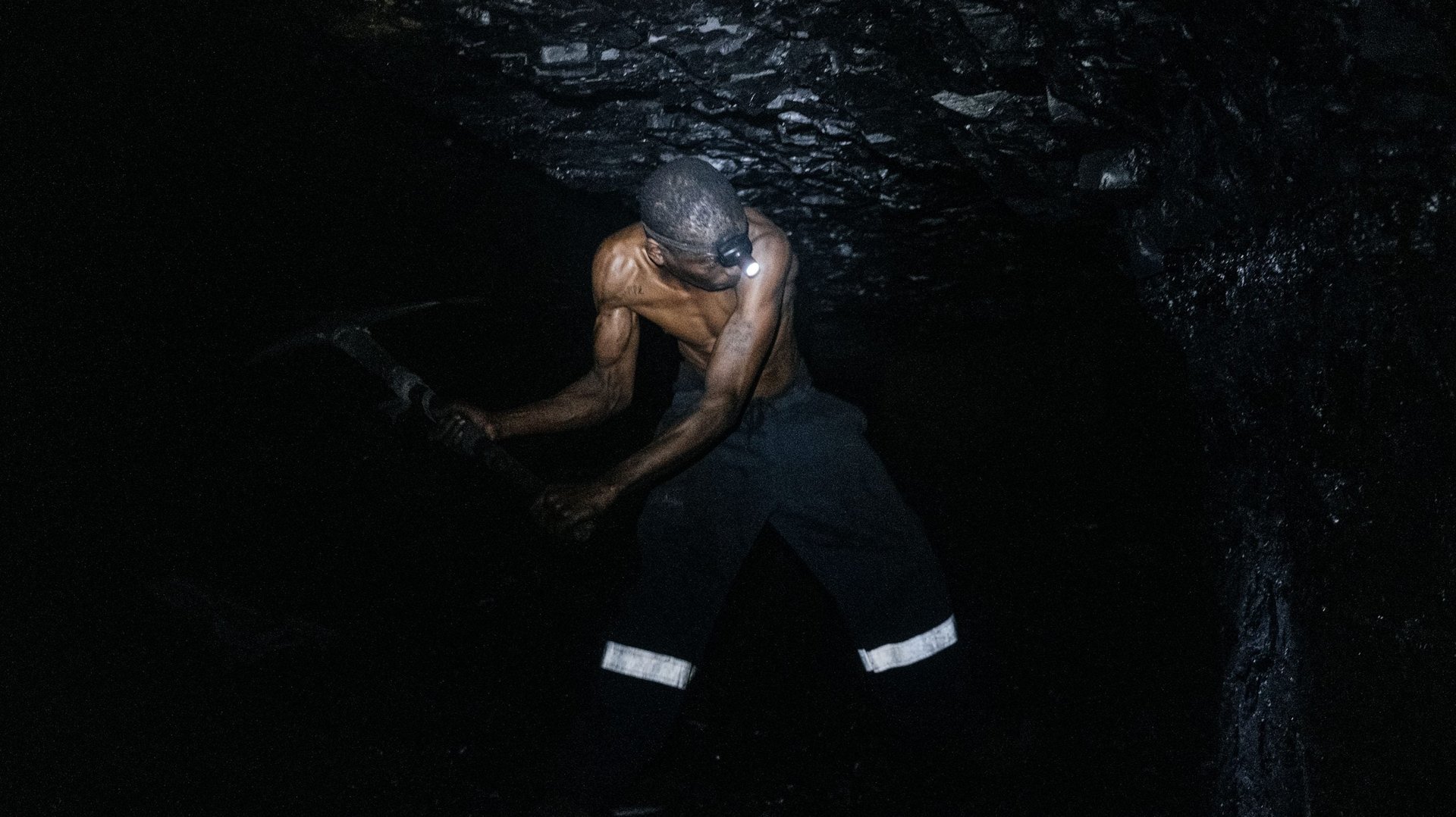
Starting in mid-August, European Union countries will stop importing coal from Russia, which means they’ll have to find alternative suppliers. Already, South Africa is one such supplier, and the world’s fifth largest exporter of coal.
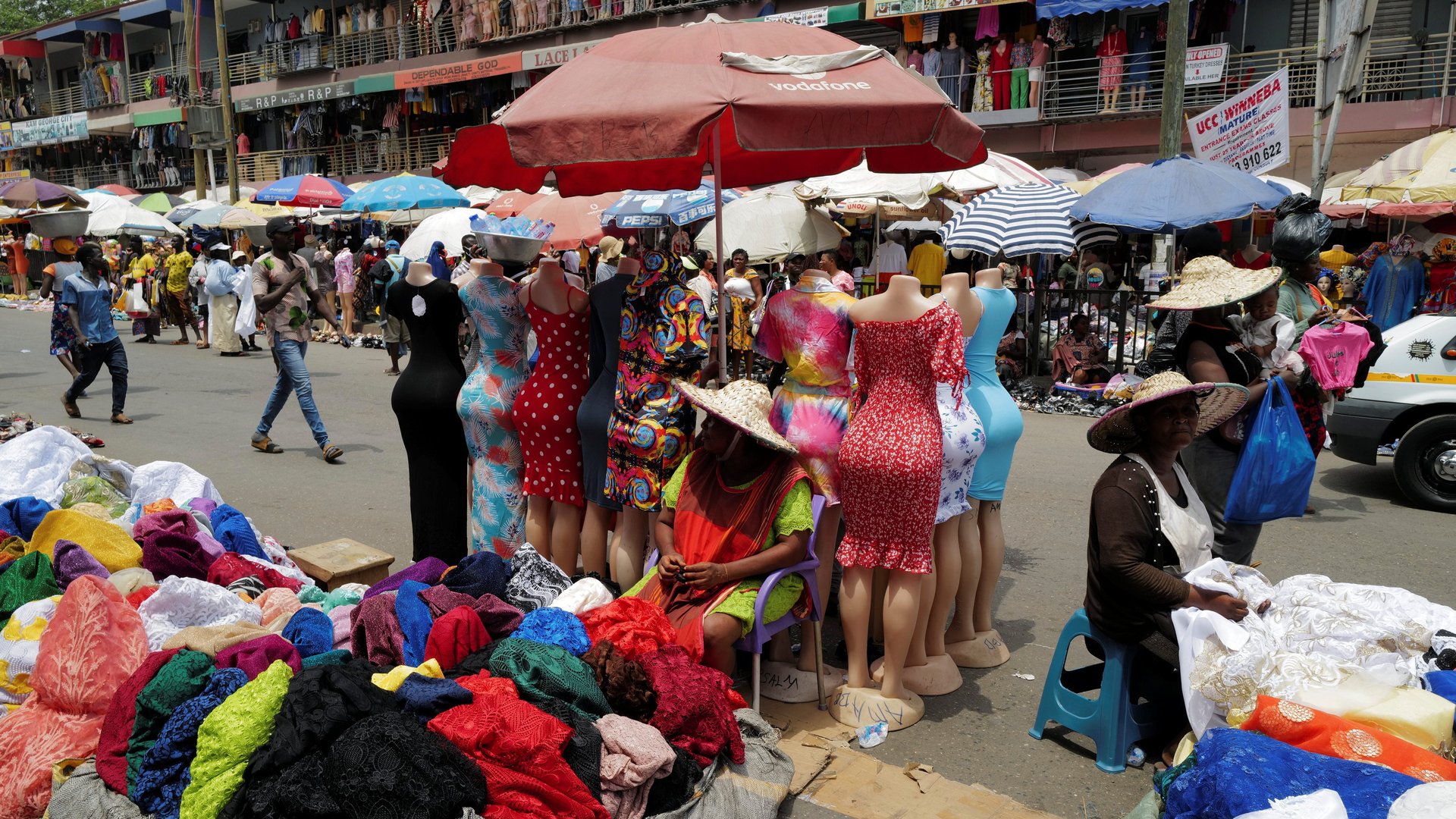
Chinese retailer Shein is hoping to balance the export of its secondhand clothing to Ghana by throwing money at the waste that clothing generates.
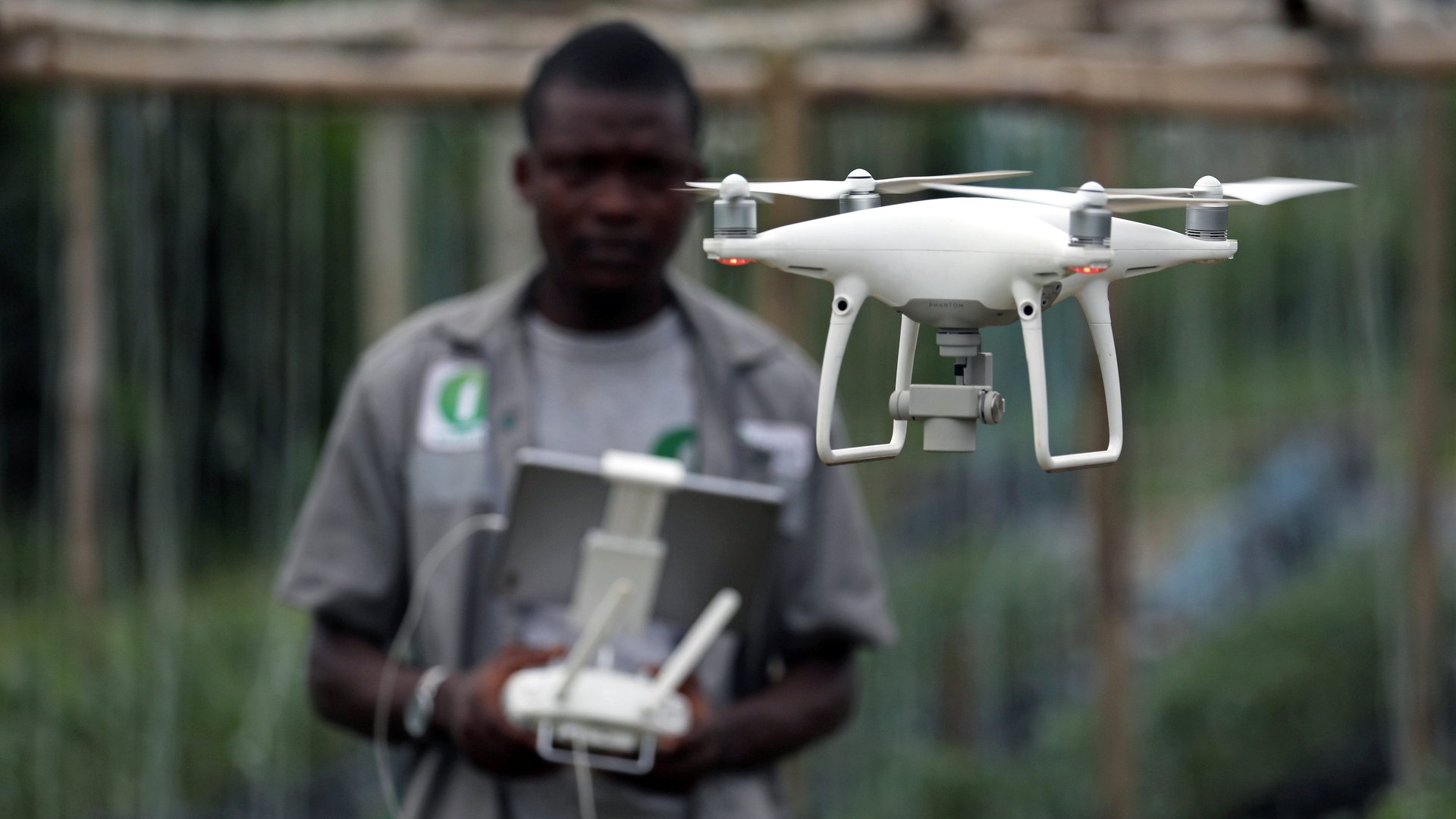
The major African tech breakthrough of 2021 was that it is becoming easier for startups to close $100 million funding rounds, as Wave, MFS Africa, TradeDepot, and about eight others did. The trend has continued this year with InstaDeep, PalmPay, Flutterwave, Moove, and Wasoko (formerly called Sokowatch.)
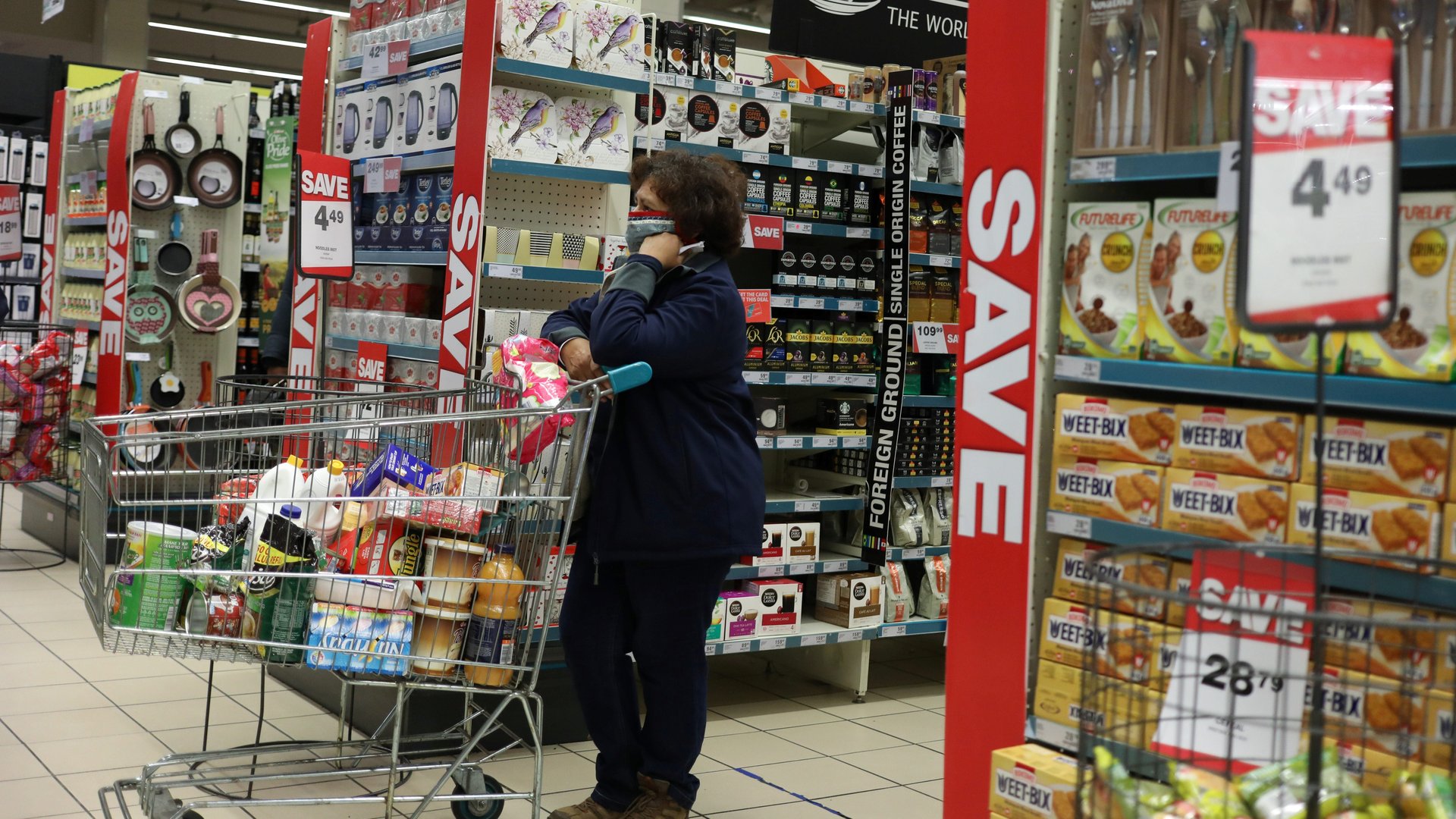
Nigerian fintech startup Klasha announced today (June 7) that it has received a $2.1 million investment as part of a seed round that started last year. One of its new investors is American Express Ventures, the investment arm for American Express (Amex), one of the top four credit card networks in the world, for whom this is a first investment in an African startup.

Gunmen went into a Catholic church in Owo, a town in Ondo state, southwest Nigeria, during a Pentecost day Mass on June 5 and killed at least 50 people, according to reports and the lowest fatality estimate from lawmakers and eyewitnesses.
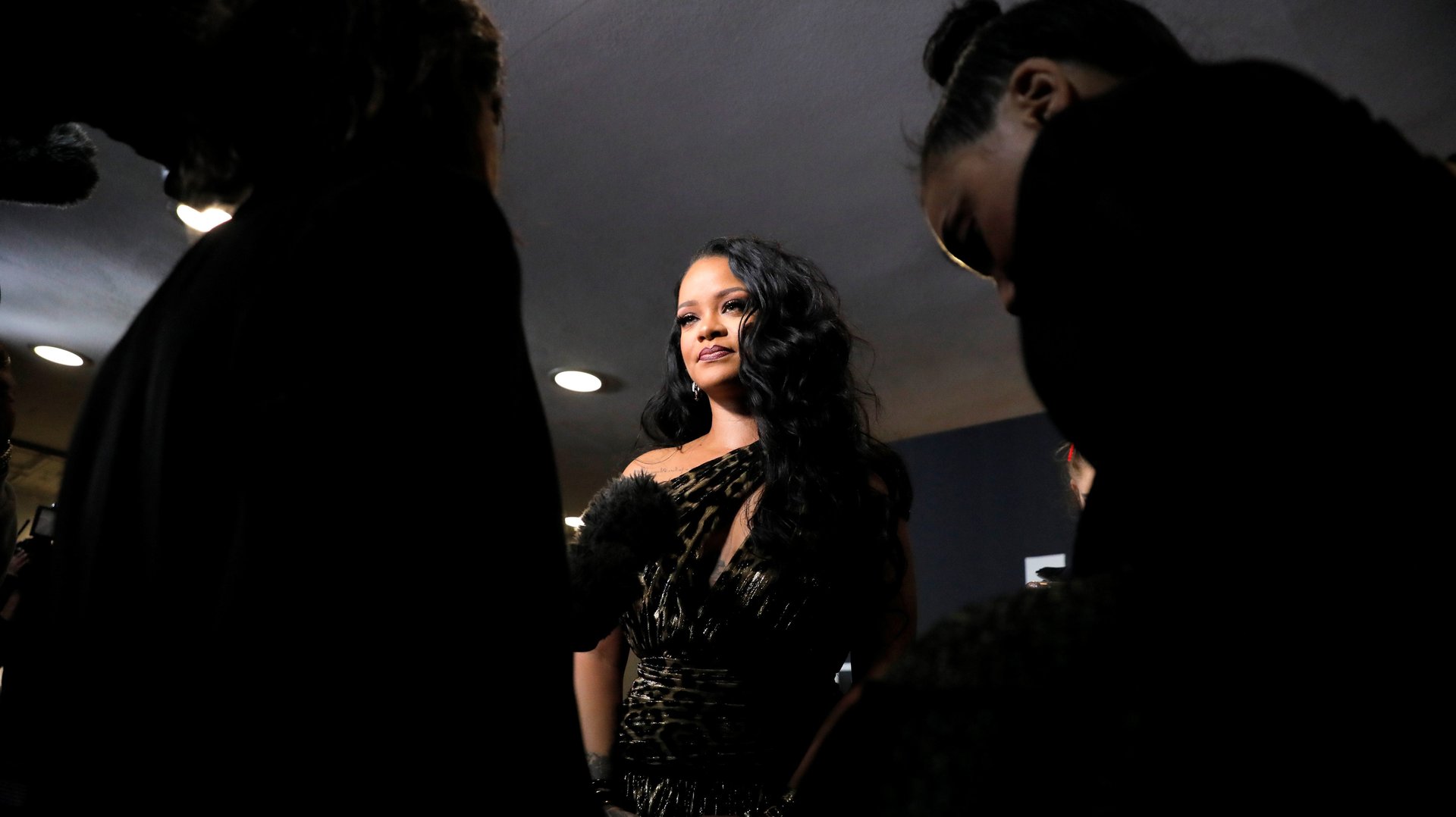
On Friday, May 27, Rihanna’s Fenty Beauty officially launched in Africa. Customers in Botswana, Ghana, Kenya, Namibia, Nigeria, South Africa, Zambia, and Zimbabwe can now buy the company’s beauty and skin products, which come in dozens of shades for Black and brown people, at stores in African cities instead of having to ship from the US.
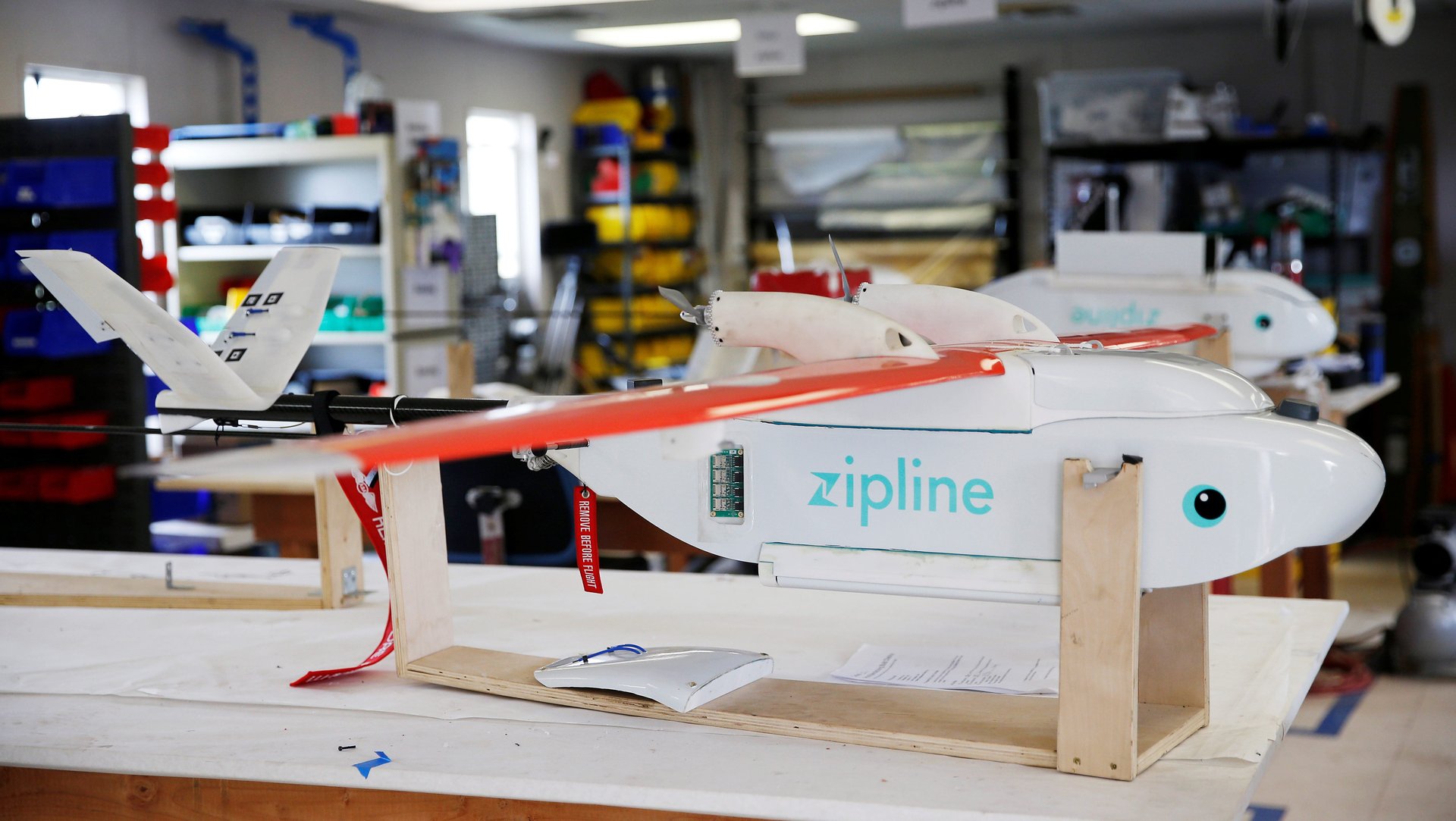
After operating for the past few years in Rwanda and Ghana, Zipline has opened its first distribution center in Nigeria today (June 3).